

Disclosure: This article contains affiliate links. We may earn a commission from purchases at no extra cost to you, which helps our travel content.
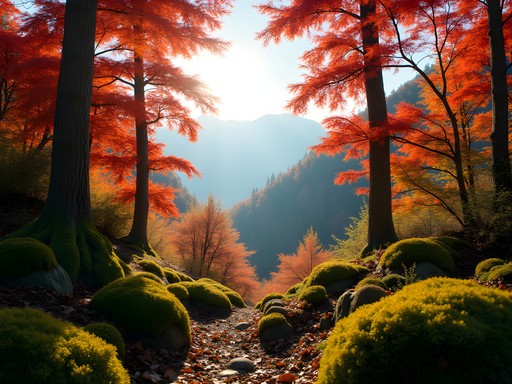
Standing at the base of the Japanese Alps as autumn paints the mountains in fiery hues, I felt the familiar tug of two worlds—my American upbringing and my Japanese heritage. Obaachan always said food tells the deepest stories of a place, and nowhere is this more true than in Matsumoto. This ancient castle town nestled in the shadows of Japan's most dramatic mountain range offers a culinary journey that mirrors its landscape: bold, nuanced, and profoundly connected to nature's rhythms. Join me as I climb through flavor profiles as varied as the terrain itself.

Castle Town Classics: Soba & Sake
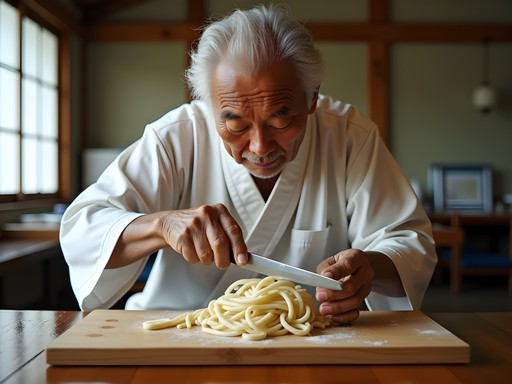
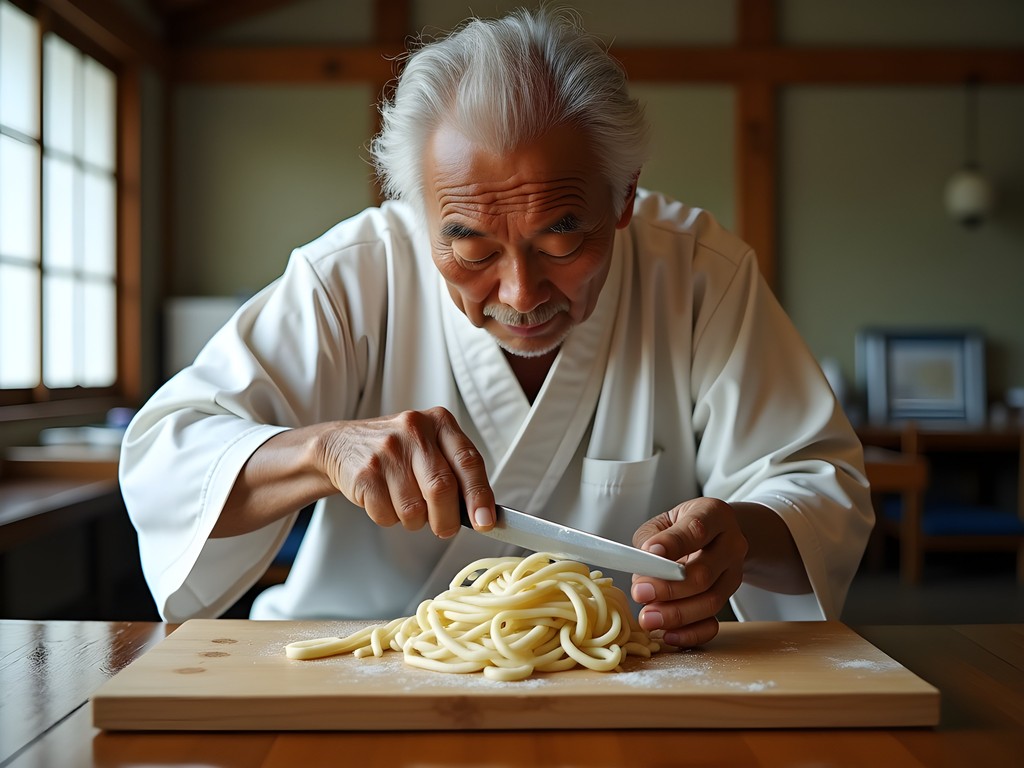
Matsumoto's culinary identity is anchored in its pristine mountain water—the lifeblood flowing from the Japanese Alps that gives the local soba (buckwheat noodles) their distinctive character. At Takagi, a sixth-generation noodle shop tucked into a narrow alley near the castle, I watched master Tanaka-san transform simple buckwheat flour into silken strands with nothing but his hands and a blade that's older than my grandmother.
The noodles arrived on a zaru (bamboo tray) with nothing but a cup of tsuyu (dipping sauce) and freshly grated wasabi—a minimalist presentation that belies the depth of flavor. Unlike the softer soba I grew up eating at my grandmother's table in Fresno, Matsumoto's version has a profound nuttiness and firmer bite that speaks to the region's colder climate.
"Soba wa inochi" (Soba is life), Tanaka-san told me as I slurped appreciatively, following the local custom where noisy eating signals enjoyment rather than poor manners.
Later that evening, I discovered how perfectly these noodles pair with local sake at Matsumoto Brewery, where the same alpine water creates spirits of remarkable clarity. For tasting at home, I now swear by a sake set that maintains the precise temperature these delicate flavors demand.
💡 Pro Tips
- Visit soba shops between 11am-2pm when noodles are freshest
- Ask for 'mori soba' for the purest flavor experience
- Look for restaurants displaying handmade 'teuchi' signs for authentic soba
Alpine Foraging: Mountain Vegetables & Mushroom Hunting
My obsession with climbing has taught me that the journey up always reveals hidden treasures, and the culinary ascent into the Japanese Alps proved no different. On day three, I joined a local guide, Yuki, for a sansai (mountain vegetable) foraging expedition into the lower elevations of the Hotaka range.
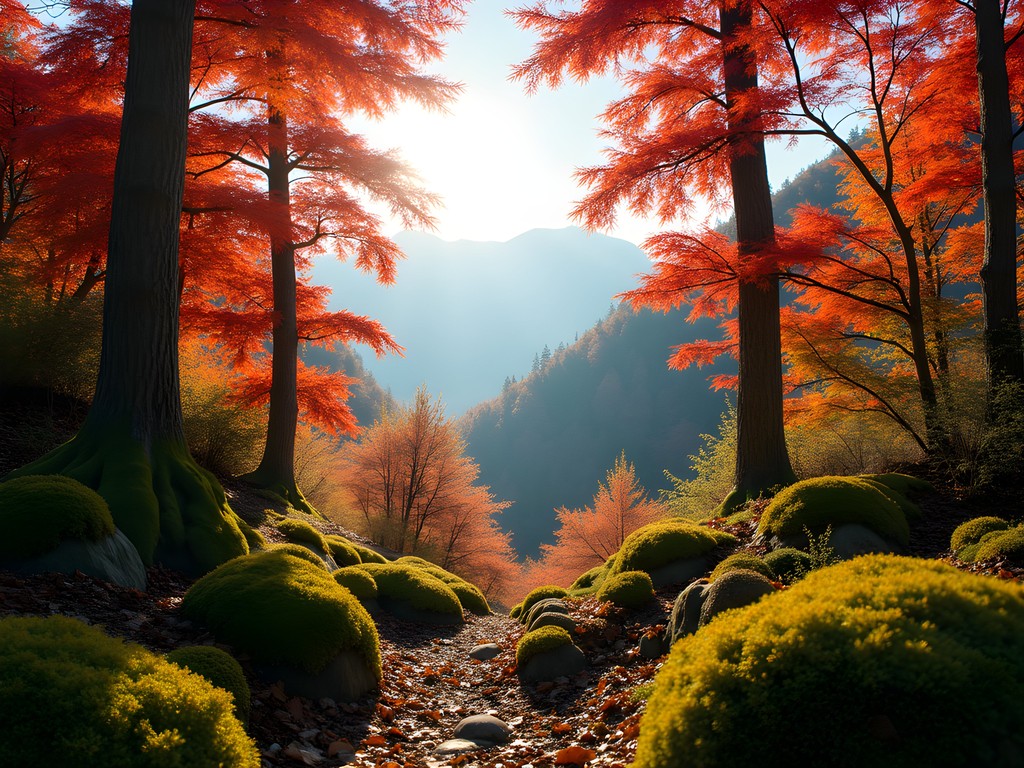
As we climbed through maple forests ablaze with autumn colors, Yuki pointed out edible treasures I would have blindly passed: warabi (bracken fern) hiding beneath fallen leaves, wild maitake mushrooms clinging to oak trees, and the prized kogomi (ostrich fern) unfurling in dappled sunlight. Each plant tells a story of seasonal change, connecting modern Japanese cuisine to its ancient hunter-gatherer roots.
"These foods kept my ancestors alive through harsh mountain winters," Yuki explained while demonstrating how to sustainably harvest without damaging future growth. "Now they're considered delicacies in Tokyo's finest restaurants."
For the hike, my foraging knife proved invaluable—its curved blade and brush end specifically designed for mushroom collection without damaging the delicate ecosystem. By afternoon, our baskets overflowed with nature's bounty, destined for a mountain ryokan where the chef transformed our findings into a kaiseki dinner that embodied autumn's essence.
💡 Pro Tips
- Never forage without a knowledgeable local guide
- Bring a separate basket for mushrooms to allow spores to spread
- Take photos of unknown species before picking for identification
Ryokan Revelations: Kaiseki Cuisine
The architectural precision of a traditional kaiseki meal mirrors what my grandmother taught me about Japanese building design—every element serves both function and aesthetic purpose, creating harmony through careful balance. At Ryokan Sejikaku, perched on a cliff overlooking the Azusa River valley, I experienced this culinary architecture at its finest.
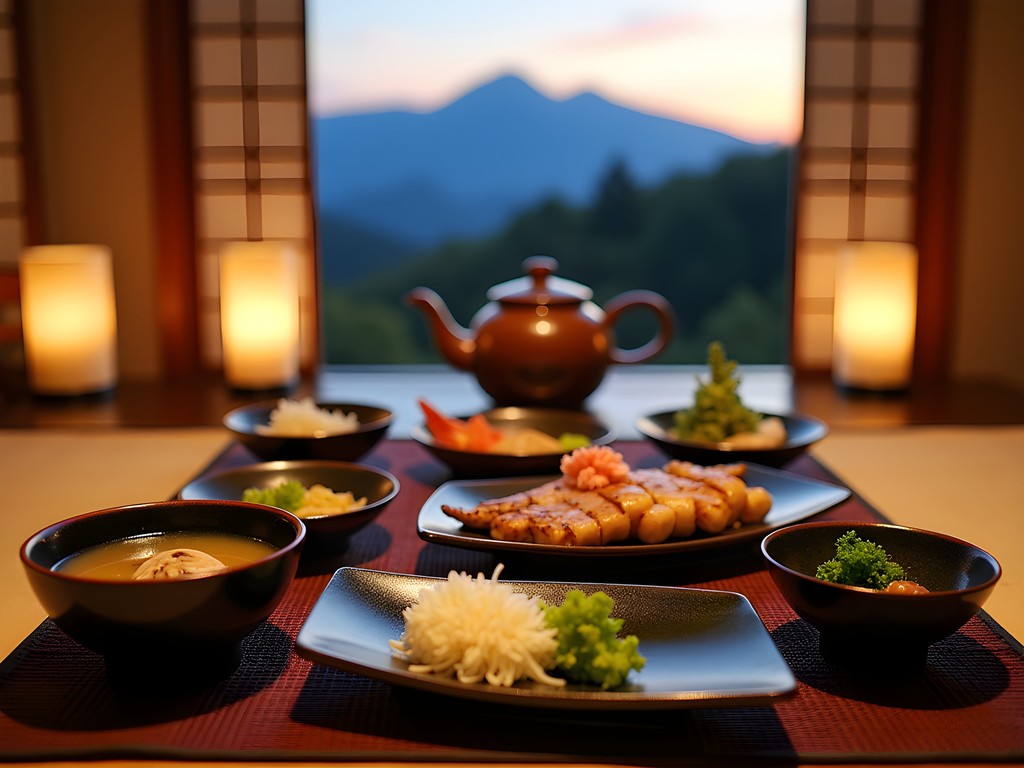
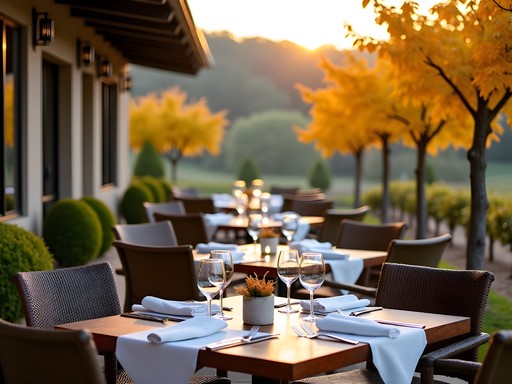
Seated in a private tatami room with sliding doors framing the mountain panorama, I watched autumn's sunset paint the Alps pink as course after exquisite course arrived, each plated on ceramics crafted by local artisans. The progression followed ancient principles: subtle flavors building to bold ones before gently concluding with simple rice and pickles.
The standout was dobin mushi—a clear mushroom soup served in a tiny teapot with locally foraged matsutake mushrooms, their distinctive pine aroma released when I poured the steaming broth into my cup. The chef later explained these mushrooms grow only in symbiosis with certain pine trees, appearing briefly during autumn's cooling temperatures.
For those wanting to recreate aspects of kaiseki at home, I've found a Japanese serving set elevates even simple dishes to art. The traditional glazing techniques and thoughtful proportions transform everyday meals into moments of mindfulness—something I've incorporated into my Atlanta apartment life between adventures.
💡 Pro Tips
- Book ryokan stays with dinner/breakfast included for authentic kaiseki
- Allow 2-3 hours for the full kaiseki dinner experience
- Inform the ryokan of dietary restrictions when booking—they can usually accommodate with advance notice

Hidden Izakayas & Alpine Spirits
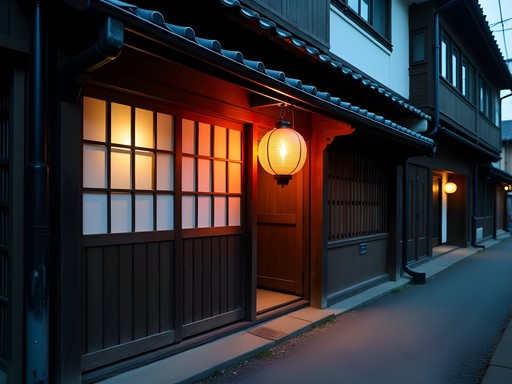
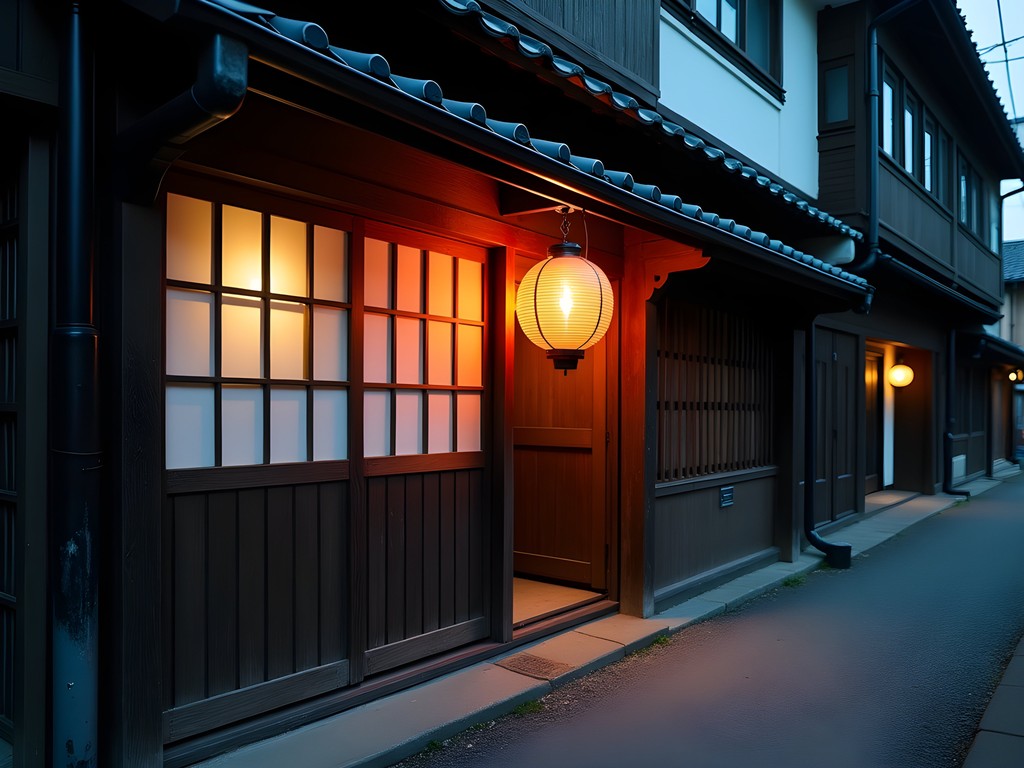
My fascination with speakeasies began in Atlanta's hidden bar scene, but Japan's izakayas (pub-eateries) represent the original art of concealed conviviality. In Matsumoto's Nakamachi district, characterized by its well-preserved kura (traditional storehouses) with distinctive white-latticed walls, I discovered Izakaya Conceal—a tiny establishment hidden behind what appears to be an ordinary bookshelf in an antique store.
Pushing past the false bookcase (a nod to both Japanese discretion and Western speakeasy traditions), I entered a warmly lit space where Chef Matsui serves obanzai—Nagano's rustic home-style cooking—alongside craft spirits distilled in the surrounding mountains. The standout was oyaki—savory dumplings stuffed with seasonal vegetables and mountain herbs, then grilled over open flame until slightly charred.
The perfect companion to these hearty bites was mizunara whisky aged in Japanese oak barrels from the nearby forests. The alpine terroir imparts distinct vanilla and incense notes unlike any Scotch or bourbon. For whisky enthusiasts, I recommend using whisky stones rather than ice when enjoying Japanese whiskies—they cool without diluting the complex flavor profiles that would otherwise be lost.
"Our food is simple but honest," Matsui-san explained as he prepared another round of oyaki. "Like the mountains, it doesn't need to shout to command respect."
💡 Pro Tips
- Look for izakayas displaying red lanterns with the character '居'
- Order the 'omakase' (chef's choice) for the best local specialties
- Most izakayas expect you to order food with drinks—it's not just a bar
Market Mornings: Cooking Classes & Local Ingredients
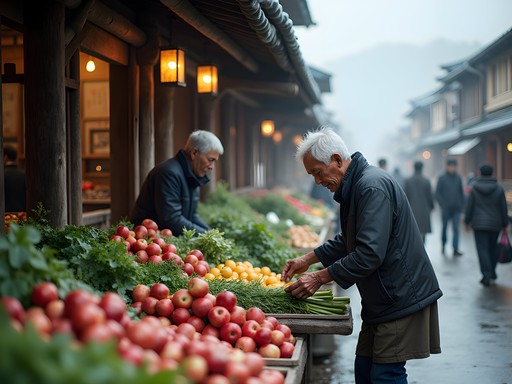
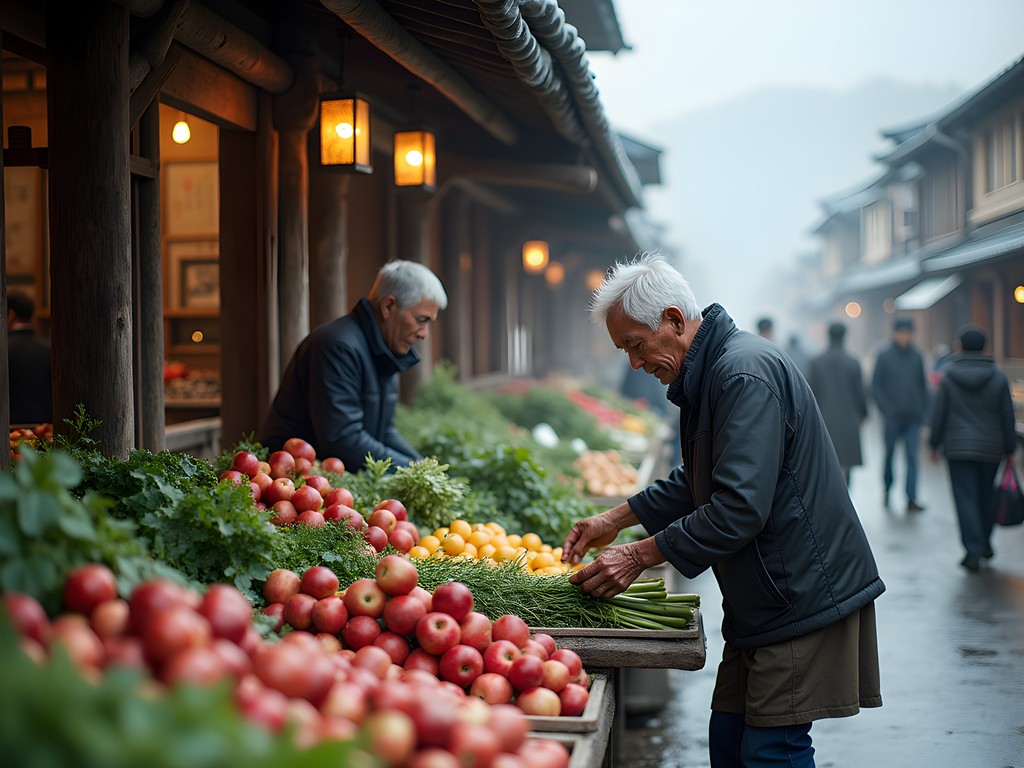
The rhythms of Matsumoto revealed themselves most clearly at dawn at Nawate-dori Market, where farmers from surrounding alpine villages arrive with produce harvested hours earlier. Following my grandmother's tradition of starting each day at the market, I joined local cooking instructor Satomi-san for an early morning ingredient hunt that would form the basis of our cooking class.
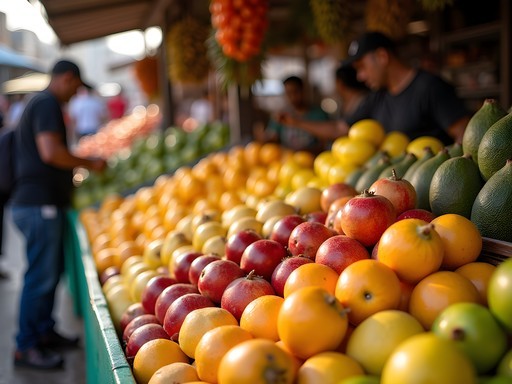
We carefully selected ruby-red akané apples (a Nagano specialty), mountain potatoes with their distinctive sliminess perfect for binding traditional dishes, and freshly harvested buckwheat flour still cool from the mill. Satomi taught me to identify the subtle indicators of quality: the sound when tapping certain vegetables, the specific sheen of fresh fish eyes, the aroma of just-ground wasabi root.
"Shopping is already cooking," she insisted, echoing my grandmother's philosophy that ingredients selected with care are already halfway to a delicious meal.
Back at her traditional home kitchen, we donned aprons and began preparing oyama-yaki—a local mountain-style okonomiyaki that incorporates alpine herbs and vegetables into the savory pancake. The cooking chopsticks she provided made handling delicate ingredients much easier than with standard utensils, especially when flipping the pancakes without breaking them.
As we ate our creations on her engawa (wooden porch) overlooking her garden with the Japanese Alps in the distance, I felt the peculiar satisfaction that comes from consuming food you've helped gather and prepare—a connection to place that transcends ordinary tourism.
💡 Pro Tips
- Visit markets before 7am for the freshest selection and to see trades between locals
- Look for the 'Shinshu' label indicating products from Nagano Prefecture
- Ask vendors for cooking suggestions—they often share family recipes
Final Thoughts
As my week in Matsumoto drew to a close, I found myself sitting cross-legged in a centuries-old tea house, watching steam rise from my matcha while contemplating how thoroughly food had connected me to this place. The flavors of the Japanese Alps—clean, distinct, and tied intimately to the seasons—had offered me more than sustenance; they had provided a tangible link to my heritage that sometimes feels distant in my Atlanta life.
My grandmother once told me that traditional foods are architecture for the soul—structures that preserve cultural memory even as the world changes around them. In Matsumoto, where ancient castle towers stand against a backdrop of mountain peaks, this wisdom resonates particularly deeply. The soba noodles, foraged vegetables, and carefully crafted kaiseki meals aren't just delicious—they're edible stories of resilience, adaptation, and harmony with nature.
As you plan your own culinary journey through this alpine region, remember that each bite offers connection—to the mountains, to generations of tradition, and perhaps to parts of yourself you've yet to discover. Itadakimasu isn't just said before meals; it's a philosophy acknowledging the gift that food truly is.
✨ Key Takeaways
- Matsumoto's cuisine is deeply influenced by its alpine environment and pure mountain water
- Seasonal eating isn't just trendy here—it's an unbroken tradition connecting past to present
- The best culinary experiences combine food with cultural context—from foraging to cooking classes
📋 Practical Information
Best Time to Visit
Mid-September to early November for autumn harvest and foliage
Budget Estimate
$150-250 per day including mid-range accommodations and meals
Recommended Duration
5-7 days
Difficulty Level
Moderate (Some Culinary Experiences Require Hiking Or Navigation)
Comments
mountainace
I did the soba making class at Takagi Soba last September and it was honestly one of my favorite experiences in Japan. The instructor was this elderly woman who'd been making soba for 50 years and she was so patient with our terrible technique. We got to eat what we made afterwards and mine was lumpy and uneven but tasted amazing because I'd made it myself. Pro tip: wear clothes you don't mind getting flour on, it gets EVERYWHERE.
globewalker
Adding Matsumoto to my Japan itinerary now. Thanks for this!
springseeker
Do you need to speak Japanese to do the mushroom hunting tour?
globewalker
Not the person who wrote this but I did a similar tour near Takayama. Our guide spoke basic English and honestly the mushroom identification was mostly visual anyway. Super fun!
vacationrider
How many days would you recommend spending in Matsumoto? We have about 2 weeks total for Japan.
Skyler Tanaka
I'd say 3-4 days minimum. Gives you time for the castle, a day trip to Kamikochi or Takayama, and plenty of eating without feeling rushed!
Casey Andersson
The kaiseki section resonated so much with me. I stayed at Tobira Onsen Myojinkan last year and the ryokan dining experience was transformative. Watching the chef present each course with such precision and care—it's not just a meal, it's theater. One tip for readers: many ryokans will accommodate dietary restrictions if you email them in advance, but you need to be specific. I'm vegetarian and they created an entirely separate menu that was just as elaborate. The investment is worth every yen for that level of craftsmanship.
journeychamp
This is EXACTLY what I needed!! Going to Japan in November and was only planning Tokyo and Kyoto but now I'm totally adding Matsumoto. The izakaya section has me drooling 🤤
vacationrider
same here! changing my itinerary now
summerlover
Is autumn the best time to visit or can you do this in spring too?
Casey Andersson
Spring is beautiful too! The mountain vegetables are different—more wild asparagus and bamboo shoots. Autumn has the mushrooms though, which are incredible.
Bryce Diaz
Skyler, this brought back memories of my own autumn in Matsumoto three years ago. I still dream about that tiny izakaya near the castle where the owner insisted I try every variety of sake he had. Ended up closing the place down with him and two locals, sharing stories in broken Japanese and enthusiastic hand gestures. The mushroom hunting experience you described is exactly what I missed—definitely adding that to my list for next time. Did you manage to find any matsutake? They were just starting to appear when I was there.
mountainace
Which izakaya was that? Heading there in October!
Bryce Diaz
It was called Komagatake, just a 5-minute walk east of the castle. No English sign, look for the red lanterns!
hikingqueen
The soba photos are making me so hungry!
Sarah Powell
Really enjoyed this perspective, especially the connection to your heritage. I spent three weeks in Nagano prefecture last year and found Matsumoto to be an excellent base for exploring the region's culinary traditions. The kaiseki experience you described mirrors my own - there's something about the seasonal precision and presentation that makes it feel almost meditative. For anyone planning a trip, I'd recommend visiting during late October if possible. The koyo season adds another dimension to the experience, and the autumn mushrooms are at their peak. The train connections from Tokyo are straightforward, and I found staying in a traditional ryokan rather than a hotel made a significant difference in accessing authentic local cuisine.
Venture X
Premium card with 2X miles, $300 travel credit, Priority Pass