
Disclosure: This article contains affiliate links. We may earn a commission from purchases at no extra cost to you, which helps our travel content.
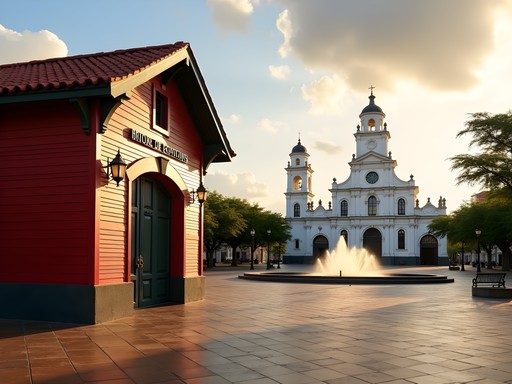
The morning light in Ponce hits differently than in San Juan—softer somehow, filtering through colonial archways and catching on hand-painted tiles that remind me of the ceramic workshops I've visited across Okinawa. But here, the artistry isn't just in the architecture; it's plated before you at family-run fondas where recipes have been passed down like precious heirlooms. After five years documenting traditional crafts in Japan, I've learned that a culture's soul often reveals itself most honestly in its food, and Ponce—Puerto Rico's second-largest city—offers an unfiltered taste of Borinquen heritage that San Juan's tourist corridors simply can't match.

The Mercado de Ponce: Where Culinary Stories Begin
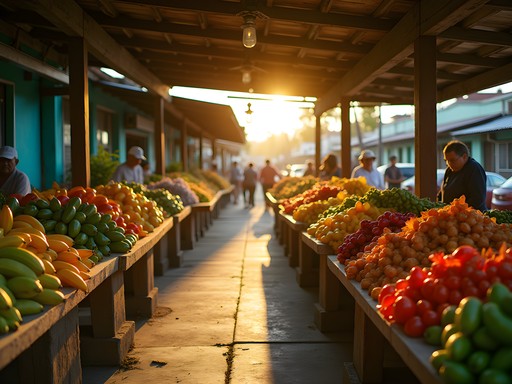
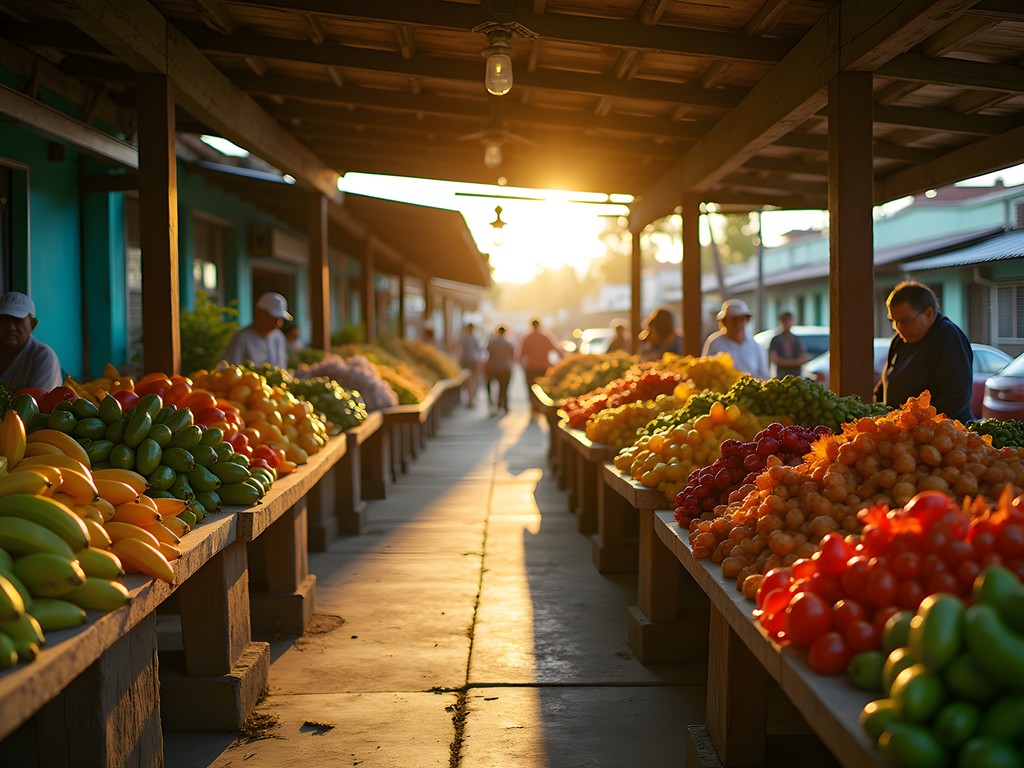
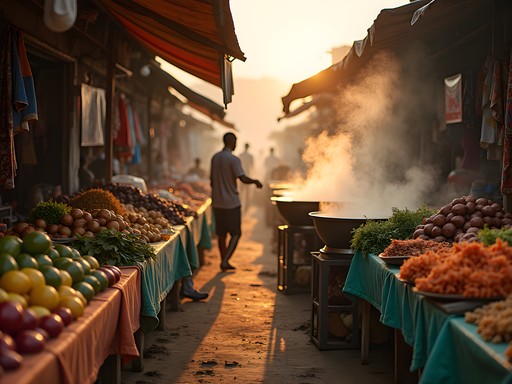
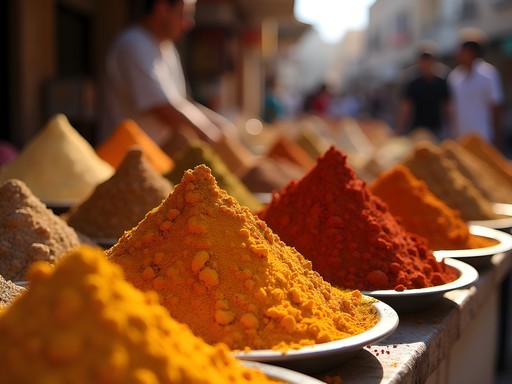
Every great food journey should start at the source, and Ponce's municipal market is a sensory masterpiece that rivals any Asian wet market I've wandered through. The spatial arrangement here fascinates my visual merchandiser's eye—vendors display their wares with an intuitive understanding of color theory, stacking plantains in gradients from green to yellow-black, arranging ajíes dulces in crimson pyramids that catch the morning sun.
Arrive early, ideally around 7 AM when the fishmongers are still arranging their catch and the coffee vendors are brewing their first pots. I spent a memorable Saturday morning here with a local chef who taught me to select the perfect breadfruit by sound—a hollow thump indicates ripeness—much like choosing a watermelon. The market's prepared food section offers bacalaítos (salt cod fritters) that shatter audibly with each bite, the kind of textural perfection that comes only from generational expertise.
Don't miss the alcapurrias stand near the southern entrance, where an elderly woman whose hands move with the precision of a master potter shapes green banana and yautía dough around seasoned crab filling. I always pack my insulated food container to keep a few warm for an afternoon snack—they reheat beautifully and taste even better after the flavors meld.
💡 Pro Tips
- Bring cash in small denominations; many vendors don't accept cards
- Ask vendors for tasting samples—it's expected and builds rapport
- Visit on Saturday mornings for the fullest selection and liveliest atmosphere
Fondas and Family Tables: Ponce's Dining Room
The word 'fonda' doesn't translate neatly—it's somewhere between a diner, a home kitchen, and a community gathering space. In Ponce, these modest establishments serve food that makes San Juan's hotel restaurants feel like performance art rather than sustenance. My favorite, El Ancla on Calle Mayor, occupies a coral-pink building where the owner, Doña Carmen, has been cooking since 1987.
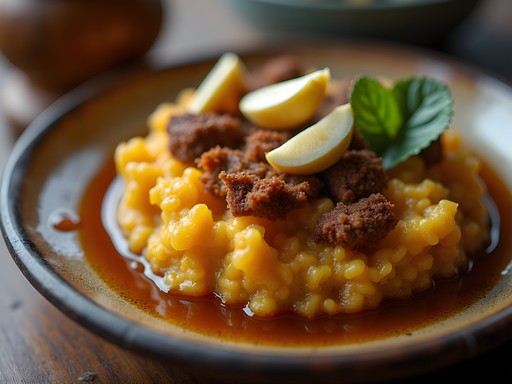
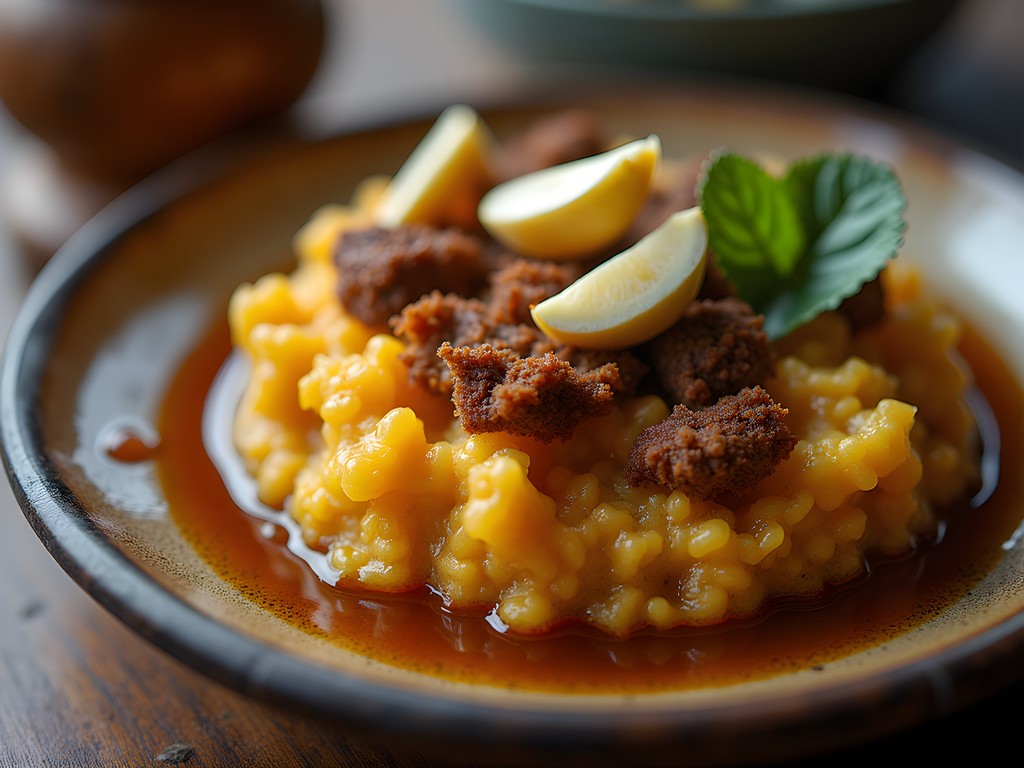
Her mofongo—mashed fried plantains with garlic and pork cracklings—arrives in a wooden pilón, the traditional mortar used for mashing. The presentation is unpretentious, but the flavor layering reveals sophisticated technique: the plantains are twice-fried for maximum texture contrast, the chicharrón provides salt and crunch, and a rich chicken broth ties everything together. It's the kind of dish that makes you understand why Puerto Ricans are so fiercely proud of their culinary heritage.
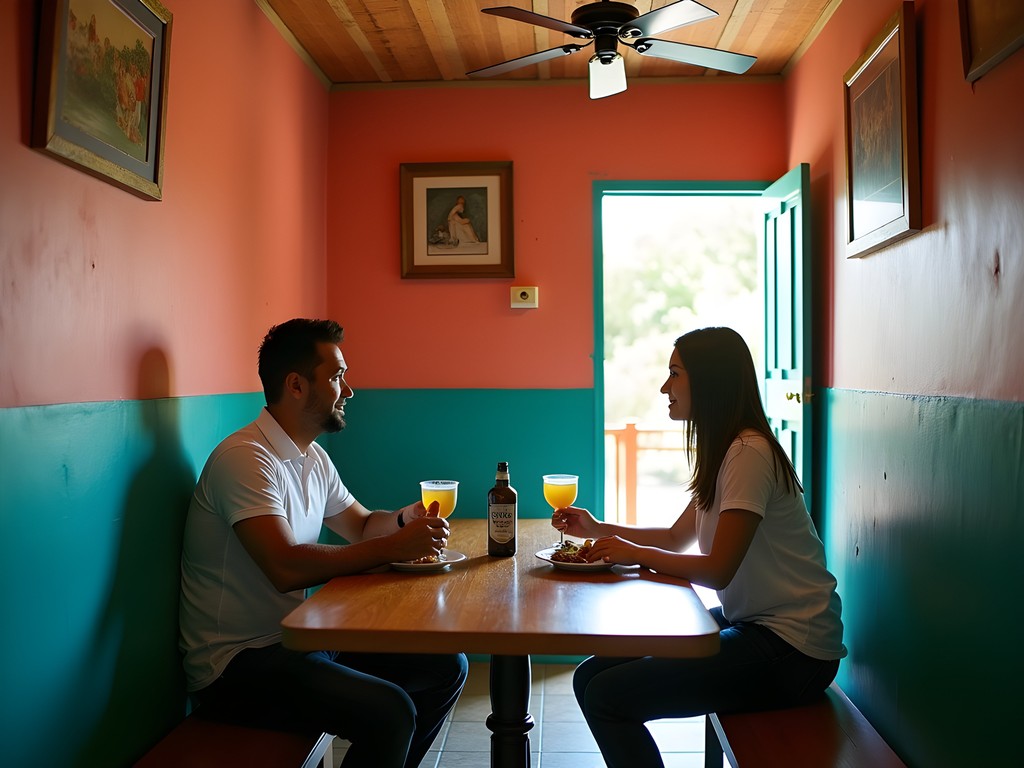
For couples seeking a romantic yet authentic experience, I recommend Lola Eclectic Cuisine near Plaza Las Delicias. The chef there, trained in San Juan but Ponce-born, creates contemporary interpretations of traditional dishes. His pastelón de amarillos (sweet plantain lasagna) with grass-fed beef and local cheese is a revelation—familiar comfort elevated through technique and quality ingredients. Make reservations; the space seats only eighteen.
💡 Pro Tips
- Lunch is the main meal; arrive between noon and 2 PM for the freshest preparations
- Ask for the daily special (especial del día)—it's usually the best value and freshest option
- Portions are generous; consider sharing dishes to sample more variety
The Art of Artisan Drinks: Beyond the Piña Colada
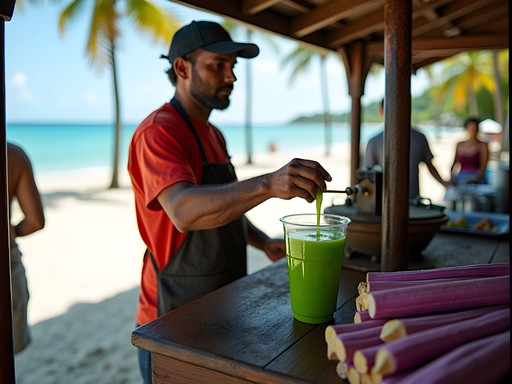
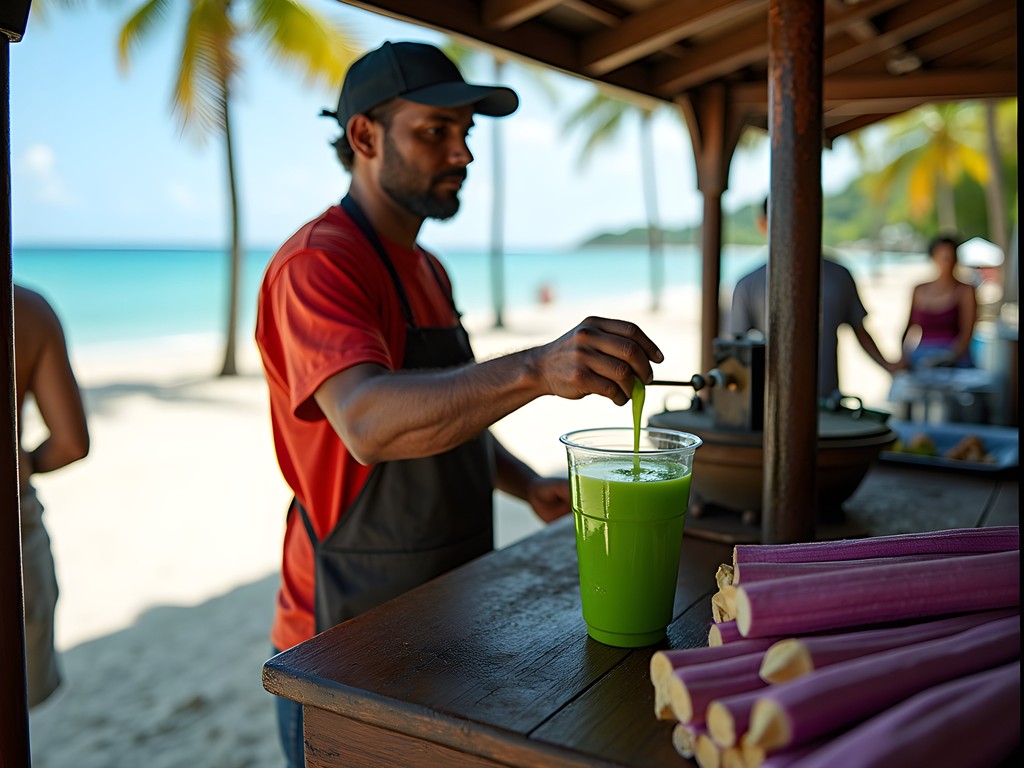
Puerto Rico's cocktail culture extends far beyond the coconut-cream tourist trap, and Ponce's bartenders are preserving and innovating traditional drinking culture with the same reverence I've seen sake brewers show in rural Japan. At La Guancha boardwalk, the outdoor kiosks serve ice-cold medallas and Pilóns, but the real discovery is the fresh sugarcane juice vendors who press cane to order.
Watching the mechanical press extract pale green juice from purple-striped cane stalks is mesmerizing—the liquid catches the Caribbean light like liquid glass. Mixed with lime and ginger, it's the most refreshing thing you'll drink in the tropical heat. I always carry my insulated tumbler to keep drinks cold during afternoon explorations; the Ponce heat is no joke, and staying hydrated is essential.
For evening drinks, seek out El Bohío in the historic district, where the bartender crafts cocktails using local rum, tropical fruits, and herbs from his rooftop garden. His take on a mojito uses yerba buena (Puerto Rican mint) and aged rum from the nearby Hacienda Santa Ana distillery. The flavor profile is more complex than standard mojitos—earthy, slightly sweet, with a finish that lingers like a good conversation. The space itself, with exposed brick and vintage rum advertisements, feels like drinking in a living museum of Caribbean drinking culture.
💡 Pro Tips
- Try parcha (passion fruit) juice—it's everywhere and always fresh-squeezed
- Sample different rum ages; añejo (aged) rums are sipping quality and surprisingly affordable
- Avoid drinking tap water; stick to bottled or filtered water throughout your visit

Sweet Traditions: Ponce's Dessert Heritage
The Spanish colonial influence on Puerto Rican sweets is undeniable, but Ponce's pastelerías have evolved these traditions into something distinctly Borinquen. At King's Cream, a beloved institution since 1964, the helado de coco (coconut ice cream) is made with fresh coconut milk and served in the shell—a presentation that's both nostalgic and practical.
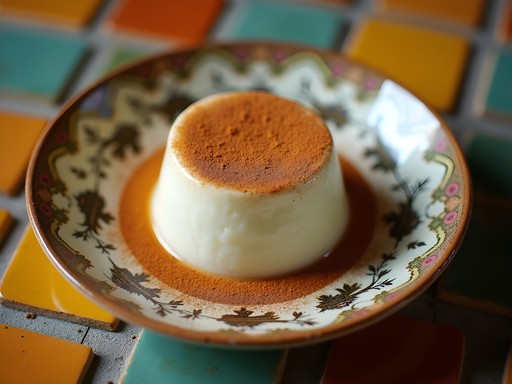
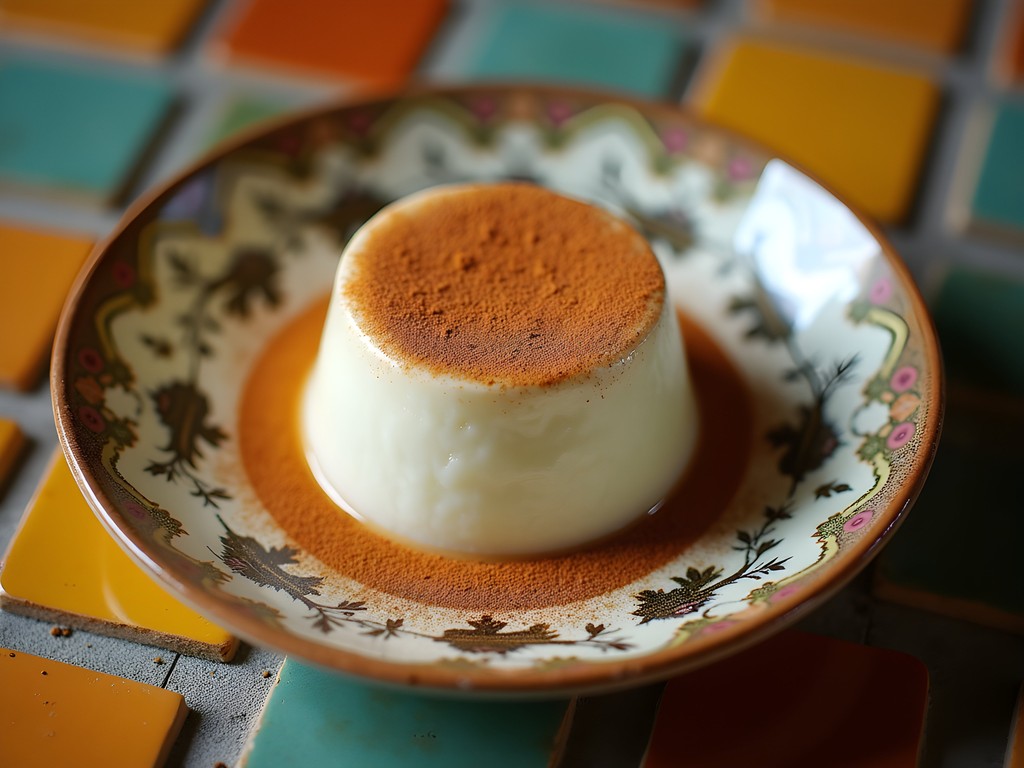
But the real revelation is tembleque, a coconut pudding thickened with cornstarch and topped with cinnamon. The texture—silky, barely set, trembling (hence the name) on the spoon—requires precise technique. I've watched the preparation process at Dulces de Antaño, where the owner, a third-generation pastry maker, explained that the key is constant stirring and patience. It reminded me of watching Japanese wagashi masters work with similar attention to texture and temperature.
For couples with a sweet tooth, I suggest purchasing a selection of traditional sweets and enjoying them during sunset at Paseo Tablado La Guancha. Pack them carefully in a cooler bag if you're buying ahead—the tropical heat will melt chocolate-based treats quickly. The mallorcas (sweet bread rolls dusted with powdered sugar) from Panadería La Ceiba are particularly good with strong coffee, creating that perfect bitter-sweet balance that makes afternoon breaks feel like small ceremonies.
💡 Pro Tips
- Order tembleque a day ahead from bakeries—it's often made to order
- Try besitos de coco (coconut kisses) for a portable sweet that travels well
- Visit bakeries in the morning for the freshest selection
Practical Notes for Food-Focused Couples
Navigating Ponce's culinary scene requires less planning than you might expect, but a few strategies will enhance your experience significantly. Unlike San Juan, where English is widely spoken in tourist areas, Ponce remains predominantly Spanish-speaking. I recommend downloading the translation device or at minimum, learning basic food vocabulary—it shows respect and often results in better recommendations from locals.
The city's compact historic center is walkable, but the heat and humidity can be intense. I structure my food explorations with the rhythm of the island: market visits at dawn, substantial lunch at a fonda, siesta during peak heat (2-4 PM), then evening drinks and lighter fare. This pattern aligns with local customs and ensures you're eating when kitchens are operating at peak.
For couples, I suggest booking accommodations in the historic district rather than the beach areas. The Ponce Plaza Hotel & Casino and Hotel Meliá offer mid-range comfort with easy access to the best eateries. Budget roughly $80-120 per day for two people eating well—significantly less than San Juan while offering more authentic experiences. The money you save on accommodation and meals could fund a cooking class at Cocina Abierta, where local chefs teach traditional techniques in intimate, hands-on sessions.
💡 Pro Tips
- Make dinner reservations for upscale spots; walk-ins work fine for fondas and casual eateries
- Tip 15-20% at sit-down restaurants; small bills for counter service
- Bring reusable utensils and containers—many best foods are from street vendors or markets
Final Thoughts
Ponce's culinary landscape offers something I've found in only a handful of places worldwide—that rare intersection where tradition hasn't been diluted for tourists, yet visitors are welcomed warmly into the experience. The city's food culture reflects its broader character: proud, unpretentious, deeply rooted in craft and community. For couples seeking a romantic weekend that trades Instagram-perfect beach clubs for genuine cultural immersion, Ponce delivers flavors and memories that linger long after the tan fades.
The beauty of a food-focused weekend here is its accessibility. You don't need extensive Spanish, a massive budget, or insider connections—just curiosity, appetite, and respect for the traditions being shared. Each meal becomes a small act of cultural preservation, supporting the fondas, bakeries, and market vendors who keep these recipes alive against the homogenizing tide of modern tourism. That's the kind of travel that feeds more than just your body; it nourishes your understanding of how food connects us to place, history, and each other.
✨ Key Takeaways
- Start at Mercado de Ponce for the freshest ingredients and authentic street food
- Prioritize fondas over hotel restaurants for genuine Puerto Rican home cooking
- Explore beyond piña coladas to discover Puerto Rico's sophisticated drinking culture
- Time your meals with local rhythms—substantial lunch, lighter evening fare
- Support family-run establishments to experience and preserve culinary traditions
📋 Practical Information
Best Time to Visit
Year-round, though December-April offers drier weather; avoid hurricane season (August-October) for most reliable conditions
Budget Estimate
$400-600 for two people (weekend, including mid-range accommodation, meals, and activities)
Recommended Duration
2-3 days for thorough culinary exploration
Difficulty Level
Easy
Comments
sunsetchamp
Been to Ponce twice and you nailed it with the mercado section. That market is the real deal. Pro tip: go on Saturday morning when all the locals are there shopping. The lady at the alcapurria stand (near the back entrance) makes them fresh every 20 minutes and they're incredible. Also the dessert scene is no joke—those nisperos de batata will change your life. Way better than anything in the cruise ship areas.
islandlife
Pro tip: the mercado is best on Saturday mornings. Way more vendors and the energy is just different. Also grab cash before you go, a lot of the smaller stalls don't take cards. There's a good ATM at the Banco Popular on the corner if you need it.
islandking
Great photos! Really captures the vibe
islandqueen
how far is it from san juan?
wildbuddy4189
like 90 min drive i think? totally worth it from what this says
Casey Andersson
Wyatt, this brought back such vivid memories! I spent three days in Ponce last year and completely fell in love with the fondas you mentioned. There's something about eating at those family tables that just doesn't translate in San Juan's tourist zones. I had the best mofongo of my life at a tiny place near Plaza Las Delicias—the owner's grandmother was in the kitchen and she came out to chat with everyone. That personal connection to the food is what makes Ponce special. Did you get a chance to try any of the blood sausage preparations? I found them surprisingly delicate compared to what I've had in Spain.
sunsetchamp
which fonda was it? going in april
Casey Andersson
It was called El Bohío—tiny blue building. Cash only! Get there before 1pm because they run out of everything.
Haley Hamilton
Love this post! Ponce has been one of my favorite discoveries in the Caribbean. I stayed in a small guesthouse near the plaza and the owner took me to her favorite panadería at 6am—still warm bread, strong coffee, locals reading newspapers. That's the Ponce experience right there. The dessert section resonates too. I tried this coconut custard thing (tembleque?) that was so simple but perfect. Sometimes I think we overcomplicate food when the best stuff is just quality ingredients made with care. That's what Ponce gets right.
oceanadventurer6423
Love the photos! Going there next month!
wildbuddy4189
This looks amazing!! Adding Ponce to my list
islandqueen
same! didn't even know about ponce before this
waveseeker
any vegetarian options at these fondas or is it mostly meat-heavy?
Haley Hamilton
You'll find options! Lots of places do amazing rice and beans, tostones, amarillos, and vegetable mofongo. Just ask—most fondas are super accommodating. I'm not vegetarian but I ate plenty of veggie meals there and they were fantastic.
hikingmate
how far is the mercado from the plaza? planning a day trip from san juan
islandlife
super close! maybe 10 min walk. you can easily do both in a morning
hikingmate
perfect thanks!
Venture X
Premium card with 2X miles, $300 travel credit, Priority Pass