
Disclosure: This article contains affiliate links. We may earn a commission from purchases at no extra cost to you, which helps our travel content.
Living in Milan has taught me that the best food cities aren't always the ones with Michelin stars plastered across every corner—they're the places where tradition meets innovation, and where chefs know their farmers by name. Raleigh surprised me. What started as a quick weekend trip back to the States turned into a culinary education that reminded me why American food culture is experiencing such an exciting renaissance. The North Carolina capital has quietly become one of the South's most compelling food destinations, and after a spring weekend exploring its farm-to-table scene, I understand why.

Why Raleigh, Why Now?
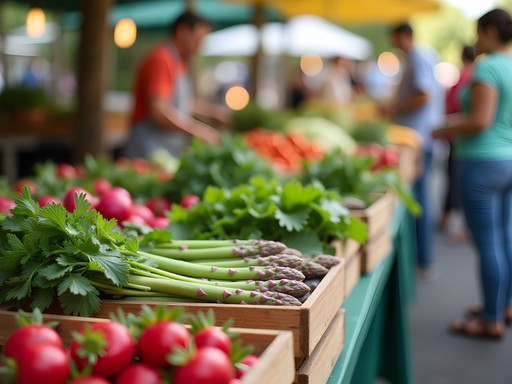
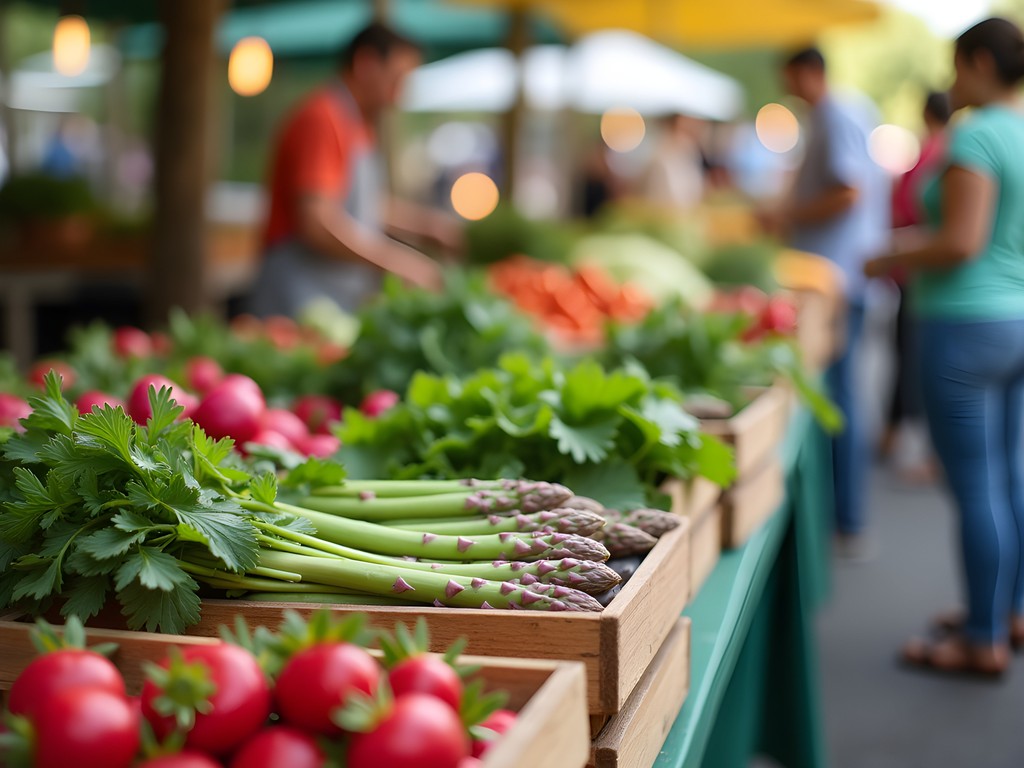
Raleigh sits at the intersection of several food movements that make it particularly exciting right now. The Research Triangle's influx of transplants has created demand for sophisticated dining, while the surrounding farmland provides ingredients that would make any Italian nonna jealous. Spring is when this relationship really shines—when the first asparagus, strawberries, and leafy greens arrive at restaurants sometimes hours after harvest.
What struck me most was the linguistic evolution happening here. Chefs aren't just slapping 'farm-to-table' on menus as marketing speak—they're genuinely engaged in what Italians call filiera corta (short supply chain). At Beasley's Chicken + Honey, chef Ashley Christensen sources from farms within a 50-mile radius, and the menu changes based on what arrives that morning. It's the same philosophy I see in Milan's neighborhood trattorias, just with sweet tea instead of wine.
The city's relatively affordable cost of living has also attracted young culinary talent who might otherwise head to Charleston or Nashville. This means more experimentation, more risk-taking, and frankly, more interesting food. Before you go, grab a Southern cookbook—Brock's approach to heirloom ingredients and forgotten techniques provides perfect context for what Raleigh's chefs are attempting.
💡 Pro Tips
- Visit during April or May when spring ingredients are at their peak and outdoor dining becomes irresistible
- Make reservations at least two weeks ahead for weekend dinners at popular spots like Poole's Diner
- Ask servers about the day's farm deliveries—chefs often create off-menu specials around exceptional ingredients
The Restaurants Redefining Southern Food
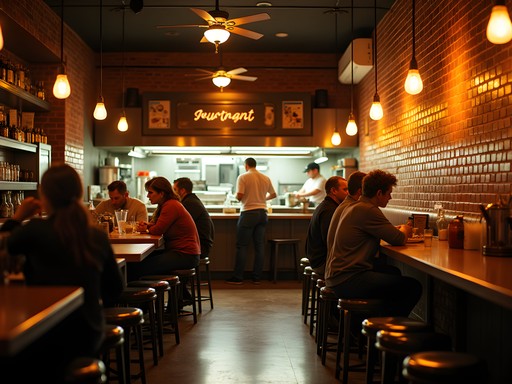
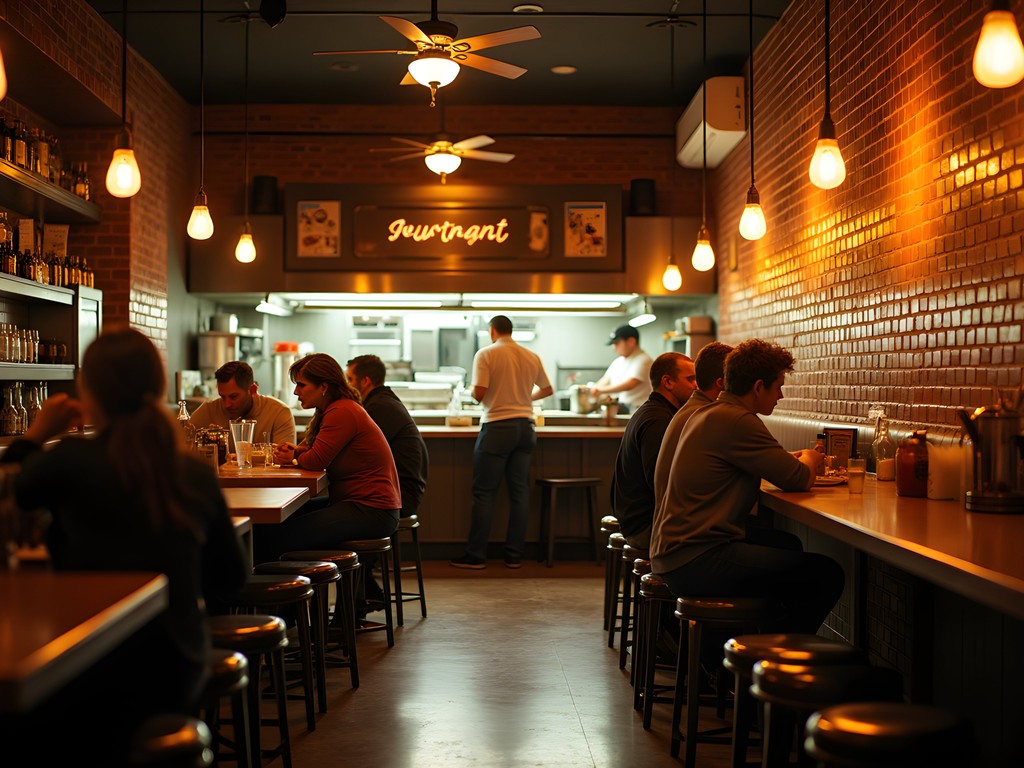
Poole's Diner remains the heart of Raleigh's culinary renaissance. Chef Ashley Christensen transformed a 1940s diner into a space where mac and cheese becomes an art form and Brussels sprouts taste like they've been touched by some kind of vegetable whisperer. The open kitchen lets you watch the choreography—it reminded me of watching pasta makers in Bologna, that same focused intensity.
But here's what most guides miss: Bida Manda, a Laotian restaurant run by siblings who grew up in Raleigh's refugee community. It's not traditionally Southern, but it represents something equally important—how immigrant foodways are reshaping American cuisine. Their herb garden supplies the restaurant, and the way they use local North Carolina produce in Southeast Asian preparations is exactly the kind of cultural exchange that makes me excited about food.
The Pit offers a more traditional approach—whole-hog barbecue that honors Carolina's smoking traditions while sourcing heritage breed pigs from local farms. The pitmaster explained their wood selection with the same precision a sommelier discusses terroir. If you're documenting the experience (and you should), bring a portable microphone to capture chef interviews—the stories behind these restaurants are as rich as the food.
💡 Pro Tips
- At Poole's, sit at the bar for better conversation with staff and occasional tastes from the kitchen
- Bida Manda's lunch menu offers similar quality at significantly lower prices than dinner
- The Pit's Tuesday special features lesser-known cuts that showcase the whole-animal philosophy
Beyond the Plate: Markets and Producers
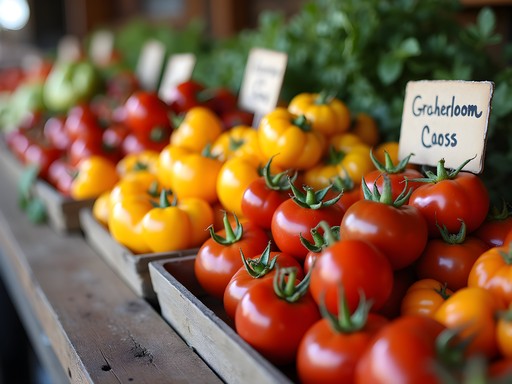
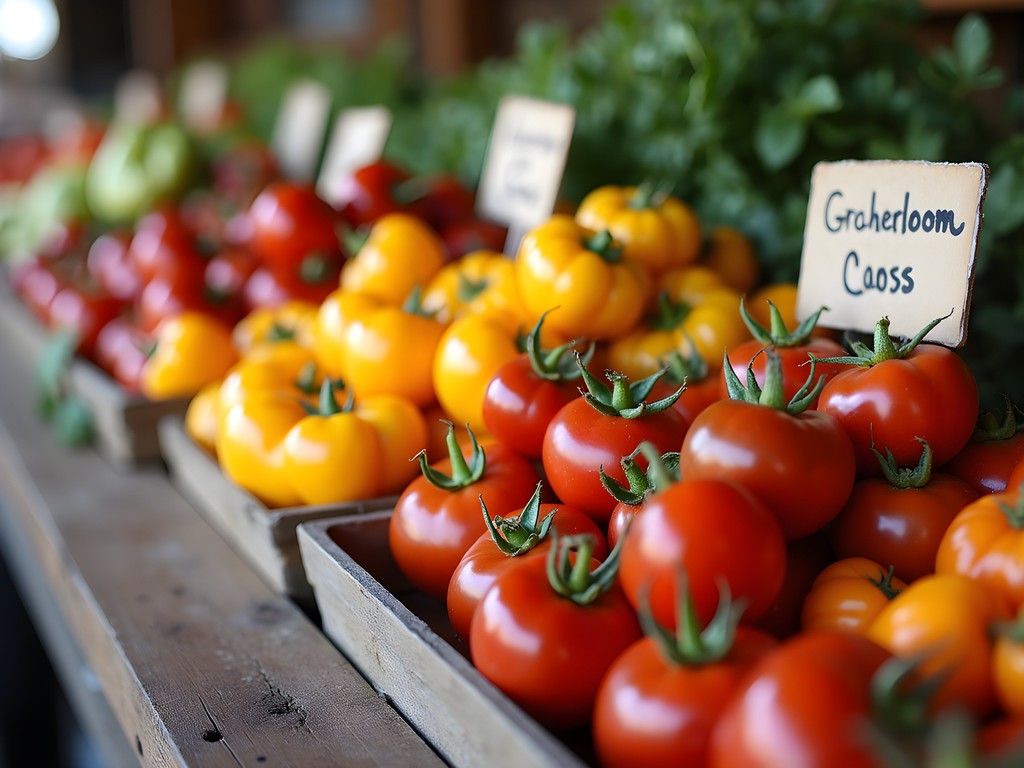
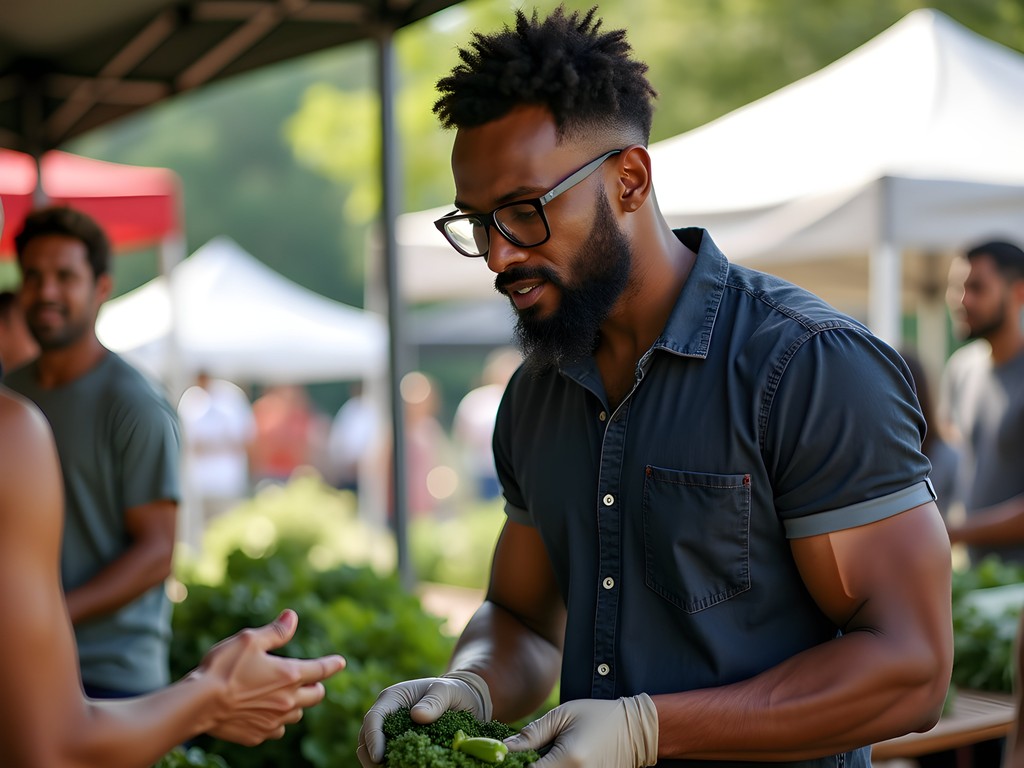
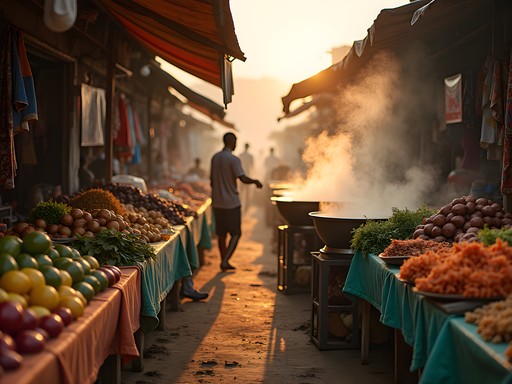
The real education happens at the State Farmers Market on Saturday mornings. Arriving early (7 AM) means catching farmers before the crowds and hearing stories about seed varieties, growing techniques, and why this year's tomatoes taste different from last year's. It's where I met a farmer who grows Carolina Gold rice—a heritage variety that nearly disappeared—and another cultivating heirloom beans that pre-date the Civil War.
For couples, I recommend splitting up with a mission: one person handles vegetables and herbs, the other focuses on proteins and preserves. Reconvene at the coffee stand to compare discoveries. It's like a treasure hunt, and you'll leave with ingredients for an impromptu picnic at Dorothea Dix Park, which offers stunning skyline views.
The market also sells local honey, and I picked up a jar of sourwood honey that's become my new obsession. Pack a insulated bag to keep perishables fresh if you're exploring the market mid-morning—North Carolina spring weather can be unpredictable, but it's often warmer than you'd expect.
💡 Pro Tips
- Bring cash—many vendors don't accept cards, and ATM lines get long
- Ask farmers for recipe suggestions specific to their produce varieties
- The market's restaurant section serves excellent breakfast biscuits using ingredients from neighboring stalls

The Drinks Scene: Craft Beverages Done Right
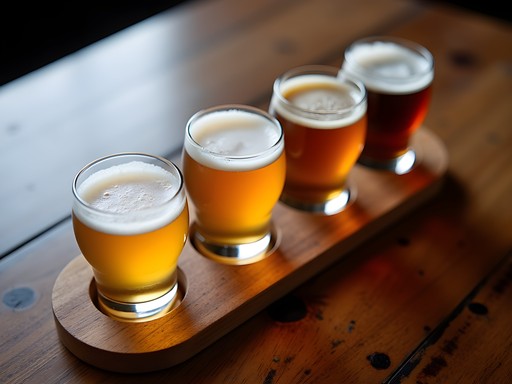
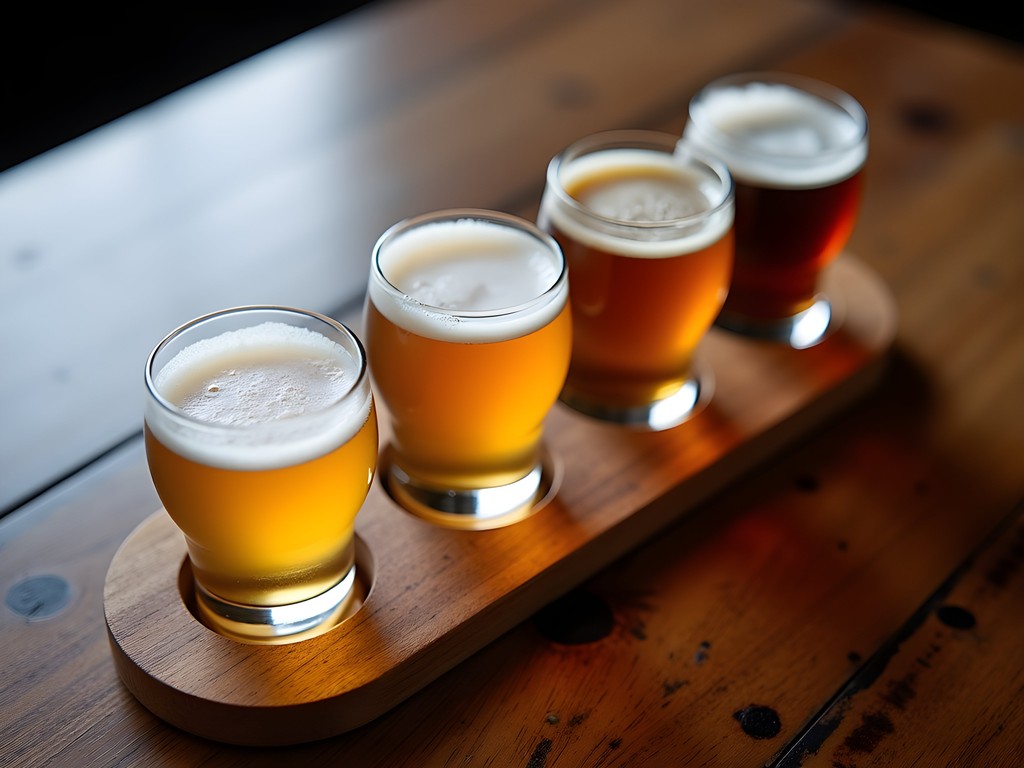
Raleigh's beverage culture deserves its own discussion. Burial Beer Co.'s taproom features farmhouse ales that incorporate local ingredients—I tried a saison brewed with North Carolina wildflower honey that tasted like spring in a glass. The brewery's relationship with local farms extends beyond ingredients; they compost spent grain back to partner farms, completing the agricultural cycle.
Burial Beer isn't alone. Trophy Brewing operates multiple locations, each with distinct personalities but shared commitment to local sourcing. Their pizza program uses vegetables from the same farms supplying Raleigh's top restaurants, proving that casual dining can be equally thoughtful about ingredients.
For non-beer drinkers, Vidrio serves cocktails that treat local spirits and seasonal ingredients with the same respect as any farm-to-table kitchen. The bartender muddles herbs from their rooftop garden and makes shrubs from market fruit. It's mixology that actually means something beyond Instagram aesthetics.
Document your tasting notes in a waterproof notebook—I learned this after spilling a beer on my regular journal. The weatherproof pages survive condensation from cold glasses and the occasional spring shower.
💡 Pro Tips
- Brewery tours often include tastings and behind-the-scenes looks at local ingredient sourcing
- Many bars offer half-pours, letting you sample more varieties without overindulging
- Ask bartenders about seasonal specials—they're usually more interesting than the regular menu
Practical Navigation: Getting Around Raleigh's Food Scene
As someone who's navigated public transit in Milan, Bangkok, and Bucharest, I can tell you honestly: Raleigh requires a different approach. The city sprawls, and while downtown is walkable, reaching the farmers market and various restaurant clusters means having wheels. Rideshares work fine, but renting a car provides flexibility for spontaneous farm visits or brewery hopping.
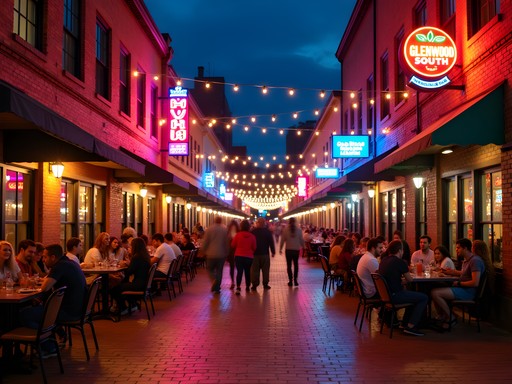
That said, downtown Raleigh rewards pedestrian exploration. The Warehouse District and Glenwood South neighborhoods cluster restaurants within walking distance. Spring weather makes evening strolls between dinner and drinks genuinely pleasant—something I miss about American cities compared to Milan's year-round walkability.
For couples planning a romantic weekend, consider staying downtown at a mid-range hotel like The StateView. You'll pay $150-200 per night for something comfortable and well-located. Budget $100-150 per person daily for meals, assuming one nice dinner, one casual lunch, and market snacks. A portable phone charger is essential—you'll be photographing food, looking up restaurant histories, and navigating constantly.
The language of Southern hospitality differs from what I experience in Italy, but it's equally genuine. Servers expect conversation, not just orders. Ask questions, show interest in ingredients, and you'll often receive extra insights or even tastes of dishes you didn't order.
💡 Pro Tips
- Download restaurant menus ahead of time—many change daily based on farm deliveries
- Spring weather swings between 60-75°F; bring layers for temperature changes
- Most restaurants accommodate dietary restrictions well, but calling ahead helps kitchens prepare
Final Thoughts
Raleigh taught me that America's most exciting food stories aren't always happening in the obvious places. This city's farm-to-table movement feels authentic because it's built on genuine relationships between chefs and farmers, not marketing trends. The Southern tradition of hospitality combines with contemporary culinary techniques to create something that honors the past while embracing innovation.
For couples seeking a food-focused weekend that doesn't require a trust fund, Raleigh delivers remarkable value. You'll eat exceptionally well, learn about agricultural heritage, and probably leave with a deeper appreciation for how thoughtful sourcing transforms ingredients into experiences. As someone who studies how people learn, I can tell you that the best education happens when you're having fun—and Raleigh's food scene makes learning delicious.
Book that spring weekend. Bring your appetite and curiosity. And maybe leave a little room in your luggage for that sourwood honey.
✨ Key Takeaways
- Spring (April-May) offers peak ingredient quality and perfect weather for market visits and outdoor dining
- Raleigh's farm-to-table scene balances traditional Southern foodways with contemporary culinary innovation
- Budget $100-150 per person daily for a mid-range experience including one upscale dinner and market exploration
📋 Practical Information
Best Time to Visit
Spring (April-May) for optimal produce and weather
Budget Estimate
$400-600 per couple for weekend including lodging, meals, and activities
Recommended Duration
2-3 days
Difficulty Level
Easy



Comments
citygal
Great photos! Really captures the vibe.
wanderninja
This is making me seriously consider Raleigh for my summer road trip. Never thought about NC as a food destination before but this sounds amazing. How's the city for solo travelers? Easy to get around?
Nicole Russell
YES to all of this! I spent a week in Raleigh last spring and completely fell in love with the food culture. The farmers markets are incredible—especially the one on Saturday mornings. I actually met one of the farmers who supplies several restaurants mentioned in articles like this, and hearing her talk about sustainable practices was so inspiring. The craft beer scene pairs perfectly with the food too. Raleigh is definitely on my list for a return visit this year!
wanderninja
Which farmers market? I'm going next month and want to check it out.
Nicole Russell
State Farmers Market! Open year-round and huge. Get there early for the best selection.
greenmate
Are these restaurants expensive? First time planning a food-focused trip and trying to figure out budget.
Nicole Russell
Most are mid-range! I'd budget $30-50 per person for dinner. Lunch spots are way more affordable.
Megan Martin
William, excellent piece. I visited Raleigh for a conference last fall and was genuinely surprised by the quality of the dining scene. The way local chefs are sourcing directly from nearby farms reminds me of what's happening in Portland and Austin, but with distinctly Southern sensibilities. Would love to know which specific restaurants you'd recommend for someone with just 48 hours in the city? I'm planning a return trip in May.
citygal
Also curious about this! Going in June.
blueblogger
Been saying this for years! Raleigh is so underrated.
tripace
Great photos btw
Haley Hamilton
This post hits home! I spent three weeks in Raleigh doing research for my Southern food series and fell completely in love with the city. What struck me most was how the chefs there aren't trying to reinvent Southern food - they're just letting really good ingredients speak for themselves. I met this one farmer who supplies to half the restaurants in downtown, and hearing him talk about heirloom tomatoes with the same passion that sommeliers talk about wine... that's when you know a food scene is special. The Milan comparison is spot-on too - it's that same unpretentious excellence.
greenguy
How does Raleigh compare to Charleston for food? Trying to decide between the two for a long weekend trip in May.
Haley Hamilton
Both are fantastic but totally different vibes! Charleston is more refined and traditional Lowcountry, while Raleigh feels more experimental and laid-back. I'd say Raleigh if you want something fresh and less touristy, Charleston if you want that classic Southern charm experience.
greenguy
thanks! think I'm leaning Raleigh now
Casey Andersson
William, this resonates so much! I visited Raleigh last fall and was absolutely blown away by how sophisticated the food scene has become. There's something special about Southern hospitality mixed with genuine culinary innovation. I had this incredible heirloom tomato dish at a restaurant in downtown that was sourced from a farm literally 15 miles away - the chef knew the farmer by name. It reminded me of what's happening in parts of NZ with our own farm-to-table movement, but with that unmistakable Southern soul. The craft cocktail scene surprised me too. Did you get to any of the distilleries?
Venture X
Premium card with 2X miles, $300 travel credit, Priority Pass