
Disclosure: This article contains affiliate links. We may earn a commission from purchases at no extra cost to you, which helps our travel content.
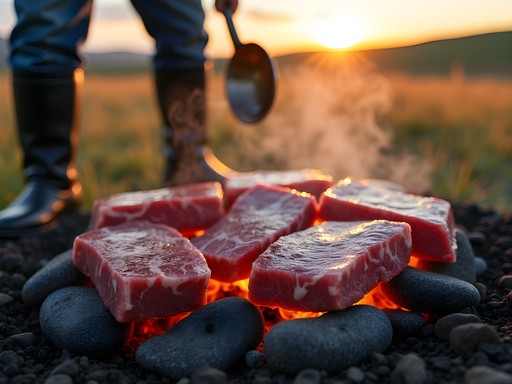
The smoke rises in thin blue ribbons against the backdrop of Uruguay's rolling grasslands, carrying with it the unmistakable aroma of beef slowly transforming over open flames. Here in Tacuarembó, the spiritual heartland of Uruguay's gaucho culture, food isn't merely sustenance—it's a living connection to a heritage that pulses through the veins of this nation. For one week this autumn, I surrendered myself to the rhythms of estancia life, discovering that the true soul of Uruguay reveals itself not in guidebooks, but in the patient ritual of the asado and the communal circle of the mate gourd.

The Sacred Art of the Asado
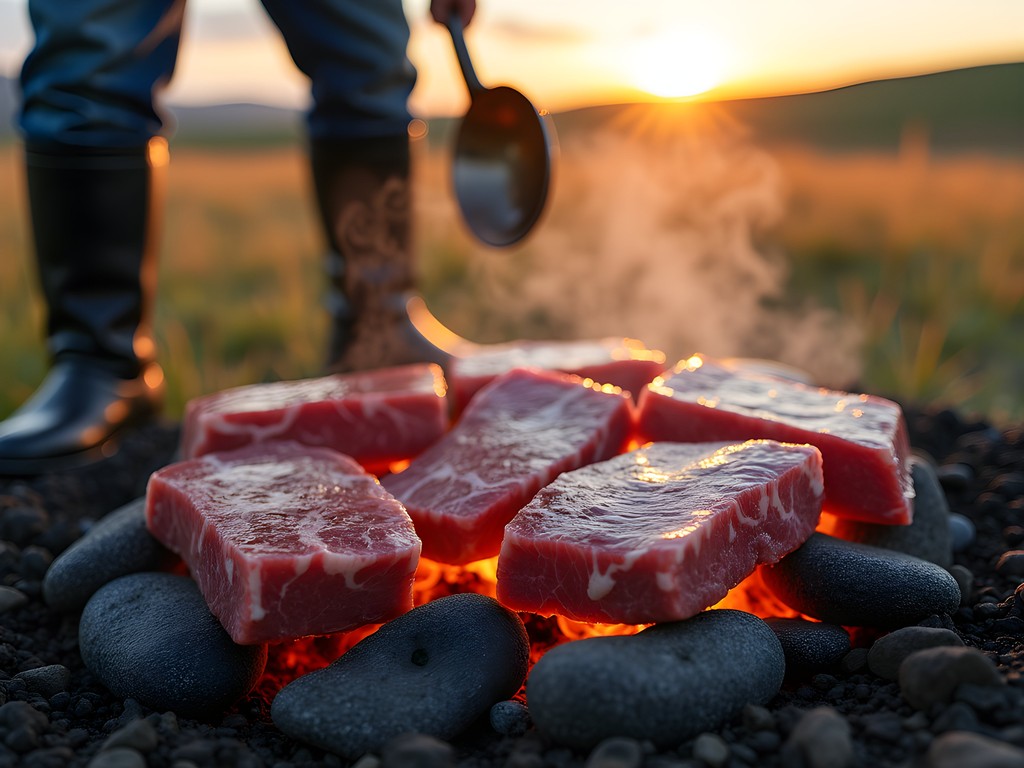
In Tacuarembó, the asado transcends mere barbecue—it's a ceremony conducted with reverence by the asador, a position of honor in gaucho culture. My education began at Estancia El Roble, a working cattle ranch where third-generation asador Diego invited me to observe the seven-hour process from fire building to feast.
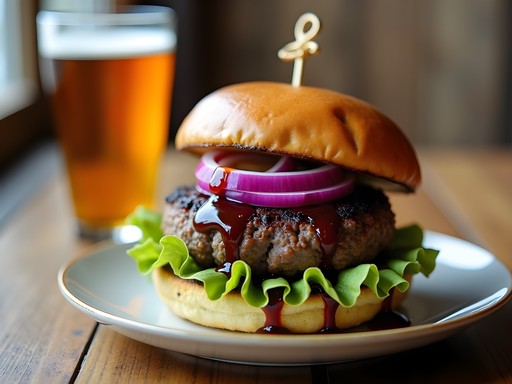
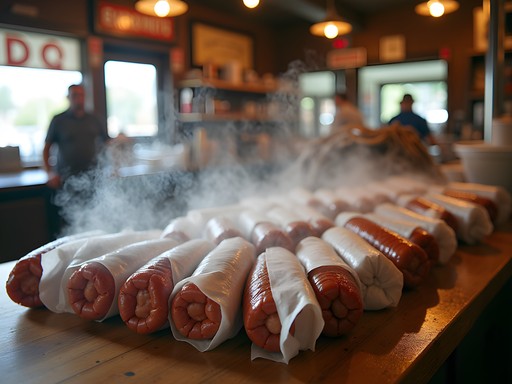
Unlike American grilling with its emphasis on speed, the gaucho asado celebrates patience. Diego arranged cuts of beef—vacío (flank), asado de tira (short ribs), and the prized entraña (skirt steak)—around smoldering coals of quebracho wood, never directly over flames.
'The fire speaks to you,' Diego explained, adjusting embers with calloused hands that seemed immune to heat. 'You must listen.'
The result was transcendent—beef with a mineral depth that told the story of Tacuarembó's nutrient-rich grasslands. The traditional accompaniment was nothing more than coarse salt and chimichurri, which I later learned to make using a mortar and pestle that brought out the essential oils in the herbs far better than my usual food processor method.
💡 Pro Tips
- Always accept seconds when offered—refusing is considered impolite
- The best cuts are often the simplest: try vacío (flank) for its rich flavor
- Don't rush to add chimichurri—taste the meat first with just salt
Mate: The Thread That Binds
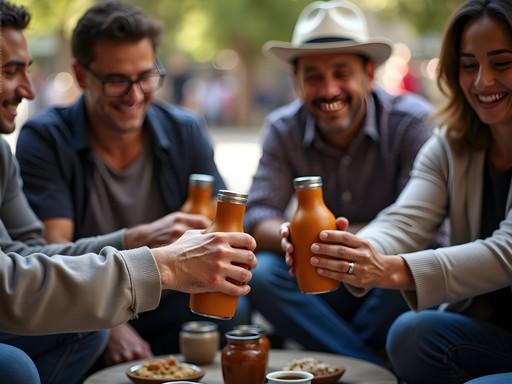
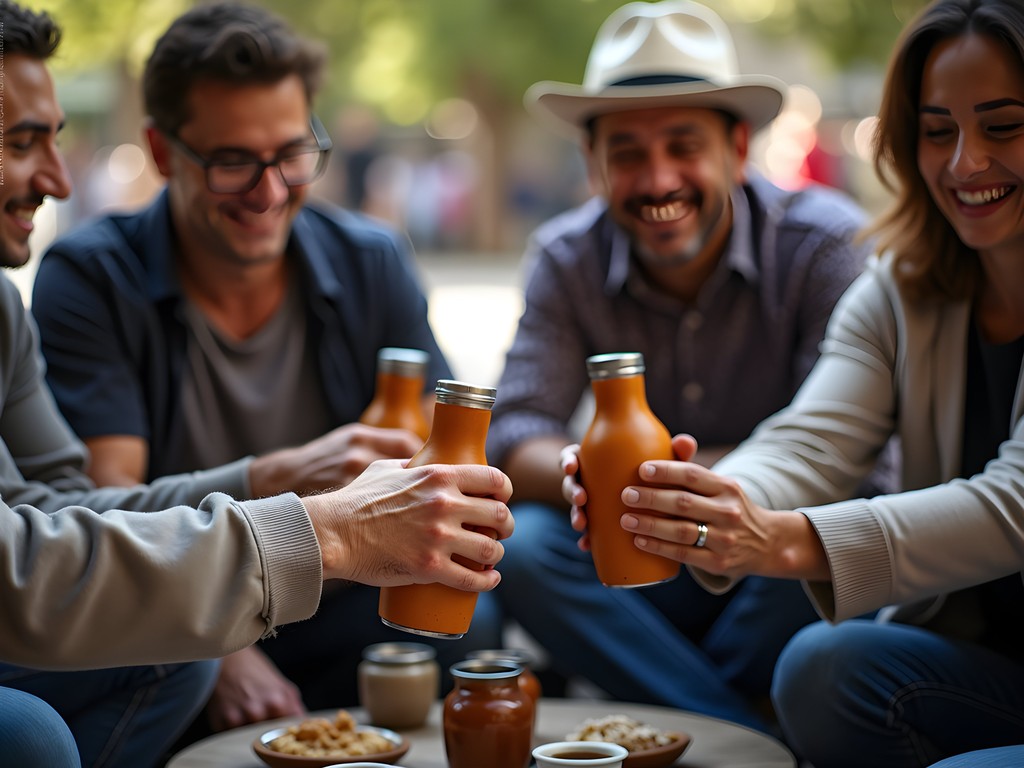
If asado is Uruguay's culinary cornerstone, then mate is its lifeblood—a bitter herbal infusion sipped throughout the day from a hollow gourd through a metal straw called a bombilla. My first morning in Tacuarembó, I watched as my host Mariana performed what I would come to recognize as a national ritual: carefully filling her mate gourd with yerba, adding water at precisely the right temperature, and offering the first sip to me, her guest.
'We don't say thank you until we're finished,' she gently corrected when I expressed gratitude after my first sip. 'To say gracias means you don't want any more.'
I spent afternoons in Plaza Bernabé Rivera, where locals gathered with thermos flasks tucked under their arms, sharing mate in circles that expanded effortlessly to include me. The bitter, grassy flavor—initially challenging to my American palate—became a comfort I craved by week's end.
I've since invested in my own mate kit to recreate this ritual at home, though I've found the experience is as much about the communal sharing as the drink itself.
💡 Pro Tips
- Water temperature matters—not boiling, but around 70-80°C (160-175°F)
- Don't move the bombilla (metal straw) once it's placed
- Only say 'gracias' when you're finished drinking
Beyond Beef: Tacuarembó's Hidden Culinary Treasures
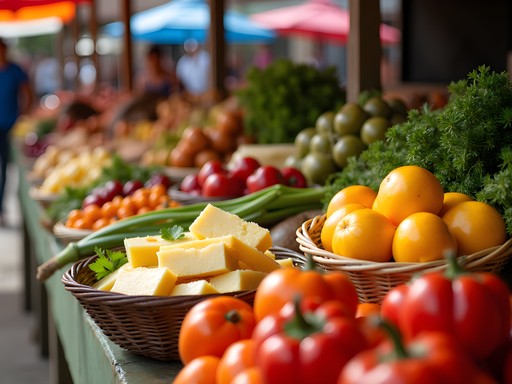
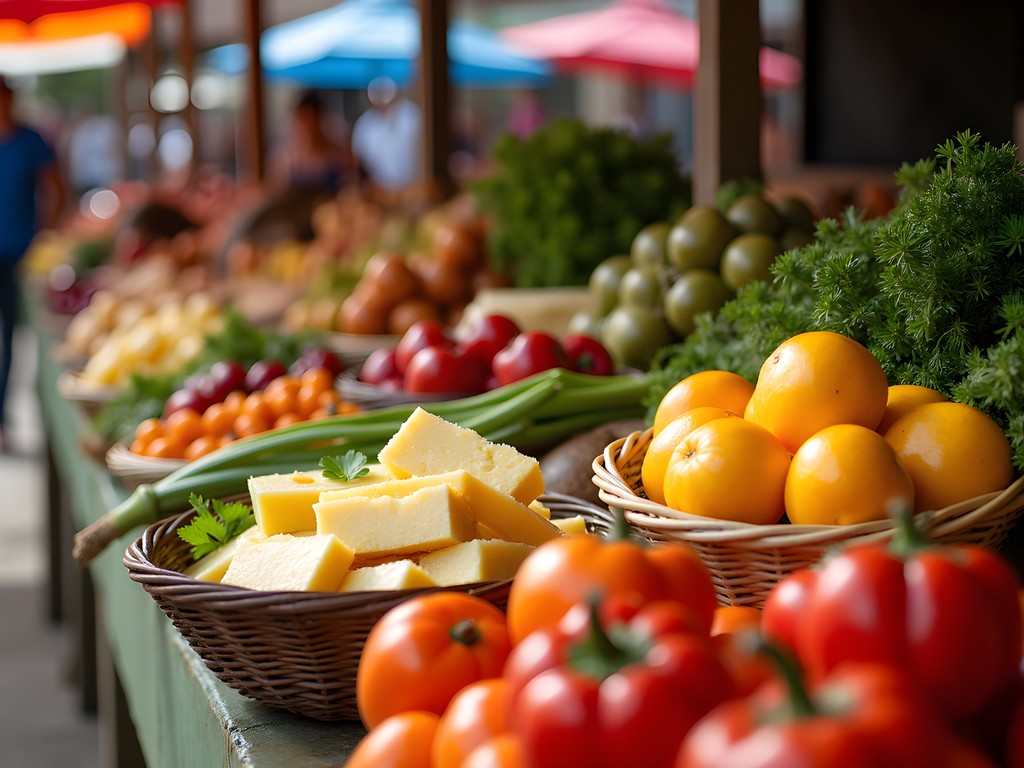
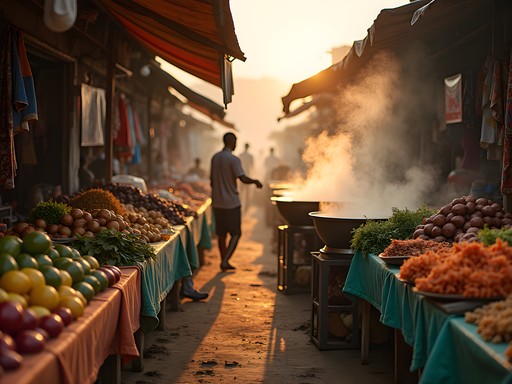
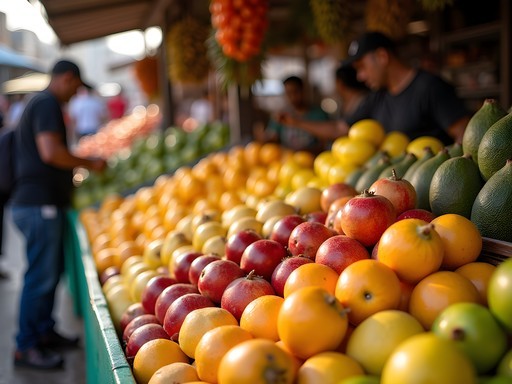
While beef dominates Uruguay's culinary landscape, Tacuarembó revealed delicious dimensions beyond the asado. At the Sunday Feria del Agricultor (Farmers' Market), I discovered pascualina—a savory Swiss chard and egg tart with origins in Genoa, brought by Italian immigrants who significantly influenced Uruguay's food culture.
At Doña Clara's unmarked kitchen—found only through a local's recommendation down a dusty side street—I sampled tortas fritas, simple fried bread traditionally prepared on rainy days when gauchos couldn't work outdoors. Clara served them drizzled with honey from native wildflowers, a perfect accompaniment to her homemade dulce de leche.
The region's river fish also feature prominently in local cuisine. At Río Negro Restaurant, chef Martín prepared tararira (wolf fish) caught that morning, simply grilled with lemon and served with native root vegetables. The delicate preparation highlighted Uruguay's often-overlooked freshwater cuisine.
For preserving these culinary discoveries, I relied on my pocket notebook and food dictionary to record recipes and unfamiliar ingredients—tools that have become indispensable on my culinary explorations.
💡 Pro Tips
- Visit the Feria del Agricultor on Sunday mornings for the best selection of local products
- Ask for 'un postre casero'—homemade dessert—even if it's not on the menu
- Try tortas fritas when it rains—it's a gaucho tradition

The Living Museum of Gaucho Cuisine
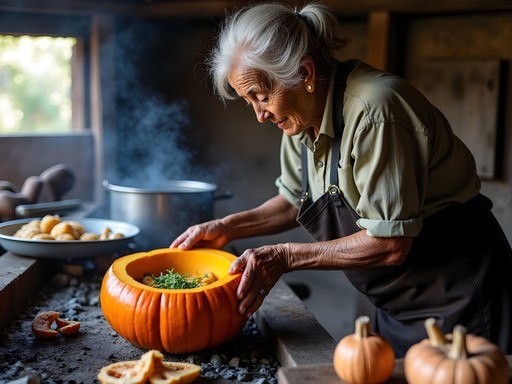
My most profound culinary experience came at Estancia Los Ceibos, where I participated in a three-day immersion into traditional gaucho cooking methods. Here, nothing is written down—recipes exist solely in the muscle memory of hands that have performed these tasks for generations.
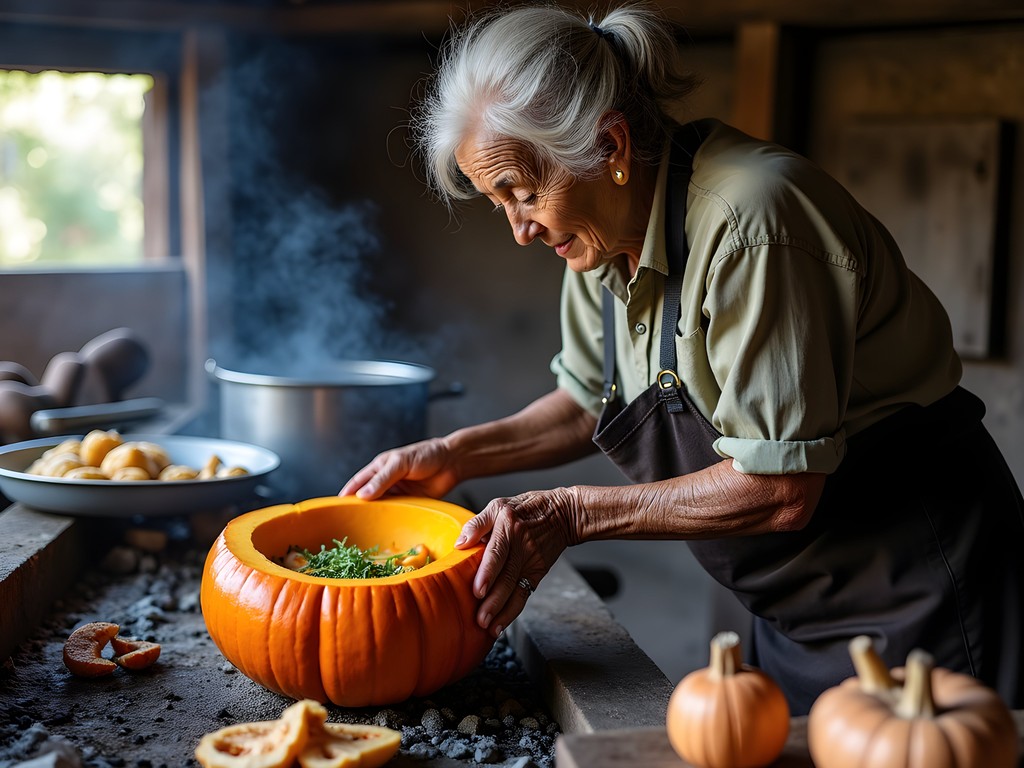
Under the watchful eye of 78-year-old Estela, I learned to prepare puchero (a hearty stew), carbonada (meat and vegetable soup served in a hollowed pumpkin), and guiso carrero (the gaucho's trail stew). Each dish told a story of resourcefulness and deep connection to the land.
'The gaucho cooked what was available,' Estela explained, demonstrating how to test a pumpkin's ripeness by its hollow sound when tapped. 'Nothing was wasted.'
At Los Ceibos, I witnessed cooking methods that predate modern kitchen equipment—meat slow-cooked in underground pits, bread baked in clay ovens, vegetables fermented in earthenware crocks. For capturing this vanishing knowledge, my field recorder proved invaluable, allowing me to preserve Estela's instructions and stories for my research.
The estancia also houses a small museum of gaucho artifacts, including cooking implements that have remained unchanged for centuries—a testament to the enduring practicality of these tools and techniques.
💡 Pro Tips
- Book the gaucho cooking experience at Estancia Los Ceibos at least two months in advance
- Bring a gift of yerba mate when visiting local homes—it's always appreciated
- Learn basic Spanish cooking terms before your trip to better understand the techniques
Final Thoughts
As my week in Tacuarembó drew to a close, I found myself changed in subtle but meaningful ways. The unhurried pace of the asado had recalibrated my sense of time. The daily ritual of mate had taught me that conversation needs no purpose beyond human connection. The flavors I'd experienced had revealed Uruguay not as a footnote to Argentina's more famous cuisine, but as a culinary destination with its own profound story to tell.
What struck me most was the precarious balance of this culinary heritage. As younger generations move to cities and fast food infiltrates even remote areas, these traditions face an uncertain future. Yet in Tacuarembó, I found hope in cooking schools dedicated to gaucho cuisine and young chefs reinterpreting traditional techniques for contemporary palates.
The essence of Tacuarembó's food culture isn't found in elaborate technique or rare ingredients, but in the simple act of gathering—around fire, around mate, around tables where stories flow as freely as wine. In this remote corner of Uruguay, I discovered that the most authentic luxury isn't exclusivity, but rather being welcomed into traditions that have sustained communities for centuries.
✨ Key Takeaways
- Uruguay's gaucho cuisine celebrates patience and simplicity, with techniques passed down through generations
- Mate drinking is more than refreshment—it's a social ritual that builds community
- Beyond beef, Tacuarembó offers diverse culinary experiences influenced by European immigration and local ingredients
- The best food experiences come through connections with locals rather than tourist restaurants
📋 Practical Information
Best Time to Visit
Fall (March-May) or Spring (September-November)
Budget Estimate
$50-100 USD per day excluding accommodation
Recommended Duration
5-7 days
Difficulty Level
Beginner
Comments
Raymond Hassan
Pierre, your piece captures the soul of Tacuarembó's food culture beautifully. What struck me during my time there was how the asado transcends mere cooking - it's a philosophical approach to life. I'd add that timing your visit around the Fiesta de la Patria Gaucha (early March) amplifies the experience tenfold. The competitive asados during the festival showcase techniques passed down through generations. I documented the different wood types used across Uruguay's regions and found Tacuarembó's preference for coronilla and espinillo woods fascinating - they claim it creates the perfect heat curve for cooking the various cuts in proper sequence. Did you notice this level of specificity in wood selection during your stays?
globestar
Great post! I'm planning a two-week Uruguay trip and wondering how many days you'd recommend for Tacuarembó? Is it worth the journey from Montevideo just for the food or are there other attractions too?
mountainrider
Do it! We spent 3 days and wished we had a week.
Frank Garcia
Interesting exploration of gaucho cuisine. I've studied food traditions across South America, and what's fascinating about Tacuarembó is how the preparation methods have remained largely unchanged for centuries. The asado's cultural significance extends beyond food - it's a socioeconomic statement about the abundance of the land and the gaucho's relationship with cattle. I noted that you touched on mate customs but didn't mention the strict etiquette around passing and receiving the gourd. Did you find the locals forgiving of foreigners who inevitably break these unwritten rules? My research suggests regional variations in acceptance of outsiders into these rituals.
Pierre Reed
Great observations, Frank. You're right about the mate etiquette - I actually had an entire section on that which got cut for length! My experience was that locals were incredibly patient with my fumbling attempts at proper mate protocol. There was gentle correction rather than offense taken. The regional variations you mention are fascinating - I found the rural areas outside Tacuarembó more formal about the ritual than in the town itself.
smartone
Great photos! Making me hungry
Casey Andersson
Pierre, this absolutely transported me! I spent time in Argentina's pampas last year but never made it across to Uruguay - clearly a mistake. The way you describe the mate ritual as "the thread that binds" really resonates. In Argentina I learned that refusing mate is almost like refusing friendship itself. There's something profound about how these gaucho traditions create space for connection in our hyperconnected world. The smoke, the waiting, the sharing of the gourd - it's all so intentional. Adding Tacuarembó to my 2026 itinerary. Any recommendations for estancias that offer authentic experiences without being too touristy?
smartone
not pierre but estancia la casona is good for this
luckylover
OMG I NEED TO TRY THIS ASADO!!! Your photos are making me so hungry right now! Adding Uruguay to my bucket list immediately!!
coolway
loved this piece! spent 3 weeks in uruguay last year and tacuarembo was definitely a highlight. the asado culture is no joke - our host spent literally 4 hours cooking and we just sat around drinking mate the whole time. at first i was like "can we eat already?" but then you realize that's the whole point lol. also that part about the achuras (organ meats) is spot on, way better than i expected. did you try the chivito sandwich while you were there?
Casey Andersson
The patience required for a proper asado is such a beautiful lesson! I'm planning my Uruguay trip for autumn - did you stay at any estancias in the area?
coolway
yeah stayed at estancia panagea, was pretty basic but authentic. good horseback riding
starvibes
Just got back from Uruguay and can confirm - the mate ritual is EVERYTHING! Bought my own gourd and bombilla to bring home. Now I just need to perfect the water temperature like the gauchos do! Pierre's description of it being 'the thread that binds' is spot on. Complete strangers offered to share mate with me once they saw I was interested in their culture.
travelmom42
Is Tacuarembó suitable for families with kids? My little ones are picky eaters!
Hunter Thompson
Uruguayans LOVE kids! Most restaurants are very accommodating and there are plenty of simple options like milanesas (like schnitzel) that kids usually enjoy. The outdoor asados are great for families too.
wildnomad
This looks amazing! I'm thinking about visiting Uruguay next year. How difficult is it to get to Tacuarembó from Montevideo if you don't speak Spanish?
summerlover1333
It's pretty straightforward! There are regular buses from Tres Cruces terminal in Montevideo. About 5 hours but comfortable. Basic Spanish helps but not essential - just write down where you're going.
Pierre Reed
What summerlover1333 said is spot on. The buses are comfortable and run on time. I'd recommend learning a few food-related Spanish phrases though - it'll enhance your culinary adventures immensely!
Venture X
Premium card with 2X miles, $300 travel credit, Priority Pass