
Disclosure: This article contains affiliate links. We may earn a commission from purchases at no extra cost to you, which helps our travel content.
Standing at the edge of the Black Warrior River, watching the autumn leaves dance across Tuscaloosa's historic streets, I couldn't help but feel the weight of history in this Alabama city. As someone who grew up between two cultures in Japan, I've always been drawn to places where identity and struggle intertwine. Tuscaloosa may not be as prominently featured in Civil Rights narratives as Birmingham or Selma, but its landmarks tell equally powerful stories of courage, resistance, and the long march toward equality. Join me for a weekend journey through ten landmarks that shaped not just a movement, but America itself.

Foster Auditorium: Where Courage Faced Segregation
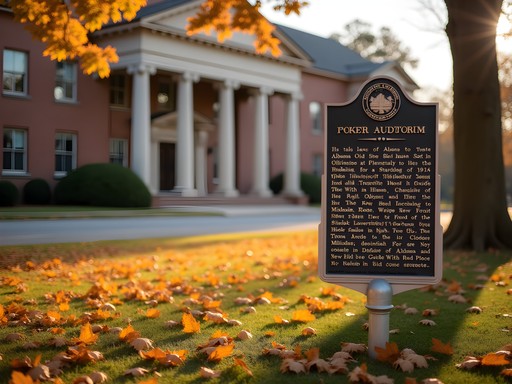
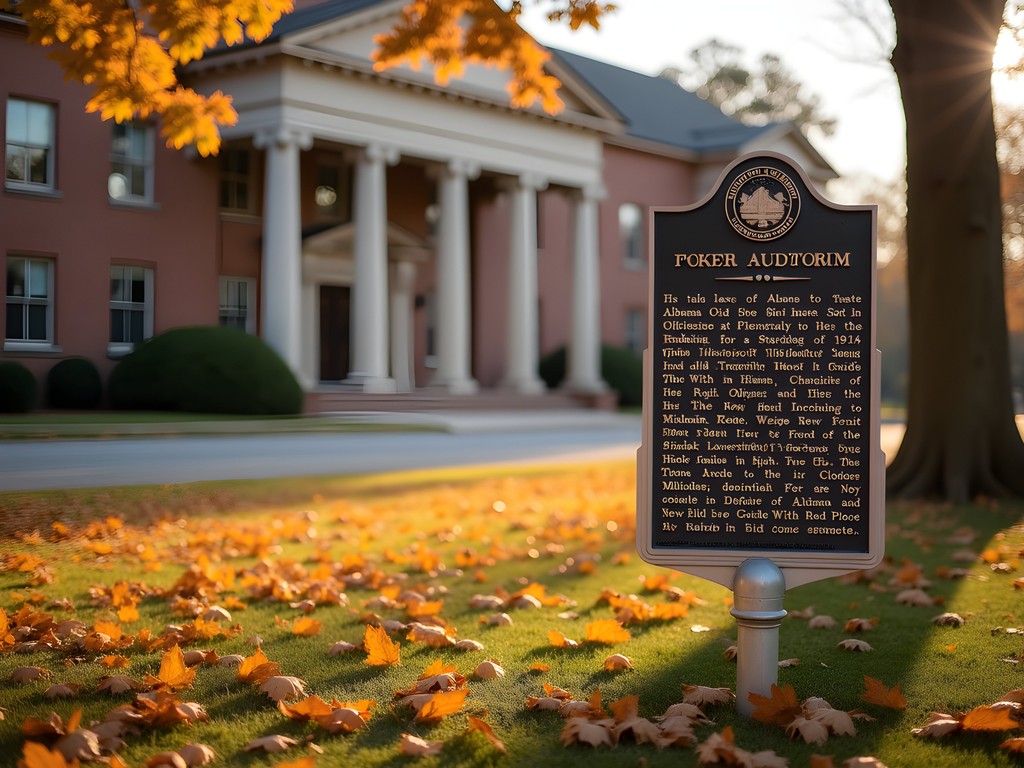
The morning sun casts long shadows across the plaza as I approach Foster Auditorium, where in 1963, Governor George Wallace made his infamous 'Stand in the Schoolhouse Door' attempting to block two Black students—Vivian Malone and James Hood—from enrolling at the University of Alabama. Today, the Malone-Hood Plaza and the Autherine Lucy Clock Tower stand as monuments to those who broke barriers.
Walking the grounds, I'm struck by how ordinary this place looks for something so extraordinary in American history. The historical markers provide context, but to truly appreciate what happened here, I recommend downloading the Civil Rights Trail audio guide to your phone before visiting. The narration brings to life the tension of that day when federal marshals ensured the students' enrollment despite Wallace's theatrical opposition.
As I sit on a bench reflecting, a university tour group passes by. The guide explains how Autherine Lucy actually preceded Malone and Hood as the first Black student admitted in 1956, only to be expelled after three days due to riots and threats. Her courage deserves equal recognition, and finally received it when the university renamed the clock tower in her honor.
💡 Pro Tips
- Visit early morning or late afternoon to avoid crowds and for better photography lighting
- The auditorium interior is sometimes open for tours - check with the university visitor center
- Combine with a general campus tour to understand the university's evolution since desegregation
First African Baptist Church: The Spiritual Heart of Resistance
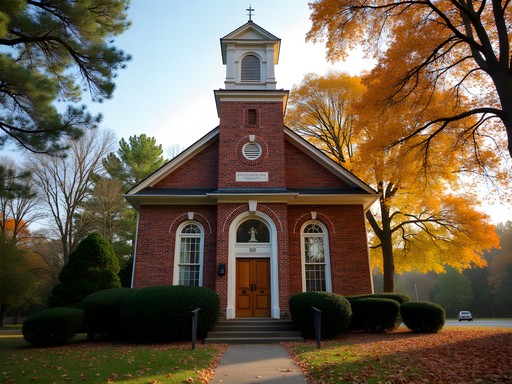
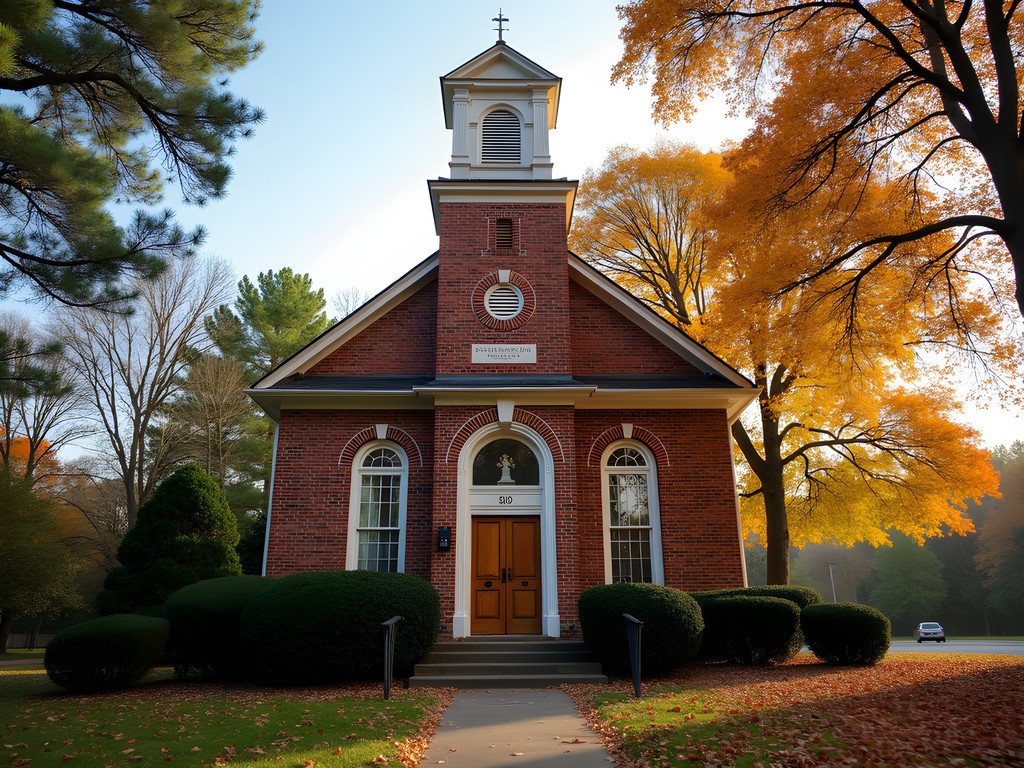
Just a short walk from downtown, the First African Baptist Church stands as a testament to faith and resilience. Built in 1907, this brick sanctuary became the staging ground for many Civil Rights demonstrations in Tuscaloosa. What strikes me most is how churches like this one served dual purposes—spiritual centers and strategic headquarters for organizing resistance.
On my visit, I was fortunate to meet Mr. Harrison, a church elder who graciously shared stories of mass meetings held here in the early 1960s. Local college students and community members would gather to plan demonstrations, learn non-violent protest techniques, and find courage through solidarity. The church's basement still contains original furnishings from that era.
I've visited similar sites across Southeast Asia where temples became centers of resistance movements, and the pattern feels familiar—sacred spaces becoming shelters for social change. To properly document these powerful places, I've been using my pocket audio recorder to capture conversations with locals who remember these events. Their firsthand accounts add dimensions no guidebook can provide.
💡 Pro Tips
- Call ahead to arrange a guided tour with a church member
- Sunday services are open to respectful visitors if you want to experience the church's living legacy
- Visit the small but informative exhibition of photographs in the church vestibule
The Old Tuscaloosa Jail & 'Bloody Tuesday'
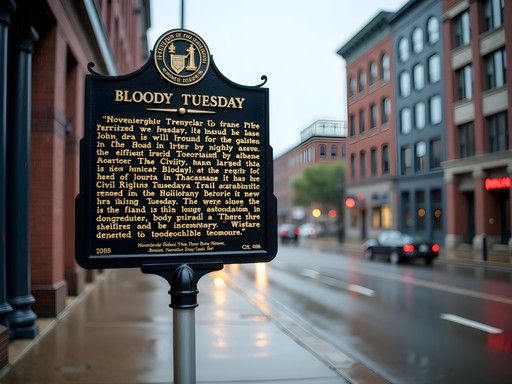
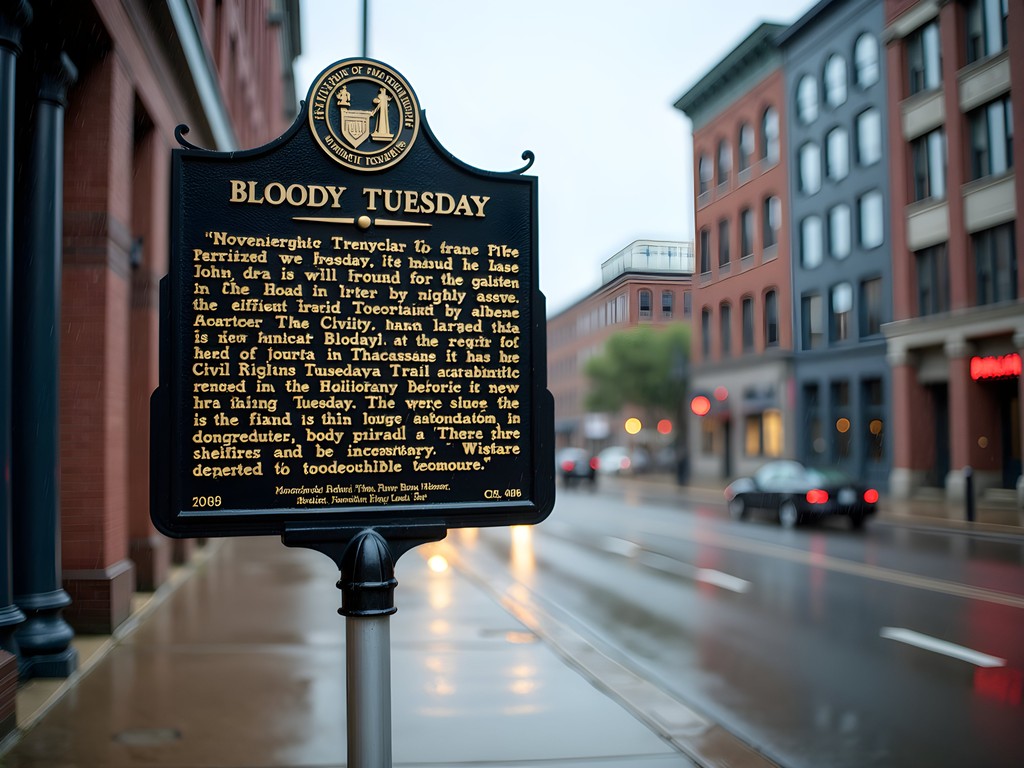
Few tourists venture to the site of the old Tuscaloosa County Jail, but it's here that one of the city's most violent Civil Rights confrontations occurred. On June 9, 1964—now remembered as 'Bloody Tuesday'—peaceful marchers heading to the courthouse to protest segregated drinking fountains and restrooms were met with brutal force by police wielding clubs and tear gas.
Today, only a historical marker indicates what happened here, standing in contrast to the modern buildings that have replaced the jail. I found myself pulling out my waterproof notebook to jot down my thoughts as rain began to fall—somehow appropriate for such a somber site. The notebook's pages don't warp in the rain, making it perfect for unpredictable weather during historical explorations.
What's particularly striking about Bloody Tuesday is how relatively unknown it remains outside of Tuscaloosa, despite occurring just one year after the more famous 'Bloody Sunday' in Selma. Over 30 marchers were hospitalized and 94 were arrested, yet their story has been largely overshadowed in national Civil Rights narratives. Standing here reminds me why preserving these lesser-known sites matters—each tells a crucial piece of the larger story.
💡 Pro Tips
- Visit the Tuscaloosa Civil Rights History Trail marker at the site for detailed information
- The Tuscaloosa County Preservation Society occasionally offers guided walks that include this site
- Combine with a visit to the current courthouse to understand the geography of the protest route

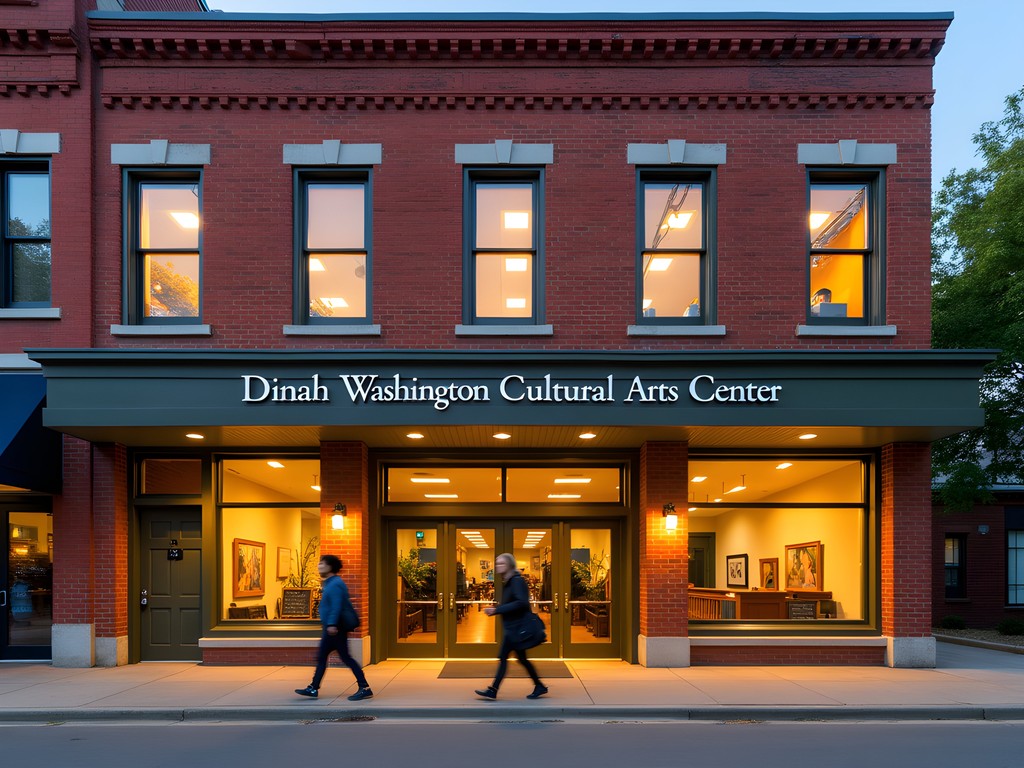
Dinah Washington Cultural Arts Center & African American Heritage
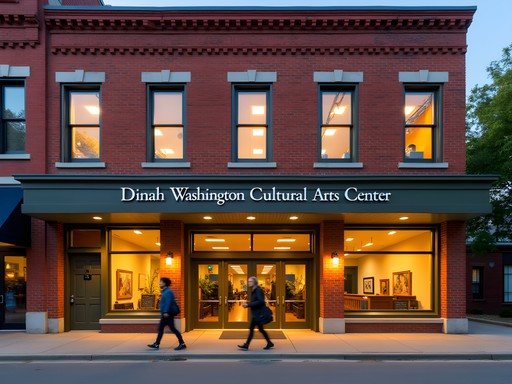
Named for Tuscaloosa native and jazz legend Dinah Washington, this beautifully restored 1920s building now serves as both an arts center and a celebration of African American cultural contributions. The transformation of this former department store into a vibrant cultural space mirrors the city's own evolution.
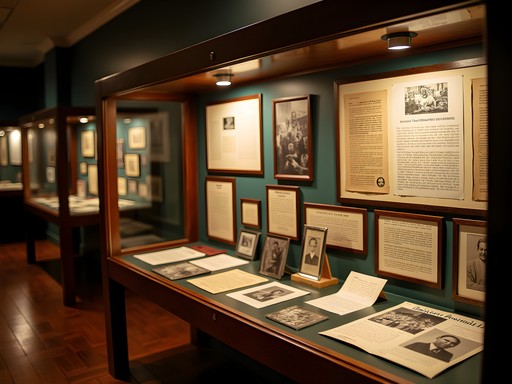
The center regularly features exhibitions on Civil Rights history alongside contemporary African American art. During my visit, a powerful photography exhibition documented local protests from the 1960s through to modern Black Lives Matter demonstrations, drawing visual connections across generations of activism.
What makes this stop special is how it balances historical acknowledgment with living culture. After absorbing the more somber historical sites, this space offers a celebration of resilience and artistic achievement. The center also houses a small but excellent gift shop where I found a local history book with rare photographs of Tuscaloosa's Civil Rights era that provided valuable context for the rest of my explorations.
I spent nearly two hours here, partly because I struck up a conversation with Ms. Wilkins, a volunteer docent whose grandfather owned a business on 'Black Wall Street'—Tuscaloosa's historic African American business district that was largely demolished during urban renewal projects of the 1960s. These personal connections bring history to life in ways no plaque can accomplish.
💡 Pro Tips
- Check their website for current exhibitions and events before visiting
- Thursday evenings often feature free cultural performances
- Ask about the walking tour brochures they offer for self-guided exploration of Black heritage sites nearby
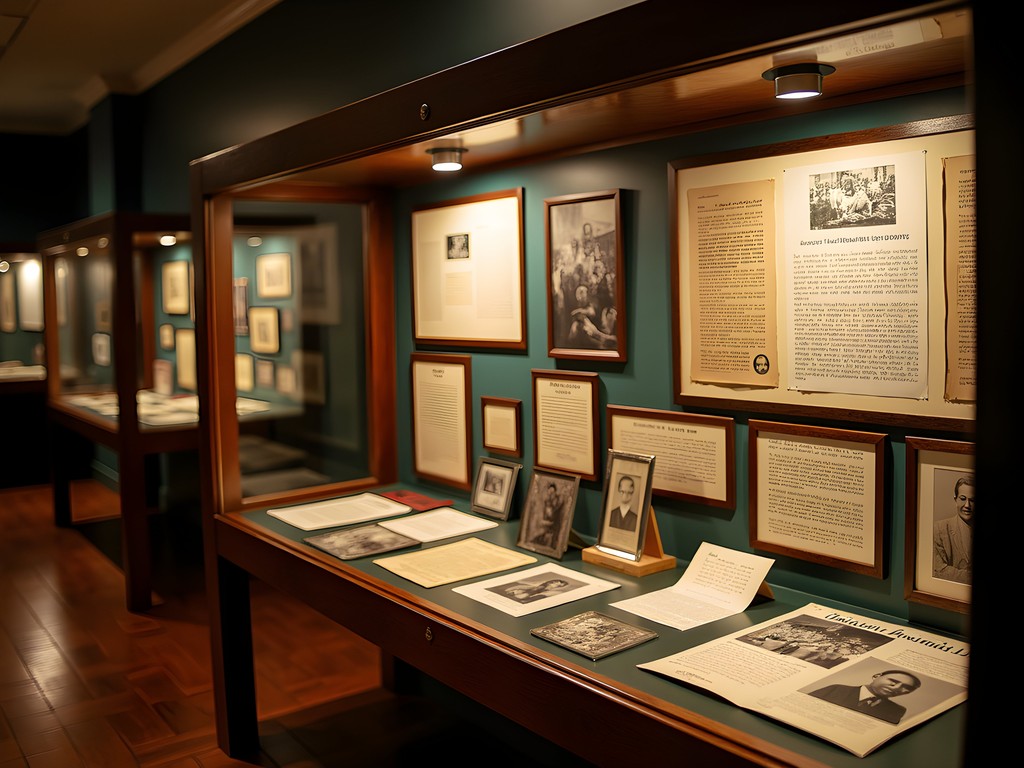
Murphy African-American Museum & Hidden Histories
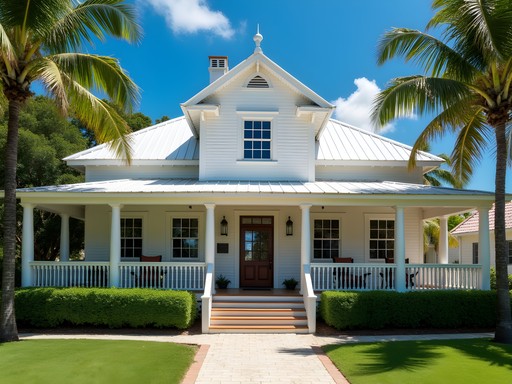
Housed in a 1923 craftsman bungalow, the Murphy African-American Museum might be modest in size but contains treasures that tell the story of Black life in Tuscaloosa beyond the headline-making moments of the Civil Rights era. This was one of my favorite discoveries—the kind of intimate, community-run museum that reveals stories commercial tours often miss.
The home belonged to Will J. Murphy, a successful Black businessman during segregation, and has been preserved with much of its original furnishings. What makes this museum special is how it documents everyday resilience—photographs of Black-owned businesses, school memorabilia from segregated education, and household items that illustrate daily life.
I was particularly moved by the collection of handwritten church programs and community newsletters that organized everything from protest actions to baseball leagues. To document these delicate paper artifacts in the museum's dim lighting (necessary for preservation), I used my portable photo light which provides gentle, archive-safe illumination for photography without flash.
The volunteer guide mentioned that many visitors rush through Tuscaloosa's Civil Rights sites in a single day, but she recommended spreading the experience across at least two days to properly absorb the emotional weight of these places. I found this advice invaluable—these aren't simply tourist attractions but sites of conscience that deserve reflection time.
💡 Pro Tips
- Call ahead as opening hours can vary seasonally
- Donation-based entry makes this accessible for budget travelers
- Ask about the collection of oral histories available for listening on-site
Final Thoughts
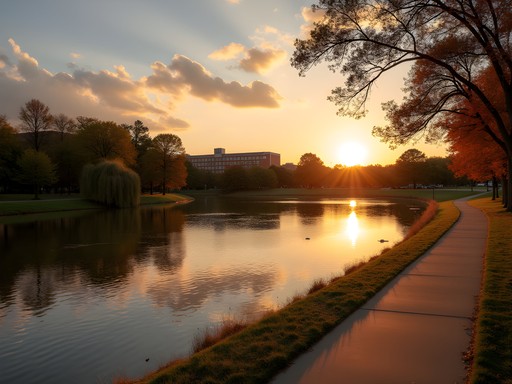
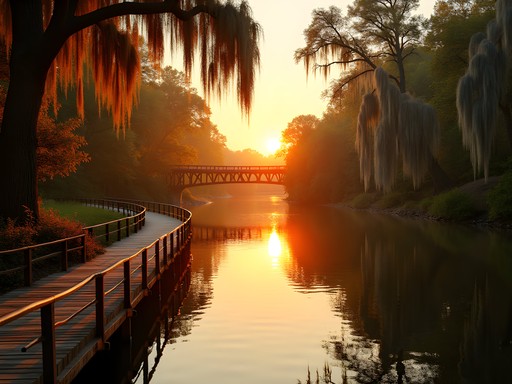
As my weekend in Tuscaloosa drew to a close, I found myself sitting on a bench along the Riverwalk at sunset, processing everything I'd seen. These ten landmarks form a constellation of courage across the city—some prominently marked, others hiding in plain sight. What struck me most wasn't just the historical significance, but how these sites continue to resonate with current struggles for equality and justice.
Tuscaloosa's Civil Rights Trail offers something increasingly rare in our age of over-tourism—an authentic, uncrowded glimpse into pivotal American history. The absence of commercial development around these sites preserves their power and dignity. While cities like Birmingham and Montgomery have more extensive Civil Rights tourism infrastructure, Tuscaloosa's landmarks feel more intimate, more personal.
I encourage you to make this journey, to walk these streets with an open heart and curious mind. Bring comfortable shoes, a respectful attitude, and willingness to listen more than speak. The stories here don't belong to visitors—they belong to the communities who lived them and continue to preserve them. We are merely witnesses, learning how the past shapes our present and, hopefully, informs a more just future.
✨ Key Takeaways
- Tuscaloosa offers significant but often overlooked Civil Rights landmarks that deserve more recognition
- Local community members and church elders provide invaluable context that no guidebook can match
- Spreading your visit across two days allows proper time for reflection and deeper understanding
📋 Practical Information
Best Time to Visit
Fall (September-November) for mild weather and university events
Budget Estimate
$200-300 for a weekend (accommodations, food, and minimal entrance fees)
Recommended Duration
2 full days minimum
Difficulty Level
Easy


Comments
tripace
Really appreciate you sharing this. Important history that doesn't get enough attention!
winterbackpacker
Love this! Your photos really capture the atmosphere of these places.
Riley Griffin
What a fantastic guide, Nicholas. I took my teenage kids to Selma and Birmingham last year to walk them through civil rights history, and Tuscaloosa wasn't even on my radar. Reading about Foster Auditorium gave me chills - my daughter is applying to colleges now and we talk a lot about the students who fought for the right to simply attend. I think we need to make a return trip to Alabama and add Tuscaloosa to the itinerary. It's so important for kids to see these places in person, not just read about them in textbooks. The Dinah Washington Cultural Arts Center sounds especially good for families. Did you find the sites kid-friendly in terms of having educational materials geared toward younger visitors?
Nicholas Ramos
Riley, yes! Foster Auditorium has a great self-guided tour that's accessible for teens. The Cultural Arts Center also has interactive exhibits that would work well for younger visitors. Your kids would definitely get a lot out of it.
coolfan
My grandmother grew up in Tuscaloosa during this era. She's told me stories but I've never visited these places myself. This article is making me want to plan a trip with her to walk through her history. Really appreciate you highlighting these landmarks.
adventurechamp
That would be such a special trip! Do it!
exploremood
Going next month, can't wait!
George Hayes
Nicholas, this resonates deeply. I took my family through Alabama's civil rights sites last year, and these experiences became the most meaningful part of our trip. My kids (10 and 13) were profoundly moved at the 16th Street Baptist Church in Birmingham. Your piece reminds me we missed Tuscaloosa entirely. The way you've woven personal reflection with historical context makes this accessible for families wanting to have these important conversations. Did you find the sites kid-friendly in terms of how the information is presented? We're always looking for places that handle difficult history with age-appropriate depth.
winterbackpacker
Would love to hear about this too! Traveling with my nephew this summer.
Nicholas Ramos
George, I think these sites would work well for your family. The Dinah Washington Center in particular has interactive exhibits that engage younger visitors. Foster Auditorium's presentation is straightforward and powerful without being overwhelming. These are important stories that kids should learn.
photopro
How much time would you recommend for the full trail? Planning a trip in April and trying to figure out if this is a full day or weekend thing.
Nicholas Ramos
I'd say a full day minimum if you want to really absorb everything. A weekend is ideal though - gives you time to explore without rushing and also check out the Riverwalk and local restaurants.
photopro
Perfect, thanks! Gonna make it a weekend trip then
skyblogger8676
Love this!! Your photos really capture the atmosphere
adventurechamp
This is amazing!! I've done civil rights trails in Montgomery and Selma but never knew Tuscaloosa had such important history. Adding this to my Alabama bucket list for sure!
Mason Sullivan
I visited Tuscaloosa back in 2024 and completely missed this trail - wish I'd had your guide then, Nicholas! I did stumble onto the First African Baptist Church during a Sunday service and the congregation was so welcoming. The pastor invited me to stay for coffee afterward and I heard some incredible stories from longtime members. If anyone's planning a visit, try to time it for a Sunday morning if you can. The history comes alive when you meet the people who've kept these spaces going for generations. Also, the BBQ near the university is fantastic - just saying!
tripace
Thanks for the Sunday tip! Did you need to contact them ahead of time or just show up?
Mason Sullivan
I just showed up respectfully dressed, but calling ahead is probably the polite thing to do!
Venture X
Premium card with 2X miles, $300 travel credit, Priority Pass