
Disclosure: This article contains affiliate links. We may earn a commission from purchases at no extra cost to you, which helps our travel content.
Here's the thing about Tuscaloosa: most people only think about it during football season, when the town explodes with crimson and white. But show up on a quiet October weekend when the stadium's empty, and you'll find a completely different story—one of Spanish moss draped over historic homes, golden hour light bouncing off the Black Warrior River, and streets lined with architecture that tells the complicated story of the Deep South. As someone who spends my days helping people navigate complex systems, I've learned that the best discoveries happen when you look beyond the obvious. Tuscaloosa rewards that approach beautifully.

The Golden Hour Along the Riverwalk
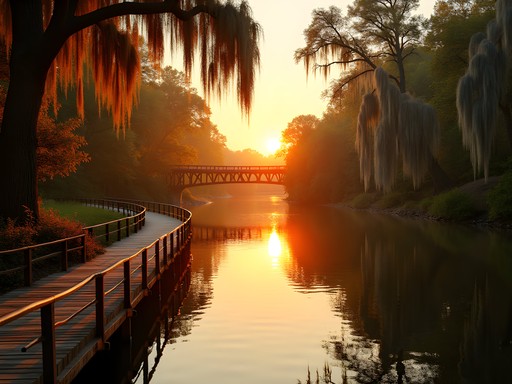
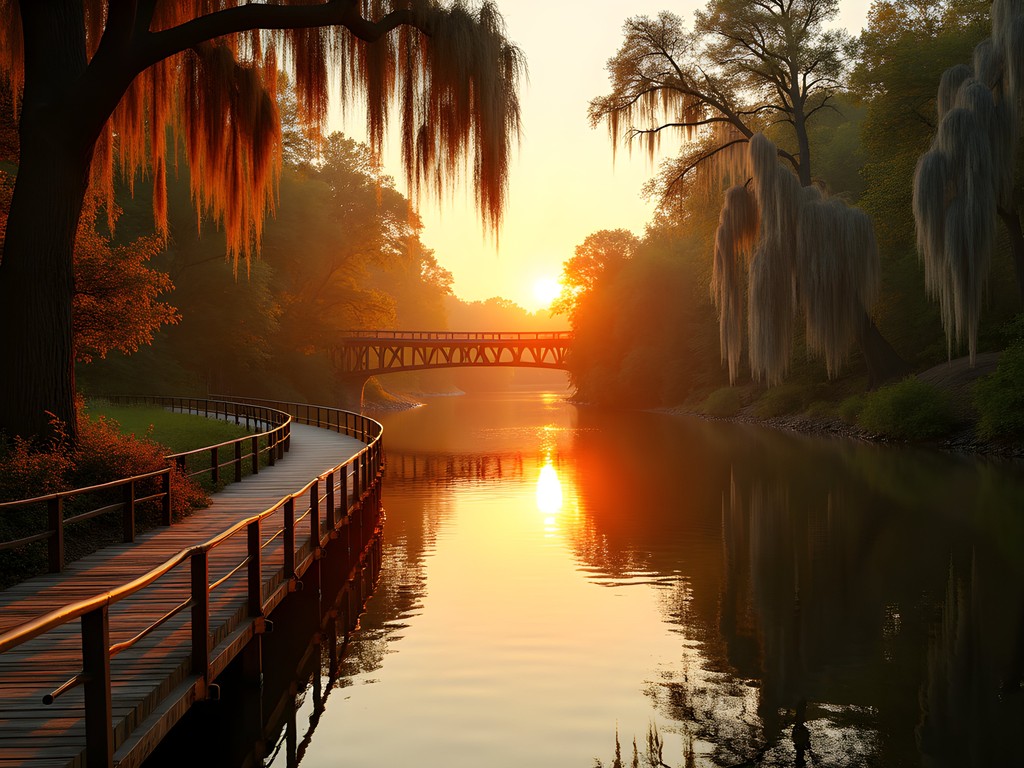
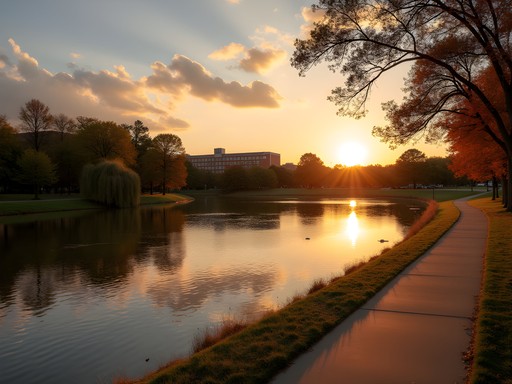
The Black Warrior River Riverwalk became my unexpected favorite location during my weekend in Tuscaloosa. I arrived around 5:30 PM on a Saturday, and the light was doing that thing where everything looks like it's been dipped in honey. The amphitheater area offers clean lines and interesting angles, but walk further east toward the Tuscaloosa Amphitheater, and you'll find wooden boardwalks that extend over the water—perfect for reflection shots.
The real magic happens when you position yourself near the railroad bridge at sunset. The industrial elements contrast beautifully with the natural landscape, and if you're lucky, a barge will pass through, adding movement to your composition. I brought my circular polarizer to cut the glare on the water, which made an enormous difference in the final images. The filter helped me capture the fall foliage reflections without the harsh midday sun washing everything out.
One thing I appreciated: the Riverwalk is free, well-maintained, and rarely crowded outside game weekends. As someone who travels on a case manager's salary, I'm always looking for locations that deliver high-quality photo opportunities without admission fees.
💡 Pro Tips
- Arrive 90 minutes before sunset to scout locations and watch how the light changes
- The eastern section near the railroad bridge is less trafficked and offers more interesting industrial elements
- Bring insect repellent—the mosquitoes near the water don't take weekends off
Historic Districts: Queen Anne Architecture and Complicated Histories
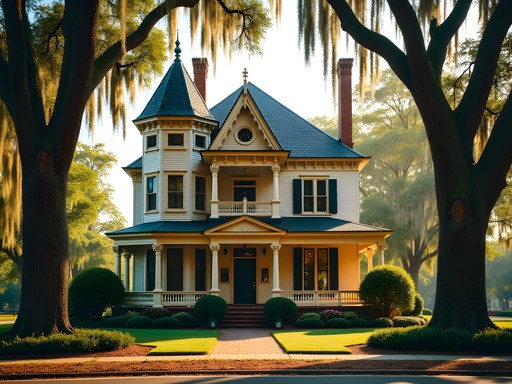
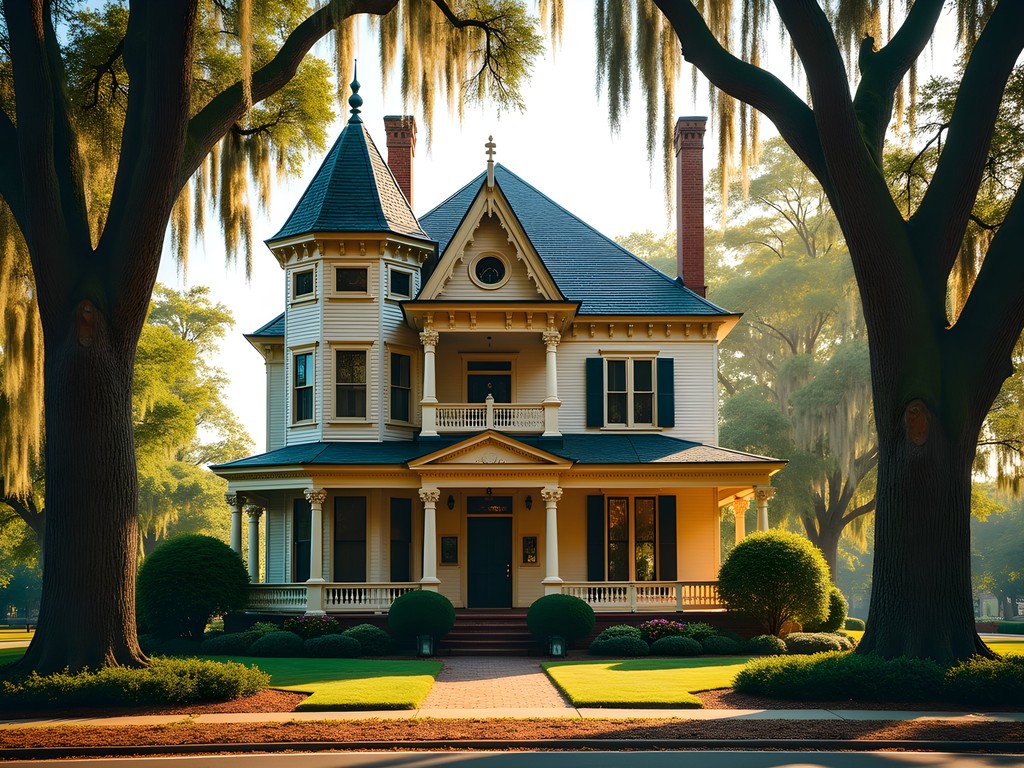
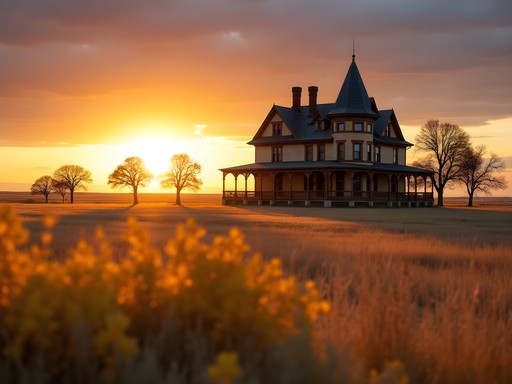
The Druid City Historic District gave me the architectural shots I came for, but it also reminded me why I approach travel photography with a climate scientist's eye and a social worker's heart. These homes are stunning—elaborate Queen Anne Victorians with wraparound porches, intricate woodwork, and gardens that explode with color in October. But they're also monuments to wealth built on cotton and enslaved labor, and that context matters.
I spent Saturday morning walking through the neighborhoods between University Boulevard and 10th Avenue. The light filters through the massive oak trees in a way that creates natural vignetting, and the architectural details are extraordinary. Look for the turrets, gingerbread trim, and stained glass windows that characterize the period. I found myself drawn to the way modern life intersects with these historic structures—a Toyota parked in front of a 1890s mansion, contemporary landscaping alongside century-old foundations.
For solo travelers, these neighborhoods feel safe and walkable during daylight hours. I encountered friendly locals walking dogs who were happy to share stories about their homes' histories. One resident pointed me toward a lesser-known street where the morning light hits the facades perfectly around 8 AM.
💡 Pro Tips
- Start early on weekend mornings before the streets get busy with traffic
- Respect private property—shoot from sidewalks and public spaces only
- Download a local history podcast or guide beforehand to understand the full context of what you're photographing
Campus Corners: Beyond the Stadium
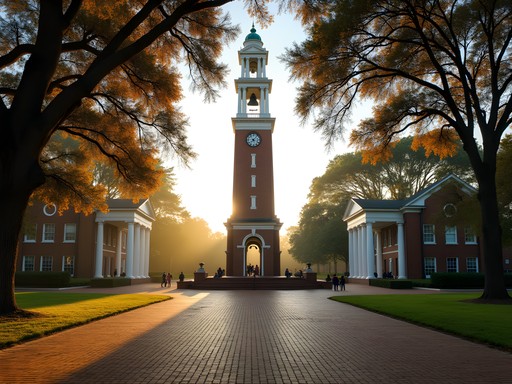
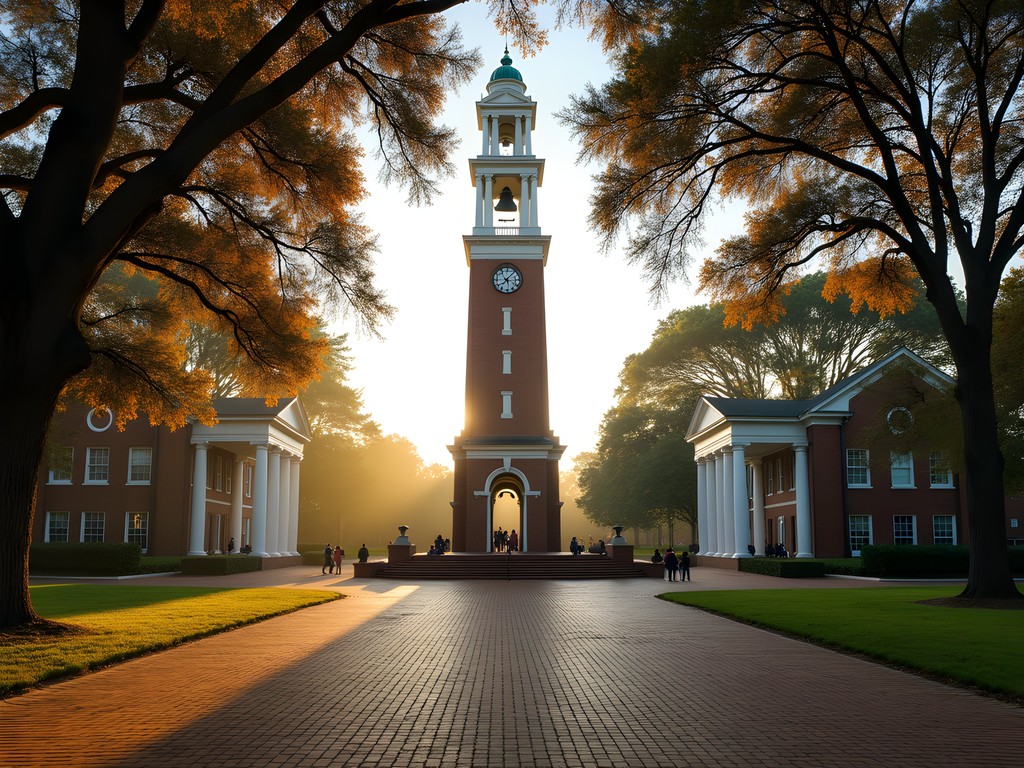
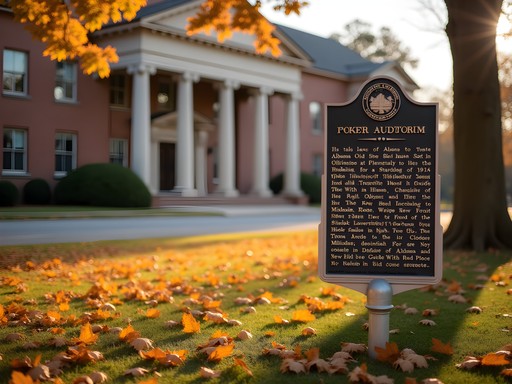
The University of Alabama campus deserves attention even if you couldn't care less about football. I'm talking about Denny Chimes, the 115-foot campanile that becomes a striking silhouette against fall sunsets. The Quad surrounding it offers classic Southern collegiate architecture—red brick buildings with white columns that photograph beautifully in the soft October light.
What surprised me most was the Gorgas House Museum, built in 1829 and one of the few structures that survived the Civil War burning of the campus. The building itself is photogenic, but the surrounding grounds include massive trees that have witnessed nearly two centuries of history. I found myself thinking about climate change and how these trees have adapted to shifting weather patterns—temperatures in Alabama have increased significantly since these oaks were saplings.
For the best shots, visit the Quad early on Sunday morning when it's nearly empty. The lack of foot traffic means you can set up without worrying about photobombers, and the morning light is softer than the harsh midday Alabama sun. I used my lens cleaning kit constantly—the humidity and dust combination is real, and keeping your glass clean makes a noticeable difference in image sharpness.
💡 Pro Tips
- Sunday mornings offer the quietest campus access for uninterrupted shooting
- Denny Chimes rings on the quarter hour—time your shots to capture or avoid the movement
- The university allows public access to most outdoor spaces, but check current policies before your visit

Lake Lurleen State Park: Nature's Palette
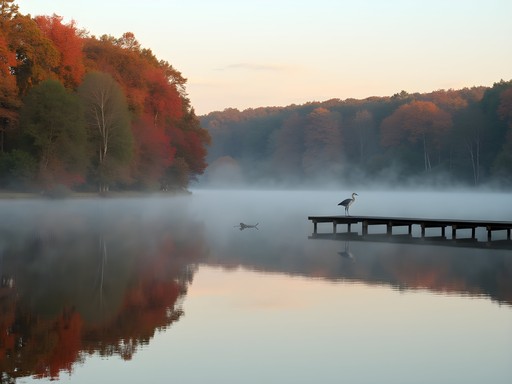
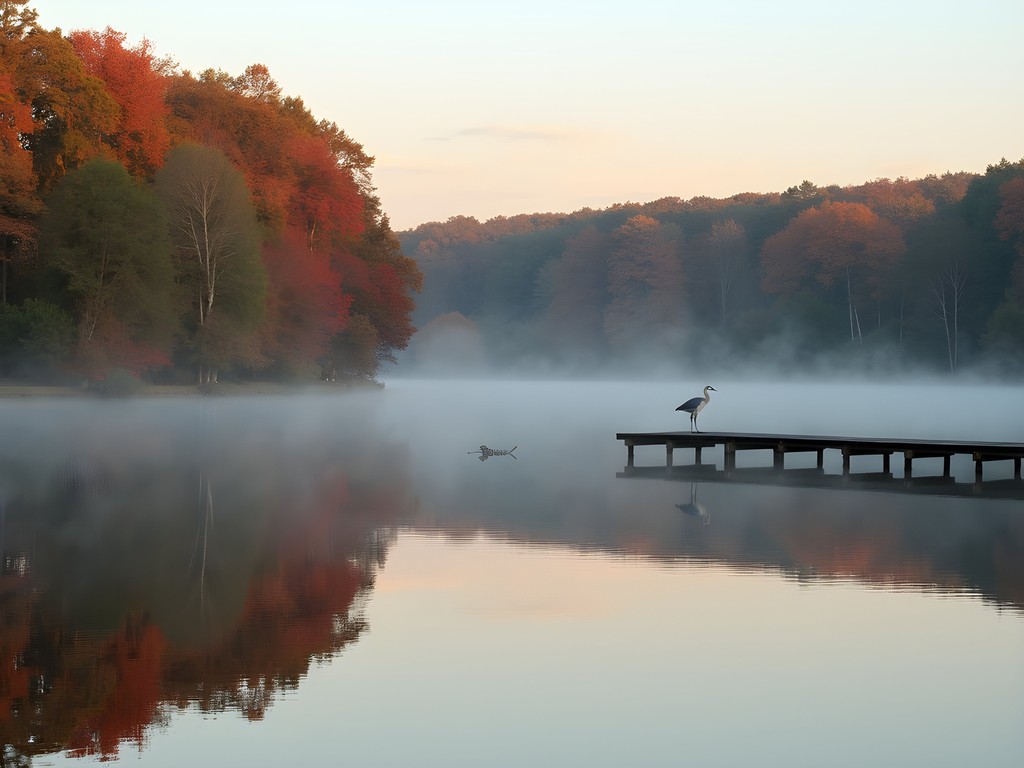
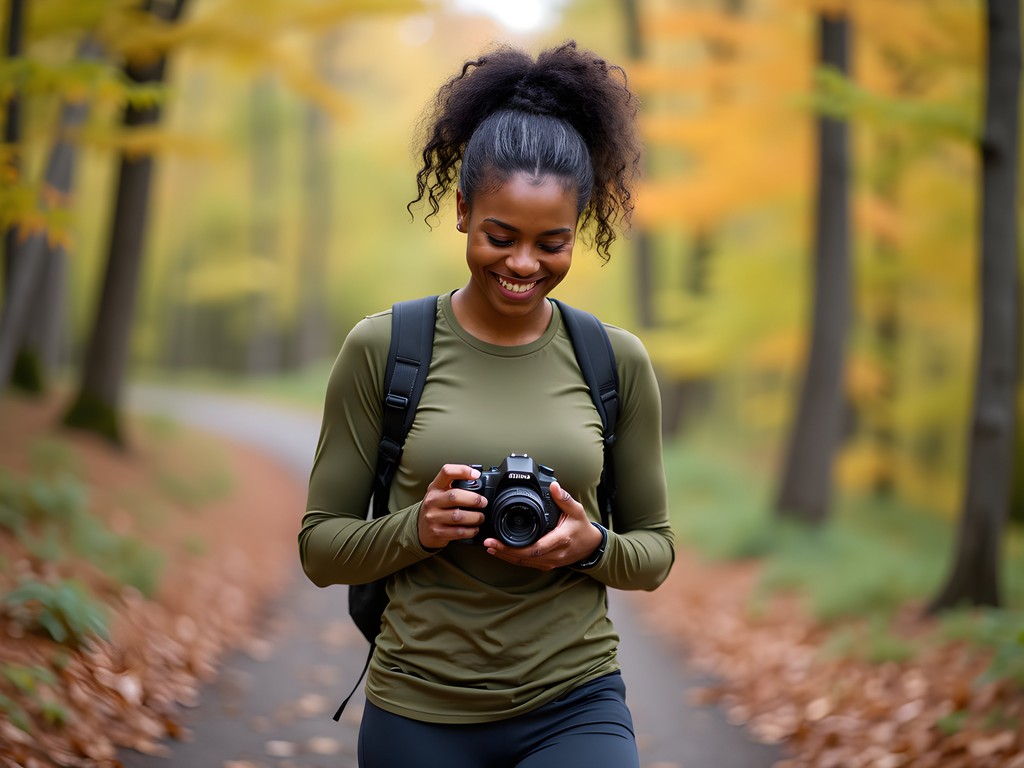
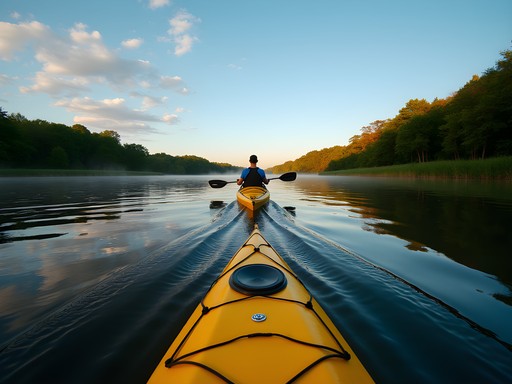
About 30 minutes northwest of downtown, Lake Lurleen State Park became my escape from urban photography. The 250-acre lake reflects the changing leaves like a mirror, and the hiking trails offer vantage points you won't find in town. I drove out on Sunday morning with a thermos of coffee and my collapsible water bottle—staying hydrated while hiking is crucial, and this one doesn't take up precious space in my day pack.
The park charges a modest $4 day-use fee, which feels reasonable for the access you get. I recommend the Lake Trail, a relatively easy 3.5-mile loop that hugs the shoreline. October brings migrating birds through the area, and I caught several great blue herons fishing in the shallows. The trail also passes through mixed pine and hardwood forest where the fall colors create natural bokeh in your backgrounds.
As someone who studied environmental science before switching to social work, I couldn't help but notice the interpretive signs about the lake's ecosystem and conservation efforts. Alabama's climate is shifting—warmer winters, more intense storms—and these protected spaces become increasingly important for both wildlife and humans seeking connection with nature.
💡 Pro Tips
- Arrive at sunrise for mirror-still water reflections before wind picks up
- The park has limited cell service—download offline maps before you go
- Bring a microfiber towel to wipe down gear if you get caught in unexpected rain
Practical Photography Tips for Solo Travelers
Traveling solo to Tuscaloosa means you're responsible for all your gear, all your safety decisions, and all your creative choices. I've learned to embrace this. My approach combines the organizational skills I use in case management with the flexibility that makes travel photography rewarding.
First, pack light but smart. I traveled with one camera body, two lenses (a versatile 24-70mm and a 50mm prime), and essential accessories. Everything fit in a camera insert that I dropped into my regular backpack—no need for an obvious camera bag that screams 'tourist.' The insert protected my gear while keeping my setup low-profile.
Second, embrace the solo advantage: you move at your own pace, wait for perfect light without apologizing, and change plans spontaneously. I spent an extra hour at the Riverwalk because the light was too good to leave, and there was nobody waiting for me at dinner. That freedom is worth the occasional challenge of getting yourself in the frame.
Third, connect with locals. I struck up conversations at coffee shops and asked for recommendations. One barista told me about a lesser-known overlook near the river that didn't appear in any guide. Those human connections often lead to the best photographs and the most meaningful travel experiences.
💡 Pro Tips
- Keep a small notebook to record location details and camera settings for future reference
- Download offline maps of Tuscaloosa before you arrive—cell coverage can be spotty outside downtown
- Schedule your most ambitious photography during morning hours when you have the most energy
- Back up your images every evening to cloud storage or a portable hard drive
Final Thoughts
Tuscaloosa surprised me, which is exactly what I look for in travel. Beyond the football hysteria and the obvious tourist draws, there's a city with layers—architectural beauty built on complicated history, natural spaces adapting to climate change, and quiet corners that reward photographers willing to look beyond the stadium.
My weekend there cost less than $400 including a modest hotel, meals, gas, and the park entrance fee. The photographs I brought home would have cost thousands if I'd hired them out, but more importantly, I gained a deeper understanding of how Southern cities are navigating their pasts while building their futures. That's the kind of travel that feeds both my creative practice and my professional worldview.
If you're a solo photographer looking for a budget-friendly fall destination with substance beyond the surface, give Tuscaloosa a weekend. Just maybe avoid doing it when Alabama has a home game—unless you're into that kind of chaos. I'll stick with the quiet Sundays when the light is soft and the stories reveal themselves slowly.
✨ Key Takeaways
- Tuscaloosa offers diverse photography opportunities from riverside landscapes to historic architecture, all accessible on a budget
- Fall weekends outside football season provide ideal conditions: beautiful light, manageable crowds, and comfortable temperatures
- Solo travel here is safe and rewarding, with friendly locals and walkable neighborhoods that encourage spontaneous exploration
📋 Practical Information
Best Time to Visit
October through early November for fall colors and comfortable temperatures
Budget Estimate
$350-450 for a weekend including lodging, meals, transportation, and entrance fees
Recommended Duration
2-3 days for thorough photography coverage
Difficulty Level
Moderate


Comments
wanderluststar3948
Lake Lurleen looks gorgeous! How far is it from downtown? Trying to plan a day trip.
Genesis Jones
About 20 minutes by car. Totally doable for a morning or afternoon shoot. The trails around the lake are really pretty too.
Haley Hamilton
Genesis, this resonates so much! I passed through Tuscaloosa last fall on a road trip and almost skipped it entirely because I'm not a football person. Ended up spending three days there just wandering those historic neighborhoods you mentioned. The Queen Anne houses near the university are stunning - found this one painted lady on 8th Avenue that had the most incredible wraparound porch. Shot an entire roll just on architectural details. Also, if anyone's into it, the Bryant Museum has some surprisingly good exhibits on the town's civil rights history that gave important context to everything. Would love to go back during a quieter season.
wanderluststar3948
Adding the Bryant Museum to my list! Didn't know about that.
Genesis Jones
Yes! That museum was eye-opening. The complicated histories part is so important to understand when you're photographing these places.
wanderninja
Going in March - is the Riverwalk easy to access?
journeyphotographer
Super easy! There's parking right near the amphitheater area.
journeyphotographer
That golden hour shot along the Riverwalk is incredible! Never thought about Tuscaloosa for photography.
Genesis Jones
Thanks! Yeah, the light there around 6pm was just perfect. Totally unexpected.
Venture X
Premium card with 2X miles, $300 travel credit, Priority Pass