
Disclosure: This article contains affiliate links. We may earn a commission from purchases at no extra cost to you, which helps our travel content.
When I first visited Wilmington, Delaware, I expected a quick stopover between teaching conferences. What I discovered was a compact city packed with layers of American history—from Swedish colonial settlements to the industrial revolution powered by the DuPont family. This fall weekend itinerary combines accessible historical sites with stunning gardens and enough culinary stops to satisfy any food history enthusiast. Perfect for couples seeking an educational escape without breaking the bank.

The Brandywine Valley: Where History Meets Nature
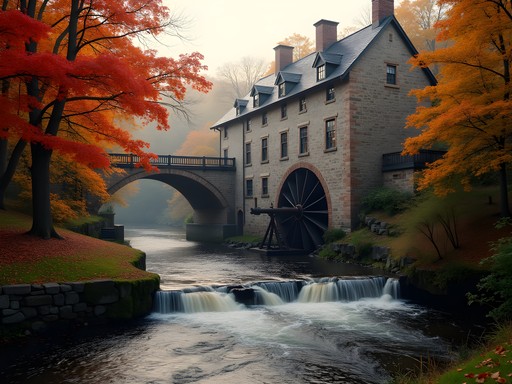
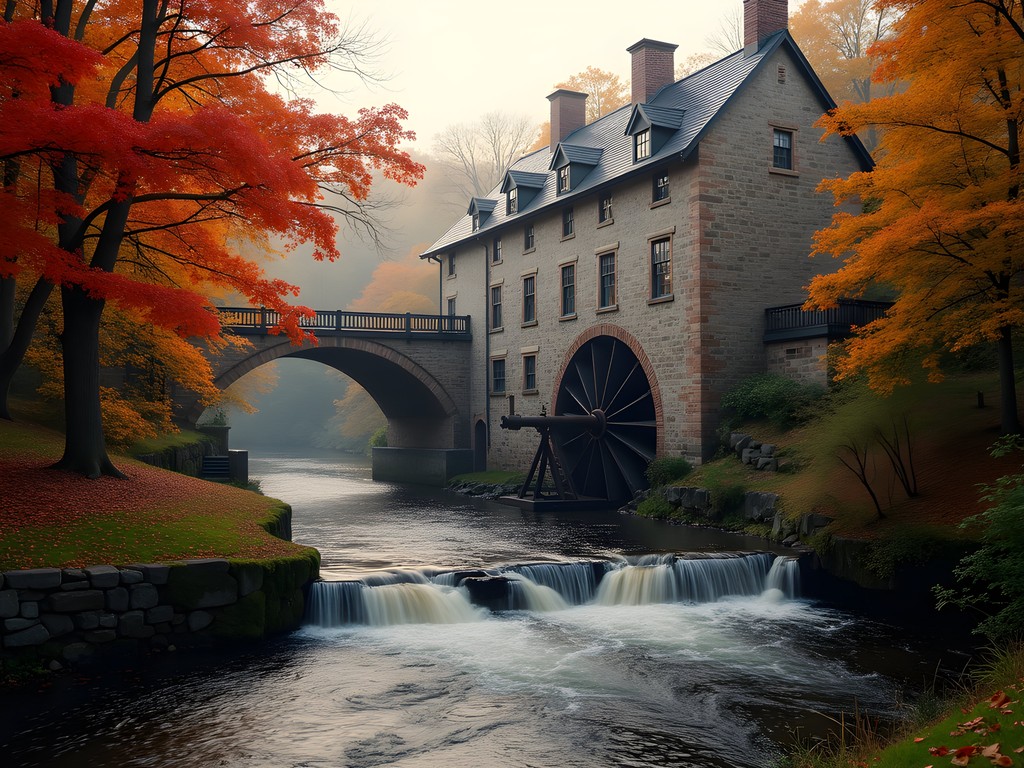
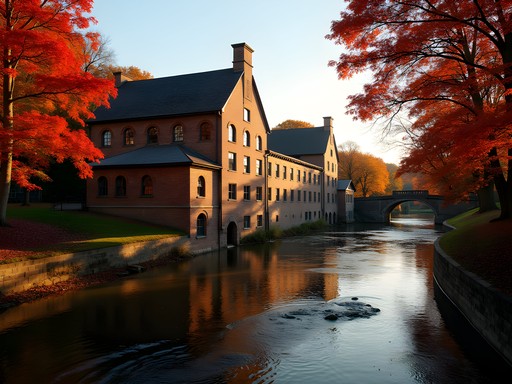
The Brandywine Valley forms the heart of Wilmington's historical narrative, and fall transforms it into an absolute masterpiece. Start your weekend at Hagley Museum and Library, the original DuPont gunpowder mills along the Brandywine River. Walking these grounds taught me more about early American industry than any textbook ever could.
The museum spans 235 acres of restored mills, workers' communities, and the DuPont ancestral home. I spent three hours here and could have easily stayed longer. The contrast between the rustic stone mills and the elegant Georgian mansion illustrates the stark class divisions of 19th-century America. During my visit, a guide demonstrated black powder production techniques—standing at a safe distance, of course—which really brought the dangerous work conditions to life.
The fall foliage along the Brandywine creates perfect photo opportunities, and the cooler temperatures make the extensive walking comfortable. I recommend bringing a good field guide to identify the diverse tree species throughout the property—it adds another educational layer to your exploration.
💡 Pro Tips
- Arrive when Hagley opens at 9:30 AM to beat tour groups and enjoy quieter exploration
- Wear sturdy walking shoes with good traction—the riverside paths can be slippery in fall
- Download the Hagley app before visiting for self-guided tour options and historical photos
Nemours Estate: Gilded Age Grandeur
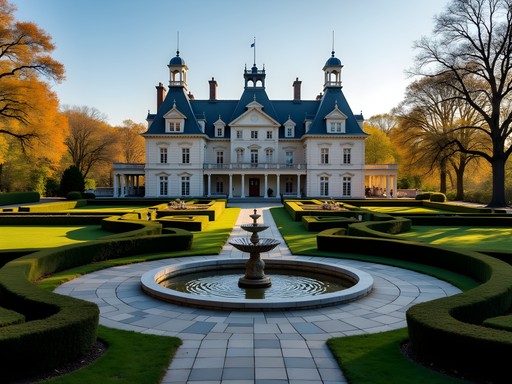
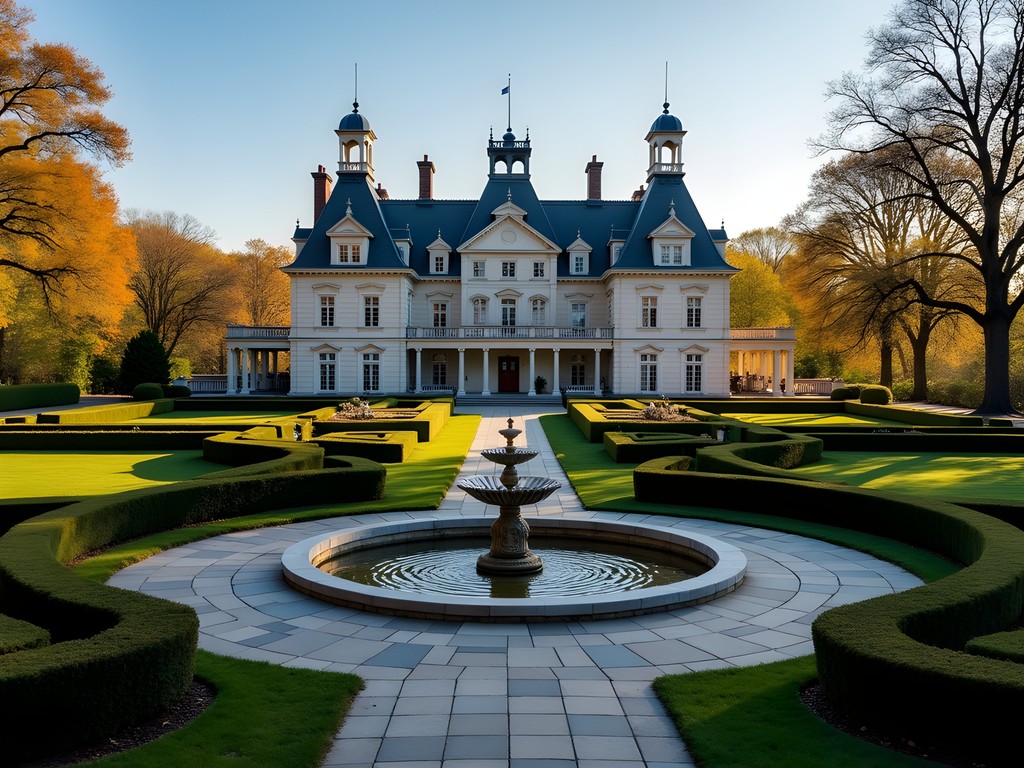
If Hagley shows you where DuPont wealth originated, Nemours Estate reveals where it flourished. This 300-acre estate features a 77-room château modeled after Versailles, and it's genuinely breathtaking. Alfred I. duPont built this mansion in 1909-1910, and walking through it feels like stepping into a European palace.
What fascinated me most wasn't just the opulence—though the gold-leafed ceilings and imported marble are impressive—but the innovative technology. Alfred duPont installed central heating, a central vacuum system, and even bowling alleys in the basement. As someone who appreciates how physical education and recreation evolved, seeing these early 20th-century leisure spaces was particularly interesting.
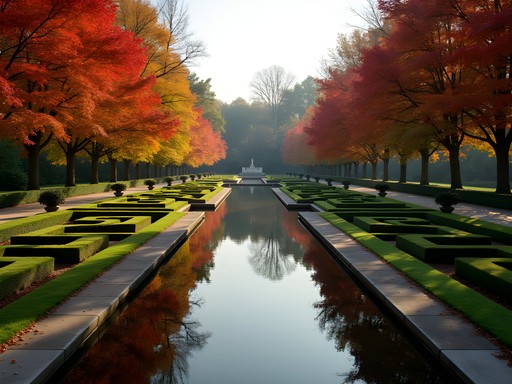
The formal French gardens are spectacular in fall, with 200 acres of manicured landscapes, fountains, and sculptures. I found myself comparing the European garden design to the native forest ecosystems I usually explore—a stark reminder of how wealth shaped landscapes to reflect Old World aesthetics rather than working with native ecology.
The estate requires timed entry tickets, so book ahead. Tours last about two hours and include both the mansion and gardens. Bring a portable phone charger because you'll want to photograph everything, and the estate is large enough that your battery will drain quickly.
💡 Pro Tips
- Book the first tour slot for the best natural lighting in the mansion's grand rooms
- The gardens are wheelchair accessible, but the mansion has multiple staircases
- Ask guides about the estate's World War I connections—Alfred duPont played a significant role in munitions production
Colonial Wilmington: Fort Christina and Old Swedes Church
Before the DuPonts shaped Delaware, Swedish and Dutch colonists established some of America's earliest European settlements here. Fort Christina Park marks where Swedish colonists landed in 1638, establishing New Sweden. The park itself is modest—a small waterfront area with monuments and interpretive signs—but its historical significance is enormous.
The Rocks, as locals call the granite outcropping where Swedes first landed, offers a tangible connection to colonial America. Standing there, I thought about how these settlers would have viewed the surrounding forests—as resources for shipbuilding and sustenance, much like I teach my students to understand ecosystems as interconnected resources.
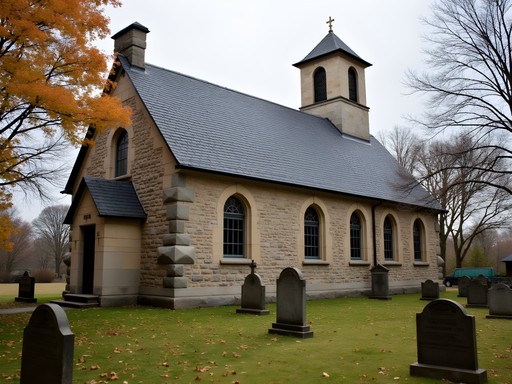
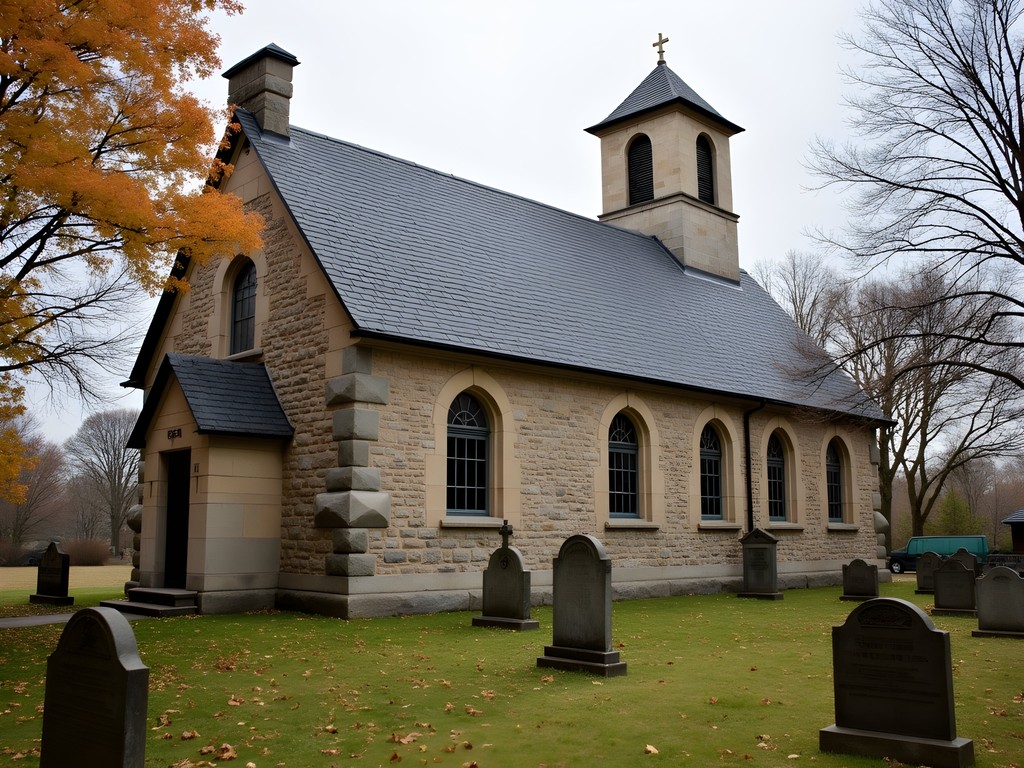
A short walk brings you to Old Swedes Church (Holy Trinity Church), built in 1698 and still holding services. It's one of the oldest churches in America still in use, and the thick stone walls and simple interior reflect Swedish Lutheran aesthetics. The adjacent cemetery contains graves dating to the 1700s, and reading the weathered headstones provides a sobering reminder of colonial life's harsh realities.
The church offers self-guided tours with informational placards, but if you can catch a docent-led tour on weekends, you'll learn fascinating details about colonial Swedish foodways and preservation techniques. As someone interested in culinary history, I appreciated learning about how colonists adapted Scandinavian food traditions to New World ingredients.
💡 Pro Tips
- Fort Christina Park is free and open year-round—perfect for budget-conscious travelers
- Old Swedes Church requests a small donation for tours, typically five to ten dollars per person
- Combine this stop with nearby Wilmington Riverfront for lunch at one of the waterfront restaurants

Winterthur Museum and Gardens: Decorative Arts Excellence
Winterthur deserves an entire day if you have time, though a half-day visit works for a weekend itinerary. Henry Francis du Pont transformed his family estate into America's premier museum of decorative arts, with 175 period rooms showcasing American furniture, textiles, and crafts from 1640 to 1860.
What sets Winterthur apart is how rooms are arranged as complete historical environments rather than gallery displays. You're not just seeing a colonial chair—you're seeing how that chair fit into an entire room's social and functional context. This approach resonates with my teaching philosophy: understanding systems and connections rather than isolated facts.
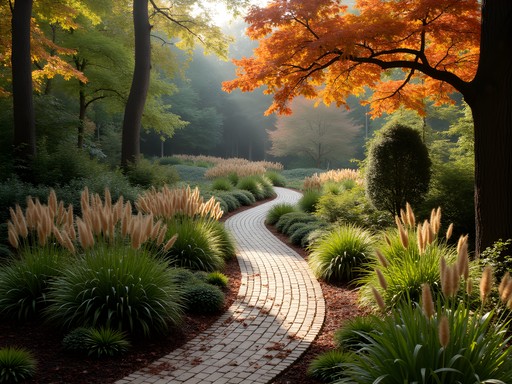
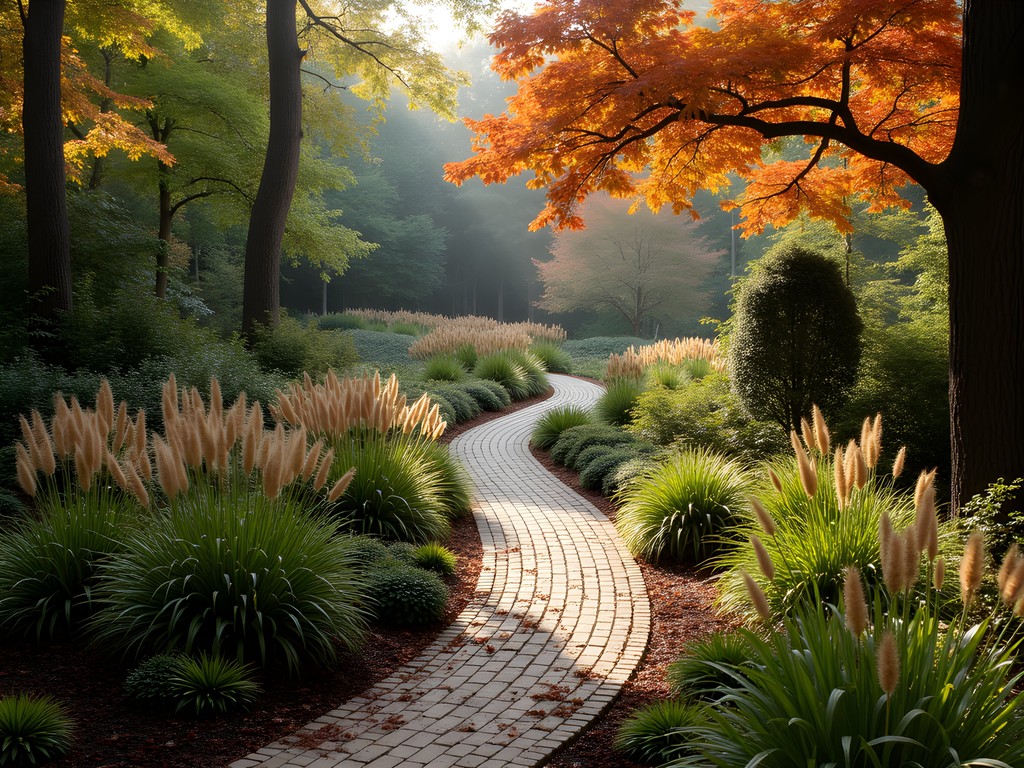
The 60-acre naturalistic garden is equally impressive, designed by du Pont himself as a series of garden rooms that bloom sequentially through seasons. Fall brings asters, chrysanthemums, and stunning foliage color. I walked the Azalea Woods trail and found myself identifying native species alongside cultivated ornamentals—a nice reminder that even formal gardens can support ecological diversity.
Winterthur offers various tour options. The one-hour highlights tour works well for couples on a tight schedule, while the two-hour decorative arts tour dives deeper into craftsmanship and cultural history. I recommend the longer tour if you have any interest in material culture. Bring a guidebook that covers Delaware's historical context—it helped me understand how Winterthur's collections fit into broader American history.

💡 Pro Tips
- Timed entry tickets are required—book online at least a week ahead for fall weekends
- The museum shop has excellent books on American decorative arts if you want to learn more
- Pack a picnic to enjoy in the gardens—there are designated areas with beautiful views
Culinary History: From Colonial Kitchens to Modern Delaware Cuisine
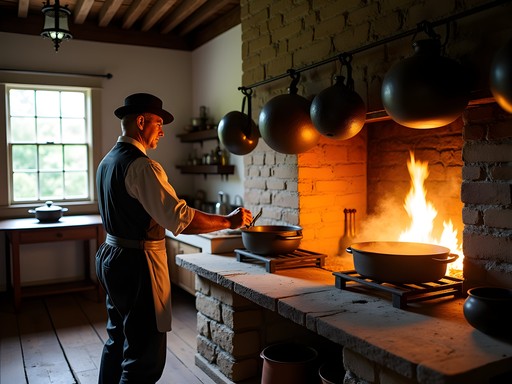
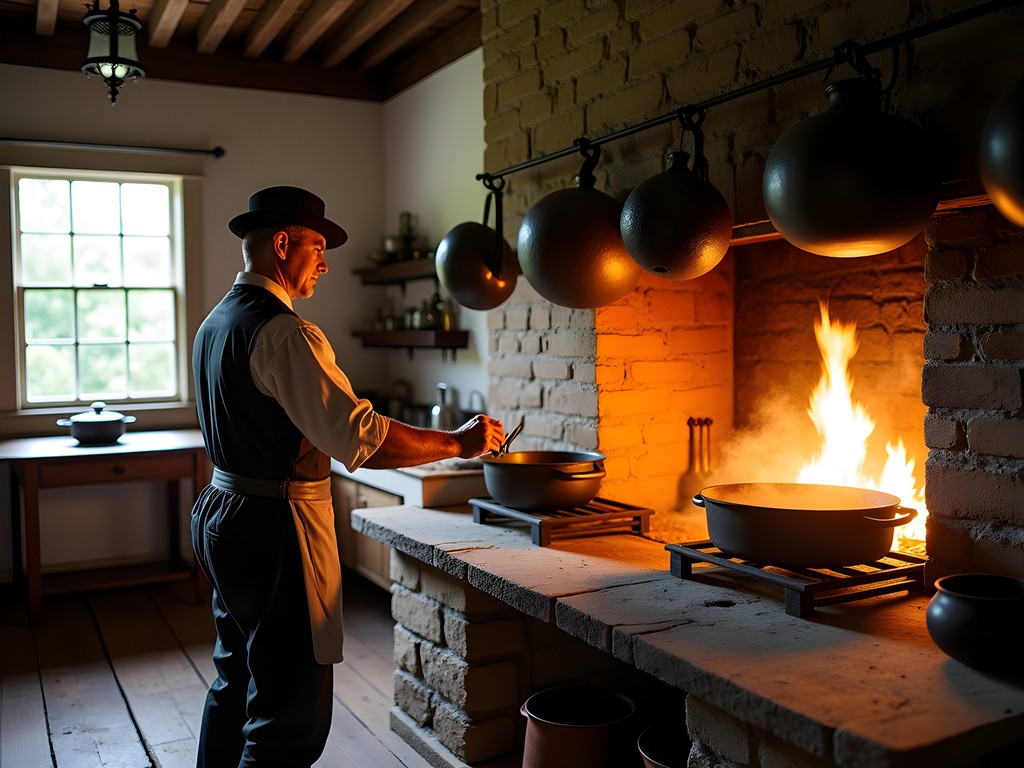
No historical exploration is complete without understanding food culture, and Wilmington offers surprising culinary depth. At Hagley, the workers' community includes restored kitchens where interpreters occasionally demonstrate 19th-century cooking techniques. I watched a demonstration of hearth cooking that made me appreciate how physically demanding food preparation once was—definitely a full-body workout by PE teacher standards.
For contemporary dining with historical connections, Krazy Kat's at the Inn at Montchanin Village serves elevated American cuisine in a restored 19th-century workers' village. The restaurant occupies buildings that once housed DuPont mill workers, creating an interesting contrast between historical architecture and modern fine dining. I tried their seasonal tasting menu featuring local Delaware ingredients—rockfish, mushrooms foraged from nearby forests, and heirloom vegetables.
For more casual fare, Wilmington & Western Railroad occasionally runs dinner trains through the Red Clay Valley, combining historical rail travel with regional cuisine. It's touristy but genuinely fun for couples, and the fall foliage views from vintage train cars are spectacular.
Don't miss Woodside Farm Creamery for ice cream made from their own dairy herd. It's a working farm that offers tours explaining modern and traditional dairy practices—educational and delicious. I packed a insulated food bag to bring some of their artisanal cheeses back home, which stayed perfectly chilled during my drive.
💡 Pro Tips
- Make reservations at Krazy Kat's at least two weeks ahead for fall weekend dining
- Check Hagley's event calendar for special cooking demonstrations and harvest festivals
- Many restaurants participate in Delaware Restaurant Week twice yearly with special prix-fixe menus
Final Thoughts
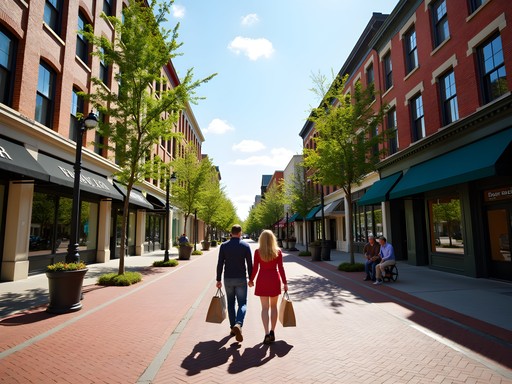
Wilmington surprised me with its concentrated historical richness and accessibility. In one weekend, couples can trace American history from Swedish colonization through the industrial revolution to Gilded Age excess—all within a compact area perfect for a relaxed exploration pace. The fall season adds spectacular natural beauty to already impressive historical sites, and mid-range budgets stretch comfortably here compared to larger East Coast cities.
What I appreciate most about Wilmington is how it illustrates the connections between natural resources, industrial development, and cultural evolution. The Brandywine River powered mills that generated immense wealth, which then funded the preservation of history and creation of world-class museums. It's a complete historical ecosystem, if you will.
For couples seeking an educational weekend that balances intellectual engagement with romantic ambiance, Wilmington delivers. Pack comfortable walking shoes, bring your curiosity, and prepare to discover American history in a city that doesn't always make the typical tourist lists—but absolutely should.
✨ Key Takeaways
- Wilmington offers exceptional historical depth concentrated in a compact, walkable area perfect for weekend exploration
- Fall provides ideal weather for extensive walking tours plus spectacular foliage at gardens and estates
- Mid-range budgets work well here with free sites like Fort Christina balanced by ticketed attractions like Nemours and Winterthur
📋 Practical Information
Best Time to Visit
September through November for fall foliage and comfortable walking temperatures
Budget Estimate
$400-600 per couple for weekend including mid-range hotel, meals, and attraction tickets
Recommended Duration
2-3 days for thorough exploration
Difficulty Level
Easy


Comments
Jean Wells
Your observation about Wilmington's compact historical density is astute. Having traveled extensively through former colonial settlements across three continents, I find Delaware's Swedish-Dutch-English layering particularly well-preserved. The Old Swedes Church (1698) represents one of the oldest churches in continuous use in North America - a detail often overlooked. For solo travelers, the city's walkability and safety make it exceptional. I'd recommend the DK Eyewitness guide for deeper context on the regional colonial history. The Hagley Museum's powder mill ruins along the Brandywine deserve more attention than they typically receive.
hikingchamp
The powder mill ruins are incredible! So peaceful but also kind of eerie knowing what happened there.
wildmaster
Adding this to my list!
Taylor Moreau
Excellent overview, Garrett. I've attended several conferences in Wilmington over the years and always recommend extending the stay for exactly these reasons. The concentration of historical sites within walking distance makes it ideal for business travelers with limited time. One addition: the Wilmington & Western Railroad offers scenic rides through the Red Clay Valley on weekends - useful for those who prefer not to walk extensively. The corporate influence of DuPont on American industry is indeed fascinating from a business history perspective.
wintertime
Never thought about Delaware for history. Cool!
globediver
Going there in March with my wife. How much time should we budget for Winterthur? The decorative arts thing sounds interesting but not sure if it's worth a full day or just a few hours?
Jean Wells
Winterthur deserves at minimum half a day, ideally a full day if you appreciate decorative arts. The collection spans 175 room displays across two centuries of American craftsmanship. I spent 6 hours there and barely scratched the surface. The gardens alone warrant 90 minutes in spring. Book the house tour in advance - they limit capacity and it fills quickly.
globediver
Thanks! That's really helpful. Will definitely book ahead.
tripphotographer
Your photos of Nemours are stunning! The lighting on that mansion is perfect!!
hikingchamp
YES!! Wilmington is so underrated! I did the Brandywine trail last spring and it was absolutely gorgeous. The river walk from downtown to the Hagley Museum is maybe 3-4 miles and totally worth it. Pro tip: start early at Fort Christina, work your way up the river, and end at Hagley around lunchtime. They have a decent cafe there. The industrial history stuff is wild - seeing where DuPont basically invented modern American industry is mind-blowing. Did you get to the Kalmar Nyckel ship replica? It's docked near Fort Christina sometimes.
wildmaster
How long did the whole walk take you?
hikingchamp
About 2.5 hours with stops for photos. Could easily stretch it to 4 if you really explore.
journeybackpacker
Never thought about Delaware as a destination but this looks really cool!
Hunter Thompson
Right? Delaware gets overlooked but there's loads of history packed in there
Hunter Thompson
Absolutely brilliant post, Garrett! I passed through Delaware on my East Coast trip last year and completely skipped Wilmington thinking it was just corporate offices. Massive mistake! The DuPont estates alone sound worth the visit. Did you manage to visit Hagley Museum as well? I've heard the powder mills there are fascinating for understanding how the family fortune started. Also love that you can do this all without a car - that's rare in American cities outside the big ones!
Garrett Price
Thanks Hunter! I didn't make it to Hagley this time but it's definitely on my list for the next visit. The powder mill history is supposed to be incredible. And yes, the walkability was such a pleasant surprise!
luckytime
How long did you spend at Winterthur? Trying to figure out if we can do it in a day trip from Philly
Garrett Price
I'd budget at least 3-4 hours for Winterthur if you want to see the house and gardens properly. The estate is huge! You could definitely do it as a day trip from Philly though - it's only about 30 minutes from Wilmington.
luckytime
Perfect, thanks!
Venture X
Premium card with 2X miles, $300 travel credit, Priority Pass