

Disclosure: This article contains affiliate links. We may earn a commission from purchases at no extra cost to you, which helps our travel content.
The intersection of natural and human-designed patterns has always fascinated me, and few regions offer such a rich tapestry of both as the area surrounding Wilmington, Delaware. As the autumn leaves transform the landscape into a mathematical symphony of fractals and Fibonacci sequences, the foothills of the Appalachians and the historic Brandywine Valley become perfect weekend laboratories for families to explore the hidden geometries that connect us to both history and nature.

Brandywine Valley's Sacred Geometries
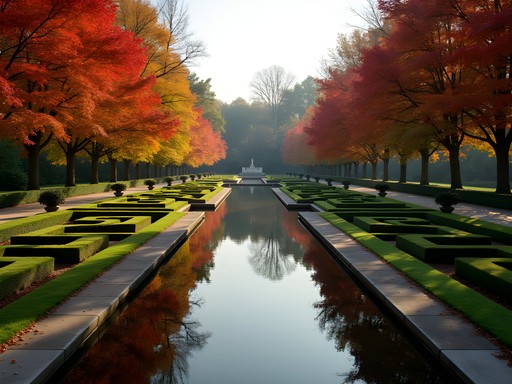
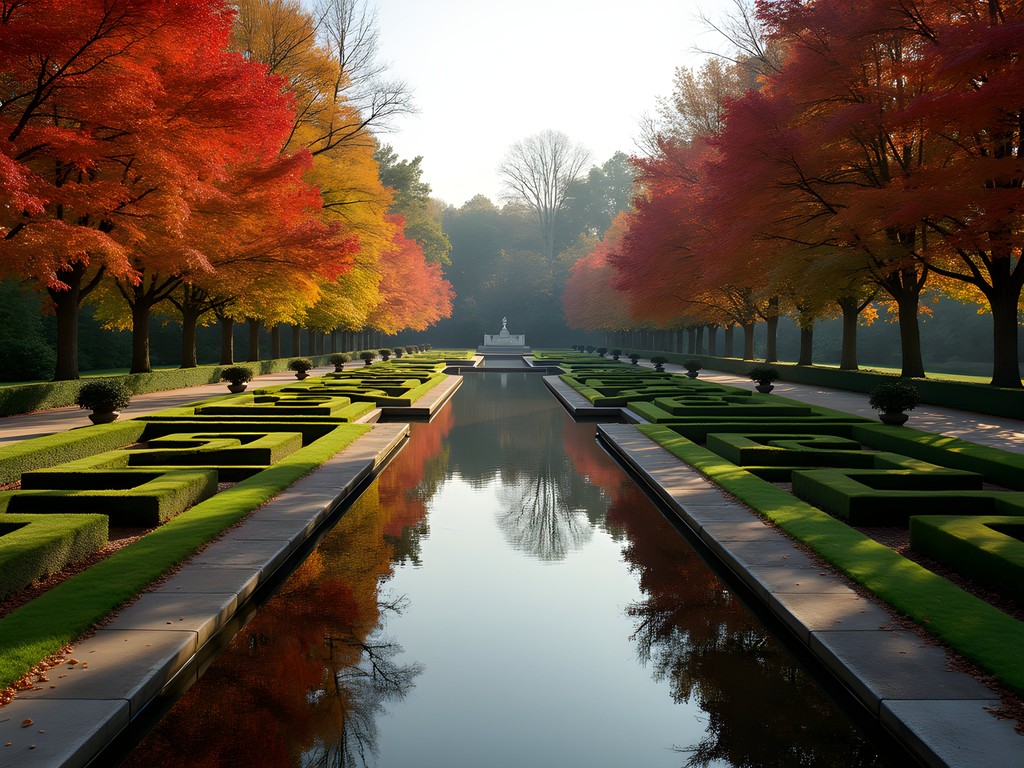
The Brandywine Valley has long been a source of inspiration for me, particularly how its gardens and estates incorporate principles of sacred geometry that echo across cultures worldwide. At Longwood Gardens (accessible with their family membership options), the mathematical precision of the Italian Water Garden reveals the same golden ratio proportions I've documented in structures from Kyoto to Cusco. The fountain system—a hydraulic marvel—demonstrates principles of fluid dynamics that children find mesmerizing.
During my research visits last fall, I spent hours with my geometric drawing set sketching the perfect symmetry of the conservatory's dome structure. The gardens transform in autumn as chrysanthemum displays create mandalas of color against the backdrop of changing foliage.
Nearby, Winterthur Museum and Gardens offers another dimension of geometric exploration. The garden paths follow subtle mathematical progressions that draw visitors through spaces in ways that feel intuitive yet are carefully calculated. The children's Enchanted Garden incorporates natural mathematical patterns that young minds intuitively recognize—spirals, symmetries, and fractals embedded in play structures.
💡 Pro Tips
- Visit Longwood Gardens on weekdays for significantly smaller crowds and better photo opportunities
- The Brandywine River Museum of Art offers 'Family Backpacks' with interactive materials that help children identify geometric patterns in Wyeth paintings
- Pack a polarizing filter for your camera to capture the reflection patterns in the water features
Hagley Museum: Industrial Mathematics and Family Discovery
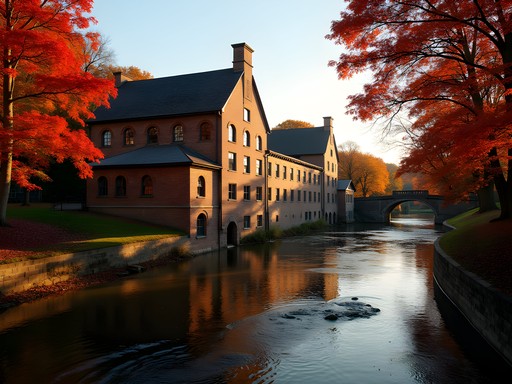
One of my most rewarding discoveries in the Wilmington area has been the Hagley Museum, site of the original DuPont gunpowder works along the Brandywine River. What appears at first glance to be merely an industrial historic site reveals itself as a masterclass in applied mathematics and engineering principles that even young children can appreciate through hands-on demonstrations.
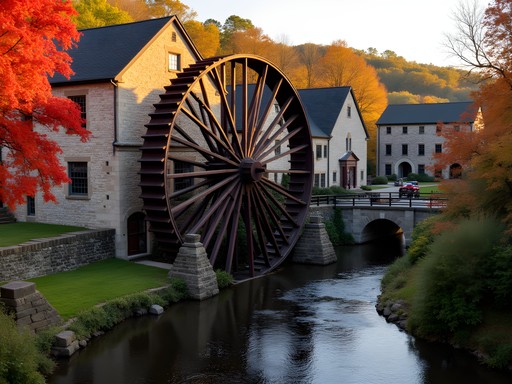
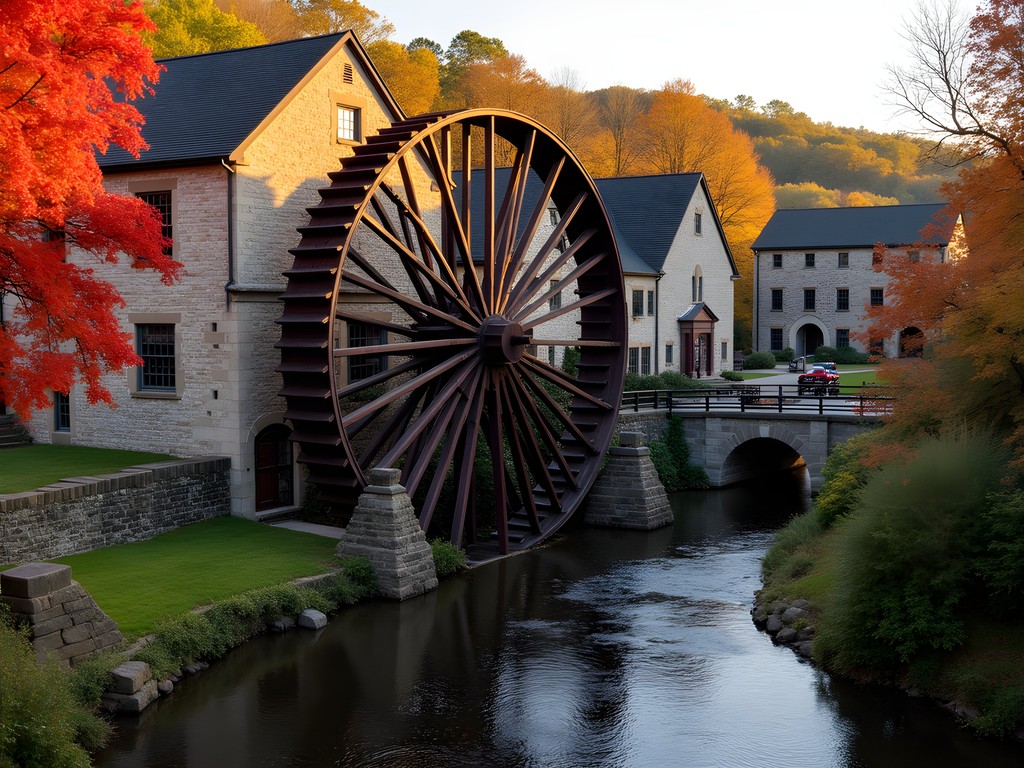
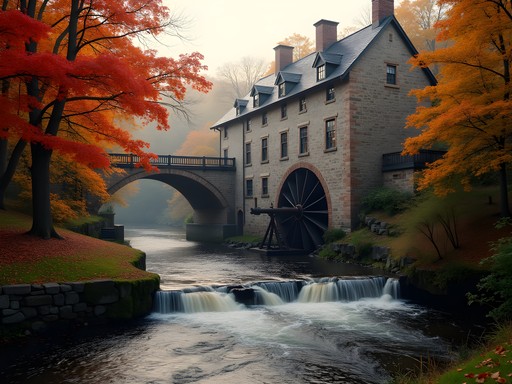
The water wheel systems that once powered the mills demonstrate perfect examples of mechanical advantage and energy transfer. During my documentation project last year, I observed families spending hours at the interactive water wheel exhibits, where children intuitively grasped complex physics concepts through play.
The layout of the industrial complex itself follows fascinating geometric principles dictated by both safety concerns (explosion risk minimization) and efficiency maximization. I recommend bringing a pocket compass to help children map the site's orientation and understand how the builders utilized the natural topography.
The workers' community village presents another layer of mathematical interest—the proportional spacing of homes based on family size and worker hierarchy creates a visual representation of early American industrial social structures.
💡 Pro Tips
- Request the family STEM guide at the entrance—it highlights the mathematical principles behind various exhibits
- Time your visit to see the water wheel demonstrations at 11:30am and 2:30pm
- Pack a picnic lunch to enjoy along the river—the designated areas have geometric stone arrangements perfect for impromptu mathematics lessons
Mt. Cuba Center: Fractal Patterns in Native Landscapes
The Mt. Cuba Center offers what I consider the perfect counterpoint to the formal gardens of the Brandywine estates—here, the mathematical patterns emerge from natural systems rather than human design. The native plant gardens demonstrate how fractal patterns appear spontaneously in ecological communities, a phenomenon I've documented across multiple continents.
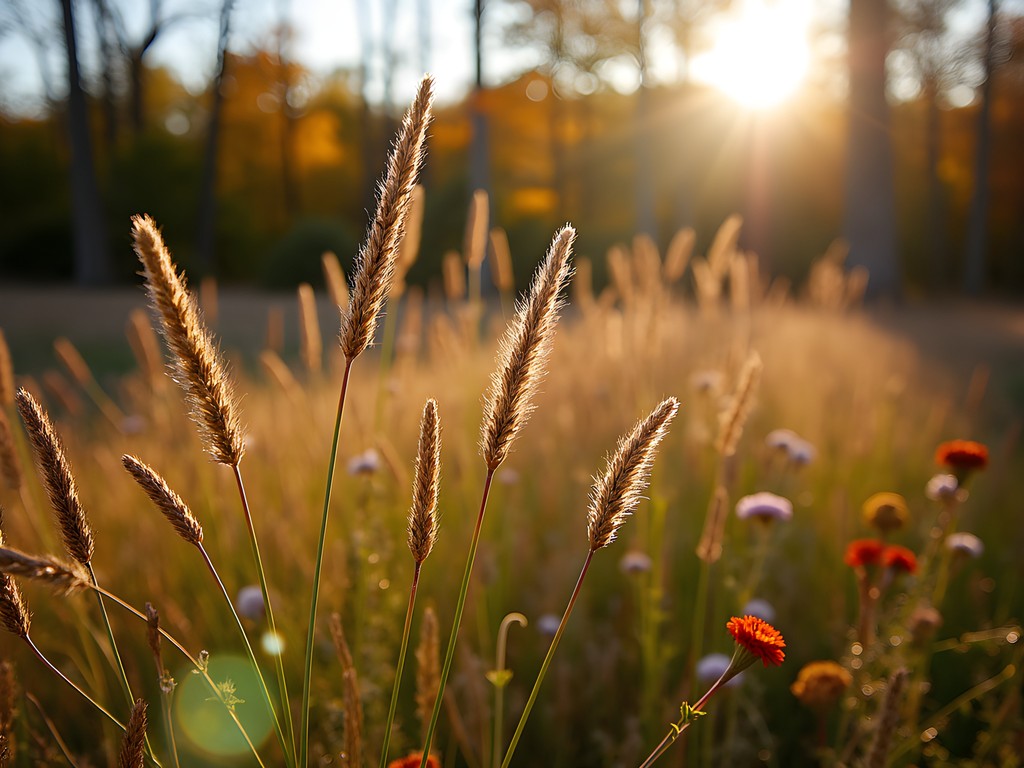
In autumn, the meadow gardens reveal particularly striking examples of natural geometry. The seedheads of native grasses form perfect spirals that follow the Fibonacci sequence, while the branching patterns of native trees demonstrate the principles of optimal resource distribution that mathematicians have only recently begun to fully understand.
For families with children, the center offers excellent educational programming that makes these abstract concepts tangible. During my research visits, I've observed how the guided family walks help children identify repeating patterns in nature through simple observation tools. I recommend bringing a pocket magnifier to examine the minute geometric details of plant structures.
The center's trails also provide excellent opportunities to observe how topography influences plant communities—the mathematical relationship between slope, aspect, and biodiversity becomes readily apparent even to young observers.
💡 Pro Tips
- Visit on a weekday morning when the dew highlights spider webs that reveal perfect geometric patterns
- Check the center's calendar for their excellent family programs on natural mathematics
- The field notebook sold in the gift shop is perfect for children to sketch the patterns they observe

Appalachian Foothills: White Clay Creek Preserve
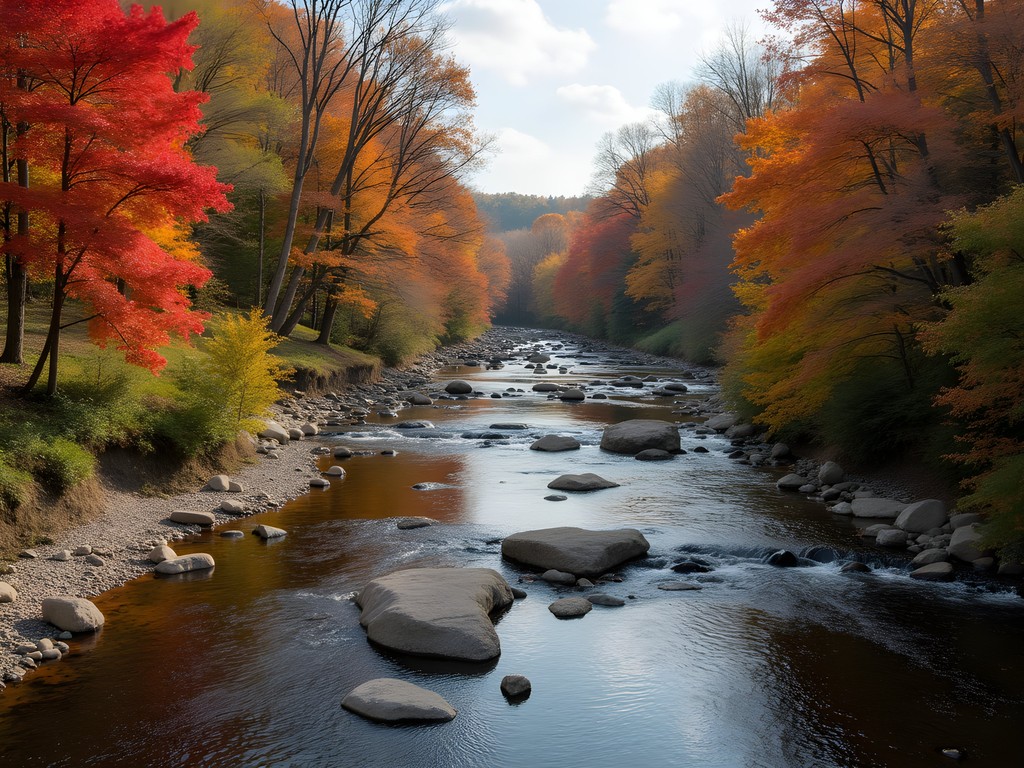
Just a short drive from downtown Wilmington, White Clay Creek Preserve offers families an accessible entry point to experience the gentle rhythms of Appalachian foothill topography. The preserved watershed creates a natural laboratory for observing how water flow creates mathematical patterns in the landscape over millennia.
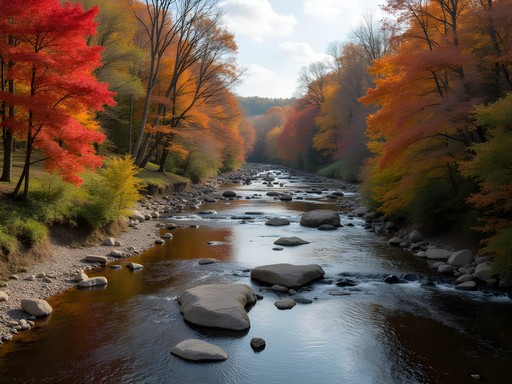
During my documentation projects here, I've been particularly drawn to the stream meanders that demonstrate principles of fluid dynamics at a scale children can comprehend. The park's excellent trail system allows families to observe how these patterns change with elevation—a three-dimensional calculus lesson disguised as a nature hike.
In autumn, the preserve becomes especially magical as the deciduous forest reveals its underlying structure. I recommend bringing a trail map compass to help children understand how the trail system follows contour lines and watershed boundaries. The preserved historic structures within the park also demonstrate how early settlers intuitively built in harmony with these natural patterns.
For budget-conscious families, this preserve offers tremendous value—educational experiences comparable to expensive science centers but completely free of charge. Pack a simple picnic (the insulated backpack has served me well on countless research excursions) and make a full day of exploration.
💡 Pro Tips
- The Arc Corner Monument trail includes informational panels perfect for elementary-age children learning about mapping concepts
- Bring a small container to collect water samples from different stream locations to observe sediment patterns
- The Pennsylvania side of the preserve tends to be less crowded than the Delaware portion
Budget-Friendly Geometric Treasures in Historic New Castle
Just south of Wilmington proper lies Historic New Castle, a remarkably preserved colonial town where the street grid itself tells a mathematical story of early American urban planning. While not in the foothills, this gem deserves inclusion for budget-conscious families seeking to understand the geometric principles that shaped our early settlements.
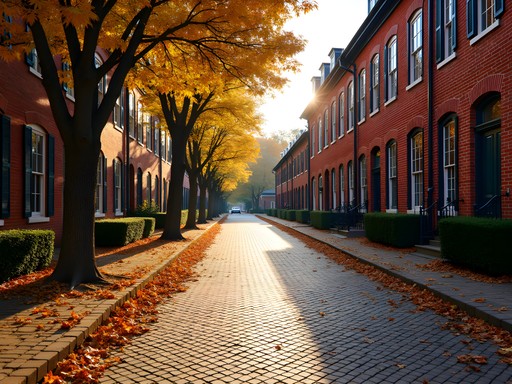
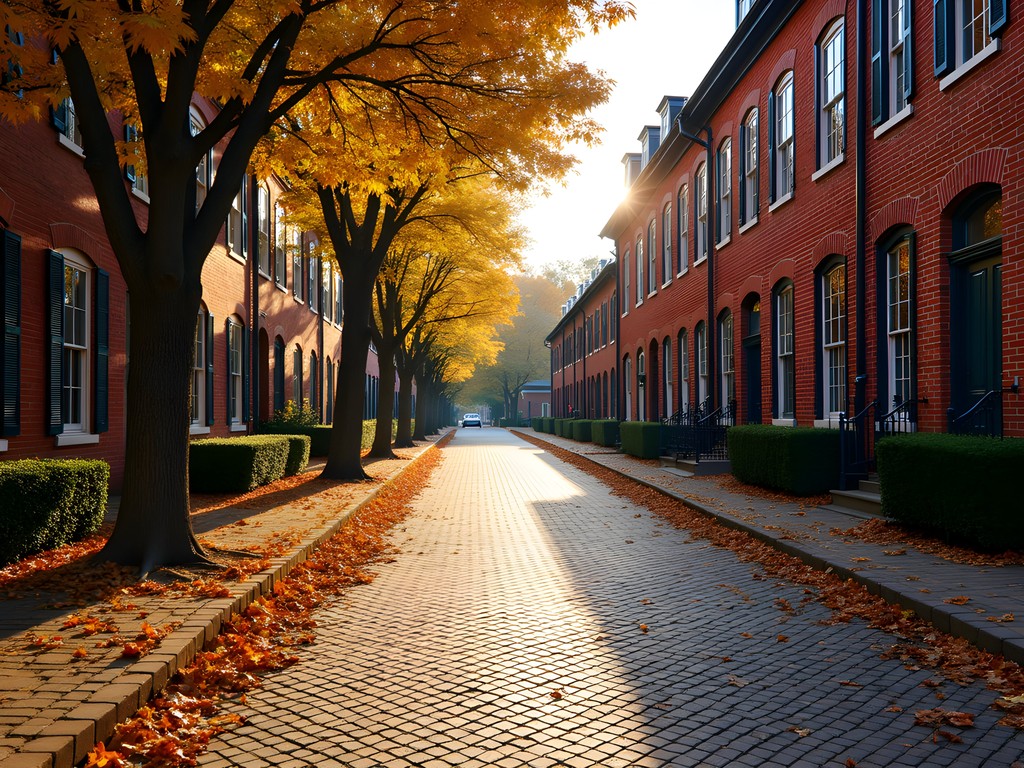
The cobblestone streets form a modified grid system that reveals how early planners adapted European design principles to the topography of the Delaware River shoreline. During my documentation visits, I've spent hours with my laser measuring tool mapping the subtle variations in street width and building setbacks that create the town's distinctive sense of place.
The courthouse square demonstrates classical proportional relationships that echo ancient Greek and Roman design principles—a teaching moment for children about how mathematical concepts travel across cultures and centuries. Many of the historic homes feature geometric elements in their architecture that reveal the influence of sacred geometry on colonial builders.
Best of all for budget-conscious families, exploring New Castle costs nothing beyond parking fees. The walking tour maps available at the visitor center highlight architectural elements that demonstrate mathematical principles accessible even to young children.
💡 Pro Tips
- The visitor center offers excellent free guides that highlight architectural patterns for children to identify
- Visit at low tide to see the geometric patterns in the river shoreline
- The public library offers free architecture-focused scavenger hunts for families
Final Thoughts
The landscapes surrounding Wilmington offer families a remarkable opportunity to discover how mathematical principles manifest in both natural and human-designed environments. From the carefully calculated formal gardens of the Brandywine Valley to the emergent fractal patterns of Appalachian foothill ecosystems, these accessible day trips create learning opportunities disguised as weekend adventures. As a librarian who has documented geometric patterns across continents, I find the Wilmington region particularly valuable for its concentration of diverse mathematical expressions within such a compact, budget-friendly area.
I encourage families to approach these explorations with the eyes of both scientists and artists—the patterns that emerge reveal connections between disciplines that children intuitively understand before educational systems separate them into distinct subjects. Bring a sketchbook, take photographs, collect fallen leaves to examine their venation patterns, and most importantly, ask questions about why certain forms repeat across seemingly unrelated contexts. The mathematical literacy gained through such experiential learning extends far beyond what classroom instruction alone can provide. The Wilmington region, especially in autumn's revealing light, offers a perfect equation of accessibility, affordability, and educational value for families seeking meaningful weekend adventures.
✨ Key Takeaways
- Wilmington's surrounding landscapes offer budget-friendly opportunities to explore mathematical patterns in both natural and designed environments
- Autumn is the ideal season as falling leaves reveal underlying structures in both gardens and natural areas
- Simple tools like magnifiers, compasses, and sketchbooks enhance the educational value of these explorations for children
📋 Practical Information
Best Time to Visit
Mid-October to early November for peak fall foliage
Budget Estimate
$0-50 per day for a family of four (many sites have free admission or nominal parking fees)
Recommended Duration
2-3 days to explore multiple sites
Difficulty Level
Easy





Comments
nomadguy
Just visited White Clay Creek after reading this! Those creek patterns you mentioned where the water creates natural fractals were mesmerizing. Great spot for photography!
eastcoastexplorer
If you're visiting the Hagley Museum, try to go on one of their Machine Demonstration days - totally worth planning around! We got to see the steam engine in action and it was incredible.
Bryce Diaz
Great tip! I missed those demonstrations when I visited. Do you know how often they run them?
eastcoastexplorer
They usually do them on weekends, but it varies by season. Best to check their website about a week before your visit!
hikermom73
The photos of White Clay Creek are stunning! Definitely adding this to my bucket list.
sunnystar
Love this post! We're planning to visit Wilmington this spring with our family. Is April too early to see the native plants at Mt. Cuba Center? Also, any recommendations for kid-friendly spots in the Brandywine Valley?
roamdiver
Not Pierre, but we took our kids to Brandywine Zoo - it's small but perfect for a half-day visit with younger children. They loved it!
Pierre Burns
April is actually perfect for Mt. Cuba! That's when many of the spring ephemerals bloom. As for kid-friendly spots, definitely check out the Delaware Children's Museum in addition to roamdiver's great suggestion. The Brandywine Creek State Park also has some easy trails with stream access that kids love.
sunnystar
Thanks both! Adding these to our itinerary!
Bryce Diaz
Pierre, your perspective on the intersection of math and nature is fascinating! I've explored the Brandywine Valley several times but never thought about it through this lens. Mt. Cuba Center became one of my favorite spots during a spring visit last year - the native wildflower meadows were absolutely stunning. For anyone planning a visit, I'd recommend bringing a good field guide to identify all the native plant species. The seasonal changes there are remarkable. Have you visited during different seasons? I'm curious how the mathematical patterns you observed might shift throughout the year.
Pierre Burns
Great question, Bryce! I've visited in spring, summer and fall, and the fractal patterns are most visible in late spring when the ferns are unfurling. Winter reveals the underlying branch structures of the trees - a completely different but equally mathematical beauty. Your field guide suggestion is spot on!
roamdiver
Just visited the Hagley Museum last weekend with my kids and it was exactly as you described, Pierre! The way you connected the industrial patterns to mathematical principles made me see the place in a whole new light. My 10-year-old was fascinated by the water wheel demonstrations. We spent almost the entire day there and barely scratched the surface. Definitely planning to check out White Clay Creek Preserve next - is the hiking there suitable for younger kids?
Pierre Burns
Absolutely! White Clay Creek has several shorter, relatively flat trails that are perfect for kids. The Whitley Trail is about 1.5 miles and has some wonderful creek views. Bring waterproof shoes though - there are some muddy spots!
roamdiver
Thanks for the tip! Will definitely pack the waterproof shoes then. Looking forward to it!
oceanwanderer
Love how you connected nature and math in this post! Never thought about gardens that way before. Adding these spots to my spring travel list!
citychamp
Just got back from the Brandywine Valley area and this post is spot on! We did the whole circuit over a long weekend - Hagley, Winterthur, and Mt. Cuba. The fall colors were absolutely stunning. Pro tip: start early at Mt. Cuba if you're going in autumn because parking fills up fast. Also the cafe at Winterthur has surprisingly good lunch options if you need a break between sites. We stayed in downtown Wilmington and everything was super easy to reach.
starlife
Is this good for kids? Have a 6 year old
citychamp
Hagley is great for kids! They have hands-on stuff and the grounds are perfect for running around. My nephew loved the water wheel demonstrations.
Casey Andersson
Pierre, your mathematical perspective on these landscapes is refreshingly unique! I visited the Brandywine Valley last spring while touring the East Coast and was struck by how the formal gardens transition so beautifully into the wilder landscapes. I actually spent an entire afternoon at Mt. Cuba sketching the fractal patterns in the fern collections - something I wouldn't have thought to do before reading your earlier work. The juxtaposition between the DuPont mansions and the natural world creates such a fascinating narrative about America's relationship with landscape design. Have you explored the smaller gardens around Centreville? There's a hidden gem there that locals showed me with the most extraordinary terraced design.
Pierre Burns
Casey, I haven't made it to Centreville yet! Adding it to my list immediately. Would love to see those sketches of yours someday - the fern collection at Mt. Cuba is one of my favorite examples of natural mathematics at work.
Venture X
Premium card with 2X miles, $300 travel credit, Priority Pass