Disclosure: This article contains affiliate links. We may earn a commission from purchases at no extra cost to you, which helps our travel content.
When most travelers think of Sierra Leone, the capital Freetown typically dominates the conversation. But during my recent winter escape from El Paso's mild chill, I discovered Bo—Sierra Leone's second-largest city and a destination that combines authentic cultural immersion with surprising adventure opportunities. Mein Gott, what a revelation! Having navigated everywhere from Frankfurt's efficient transport hubs to remote Mexican pueblos in my childhood, I've developed a sixth sense for places that offer genuine connections without overwhelming infrastructure. Bo strikes this perfect balance. With my safety inspector's eye for detail and my multicultural background helping me bridge communication gaps, I spent a fascinating week exploring this underrated gem that deserves much more attention from solo travelers seeking destinations beyond the typical tourist circuit.

Navigating Bo: First Impressions & Practical Logistics
Arriving in Bo after the journey from Freetown requires patience and a spirit of adventure—qualities I've honed from years inspecting remote rafting operations. The roads aren't perfect (a diplomatic understatement), but the 4-5 hour journey by shared taxi or poda-poda (minibus) offers stunning glimpses of Sierra Leone's lush landscapes.
My safety background immediately kicked in upon arrival, assessing the layout and flow of the city. Bo is refreshingly navigable, with most points of interest within walking distance of the central area. Unlike the chaotic energy of Freetown, Bo offers a more measured pace that allows solo travelers to find their bearings quickly.
Accommodation options range from basic guesthouses to a few mid-range hotels. I stayed at the Bo City Hotel, which offers clean rooms with reliable electricity (a luxury in many parts of Sierra Leone) and surprisingly decent WiFi—perfect for uploading my daily travel notes. For about $30-40 USD per night, it represents excellent value and central positioning.
While exploring the city, my daypack proved invaluable for carrying water, snacks, and my safety essentials. The hidden back pocket kept my documents secure while navigating the bustling markets.
One aspect that immediately struck me was the absence of ATMs that accept international cards. Achtung! Bring enough cash (USD or Euros) to exchange at local banks or authorized forex bureaus. The Leone fluctuates considerably, so I tracked rates on my phone before making larger exchanges.
💡 Pro Tips
- Download maps.me before arrival as Google Maps isn't always accurate in Bo
- Arrange accommodation in advance as options are limited and fill quickly
- Learn basic Krio phrases—locals appreciate the effort and it enhances your experience
The Sewa River: Bo's Hidden Adventure Hub
My professional background in rafting safety drew me immediately to the Sewa River, which flows near Bo and offers adventure opportunities that most tourists completely overlook. This isn't your typical commercial rafting operation—it's an authentic experience that requires proper preparation and local guidance.
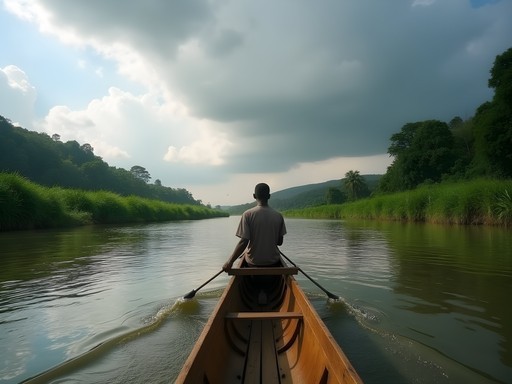
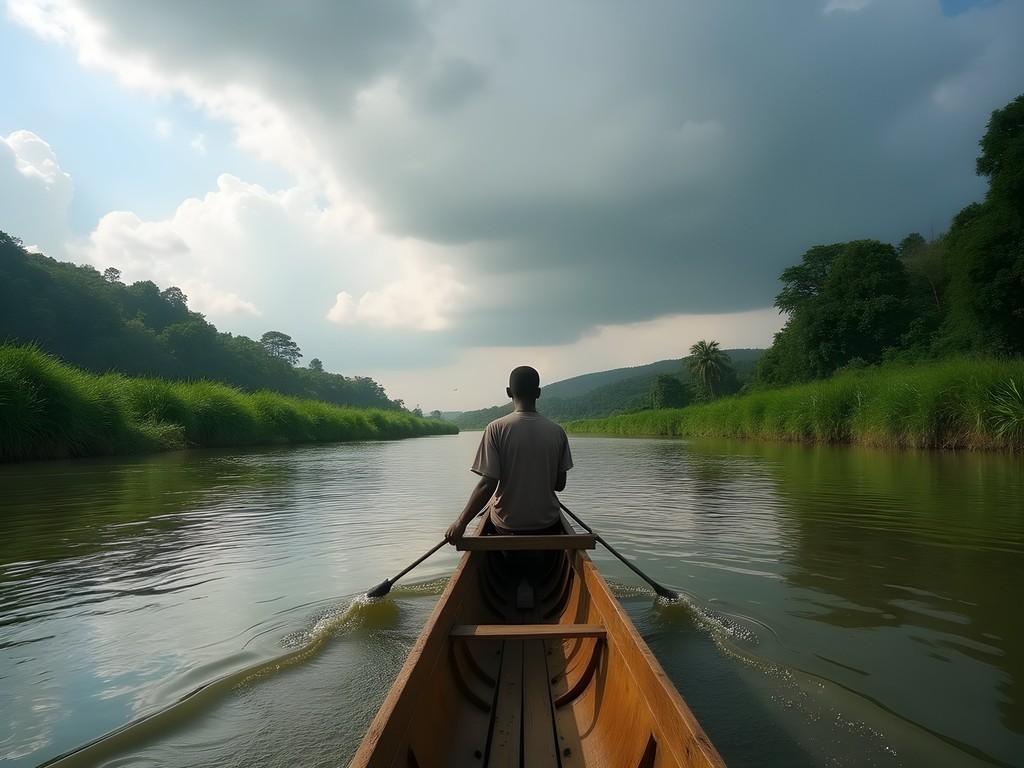
I connected with Mohammed, a local guide who takes visitors on dugout canoe trips along calmer stretches of the river. For about 250,000 Leones (approximately $25 USD), we spent a full day exploring the river ecosystem, stopping at small fishing villages where children waved excitedly at the rare sight of a foreign visitor.
The river itself varies dramatically with the seasons. My winter visit coincided with lower water levels, making for gentler journeys. During the rainy season (May-October), sections become more challenging and potentially dangerous. As someone who has conducted safety inspections for rafting companies across three continents, I noted the absence of formal safety equipment—bring your own life jacket if water activities are on your agenda.
The highlight was undoubtedly our stop at a small riverside diamond mining operation where local miners demonstrated traditional panning techniques. Sierra Leone's diamond history is complex and often troubled, but seeing the careful, artisanal approach of these independent miners offered a perspective rarely covered in Western media.
Birdwatchers will be astounded by the diversity along the riverbanks. I spotted kingfishers, African fish eagles, and numerous species I couldn't identify despite my trusty binoculars that have accompanied me from Mexican horse ranches to German nature reserves. The compact size makes them perfect for river excursions where space is limited.
💡 Pro Tips
- Arrange river excursions through your hotel for added security
- Apply sunscreen generously—the reflection from water intensifies sun exposure
- Bring small denominations of Leones for purchases in riverside villages
Cultural Immersion: Markets, Music & Local Connections
Bo's cultural scene pulses with an authenticity that's increasingly rare in our globalized world. Having grown up between Frankfurt's structured efficiency and the warm community rhythms of my mother's Mexican hometown, I've developed an appreciation for places where tradition and daily life remain intertwined. Bo delivers this experience in abundance.
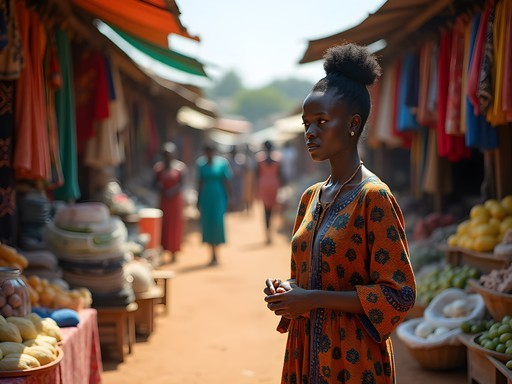
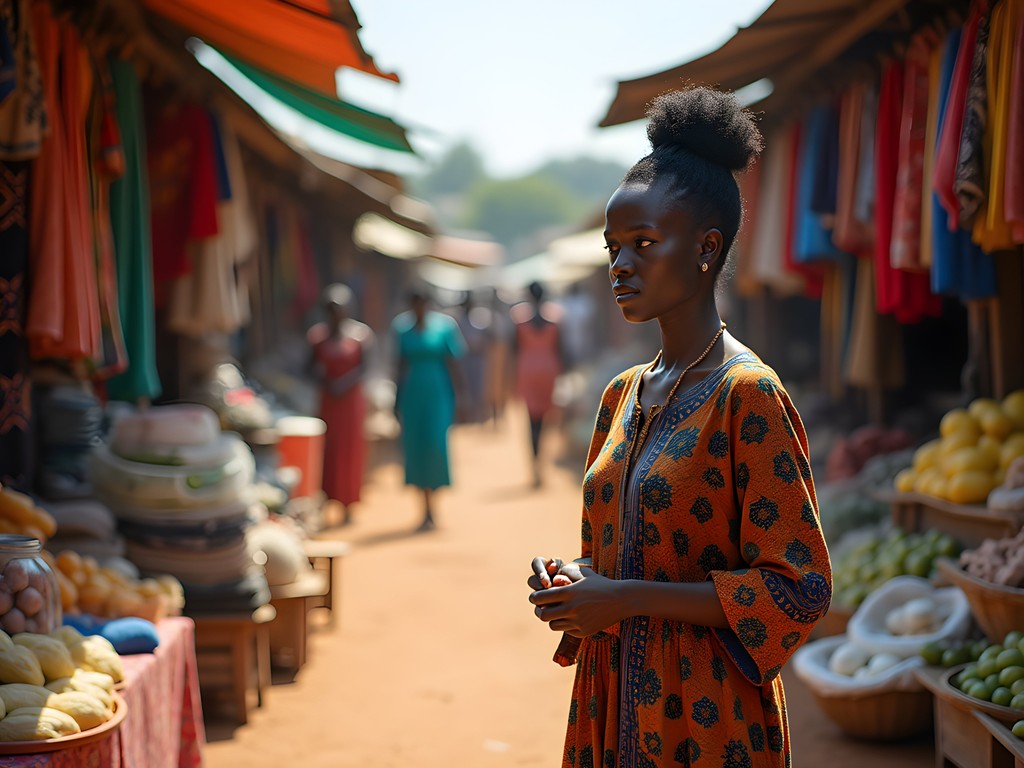
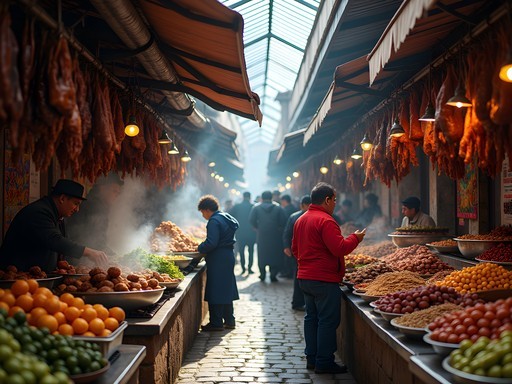
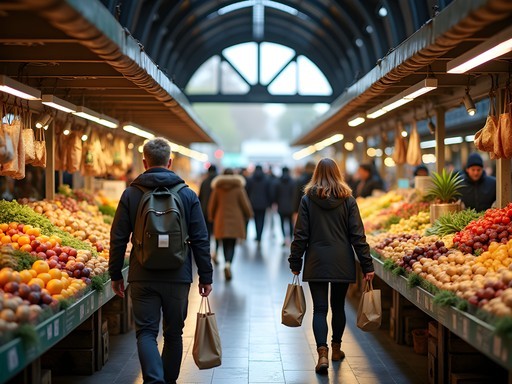
The central market forms Bo's beating heart—a sprawling, colorful maze where everything from handcrafted textiles to electronic goods changes hands. Unlike tourist markets I've encountered elsewhere, Bo's marketplace exists primarily for locals. As a solo female traveler, I felt remarkably comfortable here after establishing some basic rapport with vendors. My technique? Learn numbers in Krio, start with small purchases, and build relationships before negotiating for larger items.
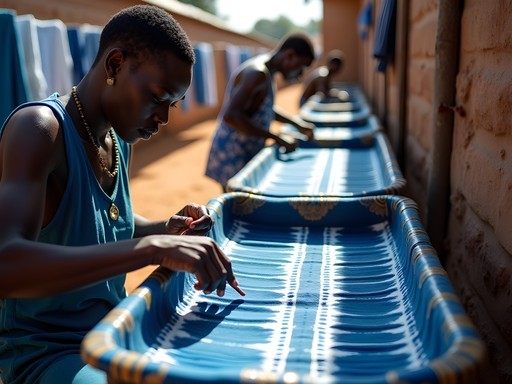
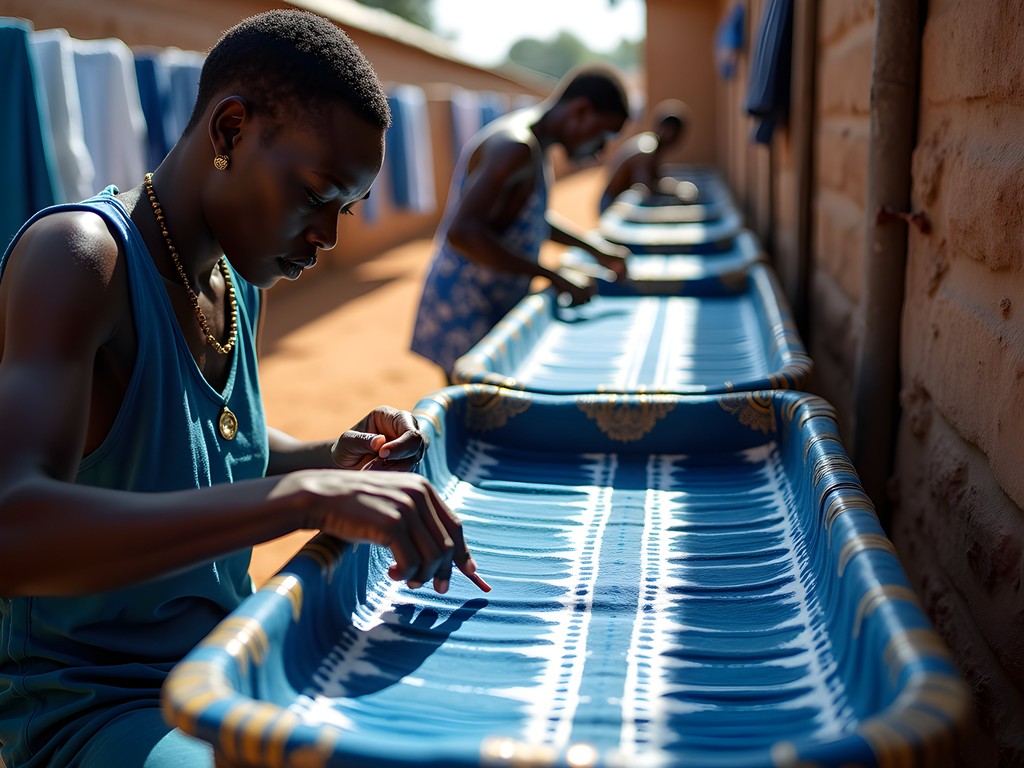
The textile section particularly captivated me, with vibrant gara (tie-dye) fabrics created using techniques passed through generations. For around 100,000 Leones (approximately $10 USD), I commissioned a local tailor to transform a length of indigo-dyed cotton into a custom shirt delivered to my hotel the next day—far more meaningful than any souvenir shop purchase.
Evenings in Bo offer unexpected cultural richness. Small outdoor bars feature live music several nights weekly, particularly near the Independence Square area. These gatherings blend traditional instruments with contemporary beats in a distinctly Sierra Leonean fusion. Order a Star beer (the local brew) and you'll likely find yourself in conversation with residents curious about your journey to their city.
For deeper cultural insights, I visited the Bo Peace Museum—a modest but powerful collection documenting the region's recovery from civil war. The curator, Mr. Kallon, offers deeply personal tours that provide context impossible to glean from guidebooks or online research. The museum operates on donations, and 5,000-10,000 Leones is appropriate.
💡 Pro Tips
- Visit markets early morning (7-9am) for the freshest produce and least crowded experience
- Ask permission before photographing people—a small token of appreciation may be expected
- Seek out community radio stations—they often welcome visitors and provide fascinating insights into local issues

Day Trips: Diamond Fields & Rural Villages
Bo's surrounding region offers fascinating day excursions that provide context to Sierra Leone's complex history and vibrant present. As someone who regularly seeks connections between landscapes and cultural stories, these journeys beyond city limits were essential to understanding Bo's place in Sierra Leone's narrative.
The alluvial diamond fields near Tongo, about an hour's drive from Bo, offer a sobering yet educational experience. Unlike my spontaneous encounter on the Sewa River, this was a structured visit arranged through my hotel. A local guide named Ibrahim, himself a former miner, explained the labor-intensive process of diamond extraction and the economic realities facing mining communities. The visit costs around 500,000 Leones ($50 USD) including transportation, with proceeds supporting community development.
The landscape—pockmarked with small mining operations—tells the story of Sierra Leone's resource wealth and the complex challenges it presents. My safety inspector's eye noticed the precarious working conditions, yet also the organized systems communities have developed to manage these operations. This isn't poverty tourism; it's an opportunity to understand an industry that has shaped Sierra Leone's history for better and worse.
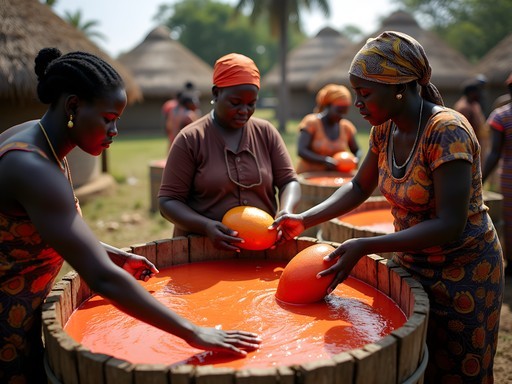
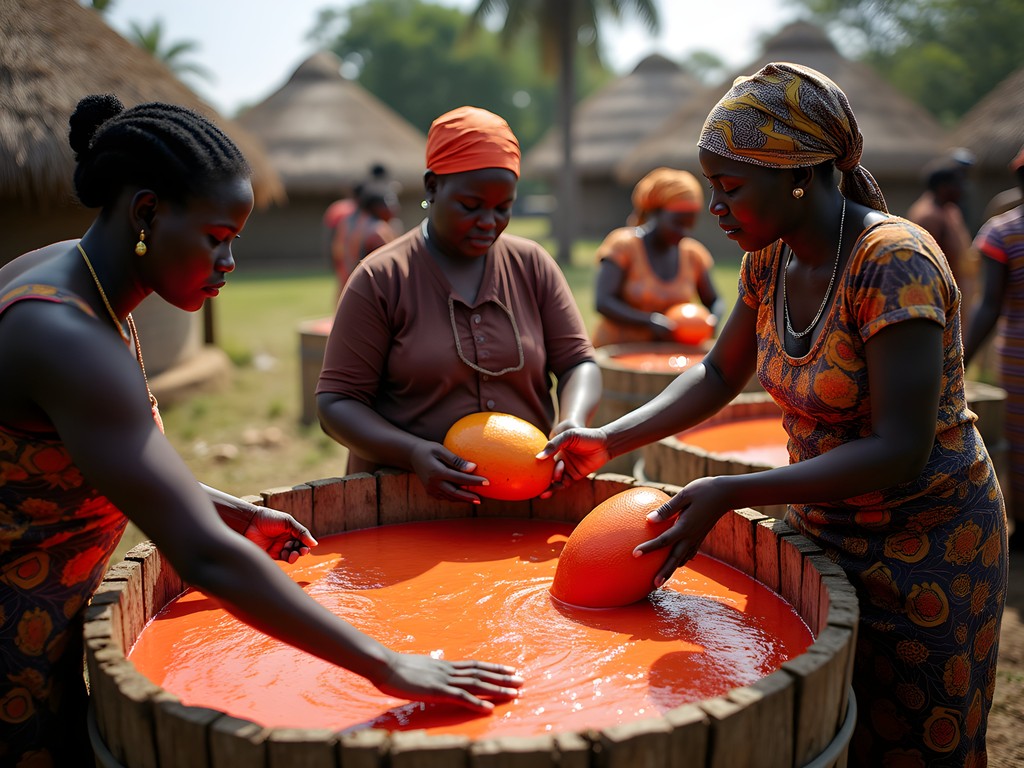
For a completely different experience, I spent a day visiting rural villages in Bo District where agricultural traditions continue largely unchanged for generations. Through a community tourism initiative, I connected with a women's cooperative in Yamandu village that produces palm oil using traditional methods. For about 150,000 Leones ($15 USD), you can participate in a full-day experience including transportation from Bo.
The bumpy journey requires comfortable footwear—my hiking sandals proved perfect for navigating varied terrain while remaining breathable in the heat. Their quick-drying feature was particularly valuable when crossing small streams between villages.
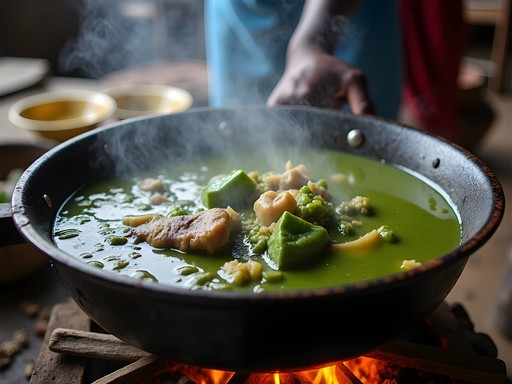
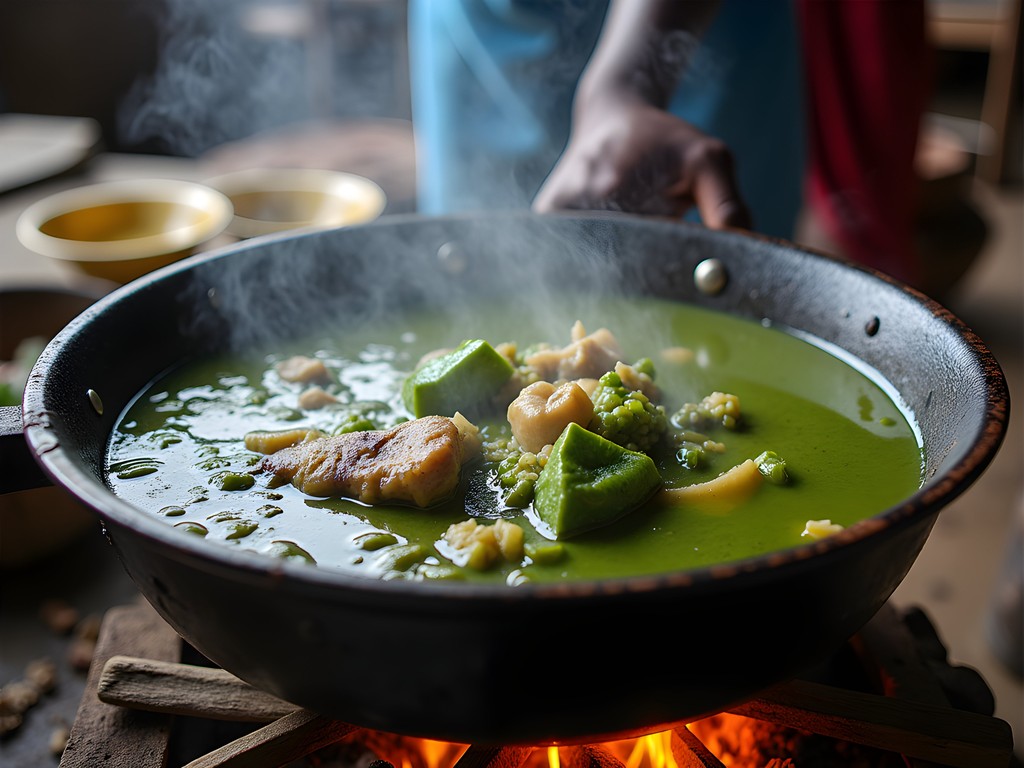
In these rural communities, I was reminded of my grandmother's village in Mexico—places where hospitality transcends material wealth. Sharing a simple meal of cassava leaf stew and rice with a local family created connections that no luxury travel experience could match.
💡 Pro Tips
- Bring small, useful gifts like school supplies or first aid items when visiting rural communities
- Dress modestly when visiting villages—covered shoulders and knees show respect
- Ask your hotel to arrange transportation with reliable drivers who know rural routes
Food & Drink: Navigating Bo's Culinary Scene Safely & Deliciously
My dual heritage has gifted me with both an adventurous palate and a practical approach to food safety—a particularly useful combination in Bo, where culinary delights abound alongside legitimate hygiene considerations. Vorsicht ist besser als Nachsicht (caution is better than hindsight), as my German father would say.
Street food in Bo offers incredible flavors at unbeatable prices. The area around Fenton Road features vendors selling akara (black-eyed pea fritters) and foo-foo (fermented cassava dough) with various sauces. My safety inspector habits led me to observe food preparation carefully—I recommend patronizing stalls with high turnover and visible cooking processes.
For reliable meals with minimal risk, Lebanese-run restaurants offer a fascinating culinary fusion that reflects Sierra Leone's diverse influences. Mariama's Restaurant near Independence Square serves excellent cassava leaf stew with rice for around 50,000 Leones ($5 USD). Their groundnut (peanut) soup rivals versions I've tried across West Africa.
Hydration requires thoughtful planning in Bo. I relied heavily on my water purifier throughout my stay. The integrated filter eliminated concerns about water quality while reducing plastic waste from purchased bottles—a win for both safety and sustainability.
For a truly local dining experience, I recommend the evening fish barbecue along Bojon Street. Freshly caught fish from the Sewa River is grilled over open flames and served with a fiery pepper sauce and rice. At approximately 70,000 Leones ($7 USD) for a complete meal, it's both delicious and economical.
Bo's nightlife centers around palm wine bars where this mildly fermented beverage (tapped directly from palm trees) brings communities together. The Kortuma Road area features several establishments where 10,000 Leones ($1 USD) buys a calabash of fresh palm wine. The slightly sweet, milky liquid is an acquired taste but offers cultural immersion alongside refreshment. Just remember it's stronger than it tastes—pacing is essential!
💡 Pro Tips
- Look for restaurants with separate hand-washing stations—a good indicator of hygiene awareness
- Try palm wine early in the day when it's freshest and least fermented
- Carry rehydration salts as a precaution against dehydration in Bo's heat
Final Thoughts
As my week in Bo drew to a close, I found myself reluctant to leave this city that offers such authentic connections. In a world where destinations increasingly cater to Instagram opportunities rather than genuine experiences, Bo remains refreshingly real—challenging at times, but immensely rewarding. The lack of tourism infrastructure that might deter some travelers is precisely what preserves Bo's authentic character. For solo travelers willing to embrace flexibility and cultural immersion, Bo offers insights into Sierra Leone that go far beyond typical narratives. Whether you're navigating the Sewa River's gentle currents, haggling for textiles in the central market, or sharing palm wine with new friends, Bo rewards those who approach travel as a dialogue rather than consumption. Bis zum nächsten Abenteuer—until the next adventure!
✨ Key Takeaways
- Bo offers authentic cultural immersion without the tourist crowds found in more established destinations
- Advance preparation regarding cash, water purification, and transportation will significantly enhance your experience
- Building relationships with locals provides access to experiences no guidebook could document
📋 Practical Information
Best Time to Visit
November-April (dry season)
Budget Estimate
$30-50 USD daily for budget travelers
Recommended Duration
4-7 days
Difficulty Level
Intermediate
Comments
Megan Martin
For anyone planning to visit Bo, I'd recommend learning about Sierra Leone's recent history before going. Understanding the civil war context and recovery efforts gives you a deeper appreciation for the resilience you'll witness. The Peace Museum in Freetown is worth visiting before heading to Bo. Also, bringing photos from your home country is a wonderful conversation starter with locals - I found people were genuinely curious about where I came from.
tripstar
How's the internet in Bo? Need to be able to work a bit while traveling!
Jennifer Rodriguez
It's spotty but workable! I got a local Orange SIM card for hotspot - much more reliable than wifi at accommodations. The coffee shop near the main roundabout had decent wifi too.
adventureguy
Just got back from Sierra Leone last month! If anyone's planning to visit Bo, the guesthouse near the university is clean, affordable and the owner Joseph is super helpful with arranging trips. The Sewa River boat tour was definitely a highlight for me too. Just remember to bring enough cash as ATMs can be unreliable outside Freetown.
tripstar
Thanks for the ATM tip! Would've totally overlooked that.
Jean Wells
Jennifer, your section on the Sewa River really resonated with me. I spent three weeks in Sierra Leone back in 2019, though I stayed primarily in Freetown. Reading this makes me realize I missed out on what sounds like a more genuine experience. Your point about the markets being the real cultural heart of Bo is spot-on—I've found this to be true across West Africa. The informal economy tells you so much more about daily life than any museum could. Did you find language barriers significant outside of the main commercial areas? My limited Krio got me surprisingly far in Freetown, but I'm curious how it worked in Bo's more rural day trip destinations.
Jennifer Rodriguez
Jean! Great question. Krio worked well in Bo itself, but in the villages I visited, having a local guide was really helpful. Many people spoke Mende primarily. The hospitality made up for any language gaps though!
travelclimber
Those river photos are stunning! Added to my list!
Sage Dixon
Jennifer, your post took me right back to my own unexpected adventure in Sierra Leone three years ago! I stumbled into Bo after a transportation mishap and ended up staying for four days. That market you mentioned - Coronation Market - was a sensory explosion! I still remember buying fresh mangoes there that tasted like nothing I'd had before. Did you get a chance to try the cassava leaf stew at any of the local spots? There was this tiny restaurant near the central roundabout that served the most amazing version with groundnuts. Your section on the diamond fields day trip has me planning a return to explore what I missed!
Jennifer Rodriguez
Sage - YES! The cassava leaf stew was incredible. I probably ate it every other day. Was the restaurant you mentioned called Mama's Place by any chance? That was my go-to spot!
Sage Dixon
That's exactly it - Mama's Place! Can't believe you found it too. Her groundnut soup was also amazing. Some places just have that special magic.
islandperson
Never even heard of Bo before this. Looks amazing!
Jean Wells
It really is off the beaten path. I think that's what makes it so special—you get such authentic interactions when you're not in the typical tourist circuits.
islandperson
Is it safe to travel solo there?
moonlegend
How did you handle the language barrier in Bo? Was English enough to get by or did you need to learn some local phrases?
Jennifer Rodriguez
English is the official language, so I could communicate with most people in Bo, especially younger folks. Learning a few Krio phrases really helped break the ice though! 'Kusheh' (hello) and 'tenki' (thank you) go a long way!
Hunter Thompson
This is EXACTLY the kind of place I'm always searching for! I backpacked through West Africa last year but completely missed Bo - major regret now! Your section on the Sewa River activities has me planning a return trip. Did you feel safe traveling solo there? The local transport situations in smaller West African cities can be challenging but often lead to the best stories and connections.
Jennifer Rodriguez
Thanks Hunter! I did feel safe as a solo female traveler, though I always took standard precautions. The motorcycle taxis were actually super convenient for getting around Bo. Everyone I met was incredibly welcoming!
tripstar
Hunter do you have any recommendations for first-timers to West Africa? I'm intimidated but really want to go!
Hunter Thompson
Tripstar - start with Ghana or Senegal for easier entry points! Sierra Leone is amazing but slightly more challenging logistically. My travel journal was essential for noting down local contacts and recommendations!
sunsetmaster
Wow! Sierra Leone has been on my bucket list forever but I never considered Bo! Thanks for shining light on places beyond the usual spots!
Venture X
Premium card with 2X miles, $300 travel credit, Priority Pass