

Disclosure: This article contains affiliate links. We may earn a commission from purchases at no extra cost to you, which helps our travel content.
The sky above Maracaibo breaks into a supernatural light show almost every night – a meteorological miracle called Catatumbo Lightning that's visible from space. It's like Mother Nature's own music festival, with thunderbolts as the bass drops. When I ditched my finance spreadsheets for weather maps two years ago, this phenomenon topped my must-see list. Venezuela might raise eyebrows on your travel radar – economic turbulence, safety concerns, and travel advisories create a perfect storm of hesitation. But beyond the thunderheads of negative press lies a city where the warmth of locals rivals their tropical climate. After spending a week navigating Maracaibo's vibrant streets during last December's relatively cooler season, I'm here to give you the unfiltered forecast on this misunderstood destination. Pack light, stay alert, and prepare for a cultural immersion that defies expectations – this is Maracaibo beyond the warnings.

Weather Patterns & Planning Your Visit
Maracaibo sits in Venezuela's meteorological pressure cooker – a city where the thermometer rarely shows mercy. Average daily temperatures hover around 88°F (31°C) year-round, but December through February offers slightly less punishing conditions. I timed my visit for early December, when humidity temporarily retreats like a spent thundercloud.
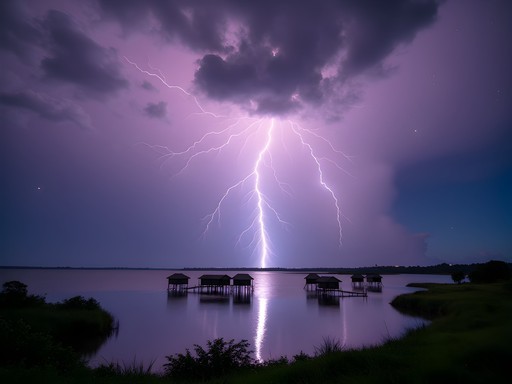
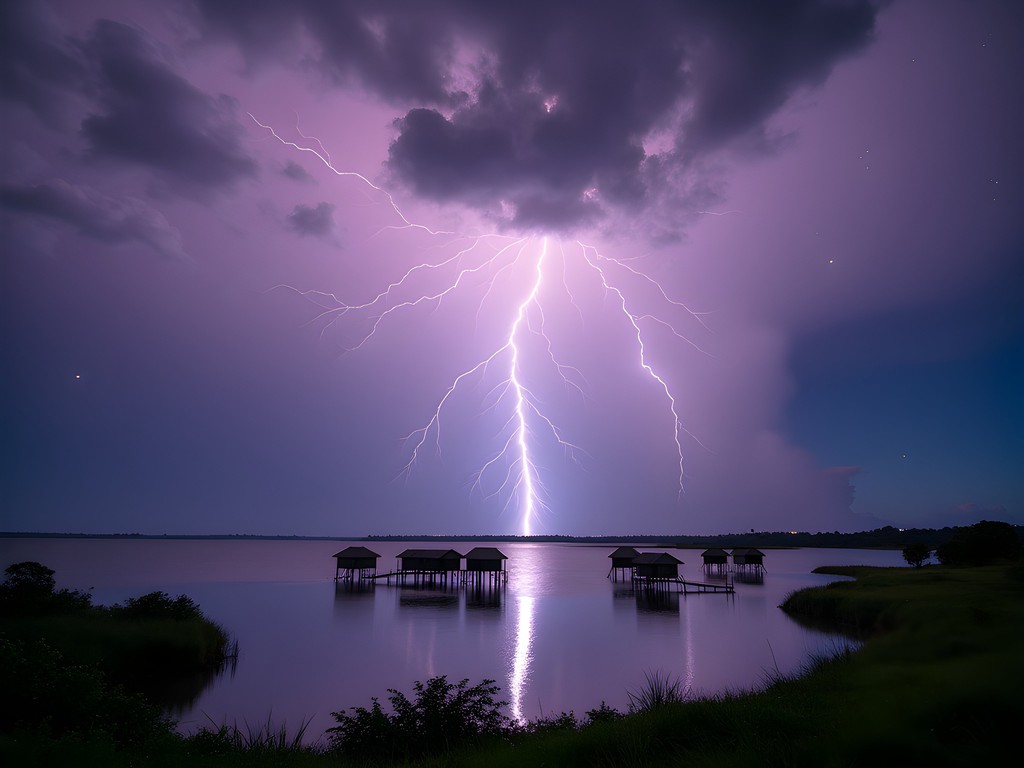
The real weather headliner here is the Catatumbo Lightning, a atmospheric phenomenon where lightning strikes continuously for up to 10 hours a night, 140-160 nights per year, creating up to 280 strikes per hour. This electrifying display happens where the Catatumbo River meets Lake Maracaibo, about 60 miles southwest of the city. The science behind it? Warm lake water meets cool mountain air, creating perfect storm conditions.
Visiting during Venezuela's dry season (December-April) increases your chances of witnessing this meteorological concert without the encore of torrential downpours. I spent three nights camping near Congo Mirador, a palafito (stilt house) village, to photograph the lightning. Bring a reliable weather-resistant camera bag to protect your gear from sudden showers that can materialize faster than a key change in a salsa song.
Despite being near the equator, evenings can feel surprisingly cool when lake breezes kick in. Layer accordingly, and remember that weather here changes like festival headliners – unexpectedly and dramatically.
💡 Pro Tips
- Book Catatumbo Lightning tours through local operators in Maracaibo rather than online for better prices (I paid 40% less)
- Visit December-April for optimal lightning viewing conditions with less rain interference
- Bring UV protection – the Venezuelan sun is merciless, and sunburn can happen faster than a thunderclap
Navigating Maracaibo Safely & Affordably
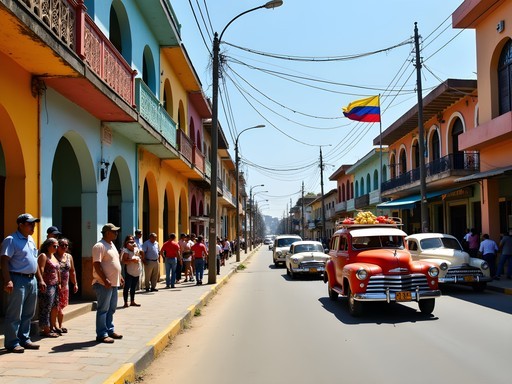
Let's address the thundercloud in the room: Venezuela's economic situation has created legitimate safety concerns. Maracaibo isn't immune, but with street-smart precautions, you can navigate this city without becoming a cautionary travel tale.
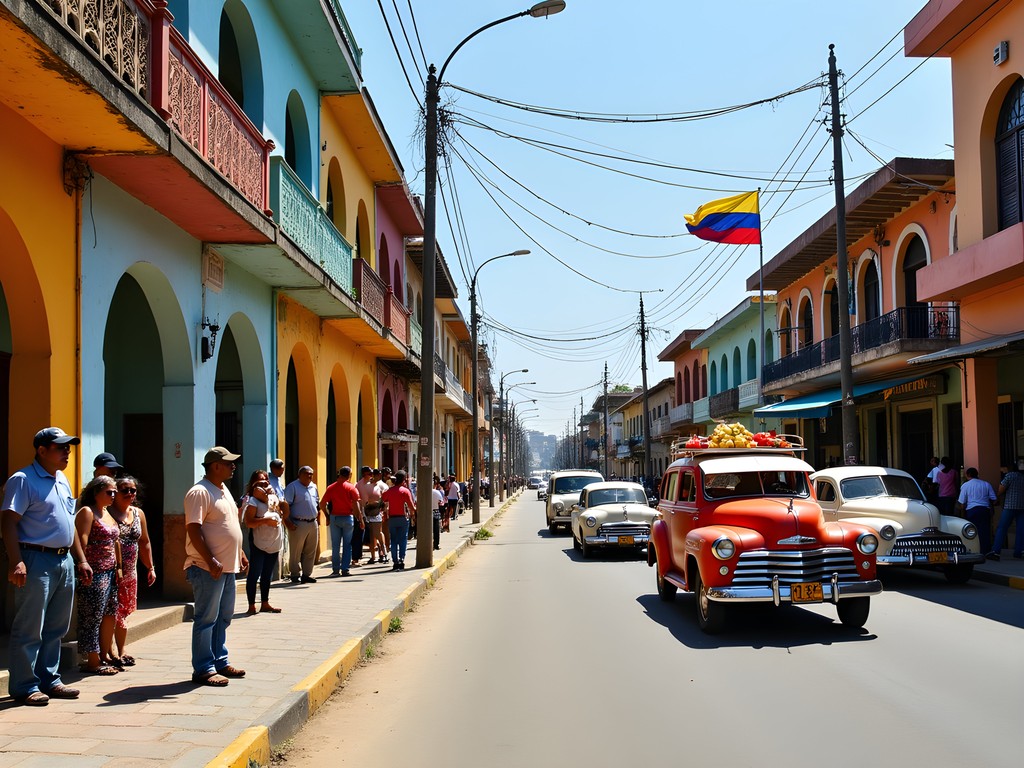
First, transportation. Forget rideshare apps – they're as rare as rain in a drought here. Local buses (carritos) run on unpredictable schedules and fixed routes. They're dirt cheap (literally cents) but crowded like a front-row mosh pit. For safety and convenience, I primarily used radio taxis arranged through my hostel. A 20-minute ride typically cost me about $5-8 USD equivalent in bolivars.
Speaking of currency – Venezuela's hyperinflation creates a financial forecast more unpredictable than a tornado. The official exchange rate is virtually meaningless. Most transactions happen in USD cash (bring small denominations) or by card in tourist establishments. I exchanged minimal amounts of bolivars for small purchases, keeping most of my cash hidden in a money belt worn under my clothes.
Accommodation-wise, I stayed at Maracaibo Backpackers Hostel near Plaza de la República, paying around $15/night for a basic private room with cold-water showers (welcome in this climate). The owner, Miguel, provides invaluable safety advice and can arrange trusted drivers.
Don't flash valuables, avoid night wandering, and keep your meteorological wits about you – situational awareness here is as essential as sunscreen. The city operates on a different rhythm than the travel brochures suggest, but that's precisely what makes it fascinating.
💡 Pro Tips
- Carry only the cash you need for the day, preferably in a hidden money belt
- Use USD for most transactions and only exchange small amounts to bolivars
- Make photocopies of your passport and keep the original locked in your accommodation safe
Local Cuisine: Maracaibo's Flavor Forecast
Maracaibo's culinary landscape is as bold and unexpected as its lightning storms. The city's proximity to Lake Maracaibo ensures fresh seafood features prominently, often prepared with techniques that blend indigenous, African, and European influences.
Start your gastronomic exploration with patacones (fried plantain sandwiches) – Maracaibo's signature street food. These crispy, savory creations use flattened plantains instead of bread, stuffed with shredded beef, chicken, or cheese. The best I found were at a tiny stall near the Basílica de Nuestra Señora del Rosario de Chiquinquirá, where $2 bought a patacón large enough to fuel a storm chaser through a long night.
For the full Maracaibo experience, brave the mandoca – a ring-shaped corn fritter mixed with plantains and deep-fried to golden perfection. They're typically served for breakfast with nata (clotted cream) and queso de mano (hand cheese). The sweet-savory combination hits your taste buds like a lightning strike.
The crown jewel of Maracucho cuisine is undoubtedly el pastel de chucho – a rich stingray stew that sounds bizarre but tastes magnificent. Restaurant El Chucho y El Cachaco near Plaza Baralt serves the city's best version for about $7.
Hydration is crucial in this climate. I carried my trusty water bottle everywhere, which let me safely filter local water rather than contributing to plastic waste. For a local refreshment, nothing beats fresh coconut water sold from street carts for about 50 cents – nature's electrolyte replacement after sweating through Maracaibo's heat.

💡 Pro Tips
- Eat patacones where locals gather – the busiest stalls usually have the freshest ingredients
- Try the mandoca for breakfast at Café del Lago near the waterfront for authentic flavor
- Ask for your food 'not too spicy' (no muy picante) unless you're prepared for serious heat

Cultural Rhythms: Music & Festivals
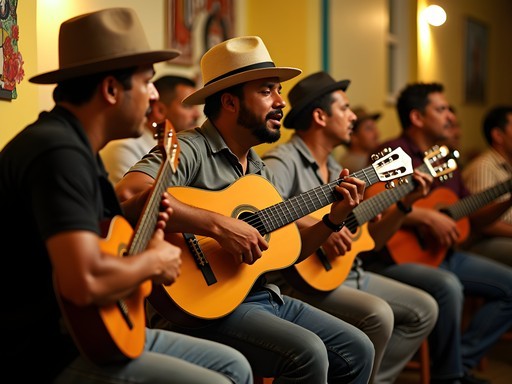
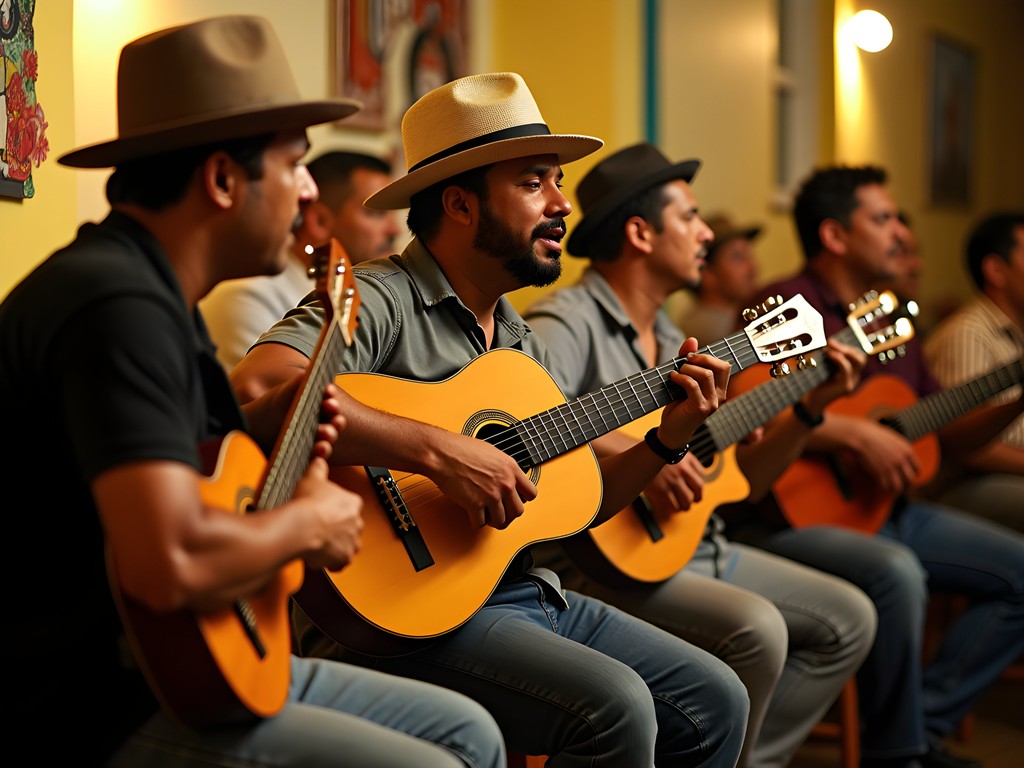
If Maracaibo's weather patterns create the city's backdrop, its music provides the soundtrack. The city pulses with gaita zuliana – a folk genre unique to Zulia state that's as essential to local identity as the lightning is to Lake Maracaibo.
My visit coincided with the Feria de La Chinita in mid-November, a massive celebration honoring the city's patron saint that transforms Maracaibo into Venezuela's largest block party. The festivities blend religious processions with all-night gaita concerts where traditional instruments like the cuatro (small guitar), tambora (drum), and furruco (friction drum) create rhythms as unpredictable as the region's weather patterns.
For year-round music, head to the bohemian district near Bella Vista where bars like La Vaca Negra and Gaita House showcase live gaita performances most weekends. Cover charges rarely exceed $5, and the energy inside rivals any thunderstorm. I spent an unforgettable night at La Vaca Negra where three generations of gaiteros performed until dawn, demonstrating how this music serves as cultural lightning rods during difficult times.
Bring your portable recorder if you're a music enthusiast – many performers are happy to have their music recorded if you ask respectfully. I captured several impromptu performances that now serve as my personal soundtrack to Maracaibo memories.
During December, watch for parrandas – roving groups of musicians who perform house-to-house, collecting food and drinks in exchange for holiday gaitas. These organic musical gatherings embody Venezuelan resilience – finding joy and community despite economic pressures.
💡 Pro Tips
- Visit during November for the Feria de La Chinita to experience Maracaibo's biggest cultural celebration
- Learn basic gaita rhythmic clapping patterns to participate in impromptu music sessions
- Ask permission before recording musicians, then offer to share the recordings via WhatsApp
Beyond the City: Lake Maracaibo Adventures
Lake Maracaibo isn't just the lightning capital of the world – it's a complex ecosystem where water, weather, and human life create fascinating intersections. Venture beyond city limits to discover the lake's most compelling stories.
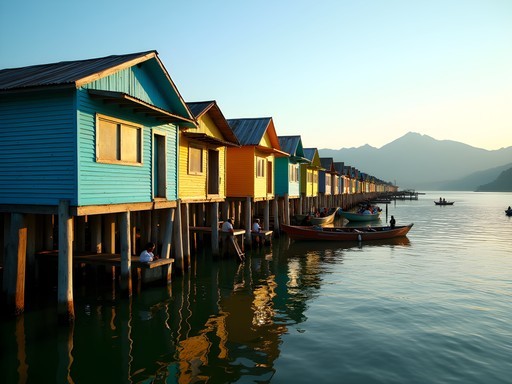
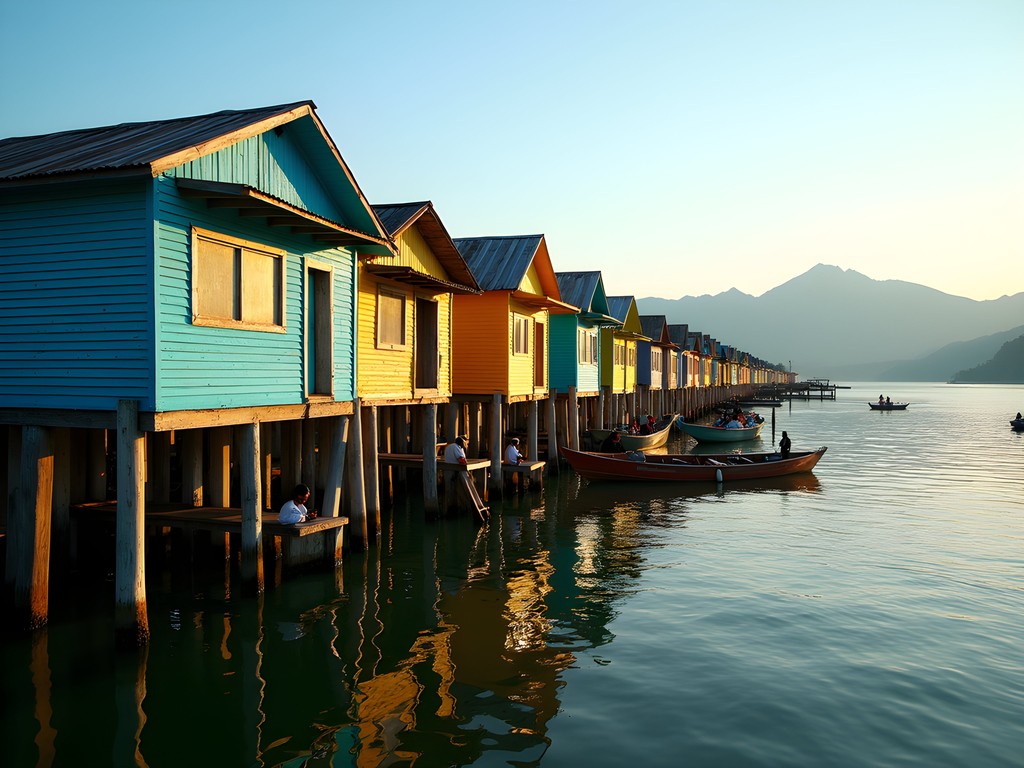
The palafitos (stilt villages) scattered across the southern lake region offer glimpses into centuries-old adaptations to life on water. Congo Mirador, once a thriving fishing community of colorful houses on stilts, has sadly seen most residents leave due to economic hardship and sedimentation issues. However, a handful of families remain, welcoming respectful visitors who arrive by boat.
I arranged a three-day excursion through my hostel (about $150 all-inclusive) that combined lightning viewing with visits to remaining palafito communities. Accommodations were basic – hammocks under thatched roofs – but the experience was worth every minor discomfort. Bring a dry bag to protect electronics and documents from the omnipresent moisture.
The western shore of Lake Maracaibo reveals another surprise: Venezuela's own mini-desert. The Médanos de Coro National Park features massive sand dunes that shift with seasonal winds, creating an otherworldly landscape where desert meets tropical vegetation. Day trips from Maracaibo can be arranged for around $40.
For wildlife enthusiasts, the lake's northern reaches harbor mangrove forests where howler monkeys, caimans, and hundreds of bird species create a cacophony as impressive as any thunderstorm. Local fishermen often moonlight as guides, offering tours for negotiable rates – I paid $25 for a half-day exploration that included a simple fish lunch caught and prepared by our guide.
💡 Pro Tips
- Book lake excursions through established hostels rather than random tour operators for better safety and ethics
- Bring insect repellent with DEET – mosquitoes around Lake Maracaibo are as relentless as the lightning
- Support remaining palafito communities by purchasing handicrafts and locally-produced goods
Final Thoughts
Maracaibo exists in a fascinating state of meteorological and cultural flux – where lightning illuminates both sky and spirit, where economic storms haven't extinguished local warmth. This isn't a destination for travel novices or those seeking comfort, but for weather-chasers and cultural explorers willing to navigate complexity, few places offer such raw authenticity. The lightning may draw you initially, but Maracaibo's human connections will create the lasting impressions. Like any powerful weather system, this city leaves you changed – more aware of both nature's spectacular force and human resilience in its face. If you decide to venture beyond the travel warnings, move with respect, curiosity, and appropriate caution. The forecast for memorable experiences? One hundred percent, with occasional moments of pure magic.
✨ Key Takeaways
- Visit December-April for optimal Catatumbo lightning viewing with less rainfall
- Prepare for Venezuela's economic realities by bringing USD cash and understanding safety precautions
- Connect with local music traditions to experience authentic cultural resilience
- Support remaining lake communities through ethical tourism practices
📋 Practical Information
Best Time to Visit
December through April (dry season)
Budget Estimate
$30-50 USD per day excluding tours
Recommended Duration
5-7 days
Difficulty Level
Challenging

Comments
Casey Andersson
The Catatumbo Lightning has been on my bucket list forever! I love how you've balanced the practical safety advice with genuine enthusiasm for the destination. Too many travel writers either ignore the challenges or make places sound impossible to visit. Venezuela has such rich culture that deserves more nuanced coverage. The way you described the music festivals made me want to time my visit around one. Did you experience any of the gaita music scene firsthand?
escapestar
Great guide! I visited Maracaibo twice and your section on local transportation is spot on. The por puesto system seems chaotic at first but it's actually brilliant once you understand it. I'd add that learning some basic Spanish phrases goes a LONG way - English is pretty rare outside tourist areas. The street food scene is incredible and dirt cheap. Had the best empanadas of my life from a cart near the Basilica.
oceanlife
Going there next month! Any other tips not in the article?
escapestar
Download offline maps before you go. Cell service can be spotty and having GPS saved me multiple times. Also bring a power bank because power outages happen.
Riley Griffin
Landon, this is fantastic! We took our kids (ages 9 and 12) to Lake Maracaibo two years ago and it remains one of our most memorable family trips. The lightning was mesmerizing - our daughter still talks about it. We stayed in a small guesthouse run by a local family who made the best arepas we've ever had. One tip for families: bring cash in small denominations and patience. Infrastructure can be challenging but the cultural experience is worth every moment. The music festivals you mentioned are so vibrant and family-friendly too.
smartbuddy
This is really helpful! If you went with kids it can't be that bad safety-wise.
springclimber
What about the food section - where exactly can I find authentic patacones? Are there specific neighborhoods you'd recommend?
smartbuddy
Is it safe for solo travelers? I've been wanting to go but all the travel warnings have me nervous. What did you actually experience on the ground?
Casey Andersson
I haven't been to Maracaibo specifically, but I spent time in other parts of Venezuela last year. Stay aware, don't flash valuables, and connect with local guides. The people are incredibly warm once you're there. The media paints a different picture than reality in most places.
greenmate
Really cool post, thanks for sharing!
photomood
The lightning thing sounds incredible! How many nights did you actually see it? I've heard it can be unpredictable even though it happens so often.
escapestar
Not the author but I was there in Sept 2025 and saw it 4 out of 5 nights. Absolutely wild experience, like nothing else.
adventurevibes
That shot of the lightning over the lake is incredible! What camera settings did you use?
Nicole Russell
Landon, thank you for highlighting the beauty of Maracaibo beyond the headlines! I spent two weeks there in March and was blown away by the gastronomic scene. Everyone talks about patacones (for good reason!) but the seafood was incredible too. There's this little place called El Ancla near the lake that serves the most amazing crab empanadas I've ever tasted. Also, for anyone planning to visit, the local markets are fascinating but can be overwhelming - I joined a cooking class through my hostel that included a market tour, which was perfect for understanding local ingredients and customs without feeling lost. The Catatumbo lightning was the highlight though - absolutely magical and worth planning your trip around!
Venture X
Premium card with 2X miles, $300 travel credit, Priority Pass