
Disclosure: This article contains affiliate links. We may earn a commission from purchases at no extra cost to you, which helps our travel content.
There's something deeply revealing about how a city approaches its coffee. As someone who's structured investment meetings around café visits in 30+ countries, I've found that coffee culture offers a fascinating lens into local values, pace of life, and creative expression. My recent two-week exploration of Melbourne and Shanghai—cities that couldn't be more different yet share a profound reverence for the bean—left me with a sensory journal of contrasts and unexpected parallels. Melbourne's coffee scene feels like a well-curated gallery exhibition: confident, established, with an underlying rebellious streak. Shanghai's, meanwhile, emerges like an ambitious architectural project: rapidly evolving, blending tradition with startling innovation. Both cities have transformed coffee from mere morning necessity into cultural cornerstone, though they've arrived at this juncture via dramatically different pathways. Let me walk you through what makes each unique, where they intersect, and how you can experience the best of both worlds—whether you're a serious coffee enthusiast or simply appreciate how a good cup anchors your travel day.

Melbourne: Where Coffee is Religion
Melbourne doesn't just have a coffee culture—it has a coffee identity. This is a city where baristas are treated with the reverence usually reserved for sommeliers, and where café openings generate the buzz of gallery exhibitions. What struck me immediately was how democratized quality coffee has become here; excellence isn't the exception but the expectation.
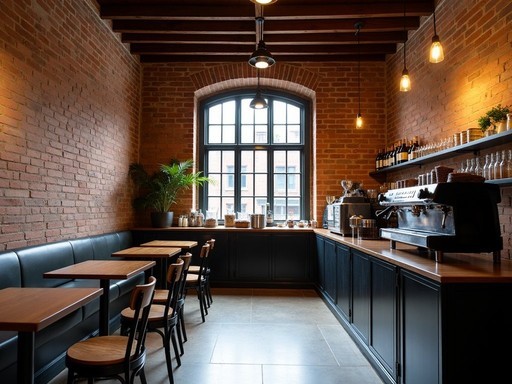
My mornings in Fitzroy began with ritual visits to Industry Beans, where the roasting happens on-site in a warehouse conversion that perfectly captures Melbourne's industrial-chic aesthetic. The coffee menu reads like a wine list, with tasting notes, origin stories, and processing methods meticulously documented. When I asked my barista about the Ethiopian Yirgacheffe's distinctive floral notes, he launched into a ten-minute discourse on elevation, varietal specifics, and how the beans were washed—all delivered with genuine enthusiasm rather than pretension.
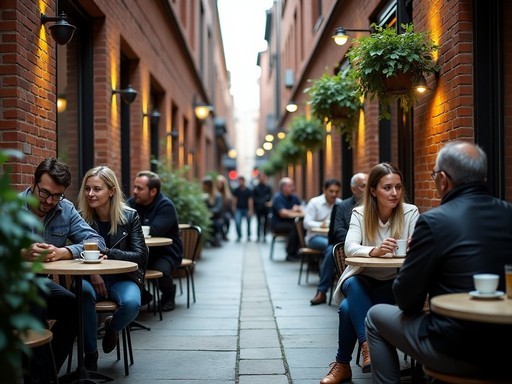
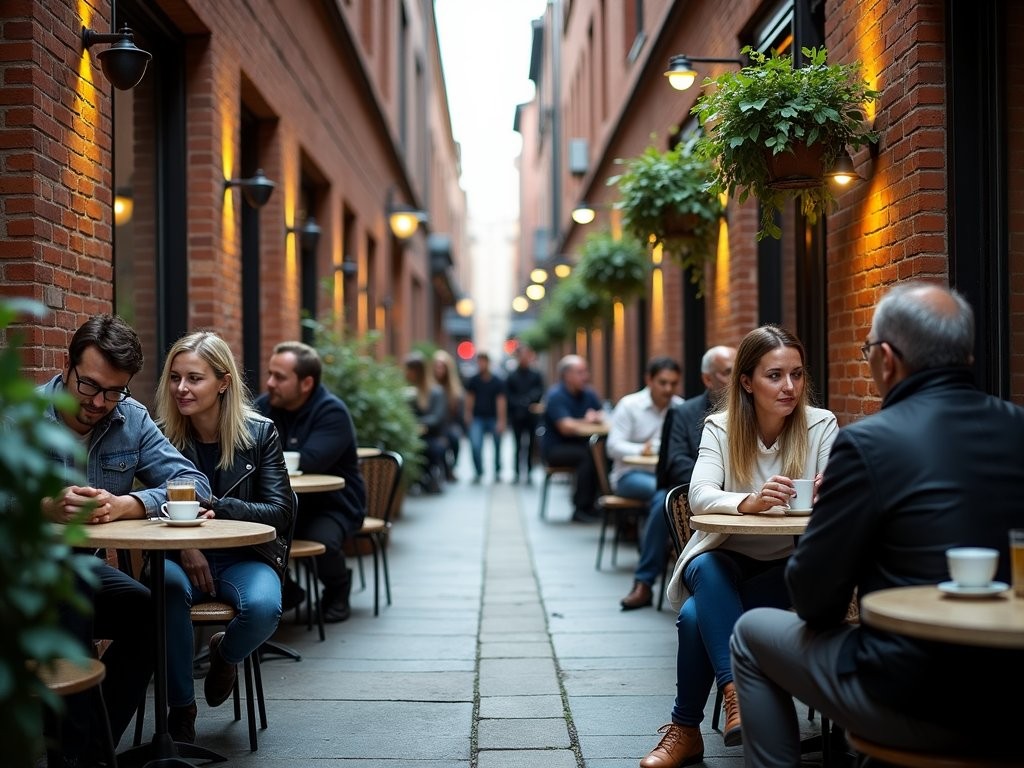
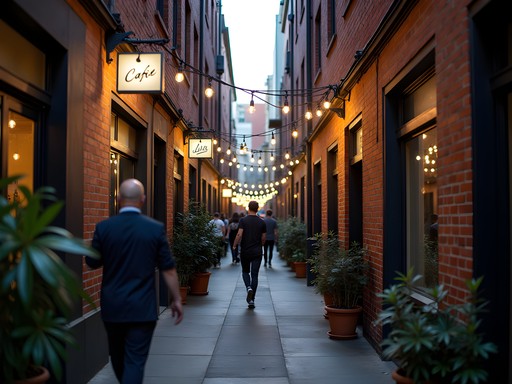
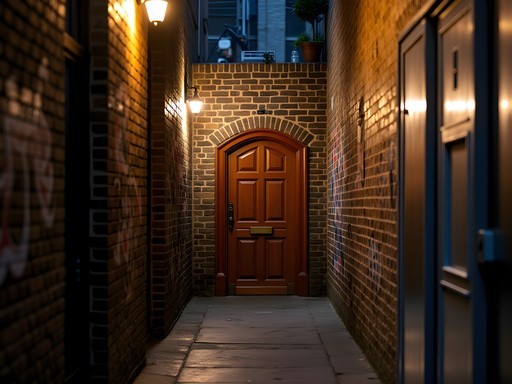
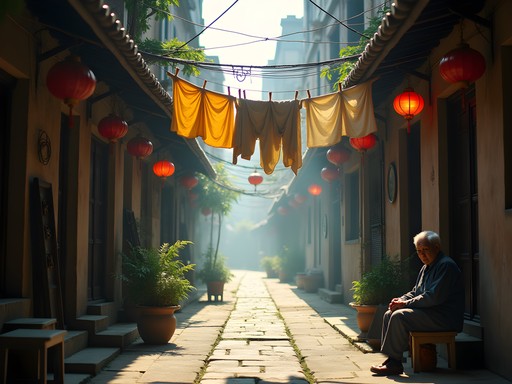
What sets Melbourne apart is its laneway coffee culture. These narrow passages between main streets have transformed into incubators for coffee innovation. Patricia Coffee Brewers, tucked away in a literal hole-in-the-wall downtown, exemplifies this phenomenon—standing room only, minimalist menu, absolute perfection in execution. I watched suited executives happily queue alongside university students, all participating in this daily ritual.
The Melbourne coffee lexicon requires study. Order a 'flat white' (the city claims to have invented it, though New Zealanders might disagree), a 'magic' (double ristretto with steamed milk), or a 'long black' (similar to an Americano, but with different preparation). Melburnians take these distinctions seriously.
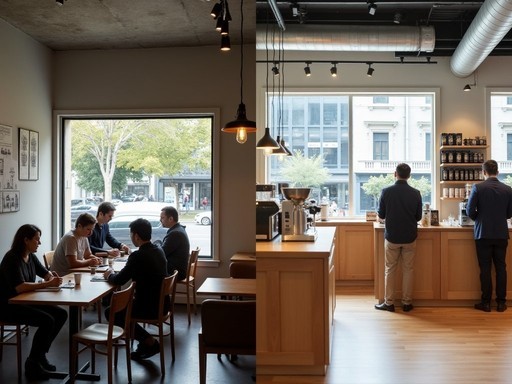
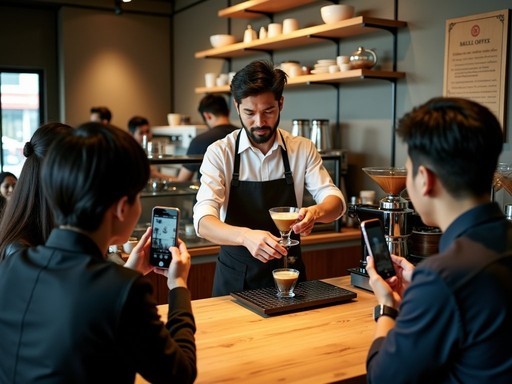
Perhaps most telling is how coffee shops anchor neighborhoods here. Seven Seeds in Carlton functions as community hub, meeting space, and quality benchmark all at once. I spent an afternoon working there, watching the easy rhythm of regulars greeting baristas by name while tourists photographed their impeccably poured latte art.
💡 Pro Tips
- Skip hotel coffee entirely—even small neighborhood cafés in Melbourne generally offer better quality than upscale hotels
- Try a 'magic'—this Melbourne specialty (double ristretto topped with steamed milk in a smaller cup) offers the perfect milk-to-coffee ratio
- Visit roasteries like St. Ali or Industry Beans to watch the process and taste beans at their freshest
Shanghai: Tradition Meets Innovation
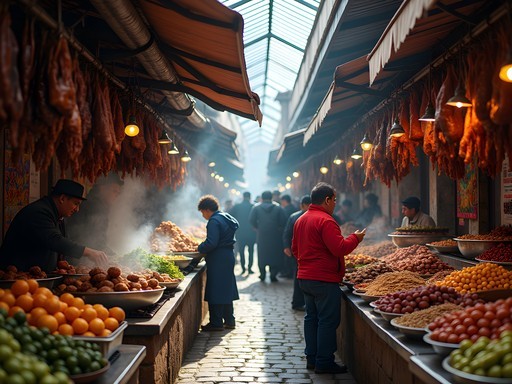
If Melbourne's coffee scene is a mature ecosystem, Shanghai's is a fascinating experiment in rapid evolution. Five years ago, finding a proper flat white here would have been challenging. Today, the city hosts some of Asia's most progressive coffee concepts, creating a landscape where traditional tea culture and third-wave coffee innovation coexist and occasionally merge.
My exploration began in the Former French Concession, where Seesaw Coffee has established itself as a pioneer. The space feels distinctly Shanghai—a converted lane house with preserved architectural details juxtaposed against sleek minimalist furniture and state-of-the-art brewing equipment. What immediately struck me was the scientific precision applied to every preparation method. My pour-over came with a card detailing water temperature, bean origin, and optimal waiting time before first sip.
The most fascinating aspect of Shanghai's coffee culture is how it reflects the city's talent for cultural synthesis. At Manner Coffee, a local chain that began as a hole-in-the-wall and now has dozens of locations, I watched as they served traditional Chinese breakfast items alongside expertly crafted espresso drinks. The clientele—predominantly young Chinese professionals—moved effortlessly between WeChat messages on their smartphones and conversations over precisely prepared coffee.
Unlike Melbourne's established coffee orthodoxy, Shanghai embraces experimentation. At Rumors Coffee Roastery, I sampled a cold brew infused with osmanthus flowers—a traditional Chinese ingredient reimagined through a contemporary coffee lens. The result was revelatory: familiar yet entirely new.
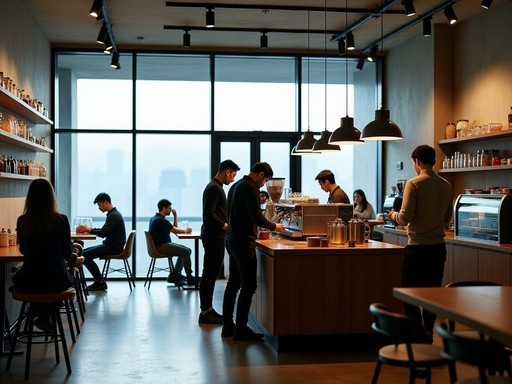
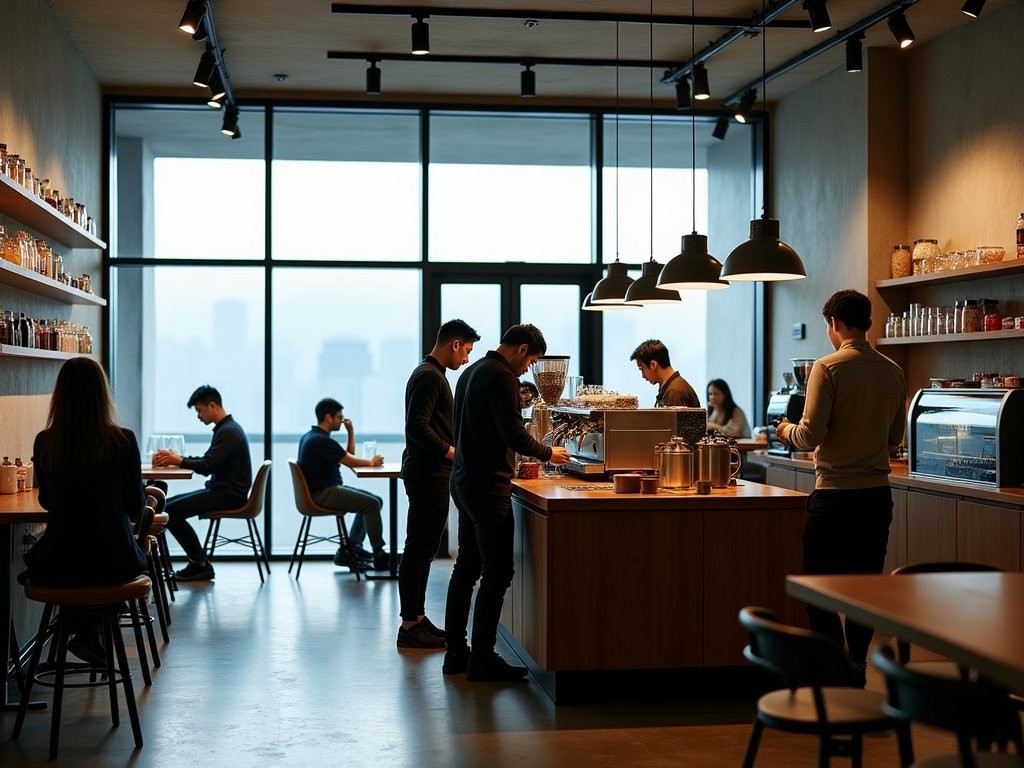
What truly sets Shanghai apart is how coffee spaces function as creative incubators. M Stand, with its gallery-like aesthetic and carefully curated music, attracts the city's design professionals and entrepreneurs. During my visit, I noticed at least three impromptu business meetings and a fashion photographer using the space's dramatic lighting for impromptu portraits.
To fully appreciate Shanghai's coffee transformation, I recommend bringing a reliable travel journal to document your tasting notes. I filled pages with observations about how different cafés interpreted similar beans, creating a personal coffee map of the city that's now one of my favorite travel souvenirs.
💡 Pro Tips
- Visit both local chains like Manner and independent shops like Seesaw to understand the full spectrum of Shanghai's coffee scene
- Look for coffee shops incorporating Chinese elements—from traditional tea infusions to local architecture—for uniquely Shanghai experiences
- Many Shanghai cafés offer excellent workspaces with reliable WiFi and multilingual staff
The Economics of Coffee Culture
As an angel investor with a background in finance, I'm perpetually fascinated by the economics underpinning cultural phenomena—coffee culture is no exception. Melbourne and Shanghai present contrasting case studies in how coffee economies develop and mature.
Melbourne's coffee industry evolved organically over decades, shaped largely by Italian and Greek immigrants who introduced espresso culture in the post-war period. This created a robust ecosystem of local roasters, equipment suppliers, and trained baristas. The result is a remarkably sustainable local economy where independent cafés can thrive despite fierce competition. During conversations with café owners in neighborhoods like Brunswick and Collingwood, I discovered many source beans directly from farmers or through close-knit networks of ethical importers.
The pricing structure in Melbourne reflects this maturity—a specialty coffee typically costs AUD $4-5 (approximately USD $3-4), a price point that's remained relatively stable. This accessibility has democratized quality coffee across socioeconomic lines. When I visited Market Lane Coffee at Queen Victoria Market, I watched construction workers and corporate executives alike willing to wait in the same line for exceptional coffee.
Shanghai, conversely, represents a coffee economy in accelerated development. Coffee consumption in China has grown by approximately 15% annually over the past decade, creating a market that international chains and local entrepreneurs are racing to capture. This has produced a fascinating price stratification. At trendy establishments in areas like Xintiandi or Jing'an, an artisanal coffee might cost ¥45-60 (USD $7-9), positioning it as a luxury good and status symbol.
What's particularly interesting is how this pricing affects café design and experience. Shanghai's high-end coffee shops often double as lifestyle spaces, with carefully curated retail sections selling everything from custom ceramics to pour-over equipment. During my visit to % Arabica's Shanghai flagship, I noticed as much attention paid to the custom concrete architecture and branded merchandise as to the coffee itself.
This economic contrast creates different innovation patterns. Melbourne's mature market drives innovation in coffee quality and sustainability practices, while Shanghai's emerging market encourages experimentation in presentation, space utilization, and cultural fusion. Both approaches yield fascinating results for the coffee enthusiast willing to look beyond the cup.
💡 Pro Tips
- In Melbourne, excellent coffee can be found at all price points—don't assume higher prices mean better quality
- Shanghai's specialty coffee shops often justify higher prices through additional amenities like free WiFi, all-day workspace access, and designer interiors
- Watch for 'coffee passports' in both cities—booklets offering discounts at multiple cafés that can save you money while encouraging exploration

Architecture & Design: How Coffee Shapes Urban Space
My background photographing architectural spaces for homestays has trained me to notice how coffee culture physically reshapes urban environments. In both Melbourne and Shanghai, cafés function as architectural laboratories, though with distinctly different approaches.
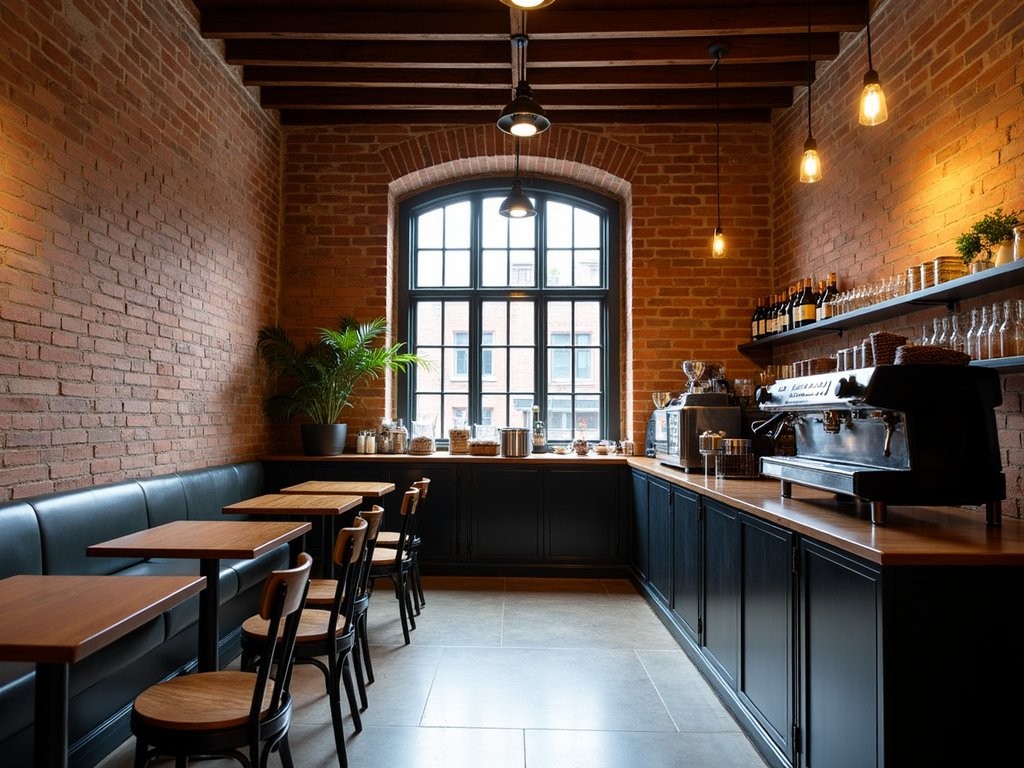
Melbourne's coffee establishments often celebrate historical context. The city's signature bluestone buildings and Victorian-era structures have found new life as coffee destinations. Proud Mary in Collingwood exemplifies this approach—housed in a former industrial building, its renovation respectfully highlights original features while accommodating modern café needs. The prevalence of adaptive reuse creates a coffee landscape that feels authentically integrated with the city's architectural heritage.
The indoor-outdoor flow of Melbourne cafés reflects the city's temperate climate and European influences. Even tiny establishments spill onto sidewalks and laneways, creating semi-public spaces that blur the boundary between café and street. Higher Ground takes this concept to grand proportions, transforming a former power station into a cathedral-like coffee space where different levels create distinct atmospheres within one cohesive experience.
Shanghai's approach is more transformative and often future-oriented. Coffee shops frequently function as architectural statements—bold insertions that contrast with their surroundings. Spaces like Egg, housed in a concrete shell beneath a highway overpass, or Coffee Supreme's minimalist white box in the former French Concession, use coffee culture as justification for architectural experimentation that might otherwise be impossible in the urban fabric.
What fascinates me is how Shanghai's coffee shops often incorporate traditional Chinese architectural elements in thoroughly contemporary contexts. At Fumi Coffee, a courtyard house (siheyuan) structure has been reimagined with glass walls and floating wooden elements, creating a space that feels simultaneously ancient and futuristic. This architectural synthesis mirrors the cultural synthesis happening in the cup.
For architecture enthusiasts, I recommend bringing a quality travel camera to document these spaces. The lighting in both cities' coffee establishments tends to be exceptionally photogenic—Melbourne with its warm, industrial ambiance and Shanghai with dramatic contrasts between traditional elements and contemporary design.
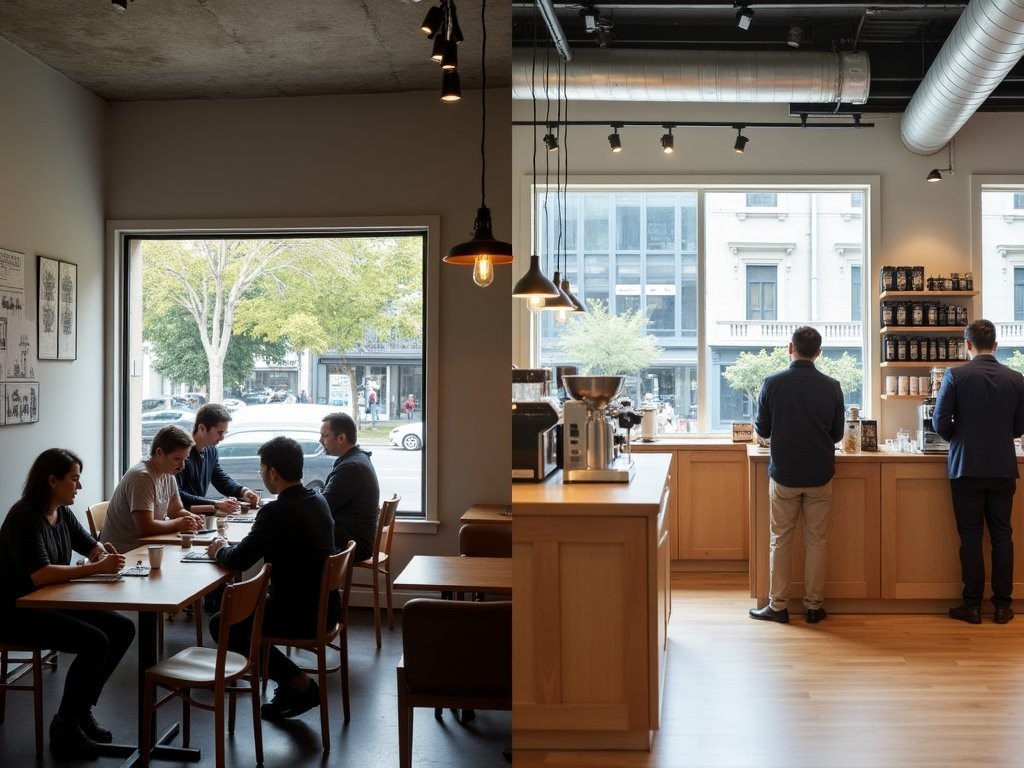
The most compelling difference might be in scale. Melbourne's coffee scene favors intimate spaces that foster community, while Shanghai embraces grand statements and theatrical experiences. At Shanghai's Manner Reserve locations, coffee preparation becomes performance art on a stage-like central counter, with customers arranged as audience members. This spatial relationship reflects different cultural approaches to the social experience of coffee consumption.
💡 Pro Tips
- Look for Melbourne cafés in heritage buildings—many preserve fascinating architectural details from the city's past
- In Shanghai, seek out coffee shops in repurposed spaces like former factories or lane houses for the most interesting architectural experiences
- Visit coffee destinations during off-peak hours if you want to photograph their architectural features without crowds
The Social Currency of Coffee Knowledge
Perhaps the most fascinating parallel between Melbourne and Shanghai's coffee cultures is how coffee knowledge functions as social currency—albeit in distinctly different ways.
In Melbourne, coffee literacy is nearly universal. Casual conversations about extraction methods or bean origins happen naturally between strangers waiting in café queues. During my visit to Auction Rooms in North Melbourne, I overheard a heated but friendly debate between patrons about the merits of natural versus washed processing—the kind of specialized discussion that would seem pretentious elsewhere but feels perfectly normal here.
This democratized knowledge creates a particular social dynamic. Baristas function less as gatekeepers and more as community educators, eager to share information without condescension. When I asked about brewing parameters at Market Lane, the barista not only explained their approach but offered comparative notes on how other respected Melbourne cafés might handle the same beans differently.
Shanghai presents a fascinating contrast, where coffee knowledge operates more visibly as cultural capital and status marker. The rapid emergence of specialty coffee has created distinct knowledge tiers—from newcomers experiencing their first pour-over to sophisticated connoisseurs who travel internationally for coffee experiences.
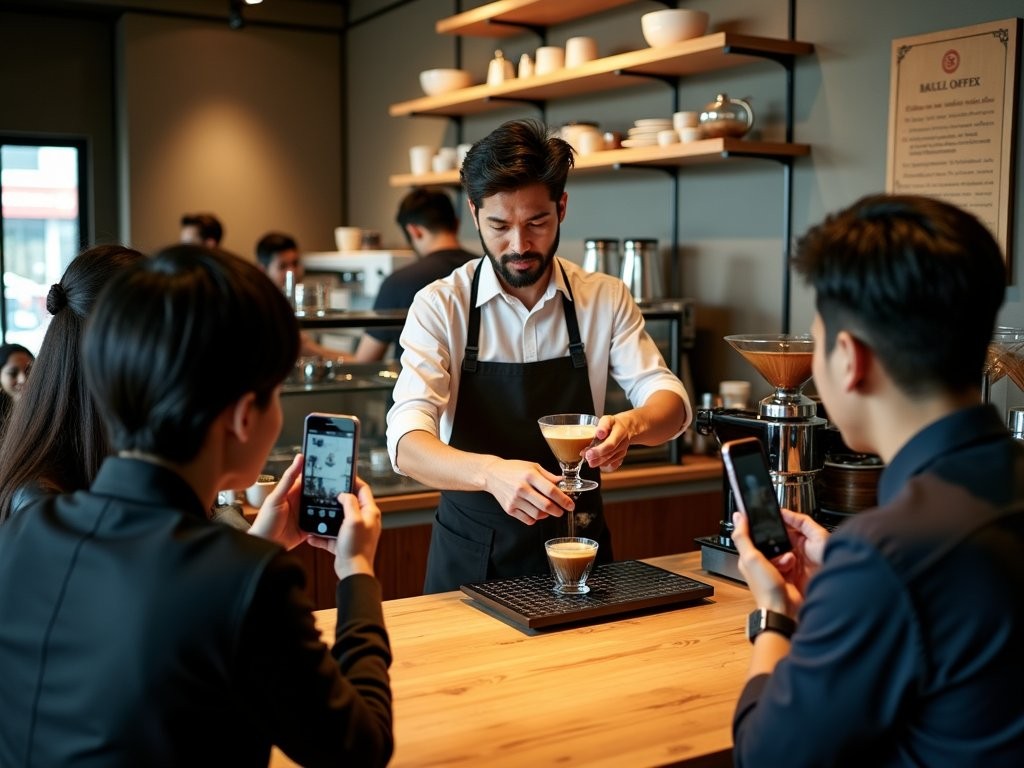
At Seesaw's flagship store, I noticed customers photographing elaborate preparation methods not just for the aesthetic value but as evidence of participation in this knowledge economy. Baristas often perform their craft with theatrical flourish, emphasizing the technical complexity that justifies premium pricing.
What's particularly interesting is how Shanghai's coffee spaces facilitate knowledge transfer across cultural contexts. At Manner Coffee's original location, I watched a barista patiently explain to elderly local residents how pour-over brewing differs from traditional Chinese tea preparation, creating bridges between culinary traditions.
For travelers looking to engage meaningfully with either coffee culture, I've found that bringing a pocket coffee guide can provide useful conversation starters with baristas and fellow enthusiasts. Even basic knowledge of terminology signals your interest in engaging beyond surface-level tourism.
The social dynamics extend to digital spaces as well. Melbourne's coffee community maintains active Instagram accounts documenting new roasts and café openings, while Shanghai's coffee enthusiasts have created specialized WeChat groups for sharing discoveries. Gaining access to these digital communities—through conversations with baristas or fellow patrons—can transform your coffee exploration in either city.
💡 Pro Tips
- In Melbourne, don't hesitate to ask baristas detailed questions—most are passionate educators eager to share knowledge
- Shanghai's coffee culture has a stronger social media component—follow key accounts like @ShanghaiCoffeeClub on Instagram before your visit
- Look for cupping sessions (coffee tastings) in both cities—they're excellent opportunities to develop your palate while meeting locals and fellow travelers
Final Thoughts
After two weeks immersed in these contrasting coffee cultures, I've come to see Melbourne and Shanghai as complementary rather than competing visions—one representing coffee's established artisanal potential, the other showcasing its emerging cultural fusion. For travelers, these cities offer a unique opportunity to experience both coffee's past and its future within a relatively short timeframe. Whether you're drawn to Melbourne's perfected traditions or Shanghai's bold experimentation, both cities reward the curious coffee explorer with experiences that transcend the beverage itself. As I packed my bags—with several freshly roasted beans carefully vacuum-sealed for the journey home—I realized that beyond the distinctive flavors and methods, what these coffee cultures truly offer is a lens through which to understand urban identity, social values, and creative expression. So next time you find yourself in either city, set aside your city guides for an afternoon and let coffee lead your exploration—it might just reveal aspects of these fascinating urban landscapes that conventional tourism never could.
✨ Key Takeaways
- Both cities treat coffee as cultural cornerstone but arrive there through different historical pathways
- Melbourne offers democratic coffee excellence while Shanghai positions specialty coffee as luxury experience
- Coffee spaces function as architectural and social laboratories that reflect broader urban values
- The best coffee experiences come through engaging with baristas and local enthusiasts rather than following tourist guides
📋 Practical Information
Best Time to Visit
year-round
Budget Estimate
$75-150 per day excluding accommodation
Recommended Duration
5-7 days per city
Difficulty Level
Beginner
Comments
Sarah Powell
Really appreciate the economic analysis here, Claire. I visited Shanghai three times between 2022-2025 and watched the specialty coffee scene absolutely explode. What struck me most was how quickly third-wave coffee integrated with traditional tea culture rather than replacing it. Places like Manner Coffee managed to keep prices accessible while maintaining quality - something Melbourne's market hasn't quite figured out with rent prices there. The architectural point about coffee shaping urban space is spot-on too. Shanghai's café districts (especially around Anfu Lu) have become legitimate cultural destinations, not just coffee stops. Did you notice how many of the newer Shanghai cafés are designed as all-day spaces with co-working vibes versus Melbourne's quick-turnover model?
backpackguy
Manner Coffee was so good and cheap!
backpackguy
This is awesome! Heading to Melbourne in March - any specific cafes you'd recommend for someone on a budget?
Sarah Powell
Not Claire, but I spent 3 weeks in Melbourne last year. Check out Seven Seeds in Carlton - great flat whites and not too pricey. Also Market Lane in Prahran Market is solid.
backpackguy
Thanks! Adding those to my list
happylover
Those Shanghai coffee prices though! 😱 $8 for a pour-over? Is it really worth it?
moonexplorer
You're not just paying for the coffee but the entire experience. Those high-end Shanghai cafes are basically art galleries with coffee. Totally different vibe from Melbourne's efficient but cozy spots.
happylover
I guess that makes sense! Still seems steep but I'll check it out when I visit.
Amit Sullivan
What a thoughtful comparison, Claire. Your observation about how Melbourne's coffee culture emerged from Italian immigration while Shanghai's developed alongside its international business growth is particularly insightful. It reminds me of how Wellington's coffee scene evolved - somewhere between these two approaches. I've been documenting coffee cultures for my upcoming book, and your point about the economics is spot on. Melbourne's independent cafes survive on volume and loyalty, while Shanghai's often function as status symbols and creative spaces first, profitable businesses second. The architectural contrast is fascinating too - Melbourne's hidden laneways versus Shanghai's statement buildings. Coffee reveals so much about how cities see themselves, doesn't it?
Claire Hawkins
Thanks, Amit! I'd love to hear more about Wellington's coffee scene - it's on my list for next year. Your book sounds fascinating!
redperson
Is third-wave coffee actually a thing in Shanghai now? Last time I was there (2023) it was mostly fancy Starbucks knockoffs and traditional tea houses.
Amit Sullivan
It's exploded in the last two years! Check out Rumors Coffee, Metal Hands, and Seesaw - all world-class third wave spots now. The scene is evolving incredibly fast.
Amanda Morris
Claire, this resonates so much with my experience! I spent three months between these cities last year, and the coffee rituals reveal so much about cultural values. In Melbourne, baristas treated coffee-making like a craft - almost meditative. I remember sitting at Patricia Coffee Brewers watching the methodical process. Meanwhile in Shanghai, particularly at places like Manner, there's this fascinating fusion of efficiency and ceremony. I found myself using my coffee journal to document the differences in preparation techniques. The section on how architecture shapes coffee culture was spot on - those Melbourne alleyways versus Shanghai's repurposed industrial spaces tell such different stories!
redperson
Patricia Coffee is THE BEST! Their magic (double ristretto flat white) changed my life!
exploreadventurer
Great comparison! The photos of those Melbourne laneways with hidden cafes make me want to book a flight right now!
moonexplorer
Having lived in both cities, I think you really nailed the differences! Melbourne's coffee scene is so established and confident, while Shanghai's is this fascinating blend of tradition and cutting-edge experimentation. The way Shanghai's cafes incorporate tea culture elements into their coffee service is something I wish would catch on worldwide. Did you notice how in Melbourne it's all about the perfect extraction, while Shanghai seems more focused on the overall experience and presentation?
starmood
Did you try any of those specialty coffee places in Shanghai that use traditional Chinese brewing methods? Planning a trip there next month!
Claire Hawkins
Yes! Don't miss Seesaw Coffee - they do an amazing pour-over using traditional Chinese ceramic filters. The one in the Former French Concession area has the best atmosphere!
starmood
Thanks so much! Adding it to my list right now.
Hayden Butler
Claire, your post transported me back to my last visit to both cities! There's this tiny laneway café in Melbourne called Switchboard that epitomizes everything you described - literally a hole in the wall with barely enough room for the barista, yet producing coffee that would make Italian nonnas weep. In Shanghai, I had the most surreal experience at a café in the French Concession where the owner insisted I try their signature drink: a cold brew infused with osmanthus flowers and topped with cheese foam. It was bizarre yet delicious - perfectly capturing that fusion of tradition and experimentation you mentioned. What I find fascinating is how these coffee cultures reflect broader societal values. Melbourne's scene grew organically from its multicultural roots, while Shanghai's seems to be part of a deliberate cultural pivot toward global cosmopolitanism. The coffee isn't just coffee - it's a statement about the city's aspirations.
Venture X
Premium card with 2X miles, $300 travel credit, Priority Pass