
Disclosure: This article contains affiliate links. We may earn a commission from purchases at no extra cost to you, which helps our travel content.
When my husband and I planned our two-week anniversary trip, we wanted contrasts—stone fortifications meeting tropical modernism, French colonial heritage juxtaposed with Caribbean vernacular architecture. Quebec City and Castries delivered beyond expectations. These cities share surprising parallels: both evolved from colonial port towns, both adapted European building techniques to challenging climates, and both hide their best experiences behind tourist-heavy facades. After years of studying how cultures build and preserve their environments, I've learned that the most authentic experiences come from understanding local materials, neighborhood rhythms, and the stories locals actually tell.

Quebec City: Beyond the Château Frontenac
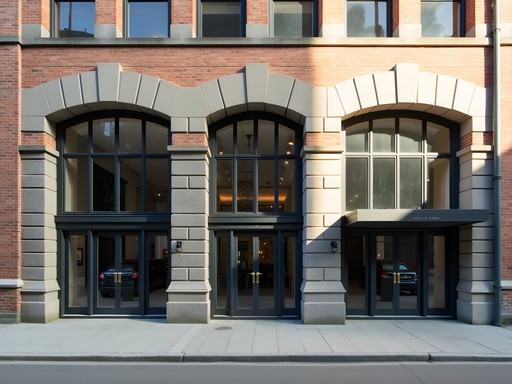
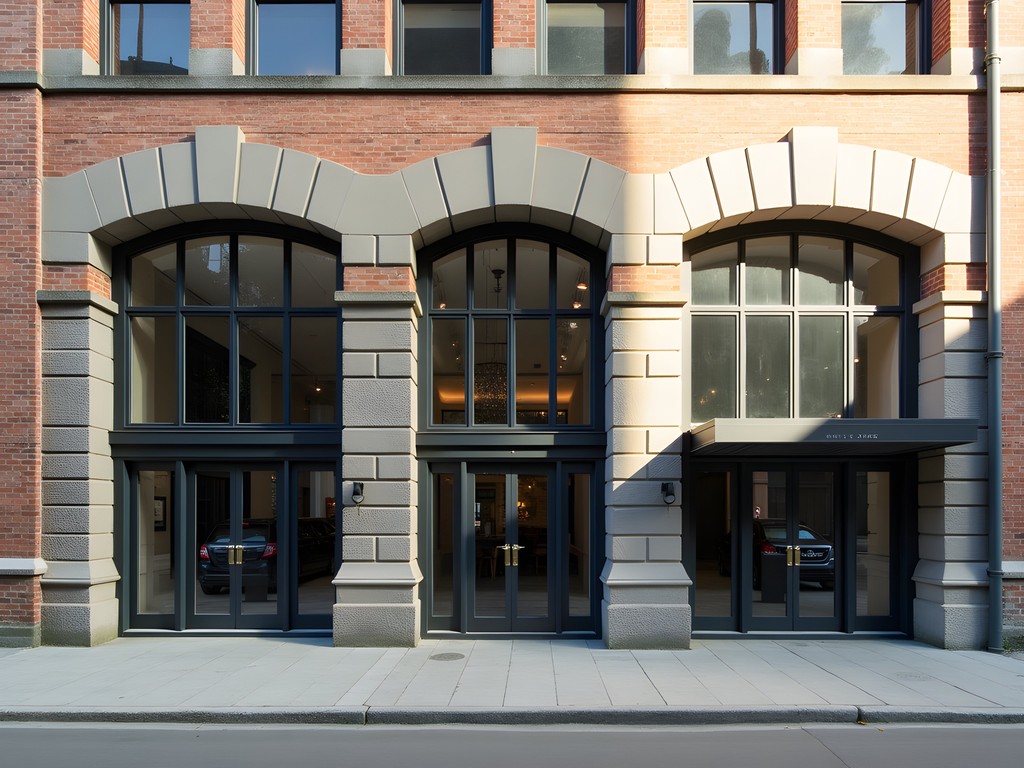
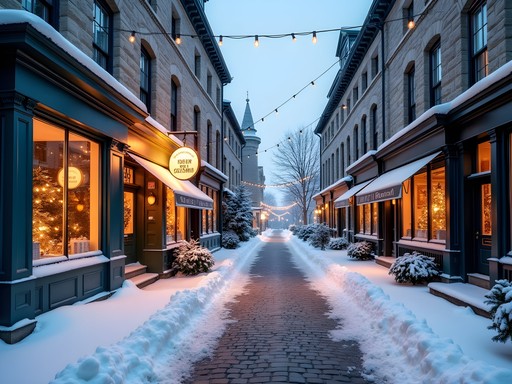
Everyone photographs the Château Frontenac, but locals will tell you the real architectural treasures lie in Saint-Roch and Saint-Jean-Baptiste districts. Saint-Roch underwent remarkable urban renewal—19th-century industrial buildings now house design studios and microbreweries, their original limestone facades preserved alongside contemporary glass insertions. The engineering is fascinating: watch how they've integrated modern HVAC systems while maintaining historic exteriors.
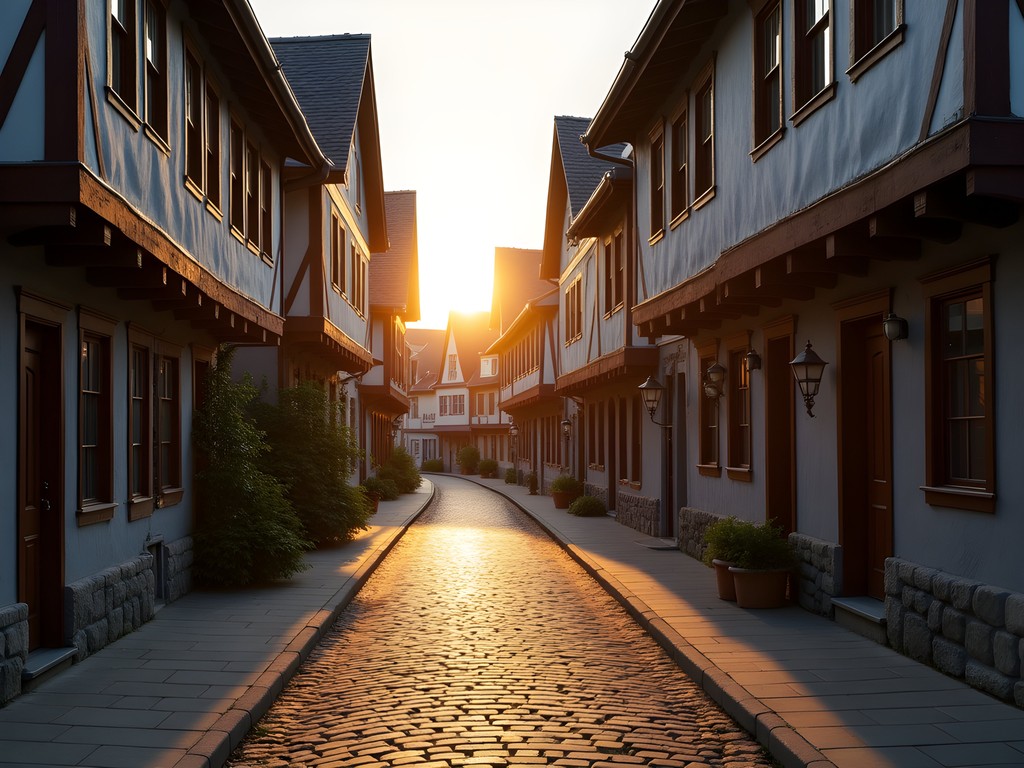
For couples, skip the crowded Petit Champlain street at midday. Instead, visit at 7 AM when shopkeepers are setting up and you can actually examine the building details—notice the traditional timber framing exposed in restaurant interiors, showing Quebec's adaptation of French colombage technique to withstand harsh winters. The Marché du Vieux-Port opens early too; grab coffee from Brûlerie du Café and talk with vendors about local cheese-making traditions.
Stay at Hôtel 71 in the Old Port—a converted 1820s bank building where they've brilliantly preserved the original vault as a wine cellar. The rooms feature exposed stone walls that tell the story of Quebec's construction evolution. Before exploring, I always pack a reliable portable phone charger because you'll be out photographing architectural details all day, and Quebec's winter cold drains batteries fast.
💡 Pro Tips
- Visit Observatoire de la Capitale (31st floor of Marie-Guyart building) at sunset—locals' preferred viewpoint, no tourist crowds
- Take the free ferry to Lévis for the best city views and examine the ferry terminal's mid-century modern design
- Book dinner at Chez Boulay before 6 PM for their prix-fixe menu—same quality, 30% less expensive than later seatings
Castries: The Real Saint Lucia
Castries gets dismissed by tourists rushing to resorts, but this working port city holds Saint Lucia's architectural soul. The 1948 fire destroyed most colonial buildings, forcing rapid reconstruction that created a unique Caribbean modernist aesthetic—concrete structures with deep verandahs and jalousie windows engineered for hurricane resistance and tropical ventilation.
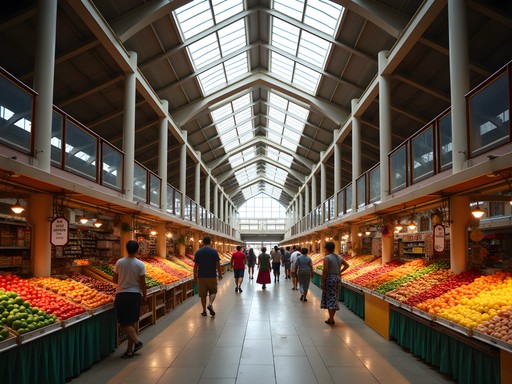
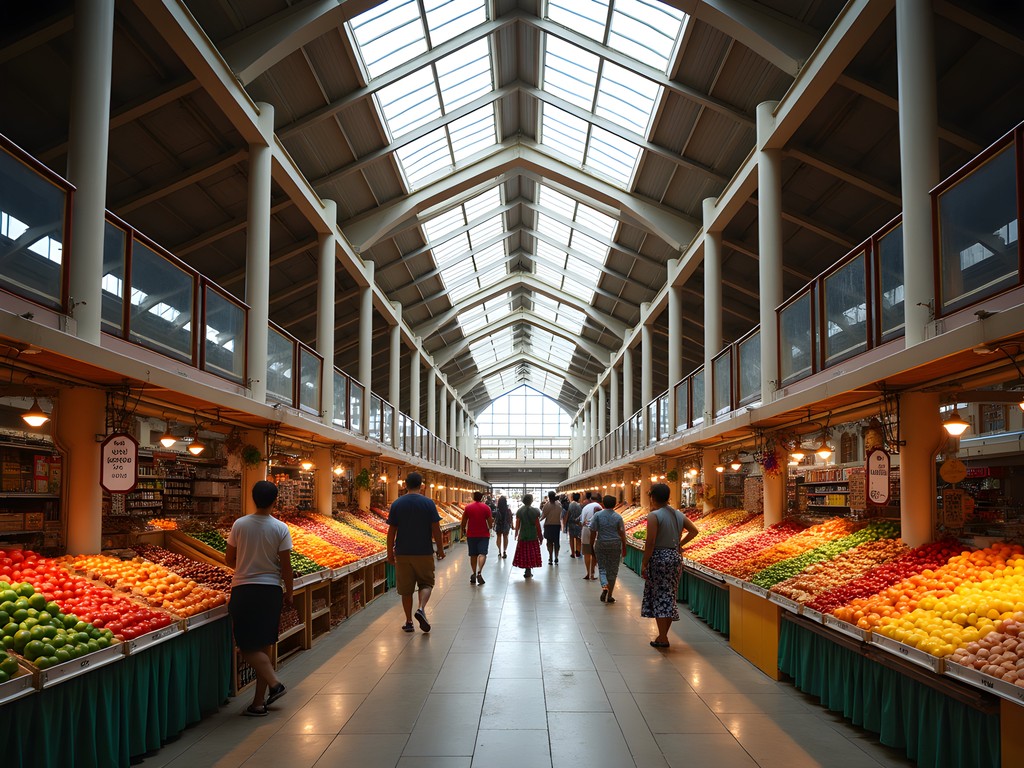
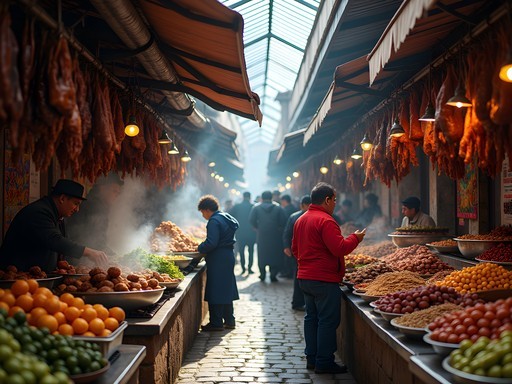
Start at Castries Market on Saturday morning (6-9 AM, before cruise ships arrive). The market building itself is a study in tropical design: high ceilings, cross-ventilation, and a roof structure that's withstood 70+ years of hurricane seasons. Chat with vendors about traditional building materials—you'll learn about vetiver grass roofing and why local hardwoods like mahogany and blue mahoe resist termites and moisture.
For accommodations, locals recommend Auberge Seraphine over resort hotels. This family-run boutique property in Vigie uses traditional Creole architectural elements—wide eaves, shuttered windows, elevated foundations—while incorporating modern comfort. The owner, Marie, grew up in Castries and shares insider knowledge over breakfast.
The neighborhood of Morne Fortune (literally 'Hill of Good Luck') offers stunning views and a walking tour of military architecture spanning French, British, and post-independence periods. Bring a quality insulated water bottle because Caribbean heat is no joke, and staying hydrated means you can spend more time exploring without fatigue.
💡 Pro Tips
- Visit Derek Walcott Square's 400-year-old samaan tree—locals gather here evenings, and it's the best place to ask about current cultural events
- Take a dollar van (shared minibus) to Gros Islet on Friday for street party—authentic local experience, not tourist-oriented
- Shop for spices and cocoa at Castries Market, then ask vendors for traditional preparation methods—you'll get recipes passed down generations
Material Culture: What These Cities Teach Us
As a materials engineer, I'm obsessed with how environments shape building choices. Quebec City's architecture speaks to thermal mass and insulation—thick stone walls, small windows, steep roofs shedding snow. Every building is a lesson in cold-climate adaptation.
Castries tells the opposite story: open structures, elevated foundations preventing flood damage, materials that breathe. After the 1948 fire, builders chose concrete not just for fire resistance but because it withstands hurricanes while maintaining thermal comfort through strategic ventilation design.
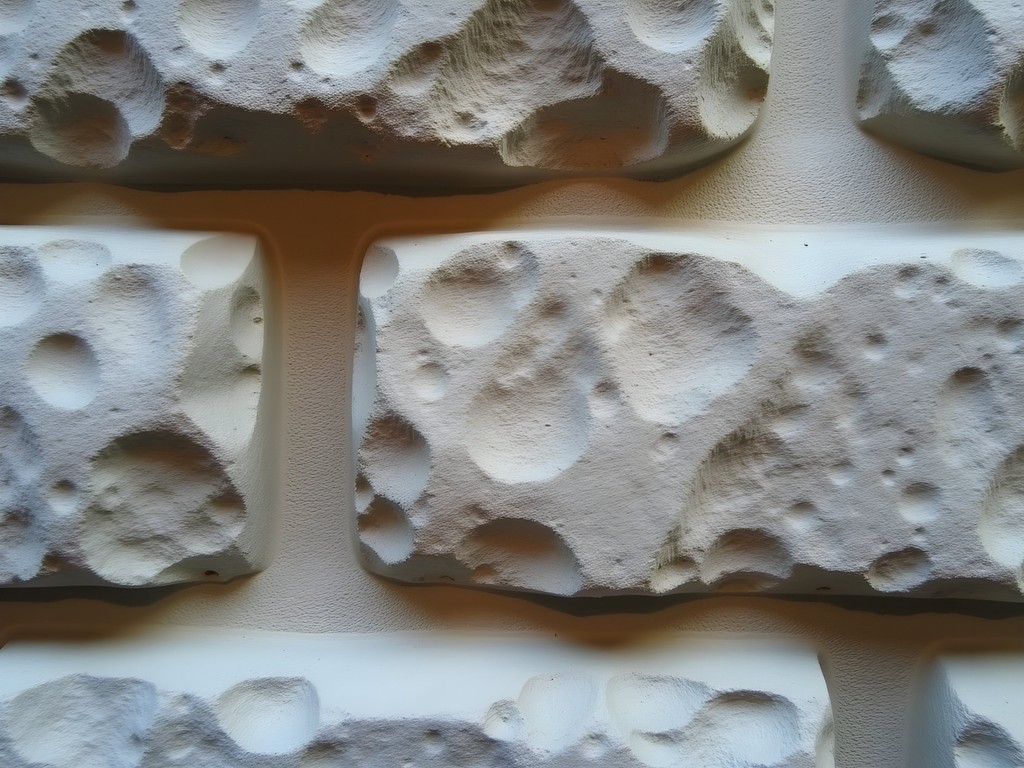
Both cities preserve vernacular techniques alongside modern interventions. In Quebec, notice how restoration projects maintain traditional lime mortar (more flexible than modern cement, preventing crack propagation in freeze-thaw cycles). In Castries, observe how newer buildings incorporate traditional jalousie windows—adjustable louvers providing rain protection while maximizing airflow.
For couples interested in architectural tourism, bring a quality field notebook to sketch details and take notes. My husband and I fill these on every trip, creating a visual record of building techniques that photographs alone can't capture. The waterproof paper works in Quebec's snow and Castries' rain.
💡 Pro Tips
- Download the ArchDaily app before traveling—it includes architectural walking tours for both cities with detailed building histories
- Ask local guides about restoration projects—they'll show you techniques tourists never see
- Photograph building details at different times of day to understand how light and shadow were considered in original designs

Local Dining: Where Residents Actually Eat
In Quebec City, locals avoid Grande Allée's tourist restaurants. Instead, head to Limoilou district's Third Avenue—Le Clocher Penché serves farm-to-table Quebec cuisine in a converted church (the adaptive reuse is stunning). Poutine Lafleur on Boulevard Hamel has been family-run since 1952; it's where construction workers and university students eat together.
For evening drinks, Le Sacrilège in Saint-Jean-Baptiste attracts artists and architects. The building dates to 1850, and they've preserved original tin ceilings and wood floors while modernizing everything else. Order a local Boréale beer and ask the bartender about neighborhood history.
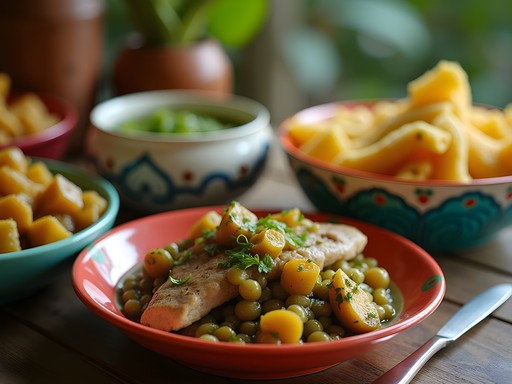
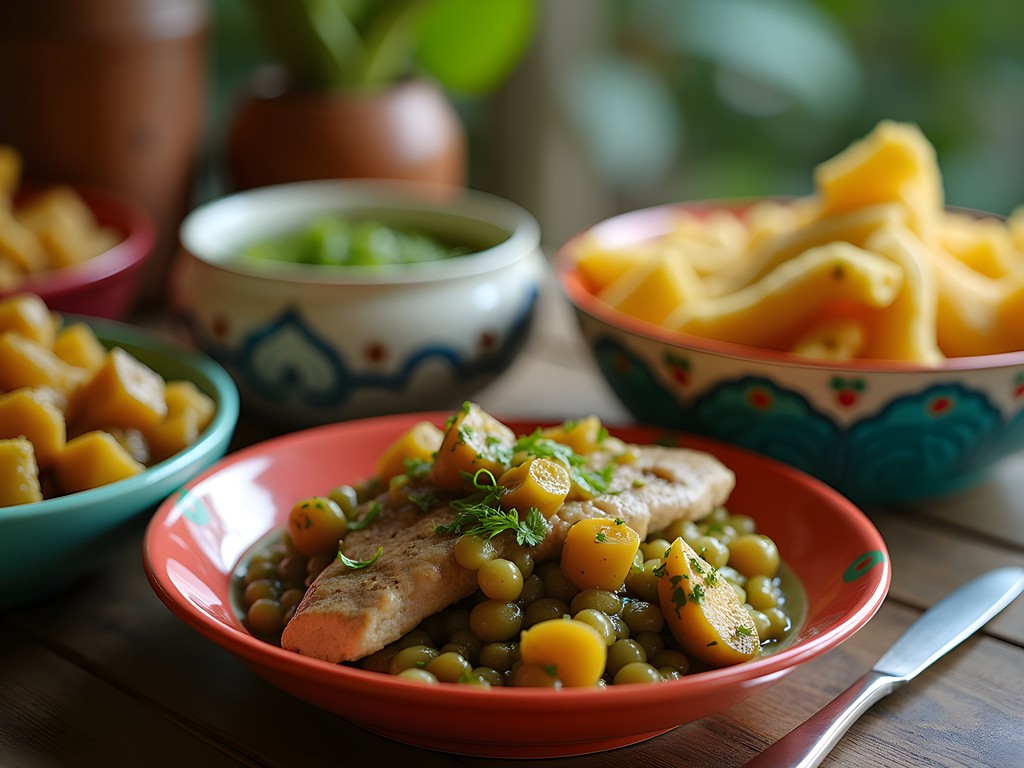
In Castries, skip Rodney Bay's resort restaurants. Martha's Tables on Jeremie Street serves authentic Saint Lucian cuisine—green fig and saltfish, callaloo soup, fresh-caught mahi-mahi—in a family home converted to a restaurant. Mrs. Martha will explain traditional cooking methods and the cultural significance of each dish.
Coal Pot Restaurant at Vigie Marina looks touristy but locals eat there too—it's built on a pier using traditional Caribbean construction elevated over water. The sunset views are spectacular, and the chef sources everything from Castries Market. Try the breadfruit chips with their house-made hot sauce; bring a portable spice container to take some of that hot sauce home—Mrs. Martha sells it by the bottle.
💡 Pro Tips
- In Quebec, ask restaurant staff if they have a 'table d'hôte' menu—multi-course set menus offering better value than à la carte
- In Castries, eat your main meal at lunch when locals do—portions are larger and prices lower than dinner service
- Both cities: always ask servers where they eat on days off—you'll discover places guidebooks miss
Practical Logistics for Two Weeks
Split your time: 6 days Quebec City, 7 days Saint Lucia, with travel days. This rhythm allows deep exploration without rushing.
Quebec City logistics: Stay in Old Quebec (Haute-Ville or Basse-Ville) for walkability. The city is compact—you'll walk 15,000+ steps daily on cobblestones, so invest in quality footwear. A merino wool base layer is essential for Quebec's variable temperatures—it regulates body heat whether you're inside heated buildings or outside in winter cold.
Public transit is excellent (RTC bus system), but most attractions are walkable. Rent a car only if visiting Île d'Orléans or Montmorency Falls. Book accommodations 3-4 months ahead for summer or Winter Carnival season.
Castries logistics: Stay in Castries proper or Vigie area for authentic experience. Rent a car—Saint Lucia's public transit exists but isn't tourist-friendly. Roads are narrow and winding (drive on the left), but having a vehicle lets you explore beyond Castries: Soufrière, Marigot Bay, Anse Chastanet.
For island driving, download offline maps before arriving. Cell service is spotty outside Castries. A car phone mount is essential for navigation on unfamiliar roads.
Both destinations: book boutique properties directly rather than through booking sites—you'll often get better rates and personal service. Email owners with specific questions about architecture and local culture; they appreciate travelers with genuine interest.
💡 Pro Tips
- Quebec City: Purchase a multi-day transit pass even if you plan to walk—useful for reaching Limoilou and outlying neighborhoods
- Saint Lucia: fill up gas whenever you see a station—they're sparse outside Castries and often close early
- Both cities: learn basic French phrases—Quebec French differs from Parisian French, and Saint Lucian Creole (Kwéyòl) incorporates French roots
Final Thoughts
These two cities taught me that authentic travel isn't about checking off landmarks—it's about understanding how people adapted to their environments, preserved their heritage, and continue evolving their built landscapes. Quebec City and Castries show different approaches to the same challenge: creating livable, beautiful cities that honor the past while embracing the future.
For couples seeking meaningful travel experiences, this itinerary offers both romance and education. You'll walk hand-in-hand through centuries-old streets, discuss architectural details over local wine and rum, and return home with deeper appreciation for how cultures express themselves through materials and space.
The best part? These destinations welcome curious travelers year-round. Quebec's winter magic rivals its summer charm, and Saint Lucia's dry season (December-May) offers perfect weather, while shoulder seasons provide fewer crowds and authentic local interaction. Start planning now—both cities reward travelers who look beyond the obvious and engage with local knowledge.
✨ Key Takeaways
- Visit both cities during shoulder seasons for authentic local experiences without tourist crowds—Quebec in October or April, Saint Lucia in June or November
- Stay in locally-owned boutique properties where owners share insider knowledge about architecture, history, and neighborhood culture
- Engage with local materials and building techniques as windows into cultural values—every architectural choice tells a story about climate adaptation and preservation priorities
📋 Practical Information
Best Time to Visit
Year-round (Quebec: October-November or April-May; Saint Lucia: December-May for dry season, June-November for better rates)
Budget Estimate
$3,500-5,000 USD per couple (flights, mid-range accommodations, meals, activities, car rental)
Recommended Duration
14 days (6 days Quebec City, 7 days Saint Lucia, 1 day travel)
Difficulty Level
Easy



Comments
explorephotographer
Love your architecture photos! What lens did you use for the street shots in Quebec?
Jean Wells
Ana, your analysis of the material culture in both cities is spot-on. I spent a month in Quebec City documenting the stone construction techniques in the old town and was fascinated by how the limestone weathering patterns tell stories about wind direction and historical climate. In Castries, the adaptation to hurricane forces through vernacular architecture is equally compelling. One thing I'd add - the corrugated metal roofing in Saint Lucia isn't just practical, it's become an aesthetic signature that locals have preserved even when more modern materials became available. That tension between preservation and modernization exists in both cities, just manifested differently. Have you considered expanding this into a series comparing other colonial port cities?
explorewalker
I've been to Quebec City three times but never really got off the main tourist path. Your section about the residential neighborhoods near Saint-Jean-Baptiste really resonated with me. Last time I just did the usual Petit-Champlain and Château stuff. Do you have specific street names or areas you'd recommend for someone who wants to see more of the real city? I'm planning another trip in the fall and want to do it differently this time.
mountainrider
The Saint-Roch neighborhood is awesome too! Lots of locals, good cafes.
oceanphotographer
Going to Saint Lucia in April! Which restaurants in Castries did you actually try? The tourist spots are so expensive.
explorephotographer
Not Ana but I went last year - try the market on Jeremie Street on Saturday mornings. So good and super cheap!
oceanphotographer
Thanks!! Adding that to my list
mountainrider
This is such a cool comparison! Never thought about these two together.
starninja
Never thought to pair these two cities! Cool idea
greenace
Right?? I wouldn't have thought of it either but now I want to do this trip!
greenace
The photos are gorgeous!!
Frank Garcia
Ana, really enjoyed your take on the material culture aspects—the vernacular architecture comparison was brilliant. Quick question: when you mention the local dining spots in Castries where residents actually eat, are you referring to the Castries Market area or more toward the Vigie peninsula? I'm planning a similar comparative architecture trip (thinking Quebec City and Willemstad) and your methodology of focusing on adaptive design rather than tourist landmarks is exactly what I'm after. Also curious if you found the French colonial influence in both cities created any unexpected parallels?
Ana Tanaka
Frank, great question! Mostly around the market and into Jeremie Street where the locals go for lunch. The French colonial parallels were subtle but definitely there—especially in the approach to public squares. Would love to hear about your Willemstad trip!
Venture X
Premium card with 2X miles, $300 travel credit, Priority Pass