
Disclosure: This article contains affiliate links. We may earn a commission from purchases at no extra cost to you, which helps our travel content.
The heavy iron gates of the former penal colony creaked open, revealing a story far more complex than I'd anticipated. Saint-Laurent-du-Maroni isn't just about its infamous prison history—it's a cultural crossroads where six ethnic communities have woven their traditions into a vibrant tapestry that few travelers ever truly discover. As I spent a week here last December, wandering beyond the typical tourist routes, I found myself immersed in a world where Maroon traditions blend with French colonial architecture, where the mighty Maroni River whispers ancient stories, and where the rhythm of daily life moves to a beat entirely its own.

The Camp de la Transportation: Beyond the Tourist Trail
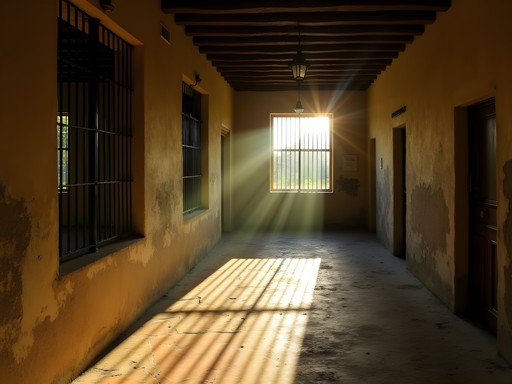
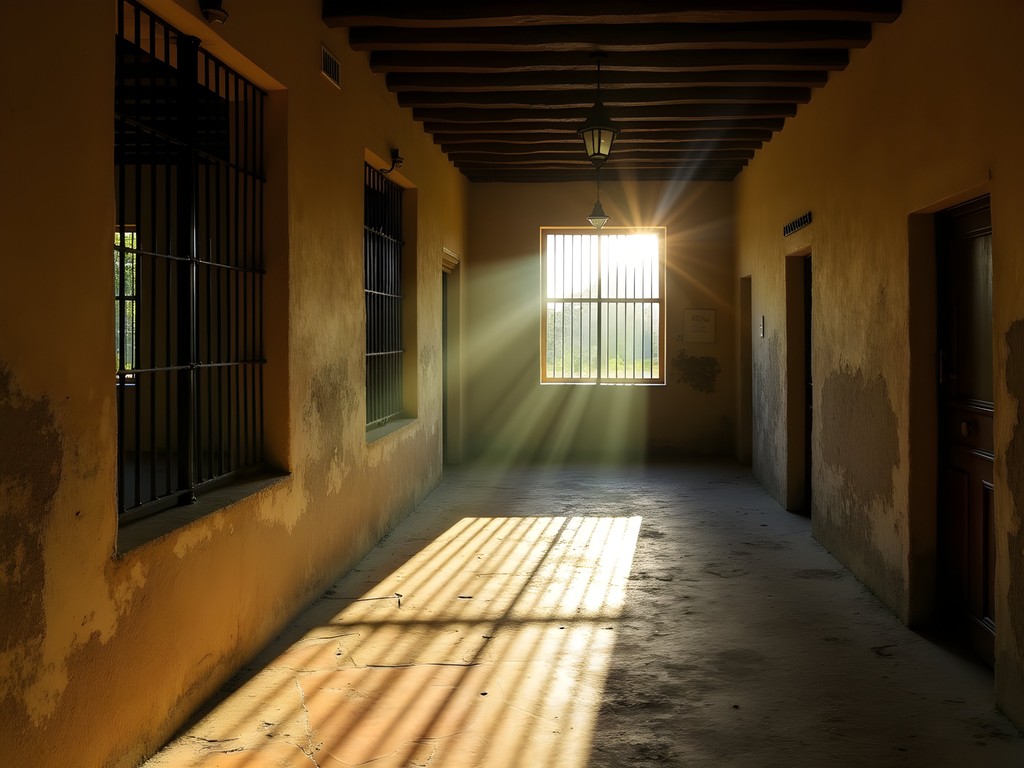
Everyone who visits Saint-Laurent-du-Maroni tours the infamous Camp de la Transportation—the processing center where thousands of convicts began their sentences in French Guiana's penal colony system. But few visitors know to arrive just before closing, when the afternoon light filters through the barred windows, casting haunting shadows across the worn stone floors.
I arranged a private tour with Maurice, a local guide whose grandfather had been a prison guard. 'Most guides will show you the cells and tell you about Papillon,' he told me as we walked through the quieted corridors, 'but the real stories are in the details most miss.'
Maurice showed me hidden carvings in cell walls—intricate maps and messages from prisoners to those who would come after them. In one corner of the prison yard stands a seemingly ordinary mango tree, but Maurice explained it was planted by a prisoner who survived his sentence and returned as a free man to mark his triumph over the system.
For the full experience, I recorded the ambient sounds using my portable audio recorder, capturing the eerie acoustics that no photograph could convey. The recordings became my most treasured souvenir, especially the moment when Maurice sang a prison work song that echoed through the empty halls.
💡 Pro Tips
- Visit the Camp de la Transportation in late afternoon for the best light and fewer tourists
- Book Maurice through the local tourism office—ask specifically for 'the guide whose grandfather was a guard'
- Allow at least 3 hours for a proper exploration of the site, not the standard 1-hour tour
Maroon Cultural Immersion in La Charbonnière
Cross the small bridge to La Charbonnière neighborhood and you'll enter a different world entirely—one rarely mentioned in guidebooks. This enclave is home to Bushinengue (Maroon) communities, descendants of escaped slaves who created their own societies in the rainforest.
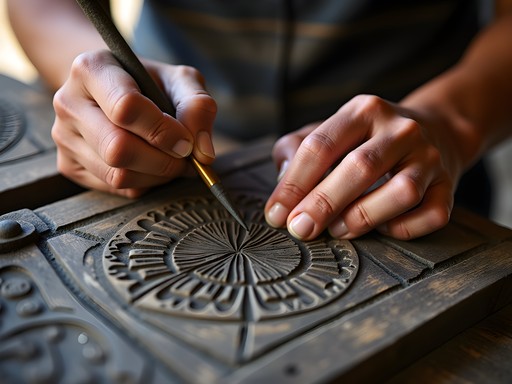
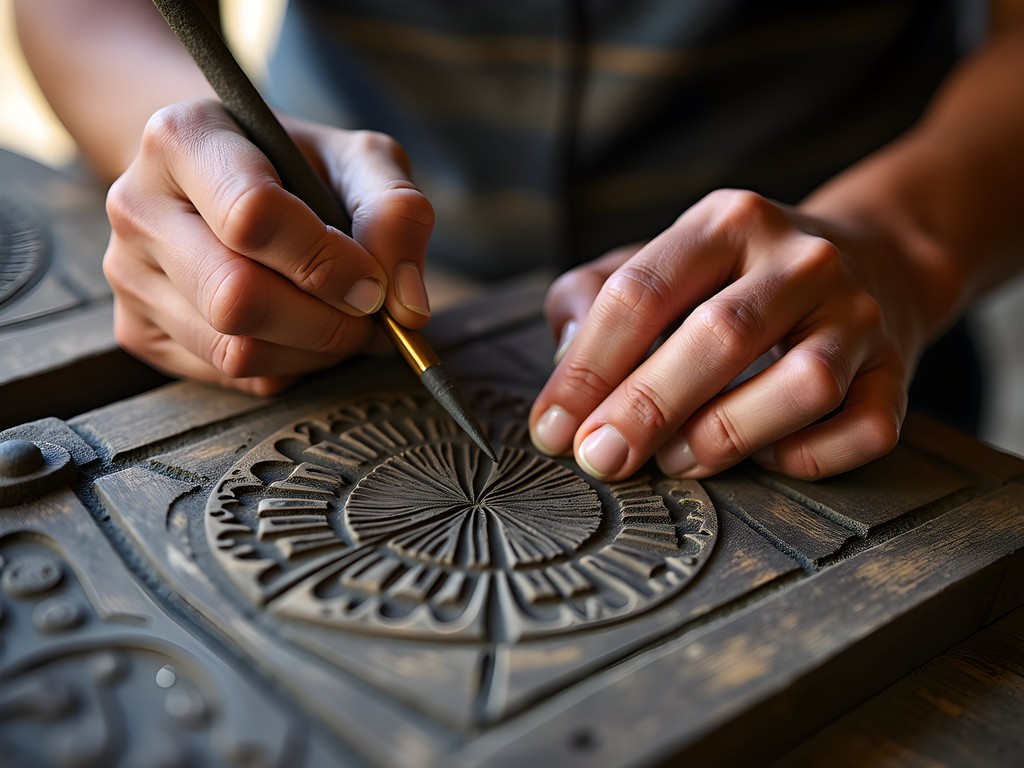
On my third day, I was invited to join a workshop on traditional woodcarving after striking up a conversation with Adilson, a local artisan selling his wares near the river. 'Our tembe designs tell stories that words cannot,' he explained as he guided my hands through the proper carving technique.
The workshop took place in an open-air pavilion where children gathered to watch and occasionally giggle at my clumsy attempts. I spent the afternoon learning about how geometric patterns represent spiritual concepts in Maroon culture, each cut into the wood carrying meaning.
Later that evening, I was invited to a small community gathering where I witnessed traditional awasa dancing. The rhythms were hypnotic, and though initially hesitant, I found myself pulled into the circle by smiling women who patiently showed me the basic steps.
To prepare for the humidity of La Charbonnière's riverside location, I relied on my quick-dry clothing which proved invaluable as the evening heat intensified during the dancing. I also recommend bringing a waterproof phone pouch as sudden tropical showers are common, and you'll want to capture these authentic cultural moments without worrying about your electronics.
💡 Pro Tips
- Learn a few basic phrases in Sranan Tongo (the local creole language) to break the ice with Maroon community members
- Bring small gifts if invited to someone's home—school supplies for children are always appreciated
- Ask permission before photographing people or cultural ceremonies
River Life and Border Crossings
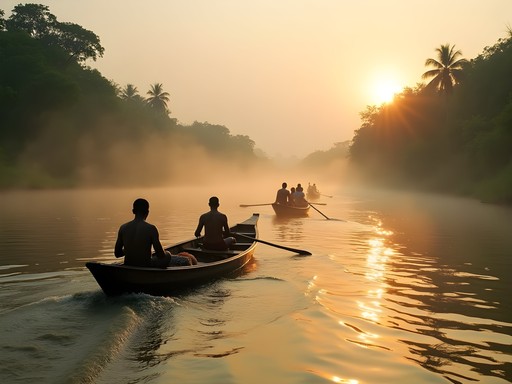
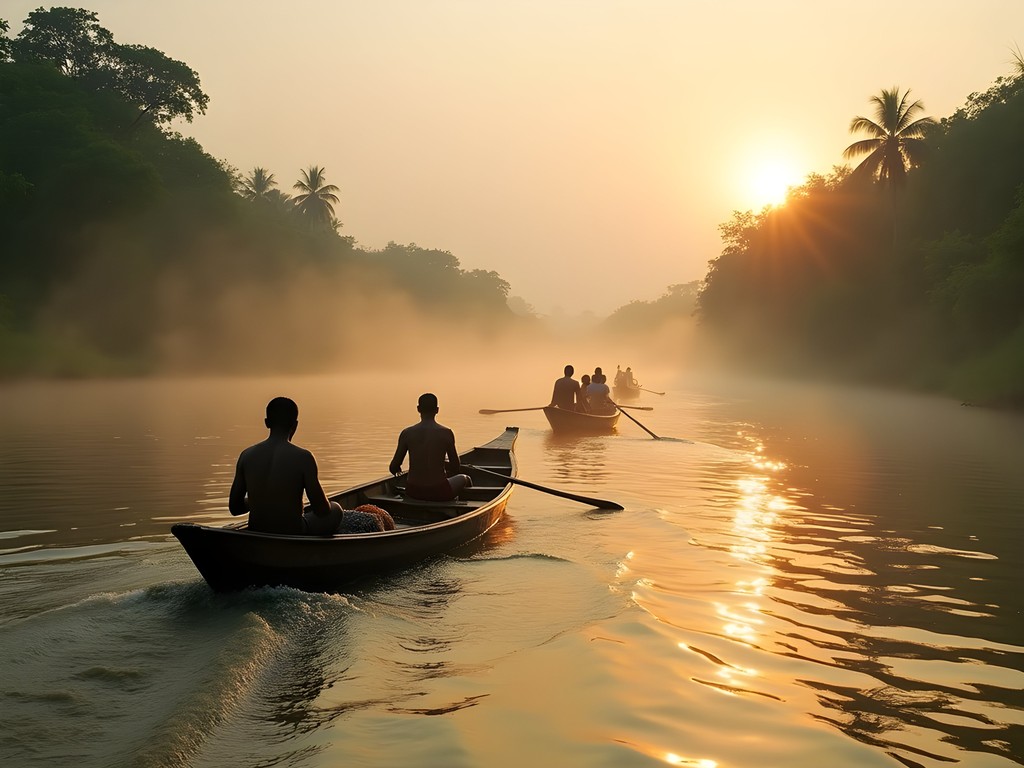
The Maroni River isn't just a geographical feature—it's the lifeblood of Saint-Laurent-du-Maroni and the border with Suriname. Each morning, I watched from the riverfront as pirogues (traditional wooden boats) crossed back and forth, laden with goods and passengers.
'The river doesn't recognize borders the way governments do,' explained Christophe, a local boat operator who took me upriver one misty morning. 'People have moved across these waters for centuries.'
I arranged a day trip to Albina, Suriname—just across the river—through the small transportation office near the market. The process was surprisingly straightforward: a quick stamp in my passport, a 15-minute boat ride, and suddenly I was in another country with a distinctly different feel.
The most memorable experience came when we stopped at a small river island for lunch. Christophe pulled a collapsible camping cookset from his boat and prepared a simple but delicious meal of fresh fish and cassava. We ate sitting on the shore, watching river traffic pass by while he pointed out which boats belonged to which ethnic groups based on subtle differences in design.
For anyone planning river excursions, I found my dry bag backpack essential for protecting camera equipment and documents. The humidity and frequent splash from passing boats make water protection non-negotiable.
💡 Pro Tips
- Negotiate boat prices in advance and be clear about your destination
- Bring your passport for impromptu crossings to Suriname
- Book multi-day river trips at least 48 hours in advance through reputable operators at the tourist office

Culinary Secrets of the Market Quarter
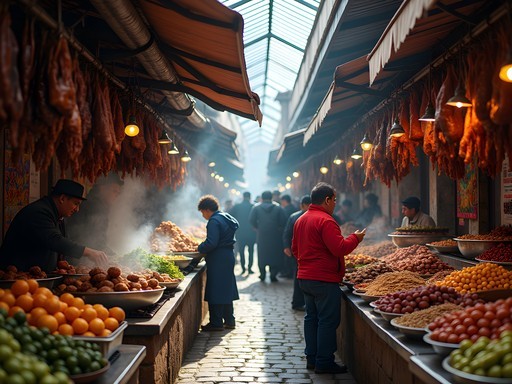
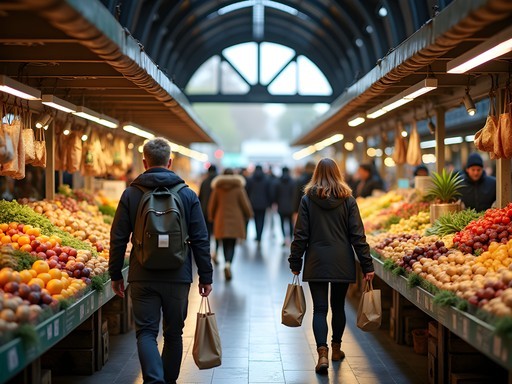
The central market of Saint-Laurent-du-Maroni offers a gastronomic map of the region's cultural influences. I spent an entire morning weaving through stalls, guided by Madame Josephine—a local grandmother who approached me when she saw me photographing vegetables I couldn't identify.
'You cannot understand our town without tasting it first,' she insisted, leading me through a culinary education I hadn't anticipated.
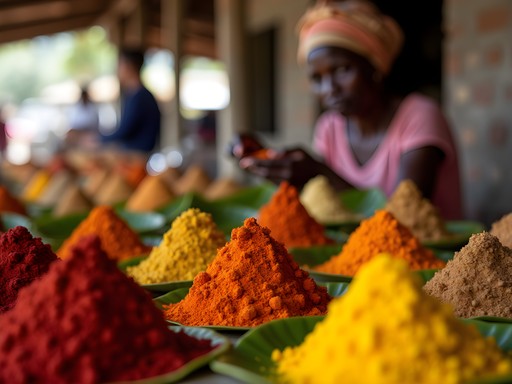
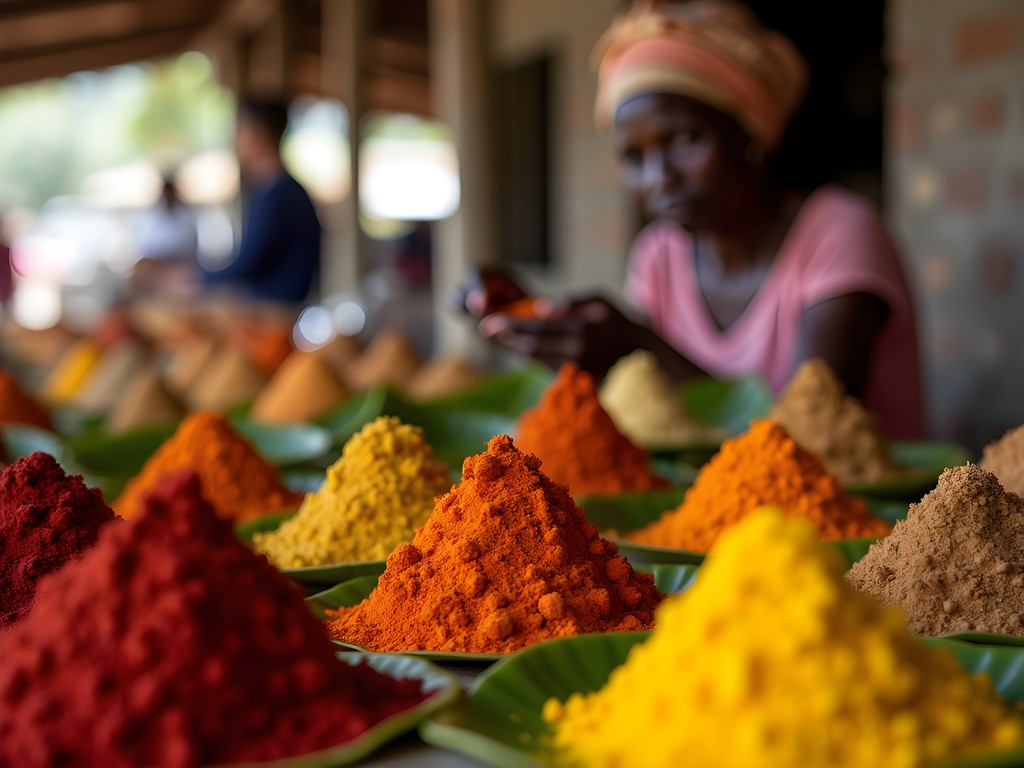
We started with Hmong vendors selling fresh herbs and vegetables brought from their inland farms. The Hmong community arrived as refugees from Laos in the 1970s and have since become the region's agricultural backbone. Next came the Maroon spice sellers, their vibrant powders and dried herbs arranged in precise pyramids.
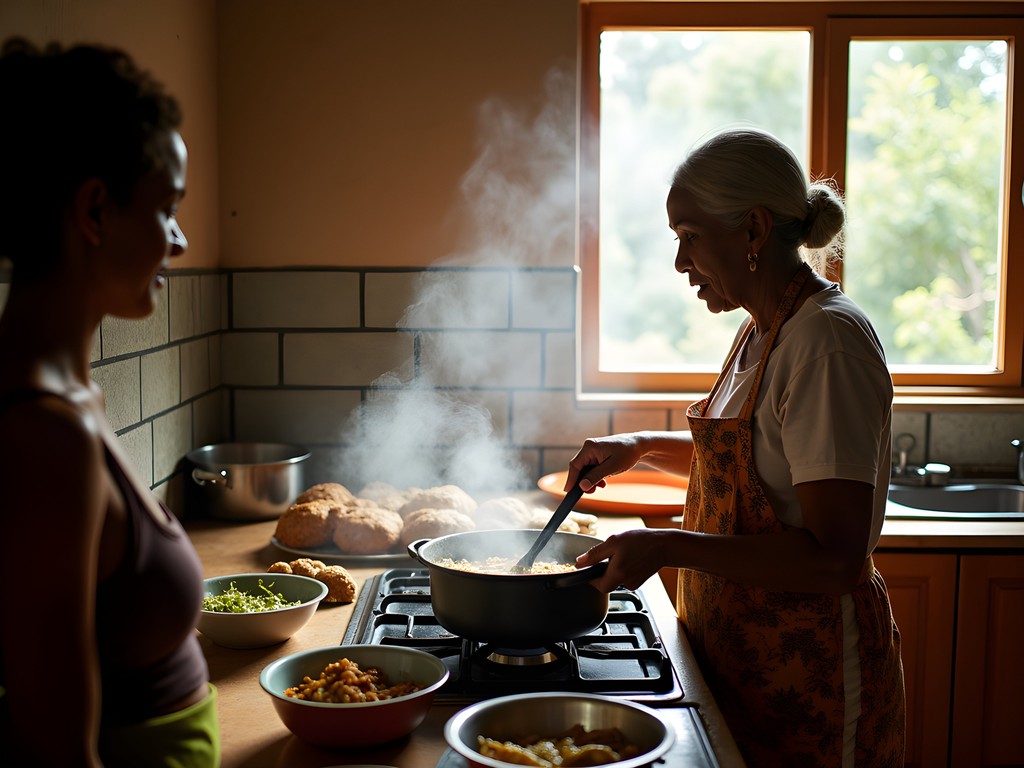
The market's hidden treasure is tucked in its northeastern corner—a small food court where women from different communities prepare their traditional dishes. Here, I discovered awara broth, a complex palm fruit soup that's only available seasonally. Madame Josephine insisted I try it with couac (cassava meal) and freshly caught river fish.
For preserving these culinary discoveries, I used my food journal to record ingredients and techniques. Madame Josephine dictated several recipes, laughing at my attempts to capture exact measurements when she cooked entirely by feel.
Later that evening, I joined a small cooking class in Madame Josephine's home, where we prepared Creole-influenced dishes using a portable induction cooktop that she swore by for precise temperature control—something I've since added to my own kitchen.
💡 Pro Tips
- Visit the market before 7 AM to see fishermen bringing in the morning catch
- Look for the Surinamese women selling peanut soup near the western entrance—it makes an excellent breakfast
- Ask vendors about their ingredients; most are happy to explain preparation methods
Twilight Heritage Walk: Architecture and Stories
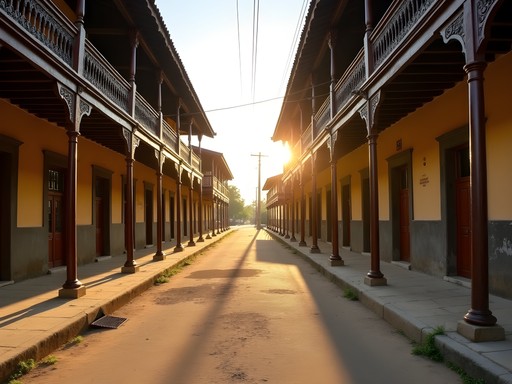
As the tropical heat subsides and the light turns golden, Saint-Laurent-du-Maroni reveals another layer of its character through its colonial architecture. I discovered this quite by accident when I noticed a small handwritten sign advertising 'Promenades du Patrimoine' (Heritage Walks) at a local bookshop.
These walks, led by Jean-Marc, a local historian and architect, happen only on Wednesday and Friday evenings. Our small group of four gathered at the old customs house as Jean-Marc explained how to 'read' the buildings around us.
'Notice how the houses are raised on stilts,' he pointed out. 'This is not just for floods but was a colonial adaptation borrowed from indigenous building techniques.'
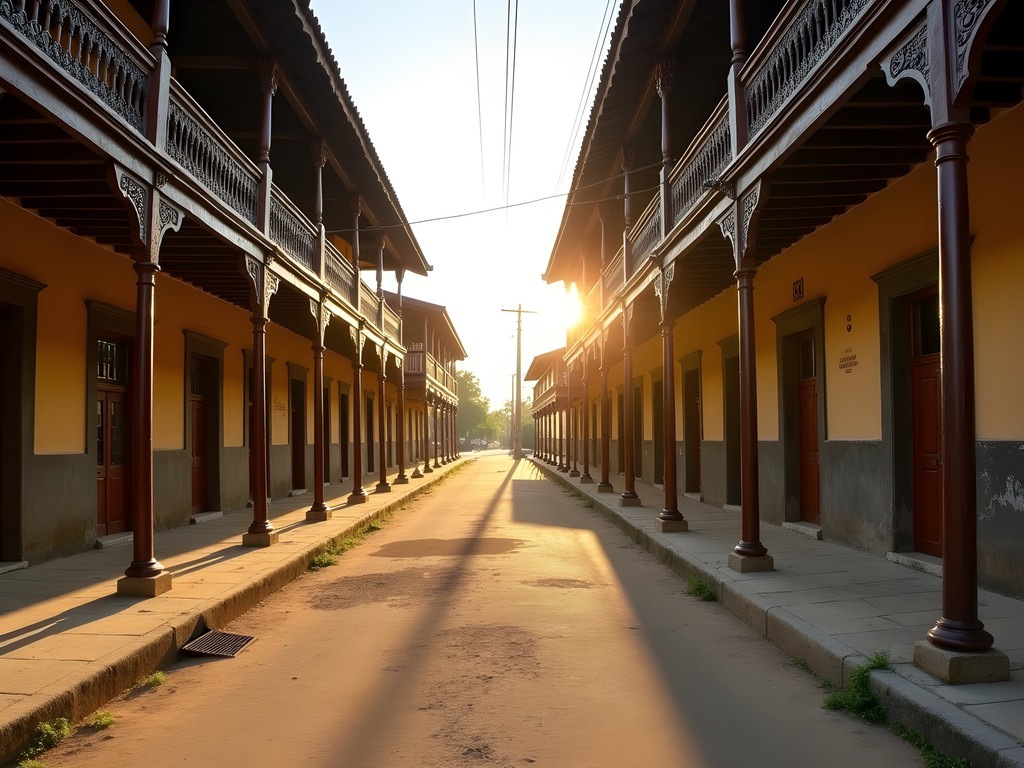
We wandered through quiet streets where wooden Creole houses with intricate fretwork stood alongside more imposing colonial administrative buildings. Jean-Marc showed us subtle details I would have completely missed—symbols carved into doorframes indicating the original owner's profession, clever ventilation systems designed for the tropical climate, and architectural elements that revealed which decade each building was constructed.
The most fascinating stop was a partially restored home where Jean-Marc is documenting traditional building techniques. He demonstrated how the original builders used no nails, instead employing an ingenious system of joints adapted from shipbuilding methods.
For this walk, I was grateful for my insect repellent bracelet as twilight brings out mosquitoes, especially near the older buildings surrounded by lush gardens. I also recommend bringing a foldable water bottle as the walk lasts about two hours with few places to purchase drinks along the way.
💡 Pro Tips
- Book the heritage walk at least one day in advance at the Librairie Jacaranda on Avenue General de Gaulle
- Bring a small flashlight for examining architectural details as the light fades
- Ask Jean-Marc about the restoration projects—he often invites interested visitors to view works in progress
Final Thoughts
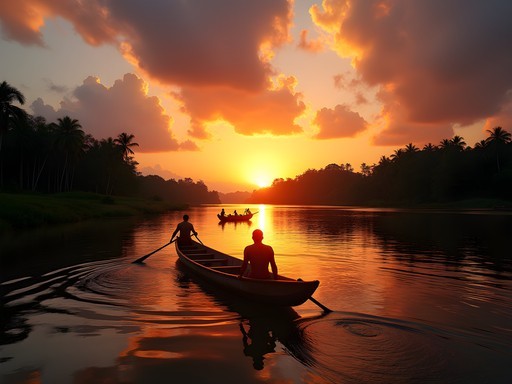
As my week in Saint-Laurent-du-Maroni drew to a close, I found myself sitting on the riverfront promenade, watching pirogues glide across the water while the setting sun painted the sky in shades of mango and flame. This town, so often reduced to its prison history in travel guides, had revealed itself as a living museum of cultural resilience and exchange.
What makes this place truly special isn't just the visible layers of history or the diverse communities that call it home—it's the willingness of locals to share their stories with curious travelers who venture beyond the standard tours. In Saint-Laurent-du-Maroni, every conversation becomes an open door to deeper understanding.
As Maurice told me on my last day, 'We are not just keepers of painful history here. We are creators of new stories.' His words capture the essence of this remarkable border town where six cultures continue to weave their traditions into something entirely unique. For the solo traveler willing to listen, observe, and participate, Saint-Laurent-du-Maroni offers a rare glimpse into a world where colonial shadows and vibrant cultural light dance in perpetual, complex harmony.
✨ Key Takeaways
- Look beyond the penal colony history to discover the rich multicultural fabric of daily life
- Connect with local guides for personalized experiences that reveal the town's hidden stories
- Embrace the river as a cultural connector rather than just a border
- Allow time for spontaneous invitations and cultural exchanges with the six ethnic communities
📋 Practical Information
Best Time to Visit
December to July (dry season)
Budget Estimate
$75-150 per day including accommodations and activities
Recommended Duration
5-7 days
Difficulty Level
Moderate
Comments
escapelover
Adding this to my list. Thanks for sharing!
sunnyfan
This is really interesting! How long would you recommend staying? I'm planning French Guiana for next spring and wasn't sure if this was worth more than a day trip from Cayenne. Also, any accommodation recommendations that support the local community?
Frank Carter
Not Claire, but I'd say minimum 2-3 days to really get beyond the prison tour. The guesthouses near the market are family-run and great.
sunnyfan
Perfect, thanks!
skylegend
Love the river photos!! 📸
Frank Carter
Claire, this really resonates with me. I spent three days there last year and completely agree about La Charbonnière—the Maroon community there was incredibly welcoming. I was invited to a drumming ceremony on my second night, completely unexpected. The prison history gets all the attention, but the living culture along the Maroni River is what stayed with me. Did you try the pimentade at the market? That hot sauce changed my life! Also, crossing to Albina on the Surinamese side makes for a fascinating day trip if anyone has time.
escapelover
How easy is it to cross to Suriname? Do you need a visa?
Frank Carter
Depends on your passport! Canadians and most Europeans can get a visa on arrival. The pirogue crossing takes about 5 minutes and costs a few euros.
bluequeen
Wow never even heard of this place! Looks amazing!
adventureadventurer9917
Just booked my tickets for August! So excited after reading this!
citydiver
Reading this brought back so many memories! I stayed in Saint-Laurent for 3 days last year and it wasn't nearly enough. The prison tour was fascinating but what really surprised me was how lively the town feels despite its dark history. Has anyone tried crossing to Suriname from here? I heard the border process can be complicated but I'm thinking of doing it on my next trip.
waverider
I did the border crossing! It's actually pretty straightforward if you go during normal business hours. You take a pirogue from the waterfront (about €5) and the immigration offices are right at the landing spots on both sides. Just make sure you have your passport and check if you need a visa for Suriname beforehand. The whole process took maybe 30 minutes total.
citydiver
That's super helpful, thanks! Did you just do a day trip or stay longer in Suriname?
waverider
Just a day trip to Albina, but I met travelers who were continuing on to Paramaribo. Apparently there are shared vans that leave from Albina throughout the day.
wildwalker
Just got back from French Guiana and followed many of your recommendations! The Camp de la Transportation tour was haunting but so informative. We took that side path you mentioned to see the solitary confinement cells - chilling. The highlight was definitely the cooking class we found at the market! A local woman taught us to make bouillon d'awara and we got to try so many fruits I'd never heard of before. Thanks for inspiring us to visit this overlooked gem!
Claire Gardner
So happy to hear you had a great experience! That cooking class sounds amazing - I'll have to try that next time I'm there.
oceangal
Just got back from French Guiana and spent 3 days in Saint-Laurent based on this post - thank you Claire! The Camp de la Transportation was haunting but so important to visit. We followed your advice and hired a local guide named Marcel who showed us parts of the complex not on the regular tour. The contrast between the prison history and the vibrant cultural mix in town today is fascinating. We loved the Maroon craft workshop you mentioned in La Charbonnière - I bought a beautiful carved wooden bowl that's now my favorite souvenir. One tip for anyone going: we used our water filter bottle constantly since it was really hot when we visited in January. The local fruit juices at the market are amazing too!
sunnyfan
Was Marcel the older gentleman with the blue cap? He was our guide too! So knowledgeable about the prison history.
oceangal
Yes! That's him! He told us he was the grandson of a prison guard. His stories were incredible.
Fatima Sims
Claire, this resonates so much! I spent two weeks in French Guiana last year and Saint-Laurent was my favorite stop. The market quarter at dawn is pure magic - I watched women preparing manioc the traditional way and ended up learning to make cassava bread. The Maroon communities are the real heart of this place. I also took a pirogue across to Albina on the Suriname side - such a casual border crossing compared to what we're used to! Did you try the bouillon d'awara? That soup is unlike anything I've had anywhere else.
Claire Gardner
Yes!! The bouillon d'awara was incredible. I actually included the recipe in my notes section. And you're so right about the market at dawn - I wish I'd spent more mornings there. The border crossing was such a unique experience too.
Venture X
Premium card with 2X miles, $300 travel credit, Priority Pass