
Disclosure: This article contains affiliate links. We may earn a commission from purchases at no extra cost to you, which helps our travel content.
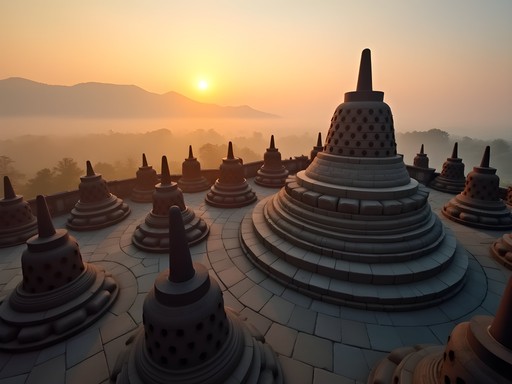
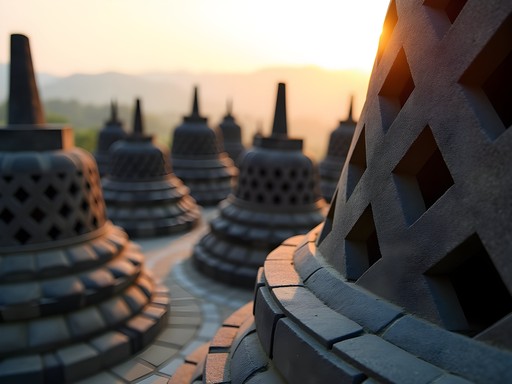
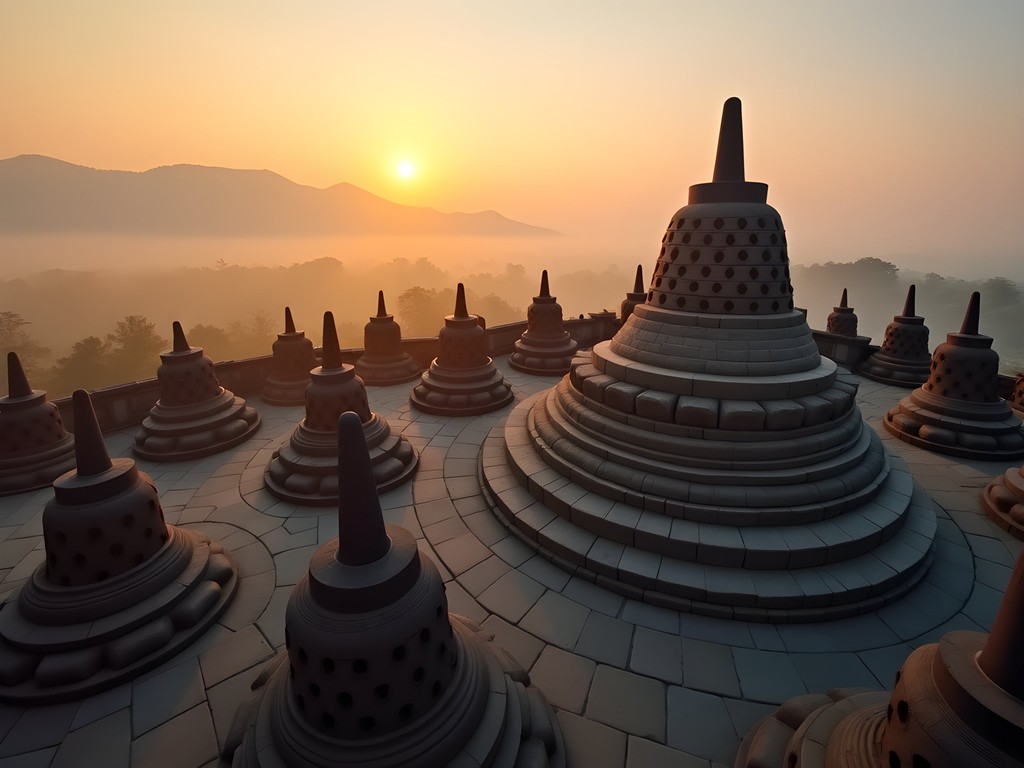
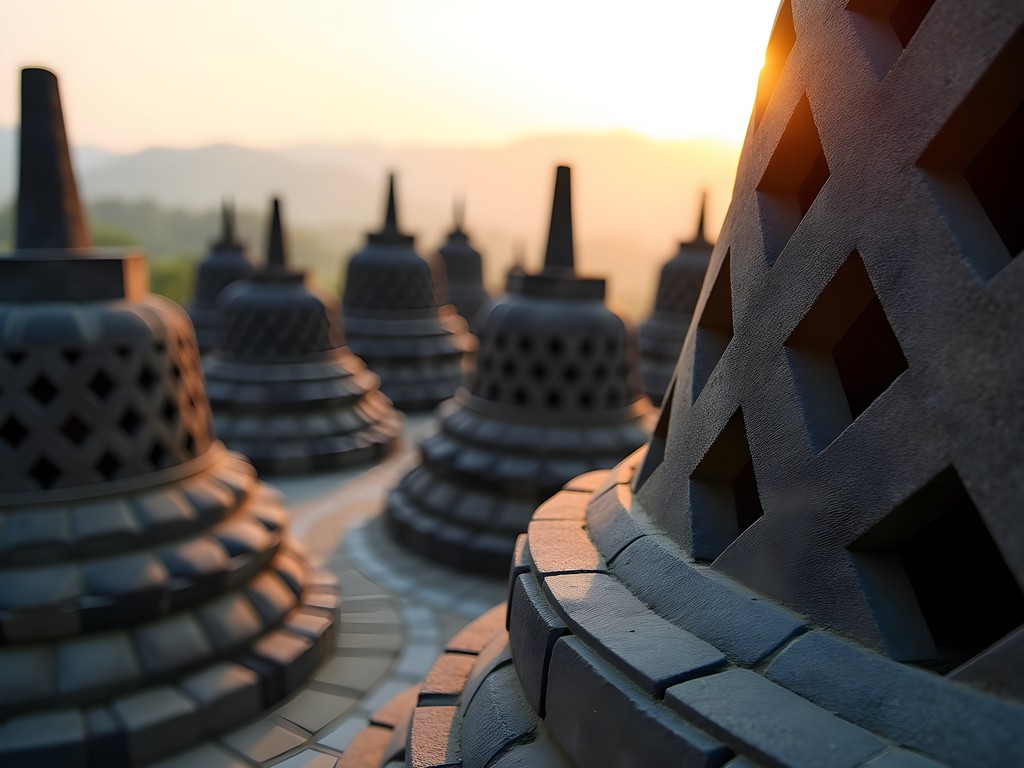
As I stood at the summit of Borobudur at dawn, the first rays of light illuminated the 72 stupas arranged in perfect concentric circles—a physical manifestation of the mathematical principles that govern both ancient wisdom and modern blockchain architecture. This wasn't merely a vacation; it was an expedition into the harmonious intersection of sacred geometry and luxury that Java offers to the discerning traveler. Having spent years analyzing patterns across global sacred sites, I can confidently say that Borobudur represents one of the most sophisticated applications of mathematical principles in religious architecture—all while being surrounded by some of Indonesia's most exclusive accommodations and experiences.

The Sacred Geometry of Borobudur: A Blockchain Developer's Perspective
Walking through Borobudur's nine platforms feels remarkably similar to navigating the layered protocols of a well-designed blockchain system. The monument consists of six square terraces topped by three circular platforms, creating a mandala that represents the Buddhist cosmology—but also, I noticed, mirrors the distributed consensus mechanisms that make decentralized systems function.
The 72 stupas arranged in perfect concentric circles contain hidden Buddha statues, each positioned at precise mathematical intervals. During my private dawn tour (well worth the premium), my guide revealed that these arrangements follow a mathematical progression similar to Fibonacci sequences. As someone who implements mathematical protocols daily, I was struck by how the builders encoded universal patterns into stone 1,200 years ago.
For serious architectural enthusiasts, I recommend bringing the laser measure I carry on all my sacred site visits. It allowed me to verify the precise measurements between stupas and confirm the mathematical relationships that aren't mentioned in standard guidebooks. The temple's builders used a measurement system based on tala units (the distance between the tip of the middle finger and the wrist), creating proportions that reflect cosmic harmony.
💡 Pro Tips
- Book the sunrise private access tour at least 3 weeks in advance—it sells out quickly in spring
- Visit twice: once at sunrise for photography and spiritual experience, and once midday with a specialized architectural guide
- The eastern side of the monument offers the best lighting for photographing the mathematical relationships between stupas
Luxury Accommodations: Algorithmic Harmony in Hospitality
After years of business travel, I've developed a formula for selecting accommodations that maximize both luxury and cultural immersion. In Borobudur, the clear winner is Amanjiwo, positioned with mathematical precision to frame perfect views of the temple from its suites.
The resort's architecture, designed by Ed Tuttle, employs the same sacred geometry principles found in Borobudur itself. My limestone-walled suite featured a perfect golden ratio in its dimensions, with a private plunge pool positioned for optimal sunrise viewing. The silk eye mask I always pack ensured I could rest well before my 3:30 AM wake-up call for the sunrise temple tour.
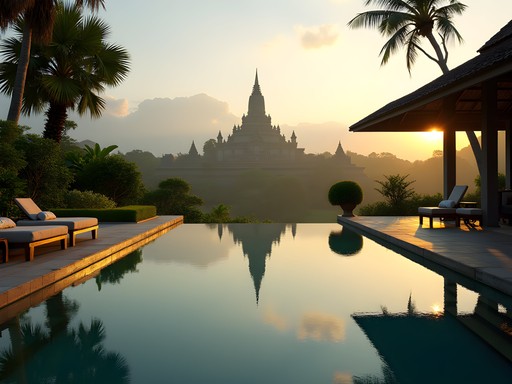
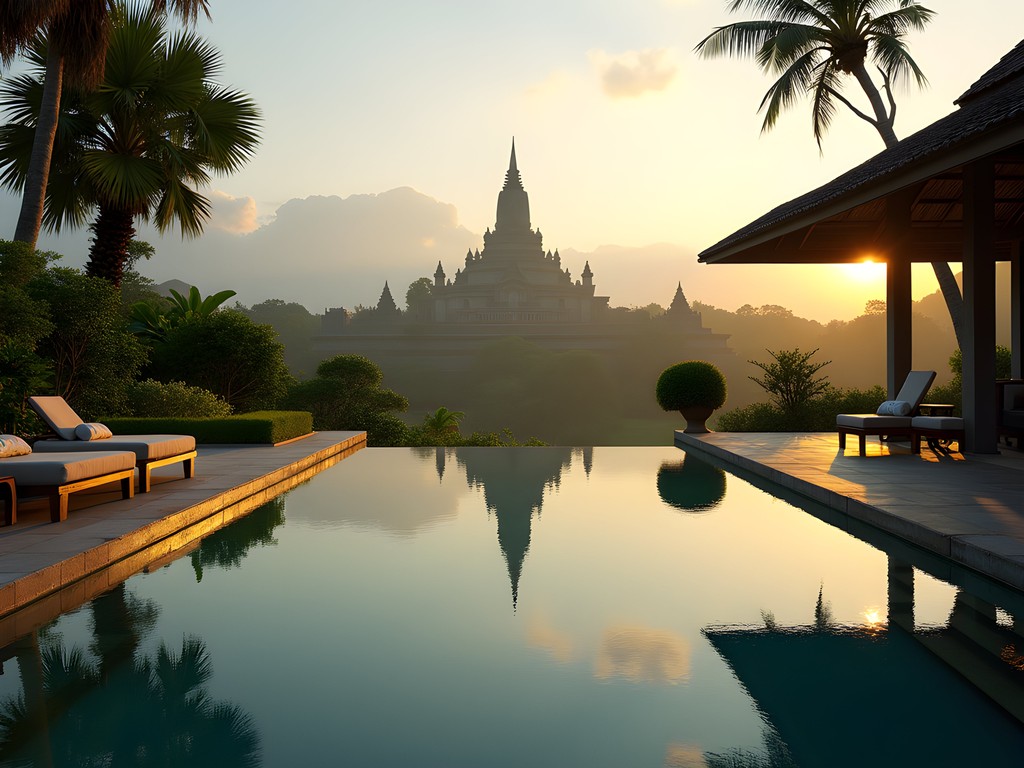
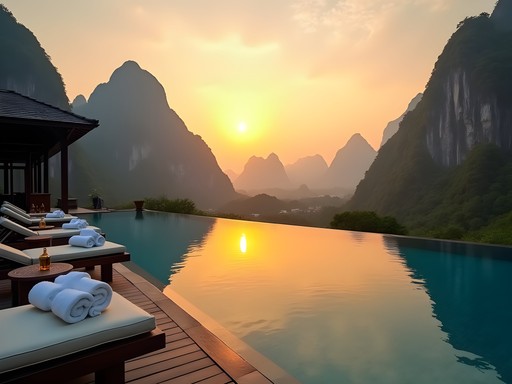
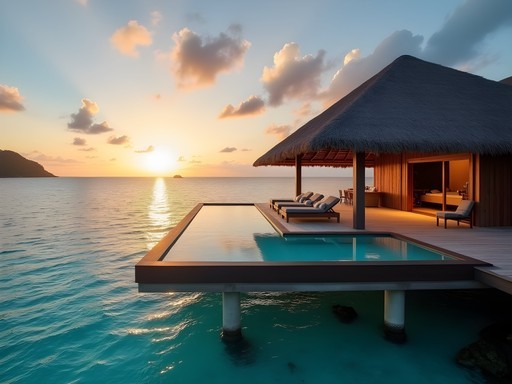
For those preferring a more intimate experience, Villa Borobudur offers just five villas set among terraced rice fields. I spent two nights at their Diponegoro Villa, where the infinity pool creates a perfect reflection of Borobudur in the distance—a symmetry that would satisfy even the most demanding blockchain protocol designer. Their private butler service arranged a sunrise meditation session with a local Buddhist practitioner who explained how the temple's mathematical design facilitates specific meditation practices.
While luxury accommodations here command premium prices ($500-1200/night), they deliver experiences impossible to find elsewhere, particularly for those interested in the intersection of ancient wisdom and architectural precision.
💡 Pro Tips
- Request Room 15 at Amanjiwo for the most mathematically perfect view of Borobudur
- Book the private dinner in the rice fields at Villa Borobudur—they position your table according to ancient Javanese astronomical alignments
- Both luxury properties offer private guides with specialized knowledge of sacred geometry—request this when booking
Java's Tea Plantations: Fractal Patterns in Agricultural Luxury
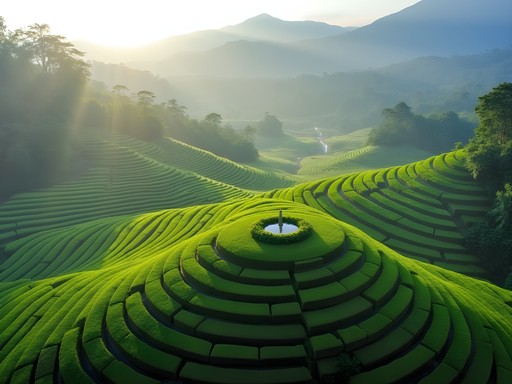
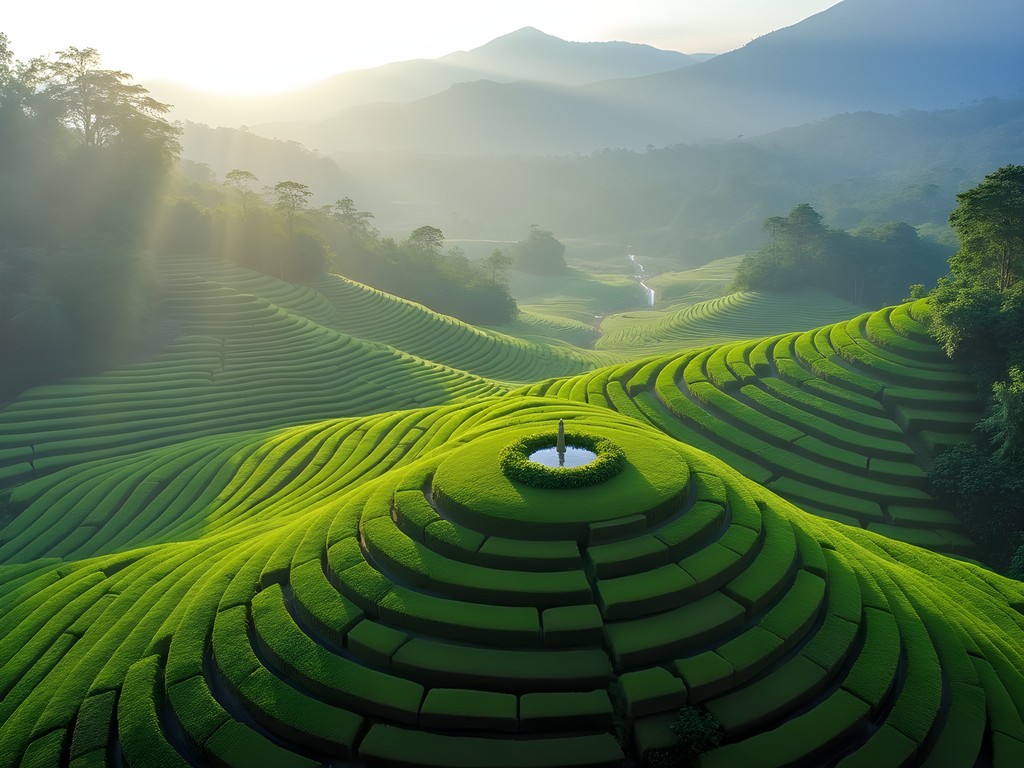
The mathematical patterns I observe in my blockchain work appear consistently in nature, particularly in the fractal arrangements of Java's tea plantations. A two-hour drive from Borobudur, the MesaStila resort sits amid working tea fields where the harvesters trim plants into perfect geometric patterns that create mesmerizing fractals when viewed from above.
During my stay, I participated in their exclusive tea masterclass, where the plantation manager demonstrated how the geometric arrangement of tea plants optimizes both growth and harvesting efficiency. This agricultural algorithm has been refined over centuries, creating a system that maximizes output while maintaining perfect balance with the ecosystem.
The resort arranged a private helicopter tour that revealed the full fractal beauty of the plantations—patterns remarkably similar to the distributed node arrangements in advanced blockchain networks. For this aerial photography opportunity, my ND filter set proved invaluable for capturing the perfect exposure despite harsh midday light.
After exploring, I returned to MesaStila's colonial-era coffee house for their signature tea ceremony. The travel tea set I brought allowed me to continue enjoying their rare single-estate teas throughout my journey. The plantation's 1860s Dutch colonial buildings have been meticulously restored, offering a luxury experience that connects modern comfort with historical context.
💡 Pro Tips
- Book the helicopter tour at least 5 days in advance and request the geometric patterns flight path
- The tea masterclass is only available on Tuesdays and Fridays—worth planning your itinerary around
- Request the special tasting of aged pu-erh teas stored in the plantation's colonial vaults—not on the regular menu

Rafting the Elo River: Fluid Dynamics and Luxury Adventure
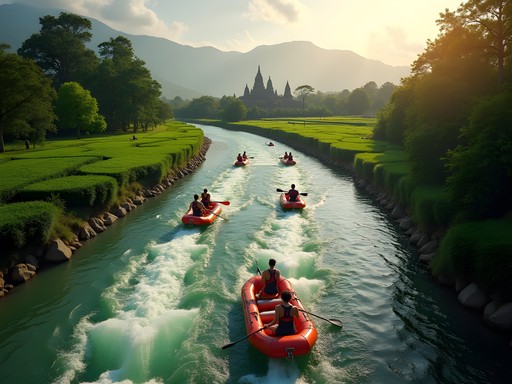
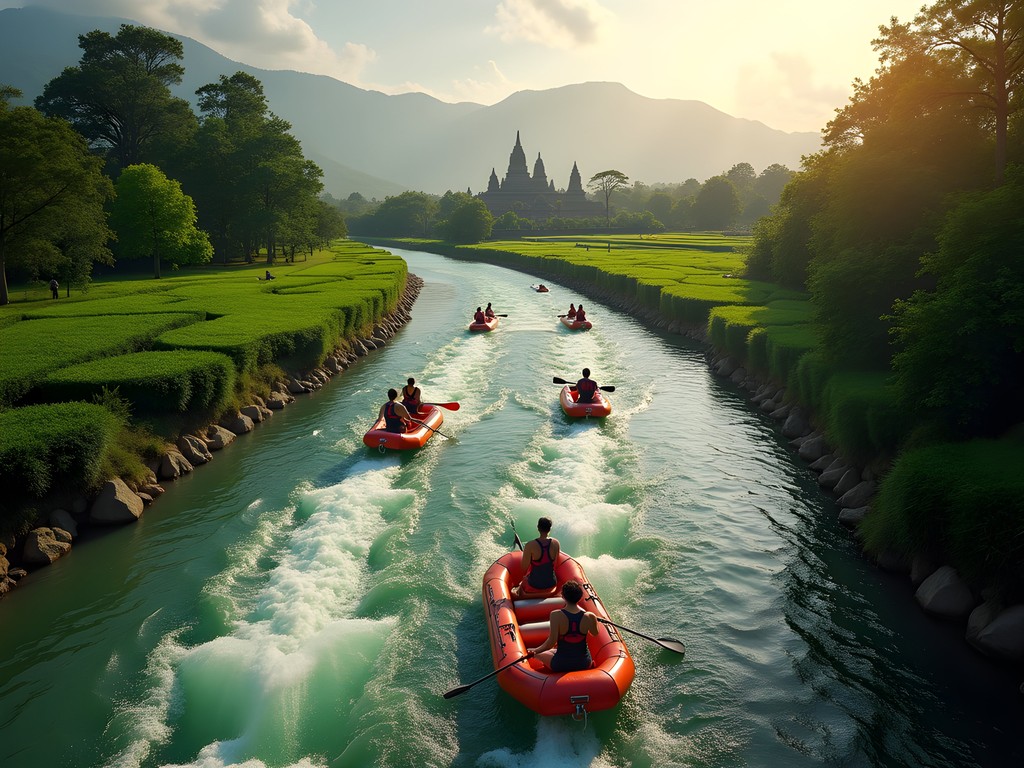
My background in the Rio Grande's rapids made Java's Elo River expedition particularly fascinating. Unlike my usual technical rafting, this luxury experience combined moderate rapids with cultural immersion. The river flows in patterns that hydrologists model using the same mathematical principles that underpin certain blockchain consensus mechanisms—fluid dynamics expressing universal mathematical truths.
I booked the private expedition through Amanjiwo, which included a riverside lunch prepared by their executive chef. The waterproof phone case allowed me to document the river's flow patterns without risking my equipment. Our guide, a local hydrologist, pointed out how the river's natural flow algorithms create perfect eddies and standing waves—nature's own consensus mechanism for distributing energy efficiently.
The expedition culminated at a private riverside camp where traditional Javanese dancers performed against the backdrop of Menoreh Hills. Here, the compact travel towel I always carry proved essential after our water adventures. What made this rafting experience truly luxurious wasn't just the premium equipment or gourmet riverside dining, but the intellectual engagement with local experts who understood both the technical aspects of the river and its cultural significance.
For those seeking a more technical challenge, the upper Elo offers Class III rapids during the rainy season, though spring offers the perfect balance of excitement and comfort with Class II sections that allow time for contemplation and photography.
💡 Pro Tips
- The luxury rafting expedition must be booked through Amanjiwo or Villa Borobudur—independent operators don't offer the same cultural immersion
- Request the hydrologist guide specifically—regular guides focus on wildlife rather than the mathematical patterns in the river
- Bring polarized sunglasses to better observe the flow patterns beneath the water's surface
Crafting a Technological-Spiritual Itinerary: The Optimal Algorithm
Based on my analysis of travel patterns and energy optimization, I've developed what I consider the perfect algorithm for a week in Borobudur that balances luxury, spiritual exploration, and technological interest:
Days 1-2: Borobudur Immersion Arrive at Amanjiwo and acclimate to the mathematical perfection of the property. Use the first full day for your initial Borobudur exploration, focusing on the overall structure rather than details.
Days 3-4: Tea Plantation Retreat Transfer to MesaStila for the tea plantation experience, including the helicopter tour that reveals the fractal patterns from above. The travel meditation cushion I bring on all trips proved perfect for morning meditation sessions overlooking the tea fields.
Days 5-7: Deeper Borobudur & Water Dynamics Return to the Borobudur area, staying at Villa Borobudur for a different perspective. Schedule your Elo River expedition, followed by a specialized sacred geometry tour of Borobudur with an archaeological expert who can explain the mathematical principles in detail.
This itinerary creates a perfect flow between different types of experiences while maintaining the luxury thread throughout. The travel router ensured I maintained secure connections for my blockchain work throughout the journey, even in remote plantation areas.
💡 Pro Tips
- Schedule high-energy activities (like rafting) for days 5-6 when you've fully acclimated to the local time zone
- Book private transfers between properties—public transportation disrupts the luxury experience and wastes valuable time
- Request room changes within the same property to experience different mathematical perspectives of Borobudur
Final Thoughts
As I departed Java, watching Borobudur recede into the distance, I couldn't help but reflect on how this journey had reinforced my understanding of universal mathematical principles. The sacred geometry of the temple, the fractal patterns of the tea plantations, and the fluid dynamics of the Elo River all express the same fundamental truths that govern my work in blockchain architecture—patterns that transcend time, culture, and technology.
For those who approach travel as more than mere sightseeing—those who seek to understand the mathematical underpinnings of both ancient wisdom and natural systems—Java offers a uniquely luxurious laboratory. The island has perfected the art of making intellectual exploration comfortable, even indulgent.
I'll return to St. Louis with new insights to apply to my blockchain protocols, inspired by mathematical systems that have sustained themselves for over a millennium. If you appreciate the intersection of luxury, mathematics, and spiritual wisdom, craft your own journey to Borobudur—the algorithms of ancient Java await your analysis.
✨ Key Takeaways
- Borobudur's architecture encodes mathematical principles that mirror modern distributed systems
- Spring offers the perfect balance of comfortable weather and smaller crowds for luxury experiences
- The combination of temple architecture, tea plantation patterns, and river dynamics creates a comprehensive study in mathematical principles
📋 Practical Information
Best Time to Visit
March through May (spring)
Budget Estimate
$7,000-10,000 per person for a week of luxury experiences
Recommended Duration
7 days minimum
Difficulty Level
Intermediate
Comments
bluehero
How many days would you recommend for the Borobudur area? Trying to figure out if 2 days is enough or if I should plan for 3-4
Hayden Bradley
I'd say 3 days is the sweet spot. Day 1 for Borobudur sunrise and exploring the temple complex, Day 2 for tea plantations and maybe the rafting, Day 3 for the smaller temples and just soaking in the area. You could do it in 2 but it would feel rushed.
vacationlover
Going there next month!! So excited after reading this
Haley Hamilton
Really interesting perspective on Borobudur! I've been twice but always on a backpacker budget, staying in hostels and taking local buses. Your luxury angle is inspiring me to save up for a different kind of return trip. The Elo River rafting sounds incredible—I missed that completely on my visits. One thing I'd add for budget travelers reading this: you can still get amazing sunrise views from Punthuk Setumbu hill nearby for a fraction of the temple entrance cost. But yeah, nothing beats being ON the temple itself at dawn. The sacred geometry angle is fascinating—never thought about the mathematical precision behind it all.
bluehero
Good tip on Punthuk Setumbu! Is it easy to get to on your own?
Haley Hamilton
Yeah! You can hire a scooter or get a driver from town. Takes about 15 minutes from the main Borobudur area.
redguide9505
Which tea plantation did you visit? Planning a trip in September and want to make sure I hit the right ones
explorewanderer
Those stupa photos are incredible!
Fatima Sims
Hayden, I love how you brought your tech background into this piece! When I visited Borobudur three years ago, I was completely mesmerized by the symmetry and design—though I didn't think about it through a mathematical lens like you did. The sunrise experience was one of those moments that stays with you forever. I stayed at a small guesthouse in the village rather than luxury accommodations, but your description of the high-end options has me wanting to go back and experience it differently. Did you get a chance to explore any of the smaller temples around the area? Pawon and Mendut are worth the visit if you have time.
Hayden Bradley
Thanks Fatima! Yes, I visited Mendut—the Buddha statue there is incredible. The three temples form a straight line which fits perfectly with the sacred geometry theme. Would love to hear more about your guesthouse experience!
travellegend
How early do you need to get there for sunrise? Is it crazy crowded?
Hayden Bradley
Gates open at 4:30am for sunrise tickets. I'd recommend arriving right when they open. It gets busy but the luxury sunrise tour keeps you in a separate area with fewer people. Totally worth the early wake-up!
travellegend
Perfect, thanks!
wildone
This looks absolutely amazing!! Adding to my bucket list right now
summerbackpacker
Going in August! Which luxury hotel did you stay at? The photos look amazing
Hayden Bradley
Stayed at Amanjiwo - pricey but the views of Borobudur from the property are unreal. Worth it if you can swing it!
summerbackpacker
Thanks!! Will check it out
Jean Wells
Excellent analysis of the geometric patterns at Borobudur. I visited in 2023 and was similarly struck by the mathematical precision. One question: what time did you arrive for sunrise? I found that getting there by 4:30am was essential to secure a good viewing position before the tour groups arrived. The tea plantations near Losari are also worth exploring if you have time—the elevation creates interesting microclimates that affect the flavor profiles. Did you do any cupping sessions while you were there?
Hayden Bradley
We arrived at 4:45am and it was already getting crowded! Next time definitely earlier. Didn't do formal cupping but the plantation tour included tastings. The volcanic soil really does make a difference.
summerbackpacker
4:30am?? that's intense but probably worth it
Venture X
Premium card with 2X miles, $300 travel credit, Priority Pass