
Disclosure: This article contains affiliate links. We may earn a commission from purchases at no extra cost to you, which helps our travel content.
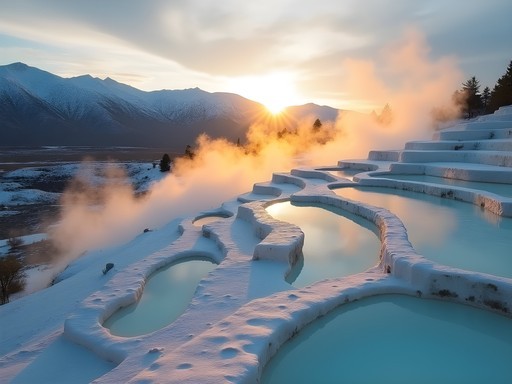
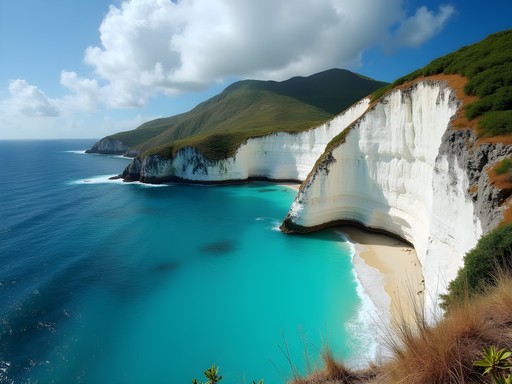
The first time I witnessed Pamukkale's white calcium terraces reflecting the winter sun, I understood why the ancients considered this place divine. As someone who spends most days orchestrating the organized chaos of warehouse logistics, I've developed a peculiar appreciation for natural systems that create order from disorder. Pamukkale's thermal waters have been doing exactly that for millennia, depositing calcium to form those iconic white terraces that cascade down the hillside like a warehouse's perfectly arranged inventory shelves—only infinitely more beautiful. This two-week journey from Turkey's thermal wonder to Bulgaria's mountain spa town of Bansko wasn't initially on my radar for business travel, but when the opportunity for a winter wellness retreat presented itself, I couldn't resist exploring these two thermal paradises that offer the perfect antidote to corporate burnout.
Pamukkale: Where Nature Creates the Ultimate Infinity Pool
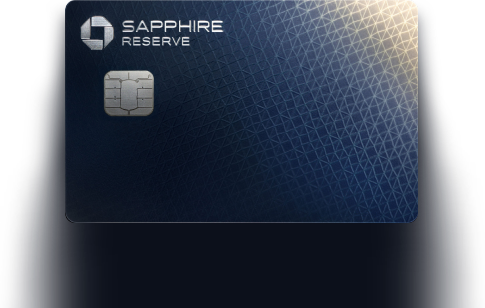
Arriving in Pamukkale feels like stepping into another dimension. The name translates to 'cotton castle' in Turkish, and as I stood at the base looking up at the gleaming white terraces against the winter sky, I understood the poetry in that name. The contrast of steam rising from thermal pools against the crisp winter air creates an otherworldly atmosphere that no summer visit could replicate.
I checked into the Spa Hotel Colossae Thermal, one of the few ultra-luxury accommodations that pipe the region's famous mineral-rich waters directly into private suites. My room featured a thermal bath carved from local travertine—the same stone that forms Pamukkale's terraces—creating a seamless connection between the natural wonder outside and my personal sanctuary.
The terraces themselves require a barefoot approach (shoes can damage the delicate calcium formations). Walking across them in winter means alternating between the warm, mineral-rich pools and the cool air—a natural contrast therapy that invigorates the body. The water temperature maintains a consistent 35°C (95°F) year-round, creating the perfect winter bathing experience.
For the full historical context, I spent a morning exploring the adjacent ruins of Hierapolis, the ancient Roman spa city. The Archaeological Museum housed in the former Roman baths provides fascinating context about the area's 2,000-year history as a wellness destination. The highlight, however, was swimming in the Antique Pool among submerged Roman columns—a surreal experience that connects you directly to those who sought healing in these same waters millennia ago. The entrance fee of 200 Turkish Lira (approximately $25) feels nominal for such a transcendent experience.
Before leaving Pamukkale, I treated myself to a traditional Turkish hamam experience at my hotel. After years of business travel across four continents, I've experienced countless spa treatments, but few match the thoroughness of a proper Turkish scrub. I emerged feeling like my body had been completely reset—a necessary preparation for the second leg of my journey.
💡 Pro Tips
- Visit the terraces at sunrise or sunset for the most dramatic lighting and fewer tourists
- Pack water shoes with removable soles for walking between the terraces and surrounding areas
- Book accommodations with private thermal baths for the ultimate luxury experience
The Luxury Transit: Istanbul's Strategic Stopover
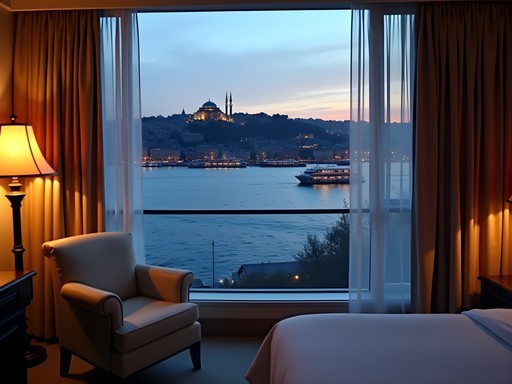
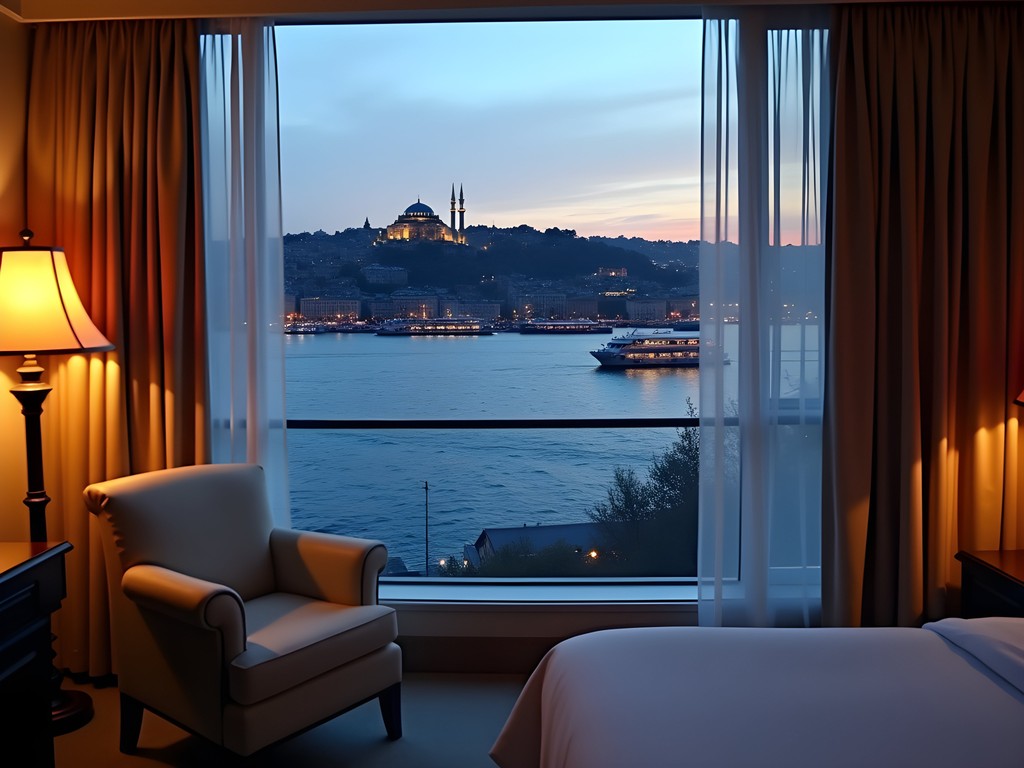
Any journey between Turkey and Bulgaria deserves a strategic pause in Istanbul. Rather than treating it as mere transit, I booked a 48-hour stopover at the Four Seasons Bosphorus. The hotel occupies a restored Ottoman palace, and my suite offered panoramic views of the strait that divides Europe and Asia—a fitting metaphor for this journey between two distinct wellness traditions.
While Istanbul offers endless cultural attractions, I focused my brief stay on preparing my body for the next phase of thermal indulgence. The hotel's hammam continues the tradition of Ottoman bathing rituals with marble heated to the perfect temperature and skilled attendants who have elevated scrubbing to an art form.
For dinner, I discovered a hidden gem called Aheste, tucked away in the Beyoğlu district. Their slow-food approach to Turkish cuisine provided the perfect nutritional preparation for continued wellness travel. The standout dish was a slow-cooked lamb that had been marinated in mineral water from hot springs—an unexpected but delicious nod to my thermal-themed journey.
Before departing Istanbul, I visited a local shop to purchase a Turkish pestemal. These traditional lightweight cotton towels are ideal companions for thermal spa hopping—quick-drying, compact, and growing softer with each use. Mine has since accompanied me to hot springs across three continents.
The flight from Istanbul to Sofia is mercifully brief at just over an hour, followed by a scenic 2.5-hour drive to Bansko. I opted for a private transfer service rather than navigating public transportation or rental cars on potentially snowy mountain roads. The luxury vehicle came equipped with heated seats and a selection of Bulgarian wines to sample—my first taste of Bulgarian hospitality.
💡 Pro Tips
- Book a room on the Bosphorus side of any Istanbul hotel for the iconic strait views
- Purchase authentic Turkish bath products in Istanbul to continue the spa experience at home
- Arrange private transfers for the Sofia to Bansko journey in winter to avoid driving in mountain conditions
Bansko: Bulgaria's Alpine Thermal Paradise
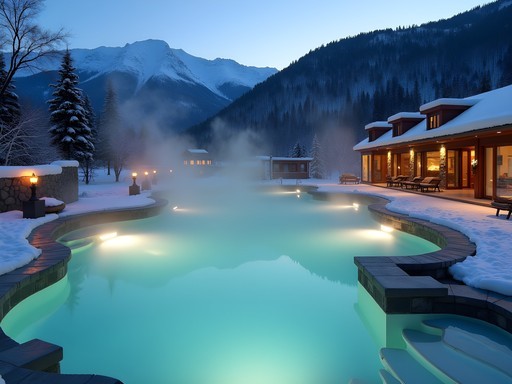
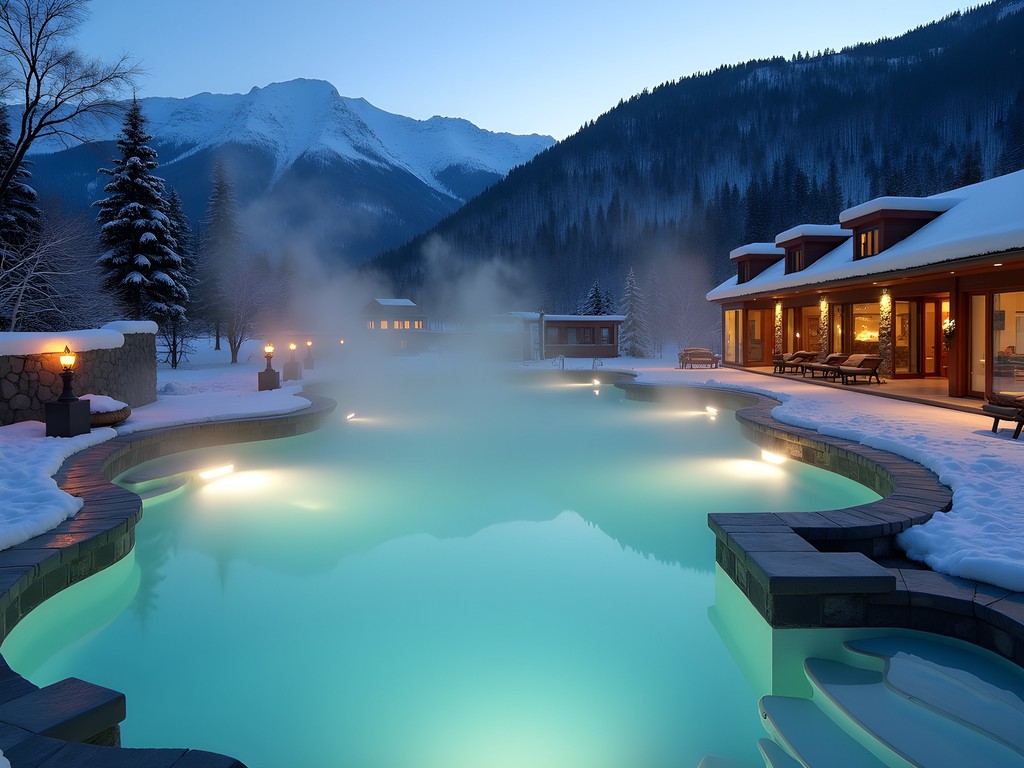
Bansko presents a fascinating dichotomy—a world-class ski resort paired with thermal waters that have attracted wellness seekers since Thracian times. While most winter visitors come for the slopes, I came for the waters, making my base at the Premier Luxury Mountain Resort. The property features Bulgaria's most sophisticated hydrothermal complex, with graduated pools ranging from 28°C to 40°C (82°F to 104°F).
What distinguishes Bulgarian spa culture from its Turkish neighbor is the integration of cold therapy alongside thermal immersion. My suite featured a private sauna and a snow shower—literally a shower that produces snow-like ice particles for the ultimate contrast therapy. After years of managing warehouse climate control systems, I found myself oddly fascinated by the engineering behind these wellness technologies.
Beyond the resort, Bansko and its surrounding region offer numerous natural and developed hot springs. I spent a day at the Izgreva Complex outside the nearby town of Banya, where outdoor pools of varying temperatures are surrounded by snow-covered mountains. The minerals here are said to be particularly beneficial for joint health—something I've become increasingly conscious of after years of walking concrete warehouse floors.
The region's thermal waters contain a unique mineral composition rich in sulfur, silica, and calcium, creating distinct therapeutic properties from those in Pamukkale. Local tradition suggests rotating between different springs to address various health concerns—a practice I embraced with methodical dedication.
For those seeking the ultimate in privacy, I discovered several boutique properties that offer exclusive thermal experiences. The standout was Villa Gella in the nearby Rhodope Mountains, where a single group can book the entire property, including its thermal facilities. The villa's staff arranged a traditional Bulgarian banitza (cheese pastry) cooking class using mineral water in the dough—a delicious education in how thermal waters integrate into every aspect of local life.
After long days of thermal soaking, I found my skin needed extra hydration in the mountain air. A thermal water facial mist became my constant companion, extending the mineral benefits beyond immersion sessions.
💡 Pro Tips
- Book spa treatments early in the morning before ski crowds return from the mountains
- Try the local thermal mud masks available at most spas—they use mineral-rich clay from nearby deposits
- Visit the village of Banya for more authentic thermal experiences with locals

The Culinary Complement: Thermal Dining Experiences
Any serious wellness journey must address nutrition, and both regions have developed culinary traditions that complement their thermal waters. In Pamukkale, I discovered restaurants that slow-cook ingredients using the natural heat from thermal springs. At Melrose House Hotel's restaurant, eggs are cooked to perfection by suspending them in mesh bags directly in the mineral-rich waters—creating a distinctive flavor profile unlike any conventional preparation.
Bansko's mountain cuisine initially appears heavy for a wellness retreat—lots of slow-cooked meats and hearty stews—but the locals insist these foods are essential for maximizing the benefits of thermal therapy. At traditional mehanas (taverns) like Baryakova Mehana, I learned that specific herbs are incorporated into dishes to enhance the therapeutic effects of the region's mineral waters.
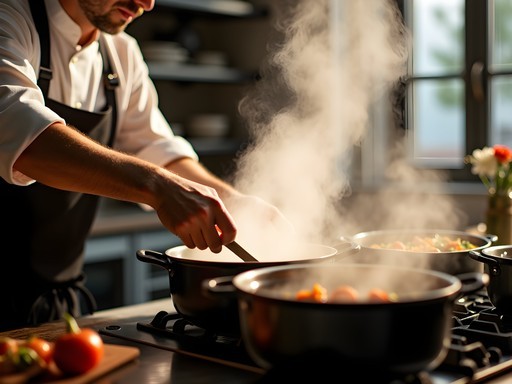
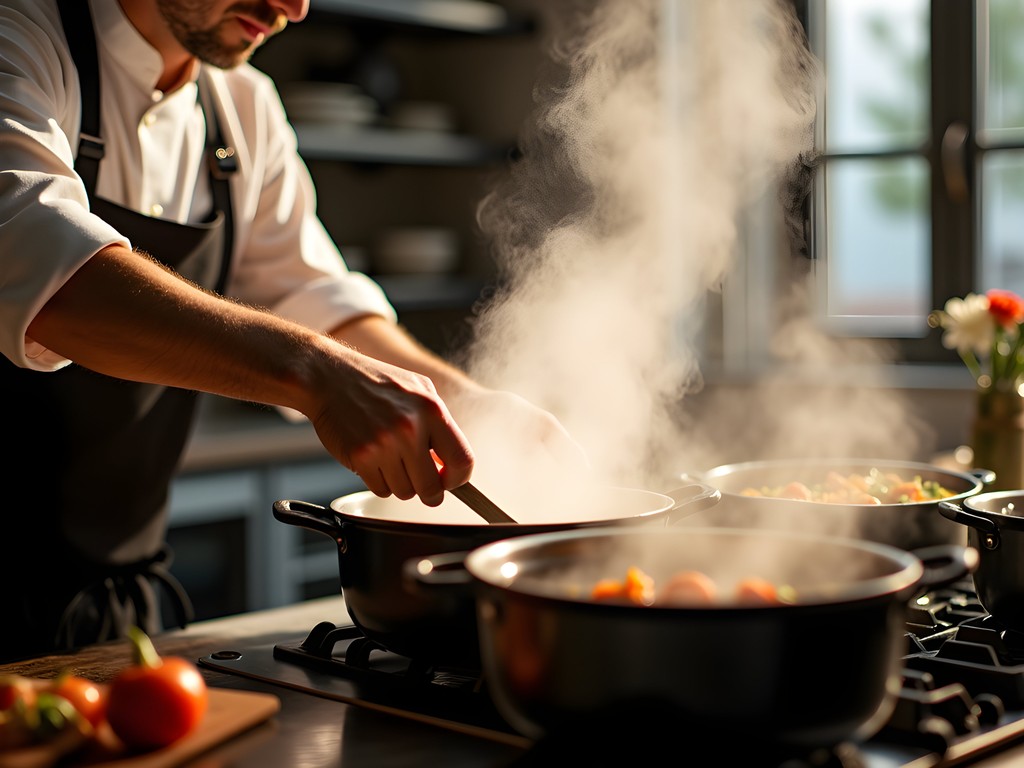
One particularly memorable dining experience came at Bansko's Pirin 75 restaurant, where I participated in a thermal cooking masterclass. The chef demonstrated how different mineral waters affect food preparation—from bread making to meat tenderizing. We used a sous vide cooker to precisely control temperatures, mimicking the careful temperature gradations of the thermal baths themselves.
Both regions produce distinctive wines that locals pair with thermal soaking. In Turkey, the volcanic soil near Pamukkale produces mineral-forward white wines, while Bulgaria's mountain terroir creates structured reds perfect for après-spa evenings. The ritual of enjoying a glass of local wine after thermal immersion has solid scientific backing—the relaxation of blood vessels from the heat enhances the moderate cardiovascular benefits of resveratrol in red wine.
I've organized many inventory systems in my career, but cataloging the various mineral waters for drinking became an unexpected pleasure of this journey. Each source has distinct mineral compositions, flavors, and purported health benefits. I began collecting bottles from different springs, creating my own taxonomy of thermal waters—a hobby that continues to this day, with shelves in my Raleigh home displaying waters from thermal regions worldwide.
💡 Pro Tips
- Try egg dishes cooked in thermal waters for a unique culinary experience
- Book thermal cooking classes to understand how mineral waters enhance food preparation
- Pair local wines with thermal soaking sessions for complementary relaxation effects
The Science Behind Thermal Wellness
My warehouse management background has instilled in me a deep appreciation for systems and processes—understanding how things work is second nature. Throughout this journey, I found myself equally fascinated by the science behind thermal wellness as by the experiences themselves.
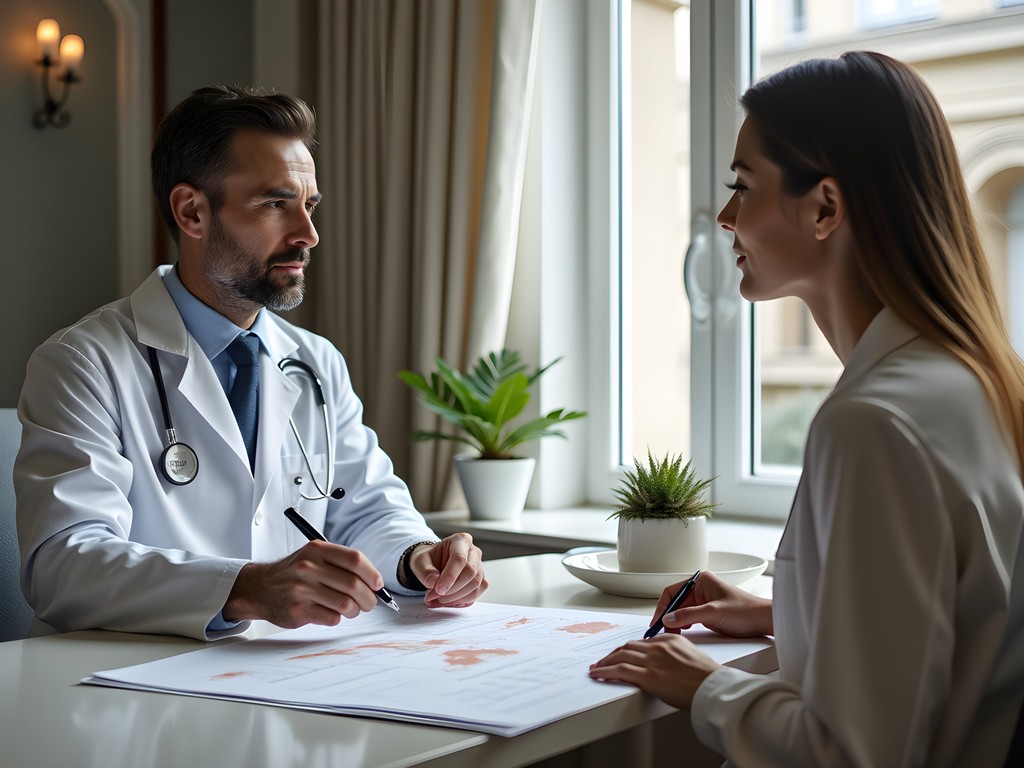
In Pamukkale, I met with Dr. Mehmet Aydin, a balneotherapy specialist who has studied the region's waters for decades. He explained that the calcium bicarbonate-rich waters have measurable effects on skin conditions and joint mobility. The water's slight radioactivity—well within safe levels—stimulates cellular regeneration in a way that cannot be replicated artificially.
Bansko's waters, by contrast, contain higher levels of sulfur compounds and silica. At the Medical SPA Dobrinishte near Bansko, I underwent a full diagnostic assessment to determine which specific thermal pools would best address my particular physical needs—primarily tension in my shoulders from years of computer work between warehouse walks.
The integration of modern technology with ancient thermal practices particularly impressed me. At St. Ivan Rilski Hotel in Bansko, thermal water is infused with precisely calibrated microbubbles that enhance mineral absorption through the skin. The system reminded me of the automated misting systems we use for inventory in climate-controlled warehouses—precision delivery for maximum effect.
For those interested in tracking their wellness journey, I found the health tracking watch invaluable. It monitored my heart rate variability and sleep quality improvements throughout the thermal therapy program. The data showed measurable improvements in recovery metrics after just three days of consistent thermal immersion.
Perhaps most fascinating was learning about the microbiome of thermal waters—each spring hosts unique beneficial bacteria that temporarily colonize the skin, creating what scientists call the 'spa microbiome effect.' This explains why the benefits of these waters cannot be fully replicated at home—it's not just about the minerals but about the living ecosystem within these ancient waters.
💡 Pro Tips
- Schedule a consultation with a balneotherapy specialist to personalize your thermal experience
- Alternate between different mineral composition pools to address various health concerns
- Allow at least 72 hours of consistent thermal therapy to see measurable wellness improvements
Final Thoughts
As my two-week thermal journey came to an end, I found myself transformed in ways that transcended the typical vacation refreshment. The systematic progression from Pamukkale's calcium-rich waters to Bansko's sulfurous springs created a comprehensive reset for body and mind. What began as a curious exploration of ancient wellness practices evolved into a profound appreciation for how these thermal waters connect us across time—from Roman senators to modern executives, all seeking the same rejuvenation. For couples seeking the ultimate luxury wellness experience, this Pamukkale-Bansko thermal circuit offers something no manufactured spa experience can replicate: waters that have been perfecting their healing properties for millennia. Como dizemos no Brasil, 'água mole em pedra dura, tanto bate até que fura'—soft water on hard stone will eventually make its mark. After two weeks, these thermal waters certainly left their mark on me.
✨ Key Takeaways
- Combining Turkish and Bulgarian thermal traditions provides complementary wellness benefits
- Winter is the optimal time to experience thermal waters due to the dramatic temperature contrast
- Luxury accommodations with private thermal facilities maximize the therapeutic potential
- The mineral composition differences between regions address different wellness needs
📋 Practical Information
Best Time to Visit
November through March
Budget Estimate
$15,000-20,000 for two weeks (ultra-luxury)
Recommended Duration
12-14 days
Difficulty Level
Easy
Comments
Sage Dixon
Alexander, you've captured the magic of these thermal retreats perfectly! I did a similar journey last winter and was blown away by how the Pamukkale terraces transform in the colder months - fewer crowds and that ethereal steam rising from the warm waters against the cool air. For anyone planning this trip, I'd add that the restaurants in Bansko near the old town square offer incredible hearty Bulgarian stews that pair perfectly after a long soak. I tracked my entire spa circuit with my waterproof fitness tracker which was great for monitoring how the thermal treatments affected my recovery metrics. The contrast between Turkish and Bulgarian thermal traditions really makes this combination special. Did you find the locals in Bansko as welcoming as I did?
Alexander Cook
Absolutely, Sage! The locals in Bansko were incredibly welcoming. I was even invited to join a family's evening meal at a small tavern when they heard I was writing about the region. Those stews you mentioned were a highlight - especially kapama. Nothing beats that after hours in the thermal waters!
Casey Andersson
Love this thermal spa combination! I did a similar winter wellness trip through the Balkans last year and Bansko completely surprised me. The town has this cozy alpine vibe that feels worlds away from the Mediterranean coast, but the thermal traditions run just as deep. One tip: book your spa treatments in advance during ski season - the hotels fill up fast. I brought my travel yoga mat and several hotels had beautiful spaces for morning stretches overlooking the mountains. The contrast between hot mineral waters and crisp mountain air is absolutely magical.
summerone
OMG this is exactly what I need right now!! The stress relief from thermal waters is real. Beautiful photos too!
Jean Wells
Excellent route planning, Alexander. I've done both destinations separately but never connected them as a wellness journey. The Istanbul stopover is strategic - Turkish Airlines often has favorable layover packages. One consideration for solo travelers: Bansko's thermal facilities are generally more accessible for single bookings than Pamukkale's luxury properties, which tend to cater to couples. The shoulder seasons (May or September) offer the best balance of weather and crowd levels for both locations.
coffeetime
That's really helpful about the solo travel aspect, thank you!
sunnybuddy
We visited Pamukkale back in 2023 and honestly it was one of the highlights of our Turkey trip. The thermal pools are amazing but get there early morning if you can - it gets super crowded by midday. Also the ancient city ruins at the top are worth exploring, not just the white terraces. Didn't make it to Bansko though, sounds like I need to plan another trip!
journeyadventurer
Good to know about the crowds, thanks!
coffeetime
How much did you spend total for the two weeks? Trying to figure out if this is doable on a regular budget or if it's more high-end.
Casey Andersson
Not the author, but I did something similar last year! Bansko especially can be quite affordable if you go outside peak ski season. The spa hotels there are way cheaper than you'd expect for the quality.
journeyadventurer
Those terraces look incredible! Adding to my list.
coolrider408
Which thermal spa in Bansko would you recommend for someone with back issues? Planning a trip for my parents.
Alexander Cook
For back issues specifically, I'd recommend the Regnum Banya Complex. Their mineral composition is higher in sulfur which many find helpful, and they have therapists who specialize in back treatments. Have your parents book the 'thermal circuit' package - it includes guided transitions between different temperature pools.
coolrider408
Perfect, thank you! Will definitely check it out.
freezone
Great post! I visited Pamukkale last summer but didn't think to combine it with Bansko. The thermal waters were incredible - my skin felt amazing for weeks. How difficult was the border crossing between Turkey and Bulgaria? I found the buses in Turkey pretty reliable but wasn't brave enough to attempt cross-border travel.
coolrider408
Not OP but I did this crossing last year. Super easy if you fly through Istanbul, but the land border can be unpredictable with wait times.
Alexander Cook
Thanks for reading! The Istanbul stopover was definitely the way to go. I found the direct flights saved a lot of hassle compared to land travel, especially in winter when some mountain passes can be dicey. The connection through Istanbul also gave me that nice break between the two spa experiences.
moonlover
Those white terraces look unreal! Been on my bucket list forever.
Venture X
Premium card with 2X miles, $300 travel credit, Priority Pass