
Disclosure: This article contains affiliate links. We may earn a commission from purchases at no extra cost to you, which helps our travel content.
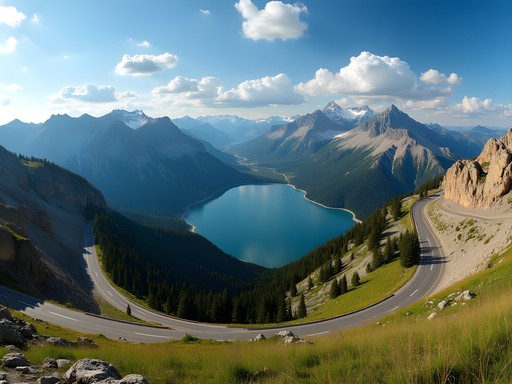
At 11,332 feet, Jungfraujoch bills itself as the Top of Europe, and frankly, the marketing isn't far off. I've taken my kids to some pretty extreme environments—Arctic tundra at minus-forty, Patagonian wind storms that bent tent poles—but watching their faces light up as we stepped onto the Sphinx observation deck, surrounded by the Aletsch Glacier and a panorama of 4,000-meter peaks, reminded me why accessible alpine experiences matter. This isn't backcountry suffering; it's a carefully engineered marvel that brings families face-to-face with genuine high-altitude wilderness, complete with heated tunnels and Swiss chocolate. Here's how to make the most of your weekend at the top.
Planning Your Ascent: Tickets, Timing, and Altitude Considerations
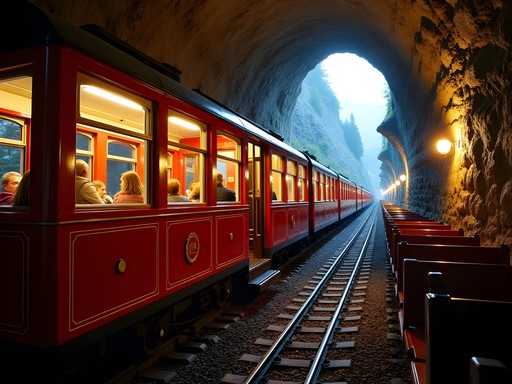
The Jungfrau Railway is an engineering masterpiece completed in 1912, but it's also expensive—around 220 CHF per adult for a round-trip ticket from Interlaken. Book online at least a day ahead for a modest discount and guaranteed departure time. Summer weekends see crowds that rival a Chicago shopping mall during the holidays, so aim for first train up (around 6:35 AM from Interlaken Ost) or late afternoon ascents after 2 PM when day-trippers descend.
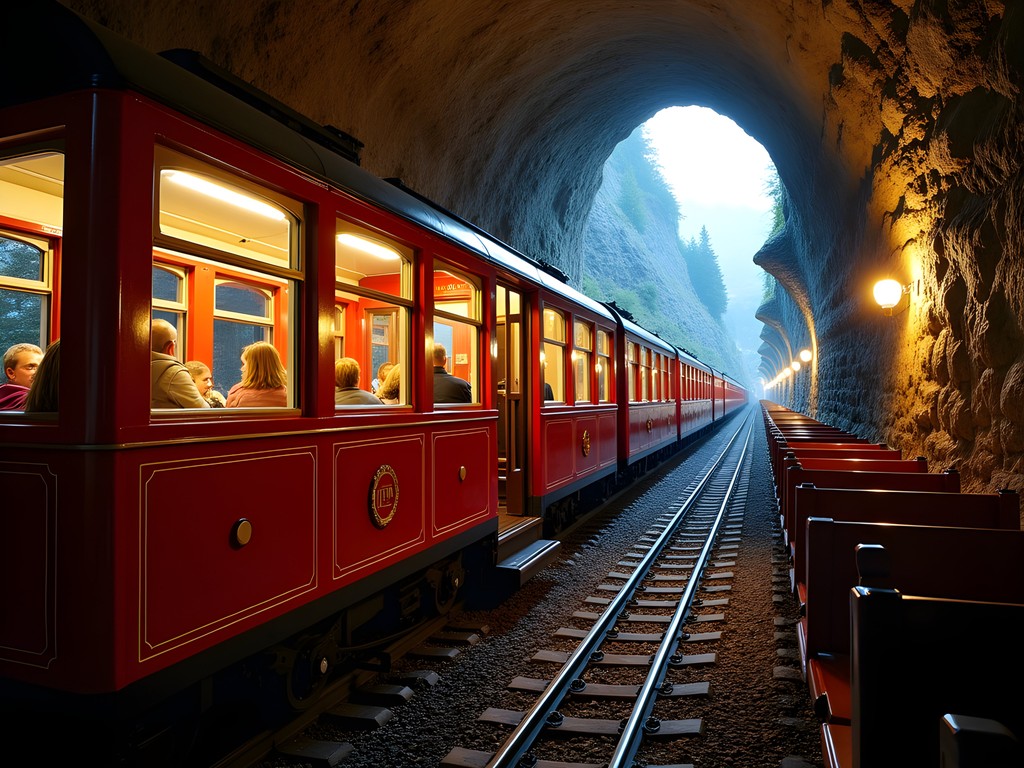
The altitude gain is significant and rapid. You'll go from 1,800 feet in Interlaken to over 11,000 feet in roughly two hours. I've seen plenty of folks—including a couple of teenagers on our last trip—struggle with headaches and nausea. Pre-hydrate aggressively the day before, and I keep electrolyte tablets in my daypack for everyone to dissolve in water bottles during the ascent. The Swiss railway stops briefly at Eigergletscher and Eismeer stations with viewing windows carved into the mountain—use these to acclimate gradually rather than rushing through. If anyone in your group has cardiovascular concerns, consult your physician beforehand; this isn't Everest, but it's real altitude.
💡 Pro Tips
- Book the earliest train possible to experience the summit before crowds arrive and afternoon clouds roll in
- Bring Swiss francs or a credit card—many summit facilities don't accept other currencies
- Download offline maps of the Jungfraujoch complex; cellular service is spotty despite being a major tourist site
- Pack motion sickness medication if anyone in your family is prone—the cogwheel train sways considerably
Summit Experiences: Ice Palace to Sphinx Observatory
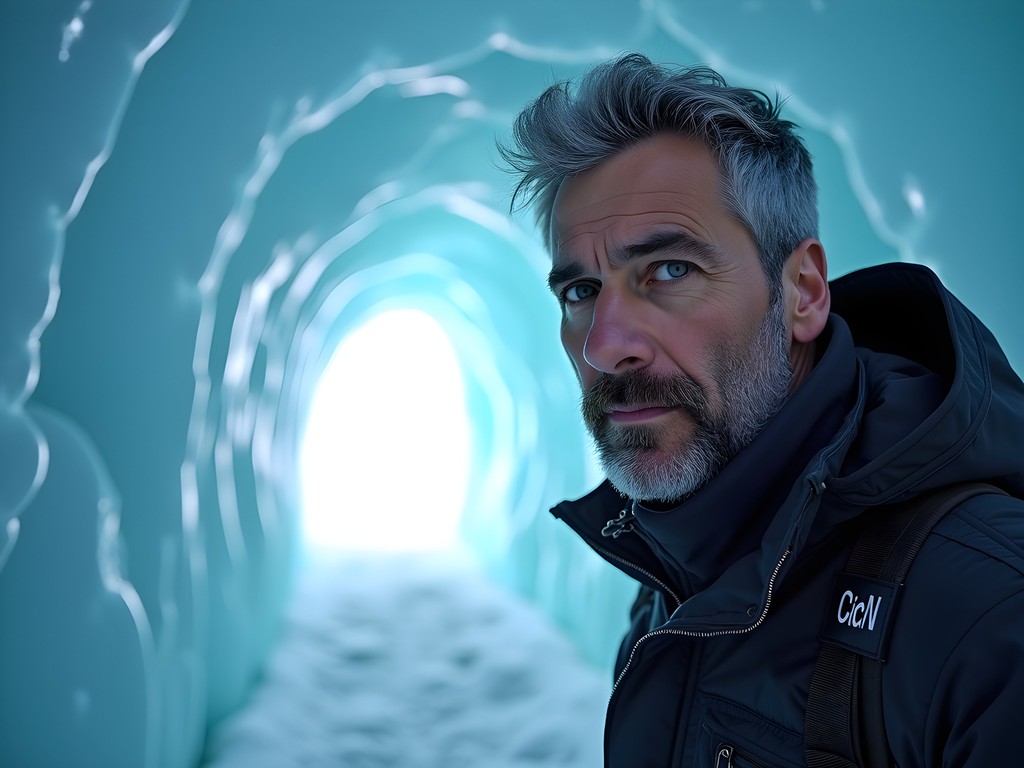
The Jungfraujoch complex is essentially a small alpine village carved into ice and rock. Start with the Ice Palace—a network of tunnels and chambers sculpted into the glacier itself, maintained at a constant 23°F. My kids loved the ice sculptures (there's a slightly creepy ice bear that's become a photo tradition), but the real lesson here is glaciology. You're literally standing inside a river of ice that's been flowing for millennia, though the informational plaques soberly note the accelerating melt rates.
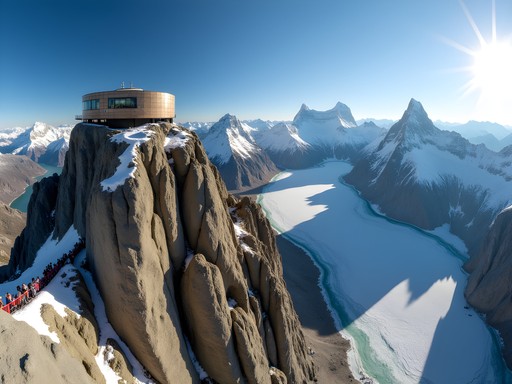
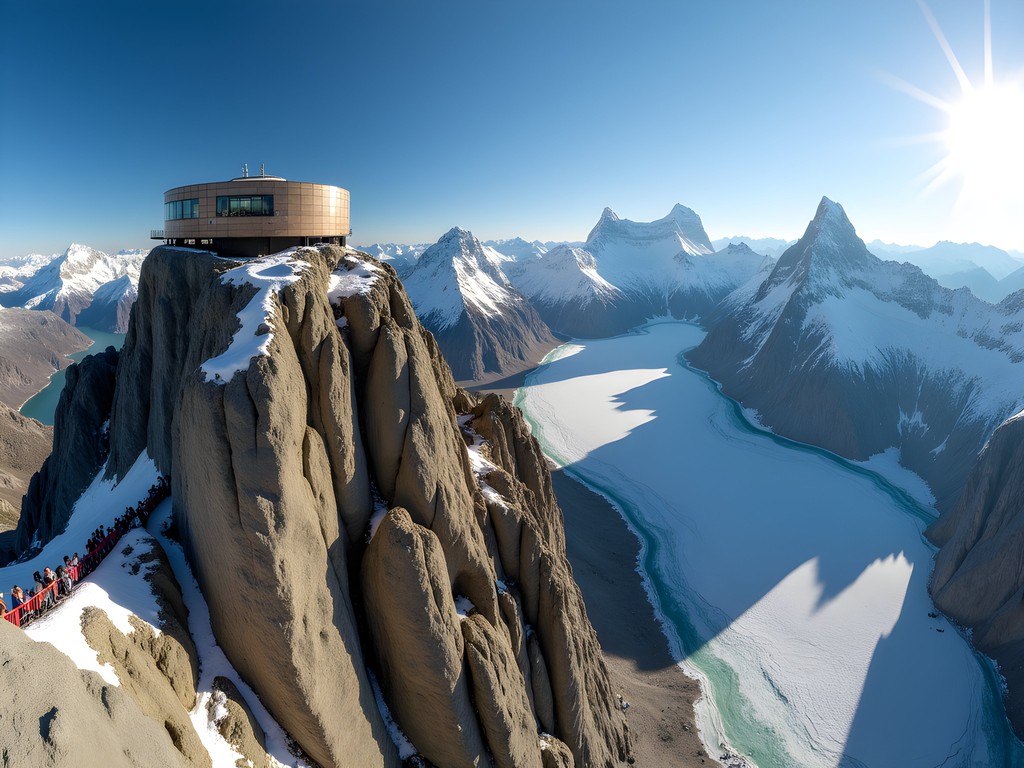
The Sphinx Observatory offers 360-degree views from its outdoor platform. On clear days, you can see Germany's Black Forest to the north and identify peaks across four countries. The air is noticeably thin—expect to breathe harder during the spiral staircase climb to the top. I always bring lip balm with SPF because the UV exposure at this altitude is intense, and wind-chapped lips can ruin an otherwise perfect day.
Don't skip the Alpine Sensation exhibition tunnel—it's touristy but effectively tells the story of the railway's construction, when workers spent years drilling through solid rock with hand tools and dynamite. As someone who appreciates human determination in extreme environments, I found it genuinely moving.
💡 Pro Tips
- Wear layers you can easily add or remove—indoor spaces are heated to 60-65°F while outdoor platforms hover around freezing even in summer
- The Sphinx platform gets crowded; visit during lunch hours when most tourists are in the restaurants
- Take the outdoor walkway to the Plateau for actual glacier access and fewer people
- Budget 3-4 hours minimum at the summit to experience everything without rushing
The Plateau Experience: Walking on the Aletsch Glacier
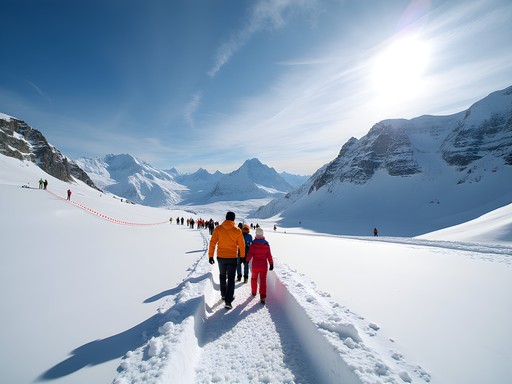
Here's what separates Jungfraujoch from pure tourist trap status: you can actually walk on the Aletsch Glacier. The Plateau exit leads to a maintained snow path where families can experience genuine alpine terrain without technical climbing skills. The Aletsch is the Alps' largest glacier—23 kilometers long and up to 900 meters thick in places—and standing on its surface while surrounded by the Jungfrau, Mönch, and Eiger massifs is genuinely humbling.
The maintained path is relatively safe, but this is still a high-altitude glacier environment. Proper footwear is non-negotiable; I've watched tourists in street shoes slip on compacted snow. Bring insulated gloves even in July—temperatures rarely exceed 40°F, and handling metal railings or adjusting camera settings with frozen fingers is miserable. The Swiss have installed safety barriers along the main walking area, but stay within marked boundaries. Crevasses are real, and rescue operations at this altitude are complicated and expensive.
For families with younger children, the snow play area near the restaurant offers a controlled environment for sledding and snowball fights. It's manufactured fun, sure, but watching kids experience snow in July creates memories that outlast any cynicism about commercialization.
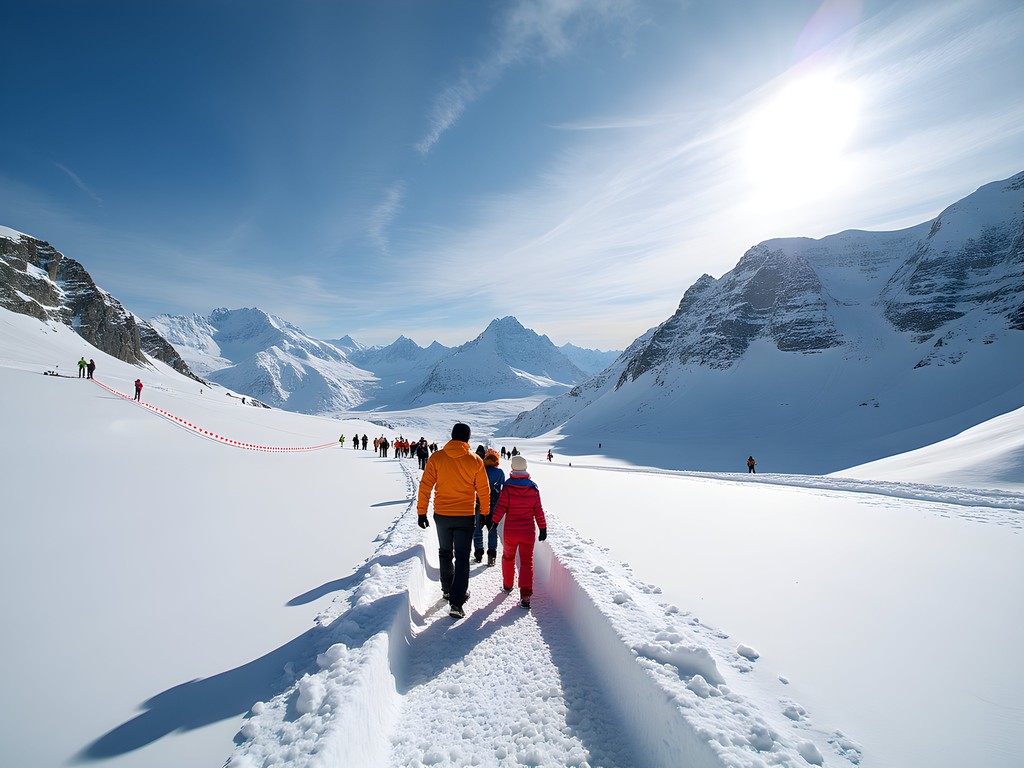
💡 Pro Tips
- Wear waterproof hiking boots with good tread—the plateau can be icy even when it looks like soft snow
- Sunglasses are essential; snow blindness from glacier reflection is painful and preventable
- The altitude affects physical exertion significantly—walk slowly and rest frequently
- Check weather conditions before heading outside; visibility can drop to zero within minutes during storms

Practical Logistics: What to Pack and Where to Stay
Base yourself in either Interlaken or Grindelwald for optimal access to the Jungfrau Railway. Interlaken offers more accommodation options and better mid-range value; Grindelwald provides a more authentic alpine village atmosphere and cuts 30 minutes off your morning travel time. We've stayed at both, and I prefer Grindelwald's proximity despite slightly higher prices—that extra sleep when you're catching the first train matters with kids.
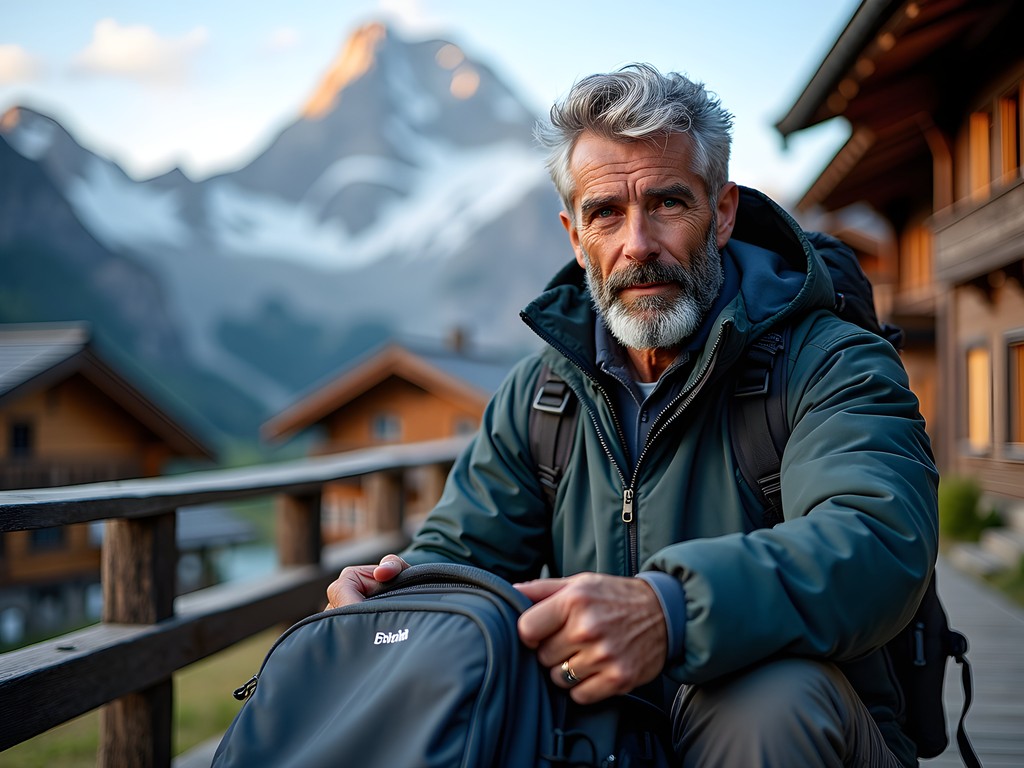
Packing for Jungfraujoch requires thinking in extremes. You'll start your day in valley temperatures that might reach 75°F, then step into near-freezing conditions at the summit. I use a layering system: moisture-wicking base layer, insulating mid-layer (fleece or lightweight down), and a windproof outer shell. Skip cotton entirely—it holds moisture and loses insulating properties. Bring a small backpack for shedding layers as you move between heated indoor spaces and outdoor platforms.
Food at the summit is expensive and mediocre by Swiss standards (which tells you something). The self-service restaurant charges 18-22 CHF for basic meals. I usually pack energy bars and sandwiches from valley supermarkets, though be aware that bringing outside food into restaurants is frowned upon. There are designated eating areas where packed lunches are acceptable. Stay hydrated—the dry alpine air and altitude increase fluid requirements significantly, and mild dehydration exacerbates altitude symptoms.
💡 Pro Tips
- Purchase a Swiss Travel Pass if you're exploring beyond Jungfraujoch—it provides 25% discount on the mountain railway
- Bring an empty water bottle to fill at summit facilities rather than buying expensive bottled water
- Pack hand warmers for anyone with circulation issues—extremities get cold quickly at altitude
- Download the SBB Mobile app for real-time Swiss railway schedules and platform information
Environmental Stewardship and the Changing Alps
I can't write about Jungfraujoch without addressing what we're actually witnessing. The Aletsch Glacier has retreated over 3 kilometers since 1850 and loses approximately 12 meters of thickness per year. The Ice Palace requires constant re-carving as the glacier melts and shifts. Informational displays throughout the complex document these changes with scientific precision and refreshing honesty—the Swiss aren't sugarcoating the climate crisis.
This creates an ethical tension I wrestle with on every alpine trip. Tourism infrastructure like the Jungfrau Railway has an environmental footprint, yet these accessible experiences create environmental advocates. My kids understand glaciology, climate feedback loops, and ecosystem fragility because they've stood on melting ice and seen the evidence firsthand. They've watched time-lapse videos showing glacial retreat and connected abstract concepts to physical reality.
The Jungfrau Railway runs on hydroelectric power and has implemented various sustainability initiatives, but the real question is whether we're loving these places to death. I don't have easy answers, but I believe informed, respectful visitation beats ignorance. Use your time at Jungfraujoch to actually learn, not just collect Instagram photos. Read the informational displays. Talk to your kids about what they're seeing. Support the research stations studying alpine environments. Make the trip count for something beyond checking a box.
💡 Pro Tips
- Visit the climate research exhibits near the Sphinx Observatory to understand the science behind glacial retreat
- Follow Leave No Trace principles even in managed tourist areas—pack out all trash and stay on designated paths
- Consider carbon offsetting your travel through reputable programs like myclimate.org
- Support local conservation organizations working to protect alpine environments
Final Thoughts
Jungfraujoch occupies an interesting space in the adventure travel spectrum—it's simultaneously a tourist attraction and a genuine high-altitude wilderness experience. Yes, you'll share the summit with hundreds of other visitors. Yes, the commercialization can feel excessive. But you'll also stand on a glacier flowing through the heart of the Alps, breathe thin air at 11,000 feet, and witness landscapes that exist nowhere else on Earth. For families seeking to introduce children to alpine environments without technical climbing requirements, it's an exceptional compromise between accessibility and authenticity.
The key is managing expectations and approaching the experience with intention. This isn't a wilderness expedition—it's an engineered marvel that brings mountain experiences to people who might never otherwise access them. Embrace that reality, prepare properly for the altitude and conditions, and focus on the educational opportunities. The mountains don't care whether you arrived by cogwheel train or crampons; they're still magnificent, still humbling, and still worth the journey. Take your family to the Top of Europe, but make sure they understand what they're seeing and why it matters.
✨ Key Takeaways
- Book early morning trains to avoid crowds and experience the summit before afternoon weather deteriorates
- Prepare for genuine altitude effects—hydrate aggressively and ascend gradually to minimize symptoms
- Layer clothing strategically for temperature extremes ranging from valley warmth to summit freezing conditions
- Use the visit as an educational opportunity to understand glaciology and climate change impacts on alpine environments
📋 Practical Information
Best Time to Visit
Late June through September for optimal weather and full facility access
Budget Estimate
1,200-1,800 CHF for a family of four (weekend including accommodation, railway tickets, meals)
Recommended Duration
Full day trip or weekend with valley exploration
Difficulty Level
Moderate (Altitude And Weather Considerations, But No Technical Skills Required)
Comments
wanderlustseeker
Great photos! Adding this to my Switzerland list
redmood
This is awesome!! We went last summer and honestly the altitude hit me harder than I expected. My kids were totally fine though lol. The ice palace was their favorite part - they could have spent hours in there. Did you feel the altitude at all? I wish I'd known to take it slower when we first got up there. Also that train ride is NO JOKE expensive but worth it for the views!
moonstar
how expensive are we talking? planning a trip
redmood
Around 200 CHF per person for the round trip from Interlaken. There are some early bird discounts though if you go super early!
wavestar
One more question - what should I pack? The weather seems so unpredictable up there. Do I need serious winter gear even in spring?
springlife
Layers! We went in July and it was still freezing up top. Definitely bring a warm jacket, gloves, and sunglasses. The sun reflecting off the snow is intense.
coolseeker
And sunscreen!! I got the worst sunburn of my life up there
Brandon Tucker
Solid guide, Scott. I'd add one budget tip: if you're staying in Interlaken, the Coop supermarket near Interlaken Ost station is your friend. Grab sandwiches and snacks there before heading up - the restaurant at the top charges about 18 CHF for a basic sandwich. Also, the chocolate at the Lindt shop up there is the same price as down in the valley, which is surprisingly rare for a tourist attraction. My only real complaint about Jungfraujoch is how commercialized it's become, but I suppose that's the trade-off for accessibility.
roamlife
Thanks for sharing this!
redvibes
That photo of the Sphinx Observatory is incredible! Great shots throughout the post.
Marco Flores
Great guide, Scott! I took my girlfriend there last winter for her birthday and we got incredibly lucky with crystal clear weather. We actually hiked out onto the Aletsch Glacier with a guide - if anyone reading this is more adventurous, I highly recommend booking a glacier walk. It's a completely different experience than just viewing from the platform. You're roped up, crampons on, walking through this alien landscape of ice. We saw crevasses that were impossibly blue and deep. Fair warning though - it's proper alpine terrain, you need to be fit and comfortable with heights. But man, what a day.
happydiver
Did you do any actual hiking on the glacier or just the viewing platforms? I've done some glacier trekking in Iceland and wondering if there are guided options here.
mountainpro
There's a marked trail on the Aletsch but it's pretty tame - more of a walk than a trek. For serious glacier hiking you'd want to book a separate guided tour from Grindelwald or Interlaken.
redlegend1360
Is it really worth the ticket price though? I've heard it's like 200+ Swiss francs per person which seems crazy expensive for basically a train ride and some viewing platforms
Marco Flores
It's expensive for sure, but honestly? Worth every franc. The engineering alone is mind-blowing - they built this railway through solid rock in the early 1900s. Plus you're literally standing on a glacier at the top of Europe. Some experiences you just can't put a price on.
backpackace
This looks AMAZING!! Going in July, so pumped!
Venture X
Premium card with 2X miles, $300 travel credit, Priority Pass