
Disclosure: This article contains affiliate links. We may earn a commission from purchases at no extra cost to you, which helps our travel content.
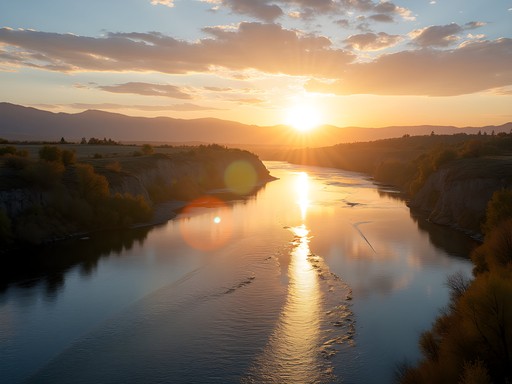
Standing on the Yukon-Kuskokwim Delta's endless tundra, watching a grizzly sow teach her cubs to fish while Arctic terns wheeled overhead, I realized Bethel offers something increasingly rare: true wilderness that demands respect, preparation, and humility. This remote corner of western Alaska isn't your typical luxury destination—there are no five-star lodges or paved trails—but for the experienced solo trekker seeking genuine immersion in one of Earth's most pristine ecosystems, it's absolutely transformative.

Why Bethel Demands Your Advanced Skills
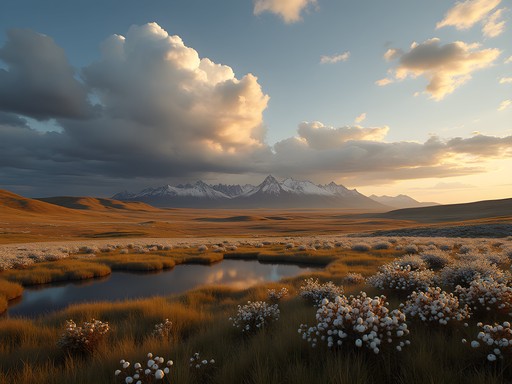
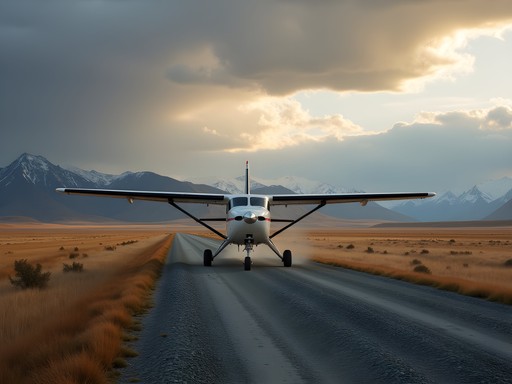
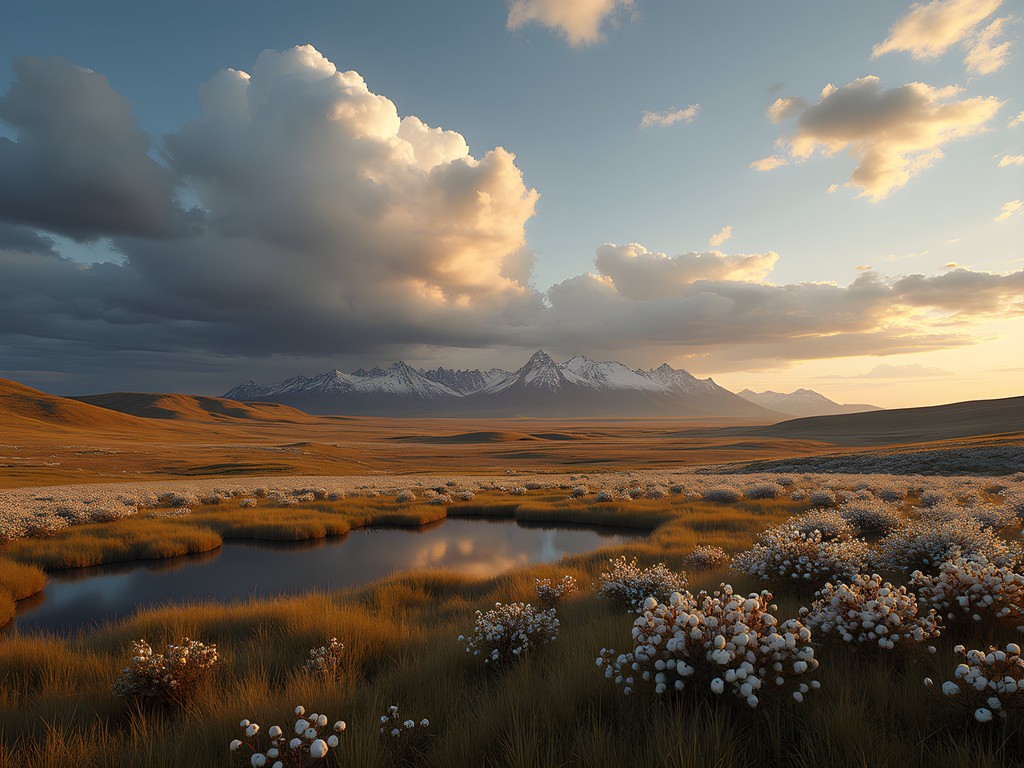
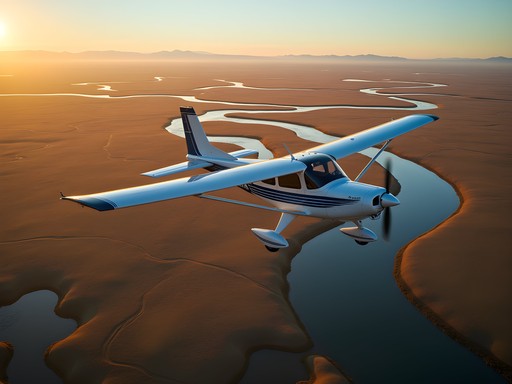
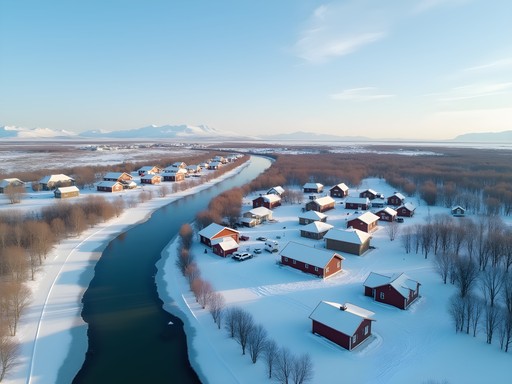
Bethel sits 400 miles west of Anchorage, accessible only by air, serving as the gateway to the Yukon Delta National Wildlife Refuge—20 million acres of roadless tundra, wetlands, and coastal mountains. This isn't beginner territory. The terrain shifts from spongy tussock tundra that'll test your ankles to river crossings requiring careful judgment, all while navigating without marked trails in weather that can pivot from brilliant sunshine to horizontal rain within the hour.
My background studying marine ecosystems taught me that the most rewarding research happens in uncomfortable conditions, and tundra trekking epitomizes this principle. You'll need genuine backcountry experience, navigation skills beyond GPS reliance (batteries drain fast in cold), and the physical conditioning for 8-12 hour days carrying full expedition gear across uneven terrain. The payoff? Witnessing caribou migrations, nesting seabirds by the hundreds of thousands, and a level of solitude that's become nearly mythical in our connected world.
💡 Pro Tips
- Complete a wilderness first aid course before attempting this trek—you're genuinely remote with limited rescue options
- Practice navigating with map and compass in varied terrain; GPS is backup only in this environment
- Build ankle strength specifically for tussock tundra walking—it's unlike any other hiking surface
Essential Gear for Tundra Conditions
Packing for Bethel requires strategic thinking—you're balancing weight constraints (small aircraft have strict limits) against genuine survival needs. The tundra's wet nature demands waterproof everything. I learned this the hard way during my first Arctic fieldwork, and now I'm religious about gear choices.
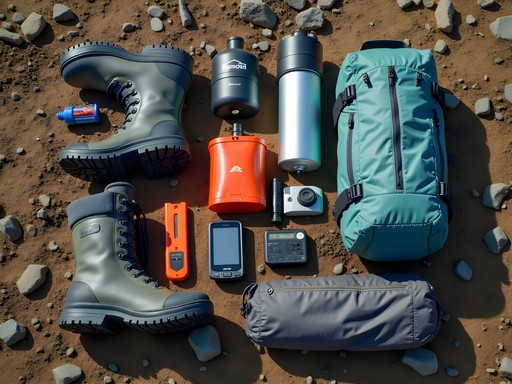
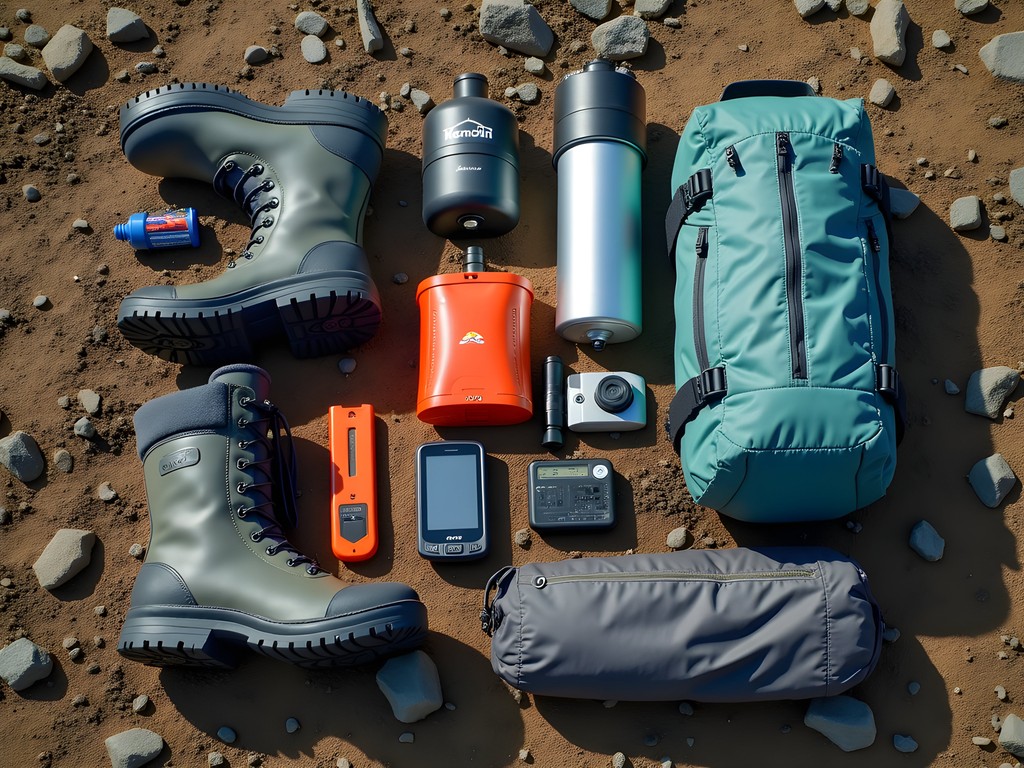
Footwear is critical. Standard hiking boots won't cut it here. You need something like the rubber boots, which Alaskan locals swear by for wet tundra conditions—they're genuinely waterproof, not just water-resistant, and provide excellent traction on muddy terrain. Pair these with quality merino wool socks that maintain warmth even when damp.
For navigation in areas where your phone becomes a useless brick, I rely on a handheld GPS with satellite communication capability—it's saved my bacon more than once when weather closed in unexpectedly. The two-way messaging function provides genuine safety backup when you're days from the nearest village. Layer your clothing using the proven three-layer system, and don't skimp on a quality insulated jacket for evening camp—temperatures can drop surprisingly fast even in summer.
💡 Pro Tips
- Bring gaiters to keep tundra vegetation and moisture out of your boots during constant wet walking
- Pack a water filter rather than carrying all your water—countless clean streams cross the tundra
- Include a lightweight bug net for your head; the mosquitoes here are legendary and relentless during certain weeks
Wildlife Encounters and Scientific Observation
This is where my biologist brain absolutely lights up. The Yukon Delta supports one of North America's most significant wildlife concentrations—over 150 bird species nest here, including emperor geese, spectacled eiders, and millions of shorebirds that migrate from six continents. During my week-long trek, I documented 47 species, including a Pacific loon family whose haunting calls became my evening soundtrack.
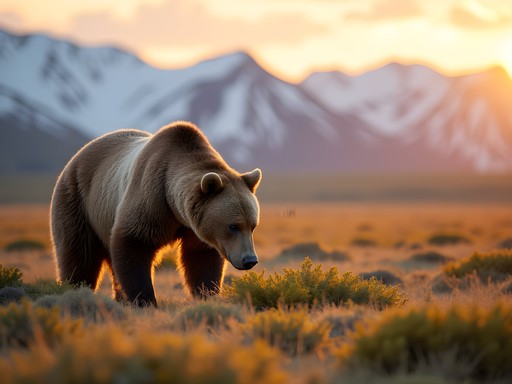
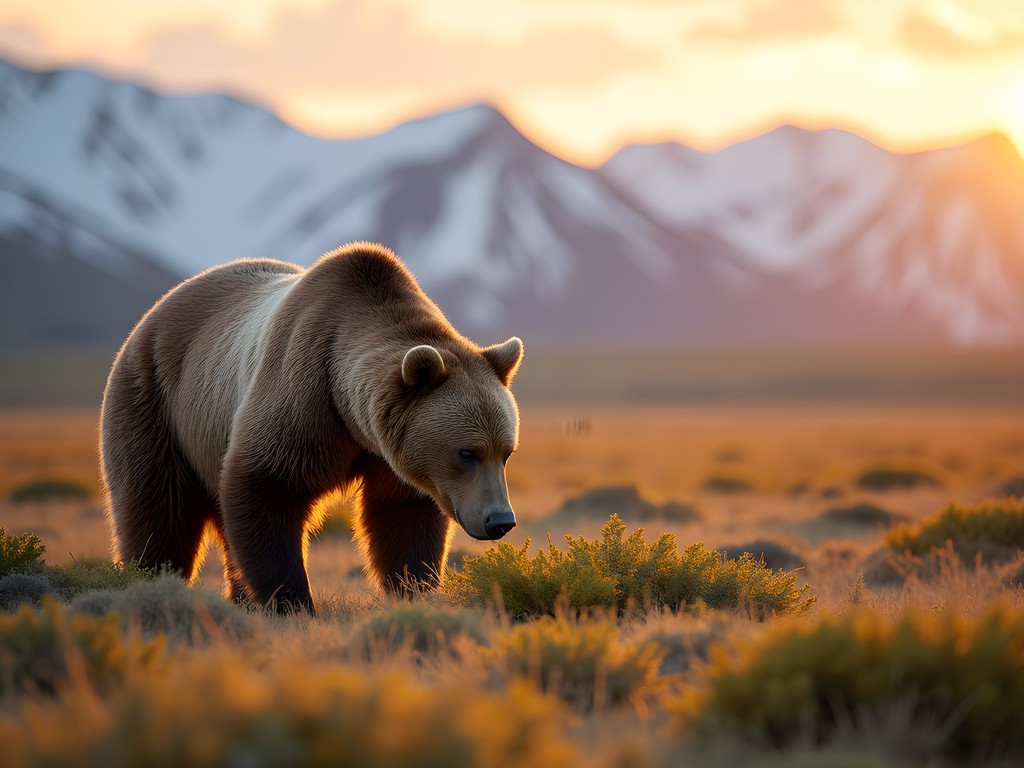
The region also hosts brown bears, wolves, moose, and during autumn, massive caribou herds numbering in the tens of thousands. Bear awareness isn't optional—it's fundamental to survival. I carry a bear spray on my chest harness for immediate access, never in my pack. The grizzlies here are wild, not habituated to humans, which makes them both more predictable and more dangerous if surprised.
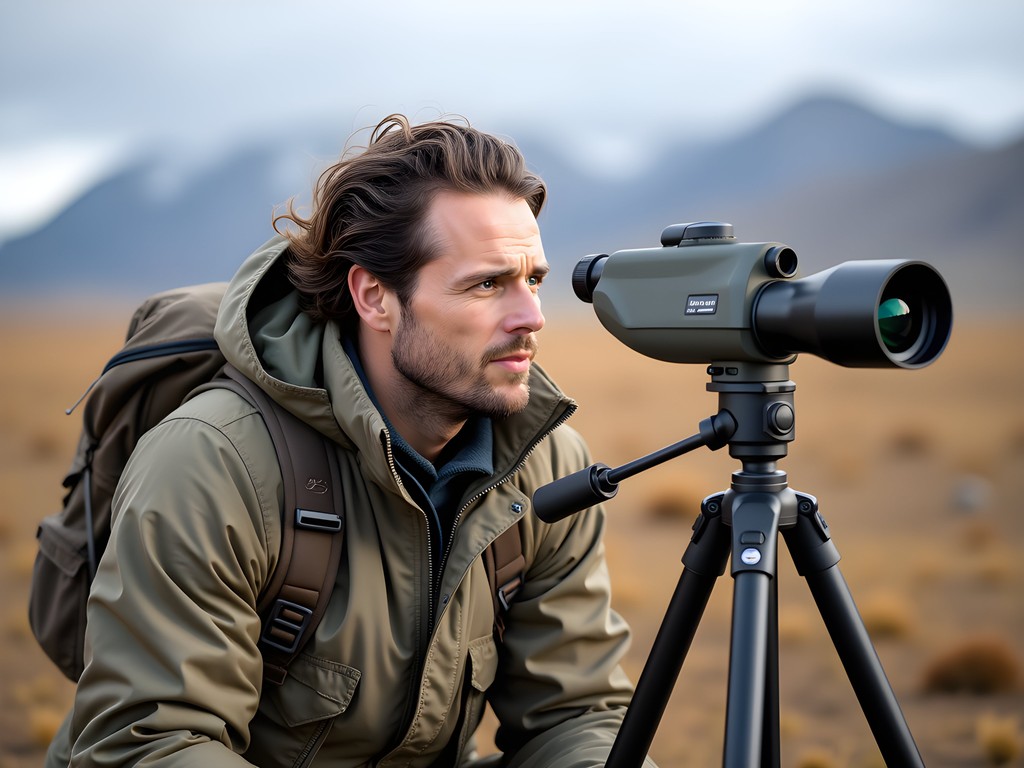
For wildlife observation, bring quality optics. My spotting scope allowed me to watch a wolf pack coordinate a caribou hunt from a respectful distance—the kind of behavioral observation that's impossible without proper equipment. The scientific value of this region cannot be overstated; it's a living laboratory for studying climate change impacts on Arctic ecosystems, and I witnessed evidence everywhere from shifting vegetation patterns to altered migration timing.
💡 Pro Tips
- Make noise constantly while trekking—sing, talk to yourself, anything to avoid surprising bears in dense willow thickets
- Set up camp with clear sightlines in all directions, never near game trails or berry patches
- Document wildlife sightings with specific locations and behaviors—citizen science apps like eBird welcome this data

Cultural Respect and Indigenous Knowledge
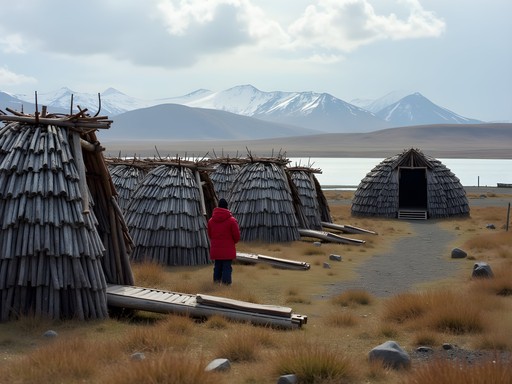
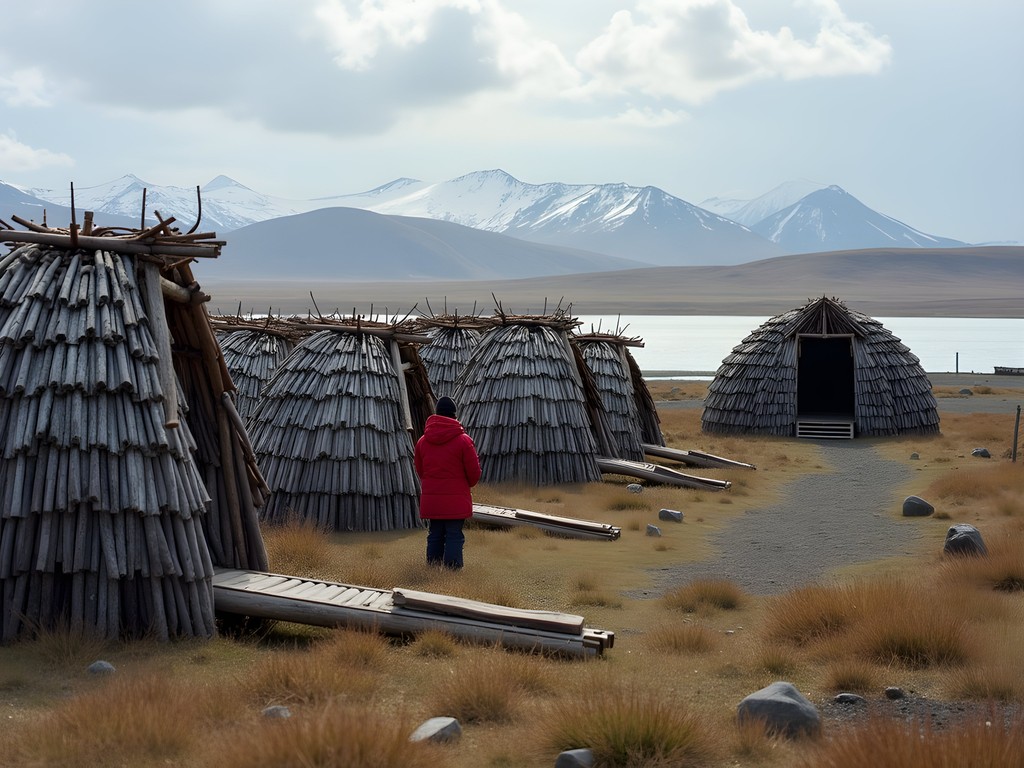
Bethel sits in Yup'ik territory, and this land has sustained indigenous peoples for over 10,000 years. My grandfather's teachings about respecting the whenua (land) and understanding that we're visitors, not owners, applies universally. The Yup'ik people have intimate knowledge of this landscape that no guidebook can replicate.
Before venturing out, I spent time in Bethel speaking with local guides and elders, learning about traditional navigation markers, seasonal patterns, and culturally significant sites to avoid. This isn't just respectful—it's practical. Indigenous knowledge about weather patterns, animal behavior, and safe routes has kept people alive here for millennia. One elder shared that certain areas flood unpredictably based on wind direction and tidal influences miles away—information that proved invaluable during my trek.
Consider hiring a local Yup'ik guide for at least your first day. Yes, this is a solo trek, but having cultural context and traditional ecological knowledge enhances both safety and understanding. The stories shared around evening campfires, connecting landscape features to ancestral narratives, transformed my scientific observations into something deeper—a recognition that this wilderness has always been home to people who understand its rhythms far better than any visiting biologist ever will.
💡 Pro Tips
- Purchase supplies and services in Bethel to support the local economy—it's a small community where tourism dollars matter
- Ask permission before photographing people or cultural sites; respect is earned through courtesy
- Learn basic Yup'ik greetings and thank-yous—small gestures of cultural respect open meaningful conversations
Logistics and Planning Your Expedition
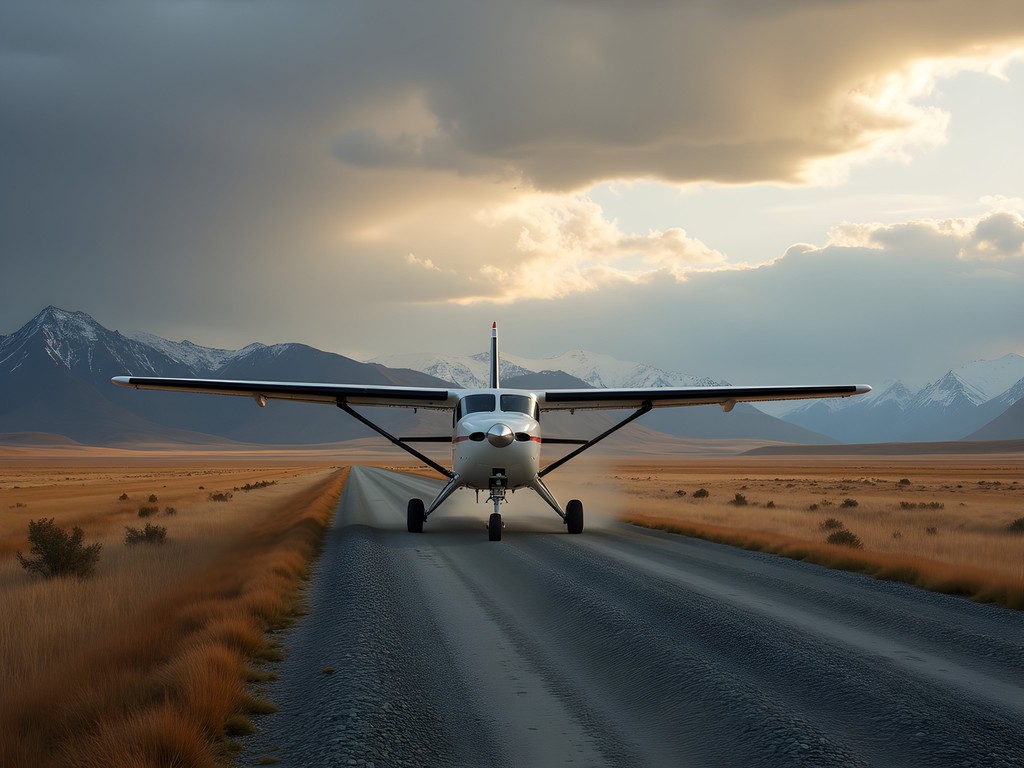
Getting to Bethel requires flying from Anchorage on Alaska Airlines or Ravn Alaska—book well in advance as seats fill quickly during summer. Accommodation in Bethel itself ranges from basic to surprisingly comfortable; I stayed at the Bentley's Porter House Hotel, which offered proper showers and comfortable beds before and after my trek—small luxuries that felt absolutely decadent after days on the tundra.
Permits aren't required for the Yukon Delta National Wildlife Refuge, but register your plans with the refuge office in Bethel. Staff provide current wildlife activity reports, weather forecasts, and can suggest routes matching your skill level. They're genuinely helpful and appreciate when visitors take safety seriously.
For solo trekkers, a satellite communicator is non-negotiable—cell service doesn't exist beyond Bethel, and this device provides emergency SOS capability plus location tracking that gives loved ones peace of mind. I checked in daily with my wife back in Halifax, brief messages that kept her anxiety manageable while I was off-grid.
Budget approximately $3,000-4,500 for the week including flights from Anchorage, accommodation, gear, food, and local guide services. This isn't cheap, but you're accessing one of Earth's most remote wilderness areas with luxury-level safety margins and proper equipment. The investment ensures you return with extraordinary memories rather than becoming a cautionary tale.
💡 Pro Tips
- Schedule an extra day buffer on both ends—weather delays are common and missing return flights gets expensive quickly
- Bring cash for local purchases in Bethel; card readers can be unreliable in remote Alaska
- Download offline maps for the entire region before leaving Anchorage—data coverage is nonexistent
Final Thoughts
Bethel's tundra wilderness challenged me in ways few places have. The physical demands were significant, certainly, but the mental shift required—from controlling your environment to adapting to its terms—proved even more profound. This isn't a destination for collecting Instagram moments or ticking boxes. It's for experienced solo trekkers genuinely ready to meet wilderness on its own terms, to sit with discomfort, and to recognize how small we are against landscapes that operate on geological timescales.
My grandfather taught me that the ocean demands humility, and I've found the tundra requires the same. You don't conquer it; you move through it respectfully, learning its rhythms, watching its inhabitants, and hopefully leaving no trace beyond footprints that the next rain will erase. For wildlife enthusiasts and experienced trekkers seeking authentic wilderness challenge, Bethel offers something increasingly rare: the opportunity to be genuinely, beautifully alone with nature at its most raw and magnificent. Start planning now—this landscape will test you, teach you, and very likely transform how you understand wilderness itself.
✨ Key Takeaways
- Bethel demands advanced backcountry skills, proper equipment, and genuine physical conditioning—this is not the place to learn wilderness basics
- Wildlife encounters are frequent and spectacular but require constant awareness and respect, particularly regarding bears
- Cultural humility and engagement with Yup'ik knowledge enhances both safety and the depth of your wilderness experience
📋 Practical Information
Best Time to Visit
Late June through August for optimal weather and wildlife viewing, with July offering peak bird nesting activity
Budget Estimate
$3,000-4,500 for week-long expedition including flights, accommodation, gear, and local services
Recommended Duration
7-10 days including travel and acclimatization time in Bethel
Difficulty Level
Advanced—requires Significant Backcountry Experience, Navigation Skills, And Excellent Physical Conditioning
Comments
Hunter Thompson
Brilliant write-up mate! The cultural respect section really resonated with me. I did some backpacking in northern Canada and learned so much from Indigenous guides about reading weather patterns and understanding animal behavior. It's a completely different way of experiencing wilderness. Your point about the mental shift is spot on - it's not just about having the right gear, it's about adapting your entire mindset to that environment. The tundra demands humility. Also massive respect for emphasizing advanced skills - too many travel blogs make remote destinations sound easier than they are.
tripvibes
This is way beyond my skill level but I love reading about it! Alaska is such a wild place. My brother went to Denali last year and said it changed his perspective on wilderness. Bethel seems even more remote than that. Do you need special permits or anything to trek there?
oceanrider3597
What's the best time of year to go? Summer I'm guessing?
Nicole Russell
Joshua, this is absolutely on my bucket list now! I've been focusing on more accessible solo destinations but this really speaks to me. Quick question - you mentioned essential gear for tundra conditions. I'm guessing waterproof everything? And what about navigation - is GPS reliable out there or did you use traditional map and compass? The grizzly encounter sounds both terrifying and amazing. How close were you able to observe safely?
wildlegend
GPS can be sketchy in remote Alaska. I always carried both plus a satellite communicator for emergencies.
wildlegend
Spent two weeks in the Yukon-Kuskokwim area back in 2024 and it absolutely humbled me. The mosquitoes in summer are no joke - brought what I thought was enough bug spray and ran out in 4 days. Also the ground is way spongier than you expect, makes every step more exhausting. But seeing the wildlife in that setting? Unforgettable. Did you connect with any local guides from the Yup'ik communities? They have incredible knowledge about reading the landscape.
tripvibes
The mosquitoes!! I heard they're brutal up there
redhero6587
How dangerous is it really? Like could a beginner do this with a guide or is it strictly for experienced hikers only?
Hunter Thompson
Not Joshua but I've done some Alaska trekking - I'd say you really need solid backcountry experience first. The weather changes fast and there's no bailout options.
redhero6587
Thanks! Maybe I'll work up to it someday
sunnywalker
This sounds intense! Beautiful photos though.
Venture X
Premium card with 2X miles, $300 travel credit, Priority Pass