
Disclosure: This article contains affiliate links. We may earn a commission from purchases at no extra cost to you, which helps our travel content.
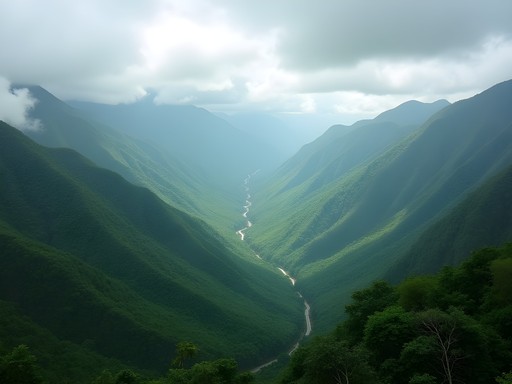
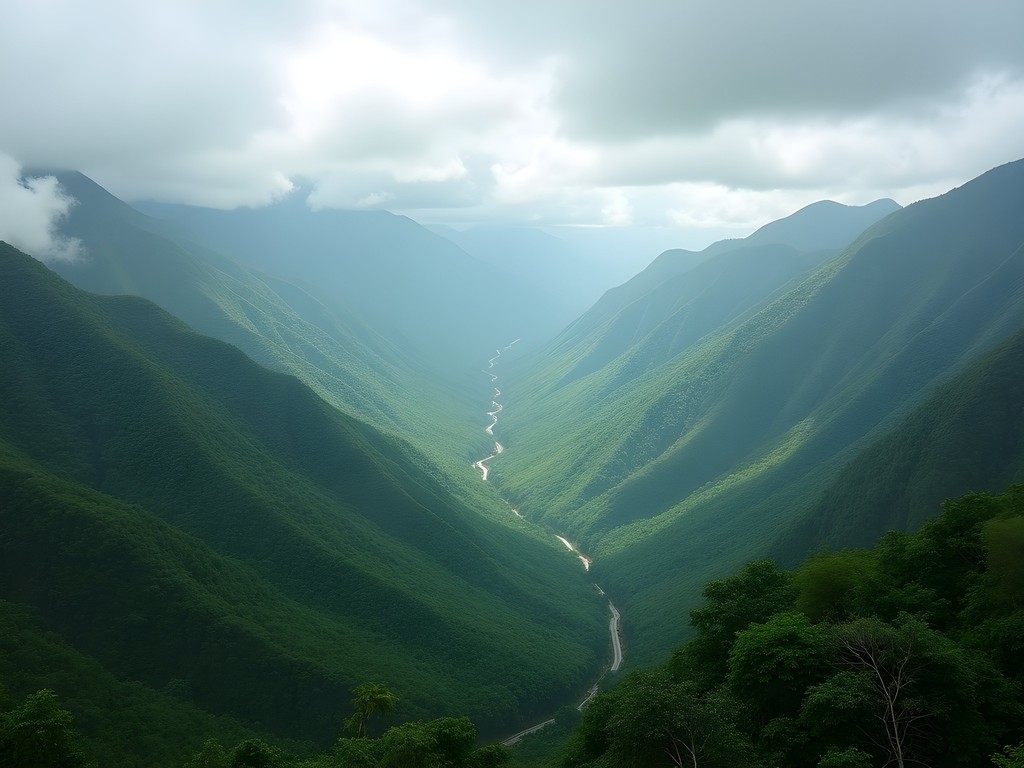
The Western Ghats rise from Pune's eastern horizon like a promise—a UNESCO World Heritage biodiversity hotspot that transforms into an emerald wonderland during monsoon season. After spending months analyzing Pune's rapid transit corridors and urban sprawl patterns, I've found these weekend mountain escapes offer more than just scenic relief. They reveal how thoughtful infrastructure and environmental preservation can coexist, creating accessible natural spaces that serve both local communities and adventurous groups looking for budget-friendly exploration. The region's network of hill stations, ancient forts, and cascading waterfalls sits just 2-4 hours from the city, connected by surprisingly well-maintained roads that showcase India's improving rural connectivity initiatives.

Understanding the Western Ghats' Accessibility Infrastructure
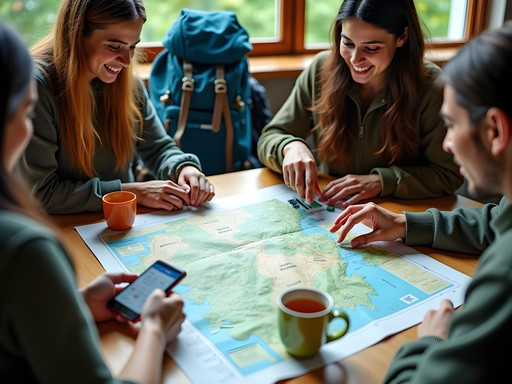
Before diving into specific destinations, let's talk about what makes these weekend escapes actually feasible for groups on a budget. Pune's position as Maharashtra's second-largest city means it benefits from decent road infrastructure extending into the Ghats—a stark contrast to what I've observed in less-developed regions. The Mumbai-Pune Expressway and National Highway 48 serve as arterial routes, with state highways branching toward hill stations like Lonavala, Khandala, and Mahabaleshwar.
What impressed me during my three monsoon weekends exploring this region was the frequency of MSRTC (Maharashtra State Road Transport Corporation) buses. These government-run coaches depart every 30-60 minutes to major destinations, costing ₹100-300 ($1.20-3.60) per person—making them ideal for budget-conscious groups. The buses themselves vary in quality, but I'd recommend bringing a neck pillow for the winding mountain roads, especially on older non-AC coaches.
The cellular connectivity surprised me too. Most major routes maintain 4G coverage until you're deep into protected forest areas, though I always download offline maps beforehand. The region's improved infrastructure reflects Maharashtra's investment in tourism corridors, though it's created the typical tension between accessibility and environmental impact that we urban planners constantly navigate.
💡 Pro Tips
- Book MSRTC buses online through the official app to secure window seats on the less-crowded side (right side heading into the Ghats for better valley views)
- Carry small denominations of cash (₹10-50 notes) as many roadside vendors and local transport options don't accept digital payments despite urban assumptions
- Check the IMD (India Meteorological Department) district-level rainfall warnings before departing—monsoon landslides can close routes with minimal notice
Lonavala and Khandala: The Gateway Destinations
These twin hill stations sit just 65 kilometers from Pune and represent the most accessible Western Ghats experience—for better and worse. From an urban planning perspective, Lonavala illustrates both the benefits and pitfalls of tourism-driven development. The town's pedestrian infrastructure struggles during peak season, with narrow sidewalks and inadequate parking creating congestion that rivals Pune itself.
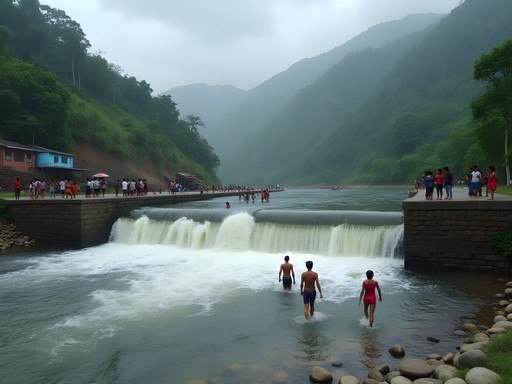
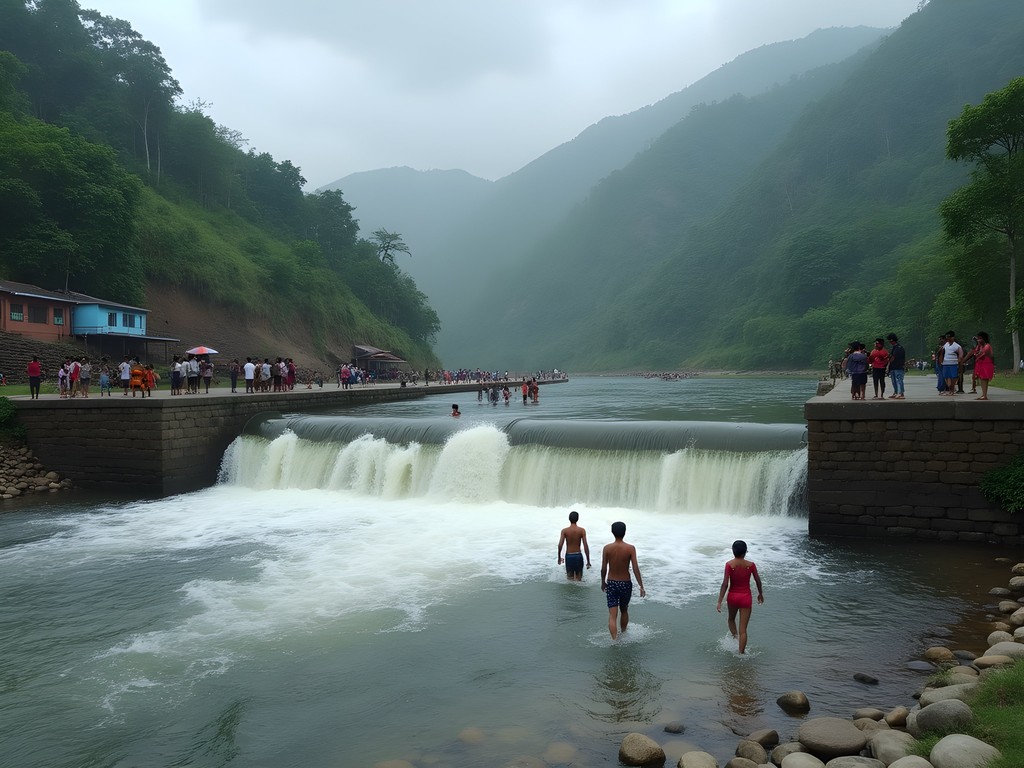
That said, for first-time groups visiting during monsoon weekends, Lonavala offers unmatched convenience and budget options. The real treasures lie outside the main bazaar area. Tiger's Leap (Tiger Point) provides dramatic cliff-edge views of valleys plunging 650 meters below, while Bhushi Dam becomes a natural water park where locals and tourists wade through knee-deep overflow—a spontaneous public space that no planner could have designed better.
For groups, I recommend skipping the overpriced hotels and booking homestays in Khandala's residential areas (₹800-1,500 per room). These quieter neighborhoods offer authentic interactions with local families and home-cooked Maharashtrian meals that beat any restaurant. The walking distance to viewpoints like Rajmachi Fort base also means you're starting treks before the day-tripper crowds arrive.
One practical note: the famous chikki (brittle candy) shops lining the highway are legitimate tourist traps with inflated prices. Instead, ask your homestay hosts where locals buy their sweets—you'll pay half the price for better quality.
💡 Pro Tips
- Visit Kune Falls early morning (6-7 AM) when you'll have the three-tiered, 200-meter cascade largely to yourself before tour groups arrive around 9 AM
- The Lonavala-Khandala stretch has multiple roadside vada pav stalls; the one near Ryewood Park consistently serves the best quality at ₹15-20 per plate
- Download the Pune Hikers WhatsApp group contacts—they organize shared transport for weekend treks that split costs among 8-10 people
Rajmachi Fort: The Trek That Teaches Sustainable Tourism
If your group wants one authentic monsoon trekking experience without technical difficulty, Rajmachi Fort delivers. This twin-fortification system sits at 2,710 feet elevation, accessible via two routes: the easier Lonavala approach (15 km, 4-5 hours) or the steeper Kondivade village trail (7 km, 3 hours). I've done both, and for beginner groups, the Lonavala route's gradual ascent makes more sense.
What makes Rajmachi fascinating from a planning perspective is how the local community has organized around trekking tourism. The base villages of Udhewadi and Manoranjan have established homestay cooperatives where families rotate hosting duties, ensuring income distribution rather than concentration. Room rates are standardized at ₹300-400 per person including meals—a grassroots approach to preventing the price wars and quality deterioration I've seen elsewhere.
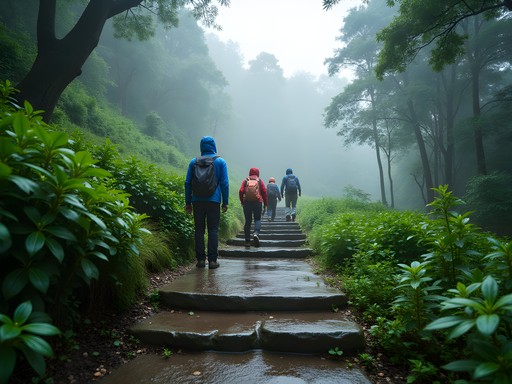
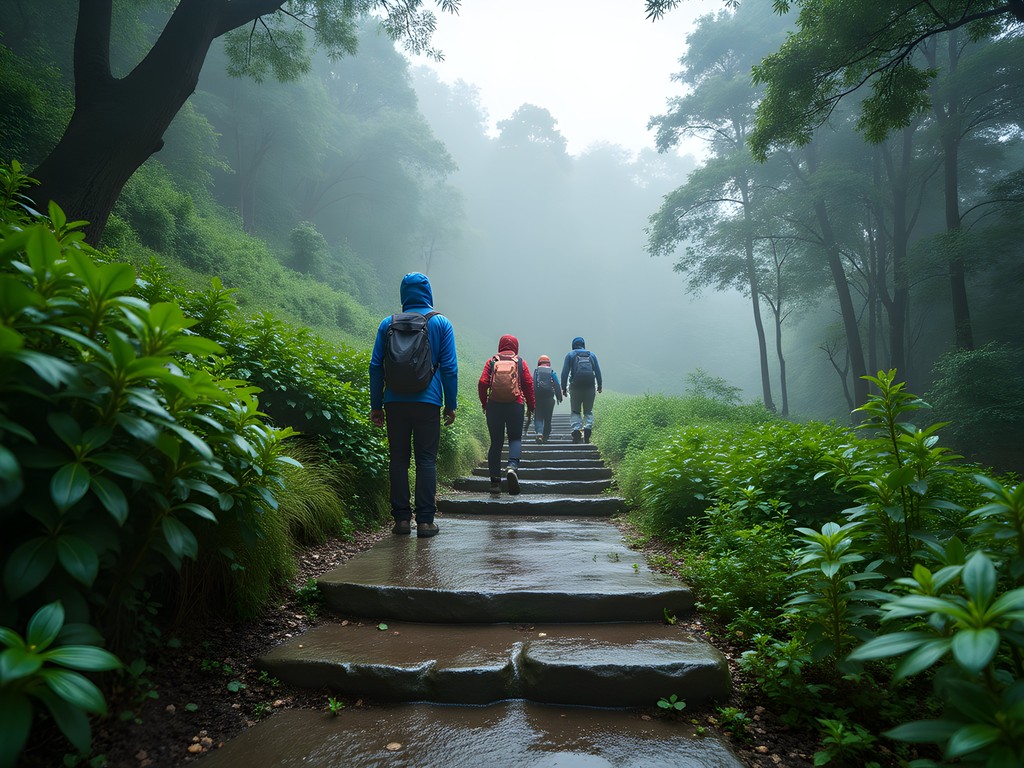
The trek itself follows ancient trade routes with stone-paved sections that have survived centuries. During monsoon, the path becomes a living stream in places, requiring sturdy waterproof footwear. I learned this the hard way on my first attempt with regular sneakers. Now I never trek the Ghats without my hiking sandals, which provide grip on wet rocks while allowing water to drain freely.
The fort ruins themselves reward the climb with 360-degree views across the Sahyadri ranges. On clear post-rain mornings, you can identify Pune's urban sprawl in one direction and pristine forest valleys in the other—a visual reminder of the development pressures these mountains face. The Maharashtra Forest Department has stationed rangers here who genuinely engage with trekkers about conservation efforts, including reforestation projects that groups can contribute to through small donations.
💡 Pro Tips
- Start the Rajmachi trek by 6 AM to complete the ascent before afternoon rainfall intensifies—monsoon weather follows predictable daily patterns in the Ghats
- Pack a dry bag for electronics and documents; even with rain covers, backpacks get soaked during heavy downpours
- The village homestays provide basic meals, but bring supplemental snacks like energy bars and electrolyte packets—physical exertion in humid monsoon conditions depletes salt faster than you'd expect

Tamhini Ghat: The Road Less Traveled
While Lonavala attracts thousands, Tamhini Ghat—just 35 kilometers northeast of Pune—remains relatively undiscovered. This 23-kilometer mountain pass connecting Mulshi to Tamhini village showcases what the Western Ghats looked like before mass tourism, and it's become my preferred weekend escape for exactly that reason.
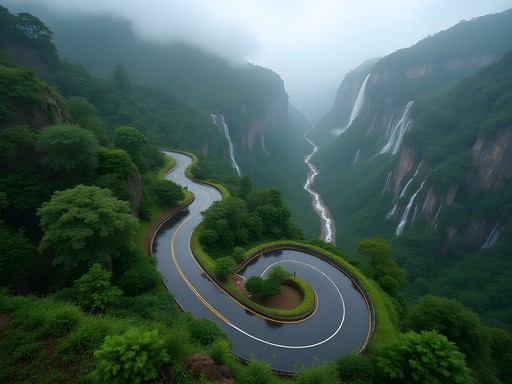
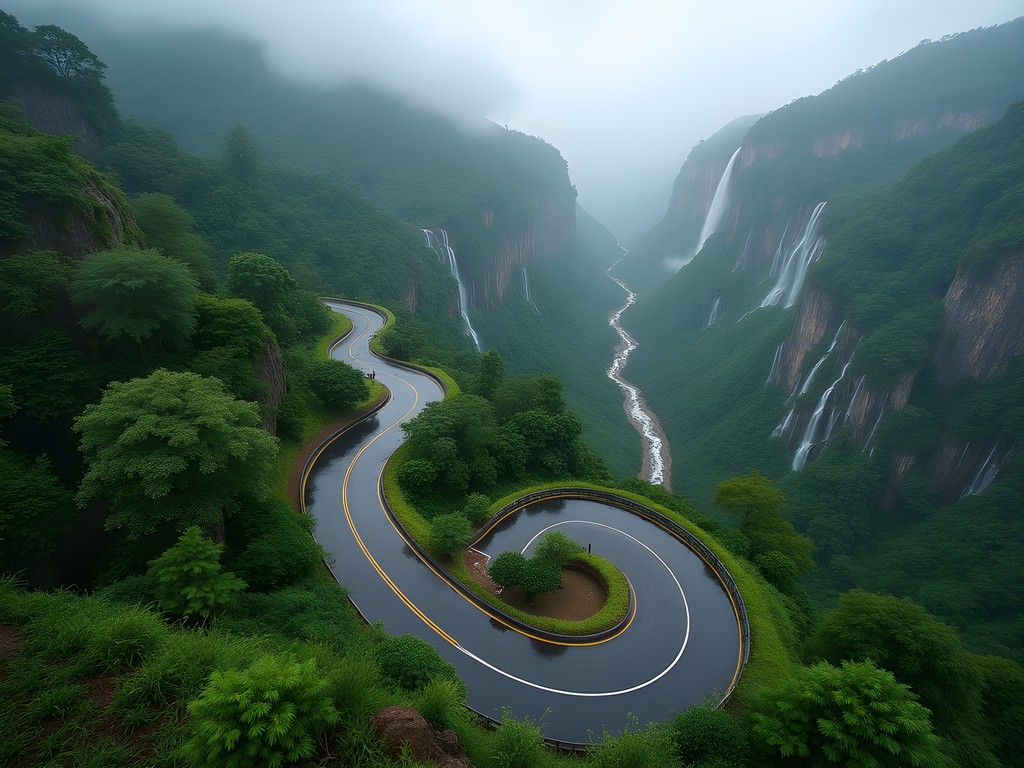
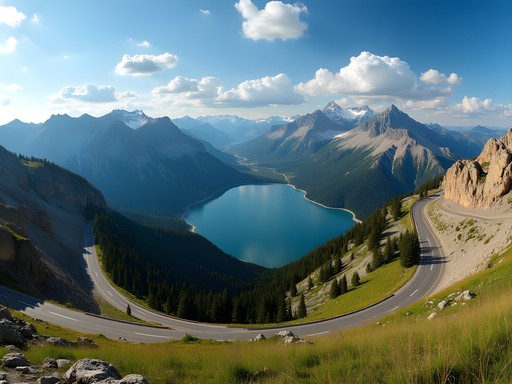
The route itself is an engineering marvel: 32 hairpin bends ascending through protected forest with minimal development. Unlike the commercialized hill stations, Tamhini has no hotels or restaurants—just the road, the forest, and occasional tribal settlements. This lack of infrastructure might seem like a drawback, but it's precisely what preserves the area's character. Groups need to be self-sufficient here, which actually reduces costs significantly.
My approach with friends has been to hire a shared taxi from Pune (₹2,000-2,500 split among 6-8 people) and spend the day exploring rather than overnight stays. The monsoon transforms Tamhini into waterfall central—over 30 cascades appear seasonally, with several accessible via short walks from roadside pullouts. The most spectacular is Devkund Waterfall, requiring a 3-kilometer forest trek from Bhira village.
What strikes me about Tamhini is how minimal human intervention creates maximum impact. There are no constructed viewpoints or railings, yet the natural stopping points along the ghat road offer views that rival any developed tourist spot. It's a lesson in restraint that urban planners rarely get to apply—sometimes the best design is no design at all. The Forest Department maintains basic trail markers and has installed a few waste collection points, but otherwise leaves the landscape untouched.
For groups interested in the intersection of ecology and infrastructure, the Mulshi Dam area at Tamhini's base provides fascinating context. This 1920s-era hydroelectric project was controversial in its time, displacing villages while providing power that enabled Pune's industrial growth—the kind of development trade-off that still defines Indian urban planning.
💡 Pro Tips
- Tamhini Ghat has zero food options, so pack a substantial lunch and plenty of water—I bring a insulated lunch bag to keep food fresh in the humidity
- The ghat road is prone to leeches during peak monsoon; wear long pants and apply a salt-water solution to exposed skin as a natural deterrent
- Cell service disappears after the first few kilometers, so coordinate meeting points with your group beforehand if people split up for different waterfall hikes
Practical Group Logistics and Monsoon Safety
Let me address the elephant in the room: monsoon trekking in the Western Ghats carries real risks that require group coordination and preparation. The same rains that create those Instagram-worthy waterfalls also cause flash floods, landslides, and trail washouts. After three seasons exploring these mountains, I've developed protocols that balance adventure with safety.
First, group size matters. Four to six people hits the sweet spot—small enough for flexible decision-making but large enough that if someone twists an ankle, you have support. Larger groups inevitably fragment on trails, creating coordination headaches. We use a simple buddy system where pairs check in with each other every 30 minutes.
Weather monitoring is non-negotiable. I check three sources before any trip: IMD's district forecasts, Skymet's rainfall radar, and local WhatsApp groups where villagers share real-time conditions. If heavy rainfall warnings (7.5+ cm in 24 hours) are issued, we postpone—no discussion. The mountains will be there next weekend.
For group first aid, we pool resources rather than everyone carrying individual kits. Our shared supplies include: antiseptic for leech bites (they're inevitable), oral rehydration salts for the combination of exertion and humidity, elastic bandages for sprains, and a emergency blanket that weighs nothing but could be critical if someone goes into shock from hypothermia—yes, that happens even in India's monsoon heat when you're wet and wind-exposed at elevation.
Budget-wise, weekend Western Ghats trips from Pune run ₹1,500-3,000 ($18-36) per person including transport, accommodation, and meals. The biggest cost is usually the taxi if you're going to less-connected spots like Tamhini. MSRTC buses to Lonavala or Mahabaleshwar drop that to ₹1,000-1,500 total. Compare this to what groups spend on a single night out in Pune's Koregaon Park, and the value becomes obvious.

💡 Pro Tips
- Designate one group member as the communications lead who keeps a fully charged phone in a waterproof case specifically for emergencies—don't rely on everyone's personal devices
- Download the Maharashtra Forest Department's app which shows restricted zones and provides emergency contact numbers for each range office
- Leave detailed itineraries with someone not on the trip, including expected return times and backup contact numbers for local authorities
Final Thoughts
The Western Ghats' proximity to Pune creates something rare in Indian mountain tourism: accessible wilderness that hasn't been completely domesticated by resort development. These weekend escapes work precisely because they require minimal planning, modest budgets, and beginner-level fitness—removing the barriers that keep most groups from experiencing India's biodiversity hotspots.
What keeps me returning isn't just the dramatic monsoon landscapes, though those 300-foot waterfalls and mist-shrouded valleys certainly help. It's witnessing how communities like those around Rajmachi have organized sustainable tourism models that benefit residents rather than external developers. It's seeing the Forest Department's conservation efforts firsthand rather than just reading policy documents. It's understanding how infrastructure decisions—where to build roads, where to restrict access—shape both human experience and ecological outcomes.
For groups based in or visiting Pune, these mountains offer more than weekend recreation. They provide perspective on what's at stake as Indian cities expand rapidly into surrounding landscapes. The Western Ghats won't remain this accessible and unspoiled without conscious choices about development patterns. So go explore them—but also support the homestays over hotels, follow trail guidelines, and engage with local conservation initiatives. The best way to ensure these hidden treasures remain available for future weekend escapes is to travel in ways that preserve rather than extract.
Start with Lonavala if your group wants ease and infrastructure. Progress to Rajmachi when you're ready for authentic trekking. Graduate to Tamhini when you want wilderness. The mountains will meet you wherever your experience level stands.
✨ Key Takeaways
- The Western Ghats near Pune offer budget-friendly weekend escapes (₹1,500-3,000 per person) with excellent transport connectivity via MSRTC buses and shared taxis
- Monsoon season transforms the region into a waterfall-rich paradise, but requires weather monitoring and safety protocols for group treks
- Supporting community-based homestays and conservation initiatives ensures sustainable tourism that benefits local residents while preserving ecological integrity
📋 Practical Information
Best Time to Visit
Monsoon season (June-September) for maximum waterfall activity and lush greenery; post-monsoon (October-November) for clearer views and drier trails
Budget Estimate
₹1,500-3,000 ($18-36) per person for weekend including transport, accommodation, and meals
Recommended Duration
2-3 days (Friday evening departure to Sunday evening return)
Difficulty Level
Easy To Moderate—most Trails Suitable For Beginners With Basic Fitness, Though Monsoon Conditions Add Complexity
Comments
photopro5573
Did the Rajmachi trek last monsoon and it was incredible! The fort ruins in the mist felt like something out of a movie. We hired a local guide from the village at the base and he showed us spots we never would've found. Cost like 500 rupees and totally worth it. Also the homestays there serve amazing food. Just be ready for leeches if you go during heavy rains lol
Willow Sanchez
Yes! The local guides make such a difference. I love that Avery mentioned the sustainable tourism aspect—hiring from the village directly puts money where it matters. Those homestay meals are unforgettable too.
wildace7894
This looks amazing!! When's the best time to visit? I'm in Pune for work next month and want to do a weekend trip
Willow Sanchez
If you're going in April, you'll catch the pre-monsoon heat but the trails are still accessible. The real magic happens June-September when everything turns green, but some routes get tricky. I'd say April is perfect for your first visit!
wildace7894
Thanks!! Super helpful
hikingstar
Going there next month! Any tips for first time trekkers?
smartpro
Start with Lohagad fort, it's easier than Rajmachi. Bring good shoes and rain gear!
Timothy Jenkins
Excellent piece, Avery. I visited the Western Ghats last monsoon season and your point about 'accessible wilderness that hasn't been completely domesticated' really resonates. The balance between development and preservation is fascinating here compared to hill stations in Uttarakhand or Himachal. One thing I'd add for readers is that the biodiversity really is spectacular - I spotted three endemic frog species just on a short evening walk near Lonavala. The region deserves more recognition for its ecological significance beyond just being a weekend getaway.
greenqueen
Timothy did you do any guided nature walks? Would love recommendations for wildlife focused tours
Timothy Jenkins
I went with a local naturalist from Khandala - wasn't a formal tour company, just arranged through my homestay. Much better than the commercial options honestly. Ask around when you're there!
greenqueen
Great article Avery! Quick question about Rajmachi Fort - you mentioned sustainable tourism practices. Are there actually restrictions on visitor numbers now? I trekked there back in 2023 and it was getting pretty crowded even then. Would love to know if the local communities are managing it better.
Avery Elliott
Hi! Yes, there are some informal limits during peak monsoon weekends now. The village committees have been working with a few trekking groups to stagger arrivals. It's not perfect but definitely better than a few years ago. Best to go on weekdays if you can!
smartpro
Love this! Tamhini Ghat is seriously underrated.
hikingstar
Is it safe to drive there during monsoon? Looks amazing but kinda worried about landslides
smartpro
Yeah just check weather before you go and avoid heavy rain days. Road's decent though!
Venture X
Premium card with 2X miles, $300 travel credit, Priority Pass