
Disclosure: This article contains affiliate links. We may earn a commission from purchases at no extra cost to you, which helps our travel content.
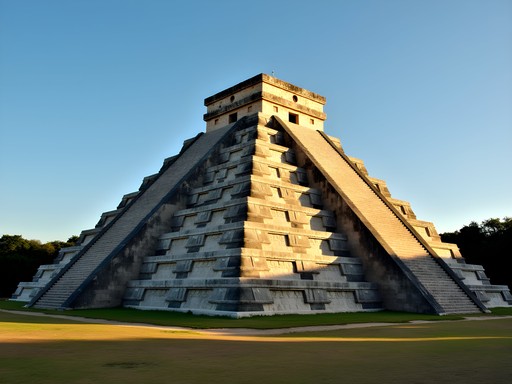
The first time I stood before El Castillo at Chichen Itza, I was reminded of my grandmother's teachings about sacred spaces—how they're never just monuments, but doorways to understanding entire civilizations. Yet the real magic of the Yucatan reveals itself when you venture beyond the iconic pyramid. The surrounding landscape holds adventures that blend ancient Maya wisdom with raw natural beauty: crystalline cenotes carved through limestone, jungle trails where howler monkeys echo overhead, and coastal ecosystems that have remained largely unchanged for millennia.

Diving into the Sacred Cenotes
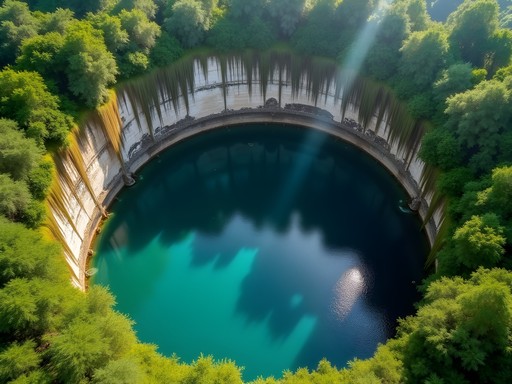
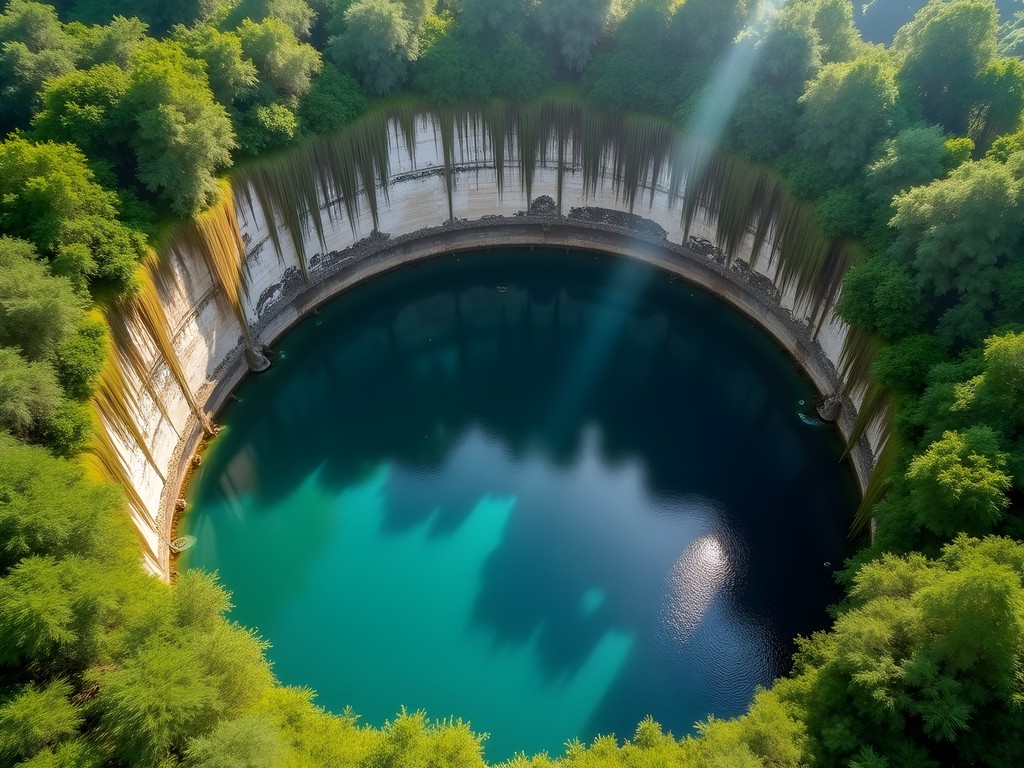
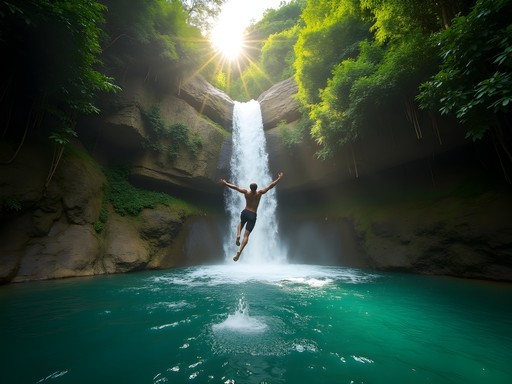
The Yucatan Peninsula is honeycomb with over 6,000 cenotes—natural sinkholes that the ancient Maya considered portals to Xibalba, the underworld. Within a 30-minute drive of Chichen Itza, you'll find some of the most spectacular cenotes for swimming, snorkeling, and diving. Cenote Ik Kil, just three miles from the ruins, drops 85 feet into turquoise waters surrounded by hanging vines and tropical plants—it's like swimming inside a living cathedral.
For a more intimate experience, I recommend Cenote Yokdzonot, where local Maya families maintain the site. The water here glows an ethereal blue-green, and you can swim beneath stalactites that have been forming for thousands of years. Bring a quality underwater camera case to capture the otherworldly light filtering through the water—the photos are absolutely worth it. The cooler winter months make cenote swimming especially refreshing after exploring sun-baked ruins.
💡 Pro Tips
- Arrive at cenotes before 10am to avoid tour groups and enjoy the best lighting for photos
- Wear biodegradable sunscreen only—chemical sunscreens damage the delicate cenote ecosystems
- Bring water shoes with good grip as limestone surfaces around cenotes can be slippery
Cycling Through Maya Villages and Jungle Trails
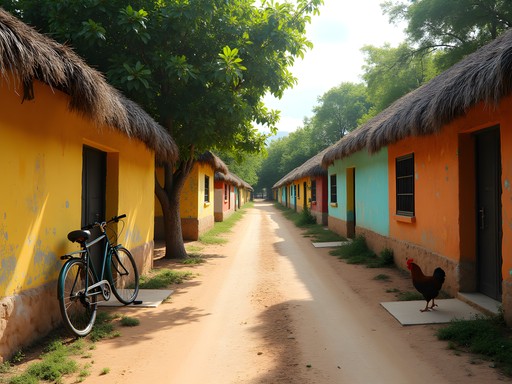
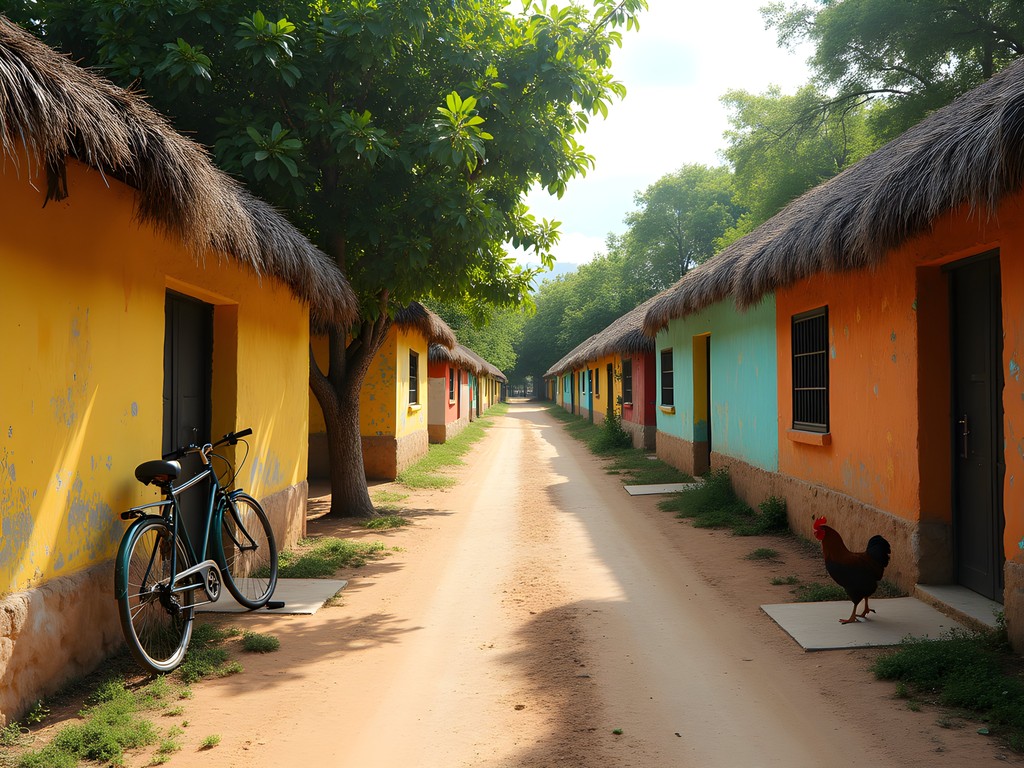
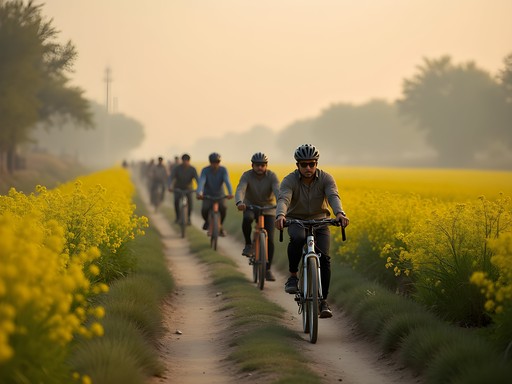
One of my favorite ways to experience the authentic Yucatan is by bicycle, following the network of rural roads connecting small Maya villages. The flat terrain and winter's mild temperatures (70-80°F) make this perfect for intermediate cyclists. I joined a guided tour from Piste that wound through henequen plantations, past traditional thatched-roof homes, and into the jungle where spider monkeys watched from the canopy.
The route to the village of Xocempich offers a glimpse into contemporary Maya life that hasn't changed much in generations. Women still embroider traditional huipil dresses in doorways, and you'll smell fresh tortillas being made over wood fires. A good hydration pack is essential—the Yucatan heat is deceptive in winter, and you'll want both hands free for navigating the sometimes-bumpy sacbe (ancient stone roads). Stop at family-run tiendas for fresh coconut water and homemade papadzules, a traditional egg dish wrapped in tortillas and pumpkin seed sauce.
💡 Pro Tips
- Hire a local Maya guide from Piste village—they know the best routes and can facilitate authentic cultural exchanges
- Start rides at sunrise to avoid midday heat and catch the jungle coming alive with bird calls
- Bring small denominations of pesos to purchase snacks and crafts directly from villagers
Birdwatching in Ek Balam Biosphere
Just 30 miles north of Chichen Itza, the lesser-known ruins of Ek Balam sit within a protected biosphere reserve that's become one of my favorite birdwatching destinations. Winter brings migratory species from North America, joining resident tropical birds in a symphony that begins before dawn. I've spotted over 40 species in a single morning here: turquoise-browed motmots with their distinctive racket-tipped tails, brilliant orange orioles, and the occasional ocellated turkey—a species found only in the Yucatan.
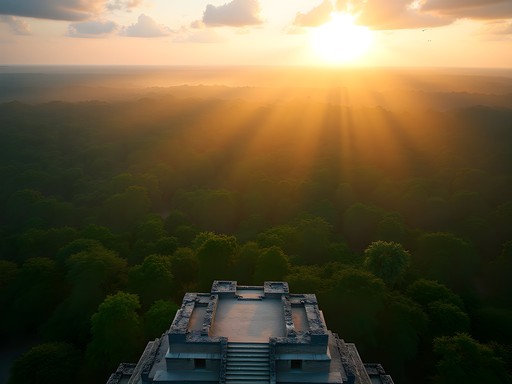
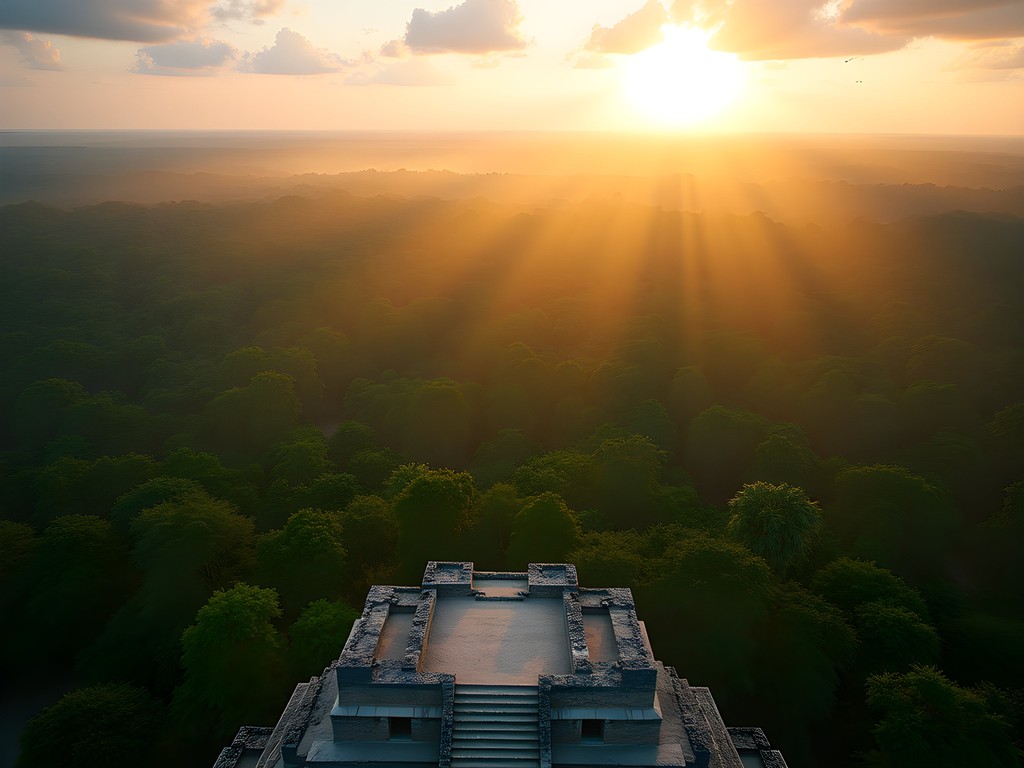
The best strategy is arriving when the ruins open at 8am, climbing the main pyramid (which you can still ascend, unlike at Chichen Itza), and watching the jungle canopy from above as birds begin their morning routines. A quality field guide helps identify the incredible diversity. The site's relative isolation means you might have entire sections to yourselves—a rare luxury. After birdwatching, cool off in the nearby Cenote X'Canche, accessible via a peaceful nature trail where you'll likely spot more wildlife.
💡 Pro Tips
- Download the Merlin Bird ID app before your trip—it works offline and identifies birds by sight or sound
- Wear neutral-colored clothing to avoid startling birds and bring insect repellent for the jungle trails
- The pyramid climb at Ek Balam is steep but manageable—take your time and the views are extraordinary

Kayaking the Ria Lagartos Biosphere Reserve
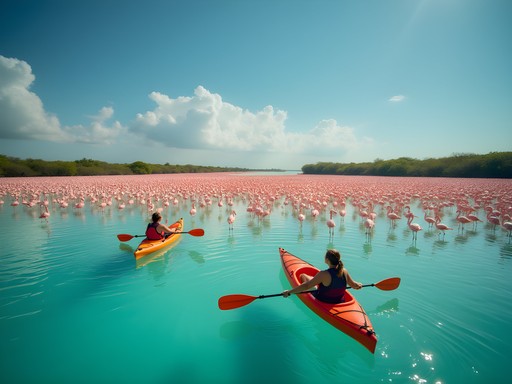
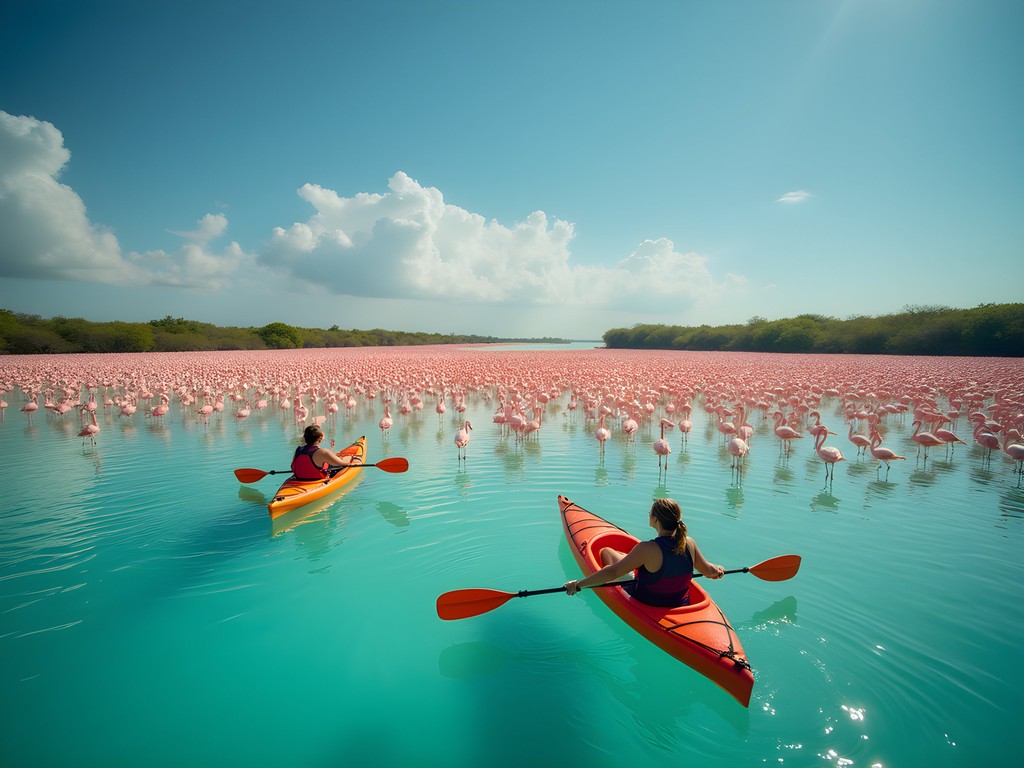
A two-hour drive north from Chichen Itza brings you to one of the Yucatan's most spectacular ecosystems: Ria Lagartos, a coastal estuary where freshwater meets the Caribbean. This UNESCO Biosphere Reserve is home to the largest flamingo colony in Mexico—over 40,000 birds paint the shallow waters pink during winter months. I joined a sunrise kayaking tour that launched from the fishing village of Las Coloradas, paddling through mangrove tunnels where the water shifts from emerald to turquoise.
The experience feels primordial. Crocodiles sun themselves on mudflats (hence the name—lagartos means lizards, though the Spanish conquistadors were actually seeing crocs). Herons stalk through the shallows. And then you round a bend and see them: thousands of flamingos creating a pink horizon. The guide explained how the birds' color comes from the beta-carotene in the brine shrimp they eat from these salt-rich waters. We finished with a float in the salt flats, where the mineral content is so high you bob like a cork—bring a dry bag to protect your phone and valuables during this unique natural spa treatment.
💡 Pro Tips
- Book kayaking tours through local cooperatives in Las Coloradas for the most authentic and eco-conscious experience
- Flamingos are most abundant from December through March—peak winter season
- The salt flat float leaves a white residue on skin and clothing—wear swimwear you don't mind getting mineral-stained
Exploring the Loltun Caves and Puuc Route
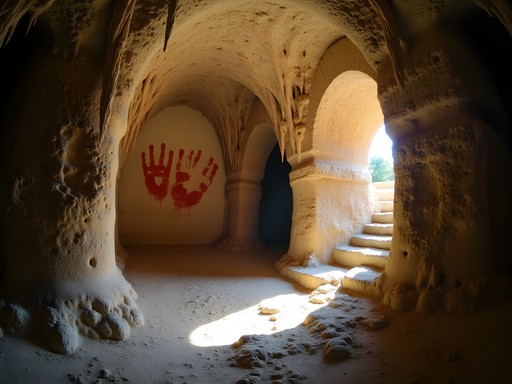
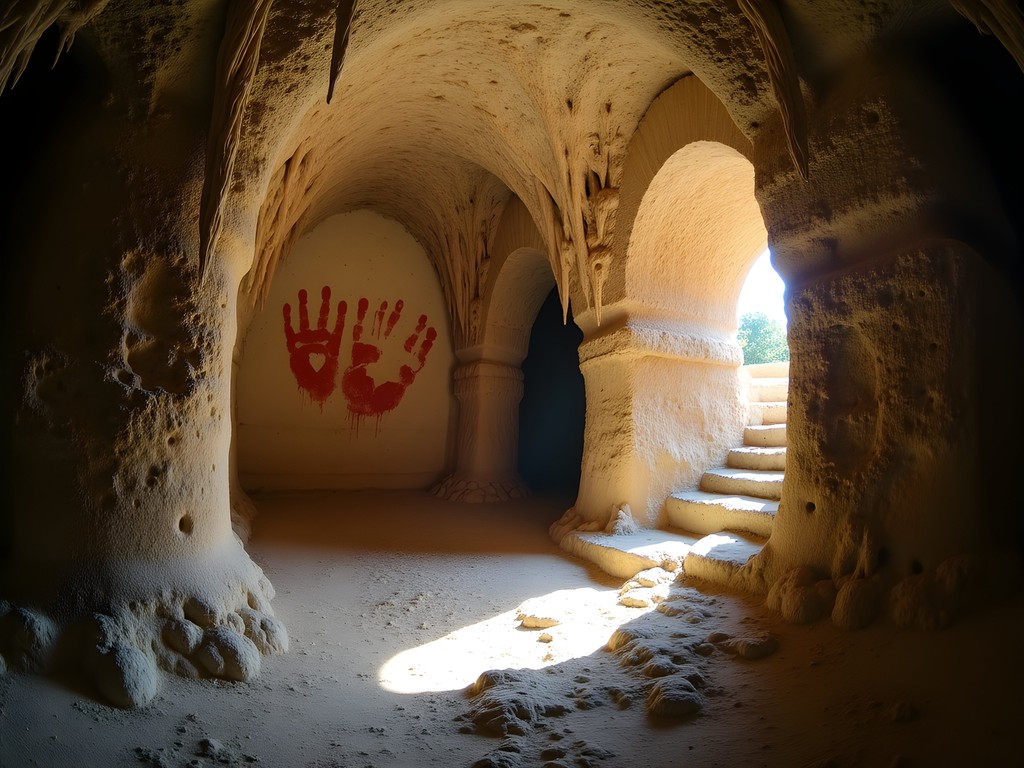
Southwest of Chichen Itza, the Puuc Hills region offers a completely different landscape—rolling karst formations riddled with caves that served as both shelter and ceremonial spaces for the ancient Maya. The Loltun Caves are the most extensive cave system open to visitors in the Yucatan, stretching over a mile underground. Walking through these chambers, I was struck by the handprints on the walls—some over 2,500 years old—and the natural formations the Maya incorporated into their cosmology.
The guided tour (required and included in admission) takes about 90 minutes and involves some moderate climbing over uneven surfaces. Bring a headlamp as backup lighting—the caves are dramatically lit, but having your own light helps you spot details the guides point out. After emerging, the nearby Puuc Route connects several smaller ruins like Labna and Xlapak, where you can climb structures and explore largely alone. The architectural style here differs from Chichen Itza—more ornate stone mosaics and rounded corners that speak to regional variations in Maya culture.
💡 Pro Tips
- Cave temperatures stay around 75°F year-round—bring a light layer as it feels cool after the surface heat
- Combine the caves with 2-3 Puuc Route ruins in a single day trip for a comprehensive archaeological experience
- The drive takes you through traditional villages—stop in Oxkutzcab for fresh tropical fruits at the market
Final Thoughts
Chichen Itza's pyramid rightfully draws millions of visitors, but the surrounding Yucatan landscape holds adventures that connect you more intimately with both the natural world and Maya heritage. Whether you're floating in a sacred cenote, cycling through villages where Maya is still the primary language, or watching flamingos paint the coastal waters pink, these experiences offer something the crowded ruins cannot: space to breathe, explore, and discover your own relationship with this remarkable landscape.
As my grandmother taught me, the most sacred places aren't always the most obvious ones. Sometimes they're found in the quiet moments—swimming beneath ancient stalactites, pedaling past a woman weaving on a backstrap loom, or watching the sunrise from a pyramid you have entirely to yourselves. The Yucatan rewards those who venture beyond the main attractions with experiences that feel both timeless and deeply personal. Pack your sense of adventure alongside your quick-dry towel, and prepare to discover a Mexico that exists beyond the postcards.
✨ Key Takeaways
- Winter (December-March) offers ideal conditions for outdoor adventures with mild temperatures and peak wildlife viewing
- Hiring local Maya guides enriches experiences while supporting indigenous communities directly
- The best adventures require venturing 30-60 minutes from Chichen Itza where crowds disappear and authentic experiences await
📋 Practical Information
Best Time to Visit
December through March for optimal weather, wildlife viewing, and comfortable outdoor activity temperatures
Budget Estimate
$1,200-1,800 per couple for one week including mid-range accommodation, activities, meals, and car rental
Recommended Duration
5-7 days to properly explore Chichen Itza and surrounding outdoor adventures without rushing
Difficulty Level
Moderate


Comments
luckyfan
Going there next month! How many days would you recommend for doing all these activities?
Riley Fisher
I'd say minimum 4-5 days to really enjoy everything without rushing. You could do Chichen Itza and cenotes in one day, cycling villages another day, then dedicate a full day for Ria Lagartos since it's about 2 hours away.
Hannah Woods
Agree with Riley. Also consider basing yourself in Valladolid rather than staying near the ruins—it's more authentic and you'll have better restaurant options.
luckybackpacker
Love the photos! Adding this to my list.
Hannah Woods
Excellent post, Riley. I spent three weeks in the Yucatan last year and completely agree that the areas surrounding Chichen Itza deserve more attention. The cycling route through Yaxunah village was a highlight—I stayed with a local family and learned traditional cooking methods. One tip: if you're planning Ria Lagartos, go during flamingo season (April-August) and hire a local guide from the fishing cooperative rather than booking through Valladolid. You'll get better rates and the money goes directly to the community. The mangrove tunnels at dawn are absolutely magical.
luckyfan
This is super helpful, thanks!
wavetime
The cenote diving sounds amazing! How cold is the water? I'm not the best swimmer but would love to try this. Also did you need to book tours in advance or can you just show up?
Riley Fisher
The water is around 75-77°F year-round, so pretty comfortable! For cenotes like Ik Kil you can show up, but for the more remote ones I'd recommend booking ahead. Many have life jackets available if you're not confident swimming.
wavetime
Perfect, thanks!
Venture X
Premium card with 2X miles, $300 travel credit, Priority Pass