
Disclosure: This article contains affiliate links. We may earn a commission from purchases at no extra cost to you, which helps our travel content.
After decades of global travel, I've developed something of an obsession with waterfalls. There's something primally satisfying about standing before these magnificent displays of nature's power. Having recently taken a group of colleagues and their families to Hawaii's Big Island, I can confidently say that Hilo offers some of the most accessible yet spectacular waterfall experiences I've encountered. The eastern side of the island, with its abundant rainfall, creates a paradise for waterfall chasers that combines adventure with refreshing natural swimming opportunities.

Planning Your Waterfall Adventure: Essential Preparation
Before diving into specific waterfalls (quite literally in some cases), proper preparation will significantly enhance your experience. Hilo receives substantial rainfall year-round—it's what creates those magnificent cascades after all—so weather awareness is crucial.
During my week-long stay last summer, I quickly learned that mornings typically offer the clearest skies, making them ideal for waterfall visits. Afternoon showers are common, so plan accordingly. While some falls are easily accessible via short walks from parking areas, others require moderate hiking on sometimes slippery terrain.
Waterproof storage became immediately essential. My waterproof phone case proved invaluable for capturing photos without risking my device. For carrying essentials while keeping hands free, I'd recommend a waterproof backpack rather than a standard daypack—trust me, you'll appreciate the protection when standing near the powerful spray of Rainbow Falls.
💡 Pro Tips
- Check weather forecasts the night before and aim for morning visits
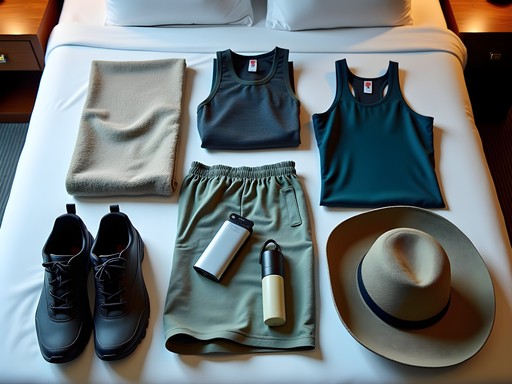
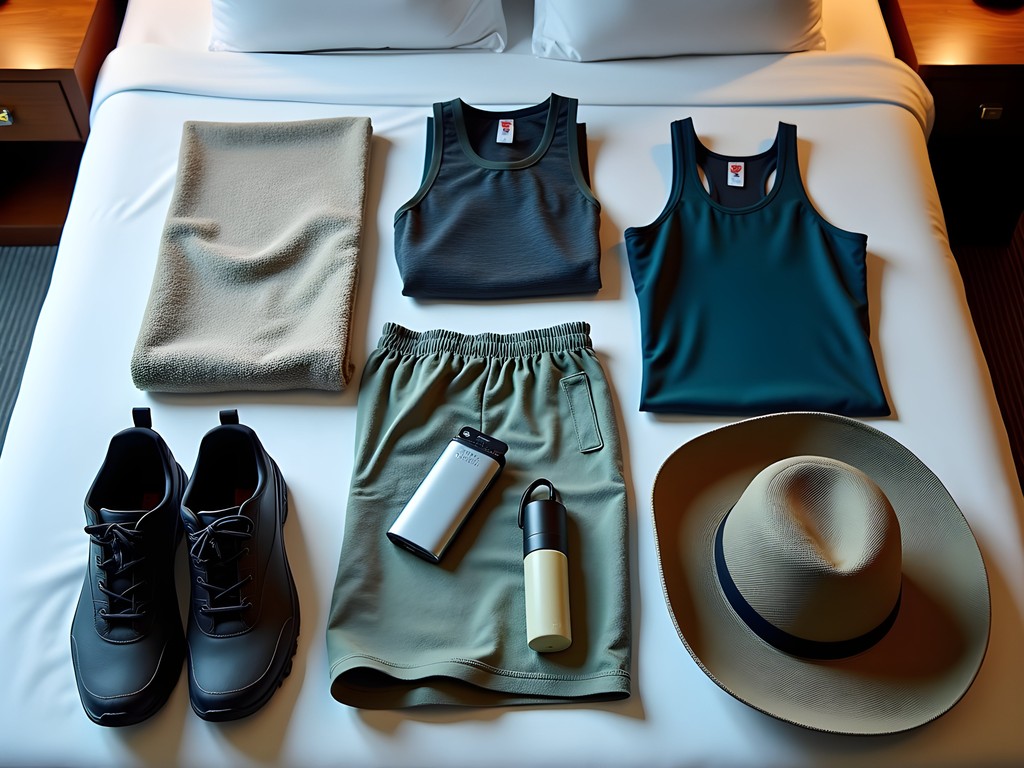
- Wear quick-drying clothing rather than cotton
- Apply insect repellent before hitting the trails—the lush vegetation harbors mosquitoes
Rainbow Falls: The Iconic Starting Point
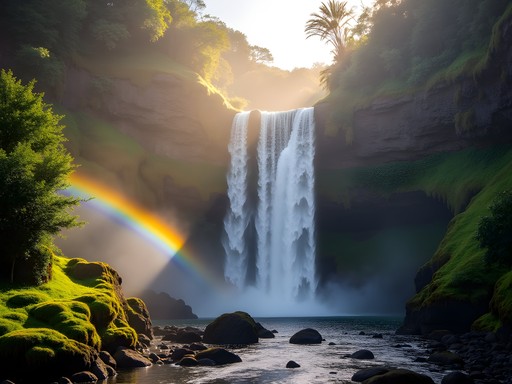
Just a five-minute drive from downtown Hilo, Rainbow Falls (Waiānuenue) offers the perfect introduction to the area's cascades. At 80 feet tall and nearly 100 feet wide, this impressive waterfall plunges into a broad pool surrounded by lush vegetation and a massive banyan tree that's worth exploring in its own right.
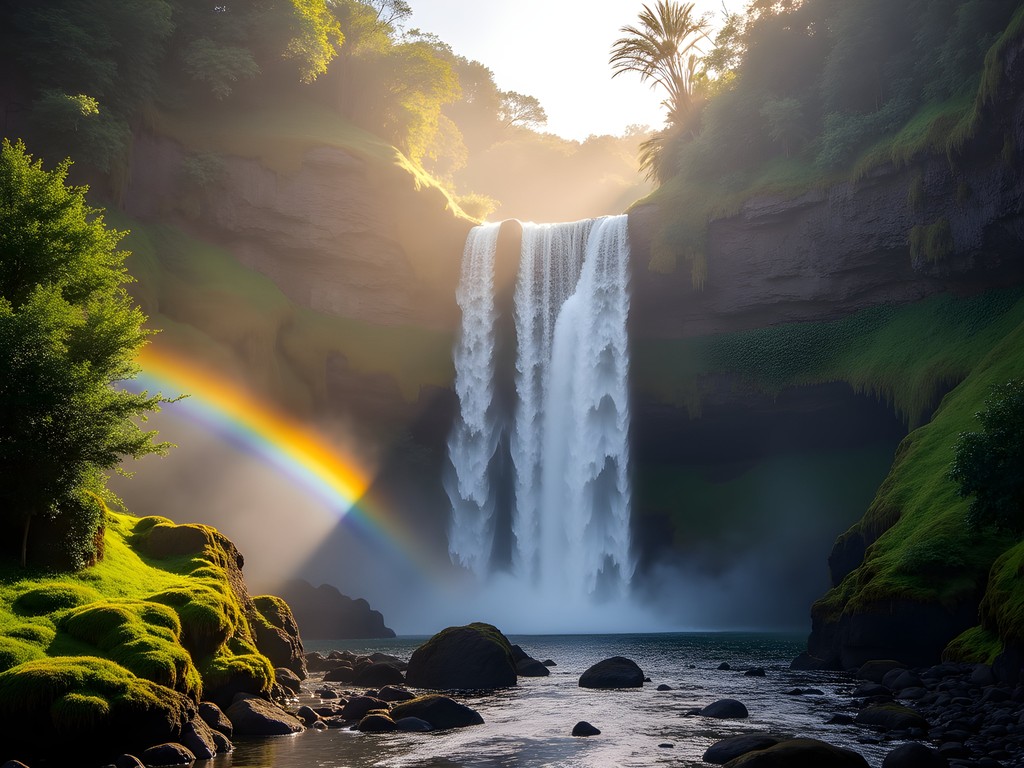
The falls got their name from the rainbows that form in the morning mist, particularly between 9-10am on sunny days. During my visit with colleagues, we arrived at 8:30am and were rewarded with a magnificent rainbow display that had everyone reaching for their cameras.
What makes Rainbow Falls particularly appealing for groups is its accessibility—the main viewing platform is just steps from the parking lot, making it suitable for all fitness levels. For the more adventurous in your party, take the path to the left of the main viewing area to reach the top of the falls for a different perspective.
While swimming isn't permitted at Rainbow Falls itself, the experience of standing near such a powerful cascade is invigorating enough. I found that a quick-dry microfiber towel was perfect for drying off after getting caught in the spray—far more practical than the hotel towels some in our group brought along.
💡 Pro Tips
- Visit before 10am for the best chance of seeing the namesake rainbows
- Bring polarized sunglasses to better see through the water's glare
- Look for the enormous banyan tree to the right of the falls—it's hundreds of years old
Akaka Falls: Majestic Heights Worth the Journey
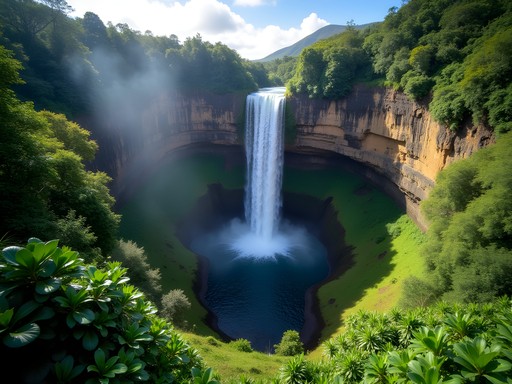
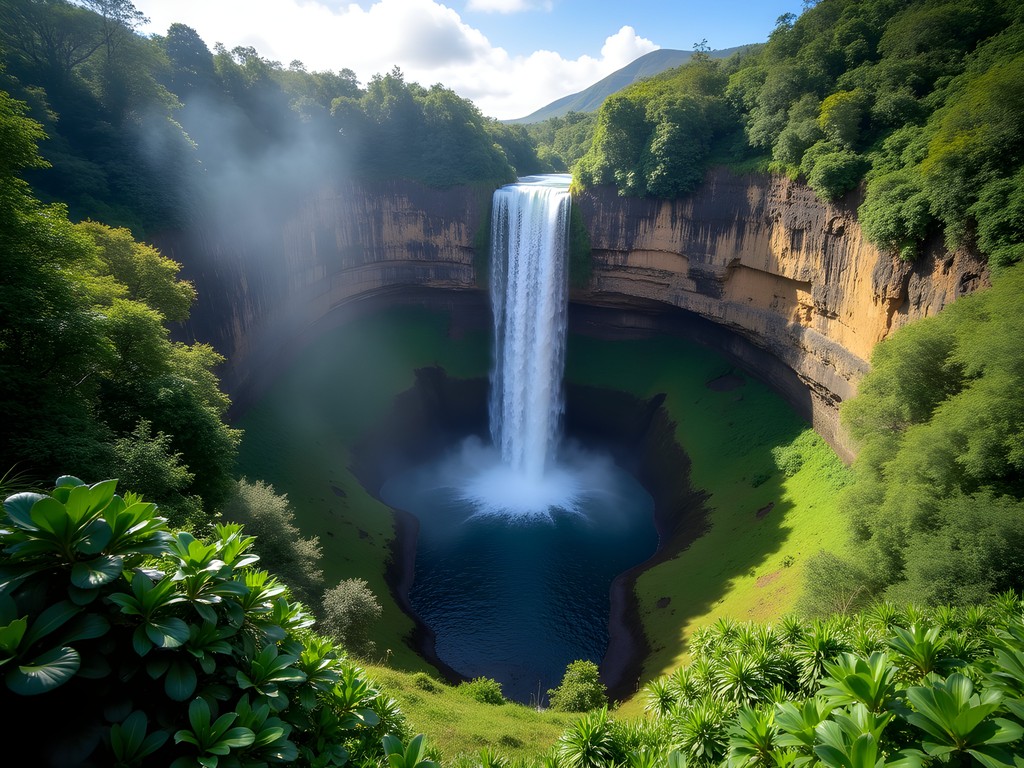
About 11 miles north of Hilo lies the crown jewel of Big Island waterfalls: the spectacular 442-foot Akaka Falls. Set within a lush rainforest state park, this towering cascade drops into a gorge carved by centuries of flowing water.
The falls are accessed via a paved 0.4-mile loop trail that also passes the smaller but charming Kahuna Falls. Despite being relatively short, the path includes several staircases and moderate inclines that might challenge those with mobility issues. The entire loop took our group about 30-40 minutes, accounting for numerous photo stops.
While you can't swim at Akaka Falls, the sheer magnitude of this cascade makes it an essential stop. I've visited waterfalls across five continents, and Akaka still ranks among my top ten worldwide. The $5 per person entrance fee (or $10 parking fee per vehicle) is more than justified by the well-maintained facilities and the spectacular natural display.
On hot days, the tropical forest surrounding the falls can become quite humid. I was grateful for my cooling towel which kept my group comfortable during our mid-day visit. Simply wet it at one of the water fountains near the entrance, and it provides hours of cooling relief.
💡 Pro Tips
- Visit early morning to avoid tour buses that typically arrive mid-morning
- The full loop trail moves clockwise, but going counter-clockwise gives you the dramatic reveal of Akaka Falls first
- The path can be slippery after rain—proper footwear is essential

Pe'epe'e Falls & Boiling Pots: The Local's Swimming Hole
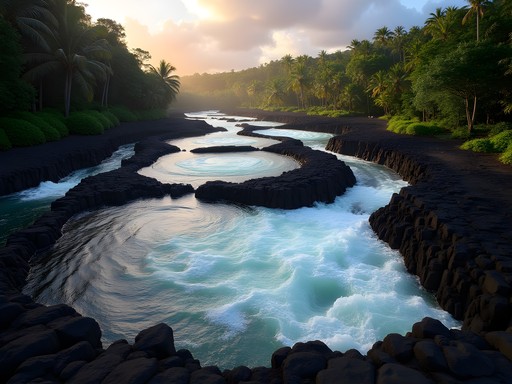
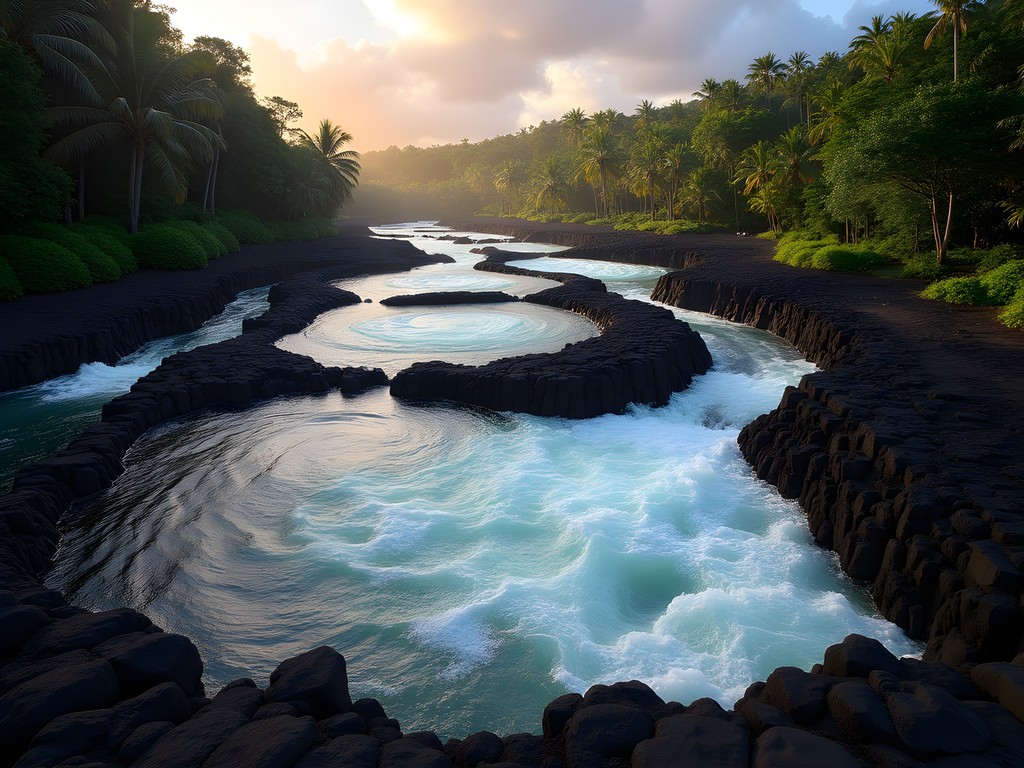
Just upstream from Rainbow Falls lies one of Hilo's most intriguing water features: the Boiling Pots and Pe'epe'e Falls. This series of cascading pools and small falls along the Wailuku River creates what appears to be 'boiling' water when the river flow is strong, as currents and underwater chambers create bubbling, churning patterns on the surface.
These connected attractions are just a 5-minute drive from Rainbow Falls, making them an easy addition to your waterfall itinerary. The viewing areas require a short walk from the parking lot, with several lookout points offering different perspectives of this unique geological formation.
Swimming is technically allowed here during calm conditions, but I must emphasize caution. The Wailuku River is notorious for flash floods and strong currents. During my visit, I witnessed several local families enjoying the lower pools, but they clearly knew which areas were safe. As visitors, we chose to observe rather than swim after noting the river's significant flow that day.
For those determined to experience Hilo's swimming holes, I strongly recommend water shoes with substantial grip. The volcanic rock is exceptionally slippery, and proper footwear is non-negotiable for safety. One of my colleagues learned this lesson the hard way with a minor slip (and bruised pride) on the rocks.
💡 Pro Tips
- Never swim after heavy rainfall or if the water appears brown
- Check with locals about current conditions before entering the water
- The best views of Pe'epe'e Falls are from the first viewing platform
Umauma Falls: The Triple-Tiered Hidden Gem
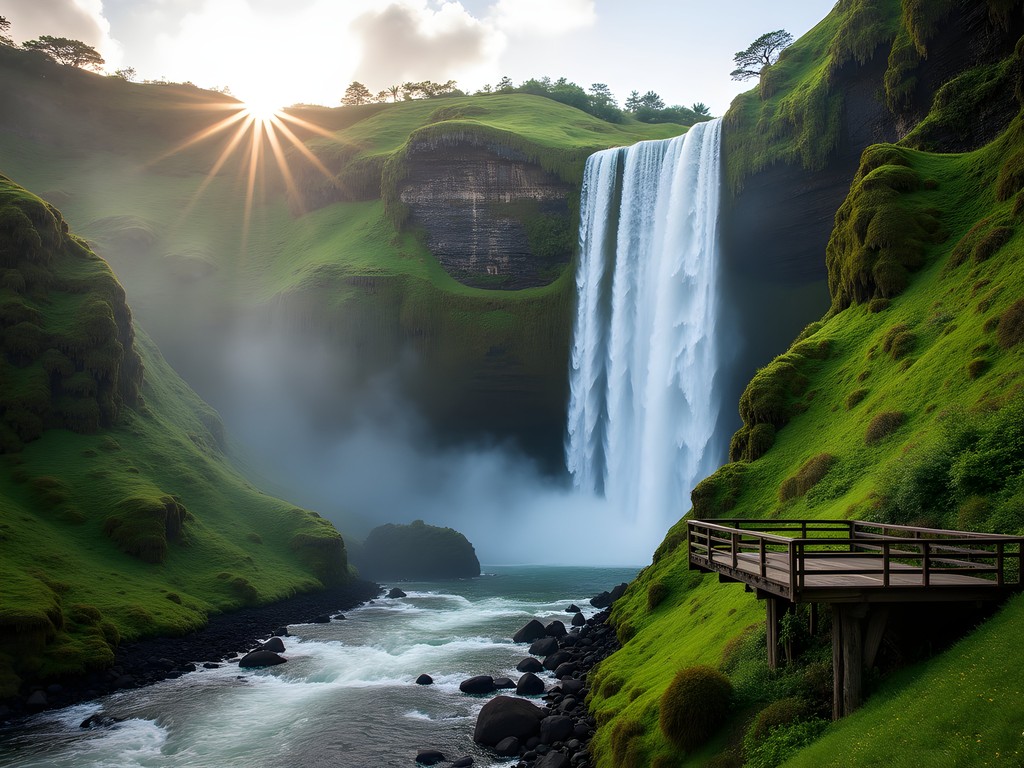
For those willing to venture slightly further afield (about 16 miles north of Hilo), Umauma Falls offers a spectacular three-tiered cascade that's less visited than the more famous falls closer to town. Located on private property within the Umauma Experience adventure park, these falls require an entrance fee ($12 when I visited), but the investment delivers a less crowded, more serene waterfall experience.
What makes Umauma unique is its triple-drop formation, with each tier creating its own pool before continuing downward. The viewing platform provides an excellent vantage point for photographs, and I spent nearly an hour here simply absorbing the tranquil setting with my colleagues.
For the adventure seekers in your group, the Umauma Experience offers zipline tours that actually pass over the falls—an exhilarating way to experience the cascade from a completely different perspective. Two members of our group took the plunge (figuratively speaking) and described the zipline journey as a highlight of their entire Hawaii trip.
While direct swimming access isn't available at the main falls viewing area, the property does include a separate swimming hole downstream that's perfect for cooling off. After working up a sweat in the humid climate, I was grateful for my quick-dry swim shorts which performed admirably for both waterfall hiking and impromptu swimming opportunities throughout the day.
💡 Pro Tips
- Combine your visit with the zipline experience for a full adventure day
- The falls are most impressive during morning hours when sunlight illuminates all three tiers
- Bring cash for the entrance fee as card payments weren't reliable during our visit
The Secret Narnia Falls: Off-the-Beaten-Path Adventure
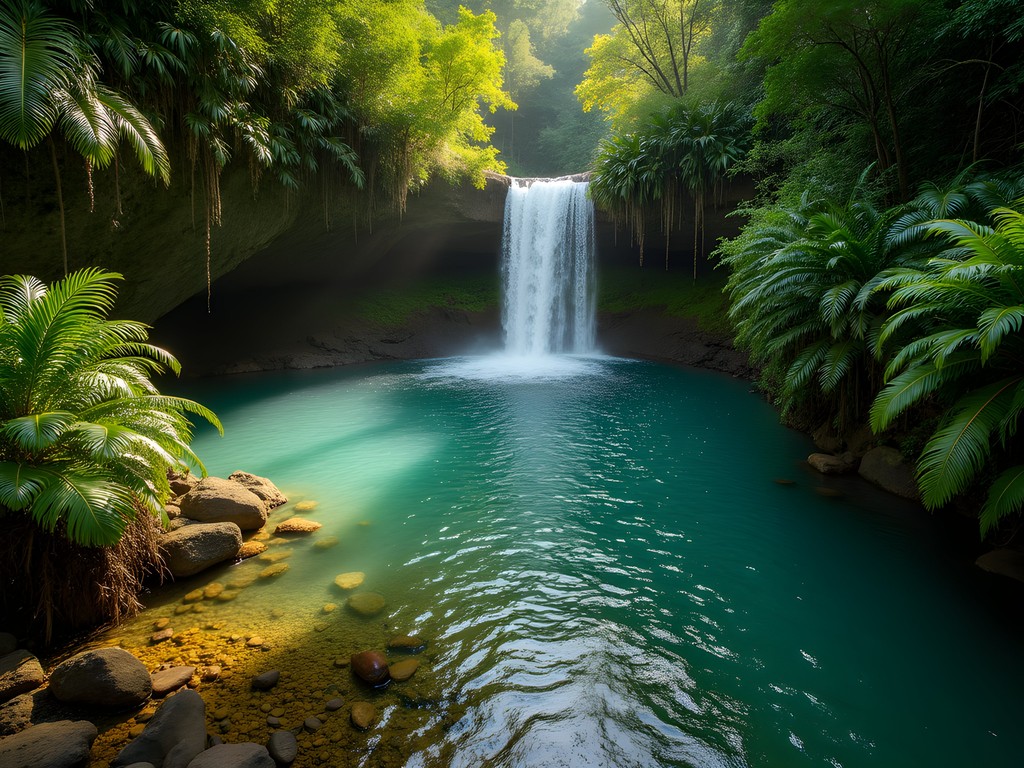
For those seeking a less commercialized waterfall experience, I'm going to share something special. About 20 minutes north of Hilo along the Hamakua Coast lies what locals sometimes call 'Narnia Falls'—a magical cascade hidden from typical tourist itineraries. I hesitated to include this gem, but it's too spectacular to omit entirely.
The falls are technically on private property with no official access, but local custom allows respectful visitors to enjoy this natural wonder via an unmarked trail. I won't provide exact coordinates here, but engaging with locals at Hilo's farmers market yielded friendly directions. The key is asking politely and expressing genuine interest in experiencing Hawaii's natural beauty respectfully.
The trail to reach these falls is moderately challenging, involving a 15-minute descent through dense vegetation. Proper preparation is essential—I was grateful for my hiking stick which provided crucial stability on the muddy path. You'll definitely want insect repellent as well, as the mosquitoes in this undeveloped area are particularly enthusiastic.
The reward for this effort? A stunning 70-foot waterfall plunging into a pristine swimming hole with not another soul in sight. Our small group spent two hours here, swimming, relaxing on sun-warmed rocks, and experiencing Hawaii in its most authentic form. This was unanimously voted the highlight of our waterfall circuit.
💡 Pro Tips
- Always ask locals for current access information and respect private property boundaries
- Pack out everything you bring in—leave absolutely no trace
- Bring a dry bag for valuables as the swim to the base of the falls requires crossing deep water
Final Thoughts
After a week of chasing Hilo's magnificent waterfalls, I've come to appreciate how these natural wonders offer something truly special for group travelers. Unlike many tourist activities that cater primarily to either adventure-seekers or relaxation-minded visitors, waterfall exploration bridges this divide perfectly. From the easily accessible majesty of Rainbow Falls to the hidden splendor of off-map cascades, Hilo delivers waterfall experiences for every inclination and ability level.
What struck me most was how these shared natural experiences fostered genuine connection among our diverse group. Colleagues who barely spoke at the office found themselves engaged in animated conversation while hiking to falls, while family members of different generations bonded over the simple joy of cool water on a warm Hawaiian day.
As you plan your own Hilo waterfall adventure, remember that flexibility is key—weather conditions can transform these cascades dramatically from day to day. I encourage you to seek out both the established attractions and the hidden gems, always approaching these natural treasures with respect and wonder. The Big Island's eastern shore offers a waterfall experience that rivals any in the world—one that will leave you, like me, already planning your return visit before you've even departed.
✨ Key Takeaways
- Morning visits provide the best lighting and rainbow opportunities at most falls
- Always check current conditions before swimming—flash floods are a real danger in Hawaii
- A mix of well-known and hidden falls creates the most memorable experience
📋 Practical Information
Best Time to Visit
April-June or September-October (shoulder seasons with less rainfall)
Budget Estimate
$500-800 per person for a week (excluding flights)
Recommended Duration
3-4 days for waterfall exploration, 7 days total for Big Island
Difficulty Level
Moderate

Comments
Lillian Diaz
Love this! Hilo's waterfall scene is so underrated compared to the Kona side. I spent three days just chasing waterfalls around there and barely scratched the surface. One thing I'd mention - if you're up for a bit of adventure, there are some lesser-known falls that locals know about that aren't in most guides. I met this guy at a coffee shop who drew me a map to this hidden cascade that required a bit of bushwhacking but was absolutely worth it. The aloha spirit is real - people are genuinely happy to share their secret spots if you're respectful and ask nicely.
journeynomad
Any chance you remember the name of that hidden one? 👀
travelchamp
Pro tip: bring reef-safe sunscreen if you're swimming anywhere. Hawaii is serious about protecting their ecosystems and regular sunscreen is banned. Also the rocks around these falls can be super slippery - wear shoes with good grip, not flip flops. Learned that the hard way!
Hannah Woods
Solid guide, James. I'd add that timing really matters for these falls - they're dramatically more impressive during wetter months (Nov-March). I visited in July and while still beautiful, the flow was noticeably reduced. Also worth noting: cell service is spotty once you head toward some of the more remote cascades. Download offline maps beforehand. The Gaia GPS app saved me more than once when exploring the area. What was your experience with rental car requirements? Some of those access roads looked pretty rough.
travelchamp
Totally agree on the wet season. We went in February and the waterfalls were absolutely roaring. Way more dramatic than photos from summer.
skyace
Great photos! Rainbow Falls is such a classic.
travelperson
Rainbow Falls at sunrise is absolutely worth it if you can drag yourself out of bed early. We got there around 6:30am and had the place completely to ourselves for about 20 minutes. The light was incredible and no crowds. By 9am it was packed with tour buses. Akaka Falls is stunning but yeah, it's just a viewing platform - no swimming. The whole loop trail is really well maintained though, took us maybe 30 minutes at a leisurely pace.
journeynomad
Good tip about sunrise! Definitely doing that.
journeynomad
This looks amazing! Quick question - are the swimming holes at Boiling Pots actually safe to swim in? I've heard mixed things about currents there. Planning a trip in March and want to make sure I'm not doing anything stupid lol. Also how's the water temperature?
skyace
Be careful there. Only swim when water is calm and stay away from the edge. Locals know when it's safe.
Lillian Diaz
I was there last year and honestly, I skipped Boiling Pots for swimming after talking to locals. The currents can be unpredictable and people have gotten into trouble there. Pe'epe'e Falls above it is gorgeous for photos though! If you want a safer swim, there are other spots around Hilo that are more chill.
Casey Andersson
James, your waterfall obsession mirrors my own! I spent three weeks in Hilo last year documenting these same spots. One thing I'd add for your readers - the light at Rainbow Falls is absolutely magical around 10am when the sun hits just right (hence the name!). I found that visiting Pe'epe'e Falls during weekdays meant far fewer crowds than weekends. Also worth noting that during heavy rain season (Nov-March), some of these falls transform from gentle beauties to roaring beasts - equally spectacular but a completely different experience. Did anyone else notice how the volcanic rock formations create those unique black and green contrasts in the pools? Absolutely stunning for photography.
smartstar
Going in February - should I be worried about too much rain making the trails dangerous?
Casey Andersson
February can be rainy, but trails to major falls like Akaka are well-maintained. Just bring good hiking shoes with grip and check weather forecasts daily. The upside is you'll likely see the falls at their most powerful!
photofan
Just got back from Hilo last week and followed your guide - it was perfect! Akaka Falls was even more impressive in person than in your photos. We went early morning (around 8am) and had the place almost to ourselves for about 30 minutes. Pro tip for anyone going: bring your waterproof phone case because the spray from the falls can get pretty intense at certain viewpoints. Also, the path gets slippery after rain!
sunnybuddy
Is it safe to swim at Boiling Pots? The name sounds a bit scary lol
Casey Andersson
I was there last summer and would definitely exercise caution. The currents can be unpredictable, especially after rain. The locals I spoke with said they only swim there during dry periods when water levels are lower. Always check conditions before going in!
sunnybuddy
Thanks for the heads up! Maybe I'll just stick to admiring from a safe distance then.
smartstar
Wow! These waterfalls look AMAZING! Adding Hilo to my bucket list right now!
photofan
Same! Rainbow Falls looks absolutely stunning in those photos.
Venture X
Premium card with 2X miles, $300 travel credit, Priority Pass