
Disclosure: This article contains affiliate links. We may earn a commission from purchases at no extra cost to you, which helps our travel content.
When colleagues mentioned Joliet, Illinois, I'll admit my first thought was industrial heritage—not exactly the biodiversity hotspot I usually chase. But after spending a weekend exploring the Des Plaines River corridor and surrounding preserves, I discovered something remarkable: a resilient ecosystem where prairie restoration meets urban waterways, creating unexpected opportunities for families to connect with nature. What Joliet lacks in exotic megafauna, it compensates with accessible adventures that teach kids—and adults—about ecological recovery in action.

Paddling the Des Plaines River: A Living Laboratory
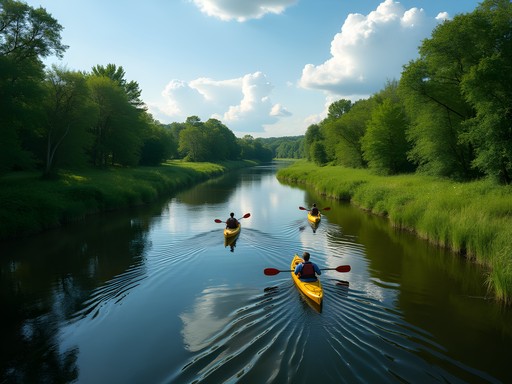
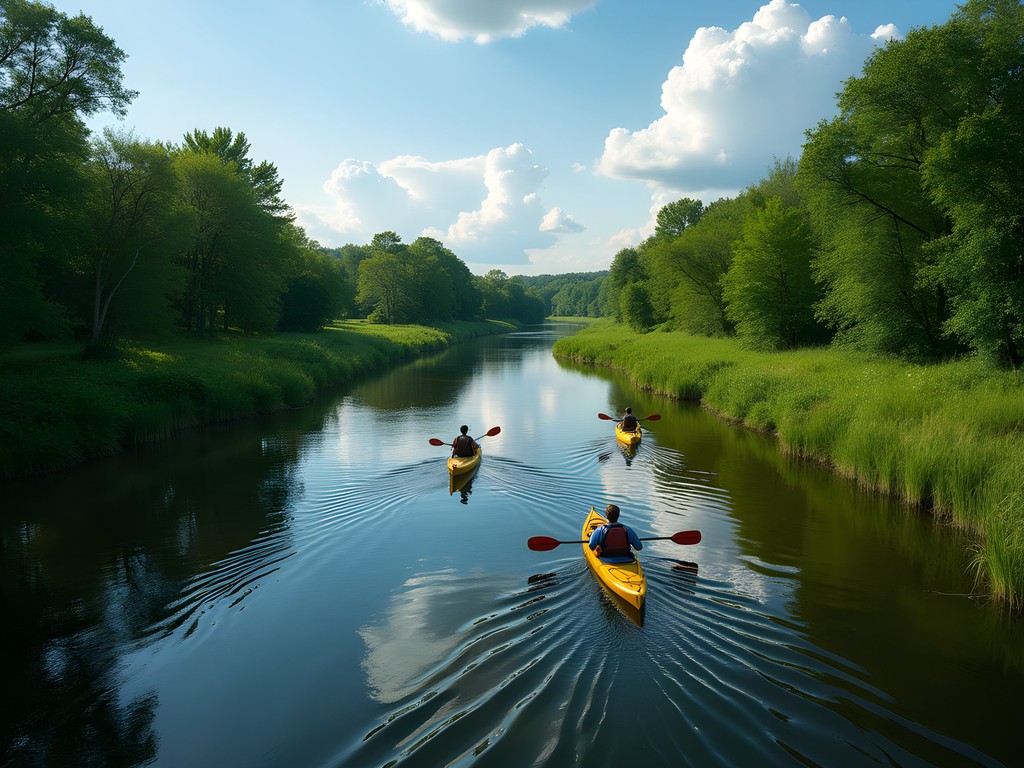
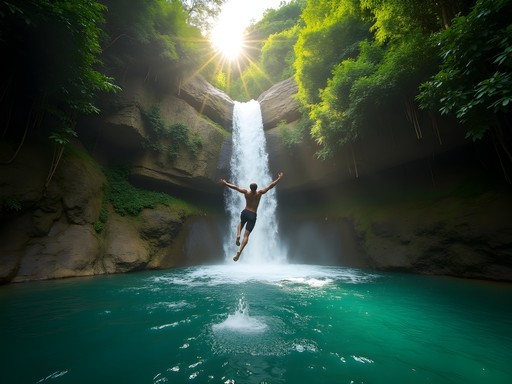
The Des Plaines River Water Trail offers something I rarely find: a genuinely intermediate paddling experience that's perfect for families ready to graduate beyond calm lakes. The 12-mile stretch from Hammel Woods to Channahon has just enough current to keep things interesting without overwhelming younger paddlers.
What fascinated me most was the ecological diversity along this corridor. Great blue herons stalk the shallows, red-eared sliders sun themselves on logs, and if you're observant during dawn or dusk paddles, you might spot muskrats or even river otters—yes, otters are making a comeback here. I recommend bringing a waterproof field guide to help kids identify the surprising variety of species.
The put-in at Hammel Woods is well-maintained, and the paddle takes 4-6 hours depending on your pace. Pack a dry bag for snacks, identification guides, and phones—the current can create splashy moments that add excitement but demand waterproof protection.
💡 Pro Tips
- Launch early (7-8 AM) for the best wildlife viewing and to avoid afternoon winds that can make paddling more challenging
- Check water levels through the USGS real-time data—aim for flows between 300-800 cfs for optimal conditions
- Bring a mesh bag to collect any trash you encounter; teaching kids about waterway stewardship creates lasting environmental values
Midewin National Tallgrass Prairie: Where Ammunition Became Ecosystem
Here's where Joliet's story gets genuinely compelling from an ecological perspective. Midewin National Tallgrass Prairie occupies former ammunition plant grounds, representing one of the largest prairie restoration projects in North America. For families, it's an outdoor classroom demonstrating how landscapes recover.
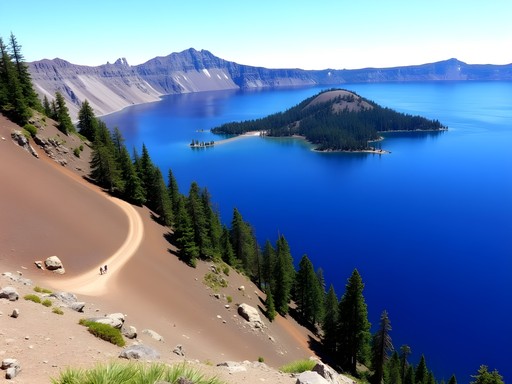
The 30+ miles of trails range from easy boardwalks to more challenging prairie paths. I spent most of my time on the Wauponsee Glacial Trail, a moderate 5-mile loop that showcases the restoration progression. In summer, the prairie explodes with native wildflowers—purple coneflower, black-eyed Susans, and big bluestem grass reaching over six feet tall.
Bring a quality insect repellent because prairie ecosystems mean prairie mosquitoes and ticks. I prefer picaridin-based formulas over DEET when working in sensitive ecosystems—equally effective but less harsh on gear and the environment. Also pack a wide-brimmed sun hat as shade is virtually nonexistent on these trails.
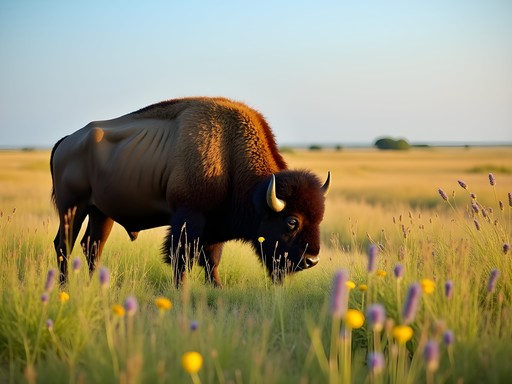
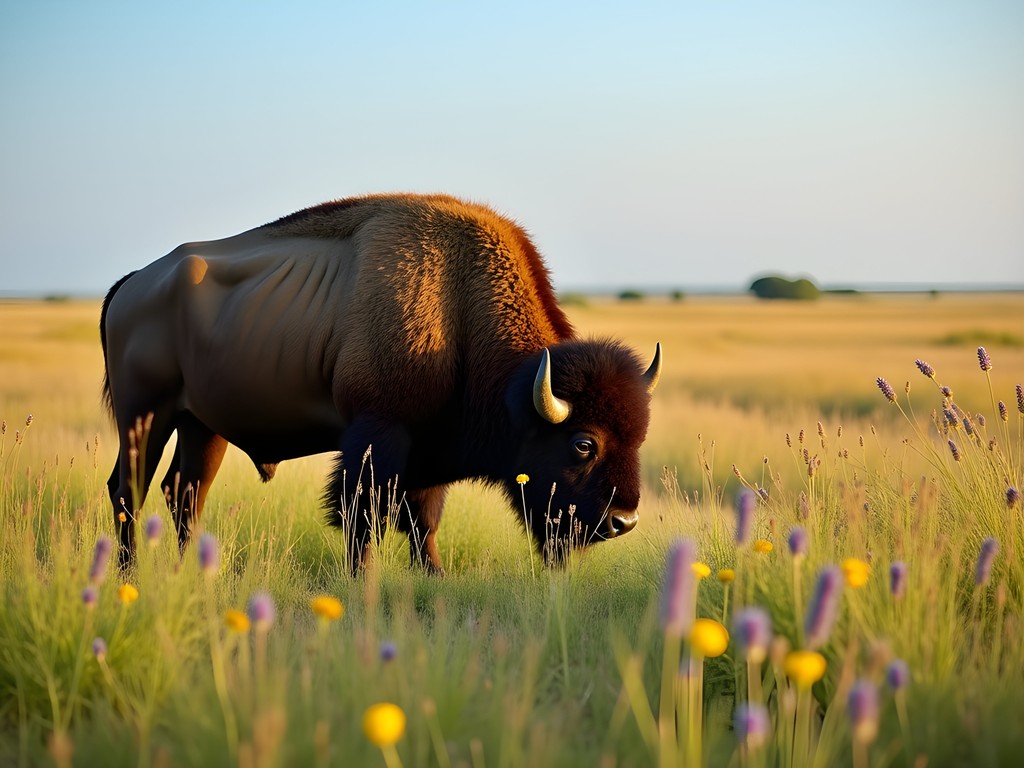
The bison herd here deserves special mention. Midewin reintroduced American bison as part of the restoration, and viewing these ecosystem engineers from designated areas provides kids with an unforgettable connection to prairie heritage.

💡 Pro Tips
- Stop at the welcome center first—the staff provides current trail conditions and recent wildlife sightings that can guide your route selection
- Stay on designated trails; prairie restoration is delicate work and trampling damages years of careful ecosystem rebuilding
- Download the trail map beforehand as cell service can be spotty in the preserve's interior sections
Rock Climbing at Pilcher Park: Unexpected Vertical Adventures
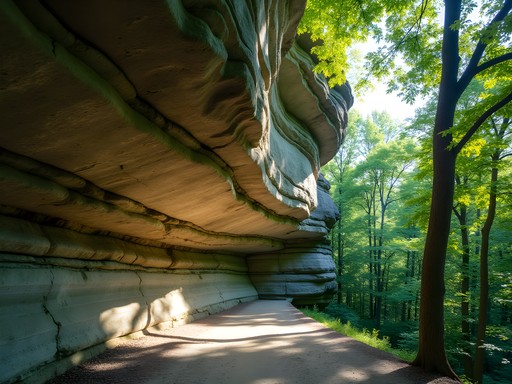
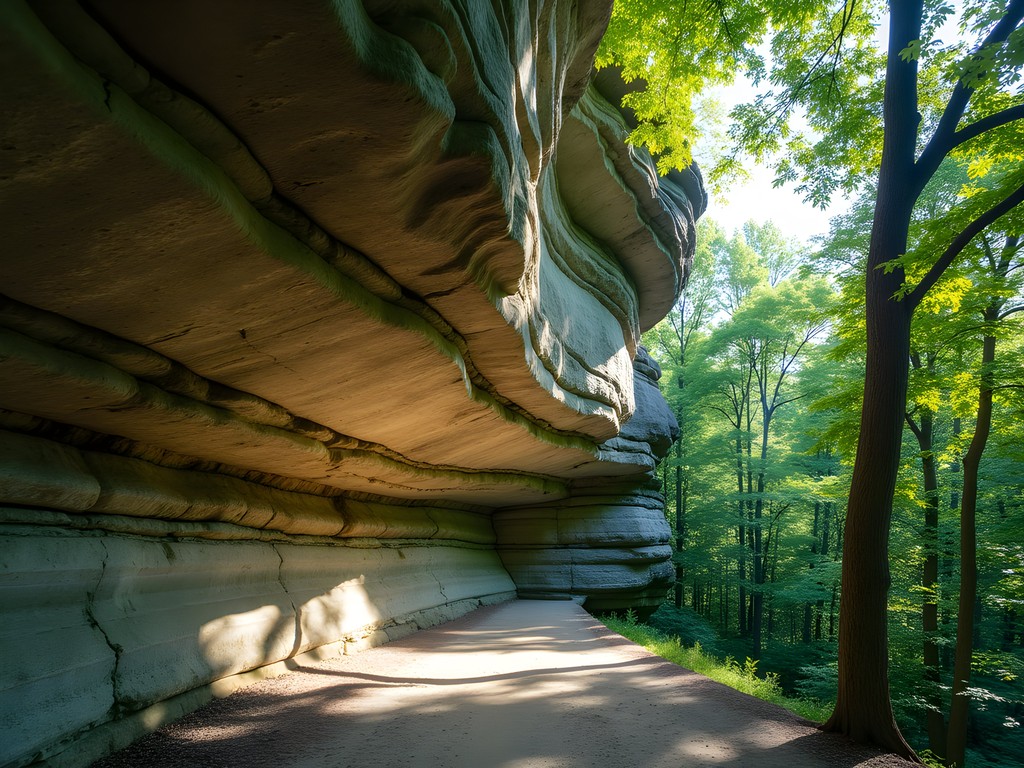
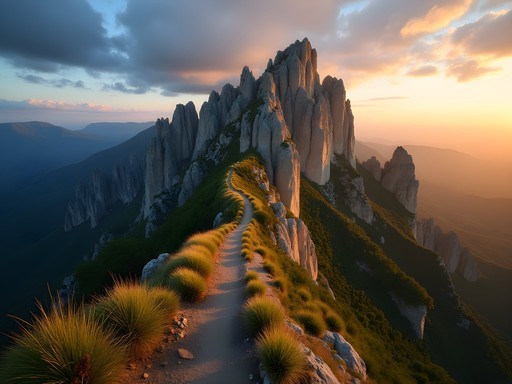
Pilcher Park's limestone bluffs surprised me—not because they're technically challenging (they're not), but because they offer perfect introductory climbing for families in an unexpected location. The park's Nature Center provides excellent context about the geological history, explaining how glacial activity created these formations.
The climbing areas feature routes suitable for beginners with proper supervision. If you're introducing kids to climbing, bring a climbing helmet for each participant—non-negotiable for safety, even on shorter routes. The rock can be somewhat friable (crumbly), so helmet protection matters more here than on harder stone.
Beyond climbing, the 640-acre park offers exceptional hiking through mature oak-hickory forest. The trail system connects to the larger Forest Preserve District network, and I particularly enjoyed the interpretive trail near the nature center where signage explains woodland ecology in family-friendly terms.
💡 Pro Tips
- Visit the Nature Center first—staff can direct you to appropriate climbing areas based on your family's experience level
- Bring chalk and a brush; the limestone can be slippery, and cleaning holds improves grip while preserving rock quality
- Combine climbing with the adjacent Bird Haven Greenhouse for a full day—the contrast between vertical adventure and peaceful botanical exploration works well for mixed-interest families

I&M Canal Trail: History Meets Habitat
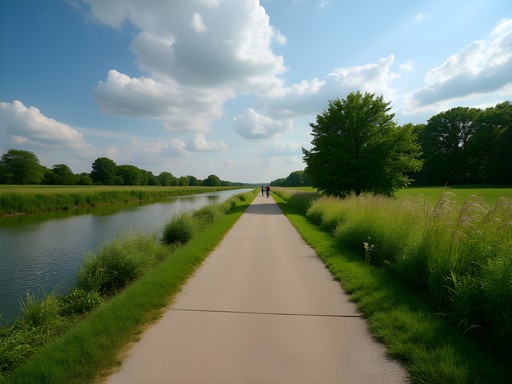
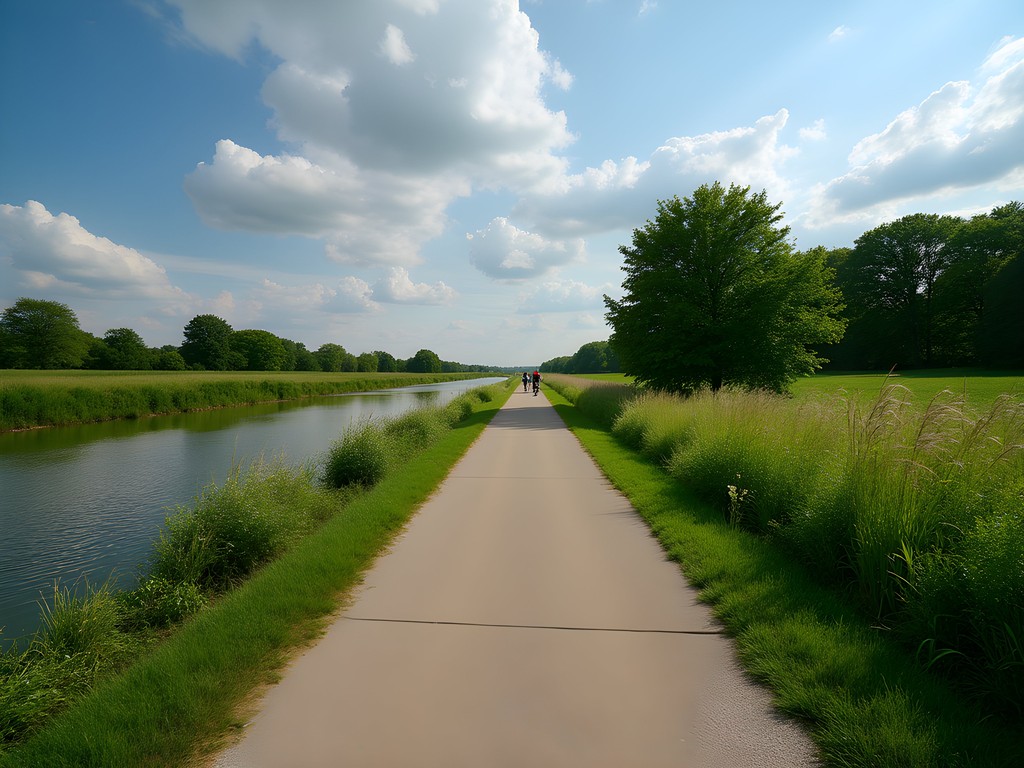
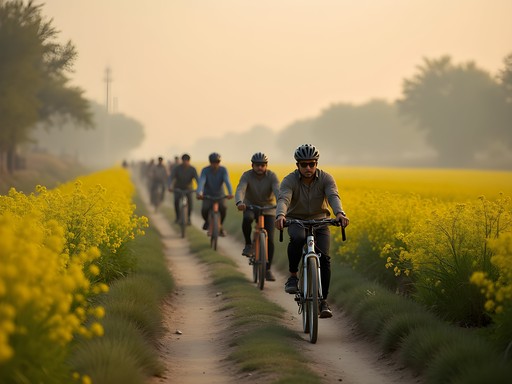
The Illinois & Michigan Canal Trail offers something I appreciate as both a biologist and someone fascinated by human migration patterns: a corridor where infrastructure history created unintentional wildlife habitat. This 61-mile trail follows the historic canal route, and the Joliet section provides excellent intermediate biking or hiking.
The towpath's relatively flat grade makes it accessible for families, but the distance options allow you to customize difficulty. I biked from Joliet to Channahon State Park (about 12 miles one-way), observing how the abandoned canal has transformed into a linear wetland supporting remarkable biodiversity.
For biking families, ensure everyone has a quality bike multi-tool in case of mechanical issues—you're far enough from trailheads that basic repair capability matters. Also pack a hydration bladder rather than water bottles; hands-free hydration is safer when navigating the occasionally uneven crushed limestone surface.
The canal's ecological story fascinates me: what was built to move goods now moves genes, serving as a wildlife corridor connecting fragmented habitats. Watch for painted turtles, various heron species, and an impressive diversity of dragonflies—over 30 species have been documented along this corridor.
💡 Pro Tips
- Start at the Joliet Iron Works Historic Site for context about the region's industrial heritage before heading onto the trail
- Bring a magnifying glass or hand lens for kids—examining dragonflies, wildflowers, and aquatic insects up close transforms a bike ride into a discovery expedition
- Plan for a shuttle or out-and-back route; the trail extends far beyond what most families will cover in a day
Night Exploration: Discovering Joliet's Nocturnal Wildlife
One of my favorite Joliet discoveries happened after sunset at Hammel Woods. The preserve allows dawn-to-dusk access, and those final hours before closing reveal entirely different wildlife communities.
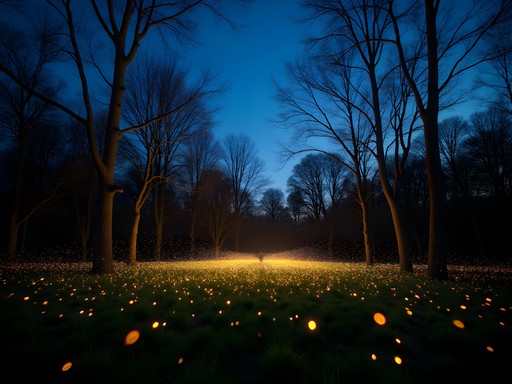
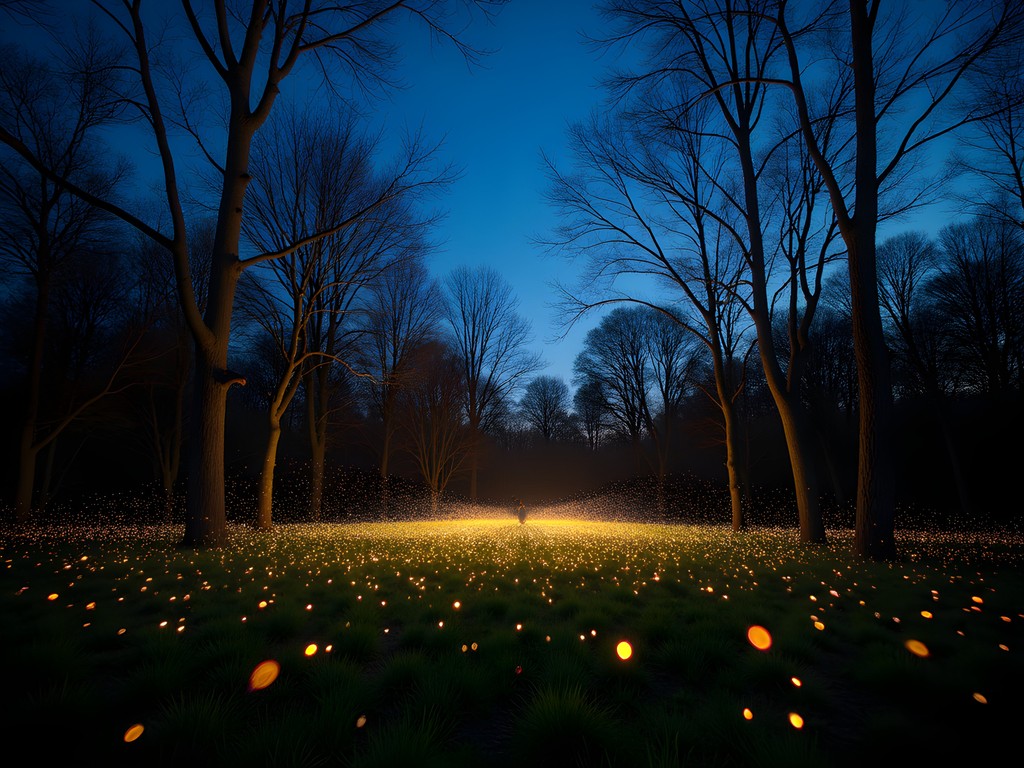
Bring a red light headlamp for night observation—red light preserves night vision while minimizing wildlife disturbance. We spotted white-tailed deer, heard multiple owl species (great horned and eastern screech), and observed countless fireflies creating bioluminescent displays that captivated my friend's kids.
This represents intermediate-level outdoor adventure because night navigation requires additional skills and awareness. Teach kids to move slowly, speak quietly, and use hearing as much as sight. It's remarkable how much wildlife activity happens in suburban preserves once human day-use diminishes.
💡 Pro Tips
- Familiarize yourself with the area during daylight before attempting evening visits—knowing trail layouts prevents disorientation after dark
- Download a wildlife sound identification app like Merlin Bird ID; identifying owl calls by sound enriches the experience significantly
- Check preserve regulations carefully; some areas restrict access after sunset, while others permit it with proper precautions
Final Thoughts
Joliet taught me something I try to remember in my work: ecological significance doesn't require remoteness or exotic species. These accessible waterways, restored prairies, and recovering forests demonstrate how resilient nature can be when given opportunity—and how much families can learn from landscapes in transition.
The outdoor adventures here work particularly well for families ready to move beyond beginner experiences but not yet prepared for wilderness expeditions. The intermediate difficulty level builds skills and confidence while remaining accessible and budget-friendly. You're teaching kids to paddle moving water, identify native species, navigate longer trails, and observe wildlife behavior—foundational outdoor competencies that transfer to more ambitious adventures later.
What surprised me most was the scientific story embedded in these landscapes. Joliet's natural areas aren't pristine wilderness—they're recovery zones, restoration projects, and repurposed industrial sites. That makes them more relevant, not less. Kids learning about ecosystem recovery here understand something crucial: nature and humans can coexist, and our choices matter. That's a lesson worth any exotic destination.
✨ Key Takeaways
- Joliet offers genuinely intermediate outdoor adventures perfect for families ready to advance beyond basic nature experiences
- The Des Plaines River, Midewin Prairie, and I&M Canal create diverse ecosystems supporting surprising wildlife diversity within easy reach
- Budget-friendly weekend adventures here teach valuable outdoor skills while demonstrating ecological recovery in action
📋 Practical Information
Best Time to Visit
Late May through September for optimal weather; June-July for peak prairie wildflowers and firefly displays
Budget Estimate
$150-300 for a family of four including kayak rentals, basic gear, meals, and gas (camping available for even lower costs)
Recommended Duration
2-3 days for a comprehensive weekend exploring multiple preserves and waterways
Difficulty Level
Intermediate—suitable For Families With Basic Outdoor Experience Ready For Longer Trails, Moving Water, And Multi-Hour Adventures

Comments
sunsetnomad
Really like your photo of the tallgrass prairie at sunset!
Marco Flores
The rock climbing at Pilcher Park sounds intriguing! I've been exploring smaller crags around the American Midwest this year—places that don't make the guidebooks but have real character. How would you rate the difficulty? I'm always looking for spots that offer something technical without requiring a full expedition setup. Also, your point about accessible wilderness is spot-on. We adventure travelers sometimes gatekeep nature by acting like only remote places count. But a prairie an hour from Chicago? That's conservation that actually reaches people.
Genesis Kumar
Marco, the climbing is moderate—mostly 5.6-5.9 range, perfect for a casual day. Not epic, but fun! And yes, exactly—accessibility matters for conservation awareness.
winterrider
I grew up in Illinois and never appreciated what was in my backyard. Moved to Colorado and everyone assumes the Midwest has nothing. This post makes me want to visit my parents and actually explore instead of just sitting around lol
beachking
Can you rent kayaks on the Des Plaines or do you need your own?
Genesis Kumar
There are a couple of outfitters in the area that do rentals! I went with Chicagoland Canoe Base and they were great—shuttle service included.
beachking
Perfect, thanks!
Amit Sullivan
Genesis, this really resonates with me. I had a similar revelation visiting the Wairarapa wetlands just outside Wellington—places we overlook because they're not dramatic enough for Instagram. But there's something profound about finding wilderness in the margins of industrial landscapes. The story of Midewin converting ammunition storage to prairie restoration is remarkable. It reminds me that ecological recovery doesn't always happen in pristine places; sometimes the most important work happens in the wounded ones. Did you notice any bison there? I read they've reintroduced them.
Genesis Kumar
Amit, yes! I saw the bison herd from a distance—it was surreal. You're absolutely right about wounded landscapes. That's what made this trip so meaningful for me.
tripfan
This is so cool! Never would have thought of Joliet for outdoor stuff!!
Venture X
Premium card with 2X miles, $300 travel credit, Priority Pass