Disclosure: This article contains affiliate links. We may earn a commission from purchases at no extra cost to you, which helps our travel content.
G'day, fellow adventurers! There's something about returning to the Australian wilderness that resets my internal compass. After 15 years in Hamburg's orderly streets, the raw, untamed expanse of Kakadu National Park feels like reconnecting with a primal part of myself. This UNESCO World Heritage site sprawling across nearly 20,000 square kilometers of Australia's Northern Territory isn't your standard tourist jaunt—it's a living cultural landscape dating back more than 65,000 years. Having grown up on Australia's Gold Coast, I thought I knew our wilderness areas well, but Kakadu humbled me on my first visit decades ago, and continues to challenge me on every return. Last winter (the dry season in Australia's Top End), I embarked on a two-week advanced trekking adventure through some of Kakadu's most remote regions. What followed was a masterclass in survival skills, cultural immersion, and the kind of soul-stirring connection with country that no European castle—however magnificent—could ever provide.

Planning Your Kakadu Expedition: Not for the Faint-Hearted
Let's be crystal clear from the outset: advanced trekking in Kakadu isn't something you decide to do on a whim after watching a National Geographic special. This is serious business requiring months of preparation, proper permits, and a fitness level that goes beyond your standard weekend warrior status.
My recent expedition began with three months of targeted training back in Germany—hiking the Harz Mountains with a fully loaded pack and incorporating interval training that mimicked the stop-start nature of navigating difficult terrain. Even with my relatively fit 53-year-old frame, I found myself grateful for every squat and lunge when scrambling up the escarpment near Jim Jim Falls.
Permit-wise, you'll need to do your homework. Remote area overnight hiking requires registration with park authorities, and some locations have strict visitor limits. I secured mine through the Parks Australia website four months in advance—a lesson learned the hard way after missing out during a previous visit.
Equipment selection is where many trekkers falter. The Top End's conditions demand specialized gear that balances protection from the elements with breathability. My hiking backpack has been my faithful companion on expeditions across four continents, and its anti-gravity suspension system proved invaluable when carrying a week's worth of supplies through the Stone Country.
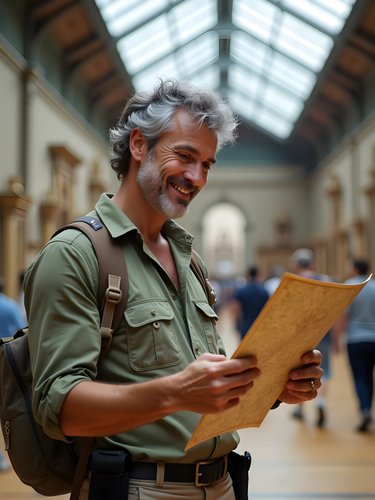
Before setting out, I arranged a detailed safety briefing with local rangers who provided updated information about water sources (many marked on maps can be seasonal), crocodile activity, and current trail conditions. This isn't optional—it's essential intelligence that might just save your life.
💡 Pro Tips
- Book permits at least 3-4 months in advance for remote area hiking
- Train specifically for uneven terrain and escarpment climbing with a loaded pack
- Arrange a safety briefing with rangers within 24 hours of departure
The Jatbula Trail: Where History and Wilderness Converge
While not technically within Kakadu's boundaries (it's in neighboring Nitmiluk National Park), the Jatbula Trail serves as the perfect warm-up for Kakadu's more remote challenges. This 62km, 5-day trek follows ancient Jawoyn songlines, and I've found it essential for acclimatizing to the Top End's conditions before venturing into Kakadu's more isolated regions.
The trail winds from Nitmiluk (Katherine) Gorge to Leliyn (Edith Falls), passing through monsoon forests, woodland savannas, and past Aboriginal rock art sites that speak to me both as a former history teacher and a perpetual student of human culture. Each night's camp is positioned near a waterhole or creek—a blessing after hiking in temperatures that regularly exceed 30°C even in the 'cooler' dry season.
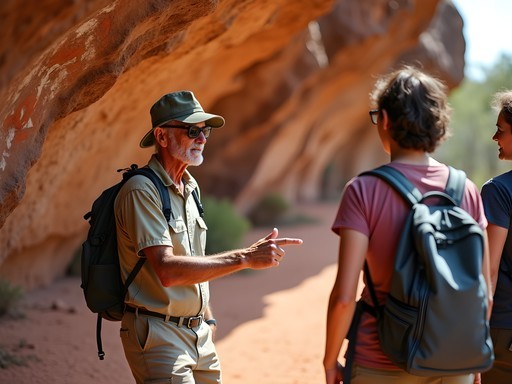
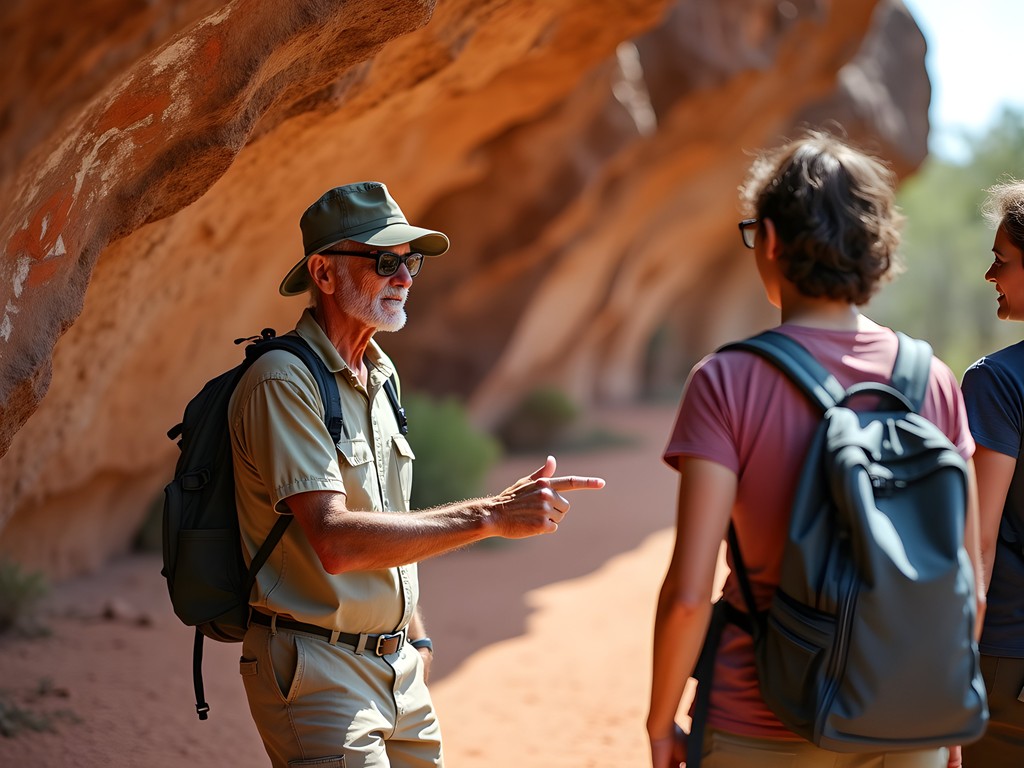
On my third day along the trail, I encountered a Jawoyn elder who was visiting one of the rock art sites with his grandchildren. Our conversation—halting at first, then flowing like the nearby creek—became one of those transcendent travel moments. He explained elements of the artwork I'd have otherwise missed entirely, pointing out subtle details in hunting scenes that dated back thousands of years.
Footwear becomes your most critical gear on these long-distance treks. My hiking boots have seen me through Scotland's boggy highlands and Belgium's Ardennes, but they truly earned their keep on Jatbula's rocky escarpments and water crossings. The ankle support prevented what could have been a trip-ending sprain when I misstepped near Crystal Falls.
Water management is another crucial skill here. Despite hiking near waterways, I treated every drop with my water filter. Giardia would be an unwelcome souvenir, and the lightweight system added minimal weight to my pack while providing peace of mind.
💡 Pro Tips
- Complete the Jatbula Trail as an acclimatization trek before tackling remote Kakadu routes
- Book campsites along the Jatbula Trail up to 12 months in advance as they fill quickly
- Pack multiple pairs of socks and rotate them daily to prevent blisters and fungal infections
Navigating Kakadu's Stone Country: The Jim Jim Falls Circuit
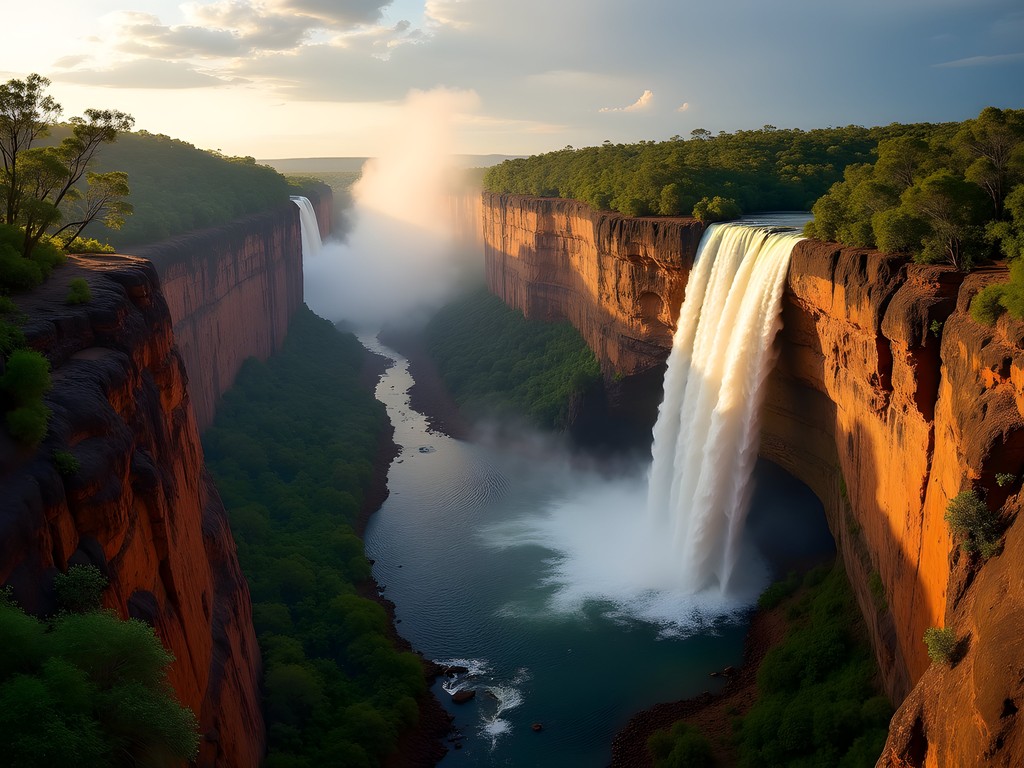
The real test of an advanced trekker's mettle comes in Kakadu's Stone Country—a labyrinthine landscape of weathered sandstone, hidden valleys, and escarpments that seem designed to confound GPS systems. The Jim Jim Falls Circuit is not an official trail but rather a challenging route requiring advanced navigation skills and a healthy respect for the landscape's capacity to disorient even experienced bushwalkers.
After securing the necessary permits and registering my intended route with rangers, I set out just after dawn with three fellow trekkers I'd met years ago on a similar expedition in Scotland's Cairngorms. Our plan: a seven-day circuit taking in Jim Jim Falls, Twin Falls, and several unnamed waterfalls only accessible by foot.
The first day delivered a humbling lesson in Kakadu's topography. What appeared to be a straightforward traverse across the plateau turned into a four-hour navigation challenge through near-identical rock formations. My trusty GPS device proved worth every dollar, allowing us to maintain our bearings when visual navigation became unreliable.
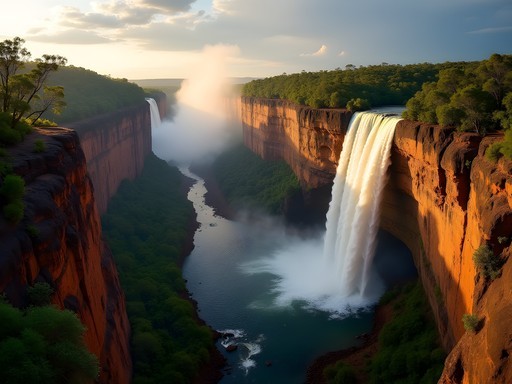
By day three, we'd established a rhythm: up before sunrise to make distance before the heat intensified, rest during the harshest midday hours, then continue until finding a suitable campsite near water. The reward for this disciplined approach came on our fourth evening, when we made camp on a secluded ledge overlooking Twin Falls—a view that precisely zero tour buses or day-trippers would ever witness.
Wildlife encounters in this remote region range from the sublime to the potentially dangerous. We spotted several freshwater crocodiles (the relatively harmless variety) in isolated billabongs, rock wallabies performing gravity-defying leaps across gorges, and a dazzling array of birds including the elusive chestnut-quilled rock pigeon—a Kakadu specialty that sent my amateur ornithologist mate into paroxysms of delight.
The most profound moments, however, came in the evenings. With no light pollution, the Milky Way stretched across the sky in a display that made Hamburg's starscape seem positively impoverished by comparison. Sitting there, brewing billy tea and sharing stories with mates old and new, I felt that peculiar Australian connection to country that never quite leaves you, no matter how long you've been away.
💡 Pro Tips
- Always maintain a minimum 5-meter distance from any water's edge due to potential crocodile presence
- Register your detailed route plan with rangers and carry a satellite communication device
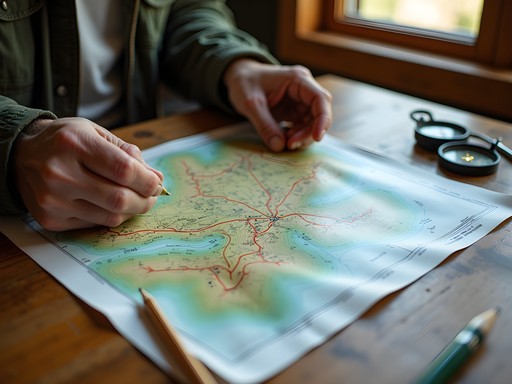
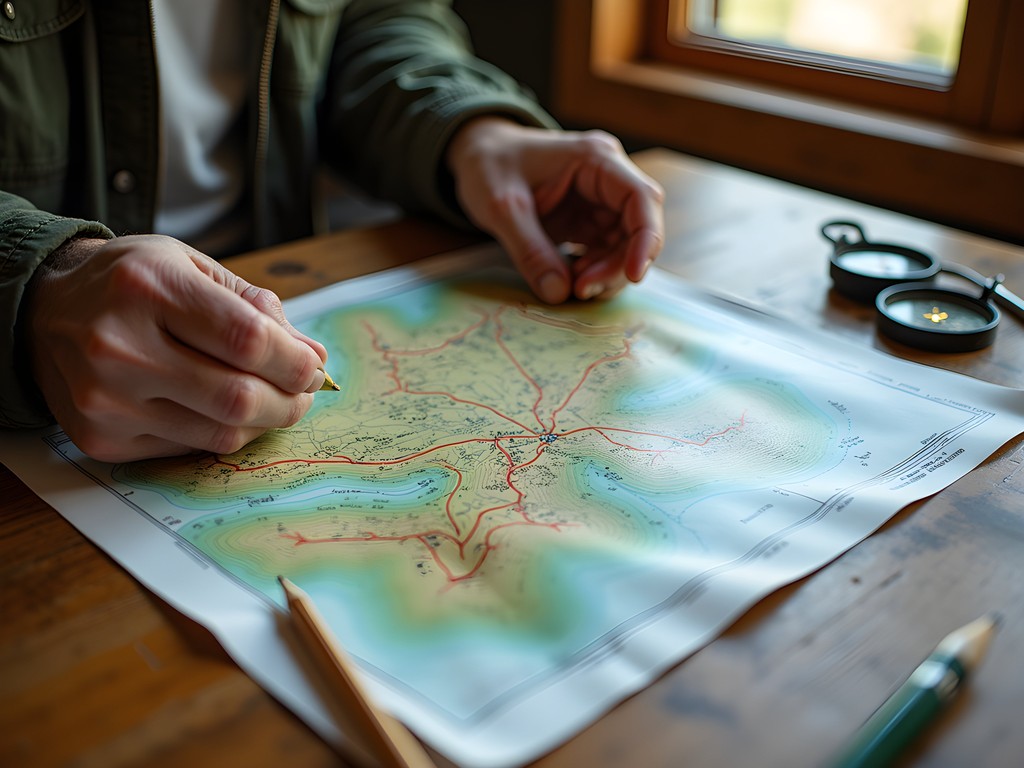
- Carry physical topographic maps as backup—GPS batteries fail, paper maps don't

Cultural Immersion: Walking with Traditional Owners
No trek through Kakadu would be complete without engaging with its profound cultural dimensions. This land has been continuously occupied for over 65,000 years, making European history—my former teaching specialty—seem positively embryonic by comparison.
I was fortunate to join a specialized cultural trek led by Bininj guides (the traditional owners of northern Kakadu) through areas normally closed to visitors. This wasn't a tourist experience but rather a genuine knowledge-sharing journey that required advance arrangement through indigenous-owned tour operators.
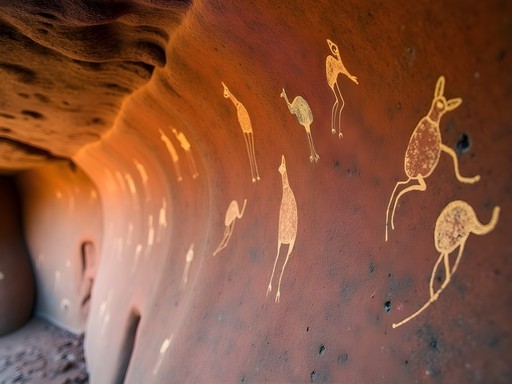
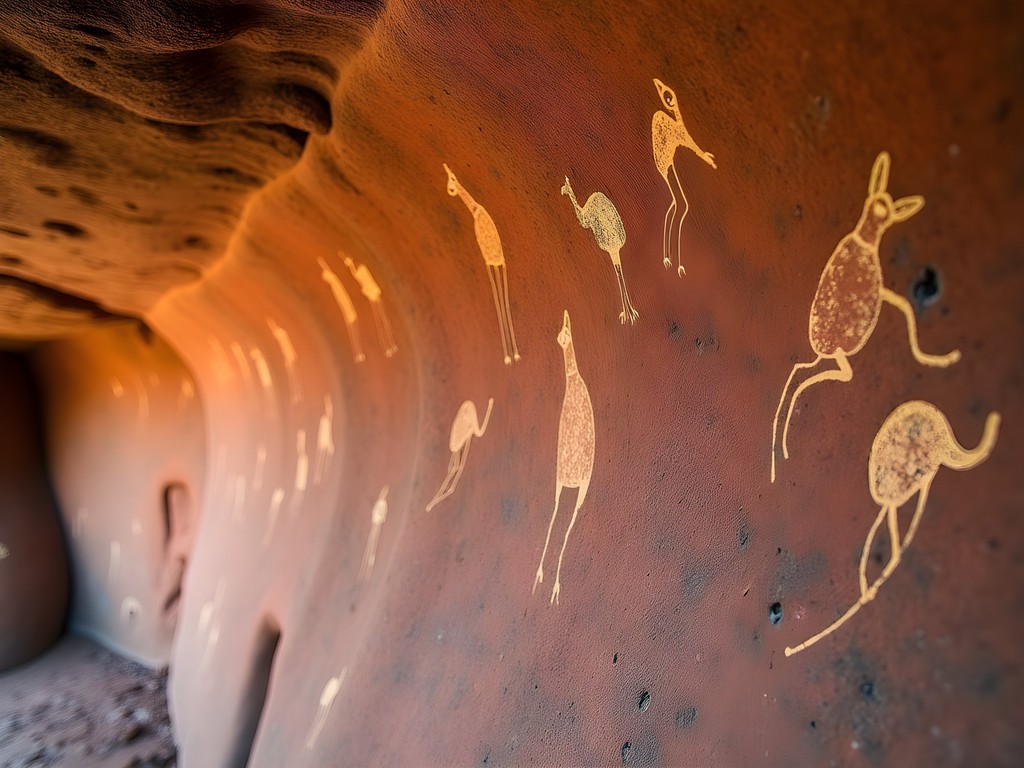
Our three-day walk took us to rock art sites dating back thousands of years, with imagery depicting everything from thylacines (Tasmanian tigers, extinct on the mainland for millennia) to first contact with European ships. Our guide Jacob explained how these sites weren't museums but living cultural places, still used for teaching younger generations.
The most valuable lessons came from observing traditional navigation techniques. While I clutched my high-tech GPS, Jacob read the landscape like a familiar book—noting subtle changes in vegetation that indicated water sources, identifying edible plants, and pointing out natural markers that had guided his ancestors for countless generations.
We learned to identify bush foods and medicines, though I'll admit my attempts to replicate the technique for extracting water from a particular vine resulted in more comedy than hydration. My German precision was no match for skills honed over thousands of years of cultural knowledge.
One evening, sitting around a small campfire, Jacob shared Dreamtime stories connected to the landscape we'd traversed that day. The experience was humbling—a reminder that beneath the surface of what Western eyes might see as 'wilderness' lies a complex cultural landscape as intricately mapped and understood as any European city I've explored.
This cultural dimension transforms a Kakadu trek from mere adventure tourism into something far more profound: a walk through one of humanity's oldest continuously maintained knowledge systems. For a history buff like myself, it was like reading a living text that makes the oldest European manuscripts seem like yesterday's newspaper.
💡 Pro Tips
- Book indigenous-led experiences well in advance through Aboriginal-owned tour operators
- Approach cultural sites with appropriate respect—ask before photographing rock art
- Come with questions but also the patience to listen and learn
Survival Skills: Water Management and Crocodile Safety
If there's one element that dominates all considerations when trekking in Kakadu, it's water—finding it, carrying it, crossing it, and most critically, sharing it safely with the Top End's apex predators: saltwater crocodiles.
Kakadu's estuarine (saltwater) crocodiles are the planet's largest reptiles and have rightfully earned their fearsome reputation. Having grown up with Australia's healthy respect for these prehistoric predators, I'm always astonished by the cavalier attitude some international visitors display. Let me be perfectly clear: these animals are extraordinarily dangerous, capable of explosive attacks, and have claimed lives in the region.
During our expedition, we adhered to strict protocols: no swimming except in designated safe areas (typically high escarpment pools well above crocodile habitat), maintaining at least 5 meters distance from any water's edge, and collecting water from fast-flowing rocky sections rather than still pools or billabongs.
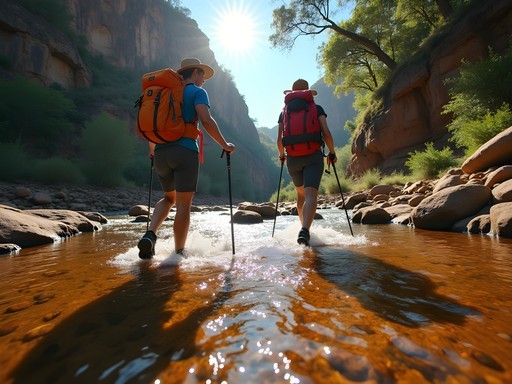
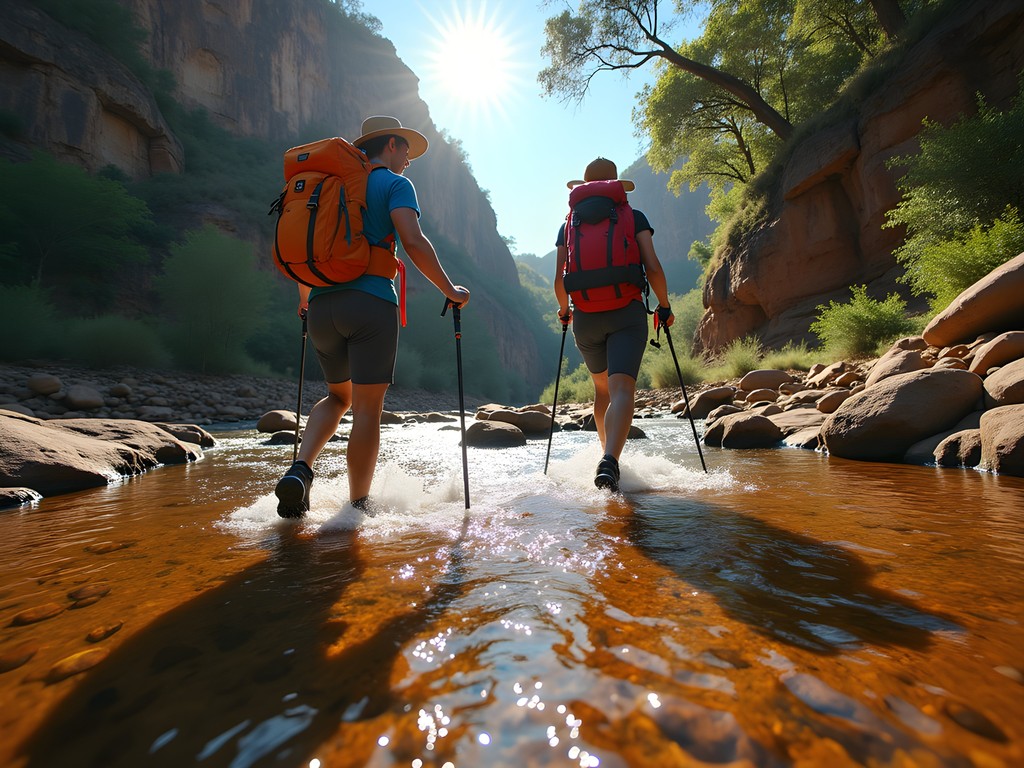
Water crossings presented particular challenges. Before each crossing, we conducted thorough visual inspections from elevated positions and used walking poles to test depth and substrate. My trekking poles proved invaluable here, providing both stability in fast-flowing sections and an extra 'early warning system' when probing murky waters.
Beyond crocodile concerns, water management meant carrying sufficient quantities between reliable sources. In some sections, this translated to hefting up to 6 liters per person—a significant weight addition that made every uphill section a test of will. We purified all water, even from seemingly pristine sources, using both filtration and chemical treatment as a belt-and-braces approach.
The dry season (May to October) is the only sensible time for advanced trekking in Kakadu. During the wet season, water levels rise dramatically, trails disappear under floodwaters, and crocodiles disperse throughout the landscape. Even in the dry, we encountered sections where trails shown on our maps had been reclaimed by nature since their last documentation.
Perhaps the most important lesson from Kakadu is humility. This landscape doesn't care about your expensive gear, previous experience, or carefully plotted routes. It demands respect, adaptation, and the wisdom to turn back when conditions exceed your capabilities. After 15 years exploring Europe's well-marked trails, Kakadu's wild unpredictability was both a challenge and a homecoming—a reminder of the raw Australia that shaped my early adventures.
💡 Pro Tips
- Never, ever swim in waterways unless explicitly designated as crocodile-safe by park authorities
- Carry capacity for at least 3 liters of water per person per day, more in remote areas
- Use the 'crocodile slide rule': if you can slide down a bank to water, so can a crocodile
Final Thoughts
As I sit writing this from my Hamburg apartment, surrounded by the comfortable predictability of German life, part of me still wanders those ancient Kakadu escarpments. Advanced trekking in this landscape isn't merely a physical challenge—it's a journey through deep time, across cultural dimensions, and ultimately, into yourself. The skills required extend beyond fitness and navigation to include cultural sensitivity, environmental awareness, and the humility to recognize your place in an ecosystem that has functioned perfectly well without human interference for millennia. If you're prepared for the challenge, Kakadu offers experiences impossible to find elsewhere: sleeping under stars so bright they cast shadows, sharing knowledge with the world's oldest living culture, and testing yourself against landscapes that remain gloriously, defiantly wild. Just remember—the crocodiles were there first, and they have right of way.
✨ Key Takeaways
- Advanced preparation and proper permits are non-negotiable for remote Kakadu trekking
- Cultural engagement with traditional owners transforms the experience from mere adventure to profound learning
- Water management and crocodile safety protocols must be followed without exception
- The dry season (May-October) is the only suitable time for advanced trekking
📋 Practical Information
Best Time to Visit
Dry season (May to October), with June-August offering optimal conditions
Budget Estimate
$2,500-4,000 AUD for a 2-week expedition including permits, equipment, transportation, and guided cultural experiences
Recommended Duration
Minimum 10 days, ideally 14-16 days including acclimatization
Difficulty Level
Advanced - Requires Previous Wilderness Trekking Experience, Navigation Skills, And Excellent Fitness

Comments
Jean Wells
Excellent write-up on Kakadu, Riley. Having spent three decades exploring remote wilderness areas across Asia and Australia, I can confirm that Kakadu requires serious preparation. One critical point for prospective trekkers: the seasonal timing makes all the difference. I recommend the early dry season (May-June) when waterfalls are still flowing but trails are accessible. Late dry season means easier hiking but many falls will be reduced to trickles. The wet season (November-April) makes most advanced routes impassable and dangerous. Also worth noting that emergency communication is spotty at best - a satellite communicator is essential safety equipment, not an optional luxury.
vacationbuddy6524
Jean, would early July still be good timing or too late?
Jean Wells
Early July is still decent - you'll have more stable weather but slightly reduced water features. A good compromise if you can't make May-June.
wanderking
Riley, thanks for highlighting the cultural aspects of Kakadu trekking. Too many adventure blogs focus just on the physical challenge and miss the incredible indigenous history. The rock art sites along the Barrk Sandstone Walk blew my mind - some paintings are over 20,000 years old! Anyone heading there should definitely make time for these cultural stops. Also, the night skies are unbelievable if you camp away from the main sites.
blueone
Is it really necessary to book with a guide for the Jim Jim Falls Circuit? I'm an experienced trekker and prefer going solo.
Jean Wells
Having done both guided and solo treks in Kakadu, I'd strongly recommend a guide for Jim Jim unless you have extensive Australian bushcraft knowledge. The unmarked sections can be treacherous, and local knowledge of water sources is invaluable. The heat and isolation leave little room for error.
blueone
Thanks Jean, that's helpful. Safety first I guess!
Haley Hamilton
Riley, your post brought back so many memories! I trekked Kakadu two years ago and it was life-changing. The Stone Country has this ancient energy that's hard to describe. One thing I'd add for anyone planning this adventure - the guided walks with Traditional Owners were the absolute highlight. Our guide shared dreamtime stories about specific rock formations that completely transformed how I saw the landscape. Worth every penny. Also, be prepared for the flies - they're relentless! I used my head net constantly and it saved my sanity. Can't wait to see where you trek next!
greenphotographer
Those Jim Jim Falls photos are incredible! What camera setup did you use?
vacationbuddy6524
Great post Riley! I'm planning a trip to Kakadu next year. How much water did you carry daily on the Jatbula Trail? I've heard it can be brutally hot even in the cooler months.
wanderking
Not the author but I did Jatbula last year. Carried 3L minimum daily, plus purification tablets for emergency. The heat is no joke!
vacationbuddy6524
Thanks for the tip! Definitely getting a good hydration pack then.
springfan
Going in August. Can't wait!
Kimberly Murphy
Perfect timing - dry season is the way to go. Have an amazing time!
Kimberly Murphy
Absolutely brilliant write-up, Riley! I did the Jim Jim Falls trek three years ago and your description brought it all flooding back - that moment when you first see the falls through the gorge is genuinely breathtaking. Completely agree about going with Traditional Owners for the cultural walks. I did a tour with Kakadu Cultural Tours and learned so much about bush tucker and rock art that I never would have understood on my own. The stories behind those paintings are incredible. One tip for anyone planning: bring a good water filter because resupply points are limited on the longer trails. Worth every penny!
Riley Hunt
Thanks Kimberly! The cultural tours really are transformative aren't they? Changes how you see the whole landscape.
Megan Martin
Riley, this is an excellent breakdown of the advanced routes. I've only done the more accessible walks in Kakadu (Ubirr, Nourlangie) and always felt I was missing the real wilderness experience. Your point about physical preparation is spot-on - too many people underestimate the Top End conditions. One thing I'd add for readers is to seriously consider your navigation skills. Mobile coverage is non-existent in most of Stone Country, and I've heard SAR gets called out regularly for underprepared trekkers. A good GPS device with SOS capability isn't optional for these routes - it's essential safety gear.
freerider
Good point about the GPS. Safety first!
hikingseeker
YES! The Jatbula Trail is absolutely on my bucket list after reading this. I've done multi-day treks in Tasmania and NZ but never made it to the Top End. Quick question - you mentioned walking with Traditional Owners - how do you arrange that? Is it through Parks Australia or do you need to book separately? Also curious about the best time weather-wise since I know the wet season can make things pretty dicey up there. Your photos of Jim Jim Falls are stunning btw!
Riley Hunt
Hey! The cultural tours need to be booked through the Kakadu Cultural Tours office - definitely do it in advance as they fill up fast. I went in late dry season (September) which was perfect. Avoid November-March unless you enjoy swimming through trails!
hikingseeker
Perfect, thanks! September it is then.
Venture X
Premium card with 2X miles, $300 travel credit, Priority Pass