
Disclosure: This article contains affiliate links. We may earn a commission from purchases at no extra cost to you, which helps our travel content.
When I first landed in Nairobi three summers ago, I couldn't have imagined how this bustling African capital would capture my heart. After thirty years behind the wheel of buses—first in the winding roads of Yorkshire and later in the flat expanses of Kansas—trading diesel fumes for the earthy scent of the savannah was nothing short of transformative. My retirement plan was simple: one luxury safari in Kenya, tick it off the bucket list, and head home with photos to bore the neighbors. Instead, I found myself returning time and again, each visit revealing new layers to this magnificent country. This summer, I brought my three grown children along for a week of wildlife spotting and outdoor adventures that combined luxury touches with authentic Kenyan experiences. If you're planning a family journey to East Africa's most vibrant city, buckle up—this old bus driver has some routes worth taking.

Nairobi National Park: Safari at the City's Doorstep
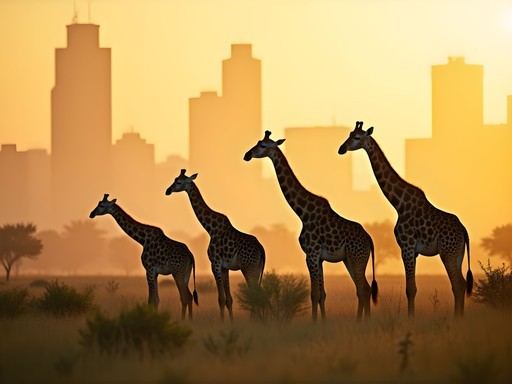
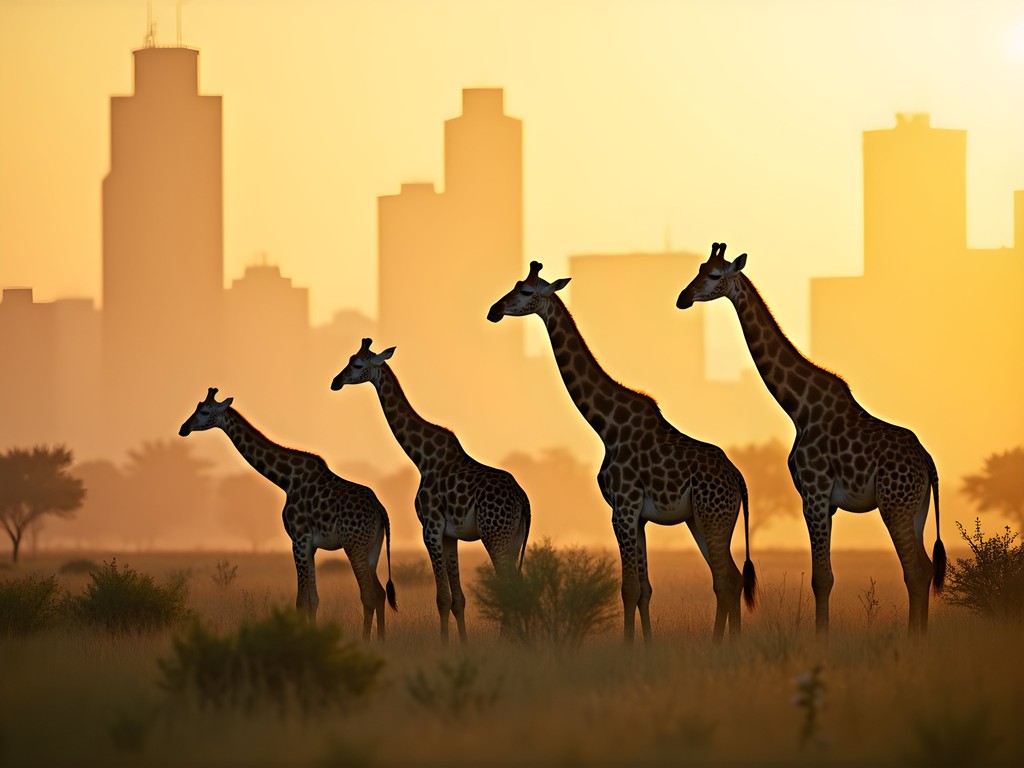
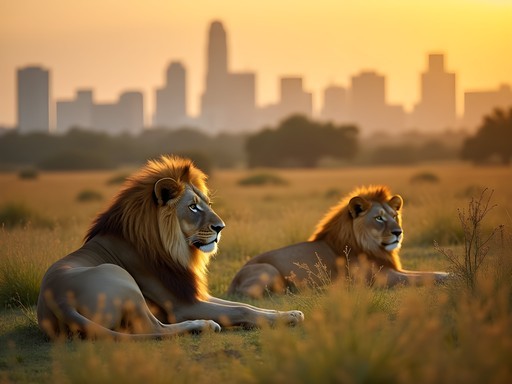
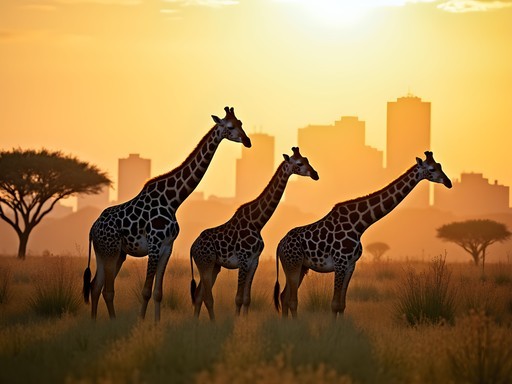
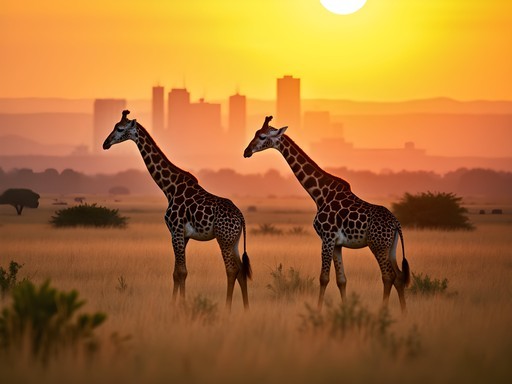
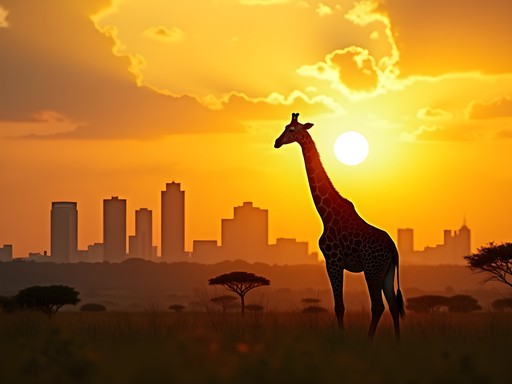
There's something properly surreal about spotting a giraffe silhouetted against Nairobi's skyline. The world's only national park within a capital city boundary sits just 7 kilometers from the city center, making it an absolute must for families with limited time.
On our first morning, we were up before the larks, reminiscent of those early bus route starts in Yorkshire, though considerably more exciting. Our guide Francis collected us from the Hemingways Nairobi hotel in a custom safari vehicle at 6:00 AM sharp. 'Early bird catches the lion,' he winked, and he wasn't wrong.
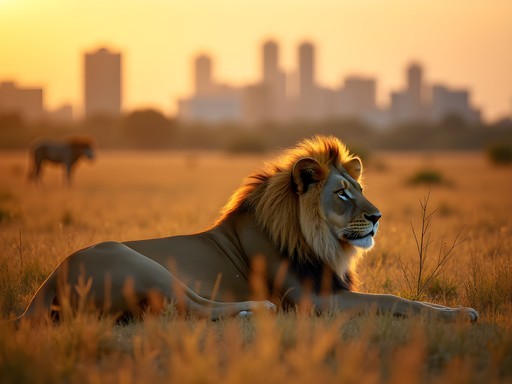
By 6:45, we were watching a pride of lions lounging in the golden morning light, the cubs tumbling about while mama lion kept a watchful eye. My daughter Sarah, the family photographer, couldn't stop clicking away on her telephoto lens, capturing shots that would make National Geographic proud.
The park may be compact by African standards at 117 square kilometers, but it packs a wildlife punch. We spotted four of the Big Five (only the elephant was missing), including a magnificent black rhino browsing in the acacia thickets. Francis explained that the park hosts one of Kenya's most successful rhino sanctuaries—a far cry from the urban wildlife of Wichita, which consists mainly of squirrels raiding my bird feeder.
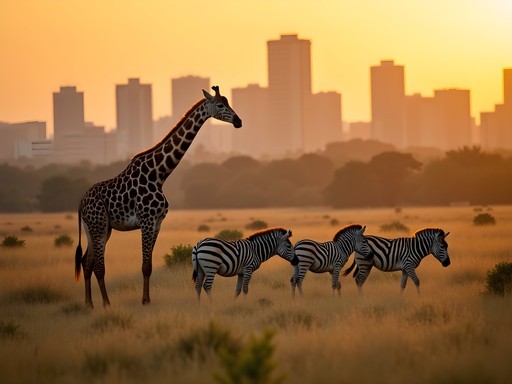
By midday, we'd seen zebras, buffalo, giraffes, ostriches, and more gazelles than I could count. The backdrop of skyscrapers behind these wild creatures creates a juxtaposition that never gets old, no matter how many times I visit.
💡 Pro Tips
- Book your safari vehicle at least two days in advance during peak season
- Morning game drives (6-10 AM) offer the best wildlife viewing and photography light
- Pack a good pair of binoculars—wildlife can sometimes be distant
The Giraffe Centre: Eye-to-Eye with Gentle Giants
If there's one experience that consistently leaves visitors gobsmacked, it's feeding the Rothschild's giraffes at the Giraffe Centre in Langata, about 5 kilometers from central Nairobi.
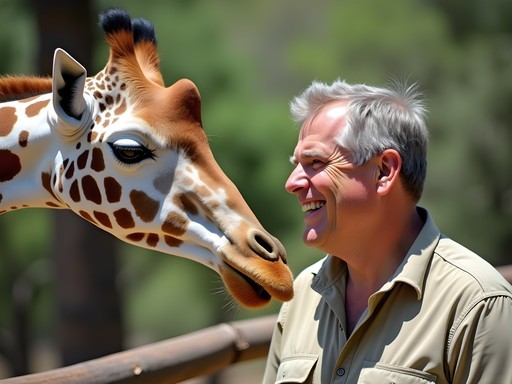
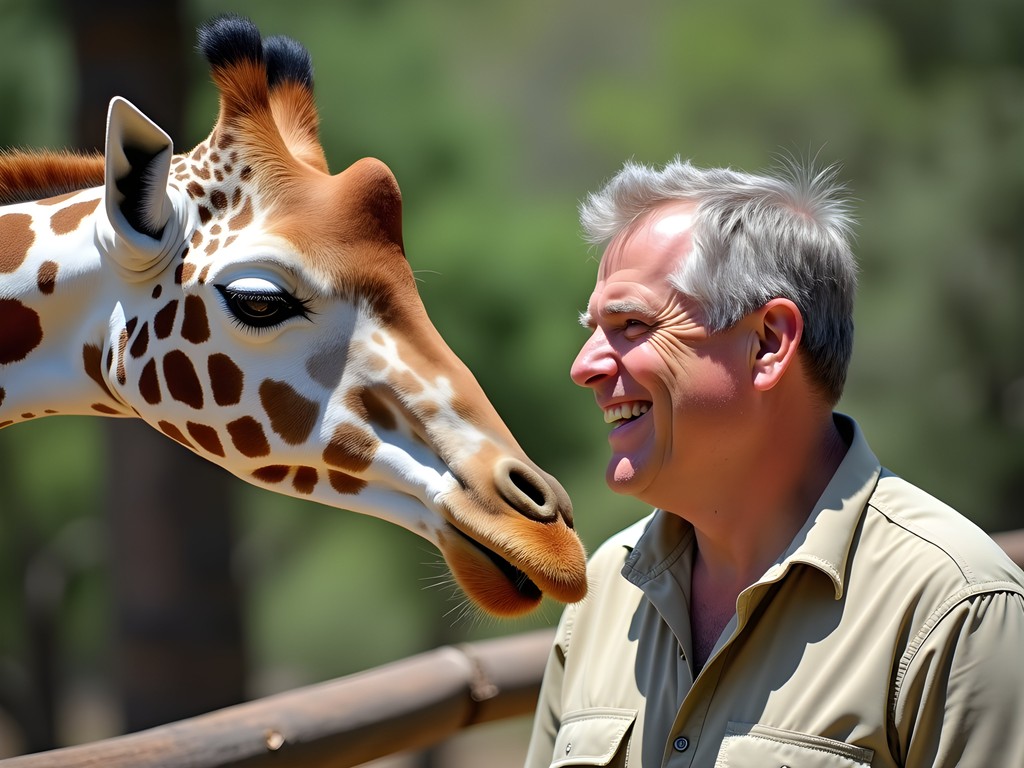
My son James, normally the cool cucumber of the family, was rendered speechless when a 16-foot giraffe named Daisy bent down from the elevated feeding platform and delicately took a pellet from his outstretched palm. The gentle sensation of a giraffe's rough tongue—rather like wet sandpaper, I'd say—is something you don't quickly forget.
'It's nothing like feeding the sheep at Meanwood Valley Farm back home,' I chuckled, remembering our weekend outings when the kids were small.
The centre was established in 1979 to protect the endangered Rothschild's giraffe, and today it combines conservation with education. The staff are passionate about their long-necked charges and happily share fascinating giraffe facts while you feed them. Did you know a giraffe's spots are like human fingerprints, with no two patterns exactly alike?
For families, this place is pure gold. The feeding platform puts you at eye level with these magnificent creatures, allowing for incredible close encounters and photographs. My daughter-in-law captured some brilliant shots with her smartphone gimbal, keeping the video smooth even when Daisy surprised her with an unexpected approach.
The centre also features an excellent nature trail through the adjacent Gogo River Bird Sanctuary—a peaceful 1.5-kilometer walk where we spotted numerous bird species and even a couple of warthogs rooting about in the underbrush.
💡 Pro Tips
- Visit in the morning when the giraffes are most active and hungry
- Bring hand sanitizer—giraffe saliva is sticky business!
- The entrance fee supports conservation efforts, so don't hesitate to pay it
David Sheldrick Wildlife Trust: The Elephant Orphanage
There wasn't a dry eye among us during our visit to the David Sheldrick Wildlife Trust, commonly known as the elephant orphanage. Located in Nairobi National Park, this remarkable sanctuary rescues baby elephants orphaned by poaching or human-wildlife conflict.
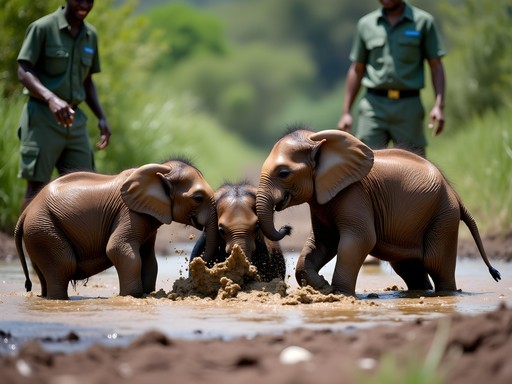
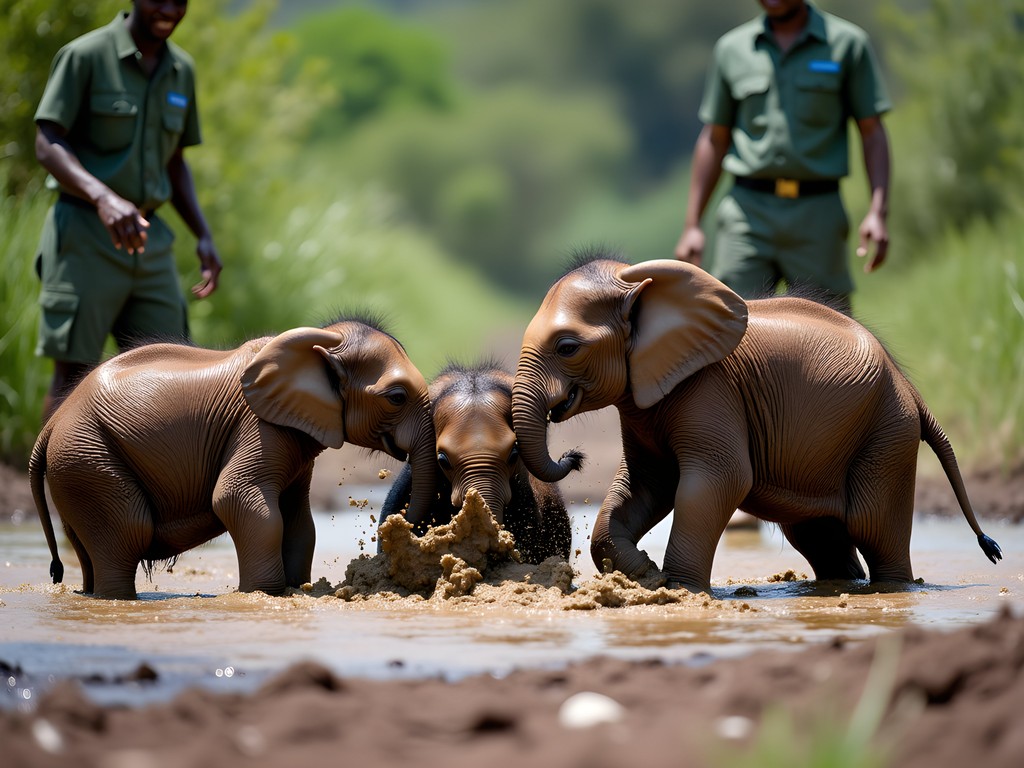
We arrived for the 11 AM public viewing session, when the elephant calves come trotting out from the bush for their milk bottles and mud bath. Each orphan has a heart-wrenching story, recounted by their dedicated keepers who stay with them 24/7, even sleeping in their stables at night.
'Reminds me of those night shifts I used to pull on the Leeds-Harrogate route,' I remarked to my son, 'though I never had to bottle-feed the passengers.'
Watching these baby elephants—some barely reaching my waist—playfully splash in mud puddles and nudge their keepers for extra milk bottles is both entertaining and deeply moving. The trust's conservation work is extraordinary, with over 150 orphans successfully reintegrated into wild herds in Tsavo National Park.
My youngest daughter Emily, always the sentimental one, immediately adopted an elephant named Nabulu through the trust's fostering program. For about £50 annually, she receives updates on Nabulu's progress and the knowledge she's contributing to this vital conservation work.
I'd recommend bringing a compact binoculars to observe the elephants' behaviors up close. The keepers point out fascinating details about elephant social structures and communication that are easier to appreciate when you can see their expressive eyes and subtle trunk movements clearly.
💡 Pro Tips
- Arrive by 10:30 AM to secure a good viewing spot along the rope barrier
- The visit lasts just one hour, so make the most of your time
- Consider fostering an elephant as a meaningful family souvenir

Karura Forest: Urban Wilderness Exploration
After several days of wildlife encounters, we were ready for some active adventure. Karura Forest, a 1,000-hectare urban forest reserve in the heart of Nairobi, provided the perfect opportunity to stretch our legs.
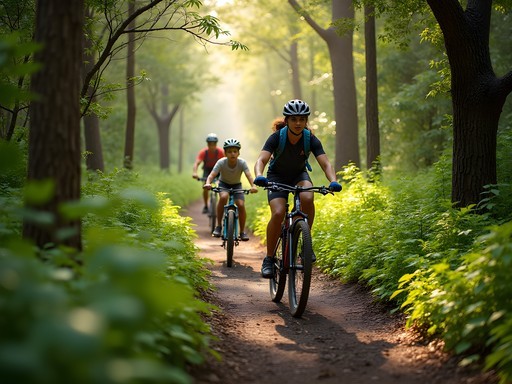
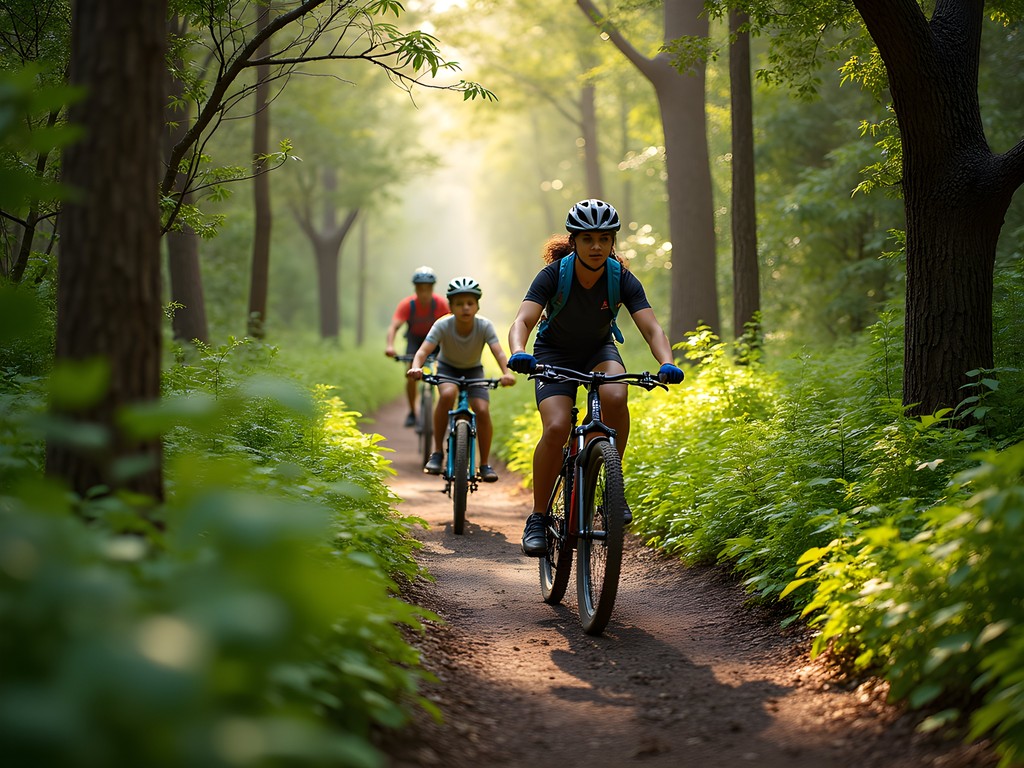
I'd visited this magnificent forest on previous trips but experiencing it with my adult children added a new dimension. We hired mountain bikes from the main entrance—a far cry from my old Raleigh Chopper from 1970s Leeds—and set off on the well-maintained trails.
The forest is a testament to the power of conservation activism. When the legendary Nobel Peace Prize winner Wangari Maathai fought to protect it from development in the 1990s, she couldn't have imagined what a treasure it would become for Nairobi residents and visitors alike.
Our 12-kilometer cycling route took us through indigenous forest, past cascading waterfalls, and alongside the Karura River. The highlight was the 15-meter waterfall where we paused for a picnic lunch prepared by our hotel. Sitting on moss-covered rocks while kingfishers darted above the pool below felt worlds away from the bustling city just beyond the forest boundary.
The caves along the trail hold fascinating history—they served as hideouts for Mau Mau freedom fighters during Kenya's struggle for independence. Our guide, Joseph, shared stories passed down from his grandfather who had supplied food to the fighters, bringing Kenya's history vividly to life.
For those with less cycling experience, I'd recommend wearing proper padded cycling shorts under your trousers. My son James learned this lesson the hard way and spent the evening walking like John Wayne after a long cattle drive!
💡 Pro Tips
- The forest is vast—hire a guide to find the best spots and learn about the ecosystem
- Carry plenty of water; the humidity in the forest can be deceptive
- Watch out for colobus monkeys in the treetops—they're shy but magnificent
Maasai Market: Cultural Adventure in the City
Not all outdoor adventures involve wildlife or wilderness. The open-air Maasai Market, which rotates locations throughout Nairobi during the week, offers a different kind of safari—one through Kenya's rich artistic heritage.
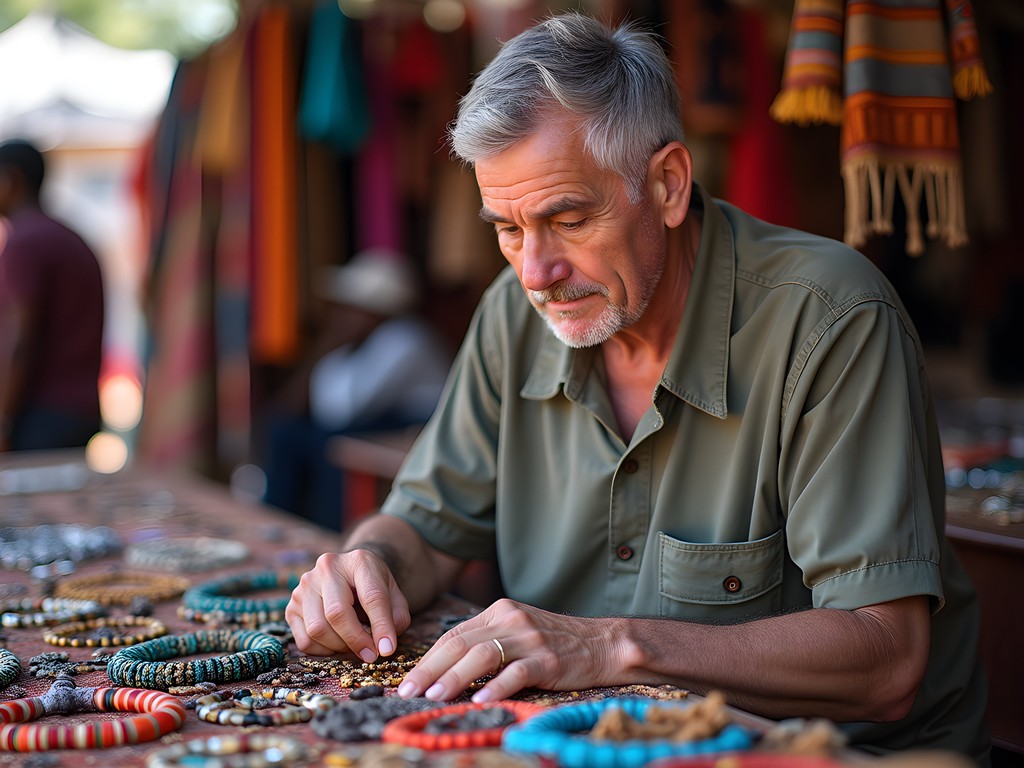
We visited on Saturday at the High Court parking area, where hundreds of vendors create a vibrant tapestry of color selling traditional crafts, jewelry, fabrics, and art. The sensory experience is overwhelming—the rainbow of fabrics, the scent of leather and wood, the musical chatter of bargaining in multiple languages.
'It makes Leeds Market look positively monochrome,' I remarked to my daughter, who was already deep in negotiations for a beaded necklace.
Shopping here is as much about the experience as the souvenirs. Haggling is expected—I've learned to start at about 40% of the initial asking price and work up from there. The vendors are skilled negotiators, but always with good humor. I've found that learning a few Swahili phrases goes a long way: 'Jambo' (hello), 'Asante' (thank you), and 'Bei gani?' (how much?) will earn you smiles and possibly better prices.
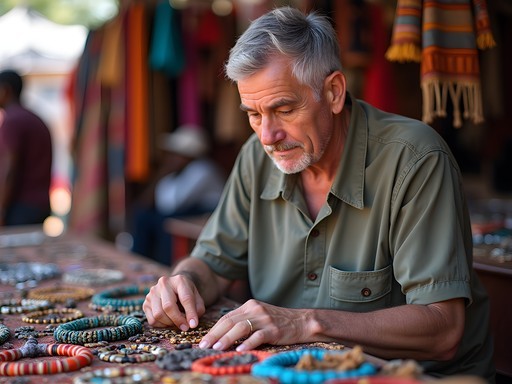
My most treasured purchase was a hand-carved chess set with pieces representing Maasai warriors and wildlife. The craftsman, Daniel, explained that it took him three weeks to complete. Watching him demonstrate his carving technique on a new piece, I gained appreciation for the skill behind these 'tourist souvenirs.'
After shopping, we refueled at a nearby food stall with samosas and sweet chai tea served in metal cups—simple fare but utterly delicious. I always carry a compact travel wallet that keeps my shillings organized and secure while navigating busy markets like this.
💡 Pro Tips
- Check which location the market is at during your visit—it moves daily
- Bring cash in smaller denominations for easier bargaining
- Don't rush—take time to appreciate the craftsmanship and stories behind the items
Nairobi Food Markets: A Culinary Safari
As a chap who's spent decades appreciating Yorkshire puddings and Kansas barbecue, discovering Nairobi's food markets was like finding a whole new world of flavors. While not traditionally considered an 'outdoor adventure,' exploring these markets offers cultural immersion that rivals any wildlife encounter.
K'Osewe Ranalo Foods in the city center became our family favorite. Sitting in their outdoor garden section, we feasted on nyama choma (grilled meat), sukuma wiki (collard greens), and ugali (maize porridge)—all eaten traditionally with our right hands. My son-in-law, who usually insists on cutlery even for pizza, surprised us by diving in with gusto.
'It's like Sunday roast back home,' I joked, 'except everything's got a proper kick to it!'
For a more market-style experience, we visited Toi Market in the Kibera area with a local guide. Here, amid stalls selling everything imaginable, we discovered food vendors preparing fresh mandazi (Kenyan doughnuts) and kashata (coconut peanut brittle) that transported me straight back to childhood visits to Scarborough fairgrounds.
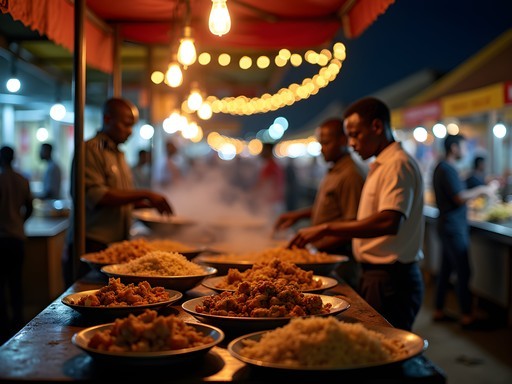
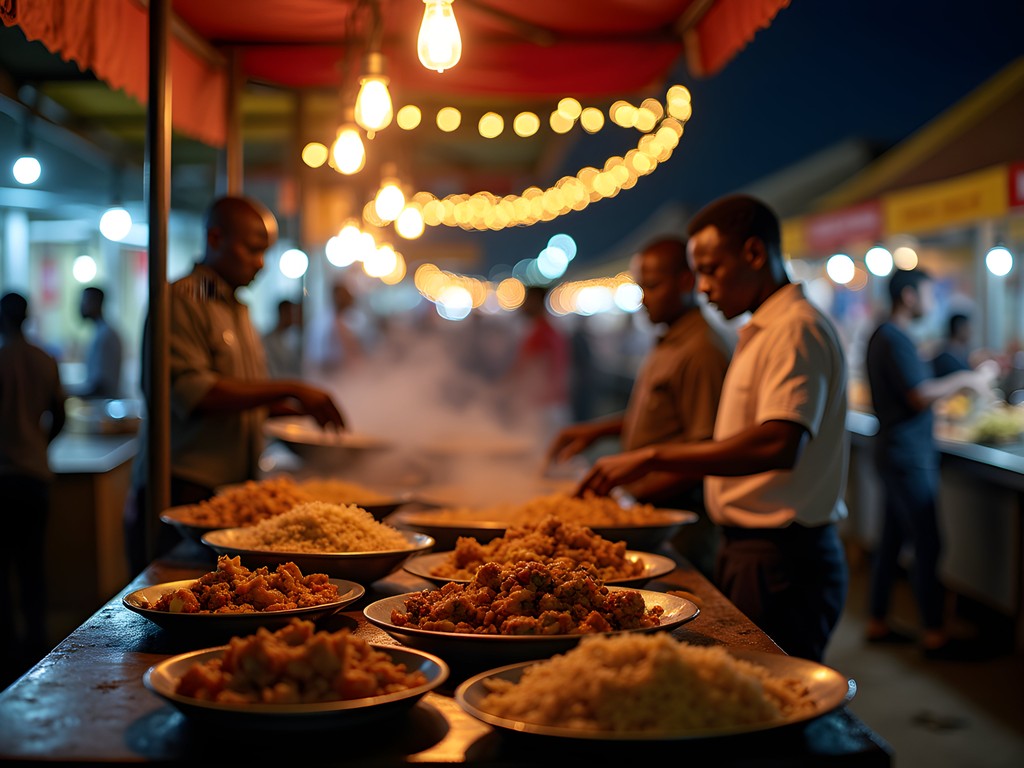
The crown jewel of our culinary adventures was the Urban Street Food Night Market at the Alchemist Bar in Westlands, held on the last Saturday of the month. Under string lights in the open-air venue, dozens of food stalls serve everything from traditional Kenyan dishes to fusion creations. Live music and art installations create a festival atmosphere that captivated even my typically restaurant-conservative family.
I've found that food markets provide the perfect counterbalance to wildlife adventures—after all, man cannot live on safari drives alone! I always carry digestive enzymes when trying new cuisines; they've saved me from discomfort more than once while allowing me to sample everything that catches my eye.
💡 Pro Tips
- Visit markets with a local guide who can explain unfamiliar foods
- Start with milder dishes if you're not accustomed to spicy food
- Look for stalls with queues of locals—that's where the best food is
Final Thoughts
As our week in Nairobi drew to a close, I found myself once again reluctant to leave this remarkable city where wilderness and urban life exist in such close harmony. From watching lion cubs play at sunrise to haggling over beadwork at sunset, Nairobi offers a diversity of outdoor experiences that few capitals can match. My children, initially skeptical about their old dad's choice of holiday destination, were already planning their return visits before we'd even boarded our flight home. That's the magic of Nairobi—it gets under your skin in the best possible way. Whether you're traveling with family or solo, seeking wildlife encounters or cultural immersion, this city delivers adventures that will fill both your camera roll and your heart. As we say in Yorkshire, 'That were proper grand.' And indeed, it was.
✨ Key Takeaways
- Nairobi offers unique wildlife experiences within and just outside the city limits
- Combining wildlife viewing with cultural experiences provides the most rewarding visit
- Family-friendly adventures abound, from feeding giraffes to cycling through urban forests
- Food markets and outdoor dining offer authentic cultural connections through cuisine
📋 Practical Information
Best Time to Visit
June to September (dry season)
Budget Estimate
$3,000-$5,000 per person for a week of luxury experiences
Recommended Duration
5-7 days
Difficulty Level
Moderate
Comments
Jean Wells
Excellent overview, Jacob. I visited Nairobi in 2024 and was similarly impressed by the accessibility of wildlife experiences. One aspect worth noting: Karura Forest offers surprisingly good bird watching opportunities - I documented over 40 species during three morning walks. The forest's proximity to the city center (just 15 minutes from most hotels) makes it ideal for early morning excursions before other activities. I'd also add that visiting Nairobi National Park during the dry season (January-February or July-October) significantly increases wildlife sighting probabilities, particularly for rhinos and predators near water sources.
escapemate
Didn't know about the bird watching at Karura! We just did the regular hiking trails
coffeechamp
Love this! Nairobi is so underrated
summerphotographer
How much time should I budget for the elephant orphanage? Is it worth combining with the giraffe centre in one day?
Jean Wells
You can definitely do both in one day. The elephant orphanage visiting hours are quite limited - only 11am to 12pm daily for public viewing. Plan for about an hour there, then head to the Giraffe Centre which is open until 5pm. They're relatively close to each other, maybe 20-30 minutes by taxi. I'd recommend starting with the elephants since the timing is fixed, then spending a more leisurely afternoon with the giraffes.
summerphotographer
Perfect! Thanks so much
escapemate
The Giraffe Centre is seriously amazing! We went last year and my kids are STILL talking about feeding those giraffes. One tip though - go early morning like 9am when it opens. Way less crowded and the giraffes are more active. We also did Nairobi National Park and saw lions literally with skyscrapers in the background which was surreal. Did you use a tour company or just hire a driver for the day?
coffeechamp
Good to know about the timing! Adding this to my list
sunnyace7531
Great post! I'm planning my first trip to Kenya next month and Nairobi is our first stop. How safe is it to explore Karura Forest on your own? Also wondering about the best time of day to visit Nairobi National Park to see the most animals. Any advice would be super helpful!
waverider
Not the author, but I felt totally safe in Karura Forest. There are security guards and lots of locals exercising there. Just stick to main trails and go during daylight hours.
Jacob Long
Thanks for your question! Karura is quite safe during daylight hours. For Nairobi National Park, early morning (6-9am) or late afternoon (4-6:30pm) are best for animal sightings. The animals are most active when it's cooler!
Haley Hamilton
Jacob, your post took me right back to my time in Nairobi last year! The Giraffe Centre was the highlight of my trip too. There's something magical about those gentle giants. I actually stayed at a little hostel about 20 minutes away and took local matatus (minibuses) to get around - terrifying but authentic! For anyone planning a visit, I'd recommend doing the elephant orphanage first thing in the morning when they do the feedings. And definitely spend at least half a day in Karura Forest - I found some trails there that hardly anyone was using. Brought my compact binoculars which were perfect for spotting the Colobus monkeys hiding in the trees!
sunnyace7531
Thanks for the tip about the morning elephant feeding! How early should we get there to avoid crowds?
Haley Hamilton
I'd get there at least 30 minutes before they open. It gets busy fast, especially during peak tourist season!
waverider
Nairobi National Park sounds amazing! Never knew you could see wildlife that close to a major city.
Haley Hamilton
It's truly unique! I was there last year and could literally see skyscrapers in the background while watching rhinos. Surreal experience!
waverider
That sounds incredible! Did you need a guide or can you self-drive?
backpackblogger
Just got back from Nairobi! Quick tip: we used Uber to get around the city and it was super cheap and reliable. For Nairobi National Park though, definitely book a proper safari vehicle. We saw four lions lounging under a tree just 10 minutes after entering! The contrast between urban life and wildlife is unreal. Also, bring cash for Karura Forest - their card machine was down when we visited.
Bryce Diaz
Jacob, your post brought back so many memories! I spent a month in Kenya last year documenting wildlife conservation efforts. Karura Forest was my weekend sanctuary - those hidden waterfalls are magical! One tip for readers: the David Sheldrick elephant orphanage has limited visiting hours (11am-12pm when I was there), so plan accordingly. And if you're into photography, the golden hour at Nairobi National Park creates the most spectacular lighting with the city backdrop. I'd recommend visiting both at dawn and dusk if you can - completely different experiences!
backpackblogger
Did you need a special lens for wildlife photos there? I'm planning a trip but wondering if my basic camera setup will be enough.
Bryce Diaz
A zoom lens definitely helps, but honestly, the animals often come surprisingly close to vehicles! Even a 55-200mm lens would capture decent shots. The elephants at Sheldrick are right in front of you!
citywanderer
Great post! I'm heading to Nairobi next month for work but will have a weekend free. Is Nairobi National Park doable in just half a day? And is it safe for a solo traveler?
Bryce Diaz
Absolutely doable in half a day! I did it solo last year. Book an early morning game drive (5:30-6am start) when animals are most active. You'll be back in the city by lunch. Totally safe with a reputable guide - I used Nairobi Day Tours and had a great experience. The juxtaposition of giraffes with the city skyline in the background is incredible for photos!
citywanderer
Thanks so much! Early morning it is then. Can't wait to see those skyline/wildlife shots in person!
Venture X
Premium card with 2X miles, $300 travel credit, Priority Pass