Disclosure: This article contains affiliate links. We may earn a commission from purchases at no extra cost to you, which helps our travel content.
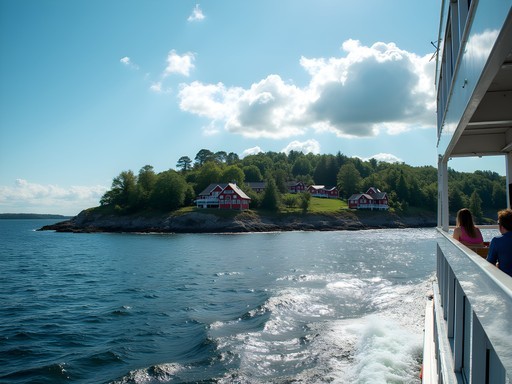
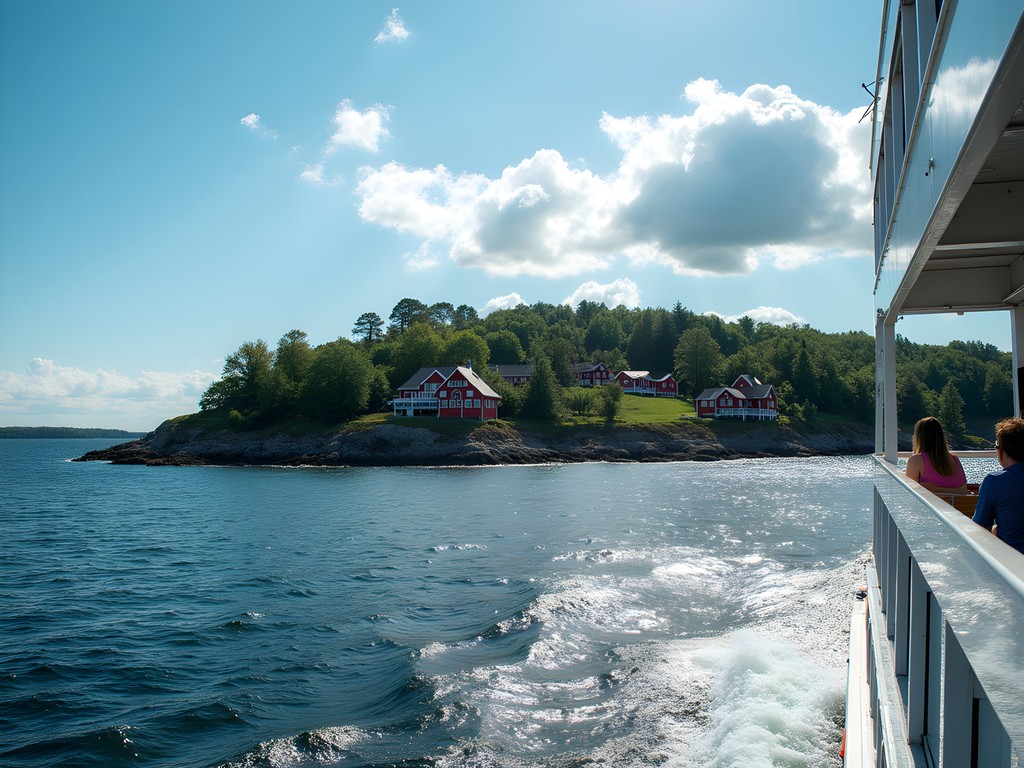
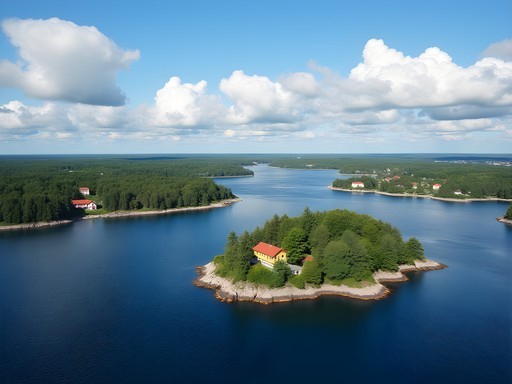
Standing on the deck of a ferry cutting through the Baltic Sea's glimmering waters, I couldn't help but feel a sense of wonder as islands materialized on the horizon—some barren and rocky, others lush with pine forests or dotted with charming red cottages. Stockholm's archipelago consists of nearly 30,000 islands and islets, each with its own character and story. As someone who's spent years exploring desert landscapes and urban environments with an eye for cultural significance, this aquatic wilderness offered a refreshing counterpoint to my usual travels. What began as a professional conference in Stockholm quickly transformed into one of the most unexpectedly magical outdoor adventures I've experienced. For couples seeking to connect with nature while enjoying comfortable amenities and authentic cultural experiences, the Stockholm archipelago provides the perfect balance of adventure and accessibility—no children's activity planning required on this trip (though I couldn't help noting which islands would be perfect for future family explorations).

Planning Your Archipelago Adventure
When my law school friend Maria suggested we extend our Stockholm conference stay to explore the archipelago, I immediately shifted into my typical research mode. Unlike my usual family-focused trips, planning an archipelago adventure as two adults meant we could be more spontaneous while still having a solid framework.
The archipelago is traditionally divided into three zones: the inner, middle, and outer archipelago. Each offers distinct experiences, from the more developed and accessible inner islands to the remote, weather-beaten outer skerries where the Baltic Sea opens to the horizon.
For a one-week trip, I recommend focusing on 4-5 islands to avoid spending too much time in transit. Our itinerary included Fjäderholmarna for an easy introduction, Vaxholm for its historical significance, Sandhamn for its natural beauty, and Utö for outdoor activities. We considered adding Grinda but saved it for a future visit.
Navigating between islands requires understanding the ferry system. Waxholmsbolaget operates year-round services, while Cinderella Båtarna runs additional routes during summer. I found the Stockholm Archipelago Foundation's website invaluable for updated schedules and island information. For maximum flexibility, purchase the Stockholm Archipelago Pass, which allows unlimited travel for 5 or 7 days.
Packing light but preparedly is essential. My waterproof daypack proved indispensable for protecting camera equipment and extra layers during sudden weather changes. Remember that even in summer, temperatures can drop significantly in the evenings, especially on outer islands.
💡 Pro Tips
- Purchase the Stockholm Archipelago Pass for unlimited ferry travel
- Download the Waxholmsbolaget app for real-time ferry schedules
- Book accommodation at least 3 months in advance for summer visits
Inner Archipelago Gems: Fjäderholmarna & Vaxholm
Our archipelago journey began with Fjäderholmarna, just a 20-minute ferry ride from downtown Stockholm—perfect for those with limited time or who want a gentle introduction to island life. Despite its proximity to the city, stepping off the ferry feels like entering another world. The island's artisan workshops provide fascinating glimpses into traditional crafts, from glassblowing to pottery. We spent hours watching skilled artisans at work before enjoying lunch at Rökeriet, where the house-smoked fish offers an authentic taste of archipelago cuisine.
Vaxholm, often called the capital of the archipelago, served as our base for two nights. This strategic island has guarded Stockholm's sea approach for centuries, evidenced by its impressive fortress. The fortress museum offers a compelling narrative about the archipelago's naval significance—my legal background made me particularly interested in how maritime laws and defense strategies evolved in this complex geography.
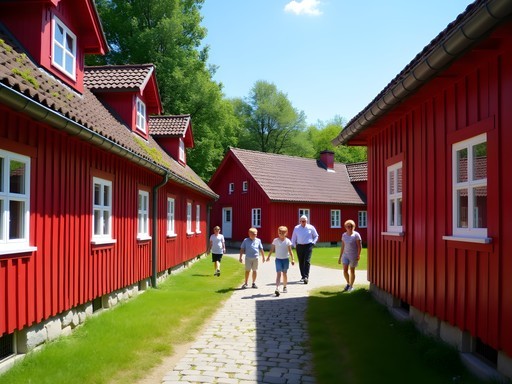
Beyond history, Vaxholm charmed us with its narrow streets lined with wooden houses painted in the traditional Falun red that's so iconic to rural Sweden. The town center buzzes with cafés, bakeries, and boutiques selling locally made goods. We stayed at Waxholms Hotell, a historic property with harbor views and a restaurant serving exceptional local seafood.
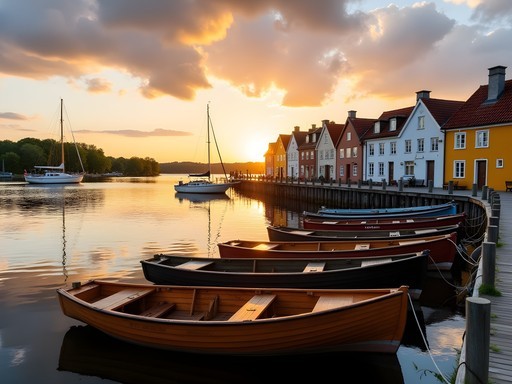
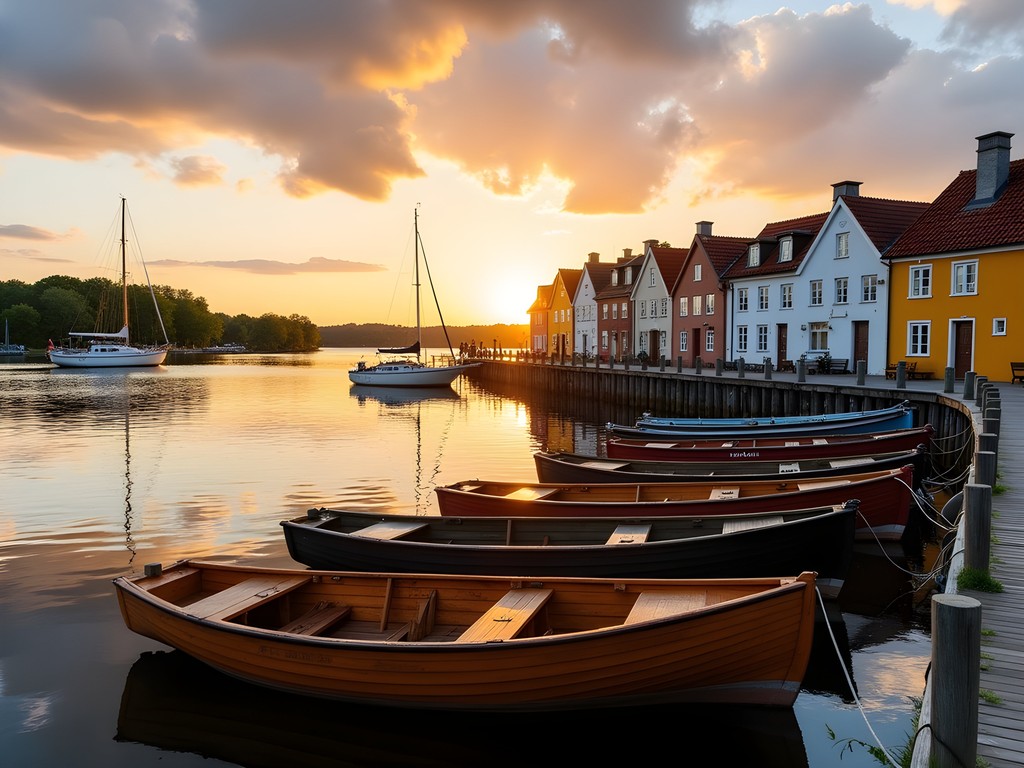
For capturing the magical light that bathes these islands, especially during the long summer evenings, I relied on my mirrorless camera with a versatile zoom lens. The camera's compact size made it easy to carry while exploring, and its excellent low-light performance was perfect for those golden hour shots of boats returning to harbor.
Don't miss hiking along Bogesund's nature trails, accessible via a short bus ride from Vaxholm. The forest paths offer serene views of the inner archipelago and occasional glimpses of wildlife. We spotted several deer and an impressive sea eagle during our morning hike.
💡 Pro Tips
- Visit Vaxholm Fortress early in the day to avoid cruise ship crowds
- Try cardamom buns at Vaxholms Bageri—they're the best in the archipelago
- Take the 'round trip' boat tour from Vaxholm for spectacular views of surrounding islands
Middle Archipelago: Grinda & Sandhamn
Venturing further from Stockholm, we discovered the middle archipelago offers the perfect balance of accessibility and wilderness. Grinda became an unexpected highlight—a verdant island with varied landscapes from rocky shores to lush meadows filled with wildflowers. The island's commitment to sustainability impressed me; their eco-focused initiatives reminded me of some smart-city concepts I'd researched for cases involving tribal land development back home.
We spent a full day hiking Grinda's well-marked trails, which wind through forests and open up to spectacular viewpoints. The island's southern beach provided a refreshing swimming spot, though the Baltic waters remained bracing even in July! For lunch, we picked up provisions at the island's small store and enjoyed a picnic overlooking the water. Grinda Wärdshus, the island's historic inn, offers upscale accommodation, but we opted to try their restaurant for dinner before catching an evening ferry onward.
Sandhamn, at the edge of the middle archipelago, presents a different character altogether. As a longtime sailing hub, it has a sophisticated yet relaxed atmosphere. The village center features narrow lanes lined with white wooden houses and surprisingly stylish boutiques. During summer, the harbor fills with sailboats, creating a postcard-perfect maritime scene.
We stayed two nights at Sandhamns Värdshus, allowing ample time to explore the island's diverse landscapes. The eastern side faces the open Baltic with stunning beaches and windswept pines shaped by constant sea breezes. For nature lovers, the contrast between sheltered western coves and exposed eastern shores provides fascinating ecological variety.
For our beach day, my quick-dry travel towel proved invaluable—lightweight, absorbent, and fast-drying, it was perfect for spontaneous swims followed by hikes. We also discovered that Sandhamn's bakery makes exceptional kanelbullar (cinnamon rolls), best enjoyed with coffee during Sweden's traditional fika (coffee break).
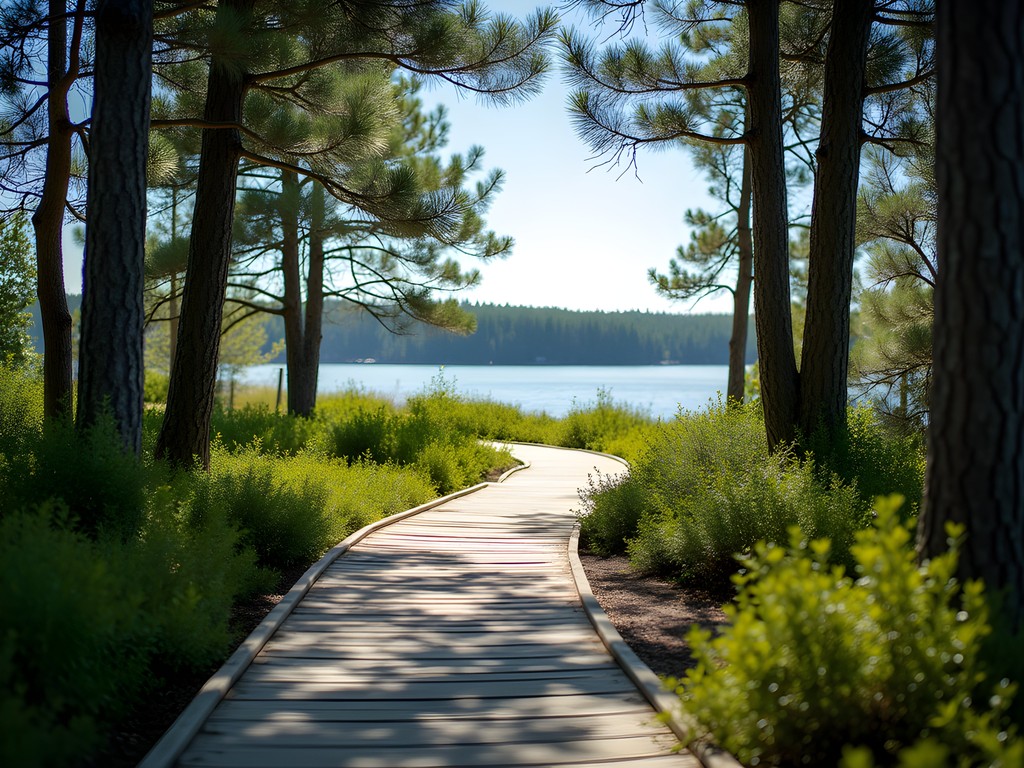
Don't miss the opportunity to hike to Telegrafberget, the island's highest point. From there, you can see the vastness of the archipelago stretching toward the horizon—a perspective that helps you appreciate the remarkable geography of this aquatic wilderness.
💡 Pro Tips
- Book a guided kayaking tour from Sandhamn to explore surrounding waters and smaller islets
- Visit Sandhamn during weekdays if possible, as weekends bring crowds of sailors and day-trippers
- Pack binoculars for birdwatching—the middle archipelago hosts impressive sea eagle populations

Outer Archipelago: Utö & Beyond
Our journey to Utö marked our venture into the outer archipelago, where the landscape becomes more rugged and the connection to the elements more profound. The three-hour ferry ride itself became part of the adventure, offering spectacular views as we navigated through increasingly scattered islands until reaching Utö's harbor.
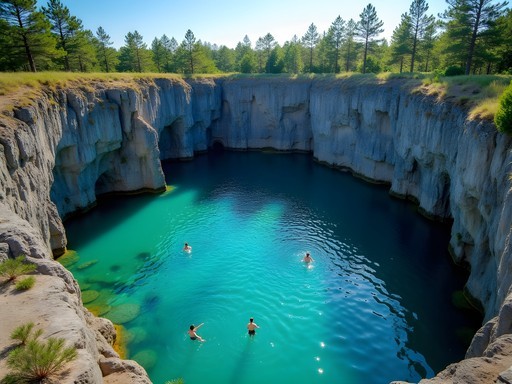
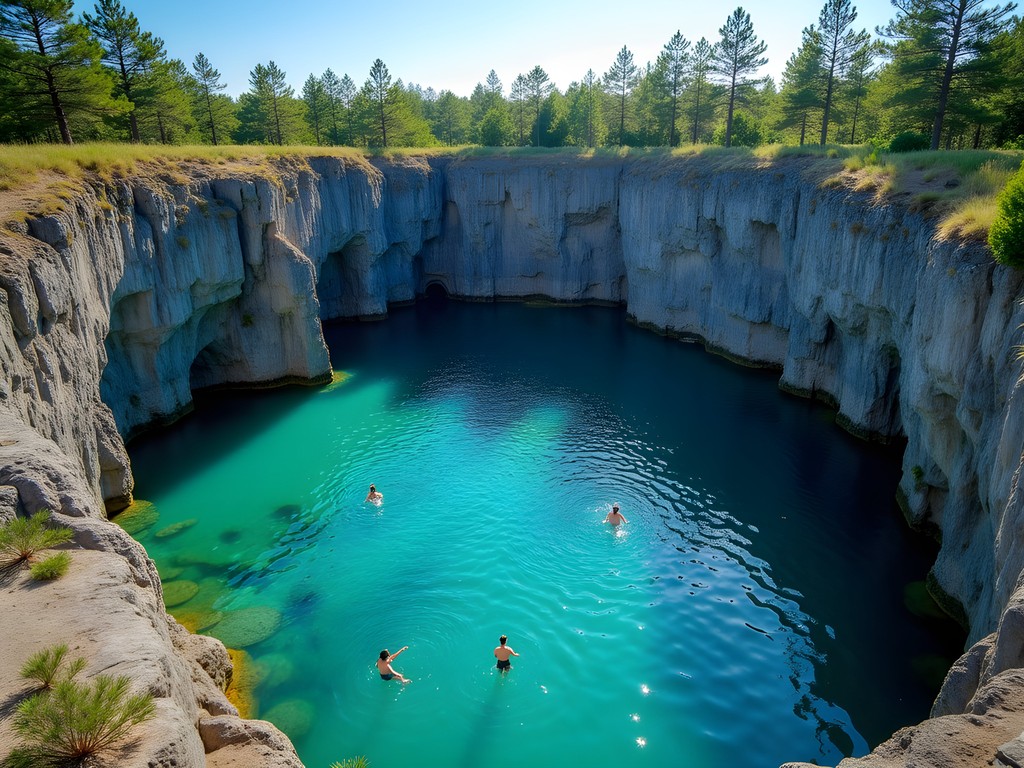
Utö has a fascinating history as a mining island, with iron ore extraction dating back to the 12th century. The abandoned mines now serve as unusual swimming holes—diving into these clear, deep pools surrounded by rocky walls was a highlight of our trip. For history buffs, the small mining museum provides context to understand how this remote island once played a crucial role in Sweden's industrial development.
The island's terrain varies dramatically from the harbor area's gentle slopes to the eastern shore's dramatic cliffs. We rented bicycles from Utö Värdshus to explore efficiently, as the island stretches about 10 kilometers from north to south. The well-maintained gravel paths make cycling accessible even for casual riders, though some hills required us to dismount and walk.
For overnight stays, Utö offers options ranging from the historic Utö Värdshus to simple cabins and camping sites. We chose Utö Värdshus for its combination of comfort and character—the building dates from 1843 but offers modern amenities. Their restaurant serves exceptional archipelago cuisine focusing on locally caught fish and seasonal ingredients.
Preparing for changeable weather is essential in the outer archipelago. My packable rain jacket saved our outdoor plans during a sudden afternoon shower. The jacket's lightweight design made it easy to carry in my daypack, and its waterproof yet breathable fabric kept me comfortable during our hike along Utö's nature trails.
The outer archipelago's most remarkable feature is its light—the absence of light pollution creates extraordinary conditions for photography and stargazing. During our June visit, the famous Nordic white nights meant the sky never fully darkened, instead transitioning through mesmerizing shades of blue, purple, and gold. For photographers, I recommend bringing a sturdy travel tripod to capture these magical light conditions, particularly during sunset and the blue hour that follows.
💡 Pro Tips
- Rent bicycles immediately upon arrival at Utö to maximize exploration time
- Visit the Utö Bakery early for freshly baked bread and pastries before day-trippers arrive
- Pack a headlamp for evening walks, as the island has minimal lighting outside the main village
Sustainable Island Hopping & Cultural Insights
As someone deeply committed to environmental sustainability and cultural respect, I was impressed by the archipelago's approach to tourism. Many islands operate with strong eco-friendly principles—composting toilets are common, renewable energy sources power facilities where possible, and there's a prevailing ethos of leaving minimal impact.
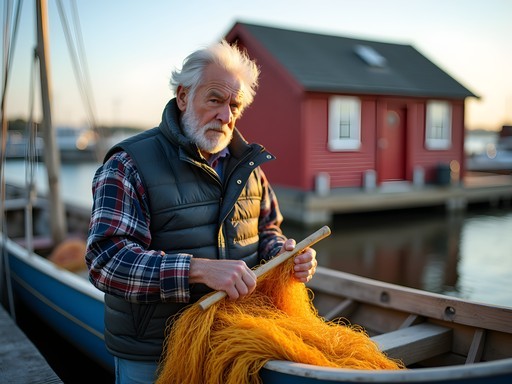
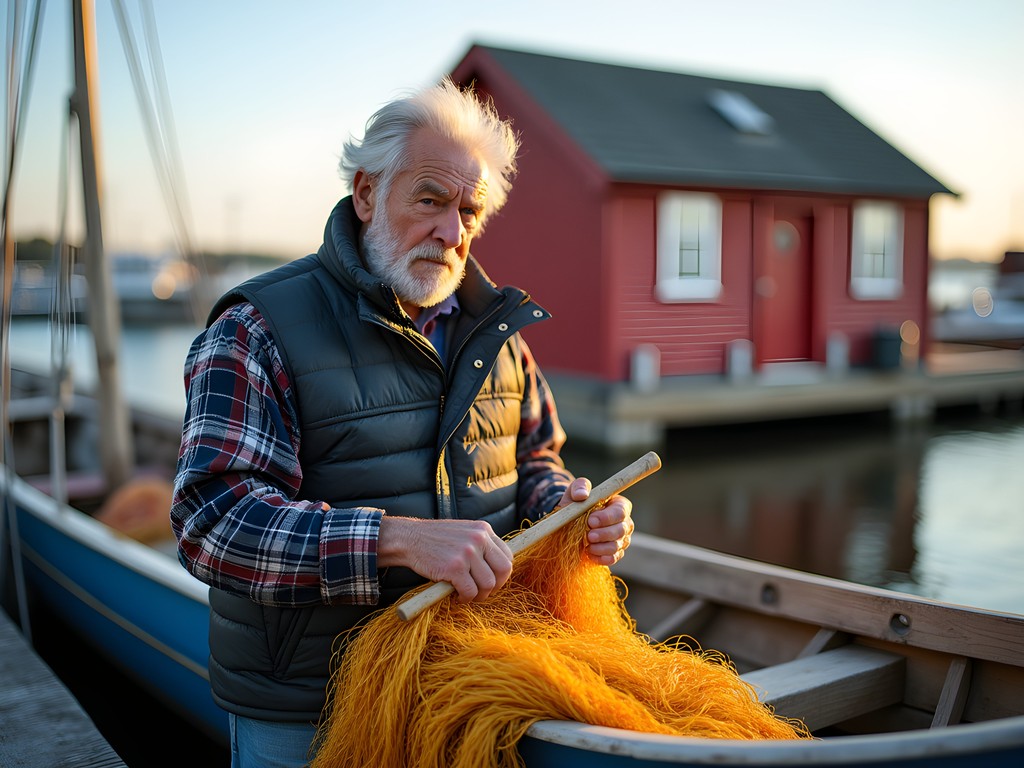
This sustainability focus isn't new; it reflects centuries of archipelago living where resources were limited and communities needed to be self-sufficient. Today's residents continue many traditional practices while incorporating modern innovations. On Möja, we visited a small-scale sustainable fishing operation where the owner explained how they're adapting ancient fishing techniques to ensure fish stocks remain viable for future generations.
The archipelago's distinctive culture emerges from its maritime history and isolated communities. Island residents historically developed strong self-reliance alongside tight community bonds—qualities still evident today. During our visit to Nämdö, we happened upon a midsummer celebration where locals welcomed us to join their traditional dances around the maypole, followed by a community feast featuring home-smoked fish and locally grown vegetables.
For travelers interested in authentic cultural experiences, I recommend visiting some of the archipelago's working islands rather than just the tourist-oriented ones. Möja, Nämdö, and Runmarö offer glimpses into year-round island life, with opportunities to support local businesses and artisans.
The concept of allemansrätten (the right of public access) is fundamental to understanding Swedish outdoor culture. This freedom to roam allows visitors to walk, cycle, and camp on any land that isn't private property or under cultivation. However, this right comes with responsibilities—leave no trace, respect wildlife, and maintain appropriate distance from private homes. As a visitor, honoring these principles helps preserve both the natural environment and the goodwill toward tourists.
During our island explorations, I noticed fascinating parallels between the archipelago communities' approach to resource management and some of the tribal land initiatives I've worked with professionally. Both demonstrate how communities can develop sustainable relationships with their environments when given autonomy and respect for traditional knowledge systems.
💡 Pro Tips
- Learn basic Swedish phrases—locals appreciate the effort even if they speak excellent English
- Bring all recyclables back to the mainland as smaller islands have limited waste facilities
- Support island economies by purchasing locally made crafts and foods rather than imported souvenirs
Final Thoughts
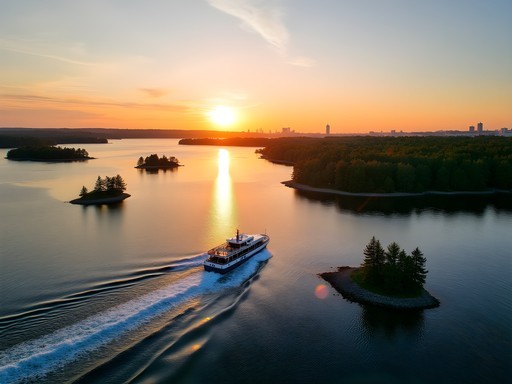
As our ferry glided back toward Stockholm's harbor on our final day, I found myself already planning a return trip to explore more of this aquatic wilderness. The archipelago offers a rare combination of accessibility and remoteness—islands just an hour from a European capital city that still feel worlds away from urban life. For couples seeking to reconnect with each other and with nature, few destinations offer such perfect balance between adventure and comfort, wilderness and culture. The islands' changing moods—from misty mornings to radiant afternoons and luminous summer evenings—create a natural rhythm that invites visitors to slow down and appreciate each moment. Whether you're kayaking through narrow passages, hiking across heather-covered hills, or simply watching the play of light on water from a smooth granite shoreline, the Stockholm archipelago rewards those who approach it with curiosity and respect. This remarkable landscape of land and sea has forever changed how I think about wilderness experiences—proving that sometimes the most profound natural encounters happen not in vast, empty spaces, but in places where humans and nature have learned to coexist in harmony over centuries.
✨ Key Takeaways
- Plan a mix of inner, middle and outer archipelago islands for diverse experiences
- Allow time for spontaneous exploration—some of the best experiences happen when you miss a ferry or follow a local recommendation
- Embrace the archipelago's natural rhythms by slowing down and staying at least two nights on selected islands
📋 Practical Information
Best Time to Visit
June to August, with mid-June to mid-July offering optimal weather and daylight hours
Budget Estimate
$150-250 per day per couple including accommodation, food, and transportation
Recommended Duration
7-10 days for a comprehensive archipelago experience
Difficulty Level
Moderate (Requires Planning And Navigation Skills)



Comments
Savannah Walker
Love this post! The Stockholm archipelago has been on my radar forever. I did something similar in Croatia's Dalmatian islands last year and the island-hopping experience was transformative - there's something about that rhythm of ferry life, you know? Your description of the outer archipelago especially resonates. Those remote, windswept places where you really feel disconnected from everything... that's where the magic happens. Did you camp at all or stick to guesthouses? I'm thinking about doing a camping trip there next summer.
Savannah Torres
Yes exactly - that ferry rhythm! I mostly did guesthouses this time but saw tons of campers, especially on Utö. Sweden has amazing right-to-roam laws so wild camping is allowed in most places. Just be respectful and follow leave-no-trace principles. Would love to try it next time!
starblogger
This is so helpful! Planning a trip for September. Is it still warm enough then or should I aim for earlier in summer?
sunnyclimber
Been to the archipelago 3 times now. Pro tip: rent a kayak on Grinda if you're into paddling. The waters are calm and you can explore little coves the ferries don't reach. Also the fika spots on Sandhamn are not to be missed!
stardiver
Ooh kayaking sounds perfect! Do they rent them right at the dock?
sunnyclimber
Yeah there's a rental place near the main harbor. Pretty easy to find
Megan Martin
Excellent guide, Savannah! I visited the archipelago last summer during a conference in Stockholm and squeezed in a day trip to Vaxholm. Your post makes me realize I barely scratched the surface. The middle and outer archipelago sections sound incredible - definitely need to plan a proper return visit focused solely on island hopping. Did you find the accommodation options on the islands themselves reasonably priced, or would you recommend staying in Stockholm and doing day trips?
Savannah Torres
Thanks Megan! I did a mix - stayed in Stockholm for the inner islands, then spent 2 nights on Sandhamn which was magical. The island accommodations aren't cheap but totally worth it for the experience of being there at sunset and sunrise when the day trippers are gone. Budget tip: some islands have basic cabins you can rent that are more affordable than hotels!
sunsetphotographer
Those sunset shots are incredible!!! 📸
Taylor Moreau
Lovely write-up, Savannah. I visited the archipelago during a business trip to Stockholm last autumn and managed to squeeze in a day trip to Vaxholm. The fortress there is quite impressive from a historical perspective. For those planning corporate retreats or combining business with leisure, I'd recommend staying overnight on one of the middle archipelago islands rather than rushing through as a day trip - the evening light is spectacular and the islands empty out considerably after the last ferries depart. The accommodation options are surprisingly sophisticated.
hikinglover
Good tip about staying overnight! Didn't think about that
triphero
Going there in August! Quick question - do the ferries run frequently or should I plan the schedule carefully?
Savannah Walker
In summer they run pretty regularly to the popular islands! I'd still check the Waxholmsbolaget schedule ahead of time though, especially if you're going to the outer islands. Have an amazing trip!
triphero
Thanks! Super helpful
stardiver
This looks absolutely amazing!! Adding to my bucket list right now 😍
wanderlustguy
Really cool pics!
hikinglover
This looks amazing! Quick question - did you buy ferry tickets in advance or just show up at the dock? Planning a trip in September and not sure how busy it gets.
wanderlustguy
Not OP but I went last summer. Just showed up and it was fine, ferries run pretty often!
hikinglover
Thanks! That's good to know
Venture X
Premium card with 2X miles, $300 travel credit, Priority Pass