

Disclosure: This article contains affiliate links. We may earn a commission from purchases at no extra cost to you, which helps our travel content.
There's something magical about watching your teenager's eyes widen as a white-tailed eagle soars overhead, its massive wingspan casting shadows across the glittering Baltic waters. Twenty thousand islands and islets scattered like nature's confetti across Stockholm's coastline—this archipelago has been calling to my bird-watching soul for years. When my youngest, Emma (now 23), suggested we combine my milestone birthday celebration with her semester abroad in Copenhagen, I knew exactly where we needed to go. After years of chasing waterfalls across continents and dragging my three kids to remote corners of the world, it felt poetic to have them now suggesting adventures for me. The Stockholm archipelago promised the perfect blend of wilderness and accessibility, a place where the thrill of exploration meets the comfort of Scandinavian hospitality. And trust me, after dancing until dawn at countless electronic music festivals from Burning Man to Croatia's Outlook, I've developed quite an appreciation for a proper Swedish sauna and a soft bed at day's end.

Planning Your Stockholm Archipelago Adventure
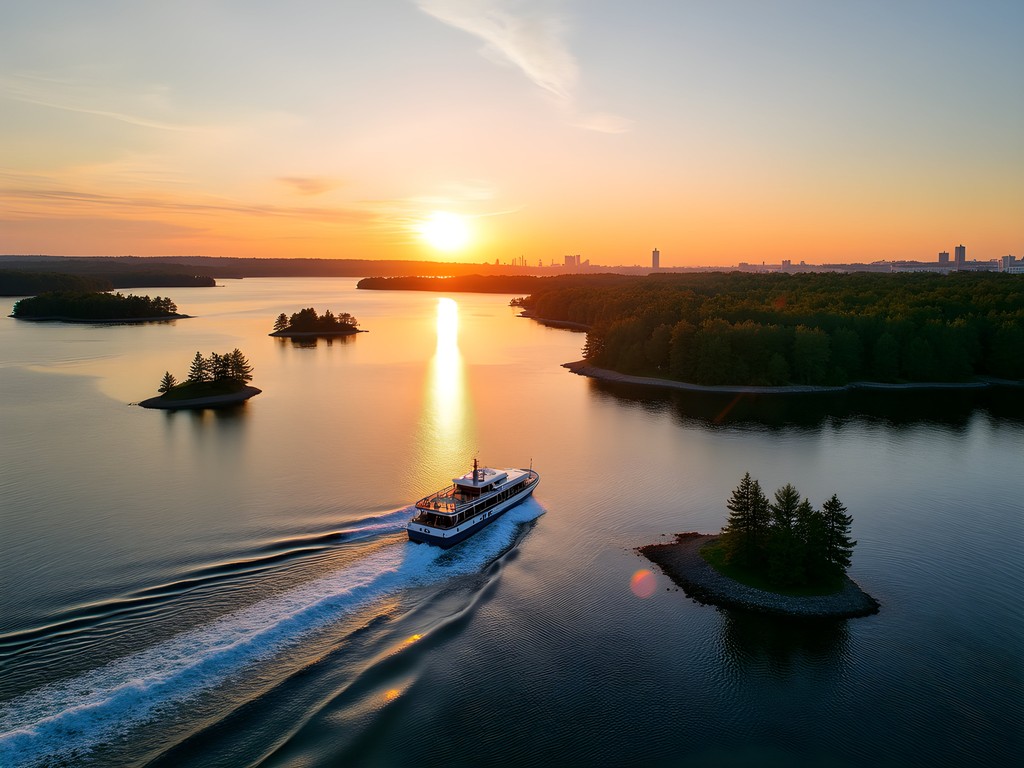
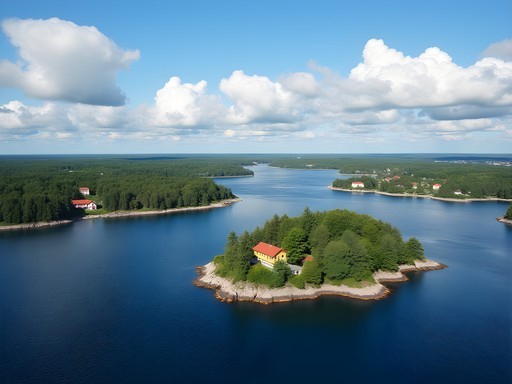
The Stockholm archipelago stretches nearly 50 miles east from the city into the Baltic Sea, creating a labyrinth of over 30,000 islands and skerries that range from inhabited year-round communities to uninhabited rocky outcrops. The beauty of this destination is its accessibility—you don't need to be a seasoned sailor or wilderness expert to experience its magic.
When planning our trip, I discovered the archipelago can be roughly divided into three zones: the inner, middle, and outer archipelago. Each offers a distinctly different experience, from the more developed islands close to Stockholm to the remote, rugged nature reserves on the Baltic Sea edge.
The key to a successful archipelago adventure is a good map and transportation plan. I invested in a detailed waterproof map that proved invaluable for plotting our island-hopping route. While regular ferries connect many islands during summer, schedules can be limited in shoulder seasons.
After years of family travel planning, I've learned that the sweet spot for an archipelago adventure is 5-7 days. This gives you enough time to visit 3-4 islands at a relaxed pace, with room for weather delays (which, trust me, happen even in summer).
We decided to base ourselves at three different islands—Vaxholm, Möja, and Sandhamn—using them as hubs to explore nearby smaller islets on day trips. This strategy minimized luggage hauling while maximizing our exposure to different archipelago environments.
💡 Pro Tips
- Book accommodation at least 3 months in advance for summer visits, especially for waterfront cabins
- Purchase the Stockholm Archipelago Pass for unlimited ferry travel if visiting multiple islands
- Pack layers even in summer—morning boat rides can be chilly, but afternoons on rocky shores get surprisingly warm
Vaxholm: Gateway to the Archipelago
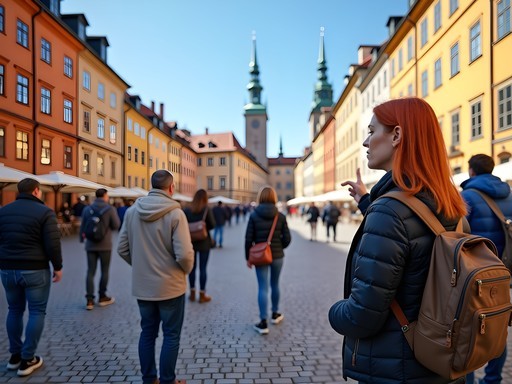
Our archipelago adventure began in Vaxholm, just an hour's ferry ride from Stockholm and the perfect introduction to island life. Often called the 'capital of the archipelago,' this charming town offers cobblestone streets, pastel-colored wooden houses, and a stunning fortress that once guarded the approach to Stockholm.
I'll never forget Emma's face when we checked into our waterfront cabin at Waxholms Hotell, the windows framing a perfect view of boats gliding past the fortress. Having stayed in everything from Amazonian eco-lodges to Japanese capsule hotels over my years of travel, I've developed a keen appreciation for accommodations that capture local character—and this historic hotel delivered.
Vaxholm proved to be a bird-watcher's delight, particularly along the nature trail that circles the island's eastern shore. One misty morning, I spotted three common eiders, their distinctive profiles unmistakable against the silvery water. My compact binoculars earned their packing space many times over during these early morning expeditions.
For families, Vaxholm offers the perfect balance of activities. We rented kayaks for a gentle paddle around the island's coves, explored the fortress museum (which tells fascinating stories of Russian invasions and maritime history), and indulged in daily fika (coffee and pastry breaks) at Hembygdsgårds Café, where the cardamom buns are nothing short of life-changing.
Don't miss the small beaches on the island's southern shore—they're perfect for a refreshing dip after hiking. And yes, the water is cold even in summer, but as I've always told my kids: the best memories come from saying 'yes' to experiences outside your comfort zone.

💡 Pro Tips
- Take the early morning 'baker's boat' from Stockholm for freshly baked bread and fewer crowds
- Visit Vaxholm Fortress on weekdays to avoid weekend crowds and catch the hourly guided tours
- Rent bicycles near the ferry terminal to explore the entire island in a single day
Möja: Wild Nature and Island Culture
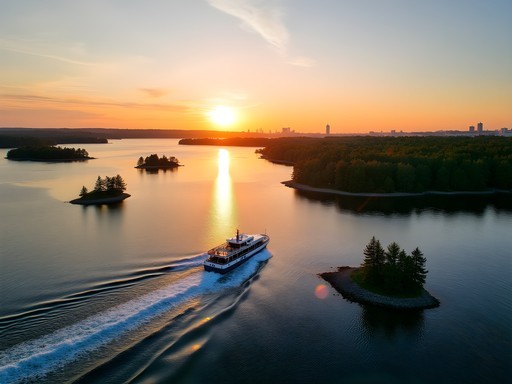
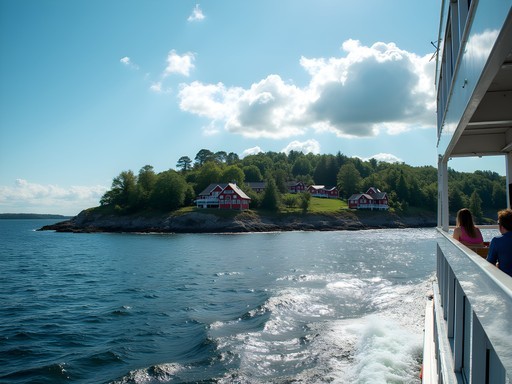
After the relative bustle of Vaxholm, we ventured further into the middle archipelago to Möja, a larger island with a permanent population of just 200 residents that swells tenfold during summer months. The two-hour ferry journey itself was spectacular, weaving between countless islands where red wooden cottages peeked through pine forests.
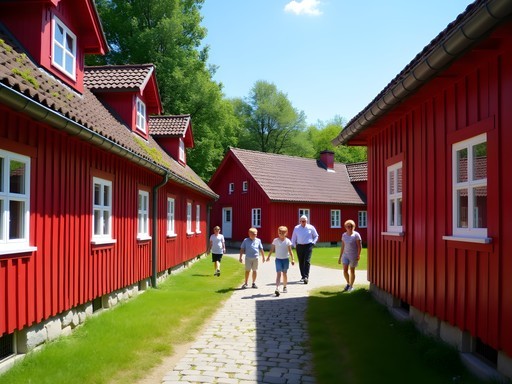
Möja represents what I love most about family travel—authentic cultural immersion combined with natural wonders. With no cars on the island (locals use bikes, tractors, and mopeds), the pace immediately slows. We stayed at Möja Värdshus, a charming guesthouse where our host Lena prepared traditional archipelago dinners featuring freshly caught perch and locally foraged mushrooms.
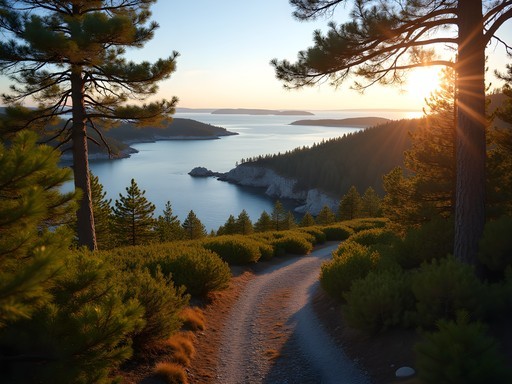
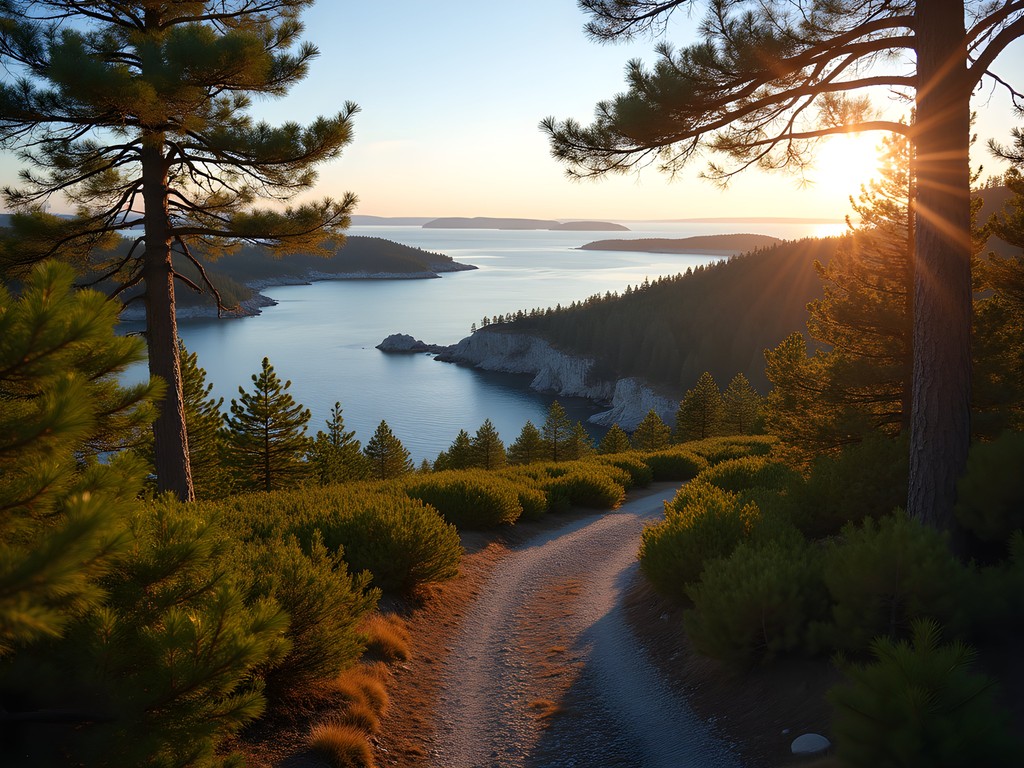
The island's extensive hiking trails became our daily ritual. The 7km path from Berg harbor to Långvik village took us through sun-dappled forests where we spotted rare Black Woodpeckers and along coastal meadows bursting with wildflowers. My hiking daypack proved perfect for carrying our picnic supplies, extra layers, and my ever-present bird guide.
Möja's unexpected highlight came when we discovered a tiny electronic music gathering at Långvik harbor—just 30 people dancing as the midnight sun cast golden light across the water. Having experienced massive festivals from Tomorrowland to Electric Forest, this intimate gathering reminded me that music connects us everywhere, even on remote Baltic islands.
For families with teens, Möja offers the perfect balance of adventure and relaxation. We rented bikes from the main harbor, explored hidden swimming spots recommended by locals (the smooth granite rocks at Löka beach were our favorite), and joined a traditional Swedish crayfish party organized by our guesthouse—complete with silly paper hats and drinking songs that had us laughing until our sides hurt.
💡 Pro Tips
- Book the 'Archipelago Platter' at Wikströms Fisk in Ramsmora harbor at least a day in advance
- Bring cash as many smaller establishments don't accept cards
- Download offline maps as cell service can be spotty in parts of the island

Sandhamn: Where Sailors and Nature Lovers Meet
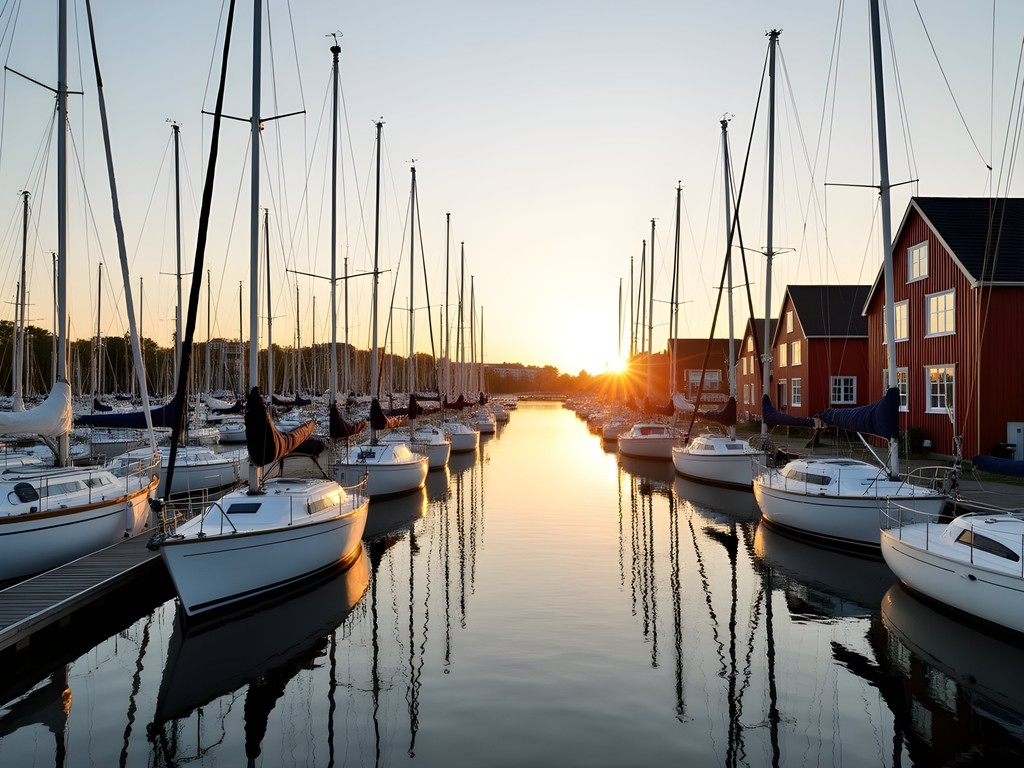
Our final island destination took us to the outer archipelago: Sandhamn, where the protected harbors meet the open Baltic Sea. This island has long been a sailing hub, hosting regattas and drawing Sweden's sailing elite, but it's also a nature lover's paradise with distinctive sandy beaches (rare in the rocky archipelago) and pine forests scented with salt and resin.
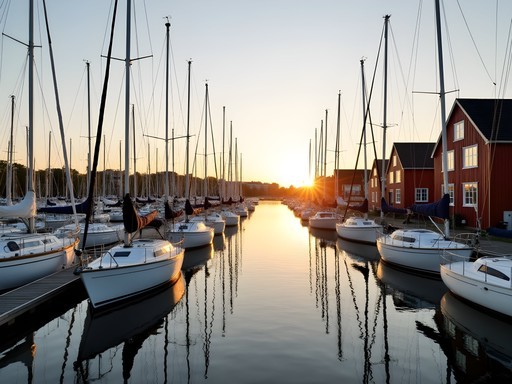
We splurged on two nights at Sandhamns Värdshus, a historic inn dating back to the 1600s. After years of budget travel with three kids in tow, I've learned that strategic splurges create the most lasting memories. Our harbor-view room became the perfect vantage point for watching the sailing community's elegant choreography as boats came and went.
Sandhamn's unique ecosystem makes it exceptional for bird-watching. During a morning hike along the eastern shore, I spotted Arctic terns diving for fish and a majestic white-tailed eagle soaring above the tree line. My trusty weatherproof notebook filled with sightings and sketches—a practice I've maintained through decades of travel.
For families, Sandhamn offers the archipelago's best swimming opportunities. The fine sandy beach at Trouville (named after its French counterpart) slopes gently into surprisingly warm shallows, perfect for younger children. Meanwhile, teenagers will appreciate the island's vibrant atmosphere, with sailors from across Europe creating a cosmopolitan energy that's rare for such a remote location.
Don't miss the opportunity to try traditional Swedish outdoor cooking. We joined a local guide for a 'forest-to-table' experience, foraging for berries and herbs before preparing a simple meal over an open fire on a tiny uninhabited islet just off Sandhamn's coast. As we ate wild blueberry pancakes while watching the sunset paint the sea gold, I remembered why I started traveling with my children all those years ago—to create moments that transcend the ordinary and connect us to something larger than ourselves.
💡 Pro Tips
- Book a guided 'RIB safari' boat tour to explore the outer archipelago's most remote islands
- Visit the Sandhamn Yacht Club for dinner even if you're not a member—their seafood soup is legendary
- Pack good walking shoes as the sandy paths can be challenging in regular sandals
Wildlife Encounters and Waterfall Discoveries
No Porter family adventure would be complete without seeking out waterfalls and wildlife encounters. While the Stockholm archipelago isn't known for dramatic cascades, we discovered several hidden gems that satisfied my waterfall-hunting obsession.
On Möja, a local fisherman tipped us off about a seasonal waterfall on the island's northwestern coast. After a 40-minute hike through dense forest, we found a delicate 10-foot cascade emptying directly into the Baltic—a rare freshwater-meets-saltwater phenomenon created by spring snowmelt from the island's central highlands. Though modest compared to the thundering falls of New Zealand or Costa Rica, this hidden archipelago treasure held its own special magic.
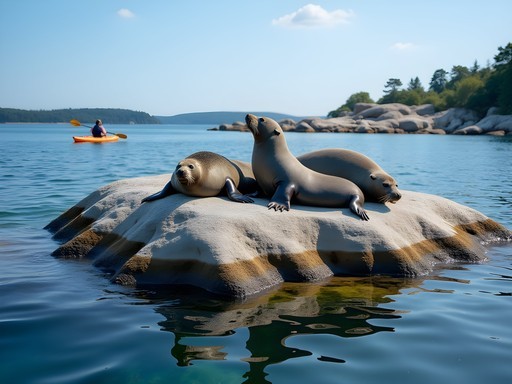
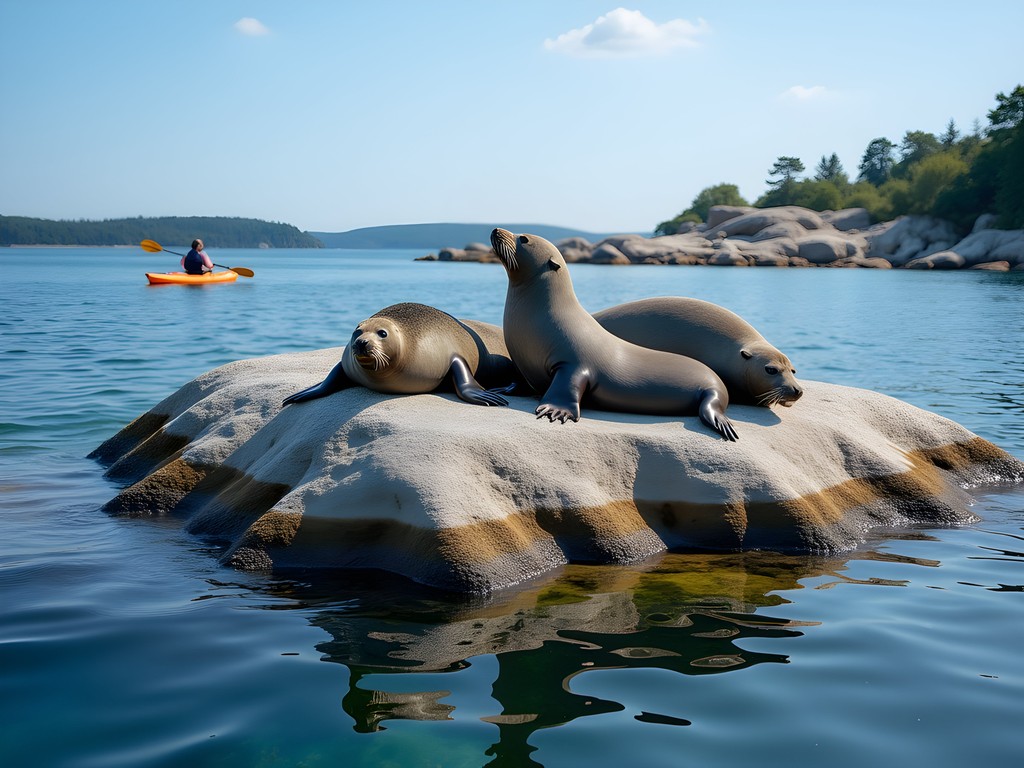
The wildlife encounters throughout our island-hopping adventure were truly exceptional. Early morning kayaking sessions proved most rewarding, allowing us to silently approach colonies of seals basking on rocky skerries. One unforgettable morning near Sandhamn, we watched a group of gray seals teaching their pups to swim, their curious eyes following our kayaks with gentle interest.
Bird-watching opportunities exceeded my expectations, with the archipelago serving as both permanent habitat and migratory stopover. My waterproof camera captured remarkable shots of white-tailed eagles, Arctic terns, and even a rare black-throated diver that I spotted during a dawn paddle.
For families with nature-loving kids, I recommend bringing a simple identification guide to coastal wildlife. We turned wildlife spotting into a friendly competition, with daily points awarded for rare sightings. This transformed potentially boring hikes (from a teenager's perspective) into engaged exploration. Emma still proudly claims victory for spotting a European adder sunning itself on rocks near our Möja cabin.
The archipelago's ecosystem is delicately balanced, so practice responsible wildlife viewing—maintain distance from nesting birds, avoid disturbing seal colonies, and follow Leave No Trace principles. The pristine nature of these islands depends on visitors treating them with respect.
💡 Pro Tips
- Bring polarized sunglasses to better spot fish and underwater features while kayaking
- Visit Bullerö Nature Reserve for the richest bird-watching opportunities
- Dawn and dusk offer the best wildlife viewing windows, especially for seals and sea eagles
Final Thoughts
As our ferry glided back toward Stockholm's harbor on our final day, I found myself already planning our return. The archipelago had worked its magic on us, just as countless natural wonders have throughout our family's travels. There's something profoundly restorative about these islands—perhaps it's the rhythmic lapping of Baltic waters against ancient granite, or the way time seems to expand when you're following only the sun and ferry schedules.
The Stockholm archipelago offers that rare combination of accessibility and wilderness, culture and nature, activity and tranquility. Whether you're a family with young children seeking safe adventures, parents of teenagers looking to reconnect, or empty-nesters like me rediscovering travel with adult children, these scattered islands provide the perfect backdrop for creating memories that will sustain you through ordinary days back home. As we've learned through years of waterfall-chasing and wilderness exploration: the best family adventures aren't about perfect execution but about perfect moments of connection—with nature, with each other, and with the remarkable world we're privileged to explore.
✨ Key Takeaways
- Stockholm's archipelago offers accessible wilderness perfect for multi-generational family adventures
- Strategic island-hopping between Vaxholm, Möja and Sandhamn provides diverse experiences from cultural to wilderness
- Wildlife viewing opportunities abound, especially for bird-watchers and marine mammal enthusiasts
- Local ferries make navigation simple, but advance planning is essential during peak summer months
📋 Practical Information
Best Time to Visit
June through August, with mid-June offering optimal balance of good weather and fewer crowds
Budget Estimate
$150-250 per person daily including accommodation, food, and transportation
Recommended Duration
5-7 days minimum to experience multiple islands
Difficulty Level
Moderate (Requires Basic Navigation Skills And Comfort With Ferry Schedules)



Comments
luckyvibes
Did you stay overnight on any of the islands? Looking for accommodation recommendations that won't break the bank.
Lauren Porter
We stayed at a guesthouse on Sandhamn - super cozy and reasonably priced. Vaxholm has more options if you're budget conscious. Camping is also popular if you're into that!
dreamadventurer
OMG this is exactly what I need right now!! Sweden has been on my list forever and this just moved it to the top. Your description of the ferry ride back gave me chills. Can't wait to experience this myself!
Timothy Jenkins
Excellent write-up, Lauren. The archipelago really is one of Scandinavia's best-kept secrets. I spent a week there researching traditional Swedish island culture and was fascinated by how each island maintains its own distinct character. Sandhamn's sailing heritage is particularly rich - the Royal Swedish Yacht Club has been there since 1897. If anyone's interested in the cultural side, I'd recommend timing your visit for midsummer celebrations. The islands come alive with traditional dancing, flower crowns, and the most incredible seafood feasts. Just be aware that accommodation books up months in advance for that period.
tripguide
Adding this to my bucket list!
citybackpacker
Can you use the Stockholm public transport card for the ferries or do you need separate tickets?
tripguide
You need the Waxholmsbolaget ferry card. Worth it if you're doing multiple islands!
Sage Dixon
Lauren, this brings back such wonderful memories! I did the archipelago last summer and completely fell in love with Möja. There's something about those remote islands that just strips away all the noise of modern life. I actually met a local fisherman who took me out on his boat at sunrise - we saw seals playing in the water and he shared stories about growing up on the island. The Swedish fika culture is alive and well out there too. Did you make it to any of the smaller, less touristy islands? I found some real gems just by asking locals which ferries they take.
Lauren Porter
Sage! That sounds incredible. We stuck to the main islands this time but I'm dying to explore the smaller ones next trip. Which ones would you recommend?
explorephotographer
Love the photos! That eagle shot is incredible
triprider
This looks amazing! Quick question - how much time do you need to really explore the archipelago? We only have 4 days in Stockholm.
Lauren Porter
4 days is perfect! I'd say spend 2 days in Stockholm proper and 2 days island hopping. You can easily do Vaxholm as a day trip and maybe stay overnight on Sandhamn. The ferries are super efficient!
triprider
Perfect, thanks so much!
adventurefan
Did you camp or stay in hotels? Wondering about accommodation options on the islands.
Lauren Porter
We did a mix! Stayed in a guesthouse on Vaxholm and a small hotel on Sandhamn. Camping is definitely popular on Möja if you're into that. Book accommodations early in summer though - they fill up fast!
skyexplorer
This looks absolutely amazing!! Adding to my bucket list right now
Venture X
Premium card with 2X miles, $300 travel credit, Priority Pass