
Disclosure: This article contains affiliate links. We may earn a commission from purchases at no extra cost to you, which helps our travel content.
It's a crisp spring morning as I stand on the Detroit Riverfront, watching the golden light dance across the Renaissance Center's glass façade. The city stretches before me—a living canvas of resilience and rebirth. After documenting coral reefs across the world's oceans for the past decade, I find myself drawn to this urban landscape with its own remarkable story of regeneration. Detroit reminds me, in many ways, of the coral systems I've studied—complex, resilient, and capable of astonishing renewal when given the chance. Like many Americans, I carried outdated notions of Detroit until I actually visited. What I discovered was a city pulsing with creative energy, architectural treasures, and a spirit of reinvention that captivates the camera lens. As both a photographer and scientist, I'm drawn to transformation stories—and Detroit offers one of America's most compelling narratives, perfect for a weekend of visual exploration.

The Architectural Marvels of a Bygone Era
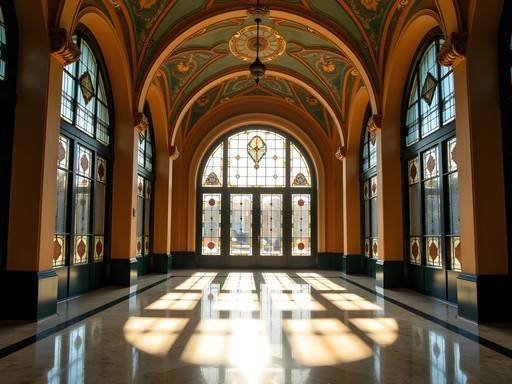
Detroit's architectural heritage speaks volumes about its storied past and hopeful future. The Guardian Building—often called Detroit's Cathedral of Finance—remains my favorite starting point for any photography excursion. Step inside to capture the indigenous American art deco interiors, with Aztec-inspired patterns and a ceiling that rivals European cathedrals. The morning light through the stained glass is particularly magical, creating pools of color across the marble floors.
Not far away, the Fisher Building stands as another art deco masterpiece. I recommend visiting during the golden hour when the setting sun transforms its limestone exterior into a canvas of warm amber. The intricate lobby ceiling deserves special attention—tilt your lens upward to capture the hand-painted details that most visitors miss.
For those interested in architectural photography, the tripod has been invaluable during my Detroit explorations. In these grand, often dimly lit interiors, it allows me to capture the architectural details with crisp clarity even in challenging light conditions.
Detroit's Michigan Central Station presents perhaps the city's most poignant visual story. Once abandoned, this Beaux-Arts masterpiece is undergoing a remarkable restoration by Ford. The contrast between decay and renewal creates compelling visual narratives. Visit at dusk when the building's silhouette stands dramatically against the twilight sky, and the interior renovation lights create a warm glow through the windows—a perfect metaphor for Detroit's renaissance.

💡 Pro Tips
- Visit the Guardian Building early on weekdays (before 9 AM) to photograph the lobby without crowds
- Bring a wide-angle lens to capture the grandeur of Detroit's architectural interiors
- Ask security guards about photography policies—most buildings allow non-commercial photography without flash
Detroit's Street Art Renaissance
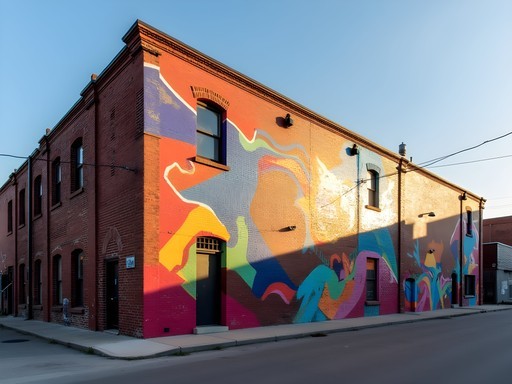
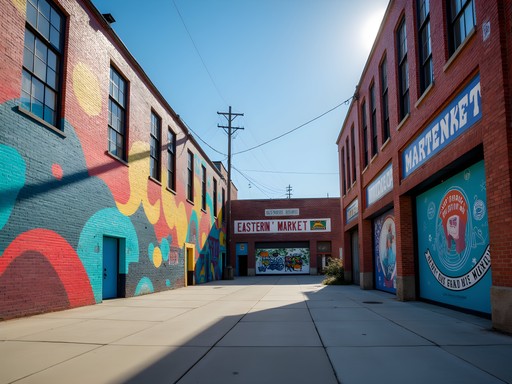
If Detroit's architecture tells the story of its past glory, its street art narrates its creative rebirth. The Eastern Market district transforms into an open-air gallery every weekend, where massive murals adorn warehouse walls and local artists display their work. I spent an entire morning wandering these blocks, my mirrorless camera capturing the intricate details of these massive works. This camera's dynamic range handles the contrast between bright spring skies and shadowed murals beautifully.
The most photographically rewarding experience came at the Lincoln Street Art Park, an ever-evolving outdoor sculpture garden built on a former industrial site. Here, discarded materials find new life as art installations—a perfect metaphor for Detroit itself. Visit during the golden hour when the setting sun casts long shadows across the sculptures, creating dramatic compositions.
The Heidelberg Project deserves special mention—this outdoor art installation spans an entire neighborhood, transforming abandoned houses into massive art pieces. It's controversial, thought-provoking, and utterly unique. Photographically speaking, it presents endless compositions as everyday objects become symbols of community resilience. I found myself drawing parallels to the coastal communities I've documented worldwide, where local materials often become expressions of cultural identity.
For street art photography, I recommend experimenting with both wide contextual shots and tight detail images that highlight the craftsmanship. The juxtaposition of vibrant murals against Detroit's industrial backdrop creates a visual tension that speaks volumes about the city's transformation.

💡 Pro Tips
- Visit Eastern Market on Saturdays when the area is most vibrant with vendors and visitors
- Respect the artwork and artists by asking permission before photographing artists at work
- Look for unexpected frames—doorways, windows, and architectural elements that frame street art
Waterfront Vistas: The Detroit River's Changing Light
As someone who has spent decades studying marine environments, I'm naturally drawn to Detroit's relationship with water. The Detroit Riverfront offers some of the city's most compelling photographic opportunities, particularly at the transitional moments of dawn and dusk.
The Detroit RiverWalk stretches for 5.5 miles, offering varied perspectives of both the American and Canadian shores. For photographers, the Hart Plaza area provides an excellent vantage point for capturing the Ambassador Bridge, especially as the sun sets behind it. The bridge's cables create leading lines that draw the viewer's eye across the international border—a powerful visual metaphor in today's world.
Belle Isle Park, designed by Frederick Law Olmsted (who also designed Central Park), sits like an emerald in the Detroit River. The island's Anna Scripps Whitcomb Conservatory houses a remarkable collection of tropical plants that remind me of the coastal environments I've documented worldwide. The glass dome creates fascinating light patterns throughout the day, with mid-morning offering the most magical illumination as sunbeams filter through the palms.
For water-adjacent photography in changeable spring weather, I always carry my weather-resistant camera bag. It's protected my gear through sudden spring showers while allowing quick access for those fleeting moments when light transforms the riverscape.
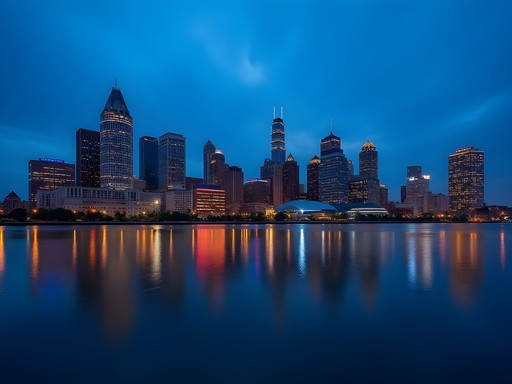
Don't miss the opportunity to photograph Detroit from the Windsor, Canada side if your schedule and documentation allow. This perspective captures the entire downtown skyline reflected in the river—particularly striking at blue hour when the city lights begin to twinkle against the deepening sky.

💡 Pro Tips
- Visit the riverfront during both sunrise and sunset to capture dramatically different moods and lighting
- Use a polarizing filter to manage reflections when photographing the city skyline across the water
- Include human elements—fishermen, joggers, families—to convey the riverfront's role in community life

Cultural Landmarks Through a Different Lens
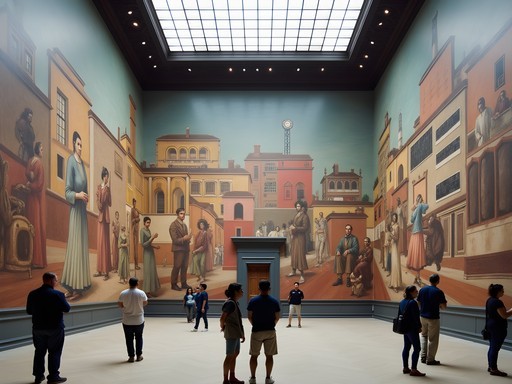
Detroit's cultural institutions offer rich photographic potential that extends far beyond typical tourist snapshots. The Detroit Institute of Arts houses one of America's most significant art collections, but it's the building itself that captivated my lens. The Rivera Court, where Diego Rivera's Detroit Industry murals cover the walls, presents fascinating photographic challenges. The interplay of visitors contemplating these massive works creates compelling human moments against Rivera's industrial tableaux.
The Motown Museum (Hitsville USA) may appear modest from outside, but photographically, it's about capturing the intimate details—the vintage recording equipment, handwritten notes, and the famous Studio A where so much musical history was made. Rather than trying to photograph entire rooms, I focused on evocative details that tell the larger story of Detroit's musical legacy.
Perhaps my most unexpected photographic discovery was the Guardian Building's lobby. While primarily architectural, the Native American-inspired patterns and colors throughout the space create abstract compositions that reminded me of the textile work I've documented in coastal communities worldwide.
For interior cultural photography where flash is prohibited, I've found my fast prime lens invaluable. Its wide aperture allows for handheld shooting in low light while creating a beautiful depth of field that separates subjects from busy backgrounds.
The most rewarding cultural photography often happens at the intersections—where history meets present day, where different communities converge, where tradition encounters innovation. In Detroit, these intersections are everywhere, making it a city where every frame tells multiple stories.

💡 Pro Tips
- Research opening hours for cultural institutions and plan visits during less crowded weekday hours
- Look for unique architectural details that tell the story of the building's purpose and history
- Seek permission for photography—many museums have specific policies but are accommodating to respectful photographers
Capturing Detroit's Rebirth: Urban Gardens and Green Spaces
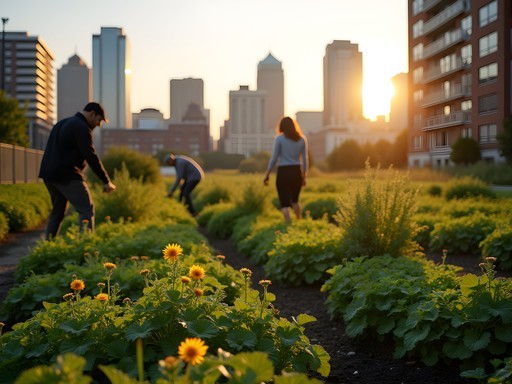
Perhaps the most surprising aspect of Detroit's renaissance is its urban agriculture movement. As someone who has documented environmental transformation worldwide, I find Detroit's community gardens particularly compelling subjects. These green oases, often created on formerly vacant lots, tell a powerful story of community resilience and ecological renewal—themes that resonate deeply with my work on coral reef conservation.
The Michigan Urban Farming Initiative in the North End neighborhood offers striking visual contrasts between lush greenery and urban infrastructure. Visit in early morning when dew still clings to vegetables and volunteers begin their daily work. These gardens are not just about food production; they're about community transformation, making them rich subjects for environmental storytelling.
Lafayette Greens in downtown Detroit presents another fascinating photographic study—a productive urban garden surrounded by skyscrapers. The juxtaposition creates compelling compositions, particularly when framed to show the dramatic scale differences between growing plants and towering architecture.
Detroit's Eastern Market comes alive on Saturday mornings when farmers and artisans gather to sell their produce and crafts. The vibrant displays of locally grown vegetables create wonderful color studies, while the diverse community of growers and shoppers offers endless opportunities for environmental portraiture.
For garden photography in changing spring light, I rely on my variable ND filter to manage exposure as clouds pass overhead. This allows me to maintain consistent exposures while capturing the dynamic interactions between people and these reclaimed green spaces.
These urban gardens remind me that resilience takes many forms—whether in coral reefs adapting to changing ocean conditions or communities transforming vacant land into productive green spaces. Both represent nature's remarkable capacity for renewal when given the opportunity.

💡 Pro Tips
- Visit gardens in early morning or late afternoon when the light is softest and most flattering for plant photography
- Include human elements to tell the complete story of these community-driven spaces
- Look for visual metaphors—new growth emerging from abandoned structures, for example—that tell Detroit's larger story
Final Thoughts
As I pack away my camera on my final evening in Detroit, I find myself reflecting on the parallels between this remarkable city and the marine ecosystems I've documented worldwide. Both demonstrate extraordinary resilience in the face of challenge; both reveal unexpected beauty when viewed through a compassionate lens. Detroit isn't merely recovering—it's reinventing itself through creativity, community action, and vision. For photographers seeking authentic American stories, Detroit offers something increasingly rare: a city in genuine transformation, where every frame captures both history and possibility. The Renaissance City has taught me that rebirth takes many forms, whether in coral reefs or urban landscapes. All it requires is time, care, and those willing to see beauty where others might miss it. I invite you to bring your camera and open mind to Detroit—and prepare to have your preconceptions transformed, one frame at a time.
✨ Key Takeaways
- Detroit offers extraordinary architectural photography opportunities that rival any American city
- Visit during spring when the light is dramatic and gardens are beginning to bloom
- The juxtaposition of historic architecture, street art, and urban renewal creates unique visual narratives
- Morning and evening golden hours provide the most flattering light for both cityscape and detail photography
📋 Practical Information
Best Time to Visit
April-June (spring)
Budget Estimate
$150-250/day including mid-range accommodations, transportation, and meals
Recommended Duration
2-3 days (weekend)
Difficulty Level
Intermediate


Comments
Jean Wells
Audrey, your observations about the Renaissance Center's reflective qualities align perfectly with my own experience photographing urban renewal projects across the Rust Belt. What strikes me most about Detroit is how the city's narrative of decline and rebirth creates such compelling visual contrasts. I spent three days there last summer and found that the golden hour along the riverfront provided exceptional opportunities for capturing that juxtaposition between historic architecture and modern development. Did you encounter any challenges with permissions when photographing the street art installations? I found some property owners quite protective of their murals.
travelbackpacker
Good point about permissions! I just asked people when I wasn't sure and everyone was cool about it
coolninja
Which street art spots are easiest to get to? Don't have a ton of time but really want to see some murals
Jean Wells
The Heidelberg Project is quite accessible and offers a concentrated experience. However, be aware that it's an outdoor installation in a residential area, so lighting conditions vary significantly throughout the day. I'd recommend mid-morning for optimal photography conditions.
travelbackpacker
Detroit really surprised me when I visited last fall! The Eastern Market area has some incredible murals that didn't make your list - definitely worth checking out on a Saturday morning. Parking was way easier than I expected too. The city gets a bad rap but honestly felt super safe in all the areas you mentioned. Did you make it to Belle Isle at all?
coolninja
Where did you park? I'm planning a trip and trying to figure out the logistics
travelbackpacker
Most of the downtown areas have cheap street parking or lots. I think I paid like $5 for the whole day near the riverfront. Way cheaper than Chicago lol
Taylor Moreau
Excellent guide, Audrey. I was in Detroit for a conference last autumn and managed to squeeze in some photography between meetings. The Guardian Building's interior is absolutely stunning - those Art Deco tiles photograph beautifully even with limited natural light. One practical tip: if you're serious about capturing the street art, consider getting a local guide. I worked with someone from the Detroit Experience Factory who knew all the best murals and their stories. Made the experience far richer than just wandering about with a camera.
winterexplorer
Planning a winter trip - is Detroit still photogenic in January/Feb or should I wait for spring? Also any lens recommendations for urban photography?
Taylor Moreau
Winter can be quite atmospheric actually. The snow against the industrial architecture creates striking contrasts. Just dress warmly - it gets properly cold. A 24-70mm is versatile for urban work.
globewanderer
Love the photos! Adding Detroit to my list
Casey Andersson
Audrey, your piece really captures the spirit of Detroit's transformation. I visited last year and stayed at the Shinola Hotel - the rooftop there offers incredible sunset shots over the city. What struck me most was how the city wears its history so openly. The contrast between the art deco buildings and the contemporary murals tells such a powerful story. I'm curious - did you explore any of the neighborhoods beyond downtown? I found Corktown particularly photogenic with its Victorian architecture.
skymate
Corktown is amazing! The Michigan Central Station is incredible even though it's still being renovated
skymate
Detroit is SO underrated!! The street art alone is worth the trip. I spent three days there last fall and could've stayed longer. Did you make it to the Heidelberg Project? That place is wild for photography!
freephotographer
what time of day did you shoot the riverfront? trying to figure out best lighting
Audrey Scott
Golden hour was absolutely perfect - around 6:30am in April. The light hits the Renaissance Center beautifully then!
freephotographer
awesome thanks! early mornings are rough but worth it lol
wildlover
I'm planning a photography trip to Detroit but only have one day. If you had to pick your top 3 must-photograph spots, what would they be?
Audrey Scott
With just one day, I'd focus on: 1) Guardian Building interior (morning light through those amazing windows), 2) Eastern Market for street art and local character (midday), and 3) Riverfront at sunset for those golden hour shots of the skyline. Bring a versatile lens that can handle both architecture and street photography!
citybackpacker
Solid recommendations. I'd add Belle Isle if you have extra time - great skyline views from there!
Venture X
Premium card with 2X miles, $300 travel credit, Priority Pass