


Disclosure: This article contains affiliate links. We may earn a commission from purchases at no extra cost to you, which helps our travel content.
There's something utterly magical about Colorado in autumn that speaks to both the scientist and artist in me. The transformation of Fort Collins—a place I recently visited while documenting textile traditions of indigenous Rocky Mountain communities—captivated my photographer's eye in ways I hadn't anticipated. Having spent decades capturing coral reefs in their kaleidoscopic glory, I found myself equally entranced by the golden light filtering through aspen groves and reflecting off the Cache la Poudre River. This college town, nestled against the foothills of the Rockies, offers a remarkable diversity of photographic opportunities that rival many of my coastal destinations. Whether you're wielding a professional setup or simply your smartphone, these ten locations will provide you with images that capture the essence of Colorado's particular beauty—a beauty that, like our precious coral ecosystems, deserves both celebration and protection.

Horsetooth Reservoir: Dawn's Golden Embrace
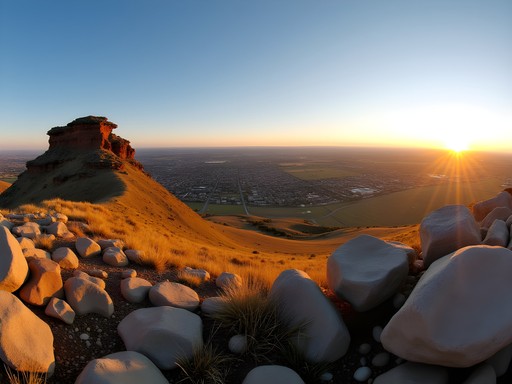
My first morning in Fort Collins, I rose before sunrise and drove the winding road to Horsetooth Reservoir, named for the distinctive rock formation that resembles a horse's tooth. As darkness gave way to first light, I found myself standing at Soldier Canyon Dam overlook, watching the water transform from obsidian to molten gold. The reservoir stretches like a sinuous blue ribbon among the foothills, offering countless compositional possibilities.
What struck me most was how the light here differs from my usual coastal environments. Rather than the soft, diffused glow that filters through ocean mist, Horsetooth's light has a crystalline quality—sharp and defined, casting dramatic shadows across the rocky landscape. The foothills, with their textured surfaces of rust and amber, create a natural frame for the water that changes by the minute as the sun climbs higher.
I spent nearly three hours moving between various lookout points, my carbon fiber tripod proving invaluable on the uneven terrain. The stability allowed me to capture long exposures as the morning breeze created gentle ripples across the water's surface, mirroring the golden-leaved trees that line certain coves.
The interplay between water, rock, and light here reminds me of the way sunlight penetrates the shallows of a healthy reef system—dynamic, ever-changing, and worthy of patient observation.

💡 Pro Tips
- Arrive at least 30 minutes before official sunrise for the best pre-dawn light
- The South Bay and Soldier Canyon areas offer the most dramatic sunrise compositions
- Bring a polarizing filter to manage reflections on the water's surface
Old Town Fort Collins: Victorian Elegance in Amber Light
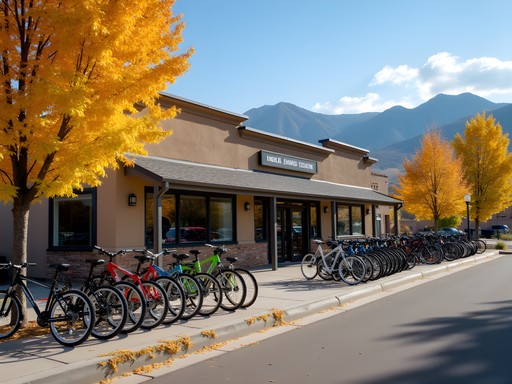
After years documenting the vibrant textiles of coastal communities, I found Old Town Fort Collins to be an unexpected treasure trove of visual storytelling. This historic district, with its well-preserved Victorian architecture, offers a photographer's playground of textures, colors, and historical details. What many don't realize is that this charming area served as partial inspiration for Disney's Main Street USA—and the photographic potential is equally magical.
I arrived in late afternoon when the sun's angle casts a honeyed glow across the red brick facades, bringing out the richness of their color and the intricate details of the cornices and window frames. The light here reminds me of the golden hour on Mediterranean shores, but with a distinctly American frontier character that speaks to the town's history as an army camp and agricultural hub.
Walking along Mountain Avenue, my versatile zoom lens allowed me to capture both wide architectural shots and intimate details of the decorative elements that make these buildings so distinctive. The ornate lampposts, wrought iron details, and colorful shop signs create layers of visual interest that work beautifully in both color and black and white compositions.
What fascinated me most was how the autumn light interacted with the various textures—stone, brick, wood, and glass—creating a tapestry of warm tones that reminded me of the intricate coral formations I've documented throughout my career. Nature and human creation share this beautiful complexity of form and color that rewards the observant photographer.

💡 Pro Tips
- Visit between 4-6pm in autumn for the warmest light on the brick buildings
- Look for reflections in the many shop windows for creative compositions
- The intersection of Mountain Avenue and Walnut Street offers the most iconic Old Town views
Cache la Poudre River Canyon: Nature's Fluid Masterpiece
As someone who has spent decades documenting the fluid beauty of coral reefs, I felt an immediate kinship with the Cache la Poudre River Canyon. This magnificent river—Colorado's only designated National Wild and Scenic River—carves its way through dramatic rock formations, creating a constantly shifting canvas of light, water, and stone that challenges and rewards the patient photographer.
I devoted an entire day to exploring the canyon, driving the scenic byway (Highway 14) and stopping at numerous pullouts to capture the river's changing character. The morning began with the river shrouded in mist, the water appearing almost turquoise in certain spots where the mineral content shifts the color palette—reminiscent of the varying blues I've documented in shallow reef systems throughout the Pacific.
What makes this location particularly special in autumn is the contrast between the golden aspens that line certain sections of the river and the deep emerald pines that remain steadfast throughout the seasons. This interplay of color creates a natural palette that seems almost too perfect to be real.
At Gateway Natural Area, where the North Fork joins the main river, I found myself mesmerized by the patterns formed as water flowed over and around the smooth river rocks. Using my neutral density filter allowed me to create long exposures that transformed the rushing water into silky ribbons while maintaining the sharp detail of the surrounding landscape.
The canyon's changing light throughout the day offers different moods and opportunities. By late afternoon, the western canyon walls glow with amber light while the eastern side falls into shadow, creating dramatic side-lighting that emphasizes the texture of the rock formations and the movement of the water.

💡 Pro Tips
- The light is most dramatic 2 hours after sunrise and 2 hours before sunset when it creates side-lighting on the canyon walls
- Gateway Natural Area and Picnic Rock offer the best accessible viewpoints for river photography
- A polarizing filter is essential for managing reflections and seeing beneath the water's surface

Lory State Park: Textured Landscapes and Wildlife Encounters
Lory State Park sits adjacent to Horsetooth Reservoir but offers an entirely different photographic experience. Here, the landscape unfolds in layers of texture—from the delicate grasses that wave like sea anemones in the breeze to the rugged hogbacks that rise dramatically from the foothills. For someone accustomed to documenting the intricate textures of coral formations, this landscape speaks a familiar visual language despite its terrestrial nature.
I arrived at Arthur's Rock trailhead just as morning light began to illuminate the eastern faces of the rock formations. The golden hour here has a particular clarity that I've rarely encountered in coastal environments—the dry mountain air allows light to travel with minimal diffusion, creating sharp edges and defined shadows that give photographs a remarkable dimensionality.
The Well Gulch Nature Trail proved especially rewarding for intimate landscape photography. The path winds through a riparian area where cottonwoods and willows create a canopy of autumn gold and amber. The dappled light filtering through these leaves reminded me of how sunlight penetrates the shallows of a healthy reef, creating patterns of light and shadow on the forest floor instead of coral sand.
What surprised me most was the wildlife photography opportunities. Using my telephoto zoom lens, I captured a mule deer doe and her fawn grazing in a meadow bathed in morning light. The warm tones of their coats against the golden grasses created a harmony of color that needed no enhancement.
From a textile perspective, I was fascinated by the natural patterns created by the various grasses and shrubs—the way they interweave and create textural contrasts reminded me of the handwoven fabrics I've documented in coastal communities around the world. Nature truly is the original textile artist, creating patterns of remarkable complexity and beauty.

💡 Pro Tips
- The East Valley Trail offers the best views of the hogback formations in morning light
- Visit after a light rain when the colors are most saturated and the air is exceptionally clear
- For wildlife photography, the meadows near the Homestead Trail are most productive in early morning
CSU Annual Flower Trial Garden: A Kaleidoscope of Color
After days of photographing grand landscapes, I found myself drawn to the more intimate setting of Colorado State University's Annual Flower Trial Garden. This meticulously maintained space offers photographers a controlled environment to practice macro photography and color studies—skills I've honed while documenting the minute details of coral polyps and reef-dwelling creatures.
The garden features over 1,000 different plant varieties arranged in carefully designed beds that create natural color progressions and textural contrasts. In autumn, the asters, chrysanthemums, and ornamental grasses reach their peak, creating a tapestry of purples, golds, and russets that echo the larger landscape beyond the garden walls.
I arrived early, just as the garden opened, to capture the flowers still adorned with dew. Using my macro lens, I documented the intricate architecture of blossoms and seed heads, finding remarkable parallels to the structures I've photographed on coral reefs—nature's mathematics expressed in different mediums but following similar patterns.
What makes this location special for photographers is the opportunity to isolate subjects against clean backgrounds. The garden's design provides numerous opportunities for creating compositions with foreground interest and bokeh backgrounds, particularly in the areas where taller grasses create natural screens behind flower beds.
The garden also attracts numerous pollinators, offering wildlife photography opportunities on a smaller scale. I spent nearly an hour tracking a pair of hummingbirds as they darted between salvias, their iridescent feathers catching the morning light in a display reminiscent of the flash of color one sees when certain fish species turn in tropical waters.
For those accustomed to photographing natural landscapes, this curated space provides a refreshing change of pace and a chance to focus on color theory and compositional techniques that can be applied to any photographic subject.

💡 Pro Tips
- Visit on overcast days for the most saturated colors and softest shadows
- Bring a small spray bottle to refresh dew drops if photographing later in the day
- The western section of the garden offers the best background separation for portrait-style flower photos
City Park and Sheldon Lake: Urban Nature in Perfect Balance
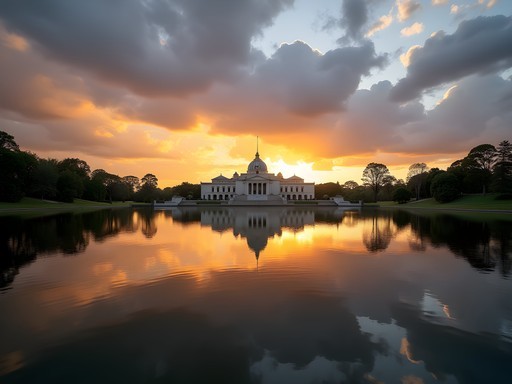
City Park offers a wonderful juxtaposition of natural elements and human design that creates numerous photographic opportunities within an easily accessible urban setting. Sheldon Lake, at the park's center, serves as both mirror and subject, reflecting the surrounding trees and distant mountains while hosting waterfowl that add life and movement to compositions.
I arrived at the park just before sunset on my second evening in Fort Collins, when the quality of light transformed this modest city park into a scene of remarkable beauty. The lake's surface, calm in the evening air, created perfect reflections of the golden-leaved trees lining its shores. The distant view of Horsetooth Rock provided a subtle backdrop that anchored my compositions in the larger landscape.
As a photographer accustomed to documenting the interaction between water and light in marine environments, I found myself applying similar principles here—watching how the changing angle of sunlight altered the appearance of the water's surface, from transparent to reflective as the sun descended.
The park's mature trees, some over a century old, create natural frames and leading lines that help structure photographs. In autumn, their foliage ranges from brilliant yellow to deep crimson, creating a color palette that rivals any coral garden I've documented. The contrast between these warm tones and the cool blue of the late afternoon sky creates a natural color harmony that requires little post-processing.
Beyond landscape opportunities, the park offers excellent bird photography. A small island in Sheldon Lake hosts a variety of waterfowl, and the evening light rimmed their forms with golden highlights against the darkening water. My binoculars helped me spot and track subjects before switching to my camera—a practice I've found invaluable whether searching for elusive reef dwellers or shy park wildlife.
What makes City Park particularly appealing is how it demonstrates that meaningful nature photography doesn't always require remote locations. Sometimes the most accessible places, when visited at the right time and with attentive eyes, offer images of equal impact to those found in wilderness settings.

💡 Pro Tips
- The northwestern shore of Sheldon Lake offers the best view of Horsetooth Rock in the distance
- Visit on weekday evenings for fewer people in your compositions
- The boathouse area provides interesting architectural elements to incorporate into landscape shots
Final Thoughts
As I pack my camera gear and prepare to leave Fort Collins, I'm struck by how this inland destination has expanded my photographic vocabulary. For someone who has spent decades documenting the world's coral ecosystems, this foothills community offered unexpected parallels—the interplay of light and texture, the mathematical patterns that nature repeats across different environments, the ephemeral quality of beauty that makes conservation so crucial. Whether you're capturing the grand vistas from Horsetooth Reservoir or the intimate details of autumn flowers at CSU's garden, Fort Collins rewards the observant photographer with images that speak to the interconnectedness of all natural systems. I encourage you to visit these locations with an open heart and patient eye, allowing yourself to be guided by the quality of light rather than a rigid itinerary. And remember that the best photographs often come when we slow down enough to truly see what's before us—a lesson as valuable beneath the ocean's surface as it is here among Colorado's golden aspens.
✨ Key Takeaways
- Fort Collins offers remarkably diverse photography opportunities within a small geographic area
- Early morning and late afternoon light create the most dramatic conditions for landscape photography
- The autumn color palette peaks in mid-October but varies year to year
- Many prime photo locations are accessible with minimal hiking, making this an ideal destination for photographers of all abilities
📋 Practical Information
Best Time to Visit
Mid-September to late October for peak autumn colors
Budget Estimate
$150-200 per day including accommodations and meals
Recommended Duration
3-4 days minimum to capture all locations in optimal light
Difficulty Level
Easy To Moderate - Most Locations Are Accessible With Minimal Hiking

Comments
journeyrider
Going there next month! Thanks for sharing
Fatima Sims
This is such a great guide, Audrey! I did a week-long hiking trip around Fort Collins two years ago and Lory State Park was absolutely the highlight. The wildlife encounters you mentioned—I had a golden eagle fly maybe 20 feet over my head on the Arthur's Rock trail. Nearly dropped my camera! One tip for anyone heading there: the trails can be deceptively challenging. I thought I was in decent shape but that altitude kicked my butt the first couple days. Bring way more water than you think you need and maybe grab some electrolyte tablets before you go. Game changer for altitude adjustment.
journeyrider
Good to know about the altitude! Coming from sea level so this is helpful
citychamp
That Cache la Poudre shot is incredible! The way you captured the water movement is amazing. What shutter speed did you use?
oceanzone
Really cool! Adding this to my Colorado road trip list
adventureguide
Planning a trip in October. Is Horsetooth Reservoir easy to access for sunrise? Do you need a 4x4 or is regular car fine? Also how crowded does it get on weekends?
oceanzone
regular car is totally fine! was there last summer and roads are paved. gets busy after 9am on saturdays tho
Robert Moreau
Audrey, this brought back memories! I stayed at The Elizabeth Hotel in Old Town last fall and spent mornings wandering those Victorian streets with my camera. The amber light you captured is exactly what drew me in. Horsetooth at dawn is spectacular—though I'll admit, as someone who usually chases tropical sunrises, the crisp mountain air at 5:30am was a shock to my Hawaiian system! Did you make it to any of the local breweries afterward? New Belgium's rooftop has surprisingly great golden hour light over the foothills.
citychamp
which brewery has the best views?
Robert Moreau
New Belgium's rooftop for sure! Odell's patio is nice too but more intimate.
winterlover
Love these shots! Never thought of Fort Collins as a photo destination
happyrider
Cache la Poudre Canyon is seriously underrated. I've done that drive probably a dozen times and it never gets old. If you're into wildlife photography, early morning is best - I've spotted elk, bighorn sheep, and tons of birds. The light in September/October is chef's kiss. Just watch out for cyclists on the road, it's a popular route.
Sophia Gomez
I love how you captured the textile patterns in the intro - that attention to detail really shows through in your composition choices! I spent three days in Fort Collins last year and your post is making me want to go back. The autumn colors at Horsetooth are no joke. One thing I'd add: bring layers! The temperature can swing 30 degrees between dawn and midday. My camera backpack was perfect for stashing extra gear and a jacket while hiking around Lory State Park.
freemood
These photos are gorgeous!! Adding Fort Collins to my list
Venture X
Premium card with 2X miles, $300 travel credit, Priority Pass