
Disclosure: This article contains affiliate links. We may earn a commission from purchases at no extra cost to you, which helps our travel content.
Right, I'll admit it—when I first told my mates back in Belfast I was heading to Gary, Indiana for a weekend photography trip, they looked at me like I'd lost the plot. But here's the thing: some of the most stunning industrial photography I've ever captured didn't come from abandoned factories in Detroit or decaying mills in Manchester. It came from Gary's forgotten steel empire, where rust and nature wage a beautiful, haunting battle. This isn't your typical travel destination, and that's exactly why it's brilliant.

Why Gary Deserves Your Attention (And Your Camera)
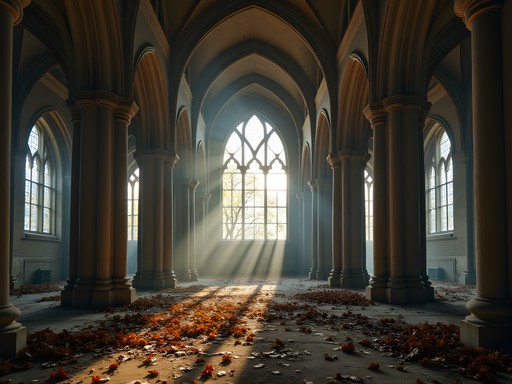
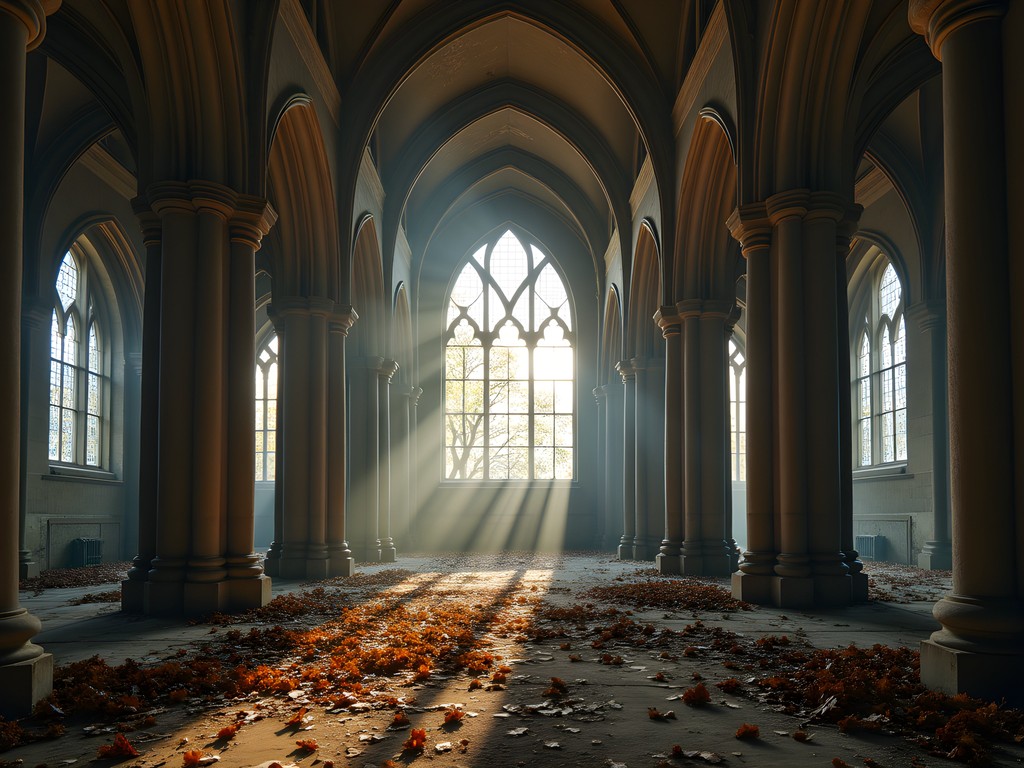
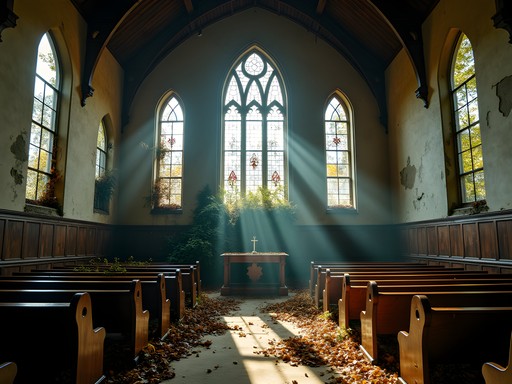
Look, I've shot everything from Himalayan peaks to Balinese rice terraces, but there's something uniquely captivating about Gary's industrial decay. The City Methodist Church alone is worth the trip—it's this massive Gothic Revival structure that's been slowly returning to nature since the 1970s. Trees grow through the sanctuary floor. Light pours through broken stained glass. It's simultaneously heartbreaking and gorgeous.
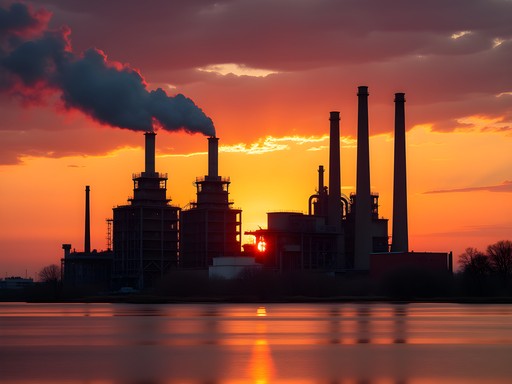
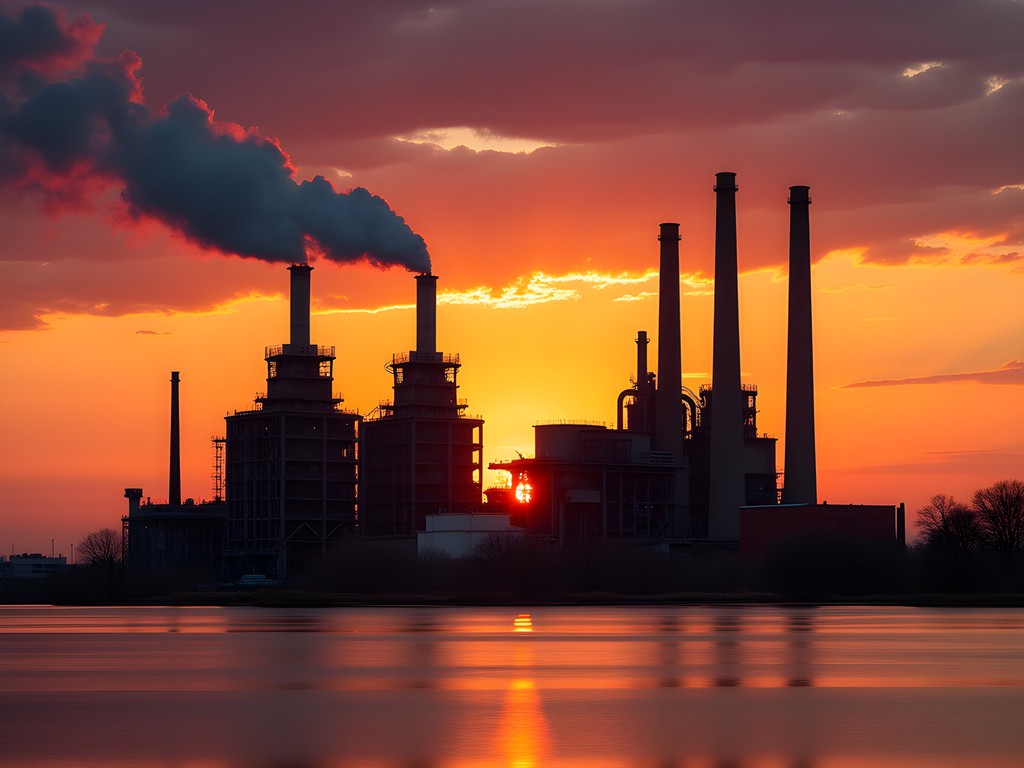
The steel mills along the lakeshore create these incredible silhouettes against Lake Michigan sunsets. And here's what most photographers miss: fall is absolutely the best time to visit. The rust-colored buildings blend with autumn foliage, creating this cohesive palette that's pure magic. Plus, the lower sun angle in October and November gives you that golden hour glow for longer stretches.
But let's be real—this isn't beginner territory. You need to know what you're doing, both photographically and safety-wise.
💡 Pro Tips
- Always shoot with a buddy—never explore abandoned structures alone
- Download offline maps before you go as cell service can be spotty
- Respect No Trespassing signs and seek proper permissions where possible
Essential Gear for Industrial Photography
Forget your standard travel kit—industrial photography demands specific gear. I learned this the hard way shooting abandoned textile mills in northern England. You need a sturdy flashlight for exploring dark interiors safely, and trust me, those cheap torches won't cut it when you're navigating debris-filled hallways.
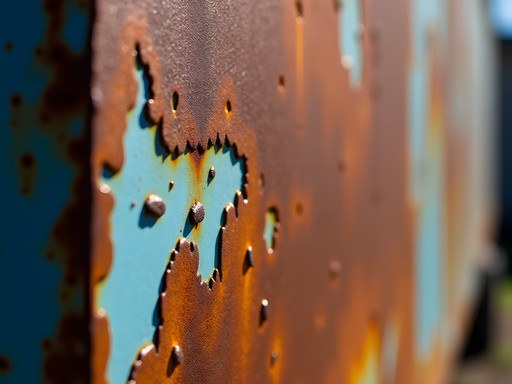
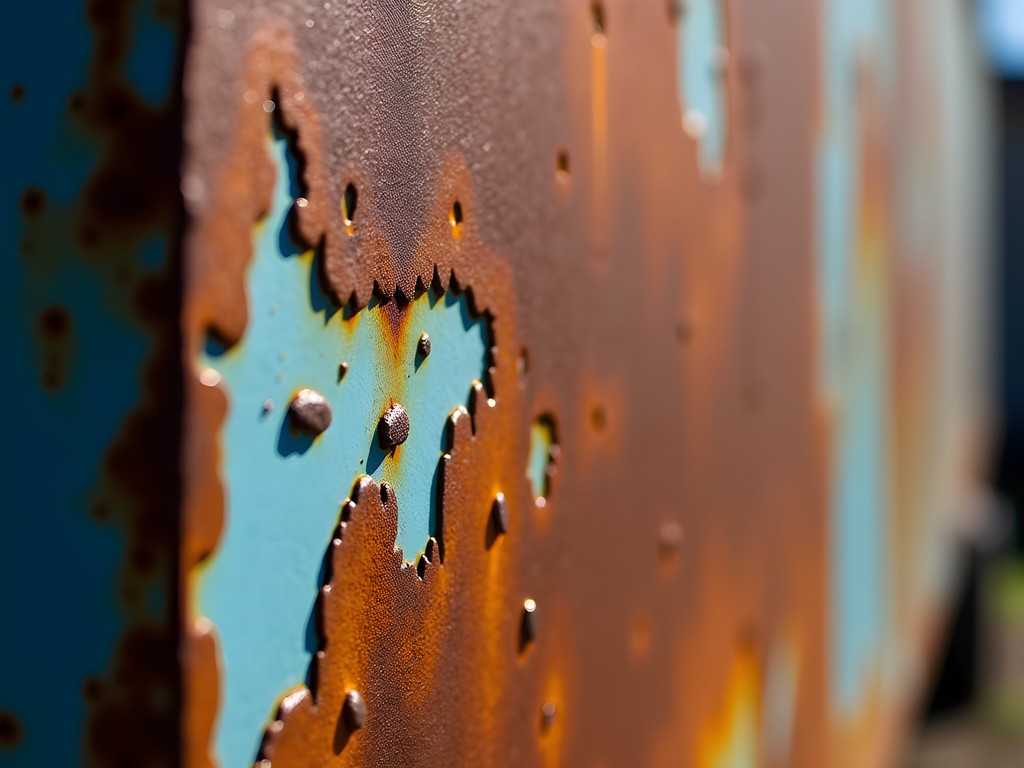
For capturing the incredible textures of rust and decay, I rely heavily on my wide-angle lens for those dramatic architectural shots, but I also pack a 50mm for detail work. The peeling paint, oxidized metal, and weathered concrete all tell stories when you get close. A lens cleaning kit is absolutely essential—industrial sites are dusty as hell, and you'll be changing lenses in less-than-ideal conditions.
Here's something I wish someone had told me earlier: bring a respirator mask rated for dust and particles. Some of these buildings contain asbestos, lead paint, and other nasties. It's not the sexiest accessory, but your lungs will thank you. I picked one up before my Gary trip after reading urban exploration forums, and it made exploring so much more comfortable.
💡 Pro Tips
- Pack extra memory cards—you'll shoot way more than you think
- Wear sturdy boots with ankle support for navigating uneven terrain
- Bring work gloves for moving debris or steadying yourself on rusty surfaces
The Best Shooting Locations (And How to Access Them)
City Methodist Church is the crown jewel, but accessing it requires joining an organized urban exploration tour. I went with a local group that had permission and liability insurance—this isn't the place to go rogue. The $30 tour fee is absolutely worth it for legal access and the historical context they provide.
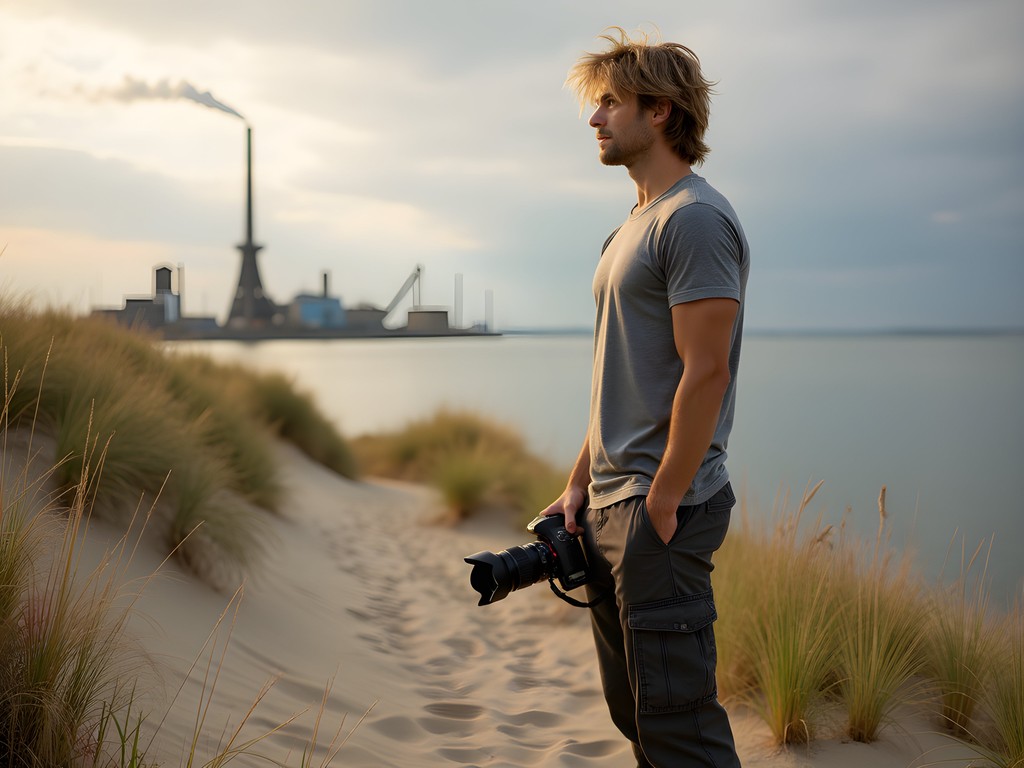
The Gary Bathing Beach area along Lake Michigan offers incredible juxtaposition shots—pristine Indiana Dunes National Park literally borders the industrial wasteland. You can legally shoot from the beach and capture those mill silhouettes without trespassing. Sunrise here is phenomenal, with the mills backlit against the eastern sky.
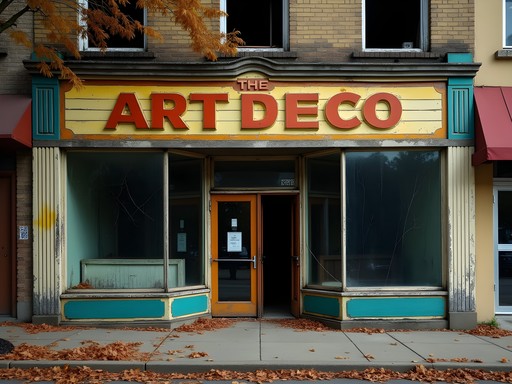
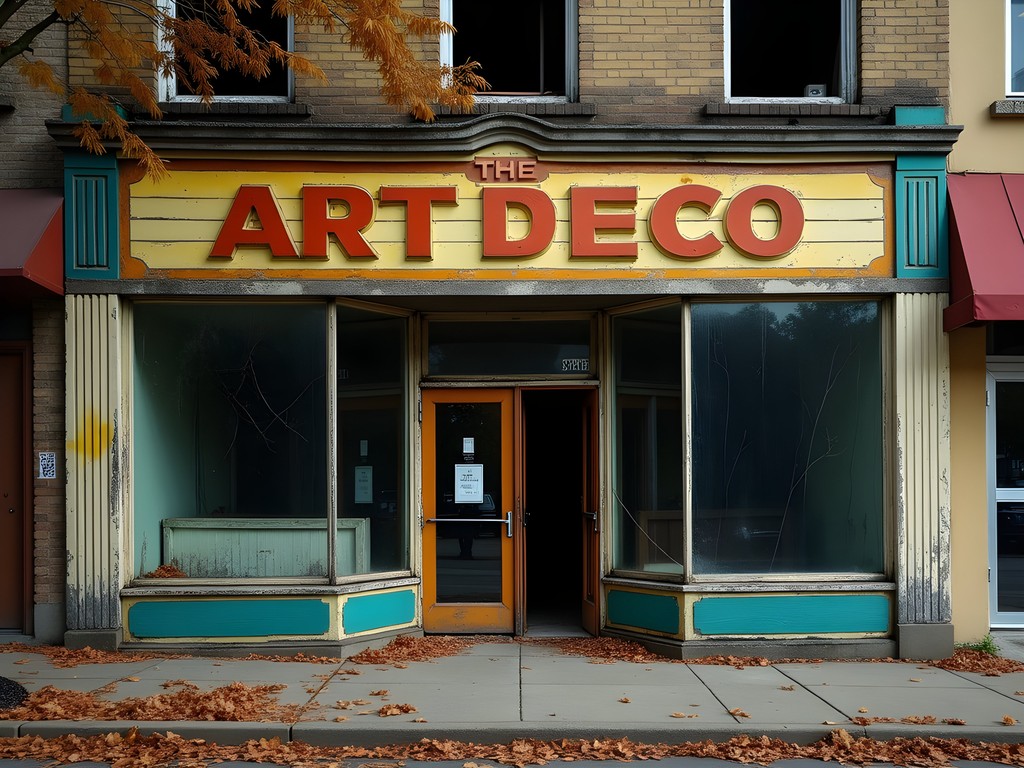
Union Station is another accessible spot that's partially open to the public. The Art Deco details are stunning, and the decay is less advanced here, giving you a different aesthetic. For exterior shots, drive down Broadway and Fifth Avenue—the abandoned storefronts and theaters create this eerie main street America vibe.
One insider tip: the viewing platform at the Paul H. Douglas Center for Environmental Education gives you elevated shots of both the dunes and the industrial landscape. It's completely legal, safe, and the interpretive center staff are actually quite helpful if you explain you're documenting the area's history.
💡 Pro Tips
- Scout locations during daylight even if you plan to shoot at golden hour
- Keep your car doors locked and valuables out of sight when parking
- Chat with locals at coffee shops—they know which areas are safe and which to avoid

Shooting Techniques for Industrial Decay
Industrial photography is all about finding beauty in decline, and that requires a different technical approach than your standard landscape work. I shoot in RAW exclusively here—the dynamic range in these spaces is insane. You've got bright light streaming through broken windows while the corners stay pitch black. Bracket your exposures or use your camera's HDR mode.
For interior shots, I've found that using a LED light panel gives me way more control than relying on flash. You can paint light across textures, illuminate specific architectural details, and create atmosphere without that harsh flash look. It's also brilliant for light painting if you're doing long exposures.
Composition-wise, look for leading lines—pipes, hallways, staircases all draw the eye beautifully. Frame decay against something still pristine to emphasize the passage of time. And don't ignore the small details: a rusted padlock, peeling wallpaper revealing layers underneath, plants forcing their way through concrete cracks. These tell the story as much as the wide architectural shots.
One technique I picked up from shooting ayurvedic centers in Kerala (weird connection, I know) is to slow down and really observe before shooting. In wellness photography, you're capturing tranquility. In industrial decay, you're capturing history and resilience. Both require patience and intentionality.
💡 Pro Tips
- Shoot in manual mode to maintain consistent exposure across your series
- Include human elements like graffiti or personal items left behind for emotional impact
- Experiment with black and white conversions—rust belt imagery often works beautifully in monochrome
Staying Safe and Respectful
Right, this is crucial: Gary has real challenges with crime and poverty. This isn't a theme park—it's a community dealing with decades of economic decline. Be respectful. Don't treat people's hardship as your aesthetic playground without acknowledging the human cost.
I always stay in nearby Valparaiso or Portage and drive in during daylight hours. Keep your photography gear in a nondescript bag, not a fancy camera backpack that screams 'expensive equipment here!' I use a regular daypack that doesn't draw attention.
If you're shooting exteriors from public streets, you're legally fine. But the moment you step onto private property, you're trespassing. Some buildings are structurally unsound—floors can collapse, ceilings can fall. I've seen photographers take stupid risks for a shot, and it's not worth it. The best images come from accessible locations shot with creativity, not from dangerous trespassing.
Also, consider contributing back. I donated to a local community center after my trip. These aren't just photographic subjects—they're people's homes and history. Approach this work with humility and respect, and your images will reflect that authenticity.
💡 Pro Tips
- Share your itinerary with someone back home and check in regularly
- Carry a basic first aid kit—tetanus shots should be current if you're exploring industrial sites
- Support local businesses during your visit—eat at local restaurants and shop locally
Final Thoughts
Gary isn't going to show up on anyone's top ten travel lists, and honestly, that's part of its appeal. This is advanced-level photography travel—it requires research, preparation, and a willingness to find beauty in unexpected places. But if you're up for it, you'll come away with images that tell a uniquely American story of boom, decline, and resilience.
The Rust Belt renaissance isn't about gentrification or glossing over hardship. It's about documenting this moment in history before these structures disappear entirely. Every photograph you take is a preservation act, a way of saying these places and the people who built them mattered.
So pack your gear, do your homework, and give Gary a chance. It might just change how you see beauty altogether. And when your mates ask why you'd spend a weekend in Indiana, you'll have the images to show them exactly why.
Now get out there and shoot something brilliant.
✨ Key Takeaways
- Gary offers unique industrial photography opportunities best captured in fall with proper preparation and safety measures
- Essential gear includes quality lighting equipment, protective gear like respirators, and sturdy footwear for navigating challenging environments
- Respect local communities and property rights while documenting these historically significant structures before they disappear
📋 Practical Information
Best Time to Visit
October-November for optimal fall lighting and comfortable temperatures
Budget Estimate
$200-300 (accommodation in nearby towns, fuel, tour fees, meals)
Recommended Duration
2-3 days for thorough exploration
Difficulty Level
Challenging

Comments
Adam Nichols
Really interesting perspective on Gary. I've been documenting post-industrial spaces across the American Midwest for a project and keep meaning to get there. Your point about the contrast between decay and resilience is spot-on - that's what makes these Rust Belt cities so compelling photographically. Quick question: did you coordinate with any local urban exploration groups or just scout independently? I've found that connecting with locals who know the history adds so much depth to the work, plus they know which structures are actually safe versus which ones are about to collapse.
Landon McDonald
Mostly scouted independently this time, but you're absolutely right - would've been better with local knowledge. There's a Gary historical society that was helpful via email. Are you on Instagram? Would love to see your Midwest work.
Adam Nichols
Yeah, @adam_nichols_photo - I'll shoot you a follow. The historical society angle is smart.
redway
What lens did you use for most of these shots? Just getting into photography and trying to figure out what to buy
Landon McDonald
I mostly used a 24-70mm for versatility - lets you get wide architectural shots and zoom in for details. If you're just starting out, a good standard zoom is way more useful than prime lenses for this kind of work.
dreamqueen
Okay but seriously how safe is it? I've heard some sketchy things about Gary and I'm interested but also a solo female photographer. Did you feel safe wandering around with expensive gear?
Landon McDonald
Fair question! I stuck to daylight hours and honestly didn't have any issues. Some areas are definitely more active than others - I'd recommend going with someone if possible, or at least letting people know where you're shooting. The locations I mentioned in the post are relatively accessible and I saw other photographers at a few spots.
dreamqueen
Thanks! That helps a lot
Venture X
Premium card with 2X miles, $300 travel credit, Priority Pass