

Disclosure: This article contains affiliate links. We may earn a commission from purchases at no extra cost to you, which helps our travel content.
Standing before the towering skeleton of Gary's Union Station, I couldn't help but feel like I'd entered an apocalyptic side quest in some open-world RPG. The autumn wind whispered through broken windows, carrying stories of a once-thriving industrial powerhouse now reclaimed by nature. Gary, Indiana isn't on most travelers' bucket lists—and that's precisely why it should be on yours. As someone who's trekked through abandoned mining towns in New Zealand and explored post-tsunami landscapes in Japan, I can confidently say: Gary offers one of America's most profound urban exploration experiences for those brave enough to venture beyond the conventional tourist trail.

Understanding Gary's Rise and Fall
Before diving into urban exploration, it's crucial to understand the context of what you're witnessing. Founded in 1906 by U.S. Steel, Gary was once a model industrial city and symbol of American manufacturing might. At its peak in the 1960s, the population exceeded 175,000. Today, it stands at roughly one-third of that number.
My journey into Gary's history began at the Indiana University Northwest campus, where I spent an afternoon in their archives. The librarian, noticing my interest, shared a rare out-of-print book documenting the city's architectural heritage. If you're serious about understanding the socioeconomic forces that shaped Gary, I'd recommend picking up a copy of City of the Century, which provides crucial context for what you'll witness.
Walking Gary's streets feels like navigating different difficulty levels—some areas are completely safe and actively revitalizing, while others require significant urban exploration experience and situational awareness. This isn't Disneyland; it's a real community with real challenges, deserving both caution and respect.
💡 Pro Tips
- Always research the current safety situation before visiting specific buildings
- Connect with local preservation groups for insider knowledge on significant sites
- Consider joining a guided tour for your first visit to get properly oriented
Essential Gear for Urban Exploration
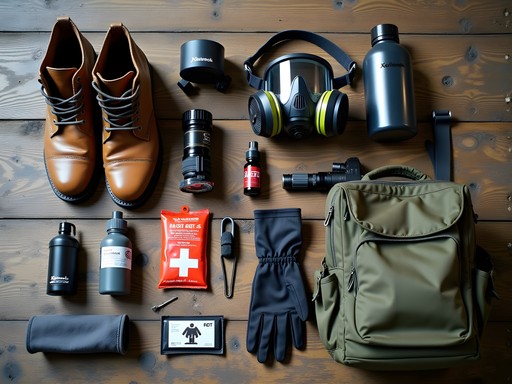
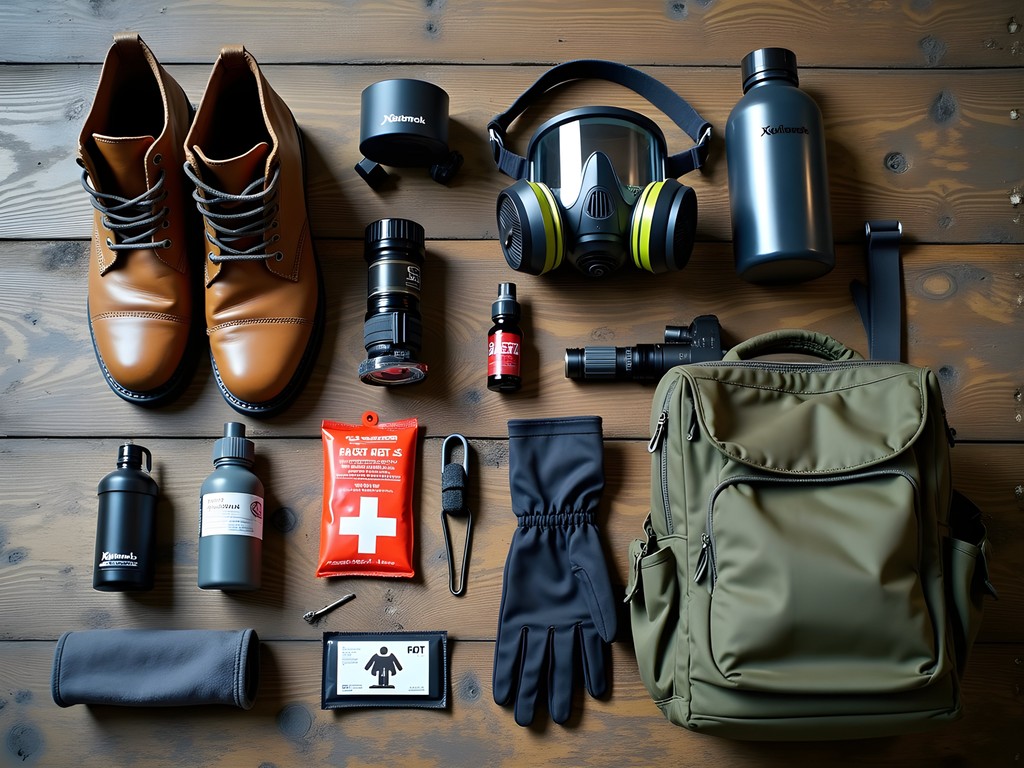
Gary's abandoned structures demand proper preparation—this isn't a typical tourist destination where you can wing it. My exploration kit has evolved over years of visiting post-industrial sites worldwide, and Gary tested every piece of gear I brought.
First and foremost: footwear. I cannot stress enough how important proper boots are when navigating debris-filled buildings. My tactical boots have saved my ankles countless times on uneven surfaces and protruding rebar.
Illumination is your next priority. The interiors of abandoned structures are often pitch black, with hazards hidden in every shadow. My headlamp keeps my hands free while providing crucial lighting for photography and safe navigation.
For air quality concerns in some buildings, I always carry a respirator mask with P100 filters. The steel production history means some sites may contain asbestos or other industrial particulates.
Lastly, don't underestimate the importance of hydration and energy. The water filter bottle has been invaluable—allowing me to refill from questionable sources when necessary during long exploration days.
💡 Pro Tips
- Wear long sleeves and pants regardless of weather to protect against scratches and tetanus hazards
- Bring a small first aid kit including antiseptic wipes and bandages
- Always tell someone your exploration itinerary and check in regularly
The Cathedral of Industry: Gary Works Steel Mill
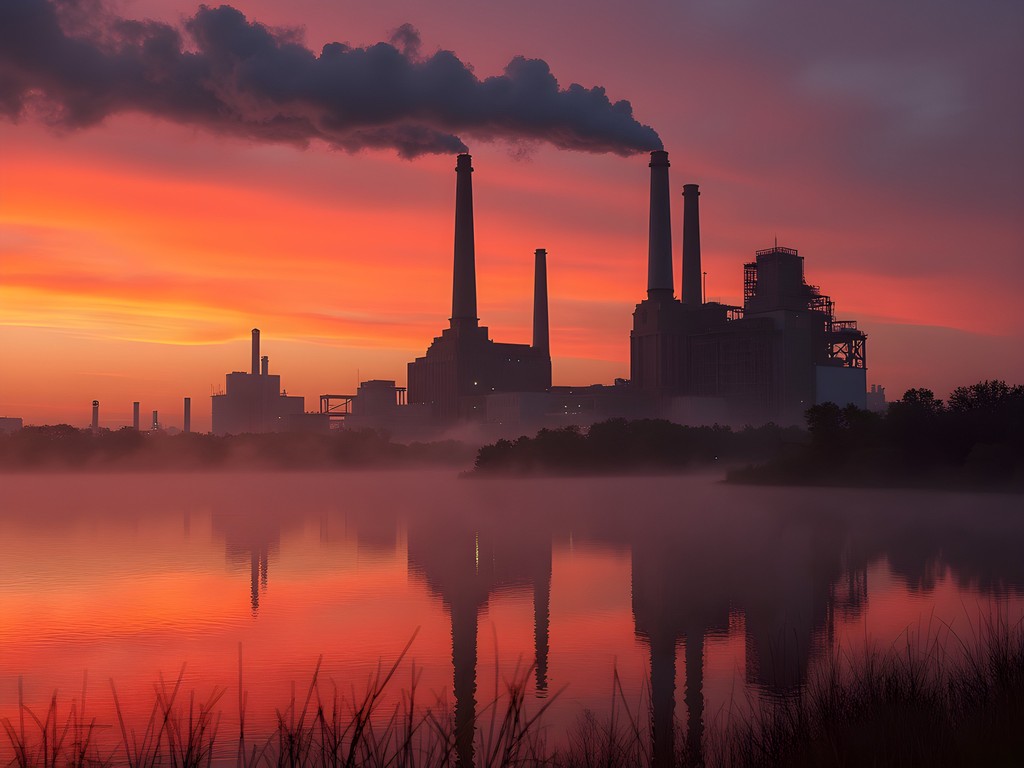
While you can't (and shouldn't) enter the still-partially-operational Gary Works facility, viewing this industrial behemoth from permitted vantage points is essential to understanding Gary's identity. I spent a misty fall morning photographing the mill from Marquette Park, where the juxtaposition of natural lakefront beauty against industrial might creates a visual dichotomy that defines the Rust Belt experience.
The mill once employed over 30,000 workers at its peak. Today, with automation and industry changes, that number has dwindled to under 4,000—yet it remains an impressive sight. The scale is difficult to comprehend until witnessed firsthand: nearly 4,000 acres of industrial landscape stretching along Lake Michigan's southern shore.
For the best photographic opportunities, I found the early morning light created dramatic silhouettes of the smokestacks against the dawn sky. My ND filter proved invaluable for capturing long exposures of steam billowing from operational sections of the plant.
The mill tour isn't available to the general public, but if you're a serious industrial heritage enthusiast, contacting U.S. Steel's public relations department months in advance occasionally yields results for documented research or educational projects.
💡 Pro Tips
- Marquette Park offers the best legal vantage points for photographing the mill
- Visit at dawn for dramatic lighting and atmospheric conditions
- Use a telephoto lens to capture details from safe, legal observation points

The Magnificent Ruins: City Methodist Church
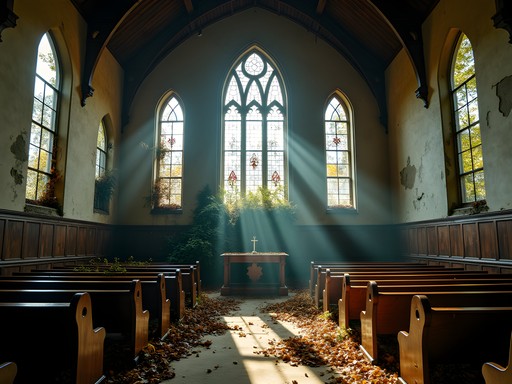
If Gary has a crown jewel of urban exploration, it's undoubtedly the City Methodist Church. This nine-story Gothic cathedral, built in 1926 at a cost of $1 million (over $15 million in today's currency), has been featured in numerous films including Transformers and A Nightmare on Elm Street.
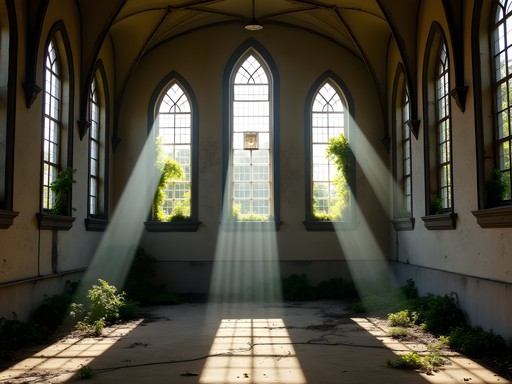
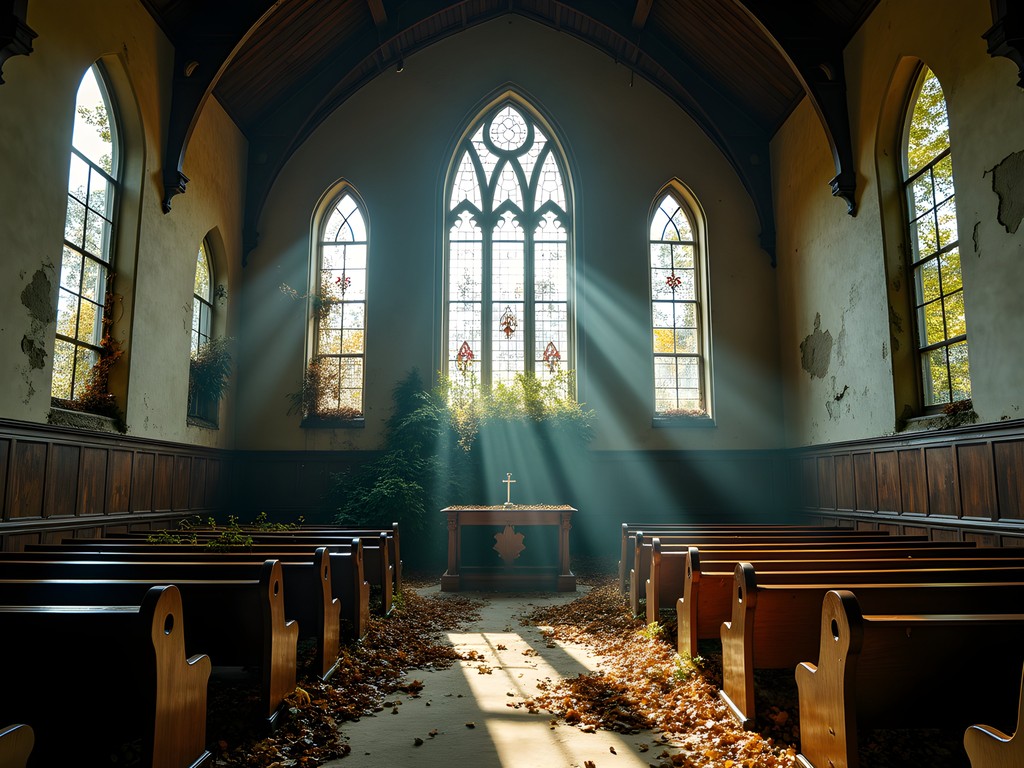
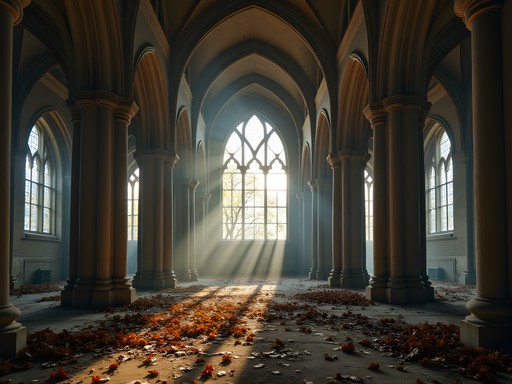
Despite its deterioration, the church's grandeur remains breathtaking. Massive stone arches frame what was once the sanctuary, while autumn sunlight streams through empty window frames where stained glass once filtered the light. Nature's reclamation process is well underway, with vines crawling up columns and small trees taking root in what was once the choir loft.
Important safety note: while this is Gary's most photographed ruin, it's technically trespassing to enter the structure. However, the city has been working on plans to transform it into an official ruins garden, recognizing its cultural significance. Check current status before visiting, as access regulations change.
For photography here, I relied heavily on my carbon fiber tripod to capture the low-light interior while maintaining image sharpness. The church's interior light is magical in fall afternoons when sunbeams cut through the dust and illuminate the architectural details.
I spent three hours exploring every accessible corner, documenting the delicate balance between decay and beauty, destruction and resilience. It felt like walking through a real-world version of a post-apocalyptic video game level—except here, the stories were real and the consequences of industrial decline tangible.

💡 Pro Tips
- Check current legal status before attempting to visit—the site occasionally hosts official tours
- Never remove anything from the site—practice true 'leave no trace' urban exploration
- The best lighting occurs between 2-4pm in autumn when sunbeams penetrate the western windows
Responsible Urban Exploration and Community Impact
As a sustainability professional, I can't write about urban exploration without addressing the ethics involved. Gary isn't merely a playground for ruin photographers—it's a community of nearly 70,000 people working to revitalize their hometown against significant odds.
During my weekend exploration, I made a point to patronize local businesses like J's Breakfast Club, where I had enlightening conversations with residents about their perspectives on urban explorers. Many expressed appreciation for interest in their city's heritage but frustration with visitors who treat Gary as merely a post-apocalyptic photo backdrop.
To explore responsibly, I recommend connecting with local preservation organizations like the Gary Redevelopment Commission or the Gary Preservation Tour group, which occasionally offers guided experiences of select sites. These organizations are working to transform Gary's industrial heritage into a sustainable tourism asset that benefits the community.
For tracking my routes and documenting locations responsibly, I used the offline mapping tool, which allowed me to mark safe paths and hazardous areas without requiring cell service. When sharing my experiences online, I'm careful about geotagging sensitive locations to prevent overrun by unprepared visitors.
Before leaving, I participated in a community cleanup event organized by the Gary Chamber of Commerce—a small way to give back to a city that offered such a profound exploration experience. If you visit, I encourage allocating time to contribute positively beyond just taking photographs.
💡 Pro Tips
- Support local businesses during your visit—Gary's economy benefits from ethical tourism
- Consider donating to local preservation efforts working to save historically significant structures
- Connect with community organizations for volunteer opportunities during your visit
Final Thoughts
As I drove away from Gary after my weekend exploration, the rearview mirror framed the steel mill smokestacks against the setting sun—a powerful reminder of both America's industrial might and the complex challenges of post-industrial transition. Gary isn't a destination for travelers seeking comfort or conventional beauty. It's a place that demands reflection, respect, and a willingness to see beyond decay to the resilient community and profound history beneath.
For the right explorer—one who approaches with knowledge, preparation, and ethical awareness—Gary offers an unparalleled window into American industrial heritage. Like navigating a difficult campaign in a role-playing game, the challenges come with commensurate rewards: unique photographs, powerful stories, and a deeper understanding of the economic forces that continue to reshape our communities.
If you decide to undertake this urban exploration quest, remember that the true achievement isn't in capturing the most dramatic ruin photograph, but in connecting meaningfully with the place and its people. Gary's renaissance may look different from its industrial heyday, but in the community gardens sprouting in vacant lots and art spaces emerging in abandoned storefronts, a new kind of growth is taking root—one that deserves our attention as much as its magnificent ruins.
✨ Key Takeaways
- Gary offers profound urban exploration opportunities but requires serious preparation and respect for safety
- Understanding the historical context enhances the exploration experience and promotes respectful engagement
- Supporting local businesses and community initiatives creates sustainable tourism that benefits Gary's residents
- The juxtaposition of industrial decay and natural reclamation provides unique photographic opportunities
- Gary's story represents broader patterns of post-industrial America worthy of thoughtful engagement
📋 Practical Information
Best Time to Visit
Fall (September-November) for dramatic lighting and comfortable temperatures
Budget Estimate
$200-300 for a weekend (accommodations in nearby communities, local meals, transportation)
Recommended Duration
2-3 days minimum to explore responsibly
Difficulty Level
Challenging - Requires Urban Exploration Experience, Safety Awareness, And Cultural Sensitivity


Comments
Jean Wells
Your post captures the melancholic beauty of post-industrial America perfectly. I've been documenting similar sites across Japan's former industrial centers, and the parallels are striking. The economic forces that built and then abandoned these spaces follow similar patterns globally. I found your section on Gary's rise and fall particularly insightful. These spaces deserve documentation before they're gone - they tell an important story about 20th century capitalism and community. Did you connect with any local historians or longtime residents during your visit? Their perspectives often add crucial context to the visual narrative of decay.
Lionel Khan
Thank you for the thoughtful comment, Jean. I did speak with a former steel worker who now runs a small museum about the city's industrial past. His stories added so much depth to what I was seeing. I'd love to hear more about the Japanese sites you've documented - sounds like a fascinating comparison.
sunsethero
Going next month! Is it safe to walk around during the day or should I stick to driving only?
wildking
curious about this too tbh
Sarah Powell
Really appreciate the detailed safety tips, Lionel. I've been planning a solo Rust Belt tour and Gary was on my maybe list. Your point about not entering structurally unsound buildings is crucial—I learned that the hard way in an abandoned factory in Youngstown (nothing serious, but a close call with some sketchy flooring). Did you connect with any local historians or guides? I find that adds so much context to these industrial sites. Also curious about your camera setup for those interior shots at City Methodist—the light capture is impressive given how dark those spaces must be.
sunsethero
Not OP but I always bring a good headlamp for these kinds of spots. Makes a huge difference!
Sarah Powell
Good call! I've been using my headlamp for urban exploration and it's been perfect for keeping hands free.
wildking
This is so cool!! Never thought about Gary as a destination
Sarah Powell
Right? The industrial Midwest has so much hidden potential. I did a similar trip through Detroit and Cleveland last year and was blown away.
Gregory Boyd
Brilliant post, Lionel! Gary is such an underappreciated destination for those interested in industrial archaeology. I spent three days there last autumn documenting the transition of these spaces. Your gear recommendations are spot-on - I'd add that a good dust mask is essential, especially in buildings with deteriorating materials. I used my respirator mask which was a lifesaver in some of those asbestos-filled structures. The contrast between Gary Works' operational sections and the abandoned areas tells such a powerful story about American manufacturing. Did you manage to connect with any local historians during your visit? There's an excellent community archive project happening there.
RustBeltRambler
I grew up near Gary and it's nice seeing someone appreciate its history rather than just doing ruin porn. The steel heritage runs deep here.
Gregory Boyd
Absolutely agree! There's so much more to these places than just decay. Each building tells a story of American industrial might and the communities that formed around it. Would love to hear more about your experiences growing up there.
UrbanTrekker42
Planning to visit Gary next month. How safe did you feel exploring these sites? Any areas to avoid?
springgal
I'd like to know this too! Always concerned about safety when exploring abandoned places.
PhotoJourney
Not the author, but I explored Gary last year. Go during daylight, bring a buddy, and let someone know your plans. The Methodist Church area felt relatively safe during the day. Some buildings have security though, so research before entering.
MidwestExplorer
That shot of the sunset behind the smokestacks is absolutely stunning! What camera setup are you using?
springgal
Wow, those photos of City Methodist Church are hauntingly beautiful! I've always been fascinated by abandoned places but never brave enough to explore them myself.
Gregory Boyd
The Methodist Church is truly a photographer's dream. I visited last year and the light streaming through those broken windows creates the most ethereal atmosphere. Just be careful with your footing if you go - lots of debris!
springgal
Thanks for the tip! Did you need any special permission to enter these buildings?
Gregory Boyd
Some buildings are technically off-limits, but City Methodist often has photography permits available. Worth checking the latest situation before going. Safety first!
Savannah Torres
This post resonates so much with me! I took my teenagers to explore some of Pittsburgh's industrial heritage sites last summer, and they were surprisingly engaged - something about the scale and decay captured their imagination more than any museum. We're planning a Rust Belt road trip for next fall hitting Gary, Detroit, and Cleveland. Your gear recommendations are spot-on. I'd add that bringing a portable charger is essential since you're often in areas without easy access to outlets and you'll be taking tons of photos. The stories these places tell about American labor, immigration, and economic change are so important for kids to understand.
roamgal
Love the RPG reference lol, totally get that vibe
Venture X
Premium card with 2X miles, $300 travel credit, Priority Pass