

Disclosure: This article contains affiliate links. We may earn a commission from purchases at no extra cost to you, which helps our travel content.
Returning to the Midwest always stirs a curious blend of nostalgia and discovery in me. While my lens typically captures the vibrant coral gardens of distant shores, there's something profoundly moving about revisiting America's heartland with fresh eyes. Plymouth, Minnesota—a place I'd barely given a passing thought during my academic years—revealed itself as an unexpected canvas of photographic possibilities during a recent summer weekend. The interplay of water, light, and community here reminded me that beauty doesn't always require a passport—sometimes it's quietly waiting in places we've overlooked all along.

Medicine Lake: Where Light Dances at Golden Hour
Medicine Lake has become my unexpected muse in Plymouth. As a marine biologist who has photographed coral reefs across seven seas, I found myself surprisingly moved by this inland body of water that transforms dramatically with the shifting light.
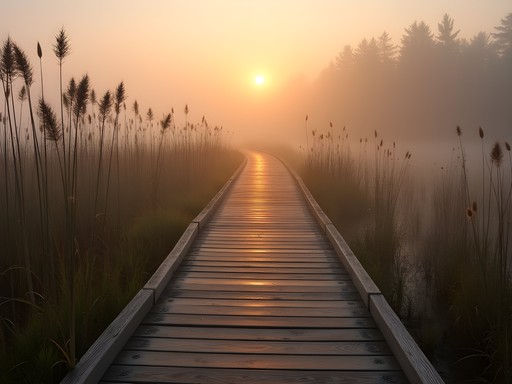
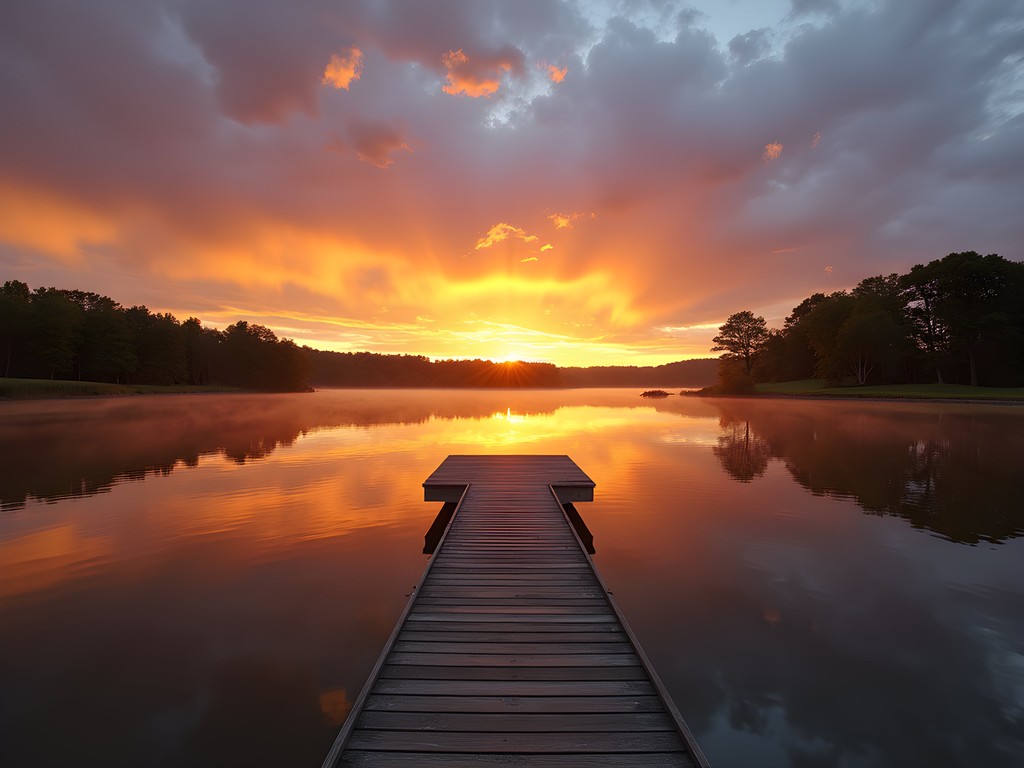
At dawn, arrive at French Regional Park's shoreline where the mist hovers just above the water's surface, creating ethereal conditions for photography. The boardwalk extending into the lake provides an excellent composition element—a human-made structure that leads the eye into nature's canvas.
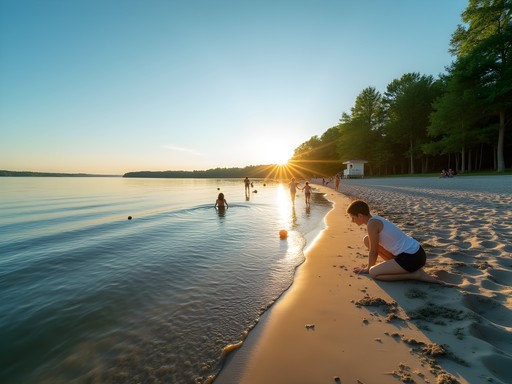
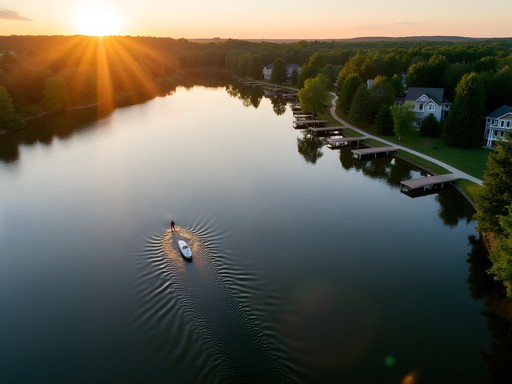
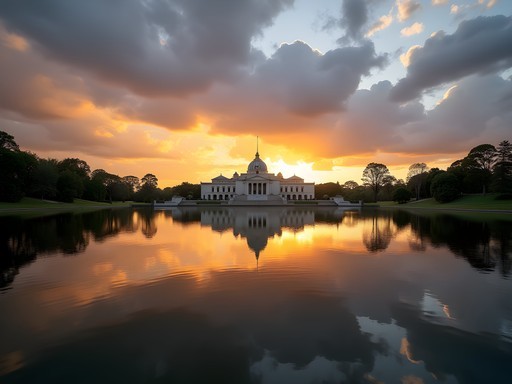
But it's the golden hour that truly captivates me here. Position yourself along the western shore around 7:30-8:30 pm in summer, and watch as the setting sun ignites the water with copper and gold reflections. I've found that using my polarizing filter makes all the difference in controlling glare while enhancing the richness of colors. The filter's ability to cut through surface reflection allows you to capture both the sky's drama and its perfect mirror image on the lake's surface.
💡 Pro Tips
- Visit on weekdays for fewer people in your shots
- Bring a lightweight folding stool to set up comfortably at different angles along the shore
- Use the Photographer's Ephemeris app to plan exact sunset positions
Clifton E. French Regional Park: Textural Paradise
My fascination with textiles and patterns finds unexpected satisfaction at French Regional Park. Here, the juxtaposition of carefully manicured spaces against wild prairie grasses creates a photographer's playground of textures and contrasts.
In early morning light, the dew-kissed prairie grasses along the park's northern trails become illuminated like nature's fiber art installation. The backlit seedheads create a luminous effect that's particularly stunning when photographed with a shallow depth of field. I often use my macro extension tubes to get intimately close to these delicate structures without investing in a dedicated macro lens.
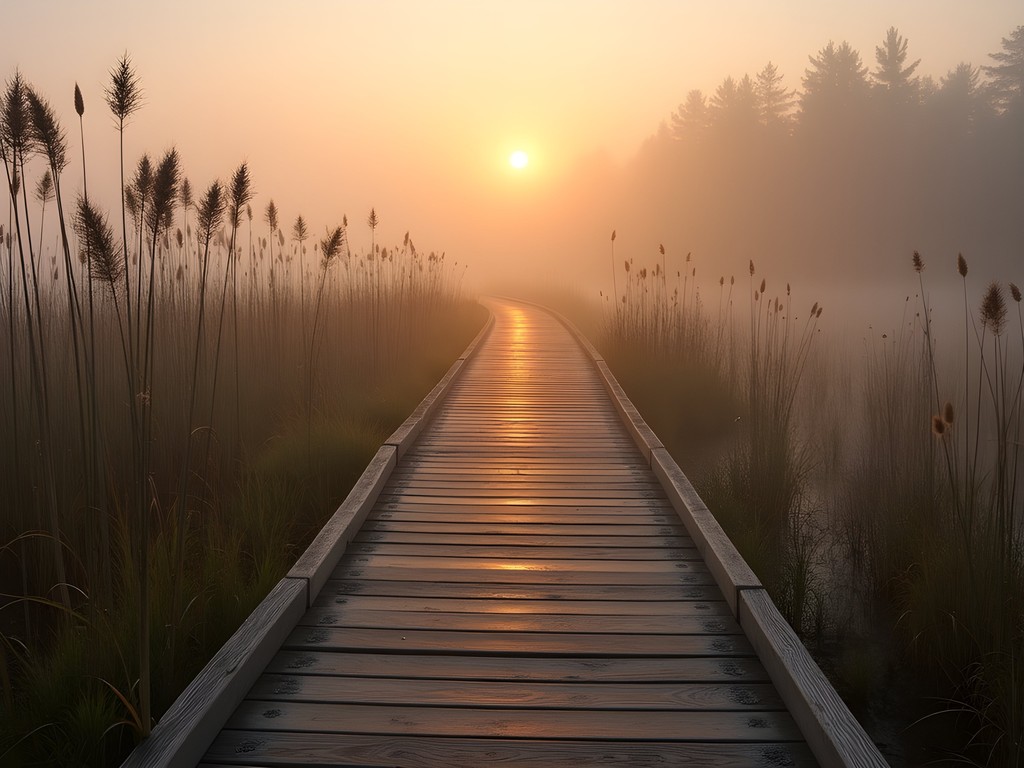
The park's elevated wooden boardwalks cutting through wetland areas offer another compelling visual narrative—the geometric precision of human design against the organic chaos of nature. This intersection of order and wilderness feels particularly poignant in summer when wildflowers punctuate the landscape with bursts of color. For stable shooting on the sometimes vibrating boardwalks, I've found my camera bean bag more practical than a traditional tripod, allowing me to balance my camera on railings while absorbing unwanted movement.
💡 Pro Tips
- Photograph prairie grasses in side-lighting to emphasize their texture
- Use a small aperture (f/16) to capture sunstars through trees along trails
- Visit after summer rain when droplets cling to spider webs between grasses
Historic Wayzata Depot: Where Time Stands Still
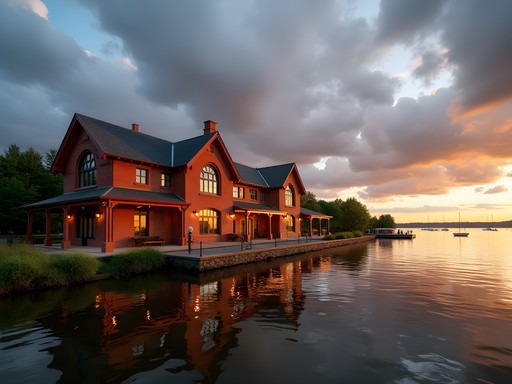
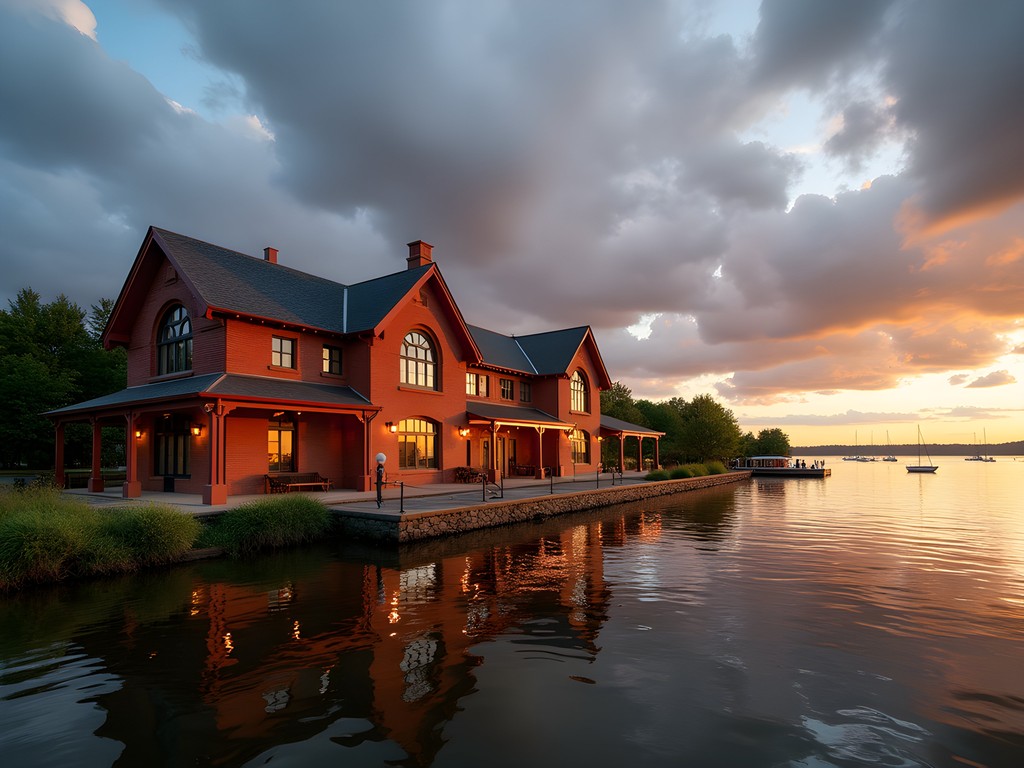
Just a short drive from Plymouth proper lies the historic Wayzata Depot, a structure that speaks to my love of documenting cultural heritage through visual storytelling. This restored 1906 train station on Lake Minnetonka's shores offers a perfect blend of architectural elegance and natural beauty.
The depot's weathered brick exterior presents a stunning color palette, particularly in late afternoon when the low-angled sunlight warms the red tones and creates dramatic shadows across its façade. The contrast of the building's straight lines against the organic curves of the shoreline creates a composition that feels both grounded in history and timeless.
I've found that including human elements—like the occasional passing sailboat or visitors sitting on the nearby benches—adds a sense of scale and contemporary connection to these historical photographs. For capturing the full dynamic range of bright skies against the shadowed building details, I rely on my remote shutter release to create perfectly aligned exposure brackets for HDR processing later.
💡 Pro Tips
- Position yourself across the small bay for a composition that includes both depot and water
- Use leading lines of the old railroad tracks to draw viewers into your image
- Visit on Thursday evenings in summer when classic cars gather nearby for additional photographic opportunities

Parker's Lake: Intimate Nature in Urban Setting
Parker's Lake offers what I treasure most as a photographer—intimate natural moments nestled within an accessible urban setting. This modest body of water lacks the grandeur of Medicine Lake but compensates with charming vignettes that reward patient observation.
The fishing pier on the lake's eastern shore has become my favorite morning perch. From this vantage point, the interplay of light through overhanging trees creates dappled patterns on the water that shift with each passing breeze. These ephemeral light paintings remind me of the way sunlight filters through clear waters onto coral formations—a surprising parallel between Midwestern lakes and tropical reefs.
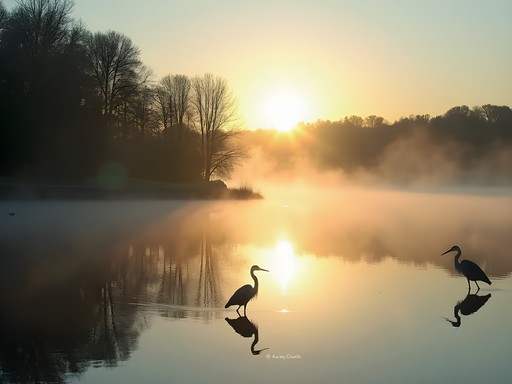
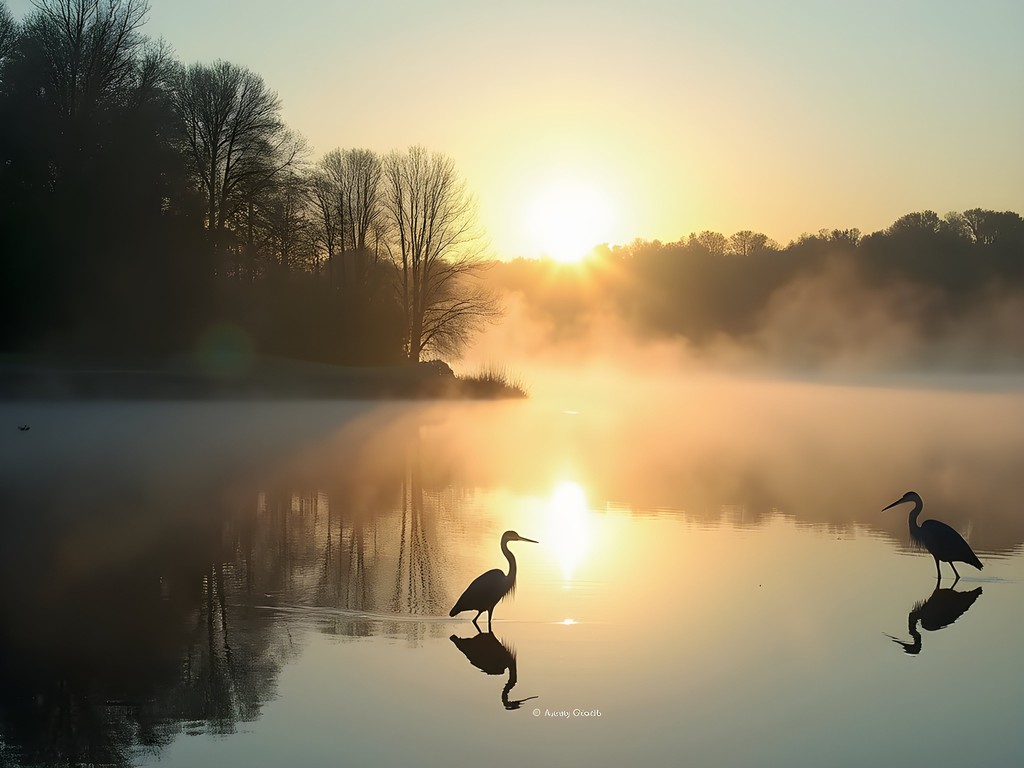
Wildlife photography opportunities abound here for those willing to sit quietly. Great blue herons stalk the shallows, occasionally striking with lightning precision at unseen prey. To capture these fleeting moments, I've found my lens rain cover invaluable for protecting equipment while allowing me to shoot from the water's edge in variable weather conditions. The cover's transparent design means I never miss a shot while fumbling with equipment protection.
In late afternoon, the playground area fills with families, offering candid human moments against nature's backdrop—a photographic study in community and connection that balances my typically nature-focused portfolio.
💡 Pro Tips
- Bring a longer lens (70-300mm range) for wildlife opportunities
- Use a graduated ND filter when shooting across the lake toward the setting sun
- Look for reflected colors in calm waters after rainfall
Millennium Garden: Macro Photography Heaven
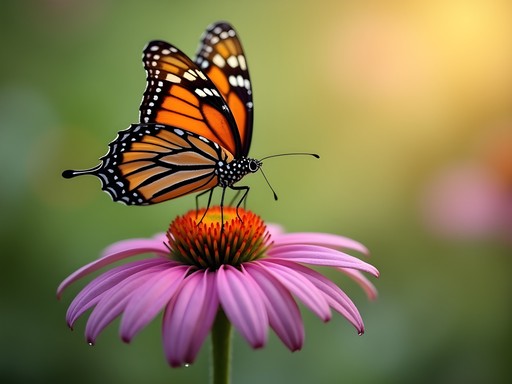
Hidden within Plymouth Creek Park, the Millennium Garden presents a microcosm of color and texture that particularly appeals to my background in biological documentation. As someone who has spent decades photographing the intricate structures of coral polyps, I find similar joy in capturing the delicate architecture of Minnesota's native flowers and pollinators.
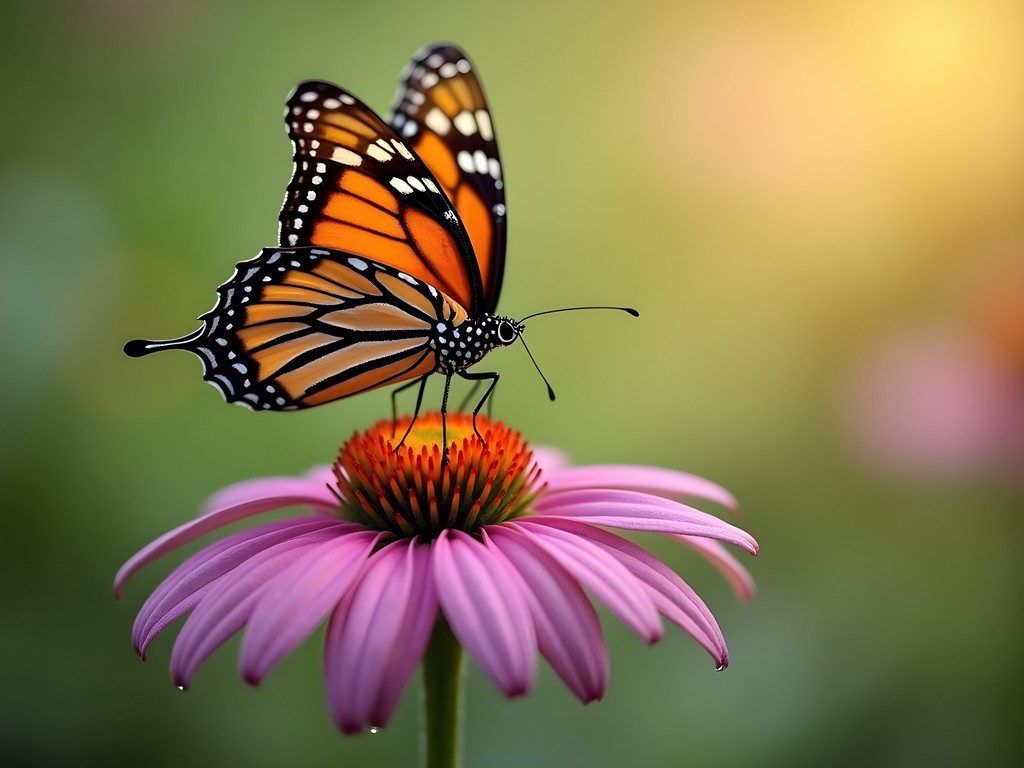
Visit in July when the garden reaches peak bloom, creating a tapestry of purple coneflowers, black-eyed Susans, and prairie grasses. The morning hours between 7-9am offer the gentlest light and calmest air—essential conditions for macro photography where even the slightest breeze can blur your subject.
I've discovered that bringing my collapsible reflector allows me to direct soft fill light onto shadowed areas of flowers, revealing intricate details while maintaining the natural feel of the image. The gold side of the reflector adds a particularly flattering warmth to morning photographs of amber and yellow blooms.
Don't overlook the garden's stone pathways and decorative elements, which provide compelling compositional structures to frame your natural subjects. The contrast of weathered stone against vibrant petals tells a story of permanence and transience that resonates deeply with my environmental preservation values.
💡 Pro Tips
- Get low to the ground for dramatic perspectives of flowers against the sky
- Focus on the interaction between pollinators and plants for dynamic storytelling images
- Use a small water sprayer to add dewdrop effects to petals in dry conditions
Final Thoughts
As I packed away my camera gear on my final evening in Plymouth, I found myself reflecting on how this modest Midwestern suburb had unexpectedly enriched my photographic portfolio. Perhaps it's my years documenting endangered coral ecosystems that has heightened my appreciation for finding beauty in overlooked places—recognizing that every landscape holds stories worth preserving through our lenses.
Plymouth's charm lies not in spectacular vistas but in intimate moments: the way morning light filters through prairie grass, how history lives on in weathered brick, the perfect reflection of clouds in still waters. These quiet scenes offer something increasingly rare in our digital age—the opportunity to slow down and truly see.
I encourage you to visit these spots with an open heart and patient eye. Let the landscape reveal itself gradually. And remember that the most compelling images often emerge when we bring our unique perspectives to familiar places. Whether you're a seasoned photographer or simply someone who loves capturing memories on your smartphone, Plymouth's hidden corners await your discovery and interpretation.
✨ Key Takeaways
- Early morning and golden hour provide the most magical lighting conditions for Plymouth's waterscapes
- Bring macro equipment to capture the intricate details of prairie flora and fauna
- Historical structures like the Wayzata Depot offer compelling architectural subjects year-round
- Weather changes create dramatic mood shifts—embrace cloudy days and post-storm conditions for unique atmospheric shots
📋 Practical Information
Best Time to Visit
June through September, with July offering peak wildflower blooms
Budget Estimate
$150-250 per weekend (accommodations, food, park fees)
Recommended Duration
2-3 days to capture all locations in various lighting conditions
Difficulty Level
Easy
Comments
oceanblogger
As someone who usually photographs oceans, I'm intrigued by these Midwest lake scenes! Did you have trouble with mosquitoes at Medicine Lake during golden hour? And was parking easy to find at these spots?
Audrey Scott
Great questions! Mosquitoes can be an issue in summer (June-August), but they're much less problematic in early fall. I visited in mid-September and hardly saw any. Parking is ample at French Regional Park and Parker's Lake. For Medicine Lake, I recommend the public access point off Peninsula Road - small lot but rarely full except on perfect summer weekends!
oceanblogger
Perfect, thanks Audrey! Looking forward to trying something different from my usual ocean landscapes.
Casey Andersson
Audrey, your post brings back memories! I unexpectedly spent three days in Plymouth last year while visiting friends in Minneapolis. Parker's Lake was such a find - I went at sunrise and had the whole place to myself except for a few dedicated joggers. The morning mist rising off the water created this ethereal atmosphere that my mirrorless camera captured beautifully. Did you check out the wooden boardwalk at French Regional Park? There's a spot where it curves around some reeds that frames the skyline perfectly at sunset!
oceanblogger
That boardwalk view sounds incredible! Adding it to my list for when I visit my sister in Minneapolis next month.
travelchamp
I've driven through Plymouth but never stopped to take photos. Medicine Lake looks gorgeous! Is fall the best time to visit for those golden hour shots?
Casey Andersson
I visited in late September last year and it was MAGICAL. The trees around Medicine Lake had just started changing colors - perfect reflection shots!
travelchamp
Thanks Casey! Putting it on my calendar for this fall then!
roamguide
I grew up near Plymouth and never realized how photogenic these spots are. Sometimes we overlook what's in our own backyard! Have you checked out the wetland boardwalk at Millennium Garden? It's another hidden gem for morning photography - the mist rising off the water creates this ethereal atmosphere that's perfect for moody shots.
Audrey Scott
I haven't been to Millennium Garden yet! Adding it to my list for next time. Thanks for the local insight - those are always the best tips!
adventureblogger
Just visited Parker's Lake yesterday based on your recommendation and WOW! The light was absolutely magical in the evening. Got some of my best nature shots of the year! Thanks for putting Plymouth on my radar - would have completely missed these spots otherwise!
globeblogger755
Is winter worth visiting for photography or should I wait until spring? Planning a trip to Minnesota and wondering when to schedule it!
Jean Wells
Winter offers striking minimalist compositions with snow-covered landscapes, particularly at Medicine Lake. However, spring brings dramatic fog conditions and the early morning light is exceptional from April-May. Both seasons have distinct photographic merits.
globeblogger755
Thanks so much! Maybe I'll try for late April then!
Jean Wells
Having photographed across Minnesota for nearly two decades, I find your perspective on Plymouth refreshingly nuanced. You've managed to capture the subtle Midwestern aesthetic that many photographers overlook in favor of more dramatic landscapes. The seasonal timing is crucial for Medicine Lake's photographic potential - I've found late August through mid-September offers the most dynamic light conditions as summer transitions to fall. The reflective qualities of the water surface change dramatically with seasonal air temperature variations. Your composition at French Regional Park effectively utilizes the rule of thirds while maintaining visual tension between the natural elements. A thoughtful contribution to regional photography resources.
roamfan
What camera setup did you use for those incredible Medicine Lake shots? The colors are so vibrant!
Audrey Scott
I used my Sony Alpha a7 III with the 24-70mm G Master lens. The sunset that day was exceptionally cooperative! I also used my ND filter to balance the exposure between sky and water.
backpackblogger
Great photos! Love the composition.
Frank Garcia
Brilliant piece on Plymouth! I was there last autumn and completely missed Parker's Lake - seems I need to make a return visit. The way you've captured the interplay between urban development and natural spaces really resonates with my own photography philosophy. Medicine Lake at golden hour was indeed magical, though I found early morning offered even more dramatic fog effects than sunset. Did you experiment with any long exposures at the Historic Wayzata Depot? The passing trains create fascinating light trails against that historic backdrop.
Audrey Scott
Thanks Frank! I didn't try long exposures at the depot - what a missed opportunity! Definitely something for my next visit. And you're right about the morning fog at Medicine Lake - truly special.
Frank Garcia
Looking forward to seeing what you capture next time around! The morning light there has this incredible blue-gold quality that's hard to find elsewhere.
Venture X
Premium card with 2X miles, $300 travel credit, Priority Pass