
Disclosure: This article contains affiliate links. We may earn a commission from purchases at no extra cost to you, which helps our travel content.
Sitka hit me differently than I expected. After years chasing adrenaline rushes and photographing smart cities across Asia, I found myself in this remote Alaskan town where the infrastructure is rugged, the wilderness is raw, and the light—bloody hell, the light—changes every fifteen minutes. Wedged between the Pacific and the Tongass National Forest, Sitka offers photographers a rare combination: accessible wilderness with just enough civilization to charge your gear and grab a decent flat white.

Understanding Sitka's Unique Light and Weather Patterns
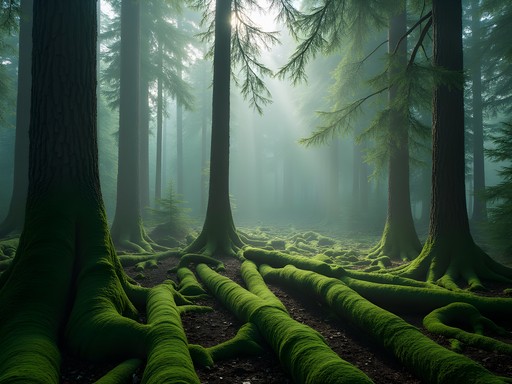
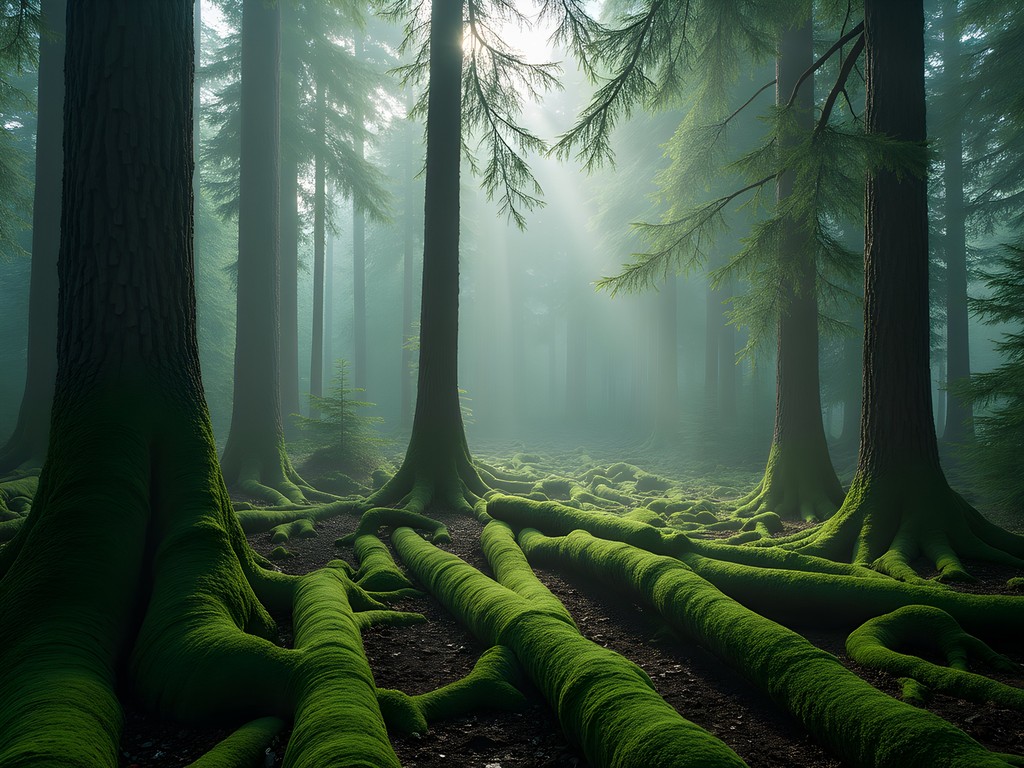
Here's the technical bit: Sitka sits in a temperate rainforest with approximately 95 inches of annual rainfall. As someone who designs cloud systems for a living, I appreciate irony—but this constant moisture creates ethereal conditions photographers dream about. The summer months bring 18-hour days with golden hour stretching impossibly long, while marine layer fog rolls in unpredictably, transforming landscapes within minutes.
You need to think like a systems architect here: build redundancy into your shooting schedule. That epic shot you planned at Sitka Sound? Have three backup locations ready because weather will change your plans. I learned to embrace the rain rather than fight it—some of my best shots came during drizzle when the forest canopy glowed with diffused light. Pack a reliable rain cover for your gear; mine saved my equipment multiple times when sudden downpours hit during coastal hikes.
💡 Pro Tips
- Download offline weather apps—cell coverage is spotty outside town
- Shoot during overcast conditions for saturated forest colors without harsh shadows
- Keep silica gel packets in your camera bag; humidity is relentless
Wildlife Photography: Bears, Eagles, and Marine Life
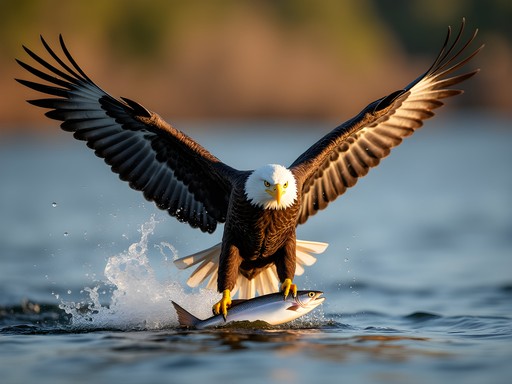
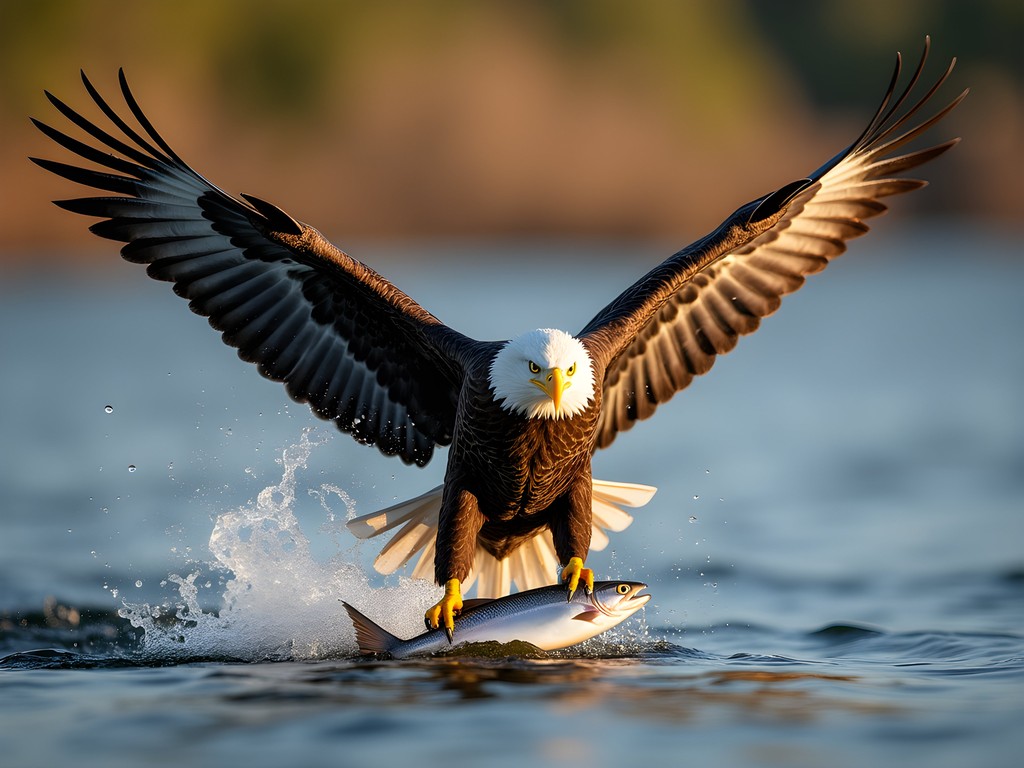
Sitka's wildlife density is genuinely staggering. I've photographed concerts in Tokyo and bungee jumpers in Queenstown, but nothing prepared me for the technical challenge of capturing a bald eagle snatching salmon mid-flight. The key is preparation and patience—very Australian traits, I reckon.
Fortress of the Bear offers controlled wildlife photography opportunities perfect for intermediate shooters. The rescued brown bears provide ethical close-up opportunities without wilderness risks. For wild encounters, the Starrigavan Creek area during salmon runs (late July through September) attracts both bears and eagles. I spent three mornings there, using a lens cleaning kit constantly because the sea spray and mist are murder on optics.
Marine wildlife requires different tactics. Book a wildlife cruise—I went with Allen Marine Tours—and position yourself at the bow for unobstructed shots. Humpback whales breach unpredictably, so keep your shutter speed high (minimum 1/1000s) and your camera ready. Sea otters are easier subjects, floating in kelp beds near town, their expressive faces perfect for portrait-style shots.
💡 Pro Tips
- Use continuous autofocus mode for unpredictable wildlife movement
- Bring a 70-300mm lens minimum for wildlife; 400mm is ideal
- Visit Fortress of the Bear in morning hours when bears are most active
Coastal Landscapes: Where Mountains Meet Pacific
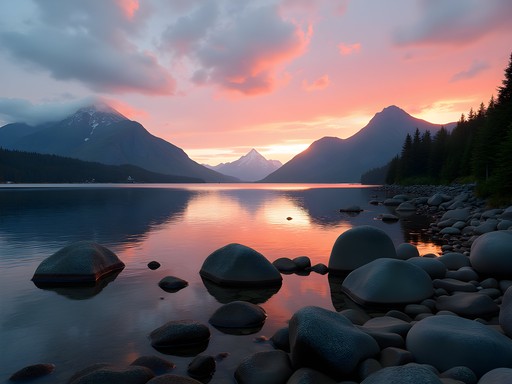
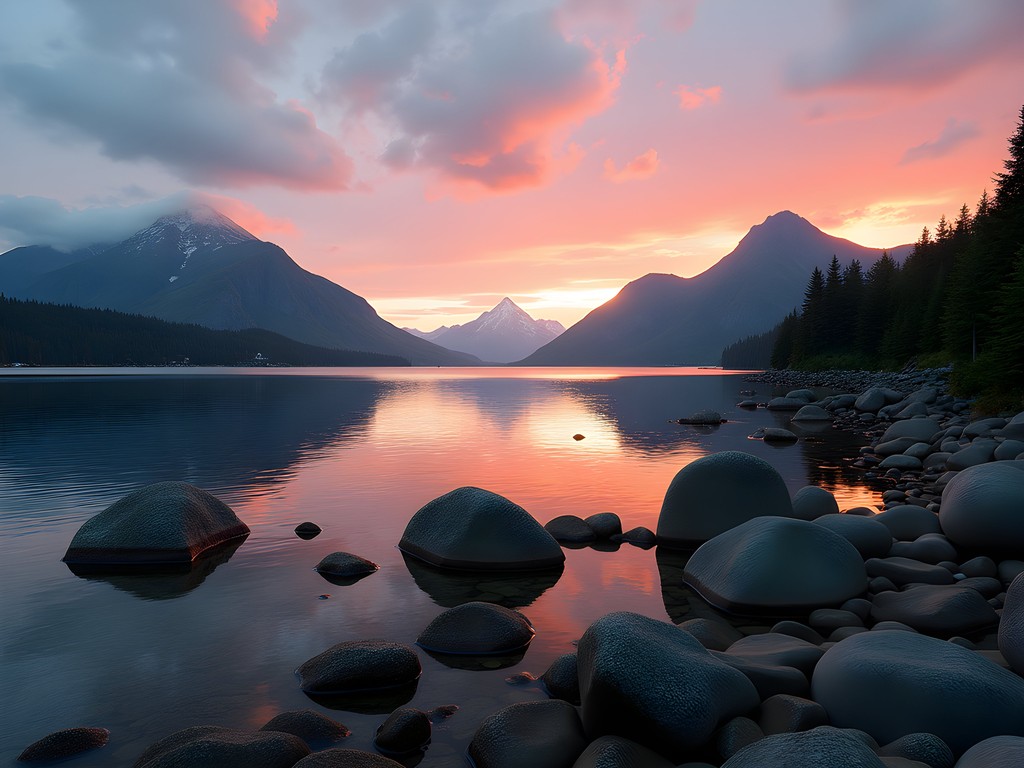
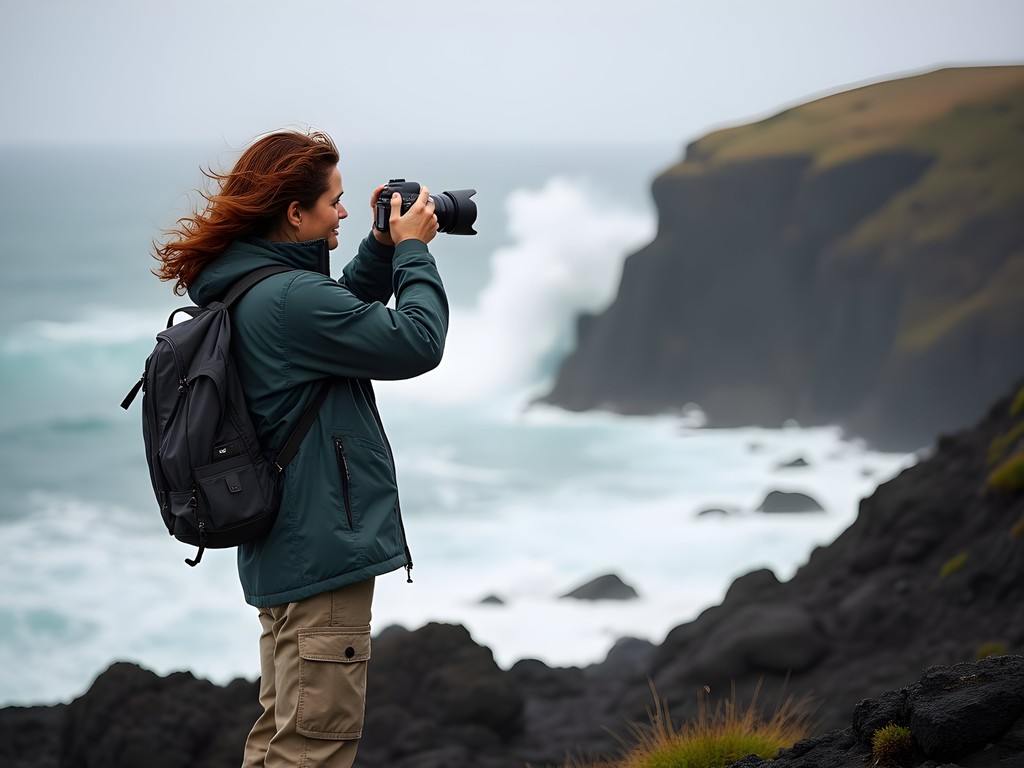
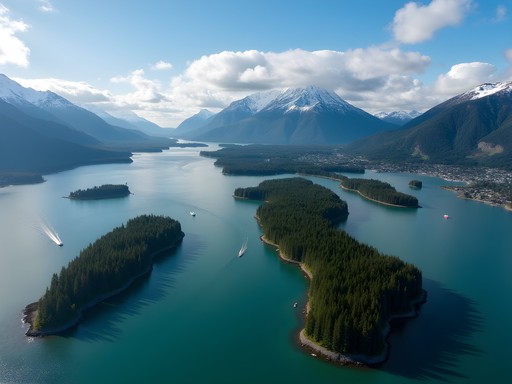
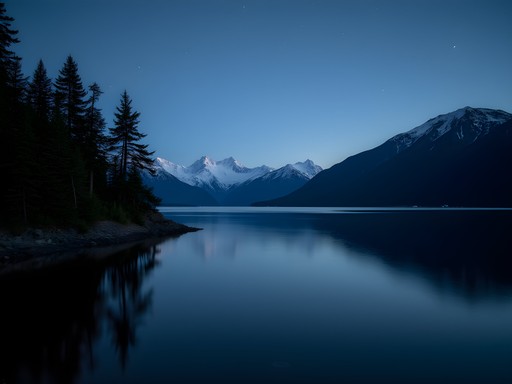
The Sitka coastline delivers drama that rivals New Zealand's South Island—high praise from this Aussie. The volcanic peaks of Mount Edgecumbe rise directly from the Pacific, creating compositions that seem almost too perfect. My analytical brain loves the geometric interplay: jagged mountains, smooth water, scattered islands creating natural leading lines.
Castle Hill (Noow Tlein) offers accessible coastal views with cultural significance—it's a Tlingit heritage site, so photograph respectfully. The 360-degree panorama at sunset is worth the moderate climb. For more dramatic seascapes, hike the Mosquito Cove Trail (yes, bring bug spray—the name isn't metaphorical). The trail winds through forest before opening to rocky coastline where waves crash against ancient volcanic formations.
Sitka Sound itself is an ever-changing subject. I photographed it in flat calm, in storm surge, and during that magical hour when fog lifts revealing layers of islands fading to blue-grey infinity. Use a polarizing filter to cut water glare and enhance cloud definition—it made a measurable difference in my coastal shots.
💡 Pro Tips
- Check tide tables before shooting coastal areas—compositions change dramatically
- Scout locations during midday, return for optimal light at dawn or dusk
- Bring microfiber cloths for constant lens cleaning from sea spray

Cultural Sites and Historic Architecture
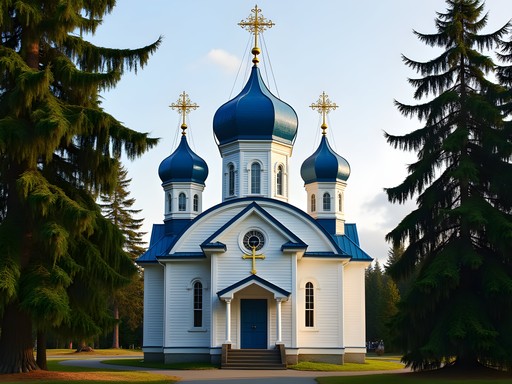
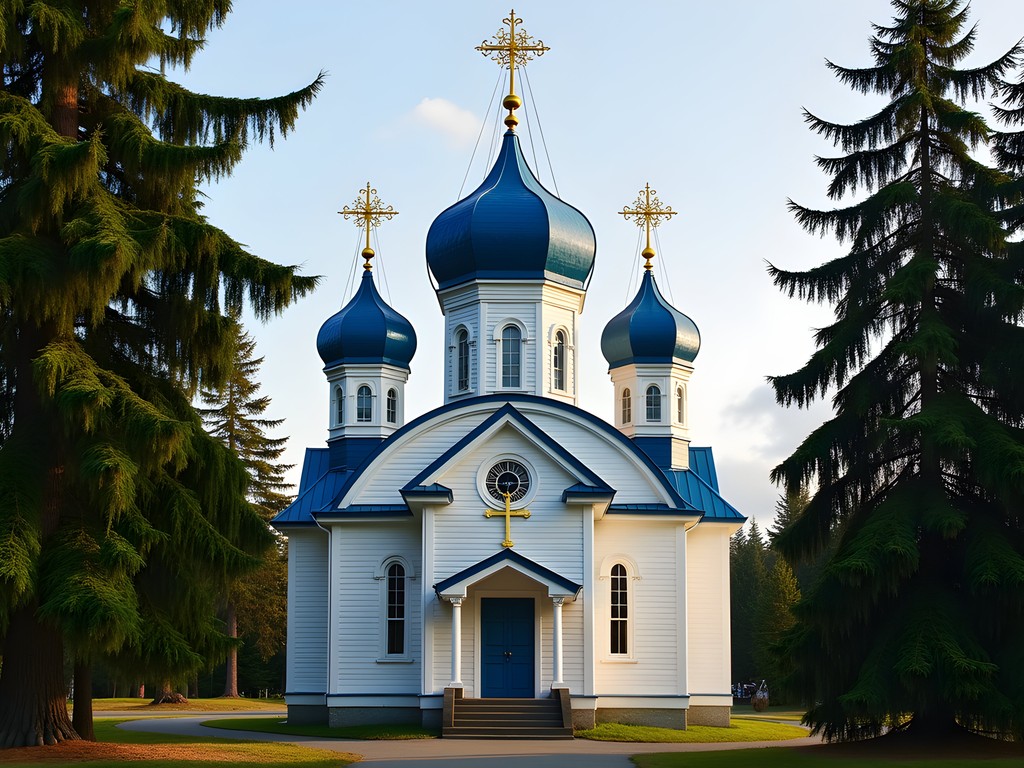
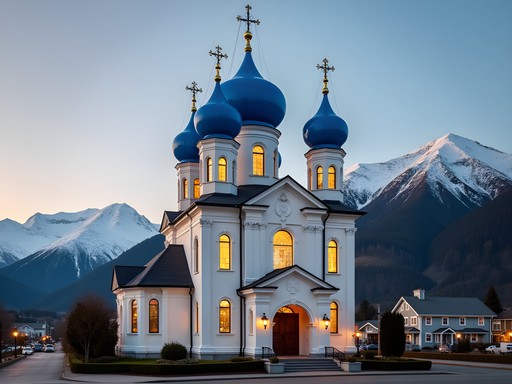
Sitka's layered history—Tlingit, Russian, and American—creates unique photographic opportunities beyond pure landscape work. The Russian Orthodox St. Michael's Cathedral, with its distinctive onion domes, provides architectural contrast against the wilderness backdrop. The soft light of overcast days works beautifully for these subjects, eliminating harsh shadows on ornate details.
The Sitka National Historical Park combines cultural preservation with natural beauty. The Totem Trail winds through forest past traditional Tlingit and Haida totem poles—each tells a story worth understanding before you photograph. I spent time at the Southeast Alaska Indian Cultural Center first, learning the cultural context. This isn't just about getting the shot; it's about respectful documentation of living culture.
For a different perspective, photograph from the water. Kayaking Sitka Sound at dawn provided angles impossible from land, with historic buildings reflected in glassy water. I used a dry bag to protect my gear in the kayak—essential for water-based photography in unpredictable conditions.
💡 Pro Tips
- Visit cultural sites early morning to avoid cruise ship crowds (when ships are in port)
- Ask permission before photographing Tlingit cultural ceremonies or individuals
- Combine architectural shots with natural elements for context and depth
Practical Gear and Workflow for Sitka Conditions
My cloud architecture background taught me that systems fail without proper redundancy—same applies to photography gear in harsh conditions. Sitka's environment is brutal on equipment: constant moisture, temperature swings, and remote locations where gear failure means missed opportunities.
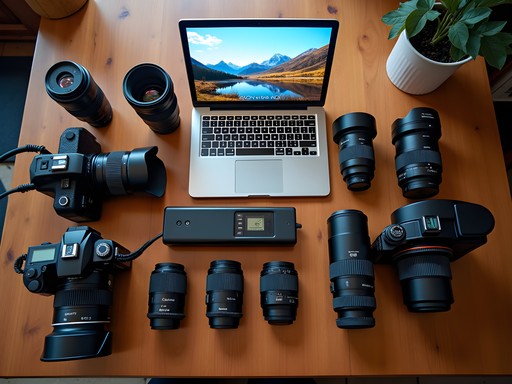
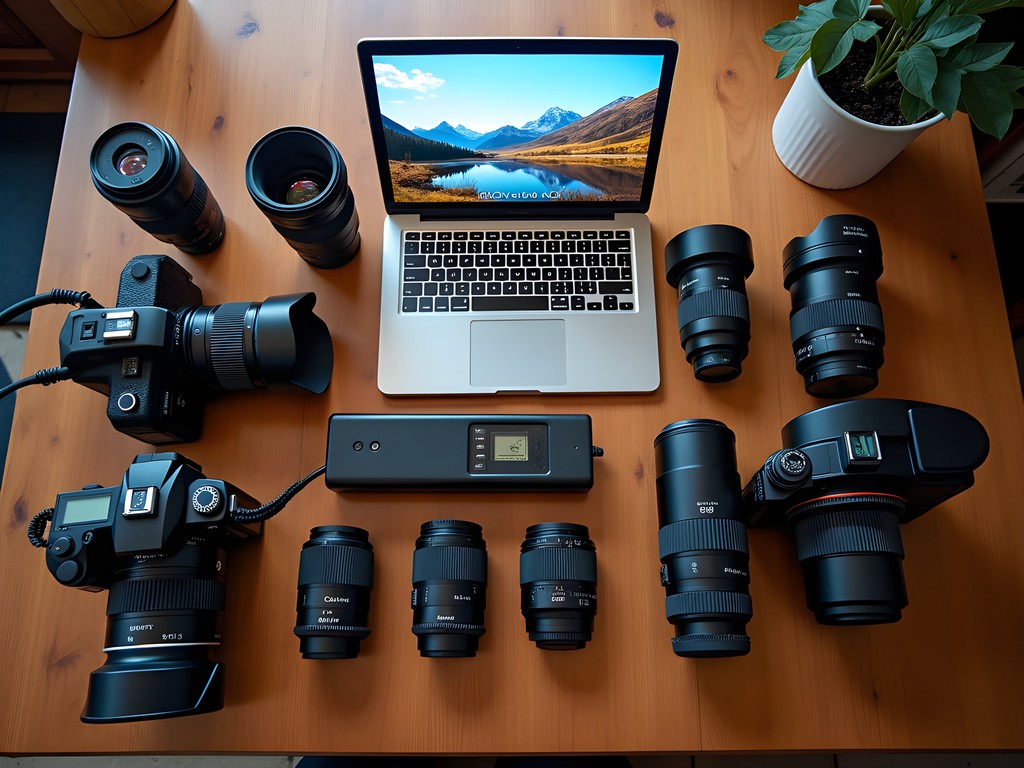
Beyond camera bodies and lenses, my essential kit included: multiple high-capacity memory cards (I used SD cards for fast burst shooting of wildlife), extra batteries (cold drains them faster), and a portable power station for my accommodation—more reliable than hoping for enough outlets. The power station charged camera batteries, phone, and laptop simultaneously, crucial for daily workflow.
I adopted a disciplined workflow: shoot in RAW, backup to two separate drives nightly, and do basic culling before bed. The long summer daylight means you'll shoot more than expected—I averaged 800-1000 shots daily. Without organization, you'll drown in files. I used a card reader for fast transfers, essential when you're exhausted from hiking and still have hours of editing ahead.
💡 Pro Tips
- Test all gear thoroughly before departure—no camera shops in Sitka for emergency replacements
- Bring lens hoods for every lens to protect from rain and sea spray
- Create a gear checklist and photograph it—easy reference when packing daily
Final Thoughts
Sitka challenged me in ways I didn't anticipate. It's not the most extreme place I've photographed—that honor still belongs to a bungee platform in Queenstown during a lightning storm—but it demanded a different kind of persistence. The weather will test you, the wildlife won't cooperate on your schedule, and the sheer abundance of subjects will overwhelm you.
But here's what I learned: Sitka rewards photographers who adapt rather than force their vision. The mist you cursed in the morning creates ethereal forest scenes by afternoon. The rain that cancelled your coastal shoot leads you to discover intimate details in the rainforest. This place operates on its own timeline, with its own logic—not unlike the complex cloud systems I design, actually.
For solo travelers especially, Sitka offers that rare combination of adventure and safety, wilderness and community. You'll return with images that capture not just landscapes, but the feeling of standing at the edge of something truly wild. And isn't that what we're all chasing anyway?
✨ Key Takeaways
- Embrace weather changes as opportunities rather than obstacles—Sitka's best shots happen in imperfect conditions
- Build redundancy into gear and schedules; remote locations demand preparation
- Respect cultural sites and living traditions while documenting this unique intersection of wilderness and heritage
📋 Practical Information
Best Time to Visit
June through August for long daylight hours and accessible trails; September for fall colors and fewer crowds
Budget Estimate
$1,800-2,500 for week including mid-range accommodation, meals, tours, and local transport
Recommended Duration
7-10 days to properly explore photography locations without rushing
Difficulty Level
Moderate
Comments
summerclimber
that shot of the mountains coming down to the water is incredible
adventureblogger
This is exactly the kind of guide I needed!! Your photos are gorgeous and the tips about timing are super helpful. Booking flights now!
summerone
Is September too late to visit? I can only get time off work then
Jean Wells
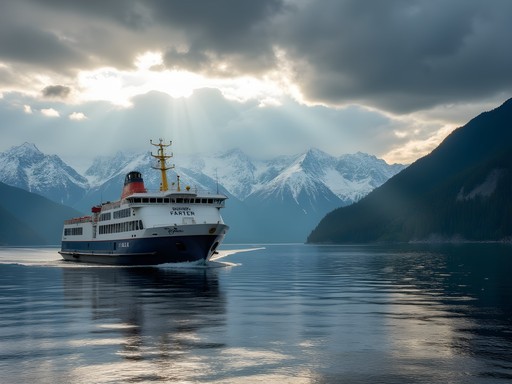
Your observations about Sitka's light patterns mirror my own experience there in 2024. The maritime climate creates this soft, diffused quality that's particularly effective for forest interiors and wildlife. I spent three weeks documenting the transition from summer to autumn, and the color shifts in the temperate rainforest were remarkable. One practical tip: the ferry system is underutilized by photographers but offers exceptional vantage points for coastal landscapes. Early morning departures provide wonderful opportunities when the water is calm. Also, don't overlook the Russian Orthodox cathedral—the golden domes against grey skies create striking contrasts.
Brandon Tucker
Great breakdown of Sitka's weather patterns. I spent three weeks there in 2024 and your point about the "golden hour lasting forever" in summer is spot on. One thing I'd add for budget travelers - the local fishing boats often take photographers out for way less than the tourist charters. You get the same wildlife access at a fraction of the cost. Also, grocery prices are brutal there, so stock up in Juneau if you're island hopping. The cultural sites section was particularly good - most photography guides skip the Russian Orthodox cathedral but it's genuinely stunning in the right light.
smartmate
whoa good tip about the fishing boats!
journeyway5656
Can you get close to the bears safely or do you need a really long lens?
Jean Wells
You absolutely need telephoto reach for bears. I use a 150-600mm and it's barely enough when you factor in safe distances. Never approach wildlife—let them come to you (from afar). The boat tours are excellent for this reason.
redchamp
went to sitka last summer and totally agree about the weather being unpredictable. we had sun for like 2 hours total over 4 days lol. but honestly the moody clouds made everything look dramatic. saw a bear from the boat tour which was cool
moonking
What lens did you use for the bear photography? Planning my first Alaska trip and trying to figure out what gear to bring
Brandon Tucker
Not Gabriella, but I'd recommend at least 200mm for bears. You want distance for safety. Also the light in Sitka is tricky - overcast most days means you need good low-light performance.
moonking
thanks! that's really helpful
smartmate
Those eagle shots are insane!! Adding Sitka to my list
summerone
same! never thought about alaska before this
roamnomad
WOW those coastal shots are insane!! Adding this to my bucket list immediately 🔥
Venture X
Premium card with 2X miles, $300 travel credit, Priority Pass