Disclosure: This article contains affiliate links. We may earn a commission from purchases at no extra cost to you, which helps our travel content.
Watertown sits in the middle of South Dakota's glacial lake region. Most people drive straight through on their way to the Badlands. Their loss. I spent a weekend here last summer documenting the light over these prairie waters, and the photography opportunities surprised me. No crowds. No entry fees. Just you, your camera, and some of the clearest light you'll find in the Midwest. This guide covers the practical side of shooting here—where to go, when to shoot, and how to do it without breaking the bank.

Why Watertown Works for Photography
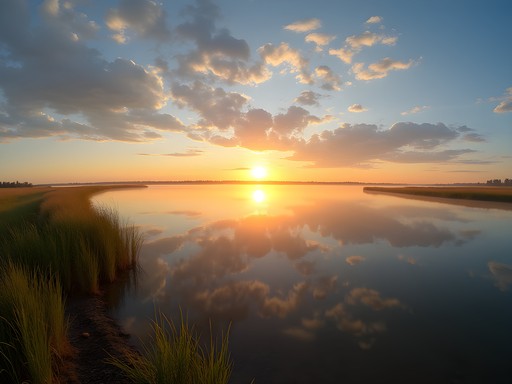
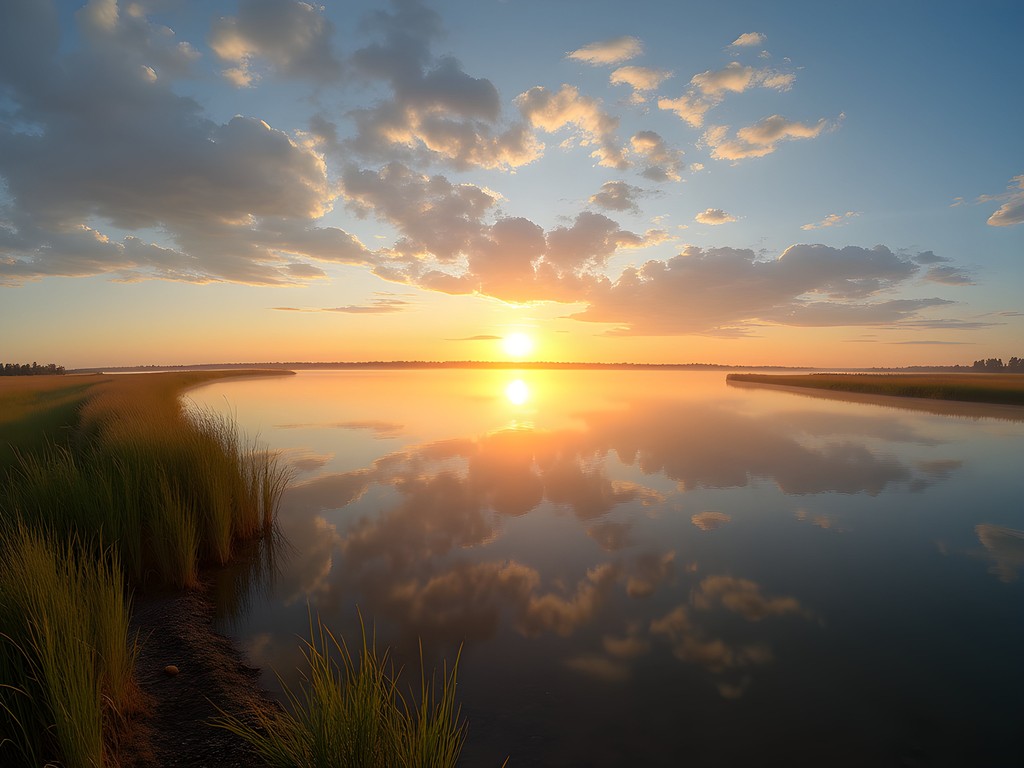
The glacial lakes around Watertown formed during the last ice age. Lake Kampeska is the main attraction—5,250 acres of water with unobstructed horizons. Pelican Lake sits just north. Both offer mirror-like reflections during calm mornings.
The light here is different from coastal areas. Less humidity means sharper images. The prairie sky dominates your frame. You'll shoot wide more than you expect. I came here researching small-town economic development—Watertown has a surprisingly active startup scene for a city of 22,000—but stayed an extra day just for the photography.
Budget matters here. No permit fees. No parking charges at public access points. Free camping options exist if you're willing to rough it slightly. A weekend trip from anywhere in the upper Midwest costs less than a single night in most national parks.
💡 Pro Tips
- Download offline maps before arriving—cell service gets spotty around the lakes
- Fill your gas tank in town—stations are sparse near the water access points
- Pack bug spray for early morning shoots near the shoreline
The Five Best Shooting Locations
Sandy Shore Recreation Area sits on Lake Kampeska's northeast corner. Public beach. Free parking. Best for sunrise shots looking southwest across the water. Arrive by 5:30 AM in summer.
Stokes-Thomas Lake City Park gives you elevated views. Small hill overlooks the lake. Good for sunset compositions with the town in the middle distance. The park has picnic tables—I ate lunch here between morning and evening shoots.
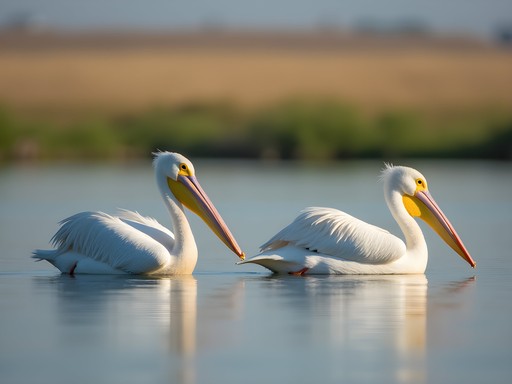
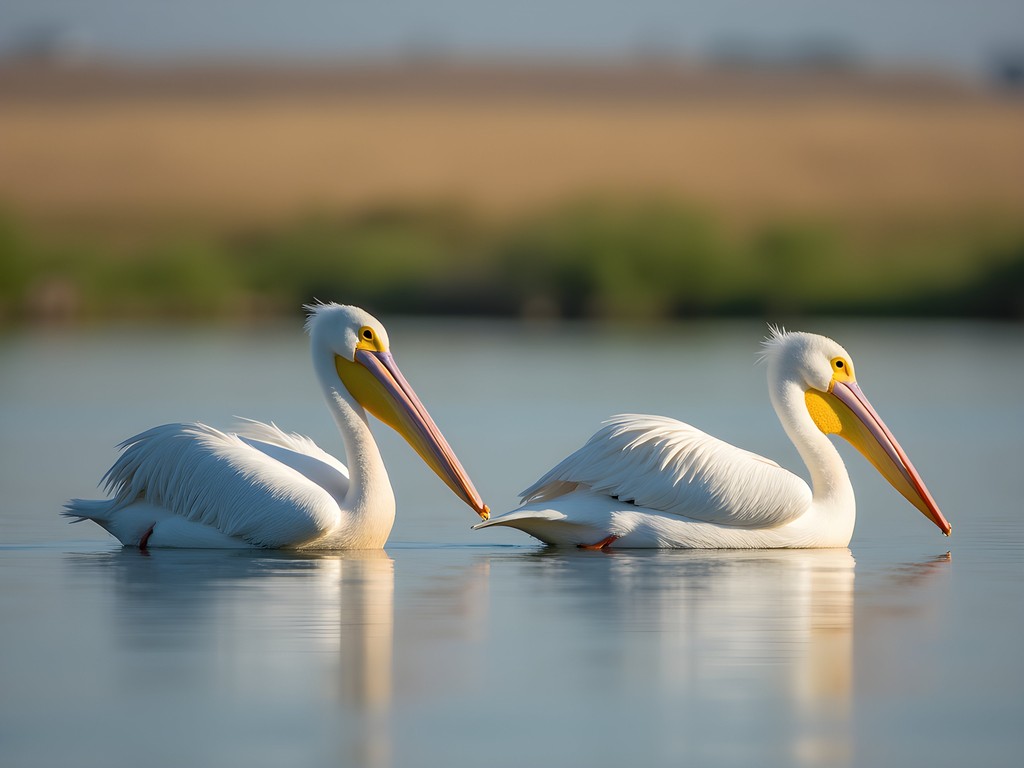
Pelican Lake is fifteen minutes north. Smaller. Quieter. Better for wildlife photography if that's your thing. White pelicans migrate through in early summer.
Bramble Park Zoo area borders Lake Kampeska's south shore. The walking paths offer varied foreground elements—trees, reeds, small piers. Not as dramatic as the open beach shots but more compositional variety.
Redlin Art Center grounds provide manicured landscapes if you want something different from pure nature shots. The building itself is worth photographing—regional architecture with prairie influences.
I spent most of my time at Sandy Shore. The light quality there beat everything else. Simple compositions work best—water, sky, maybe a pier or boat for scale.
💡 Pro Tips
- Scout locations the afternoon before your morning shoot
- Bring a lens cloth for lake spray on your front element
- Mark GPS coordinates of spots you want to return to
Technical Considerations for Prairie Light
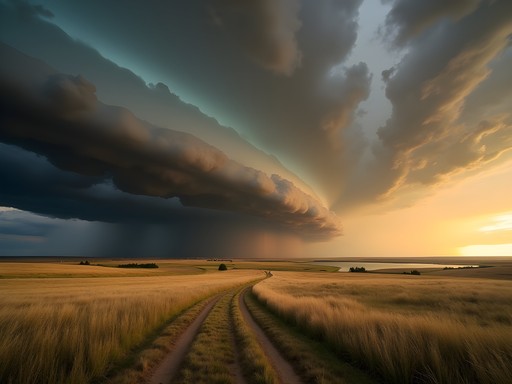
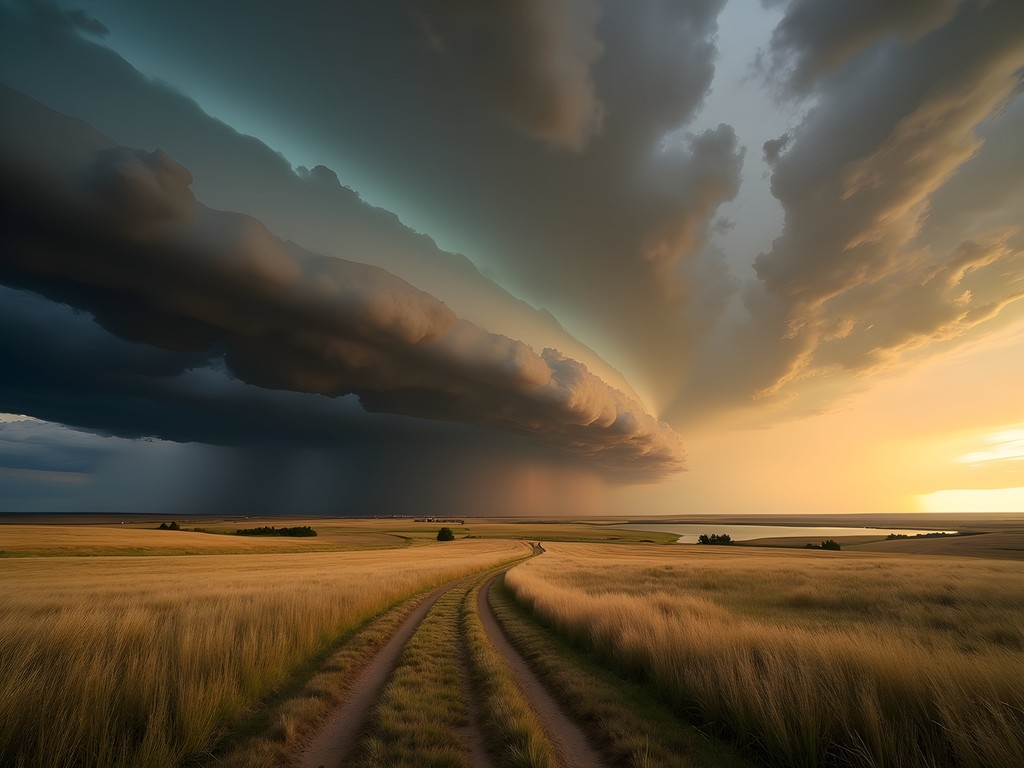
The prairie sky will blow out your exposures if you're not careful. I bracket everything here. The dynamic range between water and sky exceeds what most sensors handle in a single frame.
Wind is constant. Comes across the plains with nothing to stop it. Tripod stability matters more than usual. I use a sandbag on my tripod's center column for anything longer than a second exposure. Weighs nothing in your car. Makes a real difference.
Polarizing filters are essential. The water reflects sky like a mirror. A circular polarizer lets you control how much reflection you keep or eliminate. I shot the same composition with and without—the difference was dramatic.
Dust is your enemy. The wind kicks up fine particles. They get everywhere. I keep my gear in sealed bags between shots. Clean your sensor before you leave home and again when you return. I learned this the hard way.
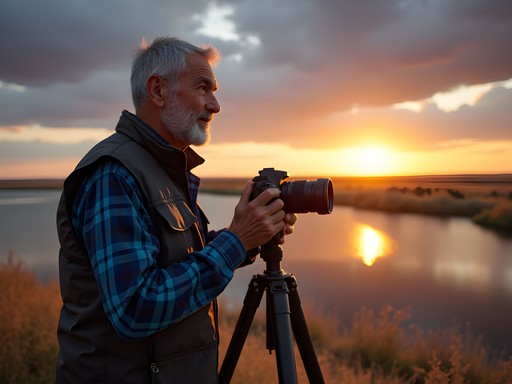
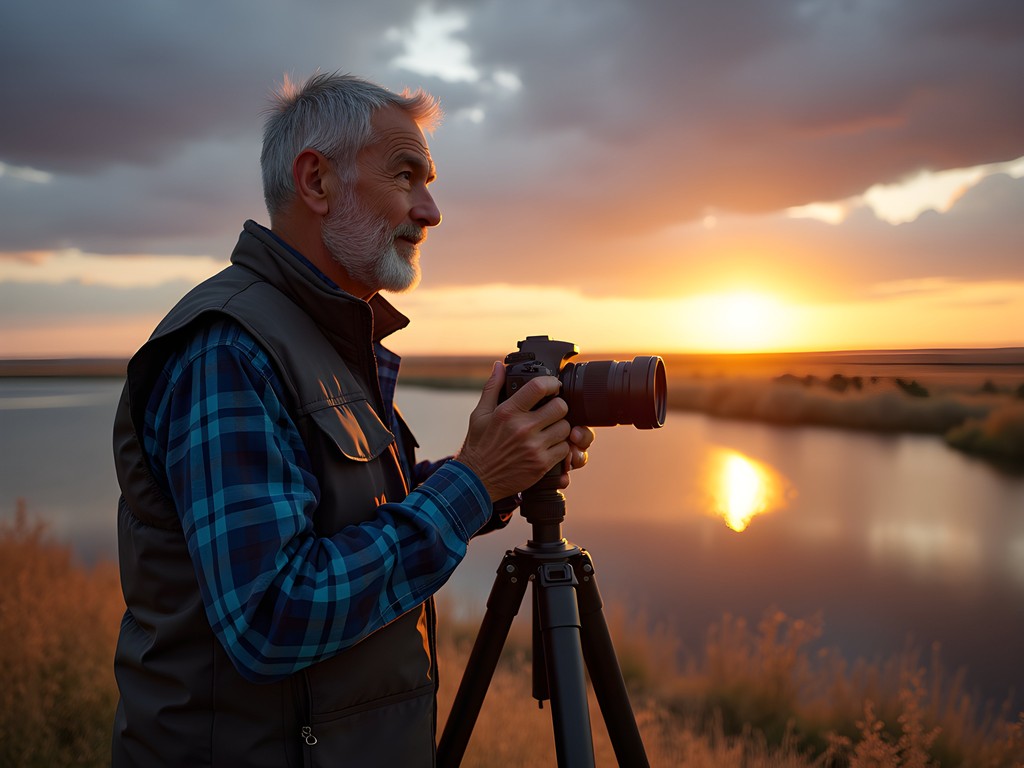
For solo travelers, a remote shutter release lets you get in the frame occasionally. I set up self-portraits at sunset to document the trip. Works better than asking strangers—there aren't many around.
💡 Pro Tips
- Shoot in RAW format for maximum editing flexibility with high-contrast scenes
- Bring extra memory cards—you'll shoot more than you think
- Pack a portable air blower for sensor cleaning in the field

Budget Accommodation and Logistics
I stayed at the Travel Inn on Highway 212. Forty-eight dollars a night. Clean. Functional. Close enough to Lake Kampeska that I could be shooting within ten minutes of leaving the room.
For even cheaper options, Lake Kampeska has public camping at Sandy Shore. Primitive sites run about fifteen dollars. You're literally steps from the best sunrise location. I didn't camp this trip but talked to photographers who did—they said it was worth the minimal discomfort.
Food costs stay low. Dempsey's Brewery downtown serves decent meals for twelve to fifteen dollars. I ate breakfast at Millstone Family Restaurant twice—classic small-town diner, five-dollar breakfast special. Grocery stores let you pack lunches for shooting days.
The town is walkable if you stay central. I rented a car because I was coming from Minneapolis, but you could theoretically manage with rideshares for lake access. Budget about thirty dollars a day for transportation if you don't have your own vehicle.
Gas is cheaper here than in most places. I filled up for the drive back and saved compared to Minneapolis prices. Small economic detail but it adds up.
💡 Pro Tips
- Book accommodation midweek for better rates
- Stop at Glacial Lakes Welcome Center for free local maps and current conditions
- Bring a insulated water bottle for long shooting sessions in summer heat
What I Learned Shooting Solo Here
Solo travel in places like Watertown requires different preparation than group trips. You're responsible for everything—navigation, safety, timing, motivation to get up at 5 AM.
I found the solitude productive. No compromises on shooting schedule. No waiting for others. I could spend ninety minutes on a single composition if the light was changing interestingly.
Safety is straightforward. Watertown is safe. The lakes are safe. Standard precautions apply—tell someone your plans, keep your phone charged, don't do anything stupid near water edges.
The locals were friendly when I interacted with them. Small-town Midwest hospitality is real. A fisherman at Sandy Shore told me about a spot on Pelican Lake I wouldn't have found otherwise. People are curious why you're photographing their town—they appreciate the interest.
I packed a headlamp for pre-dawn setup. Essential for finding your way to shooting locations before sunrise. The rechargeable battery saved me from buying disposables.
Shooting solo means you're also your own assistant. Organization matters more. I kept a small notebook logging locations, times, and settings for shots I wanted to recreate or remember. Low-tech but effective.
💡 Pro Tips
- Set multiple alarms for early morning shoots—it's easy to sleep through one
- Pack snacks for energy during long shooting sessions
- Download weather apps before arriving for accurate forecasts
Final Thoughts
Watertown won't appear on most photography destination lists. That's its advantage. You get authentic prairie landscapes without the crowds or costs of more famous locations. The glacial lakes offer consistent opportunities for strong images if you're willing to work with prairie light and weather.
This is beginner-friendly photography. The locations are accessible. The technical challenges are manageable. The budget requirements are minimal. You can drive here, shoot for a weekend, and leave with a solid portfolio of prairie lake images without spending what a single workshop would cost elsewhere.
I'll return to Watertown. Maybe in fall when the light shifts cooler. The startup scene here is worth another look too—there's a story about economic renewal in these small prairie cities that parallels what I saw in Buffalo. But that's a different article. For now, pack your camera gear and point yourself toward South Dakota's glacial lakes. The light is waiting.
✨ Key Takeaways
- Lake Kampeska and Pelican Lake offer free, accessible photography locations with minimal crowds
- Budget a weekend trip for under 200 dollars including accommodation, food, and gas
- Prairie light requires bracketing exposures and polarizing filters for best results
- Solo travel here is straightforward, safe, and allows complete control over your shooting schedule
📋 Practical Information
Best Time to Visit
June through August for best light and weather, though fall offers cooler tones
Budget Estimate
150-250 dollars for a weekend including budget accommodation, meals, and gas
Recommended Duration
2-3 days for thorough coverage of main locations
Difficulty Level
Easy
Comments
Hunter Thompson
Brilliant post, Mark! I'm always looking for those off-the-beaten-path spots that don't break the bank. The prairie light you captured is stunning. Been focusing too much on mountains lately and this is making me rethink my summer plans. Quick question - you mentioned budget accommodation, are we talking hostels or more like cheap motels? Trying to keep costs down on my next US trip.
Mark King
Mostly cheap motels, around $45-60/night. No hostels that I found but the Super 8 was clean and right by the lakes.
Hunter Thompson
Cheers mate, that's perfect!
vacationexplorer
Which of the five locations you mentioned would you prioritize if I only have one morning? Heading through SD in June and might detour.
Mark King
Pelican Lake for sure - best sunrise spot and easy access. Get there around 5:30am in June. The reeds create amazing reflections.
bluebackpacker
YES! Finally someone writes about Watertown! I stopped there by accident two years ago when my car overheated and ended up staying three days just walking around the lakes at sunrise. The light is incredible and you're right about the crowds - basically had the whole place to myself. Got some of my best prairie shots ever. Totally underrated spot.
waveninja4250
That's awesome! How's the weather there in summer?
bluebackpacker
Pretty hot during the day but mornings are perfect. Bring bug spray for the lake areas tho!
Douglas Bradley
Excellent guide, Mark. I appreciate how you addressed the technical aspects of prairie light - it's something many photographers underestimate. The flat landscape creates unique challenges with dynamic range, especially during midday. Your point about using the lakes as foreground interest is spot-on. I've found similar overlooked photography destinations across the northern plains. The lack of tourism infrastructure actually works in your favor for authentic captures. Did you experiment much with long exposures on the water?
Mark King
Thanks Douglas. Yes, did some 30-second exposures at dusk with my ND filter - the wind patterns on the water create really interesting textures. The challenge is finding stable ground around some of the shorelines.
travelpro
Good write-up. I've driven through Watertown a bunch of times and never stopped. The budget accommodation tip is solid - stayed at that Super 8 you mentioned and it was fine for a base. One thing I'd add is the downtown has some decent coffee shops if you need to kill time between golden hour shoots.
greentime9113
What time of year is best for visiting? I'm pretty new to landscape photography but this looks amazing!
Mark King
Late spring through early fall. Summer gets you the best weather, but late September has incredible colors around the prairie grasses. Bring a polarizing filter for the water reflections!
Douglas Bradley
I'd add that early June is underrated. The wildflowers are still out, and you miss the peak summer heat. The light quality in the prairie regions during that period is exceptional - very different from coastal photography. Mark's point about the polarizer is crucial; the glacial lakes have a unique reflective quality that benefits from proper filtration.
sunnylife
Beautiful photos! Never thought about SD for photography.
waveguy
Spent a few days around Pelican Lake last fall and totally agree about the light. Early morning fog rolling off the water is insane. Did you check out any of the smaller lakes south of town? Found some cool spots near Lake Kampeska that had zero people.
Mark King
Yes! Kampeska was actually one of my five locations. The eastern shore at sunrise is incredible. Did you shoot from the public access points or find other spots?
waveguy
Public access mostly. There's one spot off 20th St that's perfect for sunset shots.
Venture X
Premium card with 2X miles, $300 travel credit, Priority Pass