


Disclosure: This article contains affiliate links. We may earn a commission from purchases at no extra cost to you, which helps our travel content.
There's something mythic about Graz in autumn—the way the copper-tinged leaves frame the medieval architecture, how the morning mist clings to the Schlossberg like Persephone's veil between worlds. As a novelist turned perpetual wanderer, I've found this UNESCO Creative City of Design harbors something even more compelling than its Renaissance facades: a thriving ecosystem of sustainable shopping that marries Old World craftsmanship with forward-thinking environmental consciousness. Join me for a weekend exploration of Austria's most environmentally conscious retail therapy—where every purchase tells a story worth bringing home.

Kaiser Josef Market: Where Terroir Becomes Tangible
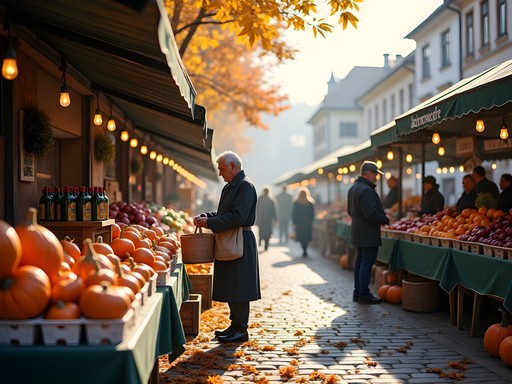
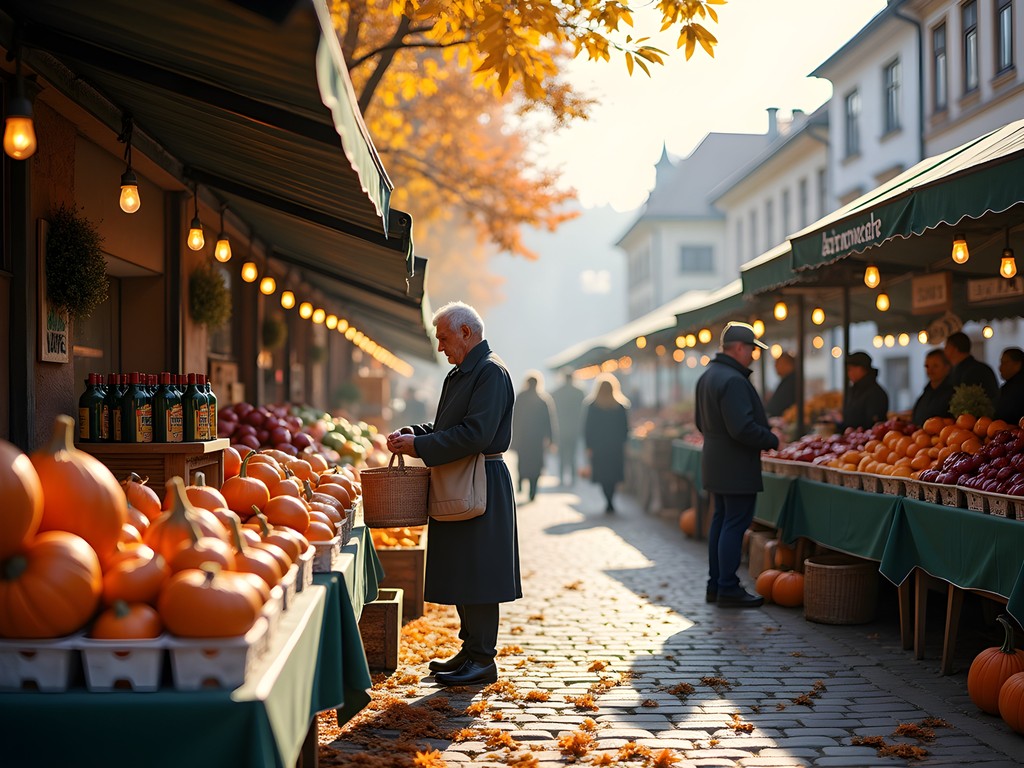
The Kaiser Josef Market stands as Graz's agricultural acropolis—a shrine to regional bounty that has operated since imperial times. Unlike the tourist-heavy markets that populate European capitals, this gathering place remains steadfastly local. Farmers arrive before dawn, their weathered hands arranging produce harvested hours earlier from the fertile Styrian countryside.
On my recent visit, I spent a misty Friday morning wandering between stalls, watching elderly Austrians engage in the ancient ritual of selecting pumpkin seeds for the region's famed emerald oil. A vendor named Heinrich, whose family has sold cheeses here for four generations, offered me a sliver of Steirerkas—a pungent acid-curd cheese that tastes of alpine meadows and tradition.
'This cheese,' he told me in deliberate English, 'is how my grandfather courted my grandmother.' Such stories transform simple commerce into communion with place.
For the visiting epicure, this market offers the perfect opportunity to assemble a sustainable picnic. I recommend bringing along a collapsible shopping basket to carry your treasures—it folds flat in luggage but expands generously for market hauls. The stalls selling Styrian pumpkin oil (Kürbiskernöl) offer tastings of this regional delicacy—a rich, nutty finishing oil that makes an exceptional gift for culinary-minded friends back home.
💡 Pro Tips
- Visit on Saturday mornings before 11am for the fullest experience and best selection
- Bring cash in small denominations as many vendors don't accept cards
- Look for the 'Bio' certification on products, Austria's strict organic standard
Tagwerk: The Temple of Upcycled Treasures
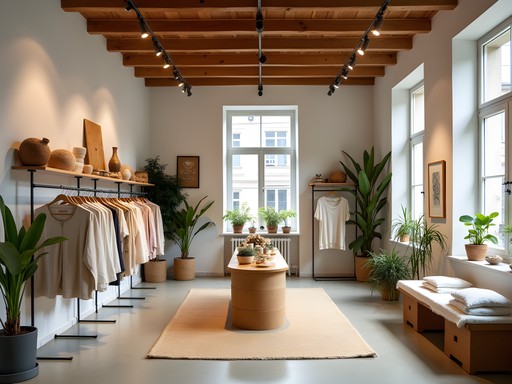
Nestled in the labyrinthine streets of Graz's old town, Tagwerk operates as both retail space and philosophical statement. This airy boutique specializes in upcycled fashion and home goods, transforming discarded materials into objects of unexpected beauty. The shop's name—literally 'day's work'—speaks to the artisanal attention each piece receives.
During my visit, I found myself captivated by a collection of messenger bags crafted from decommissioned fire hoses, their fabric bearing the subtle scars of their previous lives. The designer, Marta, explained how each bag required nearly fifteen hours of cleaning, cutting, and stitching.
'The material tells me what it wants to become,' she said, running her fingers along a red stripe that once guided Austrian firefighters through smoke-filled corridors. 'I just listen.'
This conversation reminded me of the Greek myth of Arachne, the mortal weaver whose craft rivaled the gods'. Here in this quiet shop, contemporary artisans perform similar alchemy, transforming humble materials into items of beauty and function.
For travelers seeking distinctive souvenirs with minimal environmental impact, Tagwerk offers treasures impossible to find elsewhere. I was particularly impressed by their collection of recycled cork wallets, which combine sustainability with sophisticated European design. Light, water-resistant, and remarkably durable, these wallets make perfect practical mementos of your Graz adventure.

💡 Pro Tips
- Ask about the stories behind specific items—many have fascinating origins
- The shop offers shipping for larger purchases if you're concerned about luggage space
- Visit on Thursday evenings when they occasionally host talks by local designers
Omas Teekanne: Sustainable Luxury in Liquid Form
In a city where coffee culture reigns supreme, Omas Teekanne ('Grandmother's Teapot') offers a different kind of liquid ritual. This specialist tea boutique, housed in a 16th-century building with vaulted ceilings, approaches tea with the reverence typically reserved for fine wines.
Proprietor Claudia Kristl—a certified tea sommelier with training in both Vienna and Kyoto—has created a sanctuary for sustainable sipping. Each loose-leaf variety comes with detailed provenance information: the garden where it was harvested, the picking date, and the certification standards it meets.
'Tea connects us to place more directly than almost any other consumable,' Claudia explained as she prepared a tasting flight of three Styrian herbal infusions. 'Through it, we literally drink the landscape.'
This sentiment resonated deeply with me. As someone who has spent years documenting how taxi drivers across the world serve as modern mythological gatekeepers to their cities, I appreciate those who facilitate authentic connections to place.
Beyond the exceptional teas, Omas Teekanne offers a carefully curated selection of brewing accessories that emphasize sustainability and craftsmanship. I was particularly impressed by their collection of double-walled glass teacups which eliminate the need for coasters while keeping tea at optimal temperature. For those seeking a more substantial souvenir, their handcrafted wooden tea storage boxes feature separate compartments with airtight seals—perfect for preserving your Styrian herbal treasures long after returning home.

💡 Pro Tips
- Schedule a formal tea tasting experience in advance for a deeper appreciation of their collection
- Ask about seasonal specialties—autumn brings wonderful local herbal blends
- The shop is closed on Mondays, plan accordingly

Kwirl: Where Sustainable Fashion Meets Styrian Design
The fashion industry's environmental toll has become impossible to ignore, which makes establishments like Kwirl all the more vital. This boutique, located in Graz's trendy Lend district, showcases exclusively sustainable and ethical fashion from Austrian and European designers.
What distinguishes Kwirl from similar eco-conscious shops I've visited across Europe is their commitment to wearability. These aren't conceptual fashion experiments but thoughtfully designed garments meant for everyday life—albeit with distinctive Austrian flair.
'We believe sustainable fashion must first be fashion people actually want to wear,' explained owner Katrin Reiter as she showed me a collection of tailored wool jackets made from repurposed vintage blankets. 'Otherwise, what's the point?'
During my visit, I was particularly taken with a line of accessories crafted from Loden—the traditional Austrian boiled wool that shepherds have relied upon for centuries to withstand alpine conditions. These contemporary interpretations of heritage materials exemplify how sustainability often means rediscovering traditional wisdom rather than inventing something entirely new.
For travelers concerned about packing light while still bringing home meaningful souvenirs, Kwirl offers several compact treasures. I was particularly impressed by their collection of merino wool neck gaiters, which serve as scarves, face coverings, or even impromptu hats depending on the weather. Crafted from ethically sourced Austrian wool, these versatile accessories take up minimal luggage space while providing maximum utility for future adventures.

💡 Pro Tips
- Visit on First Fridays when they often host designer meet-and-greets with complimentary organic wine
- Ask about their repair service for purchased items—they stand behind product longevity
- Sign up for their newsletter at the shop for a 10% discount code
Kunsthandwerksmarkt: Artisanal Treasures Under Gothic Vaults
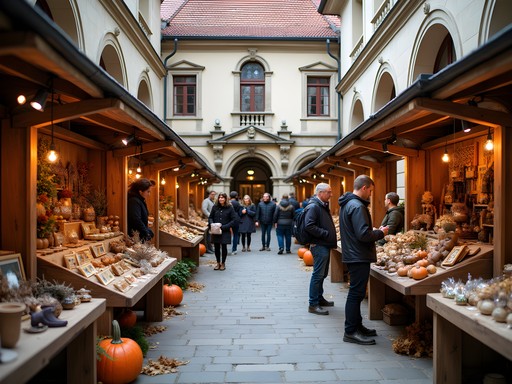
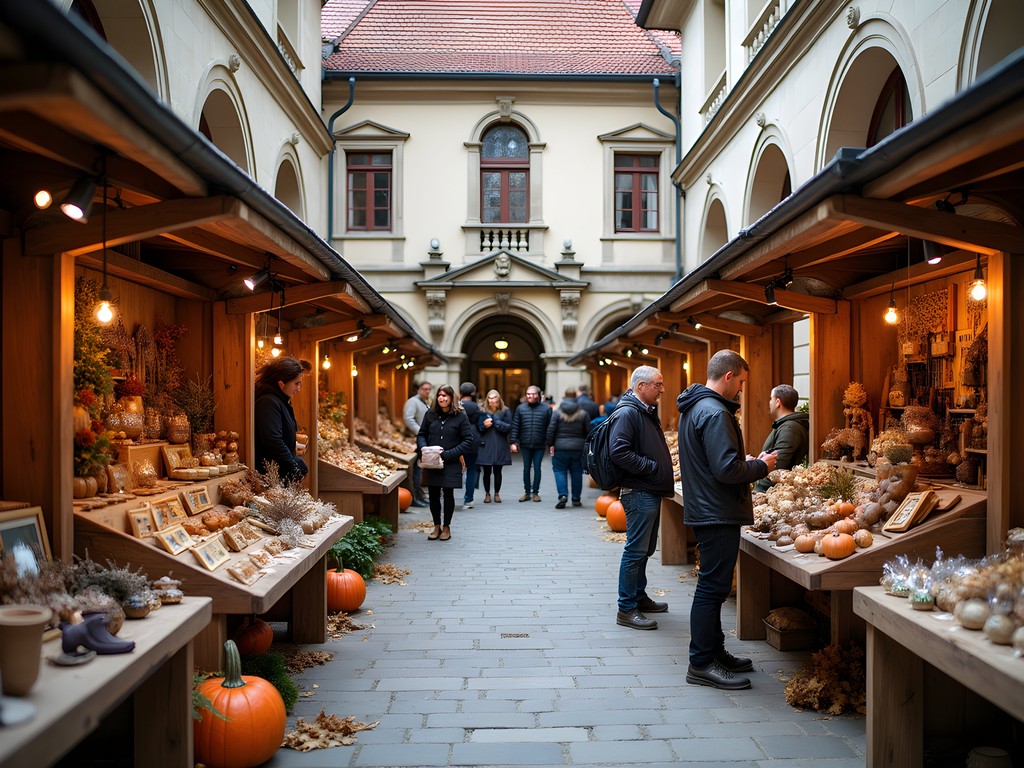
On the final weekend of each month, the courtyard of the Landhaushof—a Renaissance architectural masterpiece—transforms into the Kunsthandwerksmarkt, a juried craft market showcasing the region's finest artisans. Unlike many European craft markets that have succumbed to mass-produced trinkets, this gathering maintains strict standards: everything must be handmade by the person selling it, using sustainable materials and methods.
I timed my visit to coincide with the October market and found myself transported to what felt like a medieval guild gathering reimagined for the 21st century. Under the shadow of Gothic arcades, master craftspeople displayed wares that represented hundreds of hours of specialized labor.
Particularly memorable was my conversation with Josef, a third-generation woodcarver whose intricate Krampus masks blend pagan folklore with contemporary environmental concerns. Using only windfall timber from sustainable Styrian forests, Josef creates pieces that serve as both decorative art and cultural preservation.
'Each mask contains a story,' he told me as I admired the horned visages. 'Not just the old myths, but the story of the tree itself—where it grew, how it fell, what birds nested in its branches.'
This connection between craft, story, and place epitomizes what makes sustainable shopping in Graz so compelling. For travelers seeking truly distinctive souvenirs, I recommend looking for pieces made from local materials. The region's woodworkers often use beeswax wood polish to finish their creations—picking up a small tin allows you to maintain your wooden treasures while using the same traditional materials as the artisans themselves.
💡 Pro Tips
- Arrive early (before 10am) for the best selection and more relaxed conversations with artisans
- Bring cash as many smaller vendors don't accept cards
- Look for the green 'Nachhaltig in Graz' badge which identifies vendors with exceptional sustainability practices
Final Thoughts
As the train pulled away from Graz Hauptbahnhof, carrying me back toward Vienna, I found myself contemplating the parallel between sustainable shopping and the mythic narratives that have occupied so much of my writing life. Both involve a cyclical understanding of time—a recognition that what has been discarded or forgotten often contains the seeds of future creation. The fire hose reborn as a messenger bag, the windfall timber transformed into a mask, the ancient brewing methods applied to local herbs—all represent a kind of practical magic, transforming the mundane into the meaningful.
Graz offers the conscious traveler something increasingly rare in our globalized marketplace: a shopping experience that connects rather than alienates, that tells stories rather than simply selling products. In these sustainable boutiques and markets, commerce becomes conversation, and souvenirs become talismans carrying genuine connection to place.
So when you find yourself in this Styrian capital, bypass the international chains and predictable luxury brands. Instead, seek out these guardians of sustainable craft and commerce. Like the taxi drivers I've interviewed across the world who serve as modern mythological gatekeepers to their cities, these shopkeepers and artisans offer passage to a deeper understanding of Graz—one thoughtful, sustainable purchase at a time.
✨ Key Takeaways
- Sustainable shopping in Graz connects travelers to authentic local culture and traditions
- The best eco-friendly purchases tell stories about the region's heritage and environmental values
- Supporting small-scale artisans and shopkeepers creates meaningful souvenirs with minimal environmental impact
📋 Practical Information
Best Time to Visit
September through November
Budget Estimate
$300-500 per day for luxury accommodations, dining and shopping
Recommended Duration
Weekend (2-3 days)
Difficulty Level
Easy





Comments
Bryce Diaz
John, this is such a refreshing angle on Graz! I've been three times but never really focused on the sustainable shopping aspect. On my solo trip last year, I stumbled upon this incredible zero-waste grocery store called 'Das Gramm' near Jakominiplatz that would fit perfectly with your list. You literally bring your own containers and pay by weight. They even have this refill station for natural cleaning products that saved me when I spilled red wine all over my hostel bedding (long story!). Might be worth adding to your article if you update it!
John Mills
Thanks for the tip, Bryce! I actually visited Das Gramm but had to cut it from the final piece due to word count. Completely agree it's worth including - might do a follow-up focused on zero-waste shopping specifically!
Casey Andersson
John, your description of autumn in Graz took me right back! I spent three weeks there last October documenting sustainable fashion for my blog series. Kwirl was definitely a highlight - I still wear the merino wool cardigan I bought there almost daily in Wellington's temperamental weather. Did you happen to visit the little pottery studio behind Tagwerk? The owner makes these gorgeous ceramic travel mugs that I've been using for my daily coffee. Perfect for reducing waste while exploring! I found Graz to be one of the most pedestrian-friendly cities for sustainable shopping - managed to hit all these spots without using any transportation besides my comfortable walking shoes and the occasional tram.
freeking
Wait, there's a pottery studio behind Tagwerk? Totally missed that! Adding it to my list for next time.
bluehero
Loved Omas Teekanne! Their alpine herb blend changed my life.
freeking
Great post! Has anyone been to Tagwerk recently? Wondering if their inventory changes seasonally or if it's pretty consistent?
skywanderer5372
Was there last month! They rotate stock pretty regularly - each time I visit there's new stuff. The owner told me they get fresh upcycled items every 2-3 weeks!
smartqueen
This is perfect timing! I'm heading to Graz in February - is Kaiser Josef Market still worth visiting in winter or should I focus on the indoor boutiques?
bluehero
Was there last winter - the market is smaller but still running! The hot drinks make it worth it.
Casey Andersson
The winter market has its own charm! Fewer tourists and the vendors have more time to chat. Bundle up with a good thermos of tea and you'll have the most authentic experience. I actually preferred it to summer.
smartqueen
Thanks both! Will definitely check it out then. Any specific stalls I shouldn't miss?
coffeezone
Just got back from Graz and visited Omas Teekanne based on your recommendation. What a find! The owner spent almost an hour explaining different tea sourcing practices and let us sample so many varieties. I ended up bringing home their special mountain herb blend and this amazing travel tea infuser they sell that's perfect for sustainable travelers. No more disposable tea bags for me! Also loved how they wrap everything in recycled paper instead of plastic.
oceanlife
Your photos are STUNNING! That morning mist over Schlossberg looks like something from a fairy tale!
journeywanderer
Great article! I'm planning my first trip to Austria this summer and wasn't originally going to visit Graz, but now I'm reconsidering. How many days would you recommend to properly explore these sustainable shops and the city itself? I'm especially intrigued by Tagwerk since I love unique upcycled items.
John Mills
I'd recommend at least 2 full days for Graz - one for the historic center and Schlossberg, and another for these shops and markets. Kaiser Josef Market is best on Saturday mornings when it's bustling with locals!
George Hayes
Your description of autumn in Graz took me right back to when I visited with my family last year! My kids still talk about the puppet maker at Kaiser Josef Market who crafted little sustainable wooden toys right in front of them. We stayed at this little eco-hotel near Kunsthaus that gave the kids reusable water bottles on arrival. The Kwirl boutique was a highlight for my wife - she bought this incredible dress made from deadstock fabrics that's become her go-to for special occasions. Great to see Graz getting the spotlight it deserves as a sustainable destination!
escapeace
George - what was the name of that eco-hotel? Planning a trip with my kids and that sounds perfect!
George Hayes
It was Hotel Stadthalle - they have this amazing rooftop garden and zero-waste breakfast. Kids loved it!
springzone
Omas Teekanne has been on my list forever! Going in February!
Venture X
Premium card with 2X miles, $300 travel credit, Priority Pass