Disclosure: This article contains affiliate links. We may earn a commission from purchases at no extra cost to you, which helps our travel content.
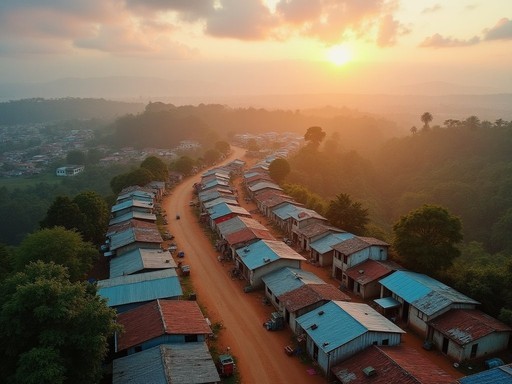
The first time I set foot in Kenema, Sierra Leone, I was struck by how dramatically it differed from my usual haunts in Wyoming's geyser basins or Montana's sweeping plains. As an environmental attorney who's spent decades advocating for America's western landscapes, I've developed a particular appreciation for places that maintain their authenticity despite the world's relentless march toward homogenization. Kenema—Sierra Leone's third-largest city and the heart of the Eastern Province—is precisely such a place. Raw, unfiltered, and largely untouched by the machinery of mass tourism, it offers something increasingly rare in our over-traveled world: a genuine experience. This isn't a destination for the novice traveler or those seeking comfort above all else. Rather, it's for the intrepid soul looking to understand a region shaped by remarkable resilience, complex history, and natural resources that have been both blessing and curse.

Understanding Kenema's Complex History
Much like the contested lands I've represented in environmental cases back home, Kenema's history is deeply intertwined with its natural resources. The city rose to prominence as the center of Sierra Leone's diamond industry in the mid-20th century, creating wealth that attracted migrants from across West Africa. Yet these same precious stones later fueled the brutal civil war (1991-2002) that devastated the country.
Walking Kenema's streets today, you'll find a city rebuilding itself with remarkable determination. The war's physical scars are fading, though certain buildings still bear the pockmarks of conflict. More recently, the region faced another challenge when it became an epicenter of the 2014 Ebola outbreak. Yet through each hardship, Kenema's residents have displayed a resilience that's nothing short of inspiring.
To truly appreciate this context, I recommend spending your first day with a local guide. Mohammed, who I met through the Sierra Leone Tourist Board office, offered invaluable insights that no guidebook could provide. As we traversed the city, he pointed out landmarks significant to both the diamond trade and the civil war, explaining how these events shaped the Kenema of today. His personal stories of living through these tumultuous times provided perspective that, as an environmental attorney accustomed to examining historical land use patterns, I found particularly enlightening.
Before visiting, I strongly suggest reading A Long Way Gone. While not specifically about Kenema, this memoir offers crucial context about the civil war that shaped modern Sierra Leone. Understanding this history isn't just educational—it's respectful to the people who lived through it.
💡 Pro Tips
- Visit the Sierra Leone Tourist Board office upon arrival to arrange a reputable local guide
- Learn a few basic phrases in Krio (the local lingua franca) to connect with residents
- Respect when locals don't wish to discuss the war—some wounds remain fresh
Navigating Kenema's Diamond District
As someone who's spent a career navigating the complex legal frameworks of resource extraction in the American West, I was particularly fascinated by Kenema's diamond industry. The city remains Sierra Leone's diamond trading hub, though the wild days of the 1960s and 70s have given way to more regulated commerce.
The diamond district centers around Hangha Road, where licensed dealers operate from modest offices. Don't expect glamorous showrooms—this is a working trade center, not a tourist attraction. While casual visitors can't simply walk in and purchase gems (nor should you try), you can arrange to visit a legitimate dealer through proper channels.
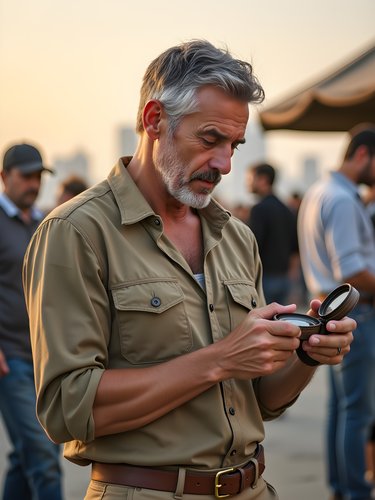
I spent a morning with Abdulai, a second-generation diamond dealer who explained the industry's transformation since the Kimberley Process Certification Scheme was implemented to combat conflict diamonds. His knowledge of gemology rivaled any expert I've encountered in my environmental cases involving mining claims back home.
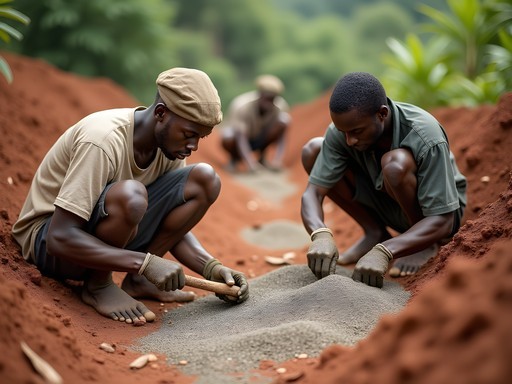
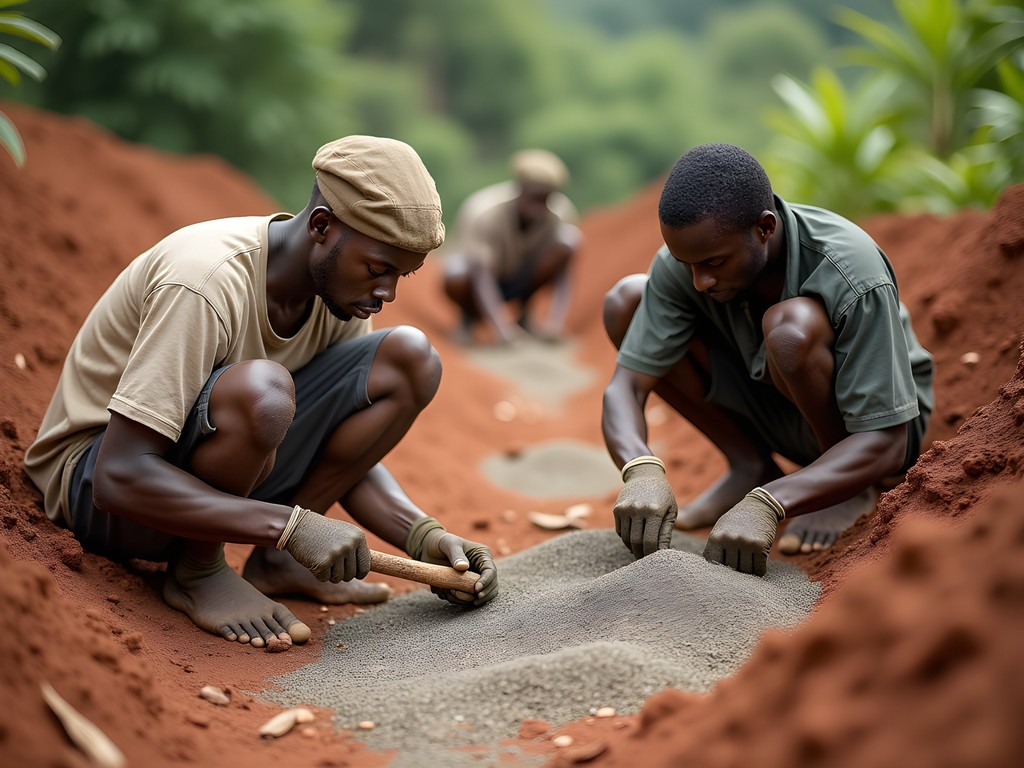
For those interested in seeing the source, it's possible to visit artisanal diamond mining sites outside the city. These aren't the massive industrial operations you might imagine, but rather small-scale endeavors where miners use simple tools to sift through gravel beds. I arranged my visit through the local tourist office, ensuring both safety and ethical engagement with the miners.
While observing these operations, I was reminded of the small-scale gold panners I've encountered in Montana's streams—though the stakes and conditions here are markedly different. For documenting these unique experiences, my waterproof camera proved invaluable, especially during a sudden afternoon downpour at the mining site.
💡 Pro Tips
- Never attempt to purchase diamonds without proper documentation and export permits
- Only visit mining sites with official guides arranged through reputable agencies
- Bring small denominations of leones (local currency) to tip miners if you photograph them, but always ask permission first
Immersion in Kenema's Markets and Culinary Scene
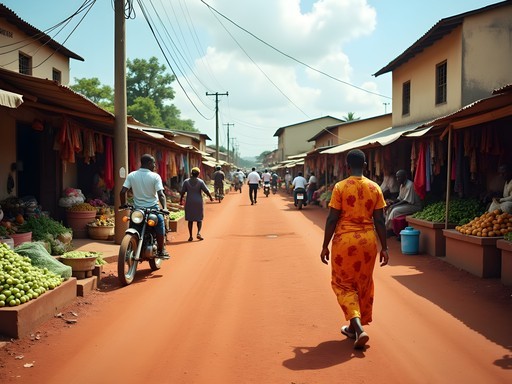
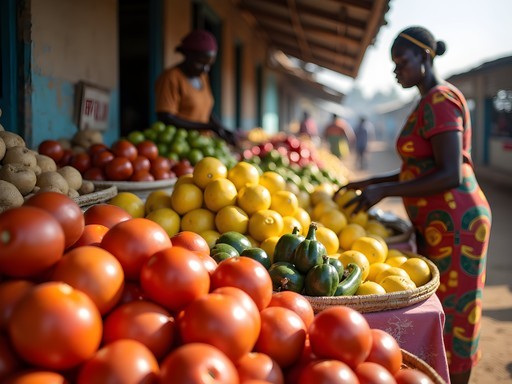
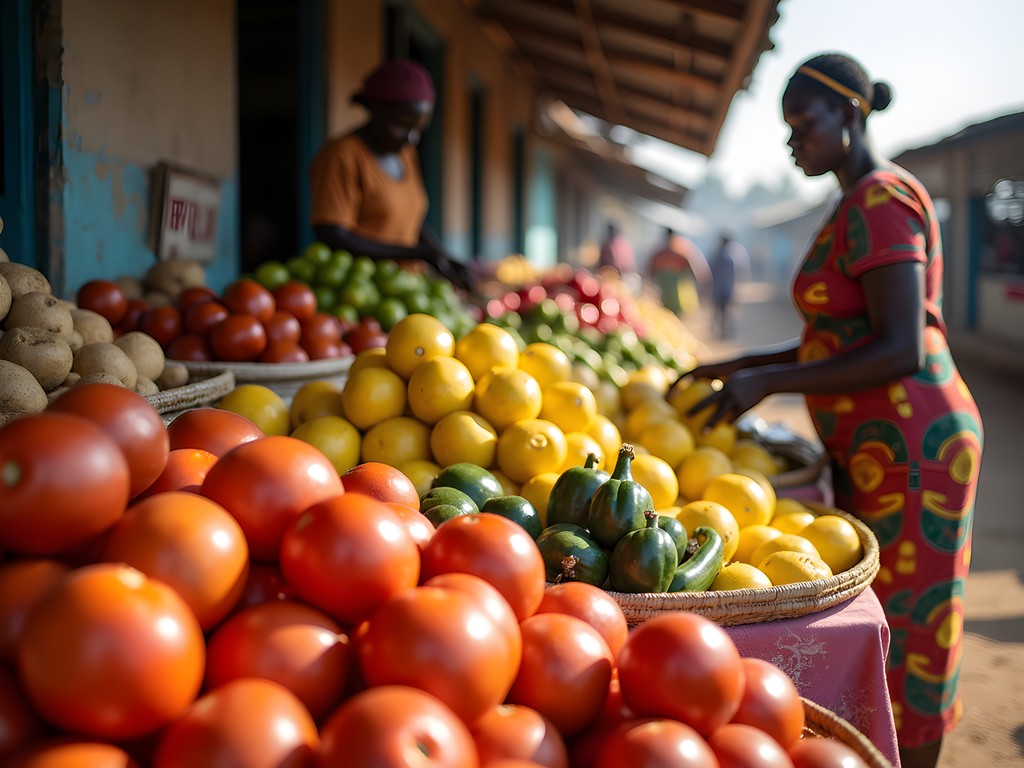
If Kenema's diamond district represents its economic engine, then the city's markets are its beating heart. Having explored markets from Wyoming to Montana's tribal reservations, I can confidently say that Kenema's central market ranks among the most vibrant I've encountered.
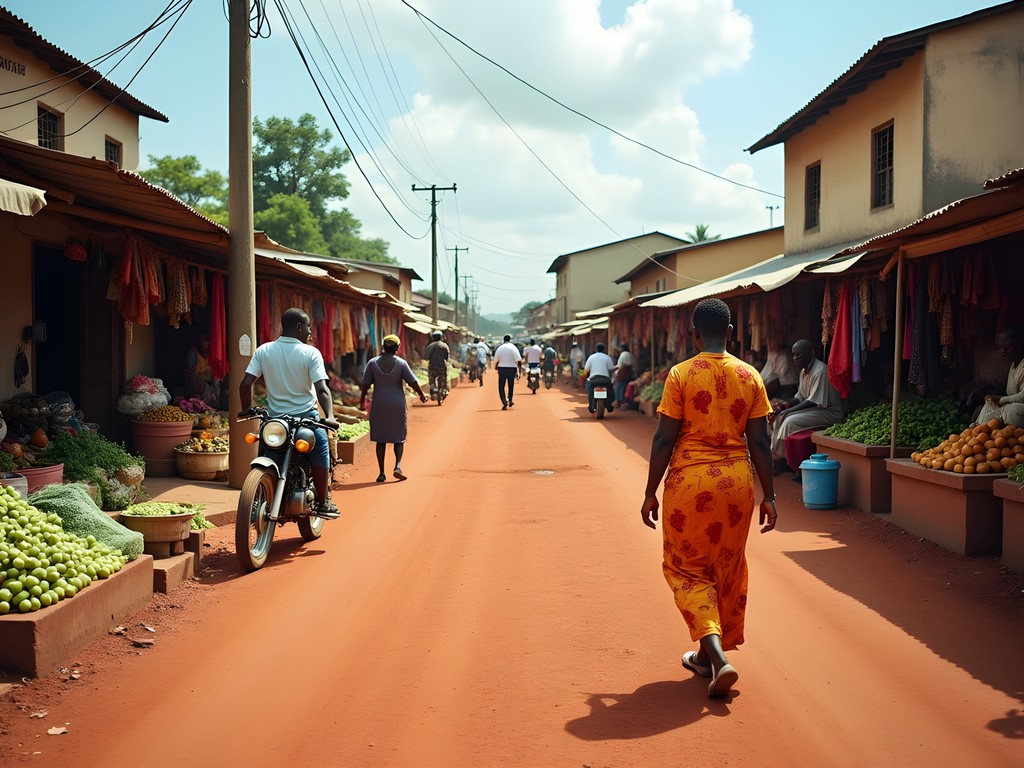
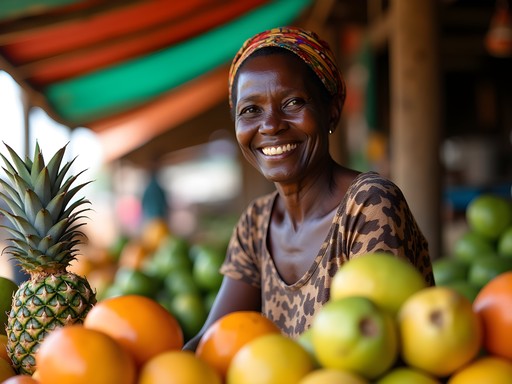
Arrive early—around 7 AM—to witness the market coming to life as vendors arrange pyramids of cassava, plantains, and fiery scotch bonnet peppers. The textile section showcases locally-produced gara cloth, a traditional fabric dyed using techniques passed down through generations. I purchased several pieces as gifts, each pattern telling its own story.
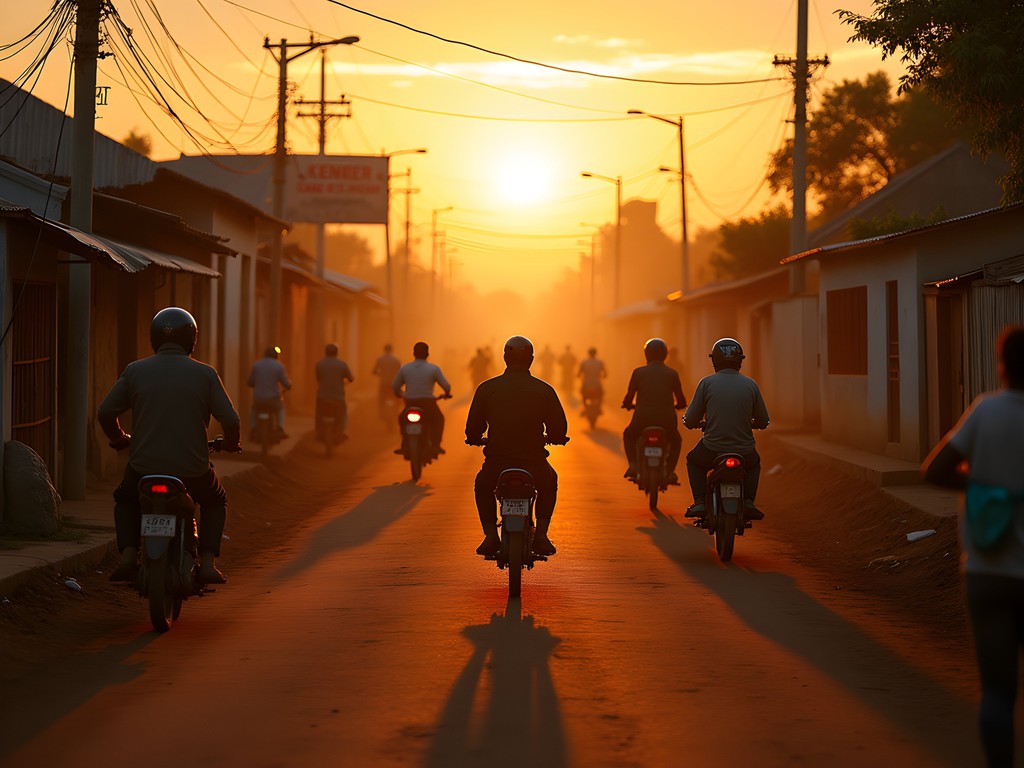
Food in Kenema reflects both local Mende traditions and broader West African influences. The city's signature dish is plasas—a savory stew of cassava leaves simmered with palm oil, dried fish, and various meats, typically served with rice. At Mama Kadiatu's roadside eatery near the market, I enjoyed the best version of this dish, served on a communal bench where I broke bread (or rather, shared rice) with local teachers and motorcycle taxi drivers.
For those with less adventurous palates, Lebanese-owned restaurants offer familiar Mediterranean options—a culinary legacy of Lebanon's long commercial presence in Sierra Leone. Continental Restaurant on Hangha Road serves reliable meals in air-conditioned comfort, though at prices significantly higher than local establishments.
Staying hydrated is critical in Kenema's tropical climate. While bottled water is widely available, I reduced plastic waste by using my water purifier bottle throughout my trip. This allowed me to safely drink tap water and avoid contributing to the plastic pollution problem I've fought against in my environmental work back home.
💡 Pro Tips
- Eat where locals eat for the most authentic (and affordable) culinary experiences
- Learn the phrase 'a bit spicy please' ('small pepper') unless you're accustomed to West African heat levels
- Try palm wine—a mildly alcoholic traditional drink—but only from established vendors who maintain proper hygiene

Day Trips to Tiwai Island and the Gola Rainforest
While Kenema itself offers plenty to explore, the surrounding region houses some of West Africa's most significant ecological treasures. As an environmental attorney who's dedicated my career to protecting natural landscapes, these areas were the highlight of my Sierra Leone journey.
Tiwai Island Wildlife Sanctuary sits in the Moa River, about a two-hour drive from Kenema plus a short boat ride. This 12 square kilometer island hosts one of the world's densest and most diverse primate populations, including the endangered Diana monkey and chimpanzees. The sanctuary is community-managed, with proceeds supporting local villages—a conservation model I've long advocated for in my legal work.
I spent two days on Tiwai, staying in the basic but adequate research station accommodations. My guide, Ibrahim, displayed a knowledge of local flora and fauna that would humble many university-trained biologists I've worked with on environmental impact statements. During dawn hikes, we spotted eleven primate species, though the elusive pygmy hippopotamus—one of the island's most famous residents—remained hidden.
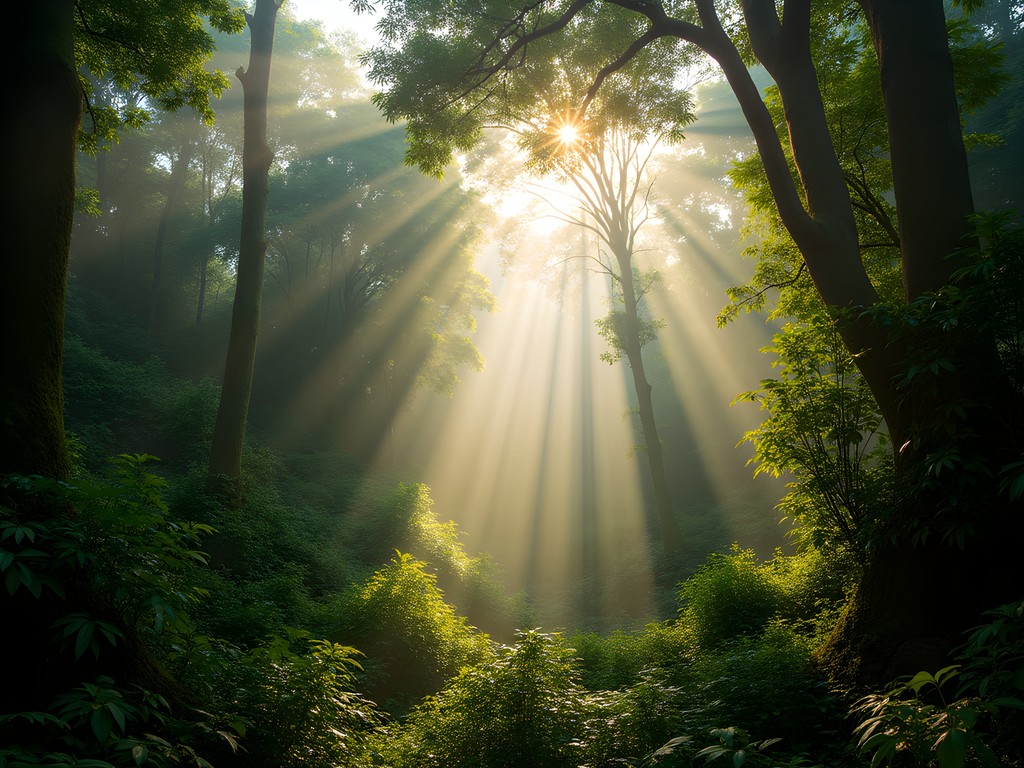
Further afield lies the Gola Rainforest National Park, one of West Africa's last significant tracts of upper Guinean tropical forest. This ecosystem once stretched from Guinea to Togo but has been reduced to fragments, making Gola's protection crucial. The park offers more developed tourism infrastructure than Tiwai, including guided hikes and birdwatching tours.
For both excursions, my binoculars proved essential for wildlife spotting. The clarity and light-gathering capabilities made all the difference in identifying birds and distant primates in the forest canopy. When packing for these excursions, remember that you're entering genuine wilderness—prepare accordingly.
💡 Pro Tips
- Book Tiwai Island visits through the Environmental Foundation for Africa in Kenema
- Bring sufficient cash as there are no ATMs outside of Kenema city
- Pack lightweight, quick-dry clothing as humidity approaches 100% in the rainforest
Practical Considerations for the Solo Traveler
Kenema demands a different approach than the American Southwest destinations I typically write about. This isn't Yellowstone or the Grand Canyon, where infrastructure caters to tourists at every turn. Here, you're operating in an environment where tourism remains nascent, requiring both preparation and flexibility.
Accommodation options in Kenema are limited but improving. I stayed at the Sierra Palm Hotel, which offers reliable electricity (via generator during frequent outages), air conditioning, and secure parking. At approximately $60 USD per night, it represents the higher end of local options. Budget travelers might consider the Catholic Mission Guesthouse, which provides clean, basic rooms at about one-third the price.
Connectivity presents challenges—internet access is intermittent even at the best establishments. I maintained communication using a local SIM card (Orange provides the best coverage) and my portable power bank, which proved essential during the frequent power outages. Having backup power meant I could keep my phone and camera operational even when the city's electricity wasn't.
Health precautions are non-negotiable. Beyond required yellow fever vaccination, malaria prophylaxis is essential. Consult a travel medicine specialist well before departure, as some preventative medications must be started weeks in advance. The 2014 Ebola outbreak is long over, but it left behind improved hygiene practices—hand washing stations are ubiquitous and should be used regularly.
Security concerns exist but are manageable with common sense. Kenema is significantly safer than Freetown, with violent crime rare. Still, display the same street awareness you'd use in any unfamiliar urban environment. I never felt threatened during my two weeks, though I avoided walking alone after dark and kept valuables secured.
💡 Pro Tips
- Register with your country's embassy or consulate before arrival
- Carry photocopies of your passport and visa, keeping originals in your hotel safe
- Arrange transportation through your accommodation rather than hailing unknown vehicles
Final Thoughts
Kenema won't appear on many travelers' bucket lists, and perhaps that's precisely its value. In a world where tourism increasingly means curated experiences and Instagram backdrops, this Sierra Leonean city offers something far more valuable: authenticity. My two weeks here reminded me why I travel in the first place—not to check destinations off a list, but to understand places on their own terms. Like the contested lands I've represented throughout my legal career, Kenema is complex, sometimes contradictory, but undeniably real. It demands effort from visitors but rewards that investment many times over. If you're an experienced solo traveler seeking genuine connection rather than comfort, consider venturing to this unvarnished gem of West Africa. The red dust will eventually wash from your boots, but the memories of Kenema's resilient spirit will remain with you long after your return.
✨ Key Takeaways
- Kenema offers authentic cultural immersion for experienced travelers willing to step far outside typical tourist circuits
- The region's complex history with diamonds and civil war has shaped a remarkably resilient community
- Surrounding natural areas like Tiwai Island represent critical conservation opportunities in West Africa
- Advance preparation is essential, but the rewards of experiencing this overlooked destination are substantial
📋 Practical Information
Best Time to Visit
November to April (dry season)
Budget Estimate
$50-75 USD per day for mid-range accommodations and meals
Recommended Duration
7-14 days
Difficulty Level
Challenging



Comments
wanderblogger
YESSS more West Africa content!! This is exactly what travel blogging should be 🙌
Bryce Diaz
Chase, this brought back so many memories! I spent three weeks in Freetown and Bo back in 2019 but never made it to Kenema - kicking myself now. The market scene you described is exactly what I experienced in Bo. There's something about West African markets that just pulls you in, you know? The colors, the energy, the women balancing impossible loads on their heads while negotiating prices. I remember buying fabric at a market and the vendor invited me to her home for groundnut stew. Those unplanned moments are what solo travel is all about. Your section on the diamond district was fascinating - that's a side of Sierra Leone most travel content completely glosses over. How long did you spend there total?
Chase Allen
Bryce! Yes, those spontaneous invitations are the best. I was there for about 10 days total. Bo is definitely on my list for next time - heard great things about the nightlife scene there too.
coffeeseeker
This looks amazing! How safe did you feel traveling solo there? Thinking about going but a bit nervous tbh
Chase Allen
Hey! I felt pretty safe overall. The usual precautions apply - don't flash valuables, trust your instincts. People in Kenema were incredibly welcoming. I'd recommend connecting with a local guide for the first day or two to get your bearings.
coffeeseeker
Thanks! That helps a lot
escapefan
This is EXACTLY the kind of travel content I'm here for!! So tired of seeing the same Barcelona and Bali posts over and over. Kenema just jumped way up on my bucket list. The Tiwai Island section especially - I had no idea Sierra Leone had such incredible wildlife experiences. Thank you for sharing this!!
Haley Hamilton
This brought tears to my eyes, Chase. There's something about places that haven't been polished for tourism that just hits different. I remember my first time in a truly off-grid destination - it was in rural Laos - and I had that same feeling you describe of everything being stripped away to just... genuine human connection. The way you wrote about the markets made me feel like I was there. How long did you stay in Kenema total? I'm plotting a West Africa trip for next year and trying to figure out how much time to allocate to each place.
Chase Allen
I spent 8 days there which felt about right. Gave me time for the Tiwai Island trip (2 nights) and still had days to just wander and absorb the pace of life. You could do it in 5-6 but I'd recommend a full week minimum.
skyzone1389
Great photos! Really captures the vibe
wanderlustwanderer
YES!! Finally someone writing about Kenema! I was there in 2023 and completely fell in love with it. The Gola Rainforest is absolutely incredible - saw pygmy hippos and so many bird species. The markets are chaotic but in the best way possible. Pro tip: learn a few phrases in Mende, people really appreciate it and it opens so many doors. Also the street food is AMAZING, especially the cassava leaf stew. This post brings back such good memories!
escapefan
Ohhh cassava leaf stew sounds incredible! Adding this to my list for sure
springpro
What's the best time of year to visit? I'm flexible with timing
Hannah Woods
Chase, this resonates so much with my own experience in lesser-known West African destinations. The diamond district section particularly caught my attention - I think it's important that travelers understand the complex history there rather than just treating it as a curiosity. Did you connect with any local guides who could provide context? I found that made all the difference when I was navigating similar historically sensitive areas in other countries. The authenticity you describe is exactly what's missing from so many travel experiences today.
Chase Allen
Absolutely Hannah. I worked with a local guide named Ibrahim who grew up there during the conflict years. His perspective was invaluable and honestly transformed how I understood the place. Highly recommend not going solo through that district.
adventureace
How safe is it for solo travelers right now? I've been wanting to explore West Africa but always get mixed info about Sierra Leone. Also curious about visa requirements?
Chase Allen
Hey! I felt very safe in Kenema. The locals were incredibly welcoming. Visa on arrival is available at Freetown airport for most nationalities - just bring cash USD. Standard precautions apply like anywhere.
adventureace
Thanks! That's really helpful
Venture X
Premium card with 2X miles, $300 travel credit, Priority Pass