
Disclosure: This article contains affiliate links. We may earn a commission from purchases at no extra cost to you, which helps our travel content.
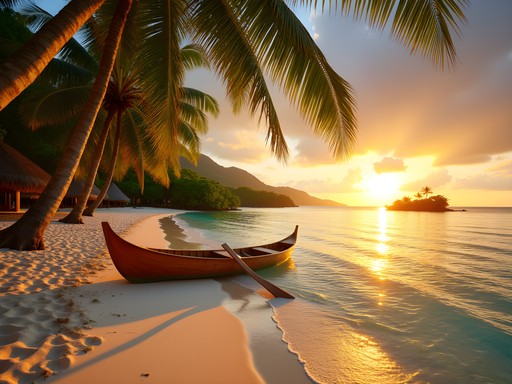
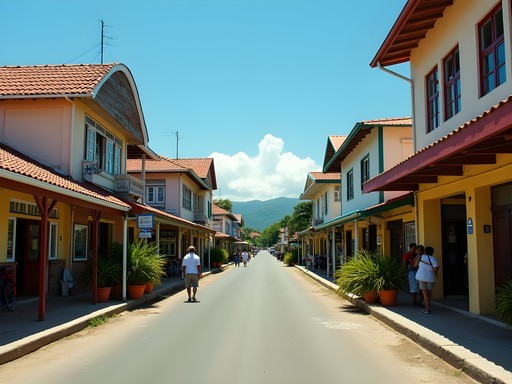
The first thing that hits you in Luganville isn't the humidity (though Lord knows it's like walking through hot soup) – it's the feeling that you've stumbled onto somewhere that exists in its own dimension of time. Vanuatu's second-largest city sprawls along Espiritu Santo's southeastern coast with a languid charm that belies its fascinating history as a massive WWII military base. Two weeks solo in this corner of the South Pacific taught me that the most profound adventures often happen in places where Google Maps gets sketchy and your phone finally, mercifully, stops working.
Getting Lost in Luganville's WWII Archives
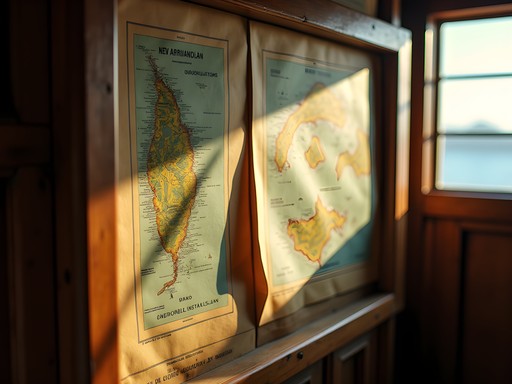
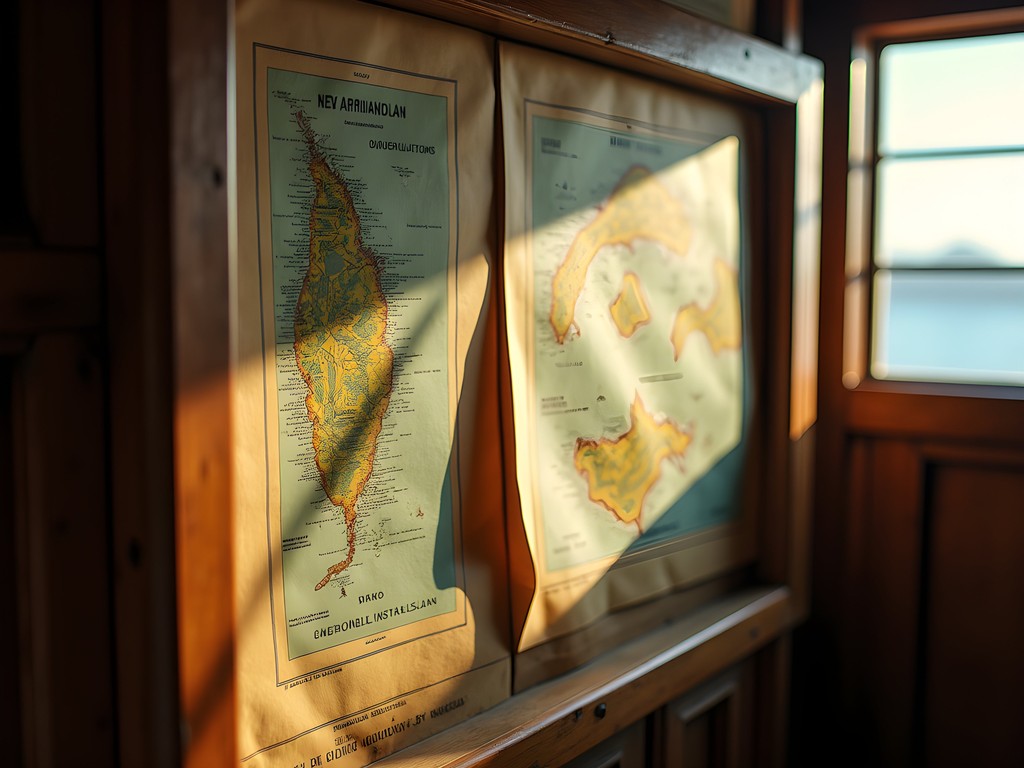
My fascination with research facilities led me straight to the unlikely treasure trove of WWII archives housed in a modest building near the town center. Y'all, I wasn't prepared for what I found. The caretaker – a gentleman named Joseph with stories etched into the lines of his face – unlocked cabinets containing original maps, photographs, and handwritten accounts from both Allied forces and local ni-Vanuatu who lived through the occupation.
What struck me most was the meticulous preservation despite the challenging tropical climate. Joseph explained they use a specialized dehumidifier in each cabinet to protect the paper documents – a simple solution I've since recommended to several archive facilities back home.
I spent three full days sketching and photographing (with permission) these artifacts, completely losing track of time. The facility welcomes researchers by appointment, but casual visitors can stop by on Tuesdays and Thursdays. The modest 1000 vatu entry fee (about $8.50 USD) goes directly to preservation efforts.
💡 Pro Tips
- Call ahead to arrange a visit to the archives – the posted hours aren't always reliable
- Bring small denominations of vatu as change is scarce
- Ask about Joseph's personal collection of WWII-era correspondence
Million Dollar Point: Where History Sinks Beneath the Surface
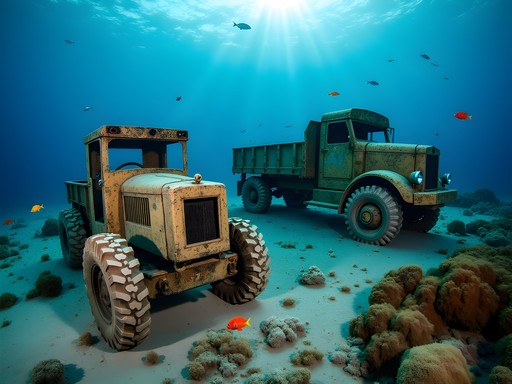
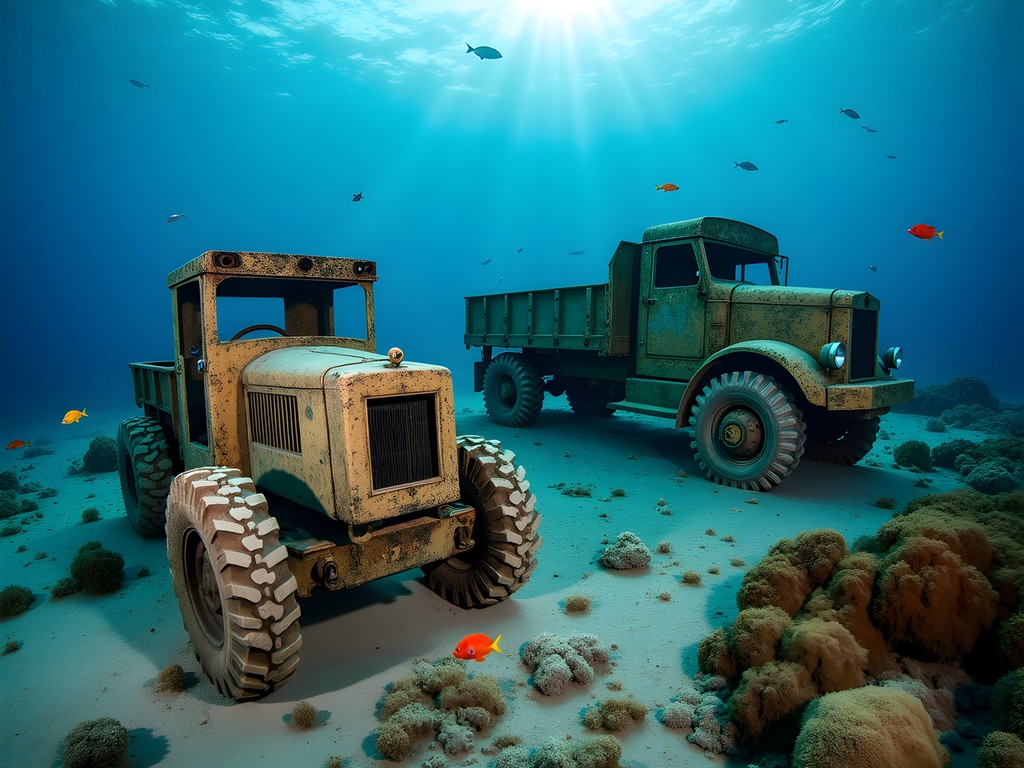
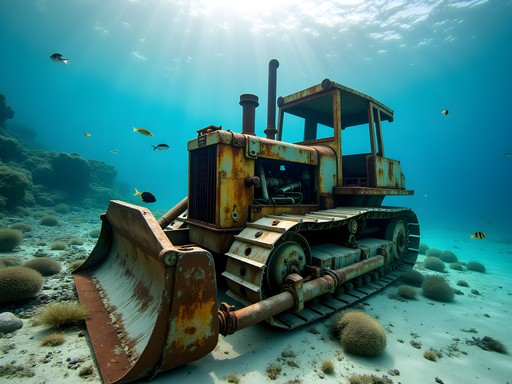
Nothing prepared me for the surreal experience of snorkeling at Million Dollar Point. After the war ended, the American military dumped millions of dollars worth of equipment into these waters rather than ship it home or leave it for others. The result? An underwater museum of jeeps, bulldozers, and machinery slowly being reclaimed by coral and marine life.
I'm a decent swimmer, but the currents here can be tricky. I rented gear from Aquamarine Santo near the main wharf (1500 vatu for a half-day) and hired a local guide named Tao who pointed out features I would've completely missed – like the fully intact Coca-Cola bottling machine half-buried in sand at 15 feet depth.
Bring your own underwater camera if you have one. The rental options in town are limited and pricey. I used my waterproof phone pouch for shallow water shots, but wish I'd had something more substantial for the deeper areas. The visibility here is exceptional – often 30+ meters on clear days.
💡 Pro Tips
- Visit during morning hours when the water is typically calmer
- Wear reef shoes as the shore entry has sharp coral fragments
- Bring small bills to tip your guide – they're a wealth of historical knowledge
Luganville Market: A Printmaker's Paradise
Y'all know my weakness for markets, and Luganville's central market is a sensory feast that had me filling sketchbooks faster than I could buy them. Unlike the more tourist-oriented markets in Port Vila, this is where locals shop, gossip, and conduct the business of daily life.
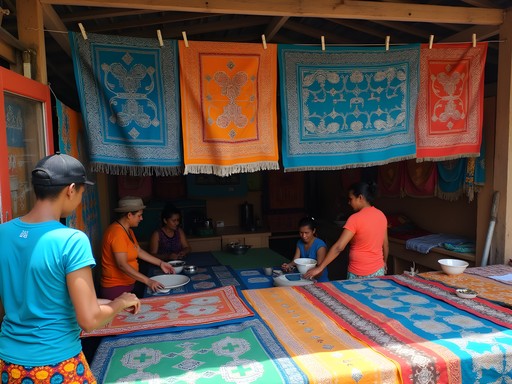
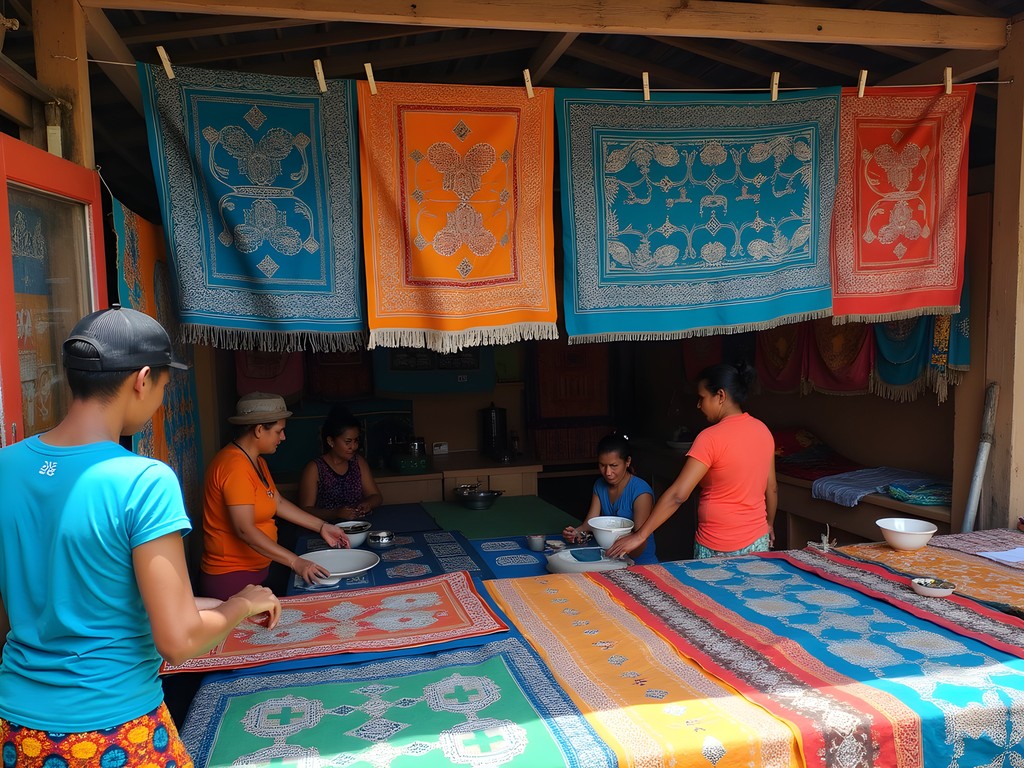
The textiles section alone kept me occupied for hours. Local women create stunning hand-printed fabrics using traditional methods that remind me of my printmaking days – but with techniques I'd never encountered. One woman named Marta uses banana tree stems carved into relief blocks, while another creates intricate patterns using pandanus leaves as stencils.
I couldn't resist buying several yards of indigo-dyed cloth that now hang in my New Orleans studio. The most unique souvenir? A set of natural pigments – vibrant reds from volcanic soil, blues from crushed shells, and yellows from turmeric – carefully wrapped in banana leaves. These now feature prominently in my own work.
My travel journal became invaluable here, as I collected recipes, techniques, and stories alongside my sketches. If you're even remotely artistic, bring twice as many sketchbooks as you think you'll need.
💡 Pro Tips
- Visit on Saturday mornings when the market is most vibrant
- Learn a few basic Bislama phrases – vendors appreciate the effort
- Bring your own shopping bag as plastic bags are increasingly rare

The Blue Holes of Santo: Nature's Research Facilities
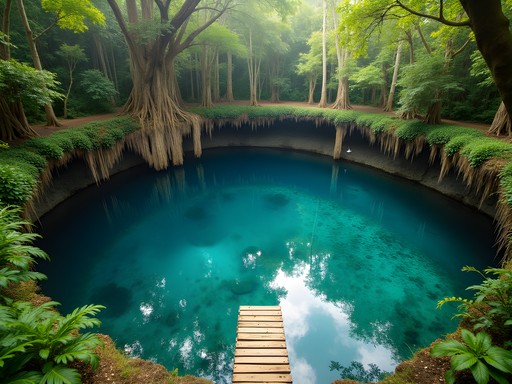
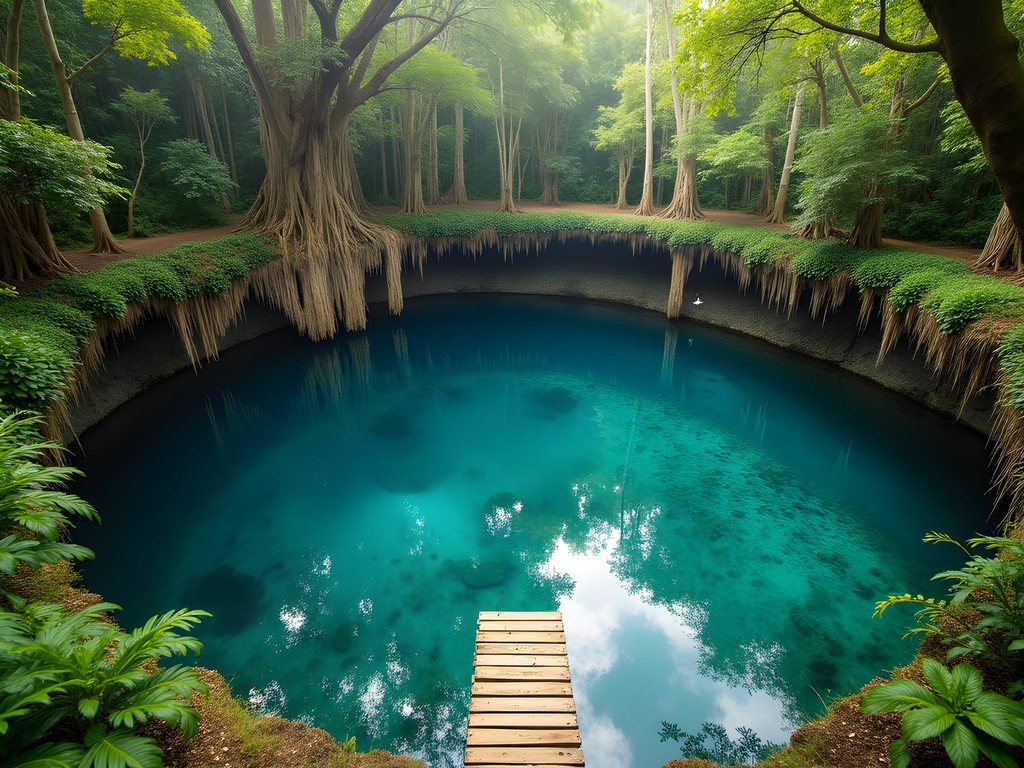
If my usual haunts are human archives, then Vanuatu's blue holes are nature's own research facilities – living records of geological and biological history. Espiritu Santo boasts several of these limestone sinkholes filled with crystal-clear freshwater, each with its own distinct ecosystem.
Matevulu Blue Hole, about 30 minutes from Luganville, became my regular morning pilgrimage. I'd arrive just after sunrise with my dry bag packed with sketching materials and spend hours observing the interplay of light, water, and the ancient banyan trees that stand sentinel around the edges.
Renting a bicycle from my guesthouse (1000 vatu/day) gave me the freedom to explore multiple blue holes at my own pace. The ride itself becomes part of the experience – passing through small villages where children call out "hello!" and occasionally join you for portions of the journey.
The most magical moment came at Nanda Blue Hole (sometimes called Jacquie's Blue Hole), when I arrived to find it completely empty of other visitors. I spent three hours swimming, floating, and watching dragonflies skim across water so clear it seemed like an optical illusion. The property owners have built a simple bamboo platform for jumping, and the 10-meter plunge into cool water became my daily meditation.
💡 Pro Tips
- Visit blue holes early morning or late afternoon to avoid tour groups
- Bring cash for entry fees (typically 500-1000 vatu per person)
- Pack a simple lunch – there are picnic areas but no food vendors
Finding Solitude at Lonnoc Beach
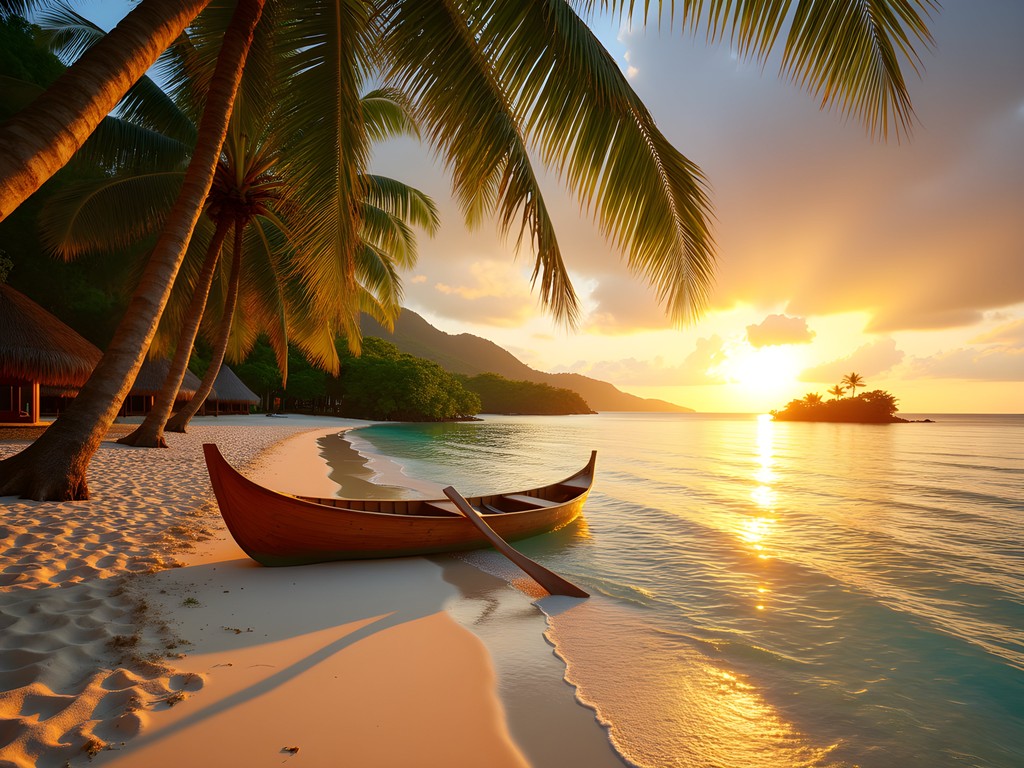
When archive-diving and market-sketching left me craving pure solitude, I'd hop on a local bus (really just a van with 'B' on the license plate) and head to Lonnoc Beach on the eastern coast. This crescent of white sand facing Turtle Island offers the kind of quiet that's becoming endangered in our hyperconnected world.
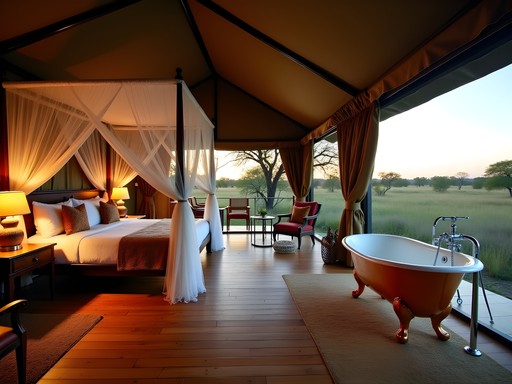
I stayed two nights in a simple bungalow at Lonnoc Beach Bungalows (3000 vatu/night) with no electricity except for solar-powered lights from 6-9pm. The first night, I nearly panicked at the disconnect – my solar charger barely keeping my devices alive. By the second night, I'd surrendered to the rhythm of the place, falling asleep to the sound of waves and waking with the roosters.
The beach itself offers excellent snorkeling directly from shore. The coral begins just 10 meters out and extends in a vibrant garden that rivals many dedicated dive sites I've visited. Pack your own mask and snorkel if possible – the rentals are limited and well-loved (read: leaky).
The beach's resident dog – a sweet mutt named Captain – adopted me immediately and became my companion for long walks along the shore. We'd collect interesting shells and driftwood that I later incorporated into temporary sculptures, photographing them before letting the tide reclaim the materials.
💡 Pro Tips
- Arrange your return transportation when being dropped off – buses are infrequent
- Bring a headlamp or flashlight for navigating after dark
- Pack enough cash as there are no ATMs outside Luganville
Final Thoughts
Two weeks in Luganville changed something fundamental in how I approach both travel and my art. There's a richness that emerges when you allow yourself to sink fully into a place – not just passing through, but truly inhabiting it, even temporarily. I've found that the most meaningful souvenirs aren't things but perspectives: the patience I learned from Joseph at the archives, the resourcefulness of the market women, the ancient wisdom embedded in those blue holes.
Solo travel in remote places like Vanuatu demands more – more preparation, more flexibility, more openness – but returns exponentially more in experience. My sketchbooks from Luganville contain not just drawings but fragments of a self I discovered there, one more attuned to the rhythms of a world not dominated by screens and schedules.
If you're considering this journey, know that Luganville won't meet you halfway. It asks you to step fully into its reality, to accept its pace and peculiarities. But for those willing to make that leap, it offers something increasingly rare: a place where you can hear yourself think, where your own creativity can surface, where you might – as I did – find pieces of yourself you didn't know were missing.
✨ Key Takeaways
- Solo travel in Luganville rewards those willing to embrace disconnection and spontaneity
- The blend of WWII history, traditional culture, and natural wonders creates a uniquely layered experience
- Bringing artistic tools (sketchbooks, cameras, journals) enhances the experience of this visually rich destination
📋 Practical Information
Best Time to Visit
May-October (dry season, with September-October being ideal)
Budget Estimate
$50-80 USD per day including basic accommodation, local food, and transportation
Recommended Duration
10-14 days minimum to truly experience the pace
Difficulty Level
Challenging - Limited Infrastructure, Basic Accommodations, Minimal Internet

Comments
hikinglife418
YES! Luganville is SO underrated!! The market section really resonated with me. I spent hours just watching the printmakers work and ended up buying way too much tapa cloth to fit in my backpack lol. Also your photos are incredible.
Frank Garcia
Really appreciate the nuanced take on Million Dollar Point. Too many travel writers gloss over the environmental impact of that dumping, but you captured both the historical significance and the problematic legacy. I spent three days diving there last year and the coral reclamation is actually fascinating from an ecological perspective - nature adapting to human waste. Did you get a chance to dive the SS President Coolidge while you were there? It's consistently ranked as one of the world's best wreck dives and pairs well thematically with Million Dollar Point.
Corey Kelly
I didn't dive it unfortunately - only snorkeled Million Dollar Point. The Coolidge is definitely on my list for a return trip though. The scale of it seems incredible.
springbackpacker
How easy is it to get to the blue holes without a tour?
Corey Kelly
Pretty straightforward! You can hire a scooter in town or catch a local bus toward Luganville's outskirts. Matevulu Blue Hole is the easiest to reach independently. Just ask locals - everyone knows where it is and they're super helpful with directions.
springbackpacker
awesome thanks!
Riley Griffin
Your point about Luganville existing in its own dimension really struck me, Corey. We brought our teenagers there two summers ago and they were skeptical at first - no wifi at the guesthouse, not much nightlife. But by day three they were completely absorbed. My son spent hours talking to a local fisherman about traditional canoe building. It's one of those rare places that forces you to slow down and actually connect. The humidity though... you weren't kidding about the hot soup description! We found the blue holes were the perfect afternoon escape when it got too intense. Have you been back since this trip?
tripadventurer
Really cool post, thanks for sharing!
explorechamp
The WWII history angle is fascinating - I had no idea there was so much there. Is the archives place you mentioned open to casual visitors or do you need special permission?
sunnytime
Going there in April! How easy is it to get around without a car? I'm planning to go solo too and trying to figure out transportation. Did you rent a scooter or just use taxis?
Riley Griffin
Taxis are pretty reasonable there! We used them for our family trips to the blue holes and it was easy to arrange through our guesthouse. The drivers know all the spots.
sunnyqueen
Love the photos especially the market one!
Ana Robinson
Corey, your description of Luganville really resonates! We took our kids there last year and I was worried it might be too remote for them, but they absolutely loved the blue holes. My 8-year-old still talks about swimming in Matevulu Blue Hole. The local kids playing there made it such a special cultural exchange moment. One tip for families - the market can be overwhelming in the heat, so we went early morning around 7am and it was perfect. The locals were so welcoming to the kids and let them help pick out produce. Such a different pace from Tokyo!
tripadventurer
Good to know it's family friendly!
sunnymaster
How difficult is the diving at Million Dollar Point? I'm only open water certified but this looks incredible. Do you need advanced certification or can beginners handle it?
explorechamp
Not Corey but I've dived there - open water is fine! It's pretty shallow and the visibility is great. You'll love it.
sunnymaster
Thanks! That's really helpful
Venture X
Premium card with 2X miles, $300 travel credit, Priority Pass