


Disclosure: This article contains affiliate links. We may earn a commission from purchases at no extra cost to you, which helps our travel content.
I never thought I'd be writing love letters to a city's public transit system, but here we are. After years of navigating labyrinthine European metros and questionable rural bus routes across four continents, Seattle's transit network feels like a well-kept secret. When my pastry conference in Portland wrapped up last month, I decided to hop north for a weekend rather than immediately flying home to Norfolk. My Ukrainian grandmother always said the best way to know a city's soul is to travel it as locals do—and with Seattle's comprehensive transit options, I discovered she was absolutely right.
Getting From the Airport: Your First Transit Adventure
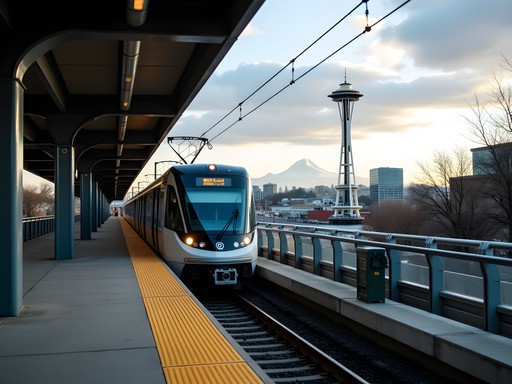
Landing at Seattle-Tacoma International Airport, most travelers instinctively reach for rideshare apps or shuttle services. Don't. Instead, follow signs to the Link light rail—your golden ticket into the city.
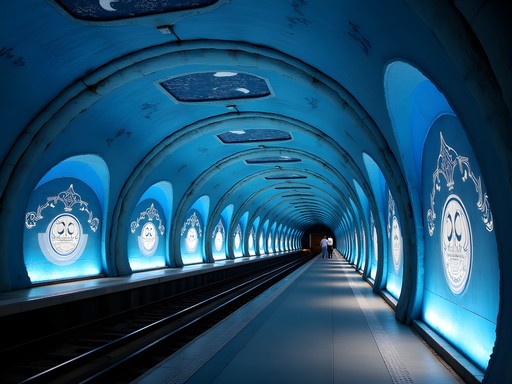
The sleek trains depart every 10 minutes during peak hours and connect directly to downtown in about 40 minutes for just $3.25. The elevated track offers stunning glimpses of Puget Sound and the Olympic Mountains on clear days—views you'd miss while staring at your phone in a rideshare.
After a red-eye flight from the East Coast, I found myself bleary-eyed but determined. Rather than splurging on a taxi, I purchased an ORCA card (Seattle's transit pass) from an airport kiosk, loaded $20, and was downtown before most hotel guests had finished their breakfast buffets. My travel backpack easily accommodated my weekend essentials while keeping my hands free to navigate—essential for those moments when you're juggling coffee and transit maps simultaneously.

💡 Pro Tips
- Purchase an ORCA card immediately at the airport—it works on all transit modes and saves you fumbling for exact change
- Download the Transit Go Ticket app for mobile ticketing if you prefer digital options
- Light rail runs from 5am to 1am (slightly reduced hours on weekends)—perfect for early flights or late arrivals
The ORCA Card: Your Transit Passport
Think of the ORCA card as your transit passport. This reloadable smartcard works across all Seattle transit systems—buses, light rail, streetcars, water taxis, and even the Monorail. At $5 for the card itself (plus whatever value you add), it's the single best investment you'll make all weekend.
The beauty of ORCA is its simplicity—tap when you enter, sometimes when you exit (on light rail), and the system automatically calculates the best fare. It even offers transfer credits if you switch between services within two hours.
I loaded mine with $30 for a weekend and had money left over despite using transit exclusively. For longer stays, consider the $8 day pass option which provides unlimited rides.
Pro tip: Keep your ORCA card in an easily accessible pocket of your travel wallet rather than digging through bags each time. I learned this lesson after awkwardly holding up a bus line while searching through my pastry-sampling purchases from Pike Place Market!

💡 Pro Tips
- Register your ORCA card online to protect your balance if it's lost or stolen
- Day passes ($8) are only worth it if you'll take 3+ trips in one day
- ORCA cards work for up to 6 people traveling together—just tell the driver you're paying for multiple fares
Buses, Streetcars & Water Taxis: The Transit Trifecta
Seattle's transit system shines in its diversity. While the Link light rail forms the backbone, connecting major neighborhoods along a north-south line, it's the extensive bus network that truly unlocks the city.
King County Metro buses reach virtually every corner of Seattle with remarkable frequency. Routes 10, 11, and 49 became my personal favorites, whisking me between Capitol Hill's eclectic restaurants and downtown's attractions. The RapidRide lines (identified by letters A-F) offer even more frequent service with fewer stops—perfect for covering ground quickly.
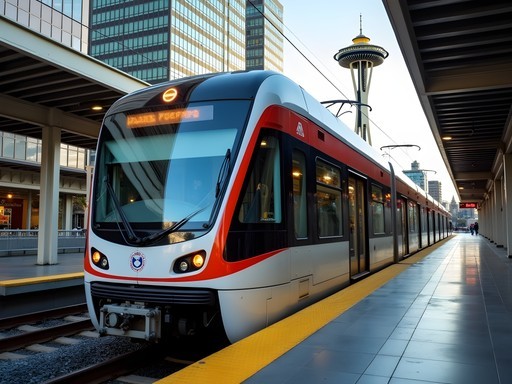
The South Lake Union Streetcar (affectionately called the SLUT by locals—yes, really) and First Hill Streetcar add charm while connecting downtown to surrounding neighborhoods. These modern trams offer free WiFi and large windows perfect for sightseeing.
But the real hidden gem? Seattle's water taxis. For the price of a regular transit fare, these passenger ferries connect downtown to West Seattle and Vashon Island. The 15-minute ride to West Seattle offers postcard-worthy skyline views that tour companies would charge $50+ for.
After a particularly intense day of exploration, my feet were begging for mercy. I slipped on my compression socks before boarding the water taxi back from West Seattle—a game-changer for preventing swollen ankles during travel days.

💡 Pro Tips
- Google Maps transit directions work exceptionally well in Seattle, but the OneBusAway app gives real-time arrivals
- Buses announce all stops and have clear digital displays—you won't miss your stop
- The West Seattle Water Taxi offers the best skyline photos—sit on the right side when heading back downtown

Culinary Adventures via Transit
As a pastry chef, food exploration is non-negotiable in my travels. Thankfully, Seattle's transit system delivers deliciously on this front too.
Pike Place Market sits just a short walk from the University Street light rail station, making it incredibly accessible. After spending a morning exploring the market's labyrinthine levels (and paying homage at the original Starbucks), I hopped on the 62 bus to Ballard for an impromptu bakery tour.
The 40 bus delivered me directly to Fremont, where I discovered a small Eastern European bakery making poppyseed rolls that transported me straight to my grandmother's kitchen. The owner and I bonded over Ukrainian heritage while she wrapped up extra pastries for my journey.
For dinner, the light rail whisked me to the International District station, where I wandered between Chinese, Japanese, Vietnamese, and Filipino establishments within blocks of each other. I couldn't resist documenting everything in my travel food journal, complete with transit directions for future reference.
My most delightful discovery? Seattle's microbreweries and craft cocktail bars are remarkably transit-accessible. After sampling locally-distilled gin at a Capitol Hill bar, I simply hopped on a frequent night bus back downtown—no designated driver required.

💡 Pro Tips
- The Route 44 bus connects the University District and Ballard—two excellent food neighborhoods
- Many transit stops have real-time arrival displays, but download the Transit app as backup for evening journeys
- Sunday transit runs on reduced schedules—check times before planning restaurant reservations
Sacred Spaces: Churches & Architecture by Transit
My grandmother's stories of Ukrainian Orthodox churches sparked my lifelong fascination with religious architecture, and Seattle didn't disappoint. The city's diverse spiritual landmarks are surprisingly accessible via public transit.
From downtown, I took the 10 bus up to Capitol Hill to visit St. Mark's Episcopal Cathedral—a modernist concrete masterpiece with acoustics that make even whispers sound sacred. The massive concrete pillars and soaring ceiling created an atmosphere that felt both ancient and contemporary.
Later, the 36 bus delivered me to Beacon Hill, where I discovered the breathtaking St. Peter's Vietnamese Catholic Church with its unique fusion of Eastern and Western architectural elements. The caretaker noticed my interest and invited me to see the small bakery where church volunteers prepare communion wafers and traditional pastries for community events.
For architecture beyond religious buildings, I found the 62 bus perfect for reaching the Fremont neighborhood's quirky landmarks, including the famous Troll sculpture and the remarkably preserved remnants of a Cold War rocket fuselage repurposed as public art.
To document these architectural discoveries properly, I relied on my mini tripod which fits in any pocket but stabilizes smartphone photos beautifully—essential for capturing interior details in low-light church settings.

💡 Pro Tips
- Many churches welcome respectful visitors outside service hours—check websites for visiting times
- The Seattle Architecture Foundation offers self-guided tours downloadable to your phone
- Bus routes 2, 3, and 4 create a 'church corridor' passing numerous historic religious buildings
Final Thoughts
As I boarded my flight back to Norfolk, scrolling through photos of Seattle's neighborhoods, skyline views from water taxis, and the unexpected bakery finds, I couldn't help but feel a twinge of satisfaction. Not only had I experienced Seattle more intimately than most car-bound tourists, but I'd saved enough on transportation to justify an extra splurge on that small-batch craft chocolate from Pike Place Market.
Navigating Seattle without a car isn't just possible—it's preferable. The city reveals itself differently when you're not focused on traffic or parking. You notice the subtle shifts between neighborhoods, overhear conversations that capture the city's essence, and discover hidden gems that car-reliant visitors speed past.
Whether you're visiting for a weekend or a week, embrace Seattle's transit system as your key to the city. Pack comfortable shoes, grab an ORCA card, and prepare to experience the Emerald City as it's meant to be seen—one bus stop, streetcar ride, and water taxi journey at a time. Your wallet, the environment, and your sense of adventure will thank you.
✨ Key Takeaways
- An ORCA card is essential—purchase it immediately upon arrival and load at least $20 for a weekend
- The Link light rail connects the airport to downtown, making car-free travel seamless from arrival to departure
- Water taxis provide both transportation and sightseeing opportunities for the price of a regular transit fare
- Seattle's bus system reaches neighborhoods and attractions that light rail doesn't cover—use both for complete access
📋 Practical Information
Best Time to Visit
year-round (summer offers best weather, fewer transit delays)
Budget Estimate
$10-15/day for transit (versus $30-50/day for car rental plus parking)
Recommended Duration
2-3 days minimum
Difficulty Level
Easy

Comments
wildking
Love this guide! The culinary adventures via transit section gave me so many good ideas for my trip next spring.
Casey Andersson
Natalie, this guide is brilliant! As someone who's visited Seattle multiple times, I can vouch for everything here. One additional tip for readers: if you're staying more than a few days, consider getting the Seattle CityPASS which includes the monorail ticket between downtown and Seattle Center (where Space Needle is). Also, for those who enjoy walking, I found the pedestrian path from Pike Place down to the waterfront incredibly scenic, especially at sunset. The combination of ferries, mountains, and city lights is just magical. Seattle truly is one of the most transit-friendly US cities I've experienced outside of NYC.
freeguy
Going to Seattle next month for the first time! Is the Link light rail the best way to get from neighborhoods like Capitol Hill to downtown? Also wondering if it runs late enough for evening activities?
wildking
Not the author but I can confirm the Link is perfect for that route! It runs until around 1am on weekends, which was late enough for our nights out. Just make sure you download the Transit Go app - saved us a few times when we were figuring out schedules.
freeguy
Thanks for the tip on the app! Will definitely download before the trip.
Natalie Adams
Freeguy - yes to everything wildking said! The Link is super convenient between Capitol Hill and downtown. I also recommend getting a week-long ORCA card if you're staying for several days. Enjoy your trip!
vacationguy
This guide is exactly what I needed! Just got back from Seattle last month and wish I'd had this before going. We figured out the ORCA card system but totally missed the water taxi option. Those views of the skyline from the water would have been amazing. The bus system was surprisingly reliable though - even managed to get all the way to Fremont to see the troll without any issues.
Casey Andersson
The water taxi is definitely a hidden gem! I took it on my last Seattle trip and got some incredible skyline photos. Did you make it to Kerry Park? Another great viewpoint that's accessible by bus.
vacationguy
We did make it to Kerry Park! That view is unbeatable. Took the 13 bus there if I remember correctly.
hikingwanderer
Pro tip: the light rail also gets you to the University District which has great hiking trail access via bus connections!
coffeeking
I'm planning my first solo trip and Seattle is top of my list specifically because of the transit system. I'm a little nervous about navigating a new city alone but posts like this make it seem totally doable. Did you feel safe using public transit at different times of day? Also any coffee shop recommendations that are near transit stops? (username checks out lol)
Megan Martin
Seattle transit is very solo-traveler friendly! Stay aware like you would anywhere, but I've never had issues. For coffee, literally anywhere near Pike Place Market or Capitol Hill - you can't throw a stone without hitting an amazing coffee shop.
cityseeker
Great guide! Really helpful.
photostar
How late do the buses run? Planning some evening outings and wondering if I'll be stuck with rideshares after dinner.
sunsettime
Most major routes run until midnight or later on weekends. Check the King County Metro website for specific routes though.
Sophia Gomez
Natalie, this brought back so many memories! I did a similar car-free Seattle adventure two years ago and it completely changed how I approach urban travel. One of my favorite discoveries was taking the bus up to the Fremont neighborhood - that Sunday market is incredible and totally accessible by transit. I also found that the streetcar, while slower, gave me this wonderful opportunity to just observe the city's rhythm. There's something about not being underground that makes you feel more connected to where you are. Did you make it to any of the neighborhoods north of downtown?
coffeeking
Wait, there's a Sunday market in Fremont? Adding that to my list!
hikingwanderer
Love this! Seattle transit is underrated.
Venture X
Premium card with 2X miles, $300 travel credit, Priority Pass