
Disclosure: This article contains affiliate links. We may earn a commission from purchases at no extra cost to you, which helps our travel content.
The first time I stepped off the train in Seville, I felt that familiar rush of arrival anxiety—the kind that comes with navigating a new city's transportation system while jet-lagged and slightly disoriented. But here's what I discovered: Seville is remarkably accessible, especially for families seeking an authentic Spanish experience without the overwhelm of larger European capitals. The city's compact layout and thoughtful transit options invite you to slow down, breathe deeply, and move through its sun-drenched streets with intention rather than stress.

Understanding Seville's Transportation Landscape
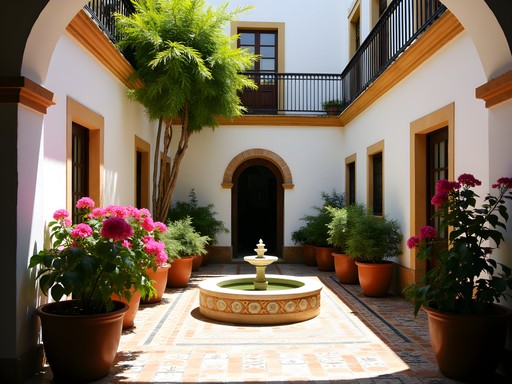
Seville's beauty lies in its walkability. The historic center, where most families spend their time, is wonderfully compact—you can cross it on foot in about 30 minutes. But with kids in tow and the Andalusian sun beating down (especially outside winter months), you'll want options.
The city offers a harmonious blend of traditional and modern transit: a single metro line, an extensive bus network, charming trams, abundant taxis, bike-sharing systems, and those iconic horse-drawn carriages. During my week exploring the city, I found myself using different modes depending on the time of day and my energy level—a practice I encourage you to embrace rather than committing to just one method.
What struck me most was how each transportation choice offered a different lens through which to experience the city. The metro provided efficient point-to-point travel, while cycling along the Guadalquivir River at sunset became a daily meditation practice. Consider your family's rhythm and choose accordingly.
💡 Pro Tips
- Download the Sevici bike-sharing app before arrival to streamline registration
- Purchase a rechargeable Tarjeta Multiuso card at any metro station—it works across all public transport and saves significantly compared to single tickets
- Avoid peak summer midday travel (2-5pm) when possible; the heat can be intense for young children
The Metro: Your Underground Ally
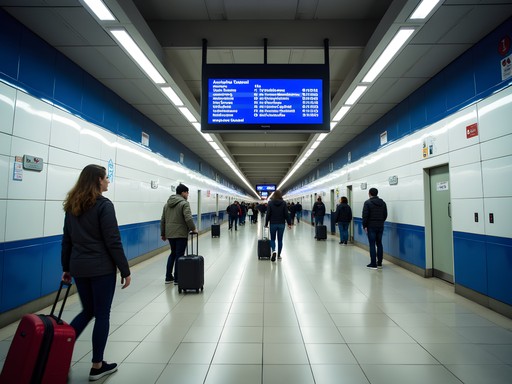
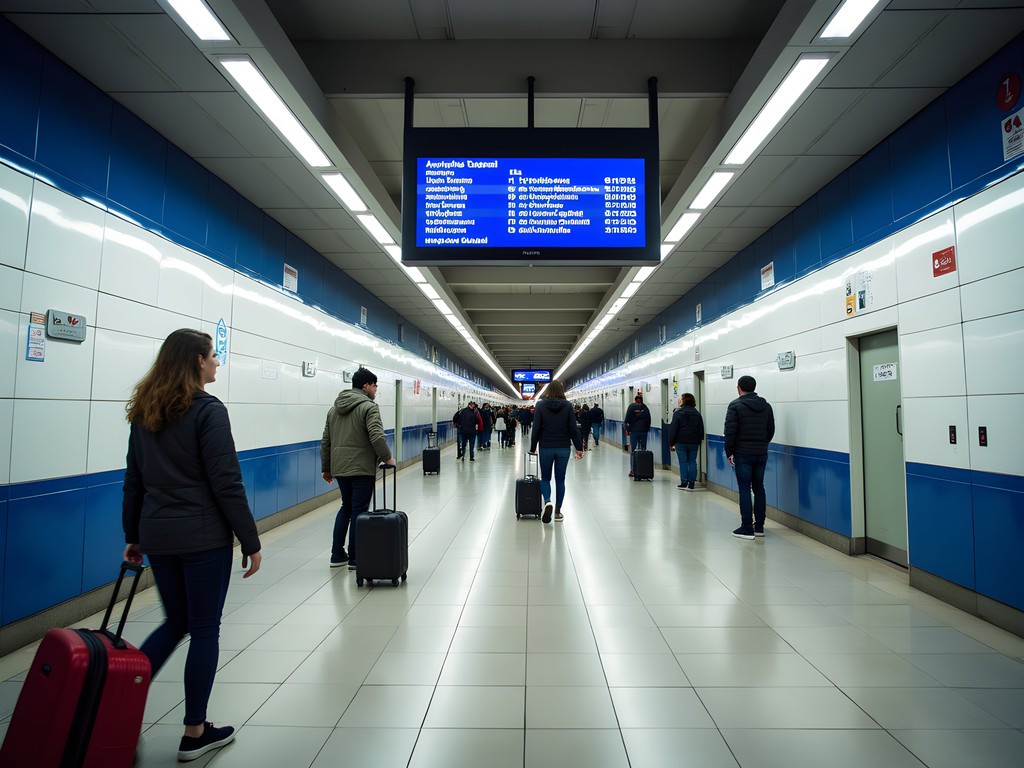
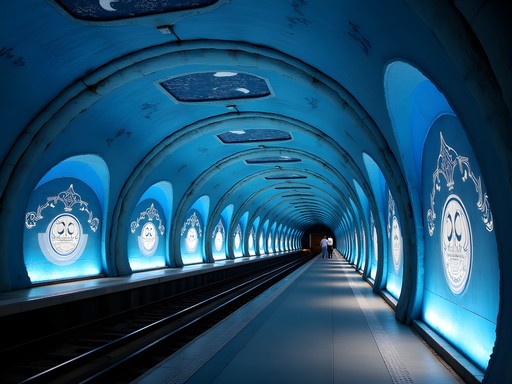
Seville's metro system is refreshingly simple—just one line (Línea 1) with 22 stations. While limited in scope, it strategically connects key areas including the airport, the historic center (Puerta Jerez station), and residential neighborhoods. For families staying outside the old town, it's your most reliable option.
I remember riding the metro during my first morning, still adjusting to the time difference, and appreciating its modern cleanliness and air conditioning. Trains run every 5-7 minutes during peak hours and every 10-15 minutes during off-peak times, from 6:30am to 11pm on weekdays (extended to 2am on Fridays and Saturdays).
The real value emerges when you purchase the Tarjeta Multiuso—a rechargeable card that reduces single journey costs from €1.35 to €0.82. For families, this adds up quickly. You can load multiple journeys or opt for unlimited travel passes. One card can be shared among family members, though you'll need to validate it separately for each person. Keep a portable card holder in your day bag to avoid the frustration of fumbling for cards while juggling kids and bags at turnstiles.
💡 Pro Tips
- The Puerta Jerez station provides easiest access to the Cathedral, Alcázar, and Santa Cruz neighborhood
- Strollers are permitted but elevators can be crowded during rush hour—consider baby-wearing for flexibility
- Save the metro for longer distances; many tourist sites are closer together than they appear on the metro map
Buses and Trams: The Comprehensive Network
While the metro gets you between major points, Seville's bus system (TUSSAM) fills in the gaps with over 40 routes crisscrossing the city. For families, the key routes include C1, C2, C3, and C4—circular lines that loop through the historic center and connect to surrounding neighborhoods.
The buses run frequently (every 10-15 minutes) and are equipped with air conditioning—a blessing during summer months. Real-time arrival information is displayed at most stops, and the TUSSAM app provides live tracking. I found myself using buses mainly for reaching specific sites like the Metropol Parasol or returning from evening flamenco shows when walking back felt less appealing.
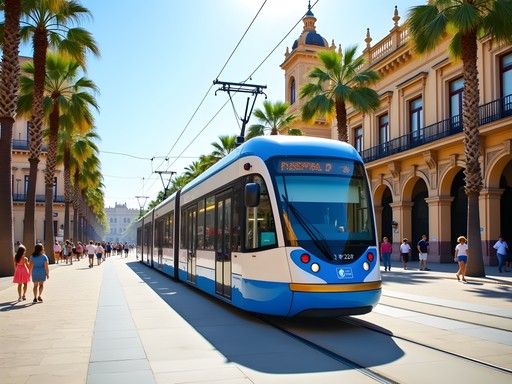
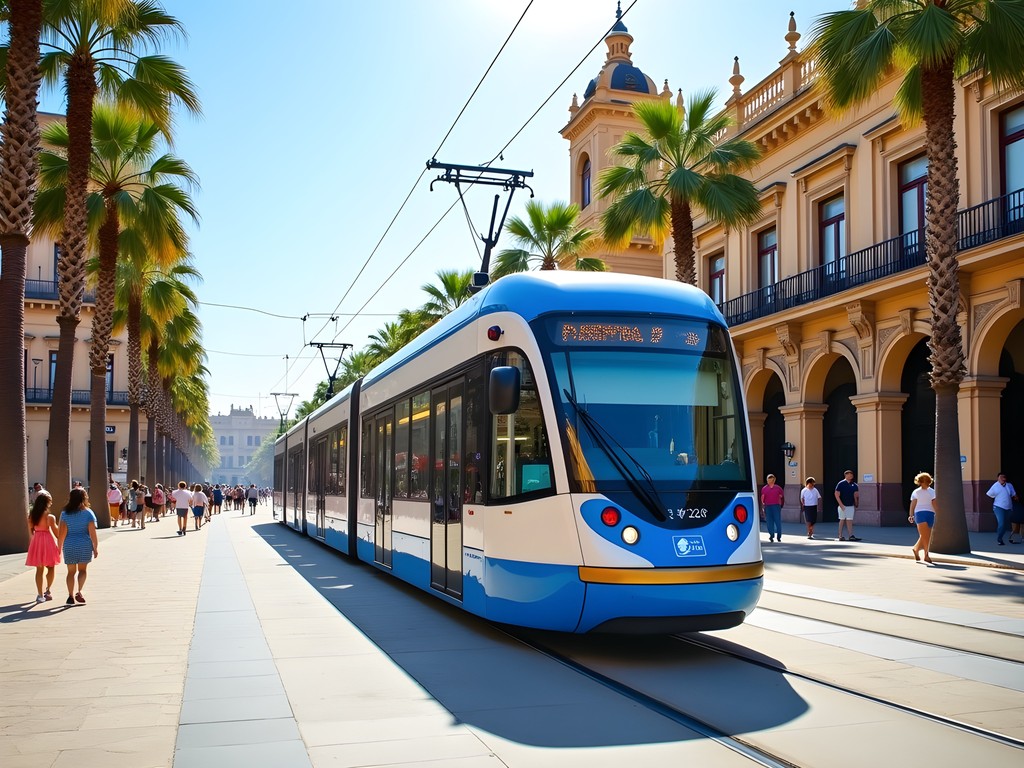
The T1 tram line deserves special mention. Running from Plaza Nueva through the San Bernardo train station, it's particularly useful for families staying near Santa Justa station or visiting the Prado de San Sebastián area. The tram's modern, spacious design accommodates strollers easily, and the journey itself becomes part of the experience as you glide past historic facades.
Invest in a portable phone charger to keep your navigation apps running throughout long sightseeing days—there's nothing quite like the sinking feeling of a dead phone when you're trying to catch the right bus with tired children.
💡 Pro Tips
- Night buses (Líneas Nocturnas) run after regular service ends, marked with an 'A' prefix
- Board through the front door and validate your Tarjeta Multiuso at the card reader
- The C5 bus connects the city center to the Isla de la Cartuja, home to the Isla Mágica theme park—perfect for a family day out

Cycling Through Seville: The Mindful Choice
Here's where Seville truly shines. The city boasts over 180 kilometers of dedicated bike lanes—more per capita than almost any European city. Cycling here isn't just transportation; it's a practice in presence, a way to feel the city's pulse rather than rush past it.
The Sevici bike-sharing system operates 24/7 with over 250 stations throughout the city. For families with older children (the bikes suit riders 1.5 meters and taller), it's an affordable and engaging way to explore. The first 30 minutes of each journey are free with a weekly subscription (€13.33), making it incredibly budget-friendly for a week-long stay.
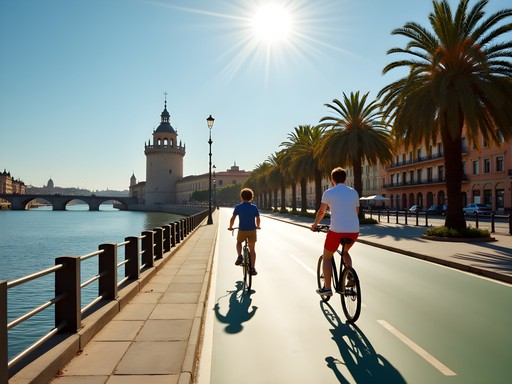
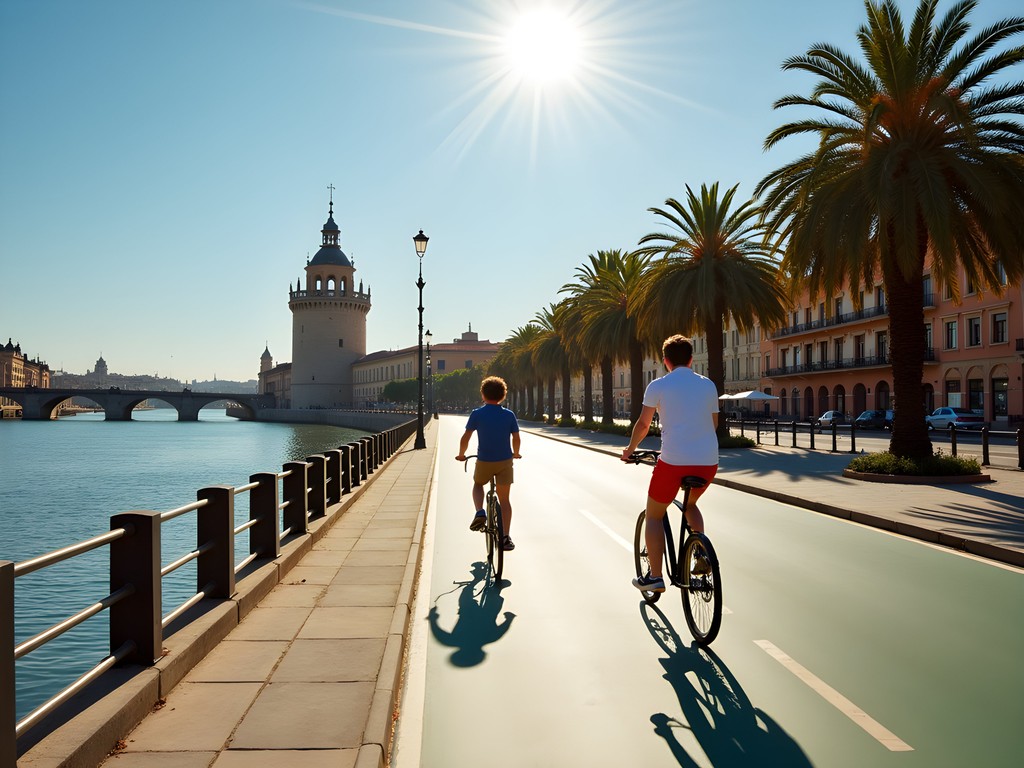
I spent several mornings cycling along the Guadalquivir River path, watching the city wake up, stopping at riverside cafés for cortados, and arriving at the Triana Market refreshed rather than frazzled. The flat terrain makes Seville ideal for casual cyclists, and the extensive bike lane network means you're rarely competing with car traffic.
For families with younger children, consider renting bikes with child seats or trailers from local shops like Sevilla Bike Tour or Bike Rental Sevilla. These typically cost €10-15 per day and include helmets. A quality bike lock provides peace of mind when stopping for tapas or exploring sites on foot—the provided Sevici locks are functional but basic.
💡 Pro Tips
- Register for Sevici online before arrival to avoid language barriers at kiosks
- Avoid cycling in the narrow streets of Santa Cruz neighborhood during peak tourist hours
- The riverside path from San Telmo Bridge to the Alamillo Bridge offers car-free cycling with playground stops along the way
Taxis and Ride-Sharing: When Convenience Matters
Sometimes you just need door-to-door service—after a long museum day with exhausted kids, when carrying multiple shopping bags, or heading to a restaurant outside the center. Seville's white and yellow taxis are abundant, regulated, and reasonably priced.
Taxis use meters, and rides within the city center typically cost €6-10. The airport to city center runs about €25-30, though the metro offers a budget alternative at just €4.50 per person. I found taxis most valuable for evening transportation when public transit frequency decreases and the day's adventures have depleted everyone's energy reserves.
Uber and Cabify operate in Seville, often at comparable or slightly lower prices than traditional taxis. The apps eliminate language barriers and provide upfront pricing—helpful when traveling with family and wanting to avoid surprises. However, during peak hours or festivals, surge pricing can make traditional taxis more economical.
For airport transfers with lots of luggage, I recommend pre-booking through your accommodation or using a service like Welcome Pickups. The certainty of a driver waiting with your name after a long flight is worth the small premium when traveling with children. Keep a luggage scale in your suitcase to avoid overweight bag fees on your return journey—those ceramics and olive oils add up quickly!
💡 Pro Tips
- Taxi stands (paradas de taxi) are marked with blue signs and located at major plazas and attractions
- Always confirm the meter is running when you enter a taxi
- Request a receipt (recibo) if you need to track expenses—useful for families managing vacation budgets
Walking Seville: The Essential Experience
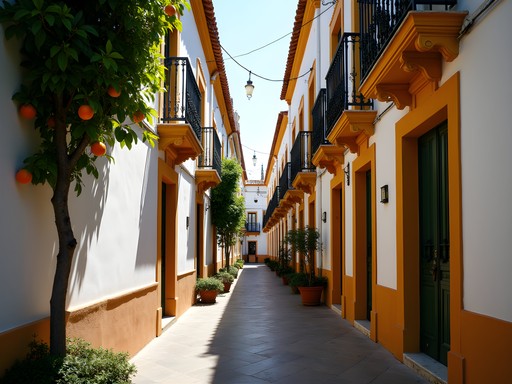
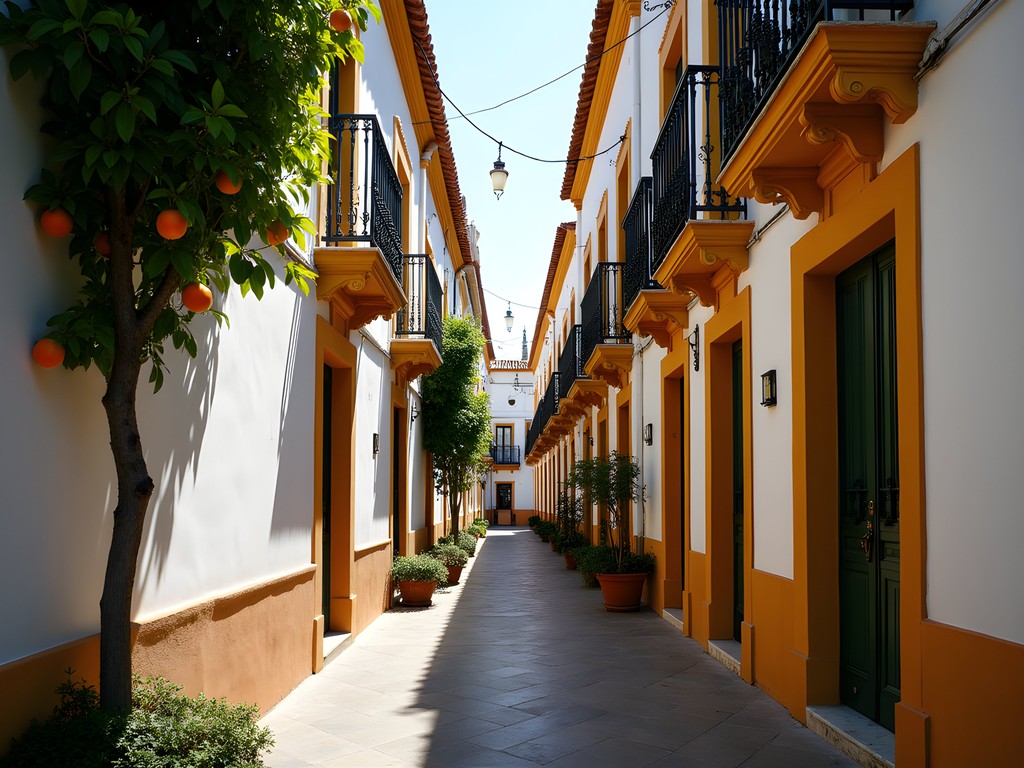
Despite all these transportation options, your feet remain your most valuable tool for experiencing Seville authentically. The historic center's labyrinthine streets, hidden plazas, and sudden architectural revelations reveal themselves only to those moving at walking pace.
I'll be honest—walking with children requires different expectations. Build in frequent stops, celebrate small discoveries (a tile shop, a fountain, a cat sunning itself), and resist the urge to maximize sightseeing efficiency. Some of my most meaningful Seville moments happened while pausing in shaded plazas, watching my travel companions (in your case, your kids) interact with the city on their terms.
The key is strategic walking. Tackle the major sites during cooler morning hours, retreat to accommodations or air-conditioned museums during peak afternoon heat, then emerge for evening paseos when the city comes alive. Invest in quality footwear—not just for yourself but for every family member. Comfortable shoes transform exhausting marches into pleasant explorations.
A collapsible water bottle for each family member is essential. Seville's public fountains are safe for drinking, and staying hydrated dramatically improves everyone's mood and stamina. I carried mine everywhere, refilling throughout the day, and it collapsed down to nothing when empty—perfect for crowded tapas bars.
💡 Pro Tips
- Download offline maps through Google Maps or Maps.me before your trip—historic center streets can challenge GPS signals
- The walk from the Cathedral to Plaza de España takes about 20 minutes but feels longer in heat; consider the tram or a taxi with young children
- Evening walks along Calle Betis in Triana offer riverside breezes and stunning sunset views of the city skyline
Final Thoughts
Navigating Seville with your family isn't about mastering every transportation option—it's about finding the rhythm that honors both your itinerary and your collective energy. Some days you'll confidently cycle between neighborhoods, feeling like temporary locals. Other days you'll gratefully collapse into an air-conditioned taxi after hours at the Alcázar. Both approaches are valid.
What I've learned through years of mindful travel is that transportation choices profoundly affect our experience of place. The metro delivers efficiency. Cycling offers immersion. Walking provides discovery. Taxis grant relief. The wisdom lies in knowing which serves your family's needs in each moment.
As you plan your Seville adventure, I encourage you to hold your transportation strategy loosely. Build in buffer time, expect the unexpected, and remember that getting slightly lost in the Santa Cruz neighborhood often leads to the tapas bar you'll remember forever. The city's compact size and excellent infrastructure mean you're never truly stuck—just temporarily redirected toward a different kind of discovery.
Seville teaches patience, presence, and the art of savoring the journey as much as the destination. Let its transportation options support rather than dictate your family's unique rhythm through this magnificent Andalusian capital.
✨ Key Takeaways
- The rechargeable Tarjeta Multiuso card works across all public transport and saves significantly on per-journey costs for families
- Cycling offers the most immersive and budget-friendly way to explore, with over 180km of dedicated bike lanes and free first-30-minutes through Sevici
- Strategic timing matters more than transportation mode—travel during cooler morning and evening hours, rest during peak afternoon heat
📋 Practical Information
Best Time to Visit
Year-round, though spring (March-May) and fall (September-November) offer ideal temperatures for family exploration
Budget Estimate
€50-100 for a week of family transportation (4 people) using primarily public transit and cycling
Recommended Duration
1 week provides ample time to explore Seville's major sites while maintaining a relaxed family pace
Difficulty Level
Easy




Comments
waveninja
Thanks for this!
hikingblogger
Quick question - are the buses easy to figure out if you don't speak Spanish? First time traveling solo and a bit nervous!
vacationtime
download google maps! it shows all the bus routes and times in english
Jean Wells
I appreciate your analytical approach to the cycling infrastructure. Having navigated Seville solo last spring, I found the bike-sharing system (Sevici) remarkably well-integrated compared to other European cities. What struck me was the dedicated cycling lane network—over 180km if I recall correctly. For solo travelers like myself who prefer methodical exploration, I'd recommend the route along the Guadalquivir River early morning. Minimal pedestrian traffic, excellent signage, and you can cover significant ground from Triana to the Torre del Oro in about 20 minutes. One caveat: the app interface for bike rentals can be temperamental. I kept screenshots of my station locations on my phone to avoid connectivity issues.
waveguide
Great photos! The bike lanes look amazing
Taylor Moreau
Blake, excellent breakdown of the transportation options. I was in Seville last autumn for a conference and found the metro surprisingly efficient for business travel. The connection from Santa Justa station to the city centre saved me considerable time. One tip I'd add: purchase the rechargeable transport card at any metro station—it works across all systems and offers better value than single tickets if you're staying more than a couple of days. The tram along Avenida de la Constitución is also brilliant for reaching the historic quarter without the hassle of navigating narrow streets.
hikingblogger
How much does the rechargeable card cost? And can you use it for the airport bus too?
Taylor Moreau
It's around €1.50 for the card itself, then you top it up as needed. Yes, it works on the airport bus as well—quite convenient.
vacationtime
This is so helpful!! Going to Seville in May and was totally stressed about getting around 😅
waveninja
you'll love it! super easy to navigate once you're there
Venture X
Premium card with 2X miles, $300 travel credit, Priority Pass