Disclosure: This article contains affiliate links. We may earn a commission from purchases at no extra cost to you, which helps our travel content.
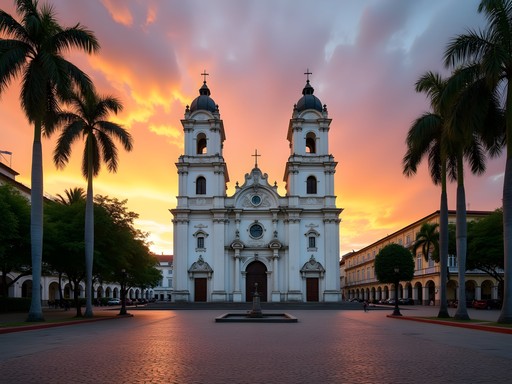
Standing at the intersection of Avenida Balboa, watching the sunset paint both 17th-century church facades and glass-wrapped towers in the same golden light, I understood why Panama City captivates. This is a city that refuses to choose between its past and future, instead weaving both into a tapestry that feels uniquely Central American yet globally connected. For couples seeking a luxury urban escape that combines romance, culture, and architectural wonder, Panama City offers something rare: a destination where colonial cobblestones meet cutting-edge design within a ten-minute walk.

Casco Viejo: Where History Breathes
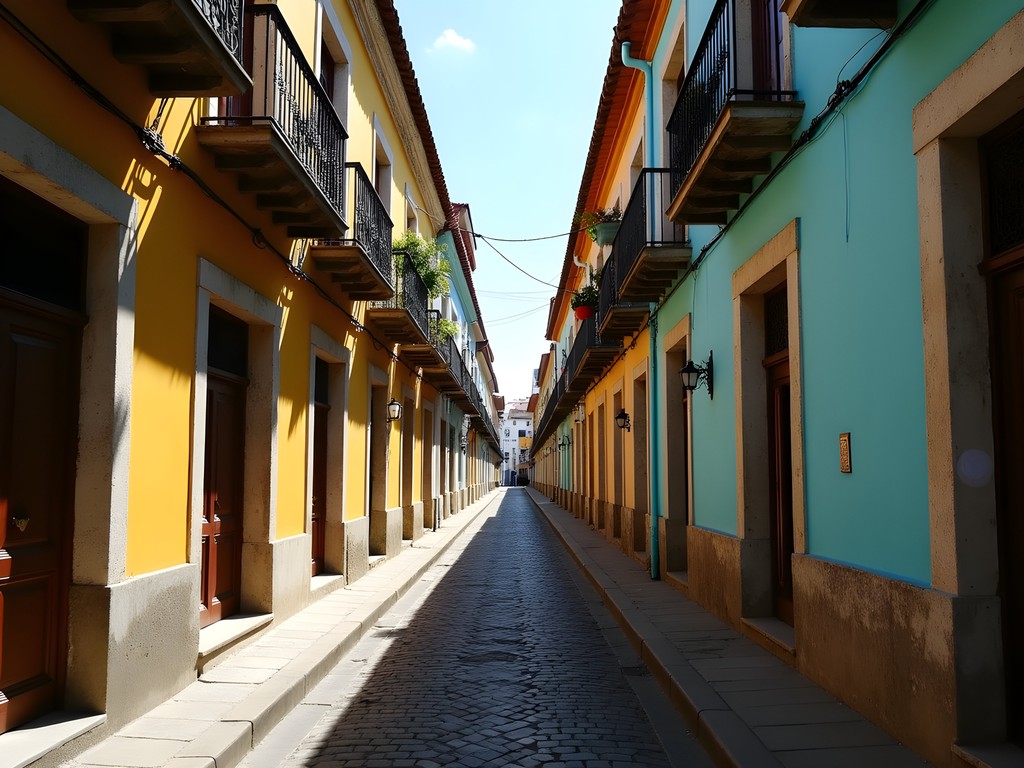
The old quarter pulses with a different energy than any colonial district I have explored in Latin America. Unlike the preserved museum-feel of some historic centers, Casco Viejo lives and breathes—locals still occupy upper floors above boutique hotels, laundry hangs from wrought-iron balconies, and the scent of fresh bread from family-run panaderías mingles with craft cocktail bars.
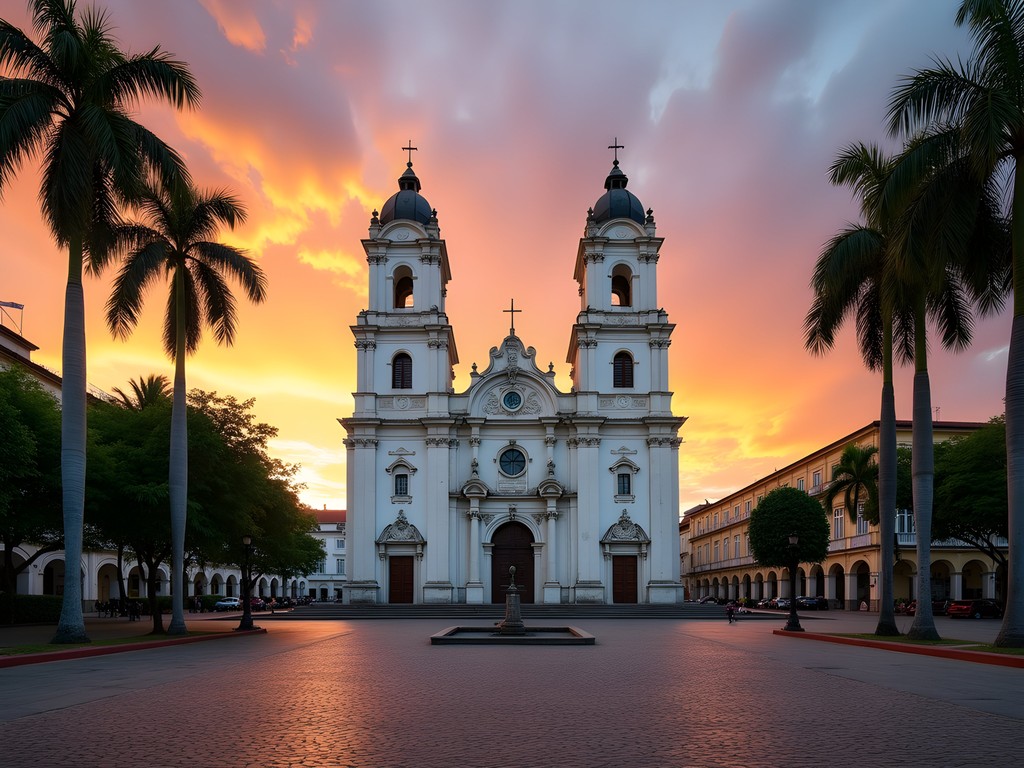
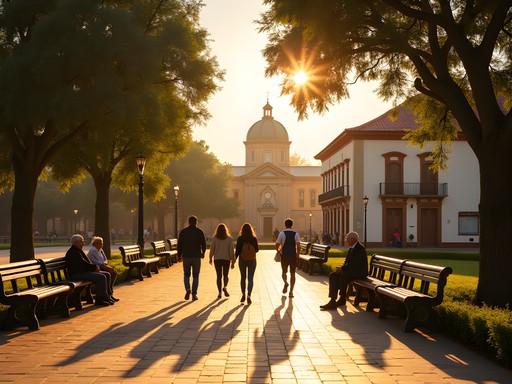
My partner and I spent three mornings simply wandering these narrow streets before the midday heat arrived. The Plaza de la Independencia anchors the neighborhood, where the twin towers of the Metropolitan Cathedral catch the early light in ways that make photography almost mandatory. But the real magic happens in the side streets—Calle 3ra and Calle 4ta—where restoration projects sit beside buildings still waiting for their renaissance.
The evening ritual here follows a contemplative rhythm. As shadows lengthen, couples claim tables at rooftop bars like Tantalo or CasaCasco, where you can watch the city transform from colonial enclave to illuminated jewel. I recommend bringing a quality portable speaker for your hotel room—many historic properties have thick walls but limited sound systems, and setting the right ambiance matters for romantic evenings in.
💡 Pro Tips
- Visit the American Trade Hotel for breakfast even if you are not staying there—the restored architecture alone justifies the visit
- Book dinner reservations at least two days ahead for restaurants like Donde José or Maito
- Wear comfortable walking shoes with good arch support—the cobblestones are unforgiving after hours of exploration
The Modern Skyline: Banking on the Future
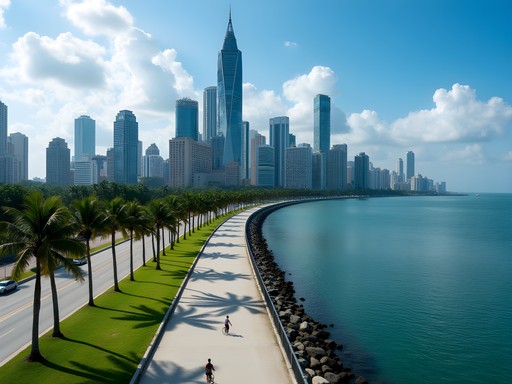
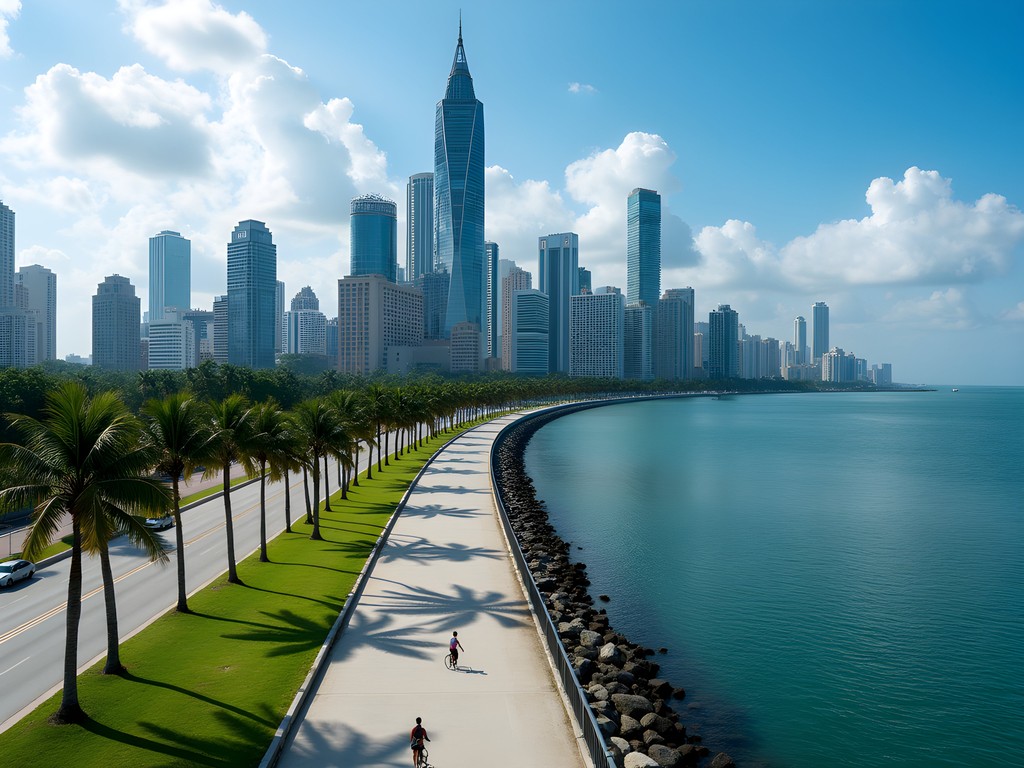
The contrast hits you immediately when you cross into the banking district. Within fifteen minutes of leaving Casco Viejo's colonial charm, you are standing beneath towers that would not look out of place in Singapore or Dubai. The Avenida Balboa waterfront walk—the Cinta Costera—offers the best vantage point for understanding Panama City's architectural ambition.
I spent several early mornings jogging this waterfront path, watching the city wake up against a backdrop of mirror-glass towers reflecting the Pacific. The juxtaposition never stopped fascinating me: fishermen casting lines while investment bankers hurried past toward office lobbies. This is Panama's central identity—a bridge between worlds, literally and metaphorically.
For couples, I recommend timing a visit to the Biomuseo for late afternoon. Frank Gehry's explosion of color and angular forms sits at the Amador Causeway entrance, and the exhibits on Panama's biodiversity provide context for why this narrow strip of land matters so profoundly to global ecology. The building itself photographs beautifully against approaching storms—we captured some of our favorite images there with just our phones and a phone lens kit that dramatically improved our architectural shots.
💡 Pro Tips
- Book a table at Maito in the banking district for modern Panamanian cuisine that matches the neighborhood's innovation
- Visit the rooftop bar at The Bristol Panama for 360-degree views—arrive before sunset to watch the light change
- Download the Mi Bus app to navigate the metro system efficiently between districts
The Panama Canal: Engineering as Art
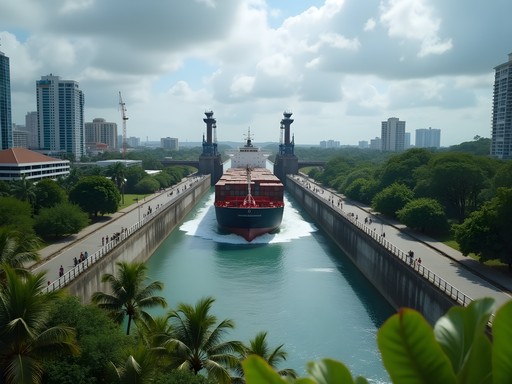
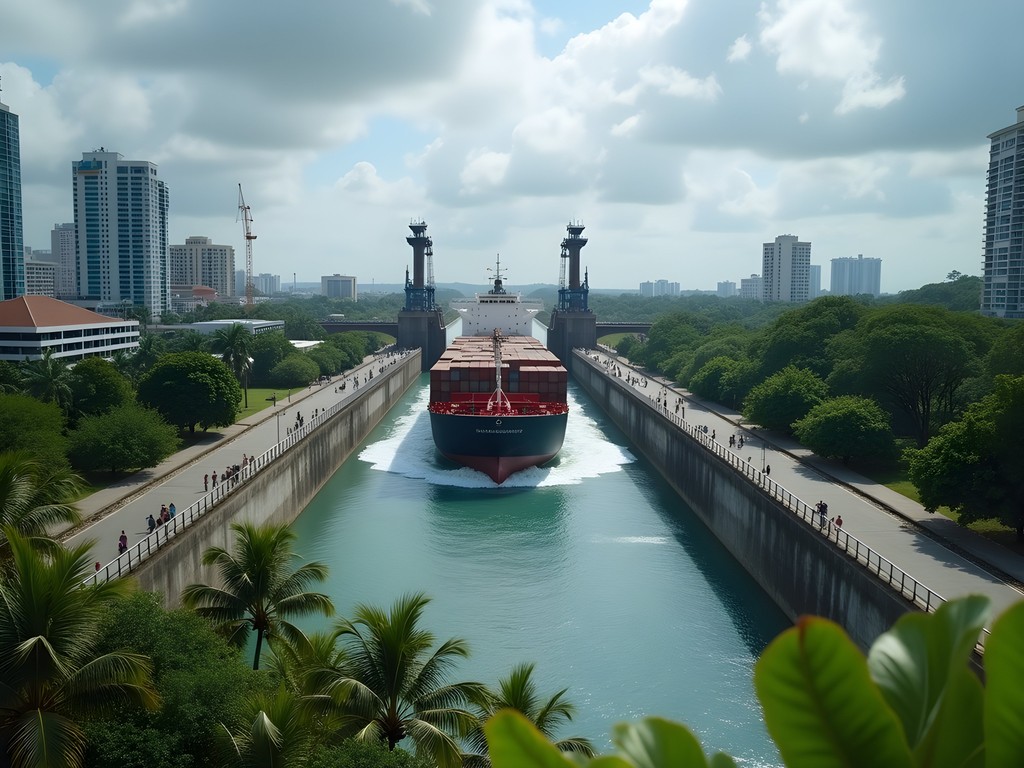
No visit to Panama City is complete without witnessing the canal's operation. The Miraflores Locks visitor center provides an intimate view of ships transitioning between oceans—a process that still feels almost miraculous even after understanding the engineering.
What struck me most was the meditative quality of watching these massive vessels move through the locks. There is something about the deliberate pace, the precision of the operation, and the sheer scale that invites contemplation. My grandmother used to speak about how water always finds its path—watching the canal, I thought about how humans sometimes channel that natural wisdom into remarkable achievements.
The museum component deserves more time than most visitors allocate. The historical exhibits on the French attempt, the American completion, and the eventual Panamanian control tell a story about persistence, colonial ambition, and national sovereignty that resonates beyond engineering. Plan for three hours minimum—the on-site restaurant offers decent food with unbeatable views of ship transits.
For the best experience, bring a quality sun hat and a hydration pack—the observation decks offer minimal shade, and staying hydrated matters in the tropical heat.
💡 Pro Tips
- Arrive by 9 AM to see the most ship transits—afternoon traffic is lighter
- Book the extended canal transit tour in advance if you want the full Pacific-to-Atlantic experience
- Bring binoculars for reading ship names and flags—it adds another dimension to the experience

Culinary Crossroads: Tasting Panama's Identity
Panama City's food scene reflects its geographic position—ingredients and techniques from South America, Central America, the Caribbean, and beyond converge in ways that create something distinctly Panamanian. The luxury dining here rivals anywhere in Latin America, but the real discoveries happen when you venture beyond hotel restaurants.
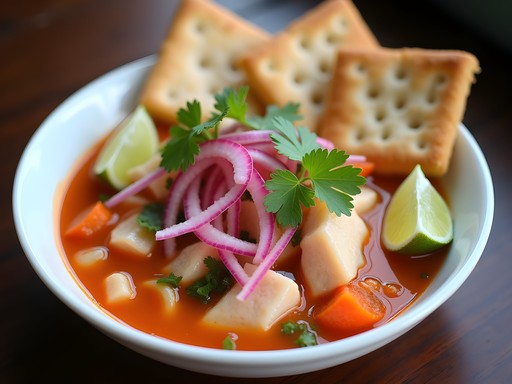
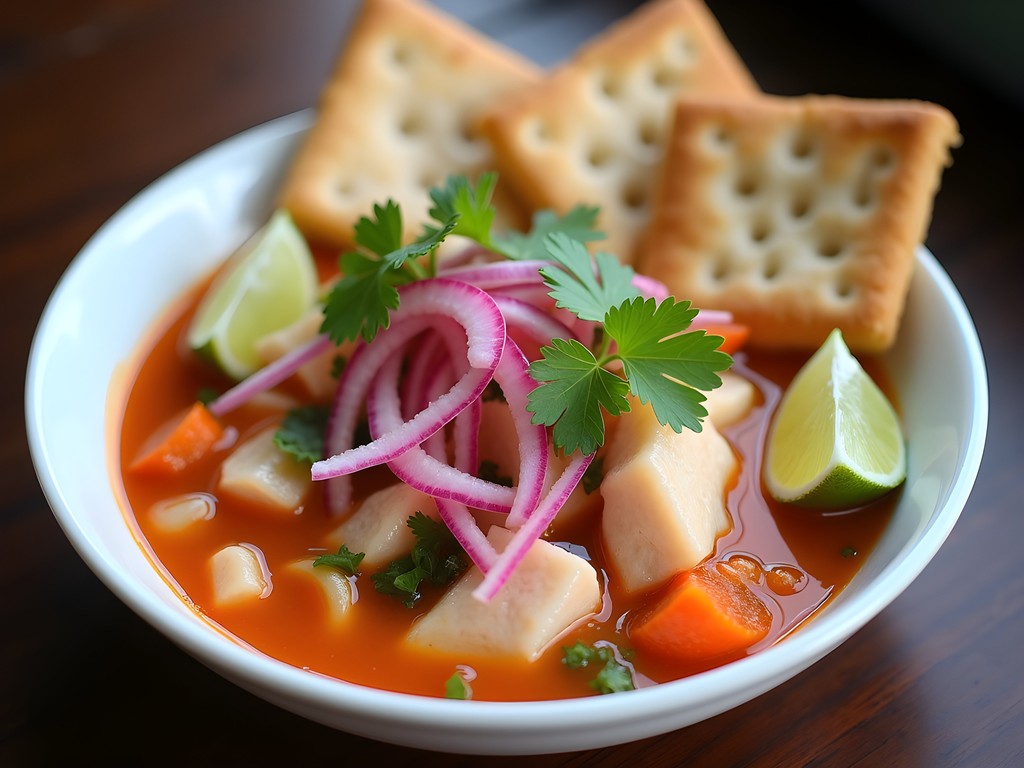
The Mercado de Mariscos near Casco Viejo opens early, and the upstairs restaurant serves ceviche that changed my understanding of the dish. Unlike Peruvian preparations, Panamanian ceviche comes swimming in citrus—almost a soup—with corvina so fresh it was likely swimming that morning. The casual plastic chairs and Formica tables provide zero ambiance, but the flavors justify the visit.
For couples seeking romance with innovation, Donde José offers an eight-course tasting menu that tells Panama's story through technique and local ingredients. Chef José Carles sources from small producers across the country, and each dish arrives with context about its origins. Reservations book weeks ahead—plan accordingly.
The cocktail culture here deserves attention too. Bars like Strangers Club and La Rana Dorada craft drinks using local rums, tropical fruits, and techniques that honor both tradition and experimentation. I particularly appreciated how bartenders explained their choices—there is pride in showcasing Panamanian spirits and flavors rather than defaulting to international standards.
💡 Pro Tips
- Try sancocho, Panama's national soup, at a local fonda rather than a tourist restaurant
- Book cooking classes at Casa Casco to learn techniques you can recreate at home
- Sample chichas—traditional fermented corn drinks—from street vendors for an authentic taste of pre-colonial Panama
Practical Luxury: Where to Stay and How to Move
For a week-long luxury stay, I recommend splitting your time between two properties. The American Trade Hotel in Casco Viejo provides historic charm with modern amenities—the restored 1917 building balances character with comfort. For the second half, move to The Santa Maria Hotel or The Bristol in the banking district to experience the modern city's energy.
Transportation requires some thought. Uber and Cabify work reliably, but I found having a dedicated driver for certain days worth the investment—particularly for canal visits or trips to Panama Viejo ruins. Your hotel concierge can arrange this, typically for $150-200 daily.
The metro system surprises visitors with its efficiency and cleanliness. Line 1 connects major districts, and Line 2 reaches the domestic airport. For couples comfortable with public transit, this offers an authentic way to move through the city while observing daily Panamanian life.
Pack light, breathable clothing—the humidity persists even during dry season. I relied heavily on my merino wool shirts which managed moisture without retaining odors across multiple wears. Also essential: a compact door stop alarm for added hotel room security, particularly in Casco Viejo properties where historic buildings sometimes have older lock systems.
💡 Pro Tips
- Request rooms above the third floor in Casco Viejo hotels to minimize street noise
- Exchange some cash for small bills—many local restaurants and markets operate cash-only
- Download offline maps of both districts before arrival—cellular coverage can be spotty in some colonial buildings
Final Thoughts
Panama City rewards travelers who embrace its contradictions rather than seeking resolution. The colonial and contemporary do not compete here—they converse, creating a urban dialogue that feels vital and unfinished in the best possible way. For couples seeking a luxury escape that engages both heart and mind, this city offers romance grounded in real cultural complexity.
My week here shifted my understanding of what urban exploration can mean. It is not just about documenting contrasts but about sitting with them long enough to recognize the threads connecting past and future. Whether you are watching ships transit the canal, sipping craft cocktails on a colonial rooftop, or navigating the metro between districts, Panama City invites you to witness a nation actively shaping its identity.
The best travel experiences leave you changed in subtle ways. Panama City did that for me—it reminded me that preservation and progress need not be opposing forces, that honoring history while building toward tomorrow requires courage and vision. For couples willing to engage deeply rather than simply observe, this city offers rewards that extend far beyond your week together.
✨ Key Takeaways
- Split your stay between Casco Viejo and the banking district to fully experience Panama City's contrasts
- Allocate time for slow exploration—the city reveals itself through patient observation rather than rushed sightseeing
- Engage with local food culture beyond hotel restaurants to understand Panama's unique culinary identity
📋 Practical Information
Best Time to Visit
December through April (dry season)
Budget Estimate
$3,500-5,000 for one week (luxury accommodations, fine dining, private tours)
Recommended Duration
7 days
Difficulty Level
Easy

Comments
starwalker
Pro tip - go to Casco Viejo early morning before it gets hot. Way fewer tourists and the light is amazing for photos. Then hit the modern side in the afternoon when the AC in the malls is your friend lol
Timothy Jenkins
Excellent piece, Donald. I visited Panama City last year and your description of that golden hour moment on Avenida Balboa really captures it perfectly. One thing I'd add for readers is that the metro system makes getting between Casco Viejo and the modern banking district incredibly easy and affordable. The juxtaposition you describe is even more striking when you can move between these worlds in just 15 minutes. The rooftop bars in the Financial District offer spectacular sunset views back toward Casco Viejo—I particularly enjoyed Tantalo in the old quarter for the opposite perspective. The culinary scene you mentioned has only gotten better too.
backpackvibes
We did the metro too and it was great!
tripperson
Planning my first trip to Panama City in April! How many days would you recommend to see both Casco Viejo and the modern areas properly?
starwalker
3-4 days is perfect. Don't skip the canal tour, it's worth it
tripperson
Thanks! Definitely adding the canal to my list
backpackvibes
Love this! The contrast really is wild there
Marco Flores
Donald really captured the essence of this city! I remember sitting at a rooftop bar in Casco Viejo, watching the sun set behind those glass towers across the bay. It felt like time traveling. One thing I'd add - don't miss the fish market early in the morning. The energy there is incredible, and you can get the freshest ceviche for breakfast. The juxtaposition of fishermen selling their catch with billion-dollar skyscrapers in the background is pure Panama. Also, walk along the Cinta Costera at sunrise if you can. Locals jogging, the city waking up, pelicans diving for fish - magical.
winterninja8015
going there next month!! any restaurant recommendations?
moonlegend
what's the best way to get around? uber or metro?
Marco Flores
The metro is super clean and cheap! It connects to Casco Viejo and the modern areas. I used Uber for late nights or when I had my camera gear. Both work great honestly.
Savannah Torres
We took our kids (7 and 9) to Panama City last spring and it was such a hit! The Canal visitor center has amazing interactive exhibits that kept them engaged for hours. In Casco Viejo, they loved exploring the old plazas and getting gelato. Pro tip: the Biomuseo is incredible for families - designed by Frank Gehry and super kid-friendly. The contrast between old and new that Donald mentions really does make this city special. My kids still talk about watching those massive ships go through the locks!
moonlegend
how many days would you recommend for families?
Savannah Torres
We did 4 days and it felt perfect. Enough time to see everything without rushing, plus a day trip to a nearby beach.
vacationlegend3236
Great photos! The skyline shot is amazing
beachone
is casco viejo safe to walk around at night? planning a trip soon
Marco Flores
I spent three nights there last year. Stick to the main plazas and well-lit streets after dark and you'll be fine. The restaurant areas are busy until late. Just use common sense like anywhere else!
beachone
thanks! that helps a lot
Venture X
Premium card with 2X miles, $300 travel credit, Priority Pass