
Disclosure: This article contains affiliate links. We may earn a commission from purchases at no extra cost to you, which helps our travel content.
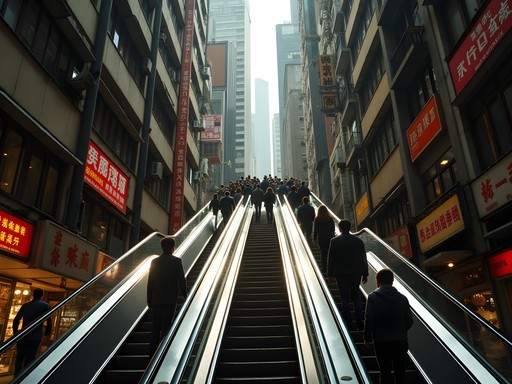
The symphony of clacking mahjong tiles mingles with the hiss of woks and the distant chime of tram bells. Hong Kong—a place where East truly meets West—has long been mischaracterized as a playground exclusively for the wealthy. After three decades helping refugees navigate new worlds, I've developed a knack for stretching resources while maximizing experiences. During my recent winter escape from Edmonton's brutal cold, I discovered that this vertical metropolis offers surprising value for the budget-conscious traveler willing to look beyond the glossy façade of luxury malls and five-star hotels.

Finding Affordable Accommodation in One of Asia's Most Expensive Cities
Hong Kong's reputation for astronomical housing costs extends to its hotel scene, but there are strategic ways to secure comfortable lodging without emptying your wallet.
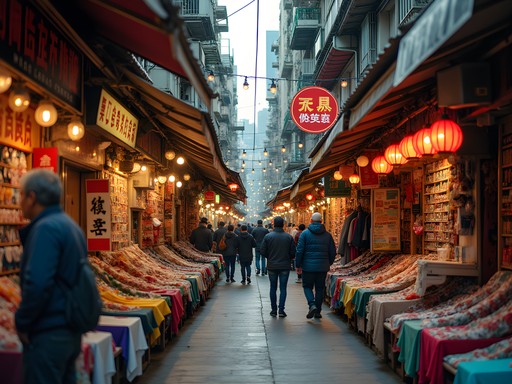
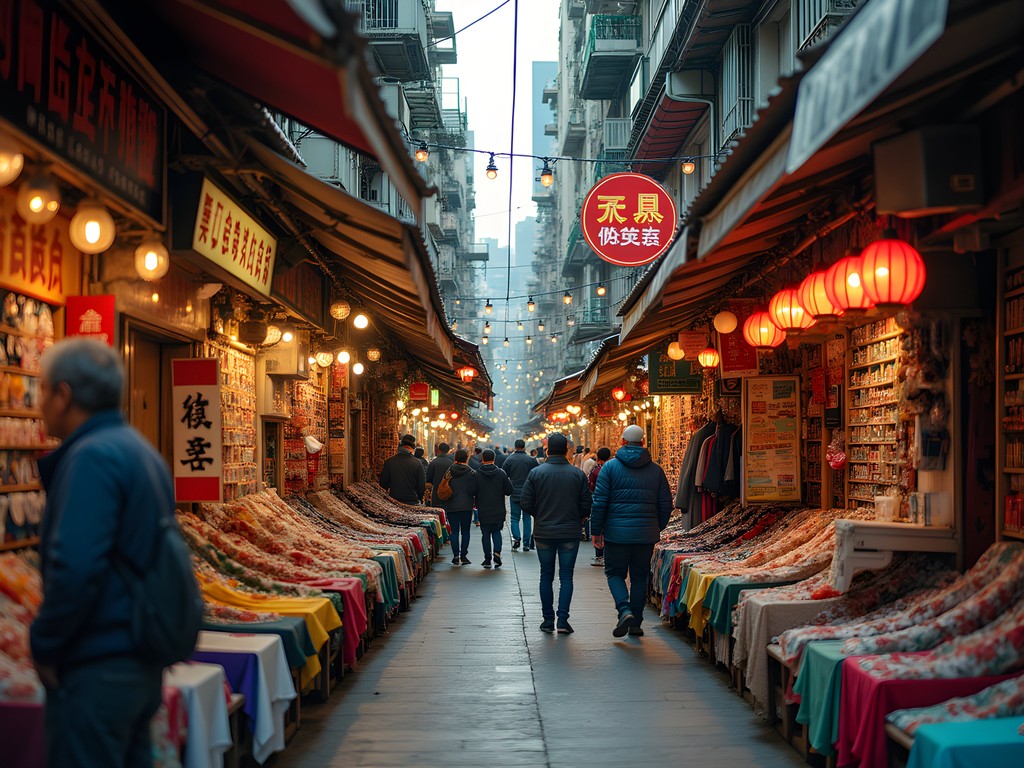
On my recent visit, I bypassed the glittering towers of Central and Tsim Sha Tsui in favor of Sham Shui Po, a working-class district in Kowloon brimming with authentic character. For $65 CAD per night, I stayed at a boutique guesthouse above a bustling electronics market—spotlessly clean with surprisingly good soundproofing. The neighborhood, with its labyrinth of textile stalls and computer part vendors, offered a fascinating glimpse into local life that most tourists never experience.
Another excellent option is Yau Ma Tei, where I spent three nights during a previous trip. The area maintains that gritty, neon-lit Hong Kong aesthetic immortalized in countless Wong Kar-wai films while providing easy MTR access to major attractions.
For solo travelers concerned about space, consider a compression packing cube set to maximize the typically modest storage in budget accommodations. Mine allowed me to unpack fully in even the smallest room, making a week-long stay feel surprisingly homey.
💡 Pro Tips
- Book accommodations in Sham Shui Po, Yau Ma Tei, or Mong Kok for authentic neighborhoods at lower prices
- Consider guesthouses and boutique hostels instead of chain hotels
- Use the MTR proximity as your primary criterion—Hong Kong's public transport is exceptional
Eat Like a Local: Hong Kong's Culinary Treasures on a Budget
In my thirty years working with refugees, I learned that food often forms the most profound connection to culture. Hong Kong's culinary landscape proves this theory brilliantly, with some of its most memorable meals costing less than a fancy coffee back home.
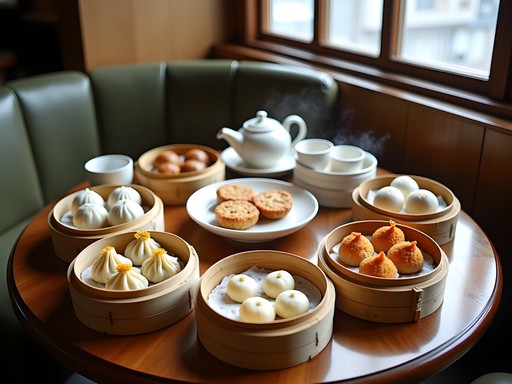
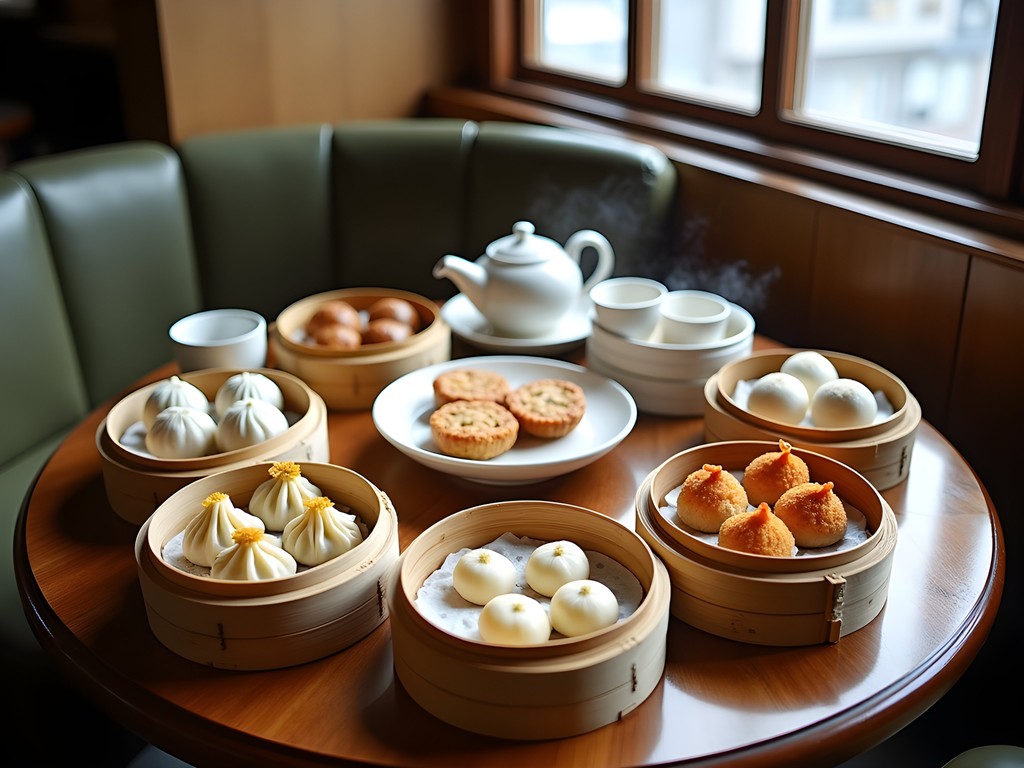
Dim sum, Hong Kong's signature dining experience, needn't be expensive. Skip the michelin-starred establishments and seek out local favorites like Tim Ho Wan (yes, still michelin-starred but remarkably affordable) or the bustling Lin Heung Tea House, where I found myself elbow-to-elbow with elderly locals, communicating through pointing and appreciative nods. For under $15 CAD, I enjoyed a feast of har gow, siu mai, and lotus leaf-wrapped rice that rivaled any upscale experience.
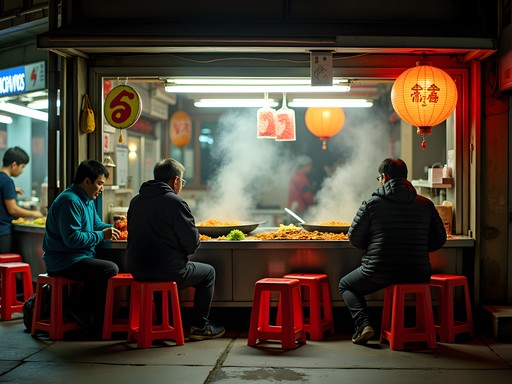
Street food provides another avenue for culinary adventure. The egg waffles (gai daan jai) from a small stall near Bowrington Road Market became my daily indulgence at just $2 CAD. Similarly, the curry fish balls and cheong fun (rice noodle rolls) from various street vendors provided delicious, on-the-go sustenance between sightseeing stops.
For those with sensitive stomachs venturing into street food territory, I recommend carrying digestive enzymes as a precautionary measure. They've saved me from discomfort more than once during my global culinary adventures.
💡 Pro Tips
- Visit cha chaan tengs (local diners) for affordable Hong Kong-style western fusion dishes
- Eat dim sum during lunch hours when prices are lower and portions the same
- Look for restaurants with lines of locals—not tourists—for the best quality-to-price ratio
Free and Low-Cost Attractions: Beyond the Tourist Traps
Hong Kong offers a wealth of experiences that won't cost you a dime—or at most, the price of an MTR ticket. The iconic Star Ferry crossing between Tsim Sha Tsui and Central provides what I consider the world's best harbor view for less than $0.50 CAD. Time your crossing for 8 PM to witness the Symphony of Lights illuminating the skyline—a spectacle that wealthy tourists often view from overpriced harbor cruise packages.
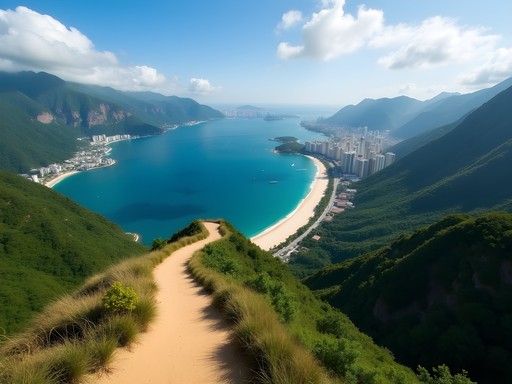
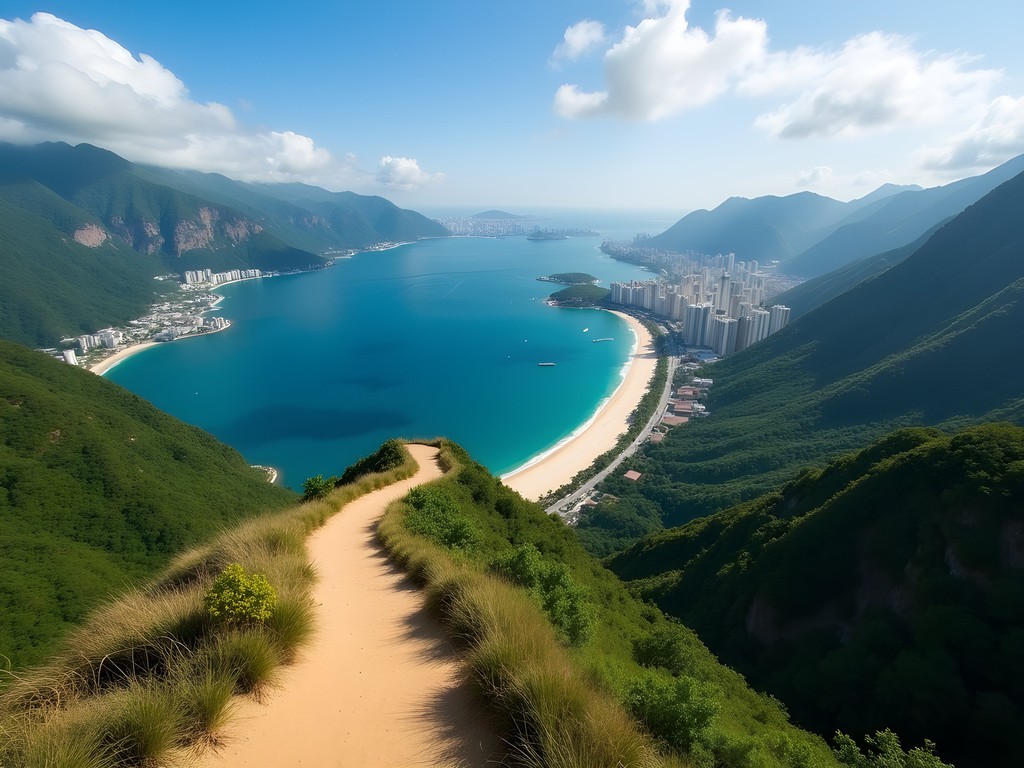
Hiking emerged as the unexpected highlight of my winter visit. The Dragon's Back trail offers breathtaking coastal vistas that rival anything I've seen in my travels across Southeast Asia. The weather in winter—mild and clear—proved ideal for tackling Hong Kong's extensive network of well-maintained trails. Pack a collapsible water bottle to stay hydrated without carrying excessive weight on these hikes.
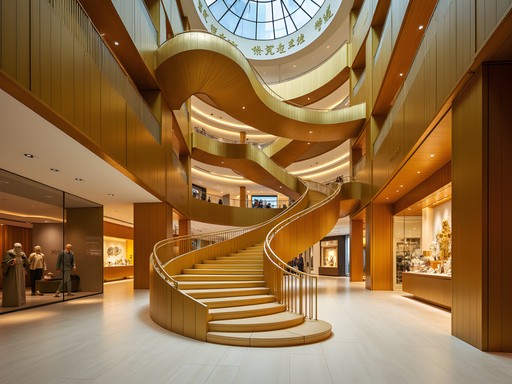
For theater enthusiasts like myself, Hong Kong's vibrant arts scene includes many free or heavily discounted performances. I caught a fascinating Cantonese opera workshop at the Xiqu Centre and a contemporary dance performance at the Cultural Centre—both free events that provided genuine cultural immersion. Check the government's Leisure and Cultural Services Department website for current offerings.
Temples provide another avenue for cost-free cultural exploration. Wong Tai Sin Temple bustles with local worshippers rather than tourists, offering a glimpse into living spiritual traditions. The atmospheric Man Mo Temple on Hollywood Road, with its hanging incense coils creating ethereal light patterns, transported me to another era entirely.
💡 Pro Tips
- Use the Star Ferry as both transportation and a scenic harbor cruise
- Visit museums on their free admission days (typically Wednesdays)
- Explore the numerous temples which rarely charge entrance fees

Navigating Public Transportation Like a Pro
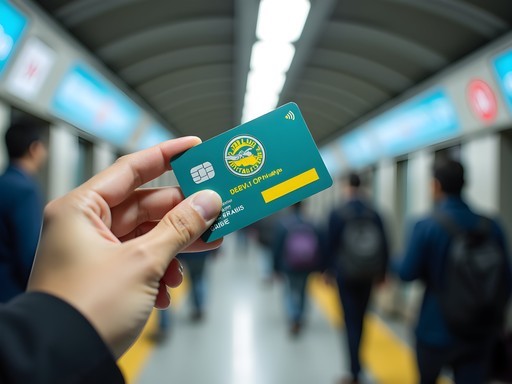
Hong Kong boasts one of the world's most efficient public transportation systems—a godsend for budget travelers. The Octopus card, Hong Kong's contactless payment system, became my constant companion. Beyond offering discounted fares on the MTR, buses, minibuses, trams, and ferries, it's accepted at convenience stores, fast-food outlets, and many retail establishments.
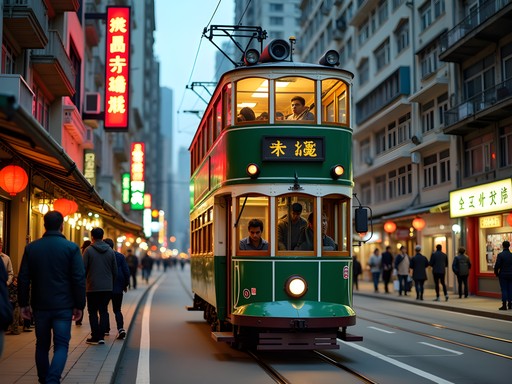
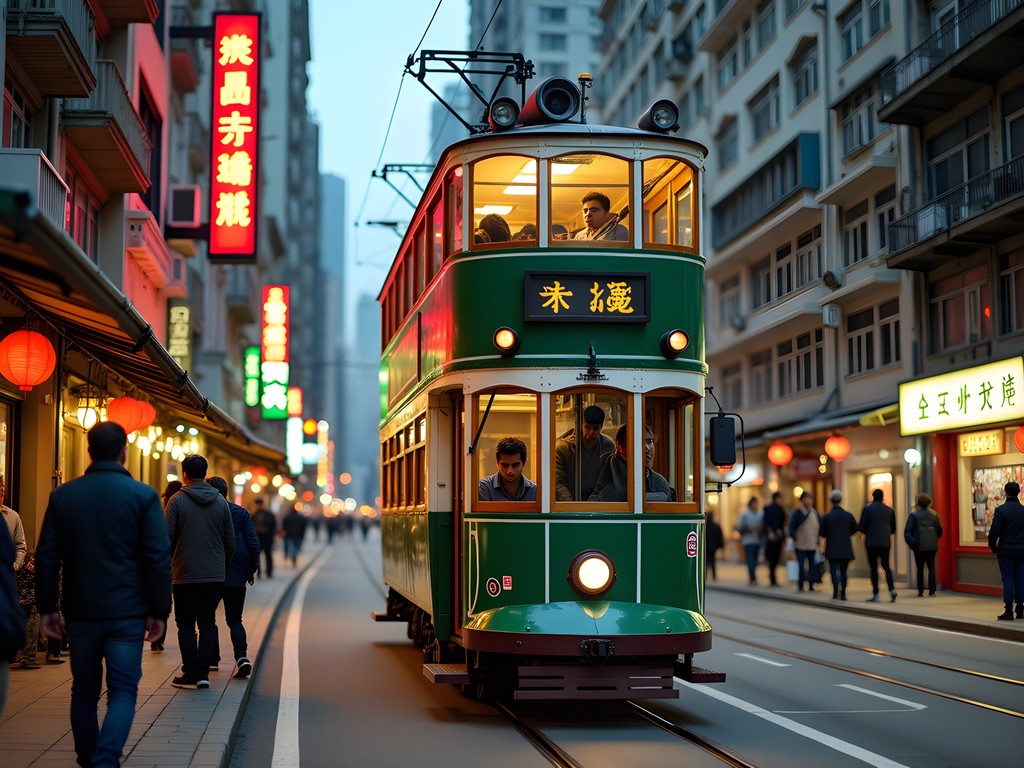
The historic tram system (affectionately called 'ding dings' by locals) running along Hong Kong Island's northern corridor provides not just transportation but a moving observation deck of city life—all for a flat fare of around $0.35 CAD. Sitting on the upper deck, I watched the city transform from the financial towers of Central to the bustling markets of Wan Chai to the hipster cafés of Tai Hang.
Mini-buses, while initially intimidating due to their rapid pace and Cantonese-only stop announcements, became my preferred method for reaching off-the-beaten-path destinations. A helpful language translation device allowed me to communicate my intended destination to drivers when my rudimentary Cantonese failed me.
For late-night airport arrivals, the A21 bus offers significant savings over taxis. Yes, it takes longer, but watching the neon-drenched streets of Kowloon slide by through the window provides an atmospheric introduction to the city that no taxi ride can match. As a former case manager who frequently coordinated refugee arrivals at odd hours, I've developed a sixth sense for navigating new transit systems—Hong Kong's ranks among the most intuitive I've encountered.
💡 Pro Tips
- Purchase an Octopus card immediately upon arrival to save on all transportation
- Use the MTR for distance travel and trams for leisurely exploration
- Download the MTR and CityMapper apps for real-time navigation assistance
Craft Beer and Cultural Immersion: Budget-Friendly Nightlife
My twin passions for craft brewing and cultural immersion converged unexpectedly in Hong Kong's evolving beer scene. While the city's glamorous rooftop bars command eye-watering prices, a thriving craft beer movement offers more reasonable alternatives for evening entertainment.
In the industrial-turned-hipster district of Kwun Tong, I discovered a microbrewery housed in a former textile factory. For the price of one cocktail at a luxury hotel bar, I enjoyed a generous flight of locally brewed beers including a surprising lychee IPA that captured Hong Kong's cultural fusion in liquid form. The brewer—a former finance professional who pivoted to pursue his passion—shared insights about Hong Kong's rapidly evolving craft culture.
Tai Hang, a neighborhood rarely mentioned in guidebooks, revealed itself as a treasure trove of affordable drinking establishments frequented by young locals. Here, small bars spill onto the sidewalks creating an atmosphere reminiscent of Spain's tapas culture but with distinctly Cantonese characteristics.
For craft beer enthusiasts visiting Hong Kong, I recommend bringing a beer journal to document the surprising variety of local and regional brews. Hong Kong's position as a trading hub means you'll find unique offerings from across Asia that rarely make it to North American shores.
Street performances provide another form of free nighttime entertainment. The area around Tsim Sha Tsui's clock tower regularly features musicians, while Mong Kok's pedestrianized streets host everything from fortune tellers to impromptu opera performances—authentic cultural experiences that cost nothing but offer priceless memories.

💡 Pro Tips
- Look for happy hour specials at craft beer establishments, typically 4-7 PM
- Explore industrial areas like Kwun Tong and Wong Chuk Hang for hidden breweries
- Purchase beer from convenience stores to enjoy at public spaces with harbor views
Final Thoughts
As my week in Hong Kong drew to a close, I found myself reflecting on the curious paradox this city presents. In one of the world's most expensive property markets, I'd experienced remarkable affordability by simply stepping slightly off the well-trodden tourist path. The Hong Kong I discovered—vibrant wet markets, mountainous hiking trails, neighborhood dim sum parlors, and innovative craft breweries—offered authenticity and value that far exceeded my expectations.
My background in refugee resettlement taught me that true cultural understanding comes not from visiting attractions but from engaging with everyday life. In Hong Kong, this approach not only enriched my experience but substantially reduced my costs. The city rewards those willing to explore beyond the glossy shopping malls and peak tourist sites with both cultural richness and surprising value.
As winter's chill awaits my return to Edmonton, I carry with me the warmth of Hong Kong's unexpected hospitality and the satisfaction of having experienced this remarkable city authentically—and affordably. Whether you're a solo traveler like me or moving with companions, Hong Kong offers a masterclass in accessible luxury for those willing to look beyond the surface.
✨ Key Takeaways
- Hong Kong can be surprisingly affordable when you stay in local neighborhoods and eat where residents do
- The city's efficient public transportation eliminates the need for expensive taxis
- Many of the best experiences (hiking trails, temple visits, street markets) cost nothing at all
📋 Practical Information
Best Time to Visit
November to February (winter)
Budget Estimate
$75-100 CAD per day including accommodation
Recommended Duration
5-7 days
Difficulty Level
Moderate
Comments
Bryce Diaz
Chase, this brings back so many memories! I spent three weeks in Hong Kong back in 2023 and your accommodation advice is spot-on. I'd add that Chungking Mansions gets a bad rap, but if you pick the right guesthouse (I stayed at New Garden Hostel on the 8th floor), it's actually a fascinating cultural experience. Waking up to the smell of curry and hearing a dozen languages in the elevator was part of the adventure. The key is reading recent reviews carefully. Also, for anyone reading this—Mong Kok is incredible for budget stays. Less polished than TST but you're living among locals, and the street food scene there is unbeatable. Those dai pai dong stalls became my nightly ritual.
tripfan
Is Mong Kok safe at night?
Bryce Diaz
Totally safe! Hong Kong overall is one of the safest cities I've traveled solo. Mong Kok is crowded and chaotic but never felt sketchy to me.
tripfan
Going there in March! This is super helpful
Bryce Diaz
You're going to love it! March is perfect weather-wise too. Make sure you hit up the Temple Street Night Market.
tripfan
Thanks! Will definitely check it out
Taylor Moreau
As someone who travels to Hong Kong quarterly for business, I've found your budget tips remarkably astute, Chase. Even with a corporate expense account, I often opt for local experiences over luxury options. The breakfast at Australian Dairy Company is superior to any hotel buffet I've tried, and at a fraction of the cost. For accommodations, I'd add that many business hotels offer excellent weekend rates when the corporate travelers depart. The Travelodge in Kowloon is particularly good value with surprisingly spacious rooms by Hong Kong standards. Your transportation section is spot-on - the MTR is more efficient than taxis even when cost isn't a factor.
winterfan6197
Been to HK six times and still learned new things from this post! One extra tip: download the HKeMobility app - it shows all public transport routes and times. Saved me countless times when the Google Maps directions weren't quite right. Also, don't miss the free light show from the Avenue of Stars at 8pm!
explorebackpacker
Thanks for the app recommendation! Just downloaded it for my trip next week.
Claire Hawkins
Chase, this is exactly the guide I wish I had before taking my family to Hong Kong last year! We discovered the joys of dai pai dongs too late in our trip. One tip I'd add for families: many museums have free admission days (usually Wednesdays) which saved us a fortune. We also stayed in an Airbnb in Sham Shui Po which was both authentic and affordable. My kids still talk about the pineapple buns from the local bakery! I used my pocket guide constantly, but your insider tips go much deeper. Bookmarking this for our return trip!
vacationrider
Just got back from HK last month and can confirm these tips are spot on. We stayed at a mini-hotel in Mong Kok and saved so much. The dim sum at One Dim Sum was incredible and so affordable! We also found the Star Ferry to be not just cheap but one of the best experiences in the city. Great post Chase!
winterfan6197
How was Mong Kok at night? I've heard it can be pretty noisy but the location seems perfect.
vacationrider
It was noisy until about 11pm but our hotel had good windows. The convenience was totally worth it!
wanderlusthero
Those night market photos are STUNNING! 😍 Makes me want to book a flight right now!
explorebackpacker
Just what I needed! Going to HK next month on a tight budget. Saving this!
Taylor Moreau
You'll love it. I visit quarterly for business and still find new budget gems each time. The MTR Octopus card is your best friend there.
explorebackpacker
Thanks for the tip! Is the Octopus card easy to get at the airport?
Taylor Moreau
Yes, right at the MTR station in the airport. Quick and simple process.
GlobeTrekker50
Just got back from Hong Kong and followed many of these tips - saved a fortune! The hostels in Chungking Mansions aren't as scary as people make them out to be, though definitely an experience. We found an amazing dim sum place in Kennedy Town where we were the only tourists. Pro tip: the markets in Mong Kok are way cheaper after 8pm when vendors start discounting. Also, hiking Dragon's Back is completely free and gives you million-dollar views!
Chase Khan
Great point about the evening discounts in Mong Kok! And yes, Dragon's Back is incredible - glad you enjoyed it!
backpack_wanderer
Bookmarking this for my trip next month! The public transport tips are gold.
JetsetterJamie
The Star Ferry is dirt cheap and the best view of the skyline. Do it at sunset!
Venture X
Premium card with 2X miles, $300 travel credit, Priority Pass