Disclosure: This article contains affiliate links. We may earn a commission from purchases at no extra cost to you, which helps our travel content.
There's something almost symphonic about Hong Kong's retail landscape—a harmonious chaos of gleaming luxury towers and chaotic street markets, all compressed into one of the world's most vertical cities. Having visited this remarkable metropolis seven times over the past two decades, I've witnessed its evolution while developing a deep appreciation for what makes shopping here unlike anywhere else on earth. The juxtaposition of old and new, East and West, luxury and bargain creates a retail tapestry that rewards the curious and persistent explorer.
The Luxury Corridors: Central and Tsim Sha Tsui
My relationship with Hong Kong's luxury shopping scene began twenty years ago as a travel editor covering the opening of the Landmark Mandarin Oriental. What struck me then—and continues to impress me now—is how the city seamlessly blends Western luxury sensibilities with distinctly Asian service standards.
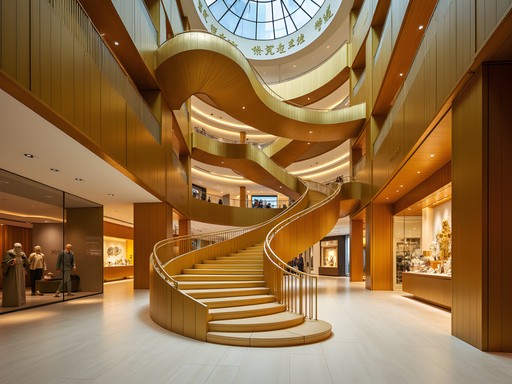
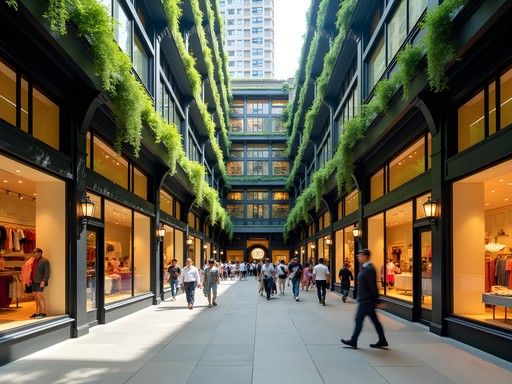
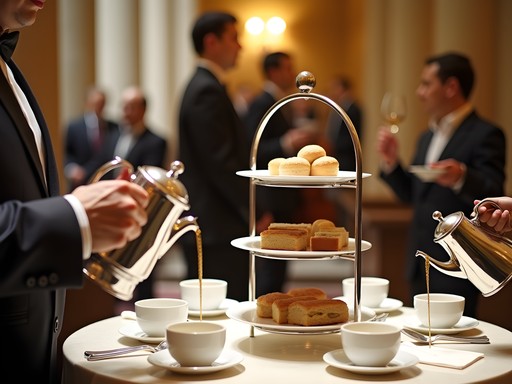
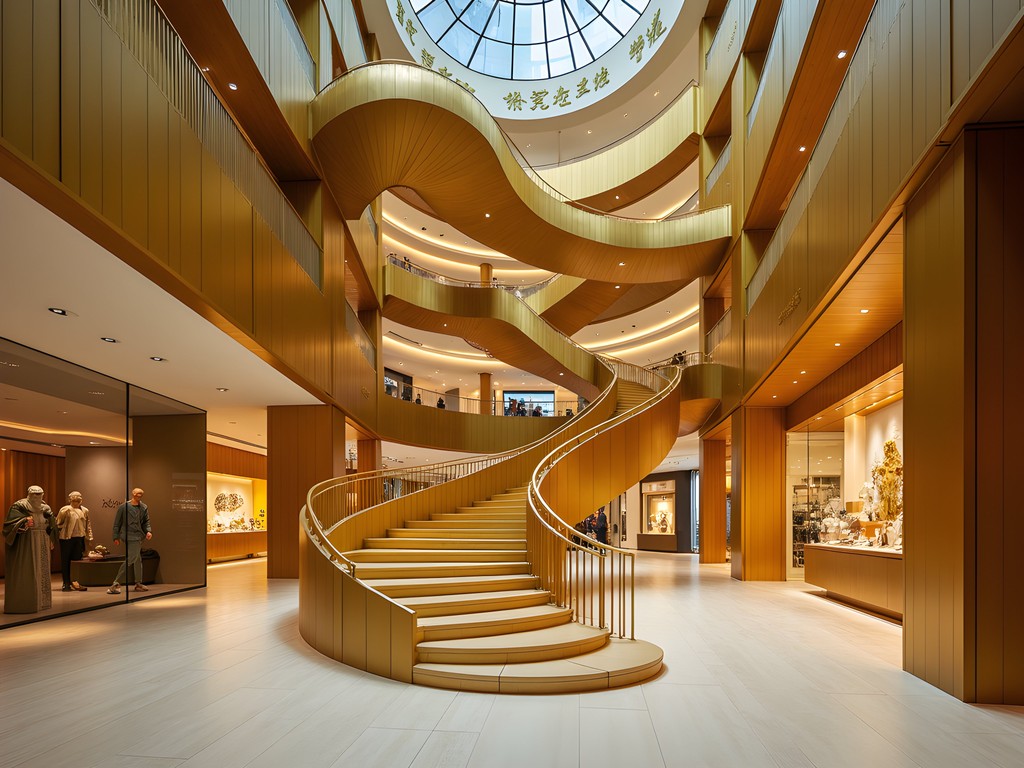
In Central, the Landmark complex remains the epicenter of high-end retail therapy. Unlike the somewhat sterile luxury malls of North America, Hong Kong's upscale shopping centers function as genuine social spaces. On my most recent visit last autumn, I spent an entire afternoon at the Landmark, moving from browsing at Joyce (Hong Kong's answer to Barneys New York) to an impromptu champagne tasting at Landmark Atrium, before concluding with a remarkable tea service at the Mandarin.
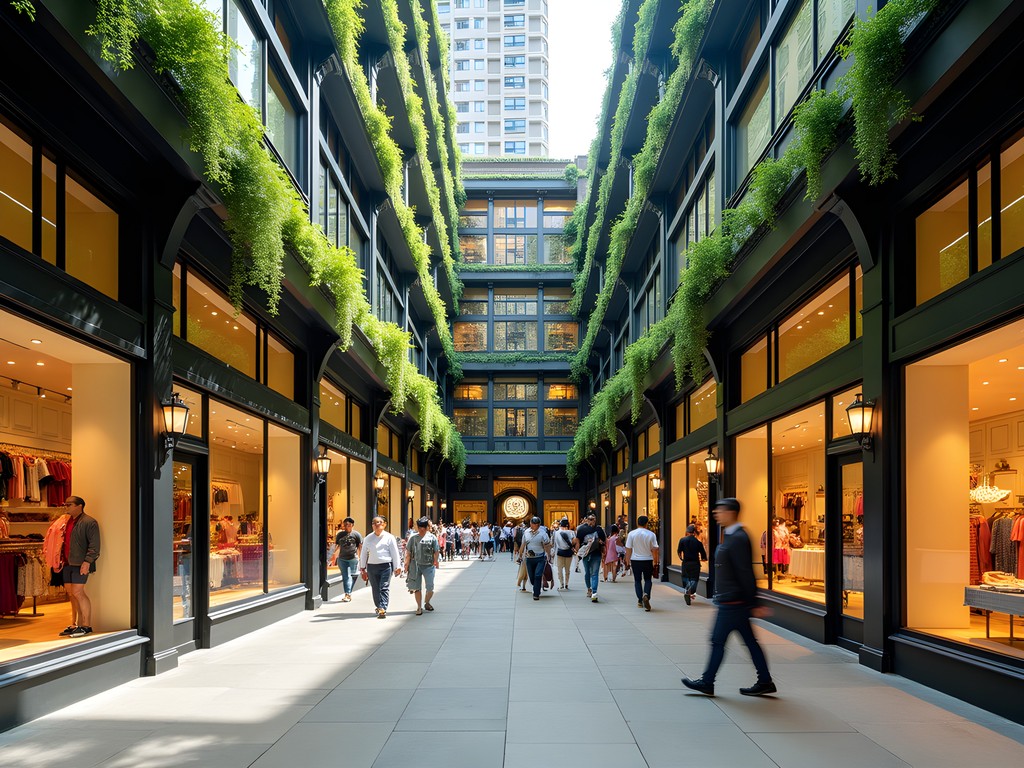
Across the harbor in Tsim Sha Tsui, the luxury corridor stretching from Harbour City to K11 MUSEA represents Hong Kong's newest evolution in premium shopping. K11 MUSEA particularly impressed me—it's less a mall and more a cultural-retail experiment, where art installations share space with flagship boutiques. During my visit, I found myself captivated by an exhibition of contemporary Chinese ceramics while en route to the Gentle Monster sunglasses boutique. This integration of culture and commerce feels distinctly Hong Kong.
💡 Pro Tips
- Visit luxury malls on weekday mornings to avoid crowds and receive more personalized service
- Sign up for tourist privilege programs at major malls for additional discounts and perks
- Many luxury boutiques in Hong Kong carry Asia-exclusive items not available in Western markets
Bespoke Treasures: The Hidden Ateliers
Perhaps my greatest joy as a shopper with journalistic connections has been gaining access to Hong Kong's hidden world of craftsmanship. Beyond the glittering facades of international brands lies a network of artisans maintaining traditions that span generations.
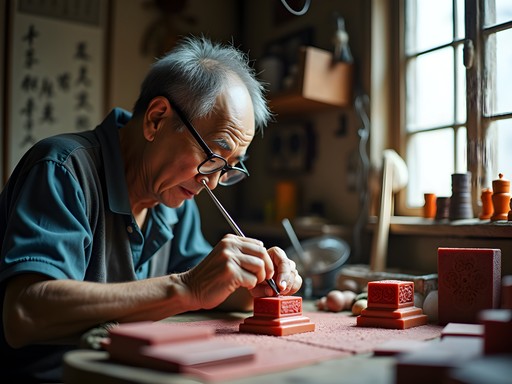
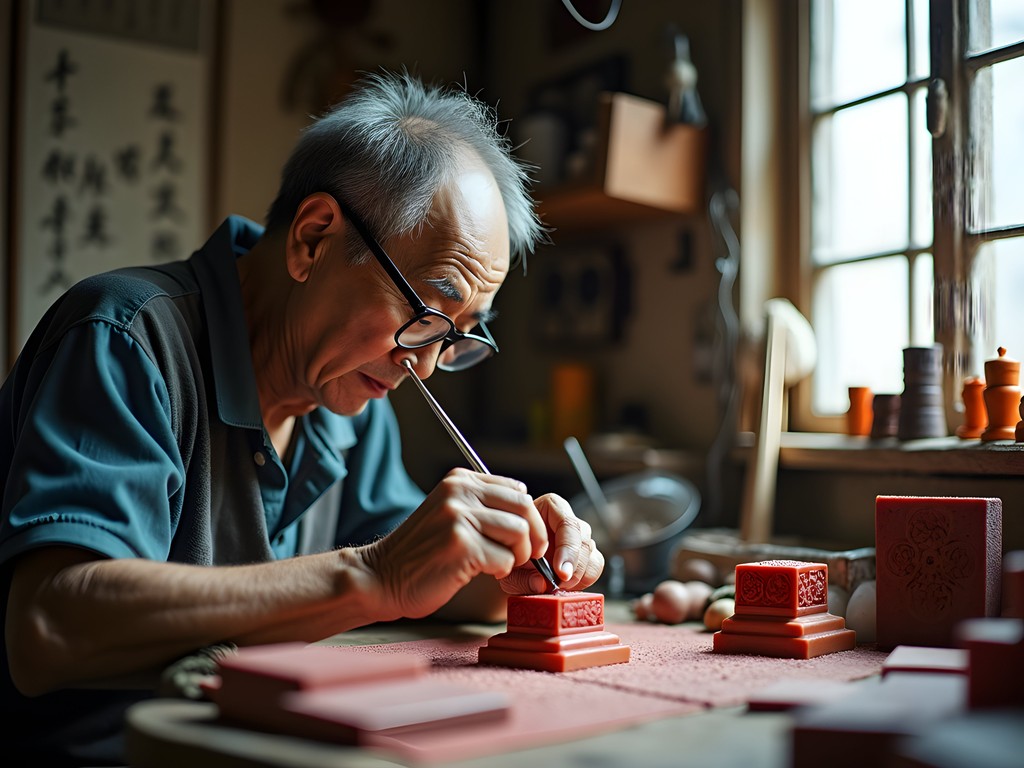
In the winding streets behind Hollywood Road, I've developed a relationship with Mr. Chan, a third-generation chop (seal) carver whose tiny workshop feels unchanged since the 1950s. For approximately HK$500 (US$65), he'll create a personalized stone seal—an extraordinary souvenir that connects you to centuries of Chinese artistic tradition. I've had three made over the years, each becoming treasured mementos of my visits.
Equally impressive is the custom tailoring scene. While tourists flock to the aggressive touts in Tsim Sha Tsui, I prefer the more discreet operations in Central. On my recommendation, bring along a garment steamer to keep your new bespoke pieces looking pristine throughout your travels. My tailor, Bobby at Apsley, creates suits comparable to Savile Row at roughly a third of London prices. The process typically requires three fittings over 4-5 days, making it perfect for a week-long Hong Kong stay.
For leather enthusiasts, seek out Fungus Workshop in Wan Chai, where master craftsman Gary creates made-to-measure wallets, bags, and accessories from premium leathers. I commissioned a document holder three years ago that has developed a beautiful patina and continues to draw compliments.
💡 Pro Tips
- Always request physical samples of fabrics rather than selecting from small swatches
- For custom clothing, bring a favorite garment for the tailor to reference or replicate
- Negotiate respectfully—prices are often flexible, but aggressive bargaining is considered poor form in higher-end establishments
Market Immersion: From Temple Street to Cat Street
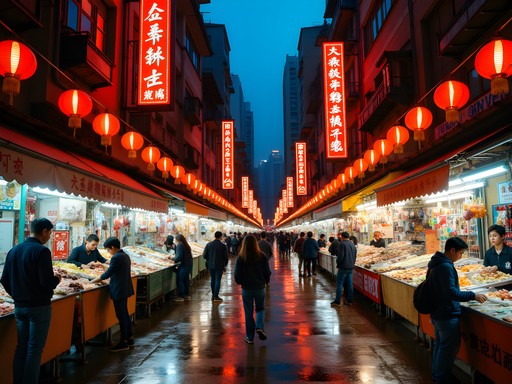
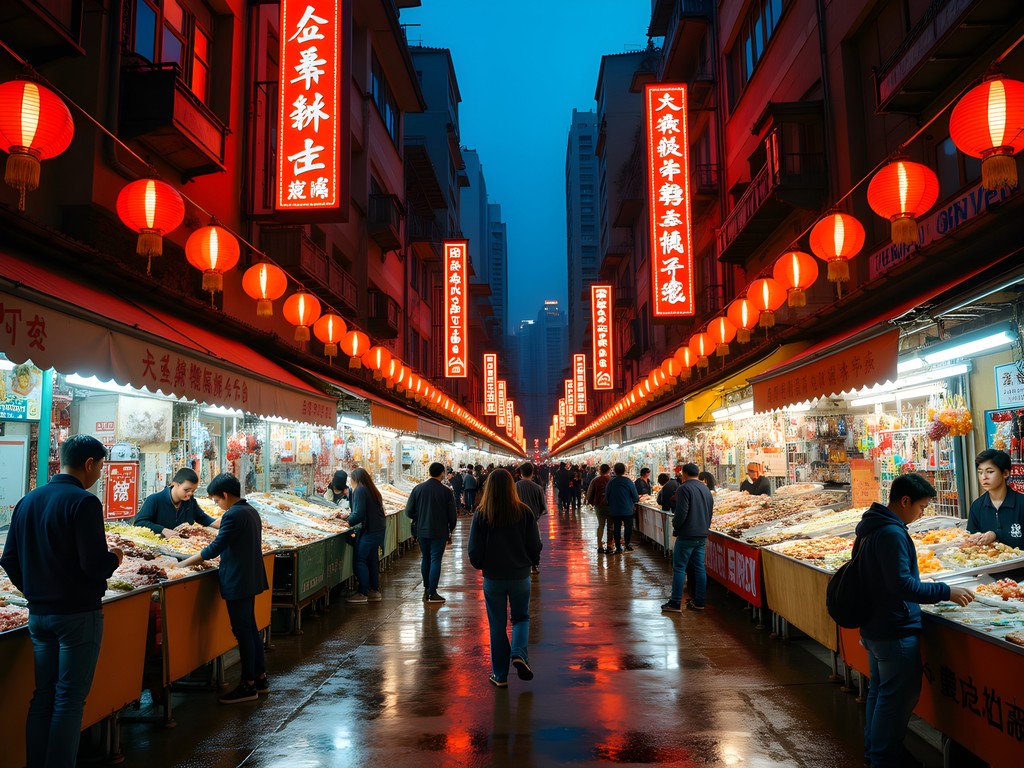
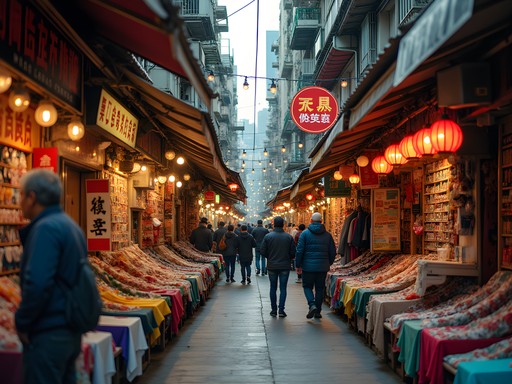
No Hong Kong shopping expedition is complete without diving into its markets—chaotic, sensory-rich environments where the city's commercial DNA is on full display. While guidebooks direct tourists to the Ladies' Market on Tung Choi Street, I find Temple Street Night Market offers a more authentic experience with its fortune tellers, street food, and eclectic merchandise.
For the uninitiated, Hong Kong's markets can be overwhelming. I recommend bringing a crossbody anti-theft bag to keep your valuables secure while navigating crowded aisles. This practical accessory has served me well through countless market adventures across Asia.
Cat Street (Upper Lascar Row) in Sheung Wan remains my personal favorite—an atmospheric lane specializing in antiques and curiosities. While authentic antiquities command appropriate prices, the market also offers affordable vintage items with genuine character. On my last visit, I discovered a 1960s Hong Kong movie poster for roughly HK$300 (US$40) that now hangs framed in my Christchurch home office.
For those interested in electronics, the Sham Shui Po district offers everything from the latest gadgets to obscure components. Computer City and the Golden Shopping Centre form the heart of this tech ecosystem. While counterfeit goods have largely disappeared from Hong Kong's legitimate retail landscape, exercise caution with too-good-to-be-true electronics deals. I've found the currency converter app invaluable for quickly calculating prices while negotiating in markets.
💡 Pro Tips
- Visit markets on weekday afternoons for better prices and more relaxed vendors
- Learn basic Cantonese numbers and greeting phrases—vendors appreciate the effort and may offer better deals
- For vintage items, examine condition carefully as returns are rarely accepted

Specialty Shopping: Design, Books, and Tea
Beyond the conventional retail categories, Hong Kong excels in specialized shopping experiences that reward the curious traveler. As someone who's watched the city's creative scene evolve over decades, I'm particularly impressed by the emergence of local design talent.
PMQ in Central—a converted police married quarters now housing design studios and boutiques—showcases Hong Kong's creative renaissance. Shops like Goods of Desire (G.O.D.) and Kapok offer locally designed products that thoughtfully reinterpret Chinese aesthetics for contemporary tastes. My home in Christchurch features several G.O.D. cushions with whimsical Hong Kong-inspired patterns that serve as daily reminders of the city's creative energy.
For bibliophiles, Hong Kong offers remarkable bookstore experiences. Eslite Bookstore in Causeway Bay brings Taiwan's famous bookshop chain to Hong Kong with late hours and an impressive English-language section. For rare and antiquarian books about Asia, Lok Man Rare Books in Central is unparalleled—I once spent three hours browsing their collection of vintage Hong Kong photography books.
Tea culture represents another shopping highlight. While tourists crowd the better-known establishments, I prefer Fook Ming Tong in Central or Ying Kee Tea House in Sheung Wan for authentic Chinese tea shopping experiences. To properly enjoy your tea purchases back home, I recommend investing in a variable temperature kettle. Different teas require specific brewing temperatures, and this precision tool has transformed my daily tea ritual with leaves sourced from around Asia.
💡 Pro Tips
- Ask for brewing instructions when purchasing tea—proper preparation techniques vary significantly between varieties
- When buying design items, inquire about the designer's background—many have fascinating stories that add meaning to your purchase
- Request gift wrapping when appropriate—Hong Kong shops often offer elaborate presentation that elevates the shopping experience
The Art of Hong Kong Dining Breaks
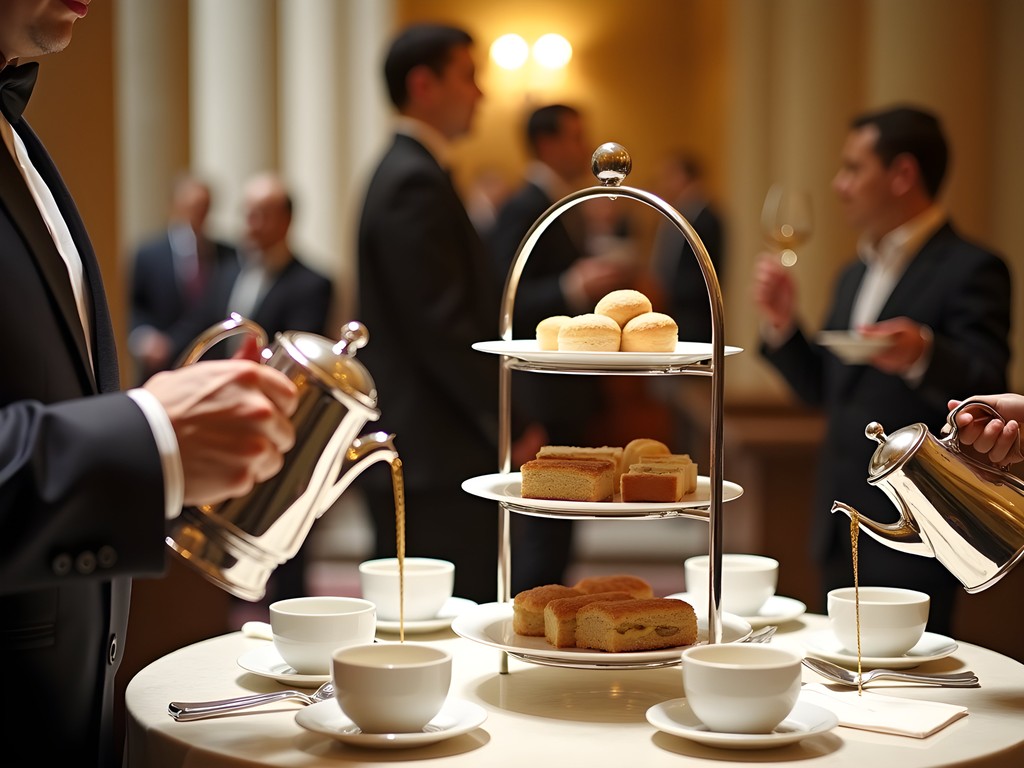
Strategic dining breaks are essential to the Hong Kong shopping experience—not merely for sustenance but as integral components of the city's retail culture. The tradition of high tea offers a refined pause between shopping sessions, with the Peninsula Hotel's legendary afternoon tea representing the pinnacle of this experience. Reservations are essential, but the people-watching and scones justify both the wait and the price.
For a more local experience, cha chaan teng (Hong Kong-style cafés) provide affordable refueling stops with unique culinary offerings. My personal favorite is the Australia Dairy Company in Jordan—despite the name, it's quintessentially Hong Kong, serving spectacular scrambled eggs and toast alongside milk tea. The service is brisk to the point of abruptness, but that's part of the authentic experience.
When shopping in high-end malls, don't overlook their food courts, which bear little resemblance to their Western counterparts. The basement level of IFC Mall offers some of Hong Kong's finest casual dining, while the Food Forum at Times Square presents excellent regional Chinese cuisines.
To navigate Hong Kong's dining scene effectively while shopping, I rely on my food translation cards to decipher menus at smaller establishments. These durable cards have helped me discover countless neighborhood gems that don't cater to English-speaking tourists. For hydration during long shopping days, I always carry my insulated water bottle which keeps drinks cold for hours even in Hong Kong's notorious summer heat.
💡 Pro Tips
- Make dining reservations at popular establishments before starting your shopping day
- Many luxury malls offer restaurant concierge services to secure same-day reservations
- Consider late lunch (2-3pm) at popular restaurants to avoid crowds while shopping during peak hours
Final Thoughts
Hong Kong's retail landscape defies simple categorization—it's a city where centuries-old trading traditions coexist with cutting-edge luxury, where global brands share streets with family workshops practicing crafts unchanged for generations. This remarkable duality creates a shopping experience unmatched anywhere else.
What continues to draw me back to Hong Kong isn't just the acquisition of goods, but the stories behind them—the third-generation craftspeople, the emerging designers reinterpreting their heritage, and the entrepreneurial energy that permeates every transaction. In our increasingly homogenized global retail environment, Hong Kong remains refreshingly distinctive.
As you plan your own Hong Kong shopping adventure, I encourage you to move beyond the obvious destinations. Allow yourself to get slightly lost in the side streets of Central or Sheung Wan. Strike up conversations with shopkeepers. Ask questions about techniques and traditions. The most memorable purchases are rarely the most expensive ones, but rather those that connect you to the authentic spirit of this extraordinary city—a place where commerce isn't merely transaction but a living, breathing art form.
✨ Key Takeaways
- Balance your shopping itinerary between luxury malls, specialty boutiques, and traditional markets for the complete Hong Kong retail experience
- Allow time for custom items if interested in bespoke tailoring or craftsmanship—most require multiple days to complete
- The stories behind Hong Kong purchases often become more valuable than the items themselves—engage with shopkeepers and artisans
📋 Practical Information
Best Time to Visit
October-December (comfortable temperatures, minimal rain)
Budget Estimate
$300-500 per day excluding major purchases
Recommended Duration
5-7 days
Difficulty Level
Easy
Comments
coolnomad
Love the photos! Adding this to my bucket list
Sage Dixon
David nailed it with the Cat Street mention! I spent an entire afternoon there last year getting lost in the antique shops. Found this incredible vintage jade bracelet for my sister—the shopkeeper told me stories about each piece for like an hour. That's the magic of Hong Kong shopping that the big malls can't replicate. The contrast between browsing Hermès in the morning and haggling over porcelain in the afternoon is what makes this city so addictive. Pro tip: Learn a few Cantonese phrases. Even just 'nei hou' and 'mm goi' opens doors.
islandstar
Temple Street Night Market still worth it? heading there in march
Sage Dixon
Absolutely! Go after 7pm when it really comes alive. The fortune tellers are a fun experience even if you're skeptical. Just remember to bargain hard—start at 50% of asking price. And grab some claypot rice from one of the street stalls nearby.
islandstar
thanks! will def check it out
escapehero
Anyone know if Cat Street is good for vintage cameras? Read mixed reviews online
Casey Andersson
Cat Street is more antiques and curios these days. For cameras, try Ap Liu Street in Sham Shui Po - way better selection and prices.
Casey Andersson
David, this is such a comprehensive guide! I spent three weeks in Hong Kong last year and your section on the hidden ateliers really resonates. I found this incredible bespoke tailor in Tsim Sha Tsui - tucked away on the third floor of a building that looked like it hadn't been updated since the 70s. The craftsmanship was absolutely stunning, and the tailor had been there for 40 years. These are the experiences that make Hong Kong so special - that blend of old and new, luxury and authenticity. The K11 Musea shopping experience you mentioned is also phenomenal for anyone interested in art and retail combined. It's like walking through a gallery that happens to sell beautiful things.
escapehero
Which tailor was it? I'm heading there in June and would love a recommendation
Casey Andersson
It was Sam's Tailor on Burlington Arcade - been there since 1957! Ask for Mr. Manu, he's brilliant. Takes about 3 fittings though so plan accordingly.
adventureseeker
Temple Street night market is amazing!! Going back in March 😍
Casey Andersson
Yes! The energy there at night is incredible. Make sure you try the claypot rice from the street stalls - absolute game changer.
adventureseeker
ooh thanks for the tip!
roamway
That section about the bespoke tailors is spot on! Got a custom cheongsam made last year and it's absolutely perfect. Worth every penny!
photoblogger
Which tailor did you use? Planning to get something made when I visit.
roamway
Went to Linva Tailor in Central. Not the cheapest but their craftsmanship is incredible. Allow at least 3 days for fittings!
adventureway
Just got back from HK last week! One tip to add to David's excellent guide: don't miss the PMQ in Central if you're into local designers. Found amazing handmade jewelry and home goods there that weren't tourist-trappy at all. And the sneaker street in Mong Kok is legit - found limited editions that I couldn't get back home.
tripphotographer1748
Does anyone know if the markets accept credit cards or is it cash only? Planning my trip for November!
roamway
Definitely bring cash for markets! Some bigger stalls might take cards, but you'll get better deals with cash. Most malls take cards no problem though.
Bryce Diaz
David's post brings back so many memories! I spent a week exploring Hong Kong's retail scene solo last fall. While everyone raves about Temple Street (and it IS amazing), don't sleep on the fabric markets in Sham Shui Po. I had a custom suit made from fabric I bought there, took it to a tailor David mentioned in the 'Hidden Ateliers' section, and it's now my favorite piece of clothing. For the tea lovers: there's a tiny shop on the edge of Cat Street where the owner does blind tastings of oolongs that will change your life. Just look for the wooden tea pet display in the window. And if you're into books, the little English bookshop in Mong Kok has rare travel editions you won't find anywhere else. The owner speaks perfect English and can order anything you can't find.
Venture X
Premium card with 2X miles, $300 travel credit, Priority Pass