Disclosure: This article contains affiliate links. We may earn a commission from purchases at no extra cost to you, which helps our travel content.
As someone who typically finds herself documenting the intricate ecosystems of rainforests, pivoting to explore the historical layers of Dover, New Hampshire might seem unexpected. Yet the ecological and cultural stories embedded in this colonial settlement—one of America's oldest—offer fascinating parallels to my usual work. The preservation of history, like conservation of ecosystems, requires understanding complex interconnections and respecting what came before us. This past weekend, I traded my field gear for a history buff's curiosity and discovered that Dover's colonial narrative is as rich and complex as any forest floor I've studied.

The Woodman Institute: A Time Capsule of Colonial Life
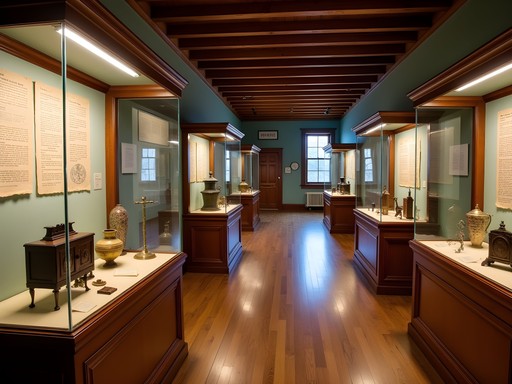
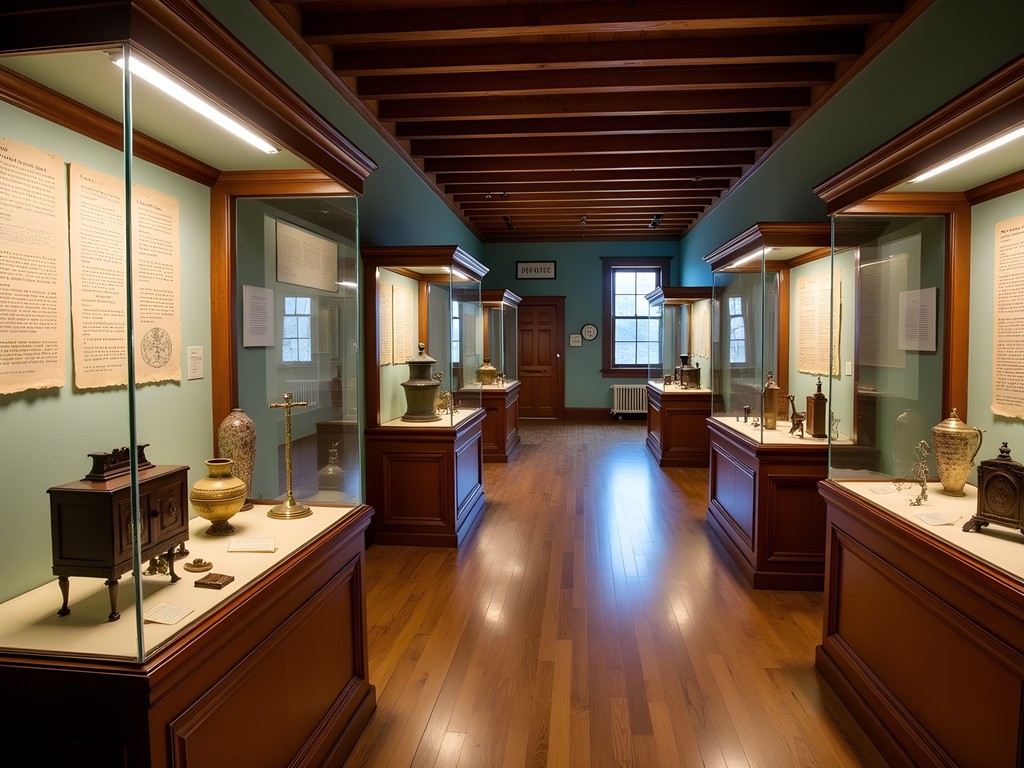
My exploration began at the Woodman Institute Museum, a remarkable collection housed in three historic buildings dating back to the late 1700s. As someone who typically catalogs biodiversity, I found myself equally captivated by the diversity of historical artifacts spanning four centuries of American life.
The 1675 William Damm Garrison House particularly caught my attention—one of the oldest intact garrison houses in New Hampshire, moved to this location and preserved as a testament to early colonial defensive architecture. Standing inside its timber frame, I could almost feel the tension of those early settler days, when relationships with the indigenous Abenaki people deteriorated into conflict.
As a person with indigenous heritage myself, I always approach these colonial narratives with a certain perspective that acknowledges multiple sides of history. The museum does make efforts to include indigenous perspectives, though like many historical institutions, there's always room for more comprehensive representation.
I spent nearly three hours exploring the collections, taking detailed notes in my weatherproof notebook which has accompanied me from rainforest field stations to historical sites like this—proving equally valuable in New Hampshire's autumn drizzle as in tropical downpours.
💡 Pro Tips
- Purchase tickets online to avoid lines during peak fall season
- Allow at least 2-3 hours to properly explore all three buildings
- Check their website for special exhibitions that rotate seasonally
Cochecho Falls: The Natural Engine of Dover's History
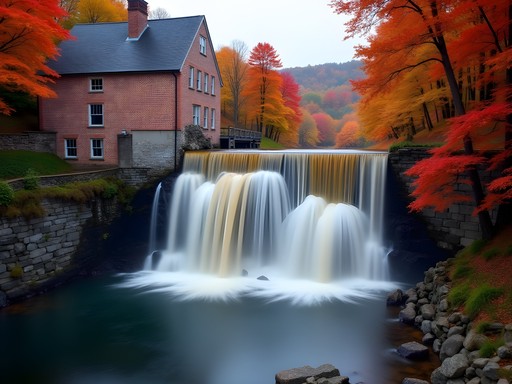
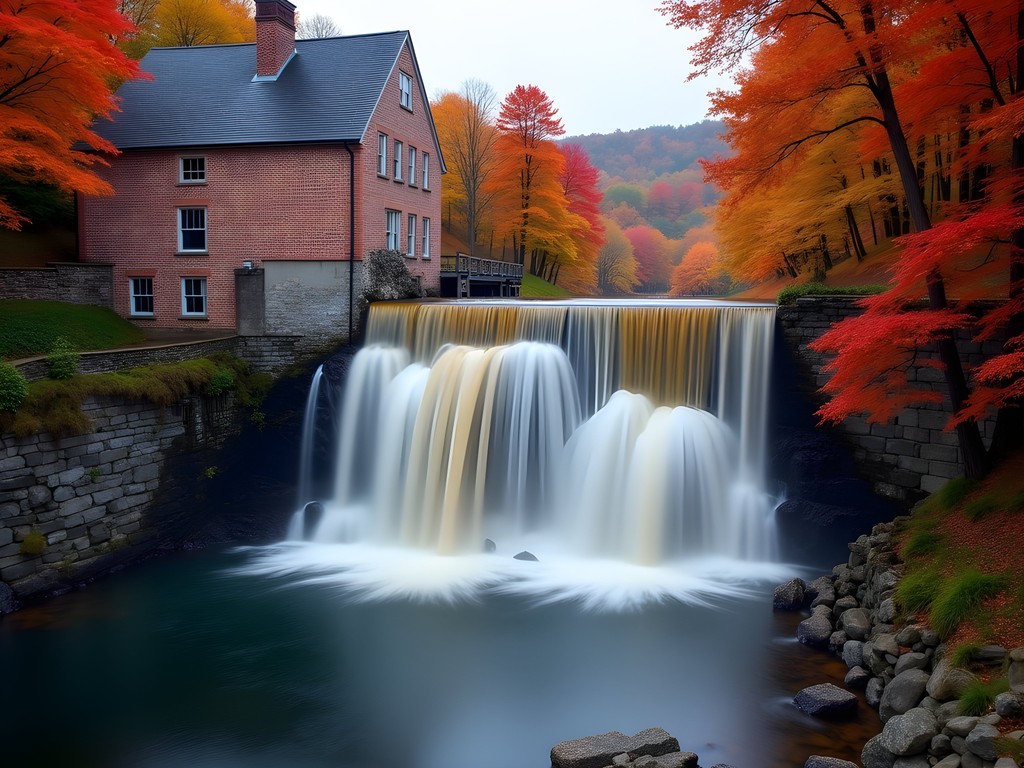
Any conservation scientist will tell you that human settlements are inextricably linked to natural resources, and Dover exemplifies this relationship perfectly. The 88-foot-wide Cochecho Falls provided the hydraulic power that transformed Dover from a small settlement into a manufacturing hub in the 19th century.
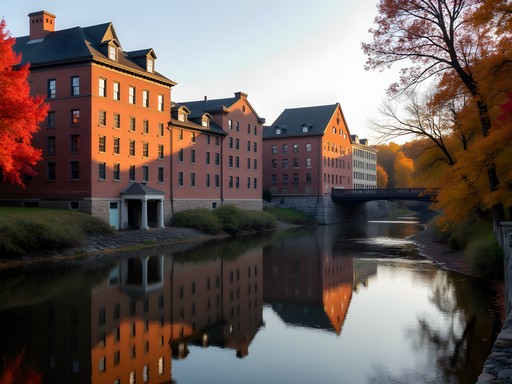
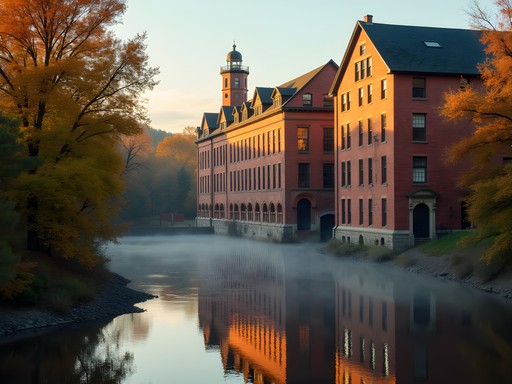
I spent a contemplative hour at these falls, observing how the water's flow has been engineered and modified over centuries while still maintaining its essential character. The surrounding mills—now repurposed into apartments and businesses—tell the story of how natural resources shape economic development.
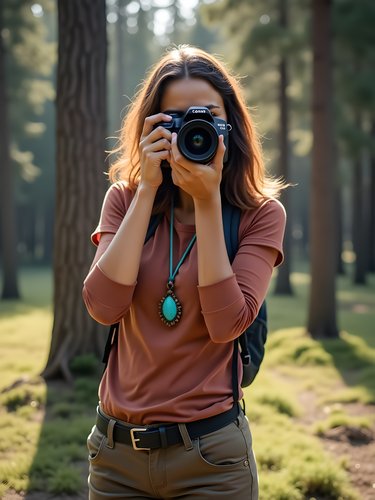
This intersection of natural and cultural history is particularly evident in autumn, when the fall foliage creates a spectacular backdrop for the historic brick buildings. I captured some stunning photographs using my polarizing filter which helped manage reflections on the water while enhancing the vibrant fall colors.
As I sat sketching the falls, several locals stopped to share stories about the river's history—from its indigenous name (Cochecho means 'rapid foaming water') to tales of historic floods that shaped the town's development. These informal exchanges often provide insights no guidebook can offer.
💡 Pro Tips
- Visit in early morning for the best photography light and fewer crowds
- Bring a polarizing filter for your camera to capture the falls without glare
- Look for the historical markers that explain the falls' role in powering the mills
The First Parish Church: Spiritual Center and Historical Anchor
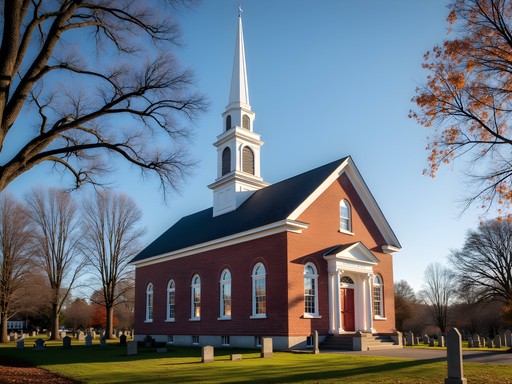
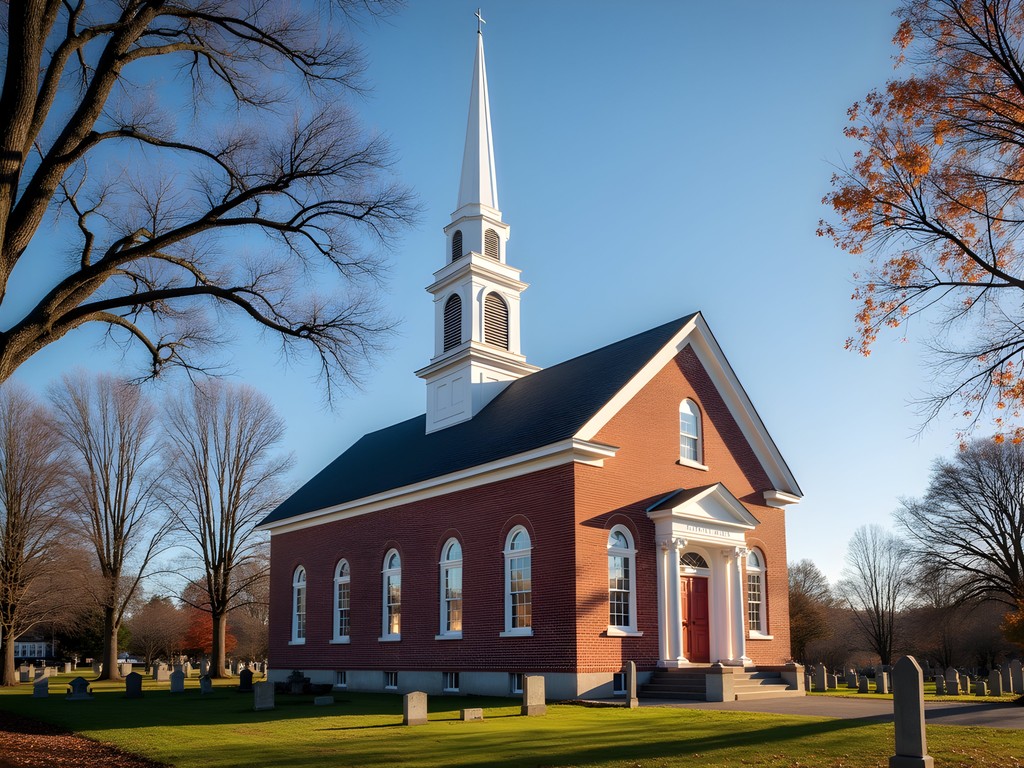
The First Parish Church stands as Dover's spiritual and historical anchor, with the congregation dating back to 1633—making it one of the oldest continuous religious communities in the United States. The current building, constructed in 1829, represents the seventh meeting house on the site.
As someone who studies how ecosystems evolve over time, I find architectural evolution equally fascinating. The Federal-style brick building with its impressive spire demonstrates how colonial architectural traditions adapted and formalized over generations. Inside, the church's historical archives contain documents dating back nearly four centuries, including records of early interactions between colonists and indigenous peoples.
During my visit, I was fortunate to encounter the church historian who shared fascinating details about the building's construction and the community's evolution. The adjacent cemetery contains graves dating to the 1700s, with weathered headstones telling stories of epidemics, wars, and the ordinary lives that built this community.
For those interested in genealogical research or colonial history, I recommend bringing a portable scanner to capture images of historical documents (with permission, of course). This tool has been invaluable in my own research, allowing me to document both biological specimens and historical records without damaging fragile materials.
💡 Pro Tips
- Check service times if you want to see the interior, as it's not always open to visitors
- Allow time to explore the historic cemetery adjacent to the church
- Speak with church staff about access to historical archives if you have research interests

Exploring the Forgotten Indigenous Narratives
As both a scientist and a person with indigenous heritage, I'm always conscious of the stories that traditional historical narratives might overlook. Dover's colonial history is inseparable from the displacement of the Pennacook and Abenaki peoples who inhabited this region for thousands of years before European settlement.
While Dover doesn't have a dedicated indigenous history museum, traces of this heritage can be found throughout the area. The Cochecho River itself bears an Abenaki name, and several historical markers acknowledge the complex—and often violent—relationship between settlers and indigenous communities.
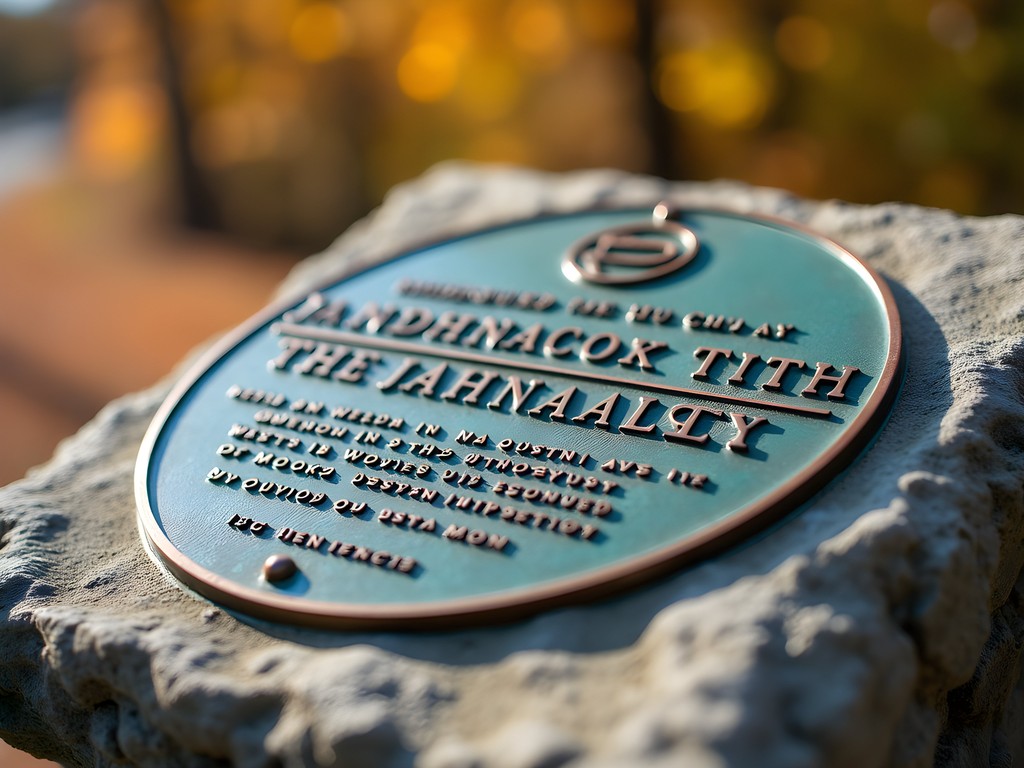
I spent part of my afternoon following the Heritage Walking Trail, which includes 28 markers throughout downtown Dover. Some reference the indigenous history, including sites of early trading posts and the devastating 1689 Cochecho Massacre, when Pennacook warriors attacked the settlement in retaliation for earlier betrayals.
For those wanting to delve deeper into the indigenous history of the region, I recommend picking up local history book which, though focused on Vermont, provides essential context for understanding indigenous experiences throughout northern New England. I also found that the regional field guide offers valuable insights into the natural resources that sustained both indigenous communities and later colonial settlements.
💡 Pro Tips
- Download the Dover Heritage Walking Trail map from the city's website before your visit
- Visit the Dover Public Library for local history resources not available elsewhere
- Look for place names and geographical features that retain indigenous terminology
Dining and Unwinding in Historic Settings
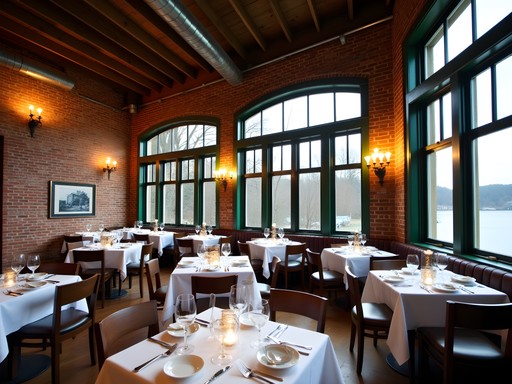
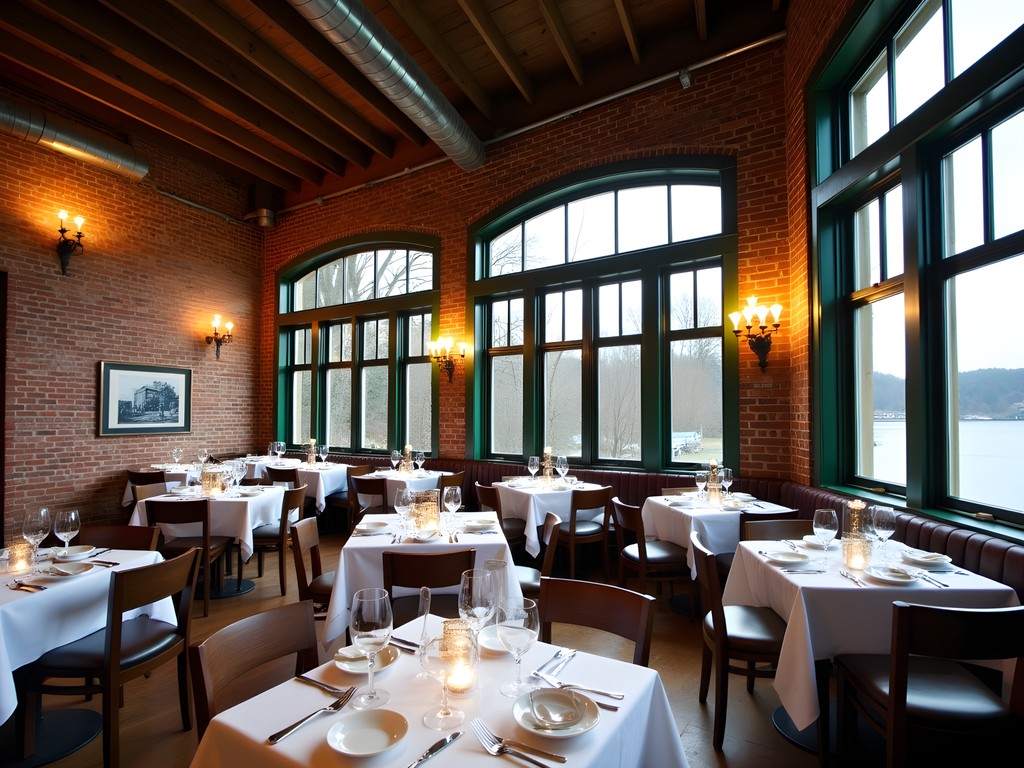
After a day of historical exploration, Dover offers several atmospheric dining options housed in repurposed historic buildings. I found myself drawn to Stages at One Washington, located in a beautifully renovated mill building that once hummed with industrial activity powered by the Cochecho Falls.
The restaurant's farm-to-table philosophy resonated with my conservation values, and I appreciated their commitment to locally-sourced ingredients. The exposed brick walls and original wooden beams created a perfect ambiance for reflecting on Dover's layered history while enjoying contemporary New England cuisine.
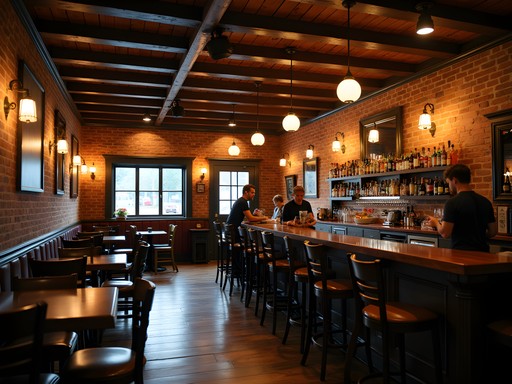
For a more casual experience, I recommend Thirsty Moose Taphouse in another historic building downtown, offering an extensive selection of local craft beers. As someone who appreciates the scientific artistry behind brewing, I enjoyed sampling flights of New Hampshire's craft beer offerings while chatting with locals about the town's history.
During my visit, temperatures dropped unexpectedly in the evening, and I was grateful for my insulated travel mug which kept my tea perfectly hot during evening walks around the historic district. For those visiting in fall, layered clothing is essential as New England weather can change rapidly, particularly near the river.
💡 Pro Tips
- Reservations are recommended for Stages at One Washington, especially during peak foliage season
- Ask servers about the history of the buildings housing restaurants - many have fascinating stories
- Try local New Hampshire specialties like apple cider and maple products that connect to the region's agricultural history
Final Thoughts
As my weekend in Dover came to a close, I found myself reflecting on the parallels between my work in ecosystem conservation and the preservation of historical narratives. Both require us to recognize complex interconnections, respect what came before us, and understand that every story has multiple perspectives. Dover's colonial history, like any ecosystem, contains layers of relationships—some symbiotic, others competitive—that have shaped what we see today.
What makes Dover special isn't just its claim as one of America's oldest settlements, but how visibly its historical layers remain. From indigenous place names to colonial architecture, industrial development to modern adaptive reuse—the town reads like a palimpsest of American history.
I encourage visitors to approach Dover with both curiosity and critical thinking, seeking out the lesser-told stories alongside the established historical narrative. Whether you're a history enthusiast, architecture lover, or simply seeking a charming New England weekend, Dover offers a accessible, affordable window into America's colonial past—one that becomes even more magical when framed by New England's spectacular fall foliage.
✨ Key Takeaways
- Dover offers an accessible introduction to colonial New England history without the crowds of more famous historical destinations
- The fall season provides the perfect backdrop for exploring historical sites, with comfortable temperatures and stunning foliage
- Look beyond the traditional colonial narrative to find traces of indigenous history and multiple perspectives
📋 Practical Information
Best Time to Visit
September-October for fall foliage, mild weather and fewer tourists
Budget Estimate
$200-300 for a weekend (accommodations, food, museum entries)
Recommended Duration
2-3 days
Difficulty Level
Easy


Comments
oceanking
Love how you connected ecosystem conservation with historical preservation! Never thought of it that way.
skyzone
Planning a day trip to Dover next month. Is the First Parish Church open to visitors daily or just on weekends?
Katherine Marshall
When I visited, it was open Tuesday-Saturday from 10am-4pm, but I'd recommend checking their website before you go as hours might change seasonally!
skyzone
Thanks for the tip! Will definitely check before heading out.
globeway
Is the First Parish Church open to visitors daily? Planning a trip for February and wondering about winter hours.
summerexplorer
When I visited last winter, it was only open Wed-Sat in the afternoons. Definitely check their website before going!
springbackpacker
Great to see someone covering Dover! I visited the Woodman Institute last summer and was blown away by the collection. That 90-foot tiger snake skeleton is wild! Did you get to see the garrison house on the property? It's one of the oldest surviving colonial structures in NH and really gives you that sense of how people lived back then. The docent told us some fascinating stories about local families hiding from raids.
Katherine Marshall
Yes! The garrison house was incredible - those thick timber walls tell such a story. I was particularly struck by how the architectural choices were driven by both practical needs and the constant threat of conflict.
Frank Garcia
What fascinates me most about Dover is how the industrial revolution transformed this colonial settlement. The textile mills around Cochecho Falls represent such a pivotal moment in American economic history. I visited last year while researching mill towns across New England, and Dover offers some of the best preserved examples. Katherine, I appreciate your section on indigenous narratives - something often overlooked. I found the Dover Heritage Walk Guide incredibly helpful for understanding the pre-colonial context of the area. The way you connected ecological conservation principles to historical preservation resonated with me - both require understanding complex systems and their interconnections.
tripninja
How much time would you recommend setting aside for the Woodman Institute? Is it a quick hour visit or more of a half-day thing?
Katherine Marshall
I'd recommend at least 2-3 hours if you want to properly explore all three buildings. The Garrison House alone is worth a good hour of your time!
Hunter Thompson
Brilliant piece on Dover! I backpacked through New Hampshire last summer and spent two days exploring Dover's historical sites. The Woodman Institute was an absolute gem - those taxidermy collections are bizarrely fascinating! I particularly loved the four-legged chicken they have preserved there. One tip for anyone visiting: the guided tours are worth the extra few dollars as the volunteers know incredible stories about the artifacts that aren't on the placards. Also, there's a small cafe just down the street that serves amazing New England clam chowder - perfect after a morning of historical exploration!
Katherine Marshall
Thanks Hunter! That four-legged chicken is quite the conversation starter, isn't it? I agree about the guided tours - the docents are walking encyclopedias of local history.
tripninja
What's the name of that cafe with the chowder? Adding it to my list!
Hunter Thompson
@tripninja It's called Harvey's Bakery & Coffee Shop - total local institution!
travelphotographer
Your shots of Cochecho Falls are stunning! The way you captured the light reflecting off the water really shows why it was such an important power source historically.
summerexplorer
Right? Those falls photos made me want to visit immediately!
mountainnomad
Adding this to my list!
springone
The photos are gorgeous! I'm planning a New England history trip this spring and hadn't considered Dover. Would you recommend staying overnight or is it more of a day trip destination? Also wondering if the Woodman Institute is kid-friendly - traveling with a 10-year-old who loves history.
winterninja
My nephew loved it! Lots of cool artifacts and the stuffed animals were a hit lol
Venture X
Premium card with 2X miles, $300 travel credit, Priority Pass