
Disclosure: This article contains affiliate links. We may earn a commission from purchases at no extra cost to you, which helps our travel content.
When most couples plan a Hawaiian getaway, they envision pristine beaches and resort pools. But Hilo offers something profoundly different: a living laboratory of Hawaiian culture where ancient traditions intersect with cutting-edge astronomy, and where the economic vitality of a community depends on preserving its authentic soul. During my research on scientific tourism's economic impact, I discovered that Hilo's cultural richness creates more sustainable tourism revenue than any beach resort—and infinitely more meaningful connections.

The Living Classroom: 'Imiloa Astronomy Center
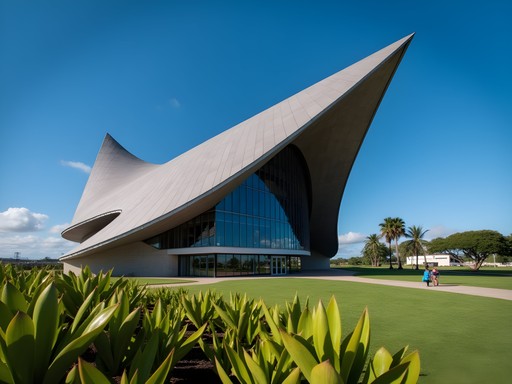
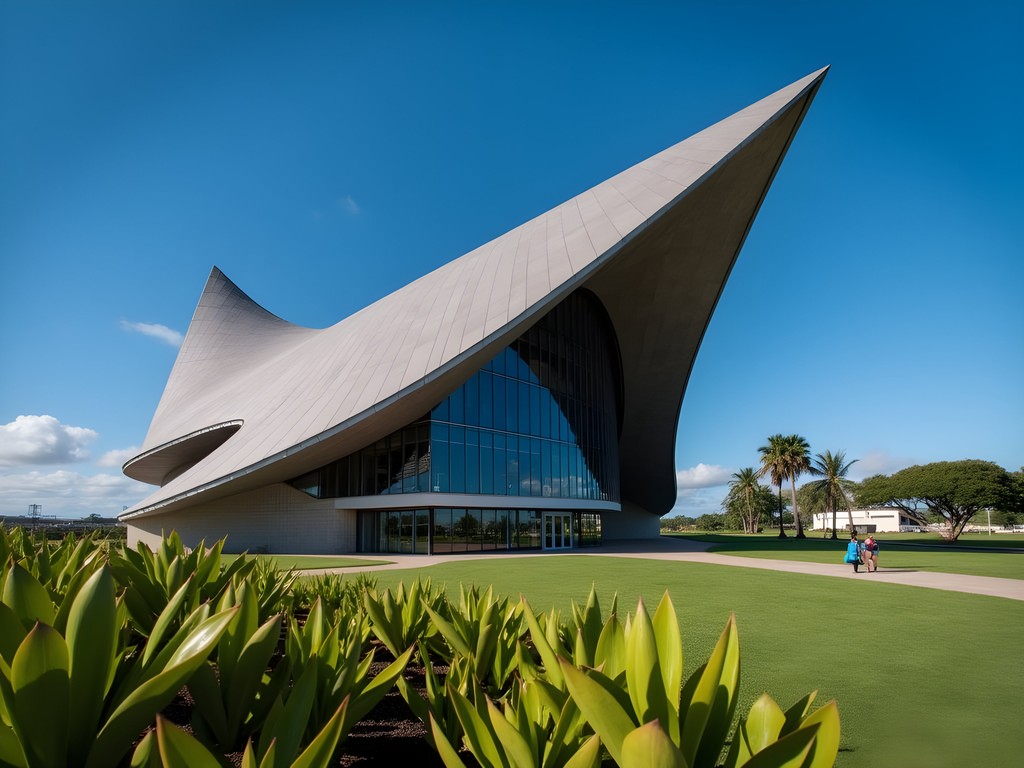
The 'Imiloa Astronomy Center represents something I've rarely encountered: a seamless bridge between indigenous wayfinding traditions and modern astrophysics. As an economist who studies scientific tourism, I can tell you this institution generates significant local employment while honoring Hawaiian navigational expertise that predates European astronomy by centuries.
Spend your first morning here, allowing three to four hours. The planetarium shows alternate between Hawaiian creation stories and contemporary cosmology—not as competing narratives, but as complementary ways of understanding our universe. The exhibits explain how Polynesian voyagers used star paths to navigate thousands of miles of open ocean, a feat requiring astronomical knowledge as sophisticated as any observatory.
For couples, I recommend the evening programs when available. The intimate setting encourages meaningful conversations about humanity's relationship with the cosmos. Before visiting, brush up on basic astronomy with astronomy guide—it will deepen your appreciation for both the Hawaiian and scientific perspectives presented here.
💡 Pro Tips
- Book planetarium shows in advance during spring break season—they fill quickly
- Arrive 30 minutes early to explore the native plant gardens that demonstrate traditional Hawaiian ethnobotany
- Ask docents about the economic partnership between Mauna Kea observatories and Native Hawaiian communities—it's a complex, evolving relationship worth understanding
Hands-On Heritage: Traditional Hula and Language Immersion
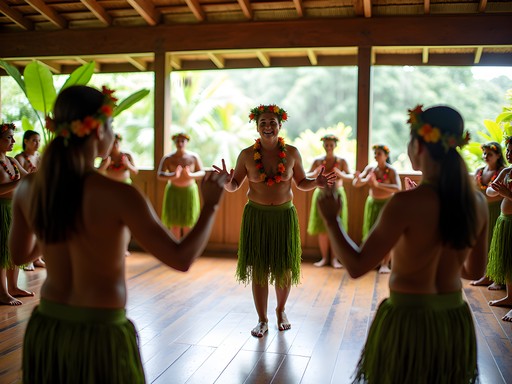
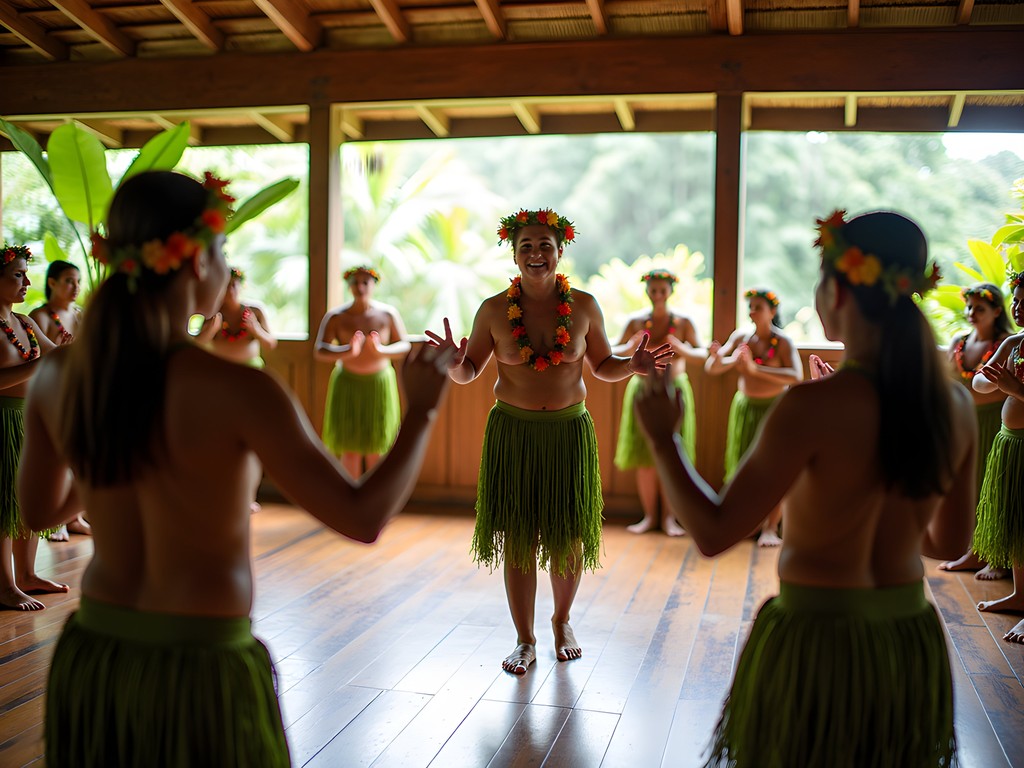
Understanding hula as mere entertainment represents a fundamental misunderstanding. Hula is Hawaii's historical record—a sophisticated system of knowledge transmission that preserved genealogies, navigation routes, and ecological wisdom for generations before written language arrived.
I recommend booking a three-day intensive at Hālau Hula 'O Kahealani or similar hālau (hula school) that welcomes respectful visitors. These aren't tourist performances but actual instruction in basic movements, chants, and the cultural context that gives them meaning. You'll learn that every hand gesture represents specific elements—mountains, ocean currents, native plants—creating a kinetic encyclopedia of Hawaiian knowledge.
Pair this with conversational 'Ōlelo Hawai'i (Hawaiian language) sessions at the University of Hilo's community programs. Even basic phrases transform your interactions with kupuna (elders) at cultural sites. The economic impact here matters: language revitalization programs employ native speakers and create intergenerational knowledge transfer that benefits the entire community.
Bring a voice recorder to capture pronunciation lessons—my students found this invaluable for practice between sessions. Always ask permission before recording, and understand that some chants are kapu (sacred/restricted).
💡 Pro Tips
- Wear comfortable clothing that covers knees and shoulders—cultural protocols matter in traditional settings
- Budget $150-200 per person for a three-day hula intensive, which directly supports native Hawaiian instructors
- Learn the proper protocol for entering a hālau: remove shoes, bring a small ho'okupu (gift) like ti leaves or flowers, and observe before participating
Agricultural Economics: Farm-to-Table Cultural Immersion
Hilo's agricultural heritage tells Hawaii's economic story in microcosm. The transition from sugar plantations to diversified small farms represents both economic necessity and cultural reclamation. For couples interested in food systems and sustainability, this is fieldwork you can taste.
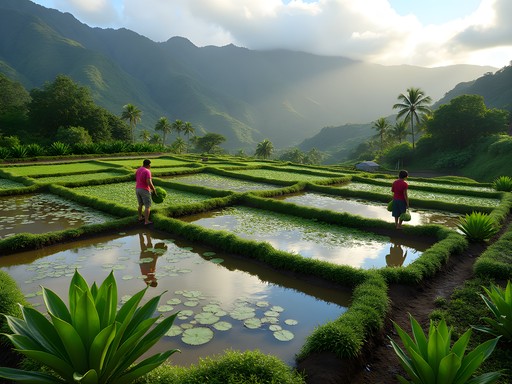
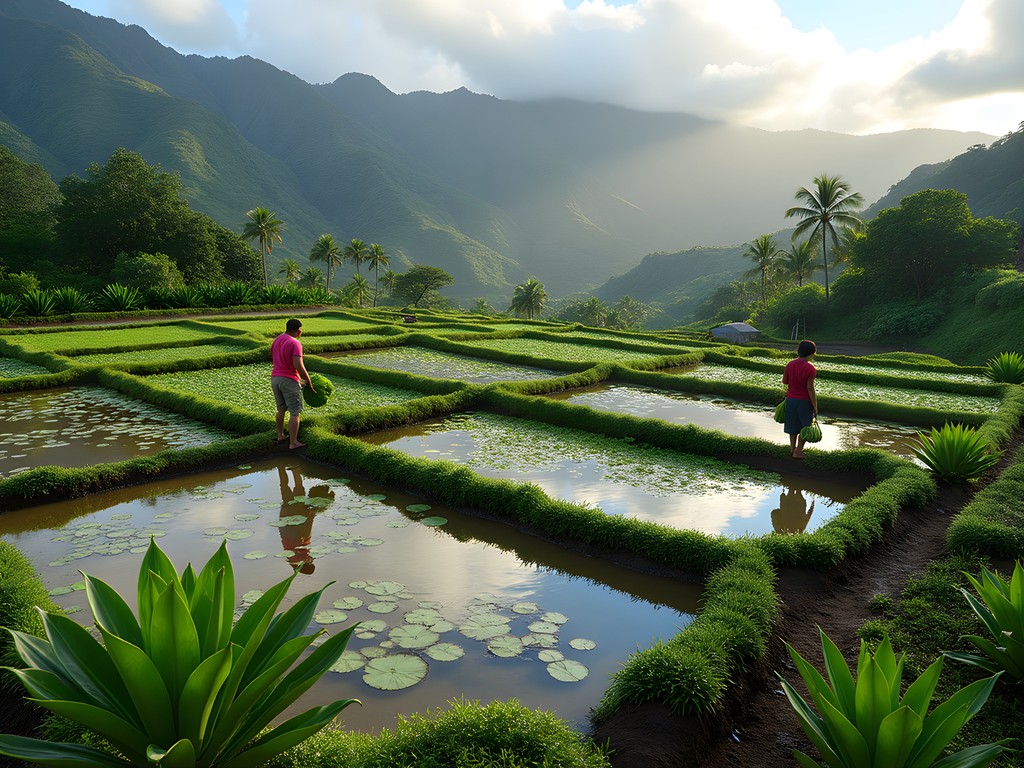
Book a full-day experience at a working taro farm—lo'i kalo (taro patches) are where Hawaiian culture quite literally takes root. You'll work alongside farmers in the muddy patches, learning the complex irrigation systems that sustained large populations for centuries. The physical labor provides context for understanding poi's cultural significance: it's not just food but the embodiment of family connection and land stewardship.
Follow this with visits to Hilo Farmers Market (Wednesday and Saturday mornings) and smaller roadside stands. The economic model here fascinates me—direct sales allow small farmers to capture full retail value while maintaining cultural crop varieties that supermarkets won't stock. Purchase heirloom Hawaiian varieties: mountain apples, lilikoi (passionfruit), and multiple banana cultivars you've never encountered.
For processing your market finds, I pack a portable cooler to keep delicate tropical fruits fresh during day trips. The investment pays for itself in preventing waste of expensive specialty produce.
💡 Pro Tips
- Taro farm experiences require waterproof footwear and clothes you don't mind muddying—this is real agricultural work
- Arrive at Hilo Farmers Market by 7 AM for best selection and meaningful conversations with farmers before crowds arrive
- Ask farmers about 'āina-based economics and the challenges of competing with industrial agriculture—these conversations illuminate Hawaii's economic future

Navigating Sacred Spaces: Protocol and Perspective
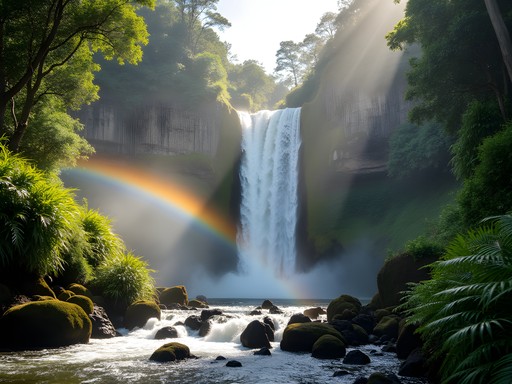
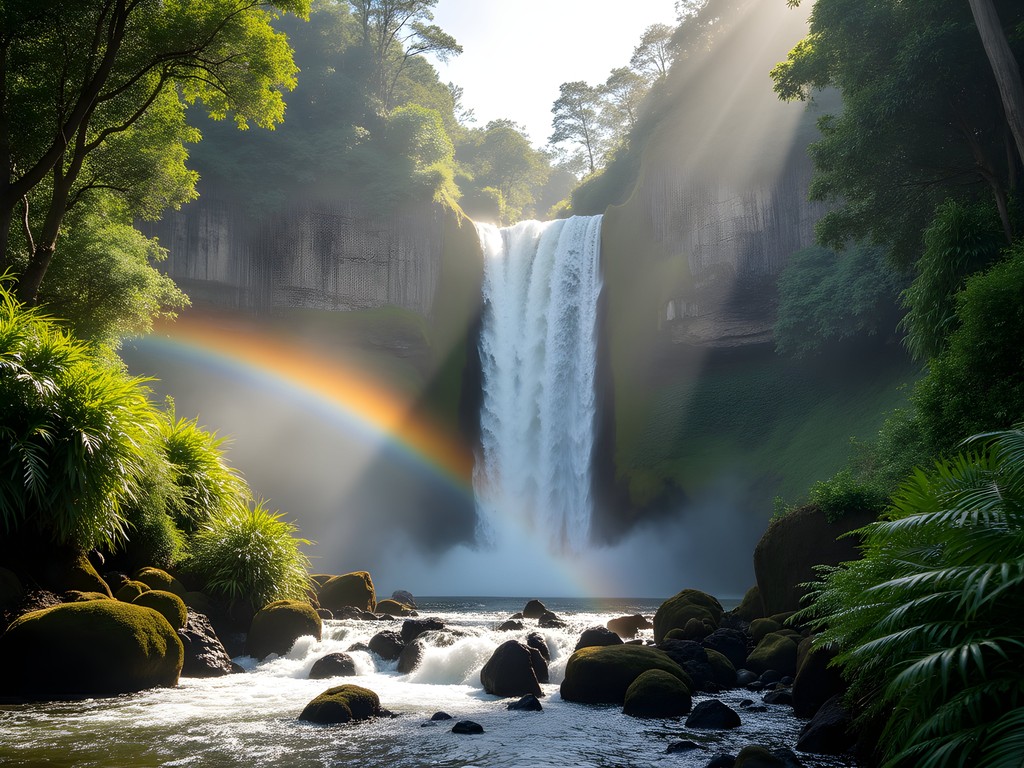
Several sites around Hilo demand cultural competency that typical guidebooks inadequately address. Wailuku River State Park, home to Rainbow Falls and the restricted Boiling Pots, contains locations sacred to Pele and Hina. The economic tension here is palpable: tourism revenue versus cultural preservation.
Before visiting any site, research its significance through Hawaiian culture book or similar resources that center Native Hawaiian voices. Understand that some areas may be kapu during certain times or conditions. Signs saying 'No Trespassing' often protect sacred sites, not just private property.
I recommend hiring a Native Hawaiian cultural guide for at least one day of your week. Organizations like Native Hawaiian Hospitality Association connect visitors with guides who can explain the layered meanings of place names, geological features, and cultural protocols. This isn't just about gaining access—it's about understanding context that transforms sightseeing into genuine cultural exchange.
The economic impact matters: cultural guide services employ Native Hawaiians in knowledge-based tourism that doesn't require them to perform identity for entertainment. Your guide fee directly supports families maintaining traditional knowledge systems.
💡 Pro Tips
- Never remove stones, plants, or other natural items from cultural sites—this violates both legal and spiritual protocols
- If you encounter ceremonies or cultural practices in progress, observe from a respectful distance or leave the area entirely
- Budget $200-300 for a private cultural guide for two people—the insights gained justify the investment
Evening Enrichment: Stargazing with Cultural Context
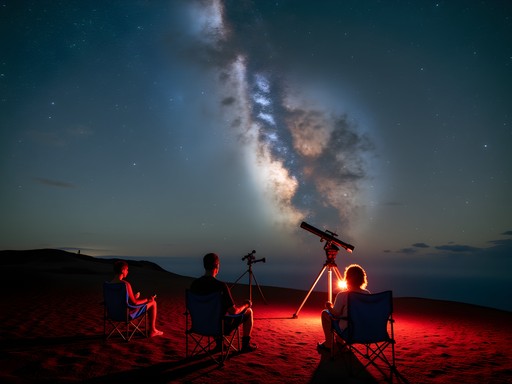
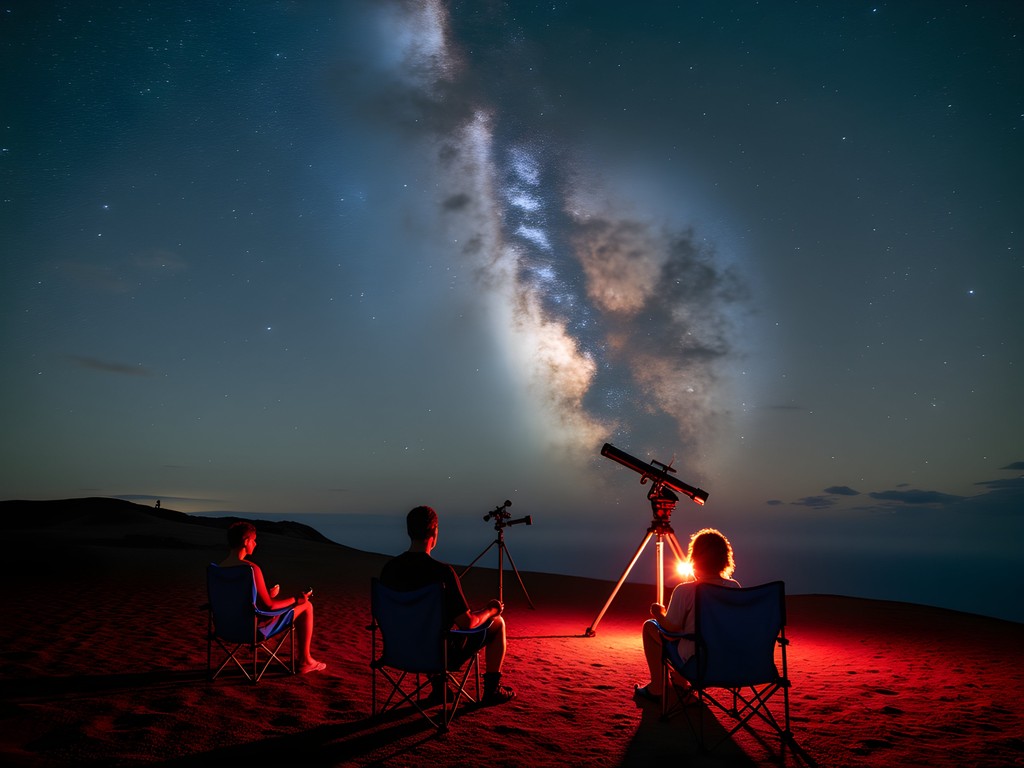
Hilo's proximity to Mauna Kea observatories creates unique opportunities for astronomy experiences informed by both Hawaiian and Western scientific traditions. While summit visits require acclimatization planning beyond a week's scope, several operators offer mid-elevation stargazing that contextualizes what you learned at 'Imiloa.
I recommend Mauna Kea Stargazing tours that incorporate Hawaiian star navigation traditions. You'll learn how Hokule'a—the double-hulled canoe that voyaged to Tahiti using only traditional navigation—relied on star paths that Hawaiian navigators memorized through chants and kinesthetic learning.
The altitude (around 9,000 feet for viewing stations) requires preparation. Spend your first two days at sea level before ascending. Bring layers—temperatures drop dramatically after sunset. A insulated jacket or similar mid-weight insulation proves essential, even in spring.
For couples, these evening programs create profound shared experiences. Lying on reclined chairs under crystalline skies while learning how ancient Polynesians navigated by stars generates conversations about human ingenuity, cultural knowledge systems, and our place in the cosmos that continue long after you return home.
💡 Pro Tips
- Book stargazing tours for mid-week when you've had time to adjust to Hawaii time and won't be exhausted
- Avoid caffeine after 2 PM on stargazing days—altitude amplifies its effects and can cause discomfort
- Bring a red-light headlamp to preserve night vision—white light disrupts both your adaptation and others' viewing experience
Final Thoughts
Hilo reveals what Hawaii becomes when tourism serves cultural preservation rather than exploiting it. The economic model here—where visitors pay for authentic knowledge transmission rather than commodified performances—demonstrates sustainable tourism's potential. For couples seeking experiences that challenge and educate rather than simply entertain, Hilo offers profound rewards.
Your week here won't make you experts in Hawaiian culture—that would require lifelong commitment. But it will transform you from tourists consuming a destination into visitors engaging respectfully with a living culture. You'll return home with more questions than answers, which is precisely the point. The couples I've guided through similar immersive experiences report that these shared learning adventures strengthen their relationships in ways beach vacations never did.
Book your accommodations in Hilo town rather than resorts. Eat at local restaurants. Attend community events if timing allows. Your spending patterns represent economic votes for the kind of Hawaii you want to exist—choose businesses that support cultural practitioners and environmental stewardship. The islands' future depends on visitors who understand that authentic cultural experiences require reciprocity, respect, and the humility to remain perpetual students.
✨ Key Takeaways
- Authentic cultural immersion requires time, financial investment in native practitioners, and willingness to be uncomfortable while learning
- Hilo's cultural tourism model demonstrates how visitor spending can support indigenous knowledge systems and economic self-determination
- The intersection of Hawaiian wayfinding traditions and modern astronomy offers unique perspectives on human knowledge systems and cultural epistemology
📋 Practical Information
Best Time to Visit
Spring (March-May) offers moderate rainfall, comfortable temperatures, and fewer crowds than summer
Budget Estimate
$2,500-3,500 for two people including mid-range accommodations, cultural experiences, guides, and meals
Recommended Duration
7 days minimum for meaningful cultural immersion without rushing
Difficulty Level
Moderate—requires Cultural Sensitivity, Physical Activity For Farm Work, And Altitude Adjustment For Stargazing
Comments
Riley Griffin
One tip for families: download the Hawaiian language app Duolingo offers before you go. Our kids (now 14 and 16) learned basic phrases like 'mahalo' and 'aloha kakahiaka' and it made such a difference in how locals responded to us. At the farmers market, when my daughter said 'mahalo nui loa' to a vendor, the woman's face just lit up and she spent 10 minutes telling us stories about each fruit. Small effort, huge impact. Also, I kept a travel journal for each kid to sketch and write about what they learned - they still look through them!
luckystar
Love this post!! Adding Hilo to my list for next year. The astronomy center looks incredible
Ana Robinson
Maria, this resonates so much! We moved to Tokyo from Honolulu five years ago, and I always tell people that Hilo is what O'ahu used to be like. Last summer we brought my parents and they were blown away by how different it felt from Waikiki. The protocol section is so important - we witnessed someone walking into a heiau with their shoes on and the cultural guide had to gently correct them. It reminded me why having knowledgeable local guides isn't just nice, it's essential. The way you framed it as 'tourism serving cultural preservation' is exactly right. My kids learned more about Hawaiian culture in three days in Hilo than they did in years of living in Honolulu.
luckystar
totally agree about the guides! makes such a difference
vacationwalker659
YES!! Hilo is the REAL Hawaii. Been going for 15 years and it never disappoints. The 'Imiloa center is mind-blowing!
globegal
Which farm did you visit? Want to make sure I pick a good one
Riley Griffin
Not Maria, but we did Hawaiian Sanctuary farm tour in 2024 and it was incredible. They grow traditional kalo (taro) and teach you about the whole ahupua'a system - how Hawaiians managed land from mountain to sea. We made poi from scratch and learned about the spiritual significance of kalo in Hawaiian culture. Our teenagers actually put their phones down for three hours! The guide, Uncle Keoni, shared stories his grandmother told him. It felt like being invited into someone's family, not just a tourist activity.
globegal
that sounds perfect! exactly what im looking for
islandlife
how much does the hula class usually cost? going in april and this sounds amazing
Ana Robinson
When we went last year, the beginner hula workshop at Halau Hula O Napuaokalani'opu'u was around $45 per person for a 2-hour session. Totally worth it! Our kids (7 and 9) did the family class and they still practice the moves at home. The kumu (teacher) was so patient and explained the meaning behind each gesture. Book ahead though - they fill up fast!
islandlife
awesome thanks!! booking now
tripninja
Going there in April! Any tips on booking the hula classes? Do they fill up fast?
summerlegend
following because I want to know this too!
summerlegend
This is EXACTLY what I've been looking for!! So tired of the same beach resort stuff 🌺
tripninja
same! hilo sounds way more interesting than the usual tourist traps
skyfan
love this! adding hilo to my list
Gregory Boyd
Brilliant piece, Maria. The economic model you touched on is fascinating - I've seen similar approaches in parts of Aotearoa (NZ) where Māori communities control tourism access to sacred sites. The key difference is that revenue flows directly back into cultural preservation and community programs rather than external operators. Hilo's approach with the farm-to-table experiences particularly resonates - you're not just consuming culture, you're actively participating in its continuation. The protocol section is crucial too. Too many travelers skip understanding the cultural context and just want the Instagram moment. How receptive did you find locals to visitors who made the effort to learn basic Hawaiian phrases?
Maria Moreau
Exactly right about the Māori comparison! And locals were incredibly welcoming when we made even small efforts with the language. A simple 'mahalo' or 'aloha kakahiaka' opened so many doors and conversations.
Venture X
Premium card with 2X miles, $300 travel credit, Priority Pass